BACKGROUNDMany centers advocate bioprosthetic valves in the elderly to avoid anticoagulation, in particular when patient survival is less than the expected valve durability. Because expected survival in the elderly is increasing and age-specific risk of anticoagulation in the elderly is not known, we examined valve- and anticoagulation-related morbidity in elderly patients after aortic valve replacement (AVR) with bioprostheses or mechanical prostheses.METHODS AND RESULTSBetween January 1980 and June 1994, 211 patients age > or = 70 years underwent isolated AVR; there were 109 men (52%) and 102 women (48%). Mean age was 75.9 +/- 4.8 years. Aortic stenosis was present in 194 (92%) patients. Bioprostheses were used in 145 (69%) and mechanical prostheses were used in 66 (31%). Chronic anticoagulation was maintained in all patients with a mechanical valve and in 18 patients (12%) with a bioprosthetic valve. Follow-up data were obtained for 98% (194 of 197) of hospital survivors at a mean follow-up of 3.8 years. Operative mortality was 6.6%; survival at 3 and 5 years was 75.3 +/- 3% and 64.6 +/- 4%, respectively. There was no significant difference in operative or late mortality between patient groups. Rates of freedom from thromboembolic events, endocarditis and anticoagulant-related hemorrhage for bioprosthetic and mechanical valve patients were similar. Prosthetic failure was identified in three bioprosthetic valves (2%); furthermore, the 4 patients in the series who required reoperation had received bioprostheses at the first operation.CONCLUSIONSIn conclusion, (1) elderly patients undergoing isolated AVR can be managed with either mechanical or bioprosthetic valves with similar early and late risk, as long as there are no specific contraindications to anticoagulation; (2) anticoagulation-related risk of hemorrhage is low in this group of elderly patients; and (3) the low but significant risk of reoperation following the use of bioprostheses suggests that mechanical valves may be underused in the elderly.
BACKGROUND:Hyperacute xenograft rejection is affected by activation of the complement cascade. Split products of early complement components influence the localization, activation, and effector function of platelets, granulocytes, and lymphocytes, whereas the formation of the membrane attack complex (C5b-9) leads to direct cellular injury. In a unique strain of PVG rats deficient in the C6 component of complement, the terminal membrane attack complex is not formed. However, production of the chemotactic and vasoactive components C3a and C5a proceeds normally. Guinea pig cardiac xenografts in these C6-deficient rats have prolonged survival, and at the time of rejection the inflammatory infiltrate is composed primarily of neutrophils. NPC 15669, a member of a class of antiinflammatory agents called leumedins, is known to inhibit neutrophil adhesion. The purpose of this study was to determine whether inhibition of neutrophil recruitment in animals incapable of membrane attack complex formation would prolong cardiac xenograft survival.METHODS:Cardiac xenografts from male Hartley guinea pigs were heterotopically grafted into PVG (C-) and PVG (C+) male rats. Experimental animals received 20 mg/kg of NPC 15669 i.v. before cross-clamp release and 10 mg/kg of NPC 15669 intravenously on postoperative day 1. Control animals received intravenous saline solution only.RESULTS:Complement sufficient PVG (C+) rats rejected cardiac xenografts hyperacutely despite mode of treatment: PVG (C+) rats which received saline solution (n = 5) rejected their xenografts at 10.8 +/- 2.6 minutes, and those receiving NPC 15669 (n = 5) rejected at 13.9 +/- 5.3 minutes. Histologic examination showed edema, platelet aggregation, and hemorrhage but no cellular inflammatory infiltrate. As expected, complement-deficient PVG (C-) rats had markedly longer xenograft survival in the saline solution-treated group (n = 5) with graft function being sustained 14.7 +/- 6.1 hours. NPC 15669 treatment (n = 4) further prolonged graft function to 61.0 +/- 4.7 hours. In addition to edema, platelet aggregation, and hemorrhage, histologic analysis of these grafts at the time of rejection was characterized by an infiltration of neutrophils.CONCLUSIONS:We conclude that neutrophils play a critical role in cardiac xenograft rejection when complement activation is restricted. Combined inhibition of complement and neutrophil adhesion prolongs xenograft survival longer than inhibition of either component alone.
As a surgical adjunct, the technique of hypothermic circulatory arrest (HCA) is well established in pediatric cardiac surgery but is used less frequently in adults. This study was undertaken to review the application, utility, and safety of HCA in adult surgery at a single institution. Between January 1985 and October 1990, 60 adult patients (greater than 18 years old) underwent surgical procedures that included HCA. There were 30 men and 30 women; mean patient age was 56.4 years (range, 20 to 81 years). Operative procedures were thoracic aortic aneurysm repair (35 patients, 58%), resection of intraabdominal malignancy (15 patients, 25%), coronary artery bypass (4 patients, 7%), and other miscellaneous procedures (6 patients, 10%). Eighty-two percent of the procedures were elective, whereas 18% were emergencies. Mean circulatory arrest time was 28.5 minutes (range, 2 to 64 minutes). Operative mortality was 15%; by multivariate analysis, risk factors for death included prolonged cardiopulmonary bypass time (p less than 0.05), higher post-HCA rectal temperature (p less than 0.05), and intraoperative hypotension (p less than 0.001). Patient age, sex, emergency status, duration of HCA, and perfusion variables on cardiopulmonary bypass did not predict operative mortality. The incidence of perioperative neurologic injury was 15%. The only risk factor for neurologic injury was intraoperative hypotension (p less than 0.05). One- and 3-year actuarial survival for patients undergoing operation on the heart or great vessels was 75.9% and 70%, respectively, whereas patients with intraabdominal malignancy had 75% and 23.4% 1- and 3-year survival.(ABSTRACT TRUNCATED AT 250 WORDS)
Growth of vascular anastomoses is desirable in pediatric vascular surgery, especially in pediatric organ transplantation. Although absorbable suture has been shown to be superior to nonabsorbable suture in permitting growth of arterial anastomoses, the optimal suture material for venous anastomoses has not been established. To examine this in a porcine model, we performed bilateral primary end-to-end anastomoses of transected external jugular veins in 10, 4-week-old piglets. In each piglet one anastomosis was constructed with continuous absorbable 8-0 polyglyconate suture, whereas the contralateral anastomosis was constructed with continuous nonabsorbable 8-0 polypropylene suture. After 6 months the veins were excised, pressure fixed at 15 mm Hg for 2 hours, and examined grossly and histologically. Vein diameter was measured by contrast radiography at the anastomosis and 1 cm proximal and distal to the anastomosis. Vein cross-sectional area 1 cm from the anastomosis was similar in the two groups: polyglyconate 95.7 +/- 12.3 mm2 versus polypropylene 95.3 +/- 9.7 mm2. However, polyglyconate anastomoses had greater cross-sectional area (polyglyconate 72.8 +/- 7.9 mm2 vs polypropylene 51.8 +/- 6.0 mm2; p < 0.05). In addition, at 6 months polyglyconate anastomoses had a greater percentage of growth (polyglyconate 207% vs polypropylene 118%; p < 0.05) compared with native vein cross-sectional area (23.7 +/- 0.39 mm2) from control pigs at 4 weeks of age. On histologic examination, polyglyconate had dissolved entirely in six cases and was present but in varying degrees of dissolution in the other four; in contrast, polypropylene was identifiable at all anastomoses.(ABSTRACT TRUNCATED AT 250 WORDS)
The diffuse inflammation produced by cardiopulmonary bypass might disrupt the blood-brain barrier and lead to the transient neurologic dysfunction occasionally seen after cardiac operations. To evaluate this possibility, blood-brain barrier integrity was measured by carbon 14-aminoisobutyric acid tracer technique after 2 hours of cardiopulmonary bypass in piglets. Six animals were cooled to 28 degrees C on cardiopulmonary bypass and then rewarmed to 38 degrees C before carbon 14-aminosisobutyric acid was injected intraarterially. A control group of six animals underwent median sternotomy and heparinization but were not placed on cardiopulmonary bypass. Blood-to-brain transfer coefficients for carbon 14-aminosisobutyric acid were calculated for multiple brain regions; higher coefficients reflect greater flux of carbon 14-aminosisobutyric acid and suggest loss of blood-brain barrier integrity. The brain regions examined and their transfer coefficients (cardiopulmonary bypass versus control mean +/- standard error of the mean ml/gm/min) were middle cerebral artery territory cortex (0.0032 +/- 0.0002 versus 0.0030 +/- 0.0002; p = 0.42), diencephalon (0.0031 +/- 0.0003 versus 0.0029 +/- 0.0002; p = 0.50), midbrain (0.0028 +/- 0.0002 versus 0.0027 +/- 0.0002; p = 0.86), cerebellum (0.0036 +/- 0.0003 versus 0.0029 +/- 0.0002; p = 0.22), and spinal cord (0.0035 +/- 0.0003 versus 0.0041 +/- 0.0008; p = 0.48). There were no significant differences in transfer coefficients between animals placed on cardiopulmonary bypass and control animals in any brain region examined. The pituitary gland lacks a blood-brain barrier and had a correspondingly high coefficient in control animals and those undergoing cardiopulmonary bypass (0.077 +/- 0.012 versus 0.048 +/- 0.008; p = 0.07). Two hours of moderately hypothermic cardiopulmonary bypass does not disrupt the blood-brain barrier.
Pulmonary embolism (PE) is thought to occur infrequently after cardiac operations, possibly because systemic heparinization during cardiopulmonary bypass prevents deep vein thrombosis. This retrospective study was undertaken to determine the actual incidence of PE after cardiac operations and to identify risk factors. Between January 1, 1985, and December 31, 1989, 5,694 adult patients (>18 years old) had open heart operations at the Johns Hopkins Hospital. Thirty-two patients (20 men and 12 women) had PE within 60 days of operation, an overall PE incidence of 0.56%. The diagnosis of PE was established by ventilation/perfusion scan, pulmonary angiogram, or autopsy. Mortality among patients with PE was 34%. Using a case-control method, preoperative and postoperative risk factors for PE were identified by multivariate and multiple logistic regression analyses. Preoperative risk factors included bed rest (p < 0.003), prolonged hospitalization before operation (p < 0.004), and cardiac catheterization performed through the groin within 15 days before operation (p < 0.01). Postoperative risk factors were congestive heart failure (p < 0.008), prolonged bed rest (p < 0.05), and deep vein thrombosis (p < 0.03). This study demonstrates that PE is an unusual complication after cardiac operations, has a high mortality rate, and is often related to perioperative immobility and recent groin catheterization. These results also suggest that minimizing preoperative hospital stay may be important in PE prophylaxis.
 DE CAMERON合作论文数5
 A. Marc Gillinov合作论文数Department of Thoracic and Cardiovascular Surgery, Sydell and Arnold Miller Family Heart, Vascular & Thoracic Institute, Cleveland Clinic4WA BAUMGARTNER合作论文数2RS STUART合作论文数2
 Timothy J. Gardner合作论文数Department of Surgery, Perelman School of Medicine, University of Pennsylvania2Marc S. Sussman合作论文数2
 Peter Greene合作论文数2Tt Lam合作论文数1S Ibrahim合作论文数1We Curtis合作论文数1KL Baughman合作论文数1EK KASPER合作论文数1Mary F. Rykiel合作论文数1Ee Tseng合作论文数1Cl Schleien合作论文数1JM REDMOND合作论文数1
 Raymond C. Koehler合作论文数Department of Environmental Health Sciences, Bloomberg School of Public Health, Johns Hopkins University1Laschinger John合作论文数Center for Devices and Radiological Health, U.S. Food and Drug Administration1Vincent L. Gott合作论文数1
 William Baldwin合作论文数1
 Kenton J Zehr合作论文数Division of Cardiovascular Surgery;Mayo Clinic and Foundation;Thoracic Surgery;Mayo Clinic and Foundation, Thoracic Surgery1
 Ralph Hruban合作论文数Department of Oncology, Johns Hopkins University School of Medicine;The Sol Goldman Pancreatic Cancer Research Center, Johns Hopkins University1
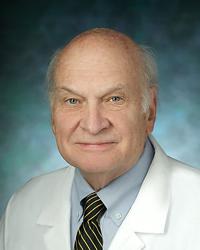 Duke Edward Cameron合作论文数Massachusetts General Hospital;School of Medicine, Johns Hopkins University1Levi Watkins合作论文数1
 Fred Sanfilippo合作论文数1G.Melville Williams合作论文数1RJ TRAYSTMAN合作论文数1
 Bruce A Reitz合作论文数Department of Cardiothoracic Surgery, Stanford University1
 Zhiping Qian合作论文数1




