Abstract This study aimed to elucidate the comparison of the levels of acetic acid and the pH of the ecoenzymes from organic matter variations of sweet and sour orange peels. The acetic acid is an organic compound containing a carboxylic acid group which is also widely applied in the health and industrial fields. Preparation of acetic acid from substrate products containing ethanol which can be obtained from fruit ingredients including oranges. One of the uses and management of organic waste, including vegetables and fruit, is by making ecoenzymes from fruit peels with a mixture of water and sugar. Fruit peels that can be used as organic ecoenzyme ingredients vary widely, so the content in ecoenzymes becomes very diverse and tends to be unstable. This type of research is descriptive. This study consisted of three stages, namely the manufacture of ecoenzymes from pasaman orange peel, gunung omeh, kaffir lime and lime in 7 variations (for 100 days), measurement of acetic acid levels and pH in the ecoenyzme samples for 14 days and 100 days. Acetic acid levels were determined using the acid-base titration method. The results of this study showed that the highest levels of acetic acid ecoenzyme in the 100-day fermentation were 5.53% in the sour orange group, while the lowest in the mixed ecoenzyme was 3.32%. The most acidic ecoenzyme pH was at 100 days of fermentation (pH ±3.5).
Abstract Capsicum frutescens L. is one of the horticultural commodities that plays an important role as food and industrial raw materials. The amount of chili consumption continues to increase, so its production requires quality seeds. The physiological quality of seeds can be improved, one of which is by using fluorescent pseudomonads as biopriming. The fluorescent pseudomonads LAHLS1, LAHT1, LAHCS2, and PfPb3 produced Indole Acetic Acid (IAA) with concentrations between 5.37 to 20.31 ppm, and were significantly different. Biopriming of C. frutescens L. seeds using different fluorescent pseudomonad isolates affected the percentage of germination, wet weight and dry weight of C. frutescens L. seedlings. Fluorescent pseudomonads LAHLS1, LAHT1, LAHCS2, and PfPb3 can increase the percentage of C. frutescens L. seed germination up to 100%. The highest seedling wet weight (43.52 mg) was found in seed biopriming using fluorescent pseudomonad LAHLS1 and the lowest was control (12.33 mg). The highest seedling dry weight (4.40 mg) was found in seed biopriming using fluorescent pseudomonad LAHLS1, and the lowest was control (0.93 mg). The results showed the potential use of IAA-producing fluorescent pseudomonads in increasing the percentage of seed germination and influencing the growth of C. frutescens L. seedlings based on observations of wet weight and dry weight of seeds.
COVID-19 (coronavirus disease 2019) is a respiratory tract infection transmitted from human to human, so the factor of human mobility plays an essential role in the spread of this disease. Moreover, with easy access to mobility between regions, the mobility of the population is increasing. It makes COVID-19 spread rapidly worldwide and results in a pandemic. This study examines the SEIR (Susceptible, Exposed, Infected, Removed) mathematical model of the spread of COVID-19 with the mobility aspect. The aspect of mobility reviewed is the displacement of each compartment S, E, I, and R between two cities. In actual conditions, the dynamics of the model can be disturbed by internal and external factors, resulting in differences from actual conditions. Therefore, we formulate a mathematical model of COVID-19 with the disturbance aspect. Then, the optimal control design based on the Lyapunov quadratic function will be formulated by forming the reference model and applying two control variables (vaccination and treatment) to minimize the number of exposed and infected individuals and stabilize the system. The reference model is in the form of a linear system with certain parameter values so that the system meets disease-free conditions. The parameter values in the controller design are estimated using a genetic algorithm to obtain a controller that can achieve control objectives and stabilize the system. Based on numerical simulation results using cumulative data on positive cases of COVID-19 in DKI Jakarta and West Java, Indonesia, the simultaneous application of vaccination control and treatment strategies was able to reduce the population of infected individuals in DKI Jakarta by 81.47% and in West Java by 73.98%.
PurposeEpidemics and pandemics begin and end in communities. Communities play a critical role in prevention, detection, and response to infectious disease threats when meaningfully engaged. Surveillance and contact tracing are core components of effective public health preparedness and response efforts. But, surveillance systems that rely on case detection via healthcare facilities may fail or be slow to detect and trace many cases. Communities are often the first to identify unusual disease patterns in humans and animals. Community-Based Surveillance (CBS) gives a voice to communities, enables them to communicate unusual health events to authorities, and complements facility-based surveillance systems.Methods & MaterialsSince 2019, Indonesia Red Cross (PMI) has piloted CBS in 8 villages within four provinces. Initiated for passive surveillance, the volunteers trained to report ‘alerts’ of epidemic-prone diseases to health authorities. The concept was then adapted to an active approach focussing on COVID-19 and scaled to 74 villages across eight provinces. Partnering with local authorities, volunteers supported COVID-19 screening, detection, tracing, and local response, all while implementing volunteer safety standards. The reporting system was created and coordinated by a structure within PMI.ResultsFrom August 2020-June 2021, community volunteers made 1,079 alerts: 99% of the alerts were reported to health authorities, with 71.1% followed up within 24 hours. After alert detection, volunteers sensitized family members on preventive measures while individuals awaited follow-up visits for diagnosis and management by health authorities. 64% of alerts were PCR positive for COVID-19, 12% were negative, 14% did not undergo testing, and test results for 10% of the alerts were unavailable. Of 979 contacts traced by volunteers, authorities followed up 99%, confirming 29% positive and 34% negative for COVID-19; the remaining 37% included those recommended to isolate without testing and those for whom test results were unavailable.ConclusionCBS has supported early detection and contact tracing of COVID-19 in Indonesia. The community case definition used to identify potential alerts was sensitive and easily understood by non-health workers. The system proved readily scalable and adaptable, enabling a shift from passive to active surveillance and making it feasible to be implemented anywhere in the community.
A bioactive compound was isolated from ethyl acetate extract of the marine sponge-derived fungus Aspergillus sydowii DC08. The compound's structural details were determined based on the study of nuclear magnetic resonance spectroscopy and mass spectrometric data. p-Iodonitrotetrazolium chloride (INT), a marker of bacterial growth, was used in the microdilution assay to assess the isolated compound's antibacterial efficacy. The isolated chemical was identified as sterigmatocystin (1) using spectroscopic data. This compound showed moderate activity against some pathogenic bacteria. The Minimum Inhibitory Concentration (MIC) values for this substance were 64, 128, 16, 32, and 32 µg/mL for Methicillin-Resistant Staphylococcus aureus (MRSA), Multi-Drug Resistant Pseudomonas aeruginosa (MDRPA), Escherichia coli, Staphylococcus aureus, and Pseudomonas aeruginosa, respectively.
Background : Previous research state the correlation between vitamin D deficiency and Type 1 diabetes. The deficiency of Vitamin D is caused by vitamin D intake, sunlight exposure, or nutritional status. Indonesia, as a tropical country, is close to the equator and receives sunlight all year long. Little research has been done on vitamin D levels in children and adolescents with Type 1 Diabetes in Indonesia. Objective : The study aims to determine the relationship among sunlight exposure, nutritional status, food intake, and vitamin D levels in children and adolescents with Type 1 Diabetes. Methods : The study design was cross-sectional with a sample size of 31 children and adolescents aged 5-19 years. Sunlight exposure data were collected using the Sun Exposure Questionnaire form, nutritional status o BMI/age data were using the WHO Anthro, food intake data were using the Semi-Quantitative Food Frequency Questioner, and vitamin D level data were using the ELISA method. Statistical analysis was conducted by using SPSS Version 21 with Pearson and Spearman correlation test. Results : All respondents showed vitamin D deficiency. Most respondents had low sunlight exposure and nutritional status in the normoweight category. The majority of respondents had good energy and protein intake, excess fat, low carbohydrates, and low vitamin D and calcium. Conclusion: There is a positive relationship between sunlight exposure and vitamin D level (p = 0.001, r = 0.627). However, there is no relationship among nutritional status, protein intake, fat, carbohydrates, vitamin D and calcium on the level of vitamin D (p = 0.409; p = 0.240; p = 0.311; p = 0.822; p = 0.231; 0.382).
As part of an ongoing search for secondary metabolites from an endophytic fungus Fusarium proliferatum AED3 derived from the mangrove plant Ardisia elliptica, a bioactive compound, was isolated by bioactivity-guided fractionation. The structure of the isolated compound was determined based on nuclear magnetic resonance spectroscopy and mass spectrometric data (UV, IR, LC-MS/MS, and NMR). The cytotoxic activity of the isolated compound was tested using the 3-(4,5-dimethylthiazol-2-yl)-2,5-diphenyl tetrazolium bromide (MTT) assay against the T47D cancer cell line. Based on spectroscopic data, it was concluded that the isolated compound was beauvericin (1). This compound exhibited mild cytotoxic activity against the T47D cancer cell line with an IC50 value of 112.2 μg/mL.
Many of recent study were conducted to find and investigate new antimicrobial substance to overcome the bacterial resistance problem. We can explore antimicrobial substance from medicine plant including Andalas (Morus macroura Miq.), but this plant is an endangered species. So, we can use endophytic fungi from this plant since they were known have the ability to produce similar antimicrobial compound. The aim of this study is to find some endophytic fungi from Andalas plant that have the ability to inhibit pathogen growth. Part (roots and leaves) of Andalas plant sample are from Andaleh village, Tanah Datar district, West Sumatera. Part of plant surface sterilization was using NaOCl 0.5%. Isolation of endophytic fungi from Andaleh plant was using PDA containing Chloramphenichol 500mg/l. Antimicrobial activity assay was conducted by agar dilution method. This study using 3 microbial agent i.e. Escherichia coli, Staphylococcus aureus and Candida albicans. We found 19 pure isolates of endophytic fungi from roots sample meanwhile 9 pure isolates from leaves. Most of those endophytic fungi (24 of 28 isolates) have the ability to inhibit E.coli and S. aureus growth, but none of them have the same ability to inhibit C. albicans. The highest average inhibition zone against E. coli was 47.1 mm and 51.7 mm against S. aureus. Meanwhile the lowest average inhibition zone against E.coli and S. aureus was 13.6 mm. Based on this study, we can conclude that endophytic fungi from Andalas plant are potential source to develop antimicrobial agent.
This study aims to produce information systems design and alumni data of Universitas Negeri Jakarta (UNJ) based on social media that can be accessed anywhere, facilitate the processing of alumni data, store alumni data and be able to convey information to alumni This research emphasizes the development of information system designs whose output is user requirements and use case diagrams that can be implemented into social media-based information systems. The method used to formulate user requirements is through survey techniques and interviews with several alumni and relevant stakeholders, then the data obtained are analyzed qualitatively to be synthesized into the final user requirements. From the results of the study it can be concluded that the alumni information system is considered to be very effective in attracting alumni who have been scattered. The habit of Indonesian people who often use social media to publicize their activities unconsciously has provided information about themselves to the wider community, which can be used as a database that can be used for the benefit of the campus.
Lecturer play an important role in the process of planning the learning activities, one of them is in the selection of learning model. This research aims to improve the student activities and learning outcomes in the course of chemistry food materials using problem solving learning models integrated with video media. This research was a classroom action research, which consists of 3 cycles. The participants were students of the chemistry education study program who enrol chemistry food materials courses in the odd semester of academic year 2017/2018, totally 35 people. The data analysis technique is by calculating the average value and classical learning completeness. The data were gathered from test in the end of every cycle. It was found that the student’s ability in learning process improved after the implementation of Problem Solving model. It could be seen in the improvement of average score for each test, from 78,81 in cycle I, 80,18 in cycle II to 85,69 in cycle III. In addition, classically learning completeness of students also improved, from 82,86 % in cycle I, 88,57 in cycle II to 100 % in cycle III.
Chromatographic workup on ethyl acetate extract of fungus culture, Penicillium oxalicum WR3, isolated from the marine sponge Haliclona fascigera, collected from Mandeh Island, south coast of West Sumatera, Indonesia, resulted in the isolation of two known fungal metabolites, culvularin (1) and sydowinin B (2).These compounds were evaluated for the antibacterial towards Staphylococcus aureus and methicillin-resistant Staphylococcus aureus (MRSA), as well as cytotoxic activities against Hela, T47D, and WiDR cell lines.Based on the results of the antibacterial assay, both compounds revealed relatively weak inhibition towards both tested bacterial strains when treated at a concentration of 125 µg/disc and 500 µg/disc, respectively.Furthermore, compound 1 showed mild cytotoxicity against the human cancer cell lines, T47D and HeLa, with IC50 values of 142.66 ppm and 164.88 ppm, respectively.
Dengue is a very dangerous disease in the tropic and subtropic areas. This disease is transmitted through the bite of an infected female Aedes Aegypti. In this study, optimal control of the dengue model will be discussed by applying 3 strategies, there are vaccination, repellent, and both of them. A dengue epidemic model was built without control with assumptions given by facts obtained by researchers. Then from the model, the equilibrium point is formulated and the equilibrium point stability of the model is evaluated. The next discussion is to determine the optimal control of the dengue epidemic model and minimize the costs of implementing controls. Numerical simulation results showed that 3rd strategy, which is vaccination and repellent, can reduce the subpopulations number of humans infected by dengue with the minimum cost of implementing control.
Abstract Oil-rich plants are widely cultivated as raw materials for the biofuel industry in developing countries. However, this plant is mainly also a potential source for food supply. Therefore, the supply of food crops and oil competes, making a solution to this conflict very desirable. Technological developments aimed at contributing to an increase in food and fuel supply to meet market demand is the next step in increasing existing food and oil production. Renewable energy is renewable energy and, if managed properly, these resources will not be used up. Renewable energy types include biomass, geothermal, solar energy, water energy, wind energy, and ocean energy. This method promises an economical and environmentally friendly process. Ozone is a strong oxidant for potential use in the degradation process of lignocellulosic materials. This can be produced by air flow through a plasma micro-reactor. Utilization of water as a solvent will produce a solution that is rich in ozone. This research aims to develop a degradation scheme for lignocellulosic materials using an ozonolysis reactor. The novelty of this research is the use of ozone in dissolved water for the degradation of lignocellulosic materials. Water is used as a solvent for ozone dissolving where water molecules with dissolved ozone can be separated into OH radicals which are very reactive oxidants.
The economic value of coconut water can be increased through its conversion into a functional drink of coco vinegar powder having antioxidant and anti-diabetic properties. The fermentation of coconut water into coco-vinegar is more beneficial and cheaper than the chemical routes. Nevertheless, to guarantee product stability and increase the fermentation rate, the fermentation process must be controlled. Bubble bio-fermentation is an applicative technique in upgrading the production scale and in preserve the coco vinegar quality due to its unique characteristics i.e.: simple design, fixed part, controlled flow and agitation, uniform space-time, larger contact area, lower energy input, larger capacity, and higher mass transfer rate. This research objective was to investigate the influence of the parameter process i.e. sugar and alcohol concentration towards the formation of acetic acid in the coconut water fermentation. The research showed that bubble fermentation of coconut water was proven as a potential method for the coco vinegar production process. The bubble bio-fermentation of coconut water conducted by the addition of 8% of sugar, 10% of ethanol and 15% of Acetobacteracetii inoculum and fermentation process for 21 hours was able to give a vinegar having acetic acid concentration up to 1.04%.
 Peter Proksch合作论文数5R. Hafizmatta合作论文数4N. F. Amanda合作论文数4A. G. Yulita合作论文数4Moralita Chatri合作论文数Padang State University4C. Putri合作论文数4
 Ni Putu Ariantari合作论文数4Dwi Hilda Putri合作论文数4
 Roberd Saragih合作论文数Faculty of Mathematics and Natural Science, Institut Teknologi Bandung4
 Elisna Syahruddin合作论文数4J. Zaini合作论文数3
 Inggita Kusumastuty合作论文数Dept Nutr, Univ Brawijaya3
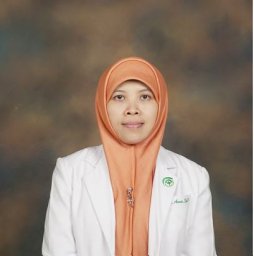 Anna Rozaliyani合作论文数Indonesia Pulmonary Mycoses Centre3
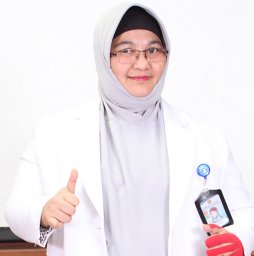 Burhan Erlina合作论文数3Soepandi Priyanti Z合作论文数Rumah Sakit Persahabatan3I. Irdawati合作论文数2Heidy Agustin合作论文数2
 Ahmad Fuady合作论文数2Farah Vidiast合作论文数2Sarah Naura Irbah合作论文数2Erlang Samoedro合作论文数Persahabatan Hosp, Univ Indonesia2
 Ibtisamatul Aminah合作论文数Lab Sumatran Biota, Andalas Univ2
 Nurfanida Librianty合作论文数Faculty of Public Health, Universitas Indonesia2
 Irandi Putra Pratomo合作论文数Indonesian Med Educ & Res Inst, Univ Indonesia2Minda Azhar合作论文数2
 Harjoedi Adji Tjahjono合作论文数Saiful Anwar Hosp, Brawijaya Univ2
 Mohamad Endy Yulianto合作论文数Vocational School, Diponegoro University2
 Karunia Putra Wijaya合作论文数Math Inst, Univ Koblenz2Chen J合作论文数2Meyer Barbara J合作论文数School of Medicine, University of Wollongong;Illawarra Heath and Medical Research Institute, University of Wollongong;University of Wollongong, University of Wollongong2
 Hertiani Triana合作论文数Faculty of Pharmacy, Gadjah Mada University2
 Xufeng Huang合作论文数Faculty of Science, Medicine and Health, School of Medical, Indigenous and Health Sciences, The University of Wollongong2F. Isbaniah合作论文数2
 Yuni Ahda合作论文数Institute of Reproductive Medicine;Munster University Hospital;Institute of Reproductive Medicine, Munster University Hospital2R. Sjam合作论文数1S Purwantisari合作论文数1S. Syamsurizal合作论文数1A. Wirawan合作论文数1H. Baskoro合作论文数1R. Wicaksono合作论文数1I Gunawan合作论文数1alifia pandu pratiwi合作论文数1Rizky Ayu Diella Calista合作论文数1
 Indah Lestariningsih合作论文数1
 Muzanip Alperi合作论文数University of Bengkulu1
 Regina Andayani合作论文数Andalas University1
 Andani Eka Putra合作论文数Faculty of Medicine, Universitas Andalas1
 Linda Advinda合作论文数Faculty of Mathematics and Natural Sciences, Universitas Negeri Padang1
 Muh Ade Artasasta合作论文数Lab Sumatran Biota, Andalas Univ1




