Alopecia and other disorders of hair growth have a significant impact on quality of life. Traditional serum preparations are often limited by several limitations, especially low scalp uptake and poor bioavailability of active ingredients. One proposed approach to overcoming these limitations is the use of nanoemulsions as a delivery system. However, the trends of investigations in this area have not been extensively mapped. Therefore, this study aimed to examine the trends in articles, collaboration, and contribution to the development of nanoemulsion-based hair growth serums from 2015 to 2025. The keywords, including serum AND nanoemulsion OR hair growth, were searched in the Scopus database on September 1, 2025. Following the inclusion criteria, 585 articles were analyzed using RStudio (Biblioshiny) and VOSviewer to assess the trend in articles, collaboration on an international level, and the performance of the journal, as well as the productivity of the authors, and the co-occurrence of the keywords. The results showed that the number of articles has steadily increased over time, with the highest number in 2023 (87 articles). The highest number was recorded in China (n=105), while the United States had the best citation effect and collaboration network. The most productive institution was the National Research Centre, and the most prolific authors were Mona Anwar El-Banna and Mehrez E. El-Naggar. The most common sources of articles were found to be Journal of Cosmetic Dermatology and Pharmaceutics, and the most cited source with the greatest impact was Colloids and Surfaces B: Biointerfaces. Nanoemulsion-based hair growth serums have demonstrated considerable evolution, with a growing global cooperation and scientific presence. These results suggest opportunities to enhance cross-country collaboration, harmonize formulation studies, and expedite the clinical conversion of nanoemulsions-based hair growth therapy products.
Antimicrobial resistance of Pseudomonas aeruginosa have become an irresistible threat. Silver nanoparticles has gained attention due to their great antibacterial properties against gram negative bacteria. Green synthesis using plants extract can overcome all the downside of conventional method. Therefore, in this study, silver nanoparticle was first time synthesized using Curcuma xanthorrhiza extract as reducing agent, and further combined with its essential oil. Their interaction against the MDR P. aeruginosa was assessed using broth microdilution and checkerboard assay, time kill assay to determine bactericidal activity, crystal violet assay to assess inhibition of biofilm formation, bacteriolysis and protein leakage assay to confirm permeability alteration on cell membrane. The results revealed synergistic interaction between C. xanthorrhiza essential oil and biosynthesized silver nanoparticle. MIC of the biosynthesized silver nanoparticle reduced by 4-fold (15.6 µg/mL to 3.9 µg/mL), while C. xanthorrhiza essential oils reduced by 20-fold (20 mg/mL to 0.5 mg/mL). Time kill assay confirms the synergistic dose improve bactericidal activity. Although the biofilm formation inhibition and cell membrane permeability alteration activity of synergy dose was indifference, the study strongly suggest the combination of the biosynthesized silver nanoparticle using C. xanthorrhiza extracts and the C. xanthorrhiza essential oil as potent combination to combat P. aeruginosa.
This study reports the synthesis of silver nanoparticles (AgNPs) using Artocarpus camansi Blanco leaf extract with microwave assistance. The results indicate that metabolites in the extract successfully reduced Ag+ ions to Ag-omicron. Characterization was conducted using UV-Vis, Fourier transform infrared (FTIR), particle size analyzer (PSA), zeta potential, scanning electron microscopy (SEM)-Energy dispersive X-ray (EDX), transmission electron microscopy (TEM), and X-ray diffraction (XRD), along with antibacterial (microdilution) and antioxidant activity tests. UV-Vis spectrophotometry revealed a maximum absorption peak at 441 nm, while FTIR analysis showed shifts and intensity reductions in the-OH functional group, indicating its role in AgNP formation. PSA and zeta potential measurements determined a particle size of 42.13 nm with a stability value of-43.8 mV. SEM analysis confirmed a spherical morphology with a diameter of 34.21 +/- 14.21 nm, and XRD identified a face-centered cubic (FCC) crystal structure. The synthesized AgNPs exhibited enhanced antibacterial and antioxidant activities compared to the extract. This study confirms that environmentally friendly AgNPs have significant potential as antibacterial and antibiofilm agents, offering a sustainable alternative to combat antibiotic resistance. However, further research is needed to ensure their efficacy and safety for clinical applications.
Marine bacteria represent a prolific source of structurally diverse and pharmacologically potent natural products, many of which exhibit promising anticancer properties. This bibliometric review systematically maps the landscape of marine bacteria-derived anticancer research, integrating insights from structural elucidation, bioactivity screening, and genomic exploration. Advanced analytical techniques such as nuclear magnetic resonance spectroscopy, mass spectrometry, and X-ray crystallography have enabled the identification of novel compounds with cytotoxic activity, while in vitro assays and in silico modeling have accelerated pharmacological profiling and mechanism-of-action studies. Concurrently, molecular tools including 16S rRNA sequencing, metagenomics, and genome mining have expanded our understanding of marine microbial diversity and biosynthetic gene clusters, revealing underexplored taxa with therapeutic potential. Synthetic biology and biosynthetic pathway engineering further enhance compound accessibility, addressing limitations in natural extraction yields. Moreover, overlapping mechanisms of action present an opportunity to simultaneously assess cytotoxic, antifungal, antimicrobial, and antioxidant activities, enabling the identification of multifunctional compounds with broad therapeutic potential. By combining bibliometric analysis with thematic synthesis, this study highlights emerging trends, key contributors, and future directions in marine bacterial anticancer research, underscoring the importance of interdisciplinary approaches in unlocking the pharmaceutical potential of marine microbiomes.
Context: Alzheimer's disease (AD) is a progressive neurodegenerative disorder with limited therapeutic options. Plantago major, an herbal plant with prominent anti-inflammatory and antioxidant properties, has shown potential antineuroinflammatory effects for AD treatment. Aims: To elucidate the mechanistic basis of P. major in AD treatment using integrated untargeted metabolomics, network pharmacology, and molecular docking. Methods: Dried P. major leaves were extracted using ultrasonic-assisted extraction, and the extract was analysed by UHPLC-HRMS. Identified bioactive metabolites were subjected to ADMET screening and profiling. These metabolites were then evaluated using network pharmacology, validated through molecular docking, and prioritised using the SAW method. Results: Fifteen metabolites met drug-likeness criteria, and network analysis identified 455 overlapping protein targets associated with AD, including ten key nodes such as SRC, PIK3R1, and MAPK1. Aucubin, scutellarein, luteolin, hispidulin, and ursolic acid exhibited strong binding affinities to these targets and ranked among the top six in SAW prioritization. These metabolites were further implicated in PI3K–AKT, JAK–STAT, and MAPK signaling pathways linked to neuroinflammation. Conclusions: The findings support the therapeutic potential of P. major in AD through the modulation of neuroinflammatory mechanisms, particularly via the JAK-STAT, MAPK, and PI3K-AKT pathways, and highlight its potential for further in vitro and in vivo investigations.
Plant-mediated synthesis of nanoparticles has attracted increasing attention due to its environmentally friendly approach and the use of natural bioactive compounds as reducing agents. This study aimed to synthesize silver nanoparticles (AgNPs) using the aqueous leaf extract of Artocarpus lakoocha Roxb. with the assistance of microwave irradiation and to evaluate their antibacterial and antioxidant activities. The formation of AgNPs occurred through the reduction of Ag+ to Ag0 by biomolecules present in the extract. The synthesized nano-particles were characterized using Ultraviolet-Visible spectroscopy (lambda = 413 nm), Particle Size Analysis (66.83 nm), Fourier Transform Infrared spectroscopy, indicating the presence of O-H, C-O, C-H, CHs, and C--O functional groups, Scanning Electron Microscopy showing particle agglomeration, Energy Dispersive X-ray Spectroscopy with a dominant Ag composition of 89.6%, X-ray Diffraction confirming a face-centered cubic crystal structure with Miller indices (111), (200), (311), and (222), Transmission Electron Microscopy, and zeta potential analysis (-2.3 mV). Antibacterial testing against Staphylococcus aureus and Staphylococcus epidermidis showed Minimum Inhibitory Concentration (MIC) and Minimum Bactericidal Concentration (MBC) values of 62.5 & micro;g/mL and 125 & micro;g/mL, respectively, indicating higher antibacterial activity of AgNPs compared to the aqueous extract. Antioxidant activity evaluated using the DPPH method revealed that AgNPs exhibited lower antioxidant activity, with an IC50 value of 389.35 +/- 2.25 & micro;g/mL. These results highlight the potential of Artocarpus lakoocha Roxb. leaf aqueous extract as a bioreducing agent for microwave-assisted green synthesis of AgNPs, although further optimization is required to improve nanoparticle stability.
Plantago (Plantaginaceae family) exhibits remarkable diversity with over 200 species. These plants are closely associated with traditional medicine worldwide, particularly as a wound healing therapy. Recent research has revealed phytoconstituents in various Plantago species, including flavonoids, alkaloids, terpenoids, phenolic acid derivatives, iridoid glycosides, fatty acids, and polysaccharides. Despite the advanced ongoing research on Plantago extracts, there is still a gap in the evaluation of their potential as an effective topical product for chronic wounds and in the way phytoconstituents contribute to the overall effect in a single comprehensive systematic review. Therefore, this review aims to explore the wound healing capabilities of Plantago and its phytoconstituents, as well as elucidate their mechanisms of action. Our analysis emphasizes the significant wound healing potential in 25 Plantago species, notably Plantago major, Plantago lanceolata, Plantago australis, Plantago asiatica, and Plantago ovata. These plant species contain a diverse array of 57 phytoconstituents that collectively contribute to these activities. In conclusion, this review confirms the huge potential of Plantago genus as a topical wound healing agent. The healing mechanisms cover a wide array of effects such as anti-bacterial activity, anti-apoptosis, stimulation of collagen synthesis and deposition, promotion of angiogenesis, suppression of inflammatory response, inhibition of cyclooxygenase, inhibition of MAPKs phosphorylation, and enhancement of endogenous antioxidant enzyme activity. A study on the network pharmacology of such potential is worth investigating as further research.
Paramphistomiasis is a neglected trematode infection affecting tropical livestock and remains inadequately addressed due to limited therapeutic options and underdeveloped evaluation frameworks. This study conducted an integrated in vitro-in vivo evaluation of the flukicidal activity and field efficacy of pineapple peel juice powder (PPJP), a whole-matrix agro-waste-derived peparation, against Paramphistomum spp. In vitro activity was assesed using adult motility assays (AMA) across a concentration gradient, and the 50% lethal concentration (LC₅₀) was estimated using a four-parameter logistic model. Field efficacy was evaluated in naturally infected Bali cattle using the faecal egg count reduction test (FECRT), while generalised estimating equations (GEE) were employed to model time-dependent outcomes in both assays. PPJP induced 100% mortality in adult flukes within 60 min, with an apparent LC₅₀ of 16.56 ng/mL observed at 90 min. In cattle, PPJP reduced faecal egg counts by 85.2% on day 7 and 100% on day 14 post-treatment. Scanning electron microscopy (SEM) demonstrated extensive tegumental collapse, deep cracking, and papillary loss, while histopathological examination confirmed marked tegumental sloughing and degeneration of sub-tegumental musculature. Preliminary LC-HRMS-based metabolite profiling identified diverse metabolite classes, providing chemical context for the observed biological effects. Overall PPJP exhibits rapid-onset flukicidal activity in vitro and measurable field efficacy against Paramphistomum spp, at selected dose, supporting further development of pineapple peel waste as a functional veterinary preparation aligned with agro-waste valorisation and sustainable livestock health strategies.
Chronic wounds remain a major healthcare challenge due to persistent infections and the formation of microbial biofilms that impede tissue regeneration and promote antibiotic resistance. This systematic review provides the first integrated mapping of ethnomedicinal plants scientifically validated for chronic wound healing and their reported antibiofilm activity. Literature searches were conducted in Scopus, PubMed, and Google Scholar using predefined inclusion criteria. Screening was performed in two stages: first, to identify ethnomedicinal plants with validated wound-healing activity, and second, to determine which of these have demonstrated antibiofilm potential or contain bioactive compounds with antibiofilm properties. A total of 39 species were documented, of which 15 exhibited antibiofilm activity. Leaves were the most commonly used plant part, and phytochemical analyses revealed flavonoids, terpenoids, and glycosides as the predominant classes associated with antibiofilm mechanisms. However, most studies evaluated crude extracts rather than isolated compounds, highlighting the need for targeted bioassay-guided fractionation. Furthermore, the majority of investigations were preclinical, with limited translation to clinical validation. This review highlights a clear research gap in exploring the antibiofilm aspects of ethnomedicinal wound-healing plants. The findings underscore ethnomedicinal plants as a promising reservoir for the discovery of novel plant-based antibiofilm agents, offering valuable leads for the future development of effective and affordable therapeutics for chronic wound management.
Alopecia or baldness is a disease where the amount of hair that falls out is greater than the hair that grows. The most common alopecias are androgenetic alopecia (AGA) and alopecia areata (AA). Macroalgae contain secondary metabolites that have quite large ecological potential that can be utilized, namely red algae (Rhodophyta), green algae (Chlorophyta), and brown algae (Phaeophyta). Bioactive components one of the benefits of this macroalgae is as anti-alopecia. The purpose of this review article is to discuss a summary of the mechanisms of action of macroalgae with their active compounds for the treatment of alopecia by stimulating hair growth in hair follicles. This review uses the literature study method of several articles from the online databases PubMed, Sciencedirect, Google Scholar in the form of secondary data analysis with the keywords "algae for androgenetic alopecia and algae for alopecia". The results of this review presented 18 articles on different types of algae, which have the potential to become alternative anti- alopecia drugs with different mechanisms of action. From this review of macroalgae, it is hoped that it can be developed into an anti-alopecia herbal medicinal product.
The use of medicinal plants in modern medicine is on the rise, particularly in addressing diabetes and its associated complications, such as persistent inflammatory wounds. Plantago major L. (P. major) is known for its rich distribution of bioactive compounds and its efficacy in treating diabetes, wound healing, inflammation, and oxidative stress. Before in vitro drug efficacy testing, it is essential to assess the toxicity of P. major extract. This study aims to evaluate the toxicity of P. major extracts on RAW 264.7 cells cultured in high-glucose DMEM media. This preliminary assessment is crucial for determining safe extract concentrations for subsequent anti-inflammatory activity testing using macrophage cells cultured in a hyperglycemic condition. Extracts were obtained from both leaf and non-leaf parts using maceration and UAE methods, resulting in four extract types: macerated leaf (DM), UAE leaf (DU), macerated non-leaf (NM), and UAE non-leaf (NU). Each extract was prepared in seven concentration series ranging from 7.81 to 500 μg/mL. Toxicity was assessed using the MTT method to determine cell viability after a 4-hour incubation. Significance against the control was analyzed using one-way ANOVA, and the effects of different plant parts, extraction methods, and their interaction were evaluated using two-way ANOVA. Results indicated that concentrations of 7.81-500 μg/mL for all four extracts did not significantly reduce cell viability (p > 0.05) compared to the control, with leaf extracts exhibiting higher viability percentages than non-leaf extracts, especially with the UAE extraction method at a concentration of 250 μg/mL (106.73 ± 4.20%). Variations in plant parts significantly affected (p < 0.05) cell viability percentages, whereas differences in extraction methods and their interaction did not have a significant effect. In conclusion, this study demonstrates that the four extracts at concentrations of 7.81-500 μg/mL are non-toxic to RAW 264.7 cells. Therefore, they are safe to use in anti-inflammatory activity testing.
Marine bacteria associated with marine invertebrates are interesting source to explore compounds with potential bioactivities. In this study we screened bacteria associated with various samples (n=16) from Pulau Pari, Kepulauan Seribu, Jakarta for their antibacterial activities. The aim of this study is to obtain potential bacterial strains that can produce novel antibiotics. Isolation of bacteria from the 14 marine invertebrates and 2 of other marine samples was performed in four media: Marine Agar, ISP2, YMA, and MS. A total of 97 bacterial strains were selected to test their antibacterial activity against Gram-positive (Mycobacterium smegmatis NCTC 8159, Staphylococcus aureus ATCC 25923, Bacillus subtilis ATCC 6051) and Gramnegative bacteria (Eschericia coli ATCC 25922, Pseudomonas aeruginosa ATCC 27853). The result showed a total of 19 bacterial strains were active. Furthermore, one strain (MS.P.013.2) exhibited potent antibacterial activity against M. smegmatis. Partial identification of the strain using 16S rRNA sequencing revealed 99.58% sequence similarity to Micrococcus luteus NCTC 2665T. Chemical analysis of the MS.P.013.2 methanol extracts using GC-MS showed the majority of volatile compounds were 9,12-Octadecadienoic acid, methyl ester; 9,12-Octadecadienoic acid (Z,Z); Octadecanoic acid; 2(Dimethylamino)ethyl vaccenoate; and Cyclopropane,1,1-dichloro-2,2,3,3tetramethyl-. These compounds were previously reported to have putative antibacterial activity, emphasize the prospect of targeting this bacterial strain for further exploration, especially to isolate and to characterize novel antibiotics.
The Sesquiterpene lactones, enhydrin and uvedalin, are the chemotype and subtype compounds of the yacon leaf. They are known to have anti-diabetic activity, but their mechanisms are not clear. One of the mechanisms of anti-diabetic agents is to inhibit the activity of the dipeptidyl peptidase 4 enzyme (DPP-4). The research aimed to determine the inhibition of the extract, enhydrin, and uvedalin isolated from the yacon leaf against the DPP-4 enzyme activity. Yakon leaves were extracted using 70% ethanol by the maceration method. Enhydrin and uvedalin were obtained from previous research. The inhibitory activity of the DPP-4 enzyme was then determined by the fluorescence assay method using a multi-well plate reader. Sitagliptin was used as standard inhibitor of DPP-4 enzyme. The ethanol extract of yacon leaves inhibits the DPP-4 enzyme with an IC50 of 856.9 ppm. The percentage inhibition of the DPP-4 enzyme by the enhydrin and uvedalin at a concentration of 250 ppm was 2.37 and 35.16%, respectively. The inhibitory potency of the pure isolated compounds was not substantially greater than that of the crude extract itself. This led us to the conclusion that the overall contribution of enhydrin and uvedalin to the extract's DPP-4 inhibitory activity is actually modest, suggesting the presence of other active compounds within the extract. However, it may provide a new approach to the treatment of type 2 diabetes.
The leaves of the H. aculeatus plant are known as a traditional antimalarial medicinal plant in Maluku. Several studies have reported on the leaf activity of this plant, but studies on in vitro and in vivo antiplasmodial activity and the compounds in the active fraction (F7) of H.aculeatus leaf have not been reported. This study aims to determine the antiplasmodial activity of the F7 of H. aculeatus leaves and to analyze the compounds contained therein. In vitro, antiplasmodial activity was tested on Plasmodium falciparum strain FCR3 using a microscopic method. A cytotoxicity test was performed on Vero cells using an MTT assay. In vivo, the antiplasmodial activity of F7 was carried out using the 4-day suppressive test method by treating Swiss mice infected with P. berghei. Analysis of the compounds in an F7 was done using spray reagent and UV Vis DAD and HPLC DAD-MS with a UV detector. The results showed that the F7 was very active in vitro (IC50 of 0.7 µg.ml-1) and in vivo (ED50 of 2.49 mg.kg BW-1.d-1) also selectively (SI of 8159.94) inhibited the growth of Plasmodium. The F7 contains a group of essential oils, triterpenoids, phenolic compounds, and flavonoids after being analyzed using spray reagents. Based on the analysis results, five compounds were identified: fomoxanthone, cyclopentene, microspherone, indole 3-carbaldehyde, and naamine. In addition, seven compounds were not identified.
Marine bacteria associated with marine invertebrates are an interesting source to find compounds with potential bioactivities due to their ability to survive along with their host through evolution. Recent studies also found that secondary metabolites that previously isolated from marine invertebrates such as bryostatins were produced by the bacterial symbionts. Therefore, we screened bacteria from various marine invertebrates in Pulau Pari, Kepulauan Seribu, Jakarta for their antibacterial activities. The aim of this study to obtain potential bacterial strains that produce novel antibiotics. Isolation of bacteria from 16 marine invertebrates were accomplished using media Marine Agar, ISP2, YMA, and MS. We picked 97 bacterial strains for the testing of antibacterial activity against Mycobacterium smegmatis, Staphylococcus aureus, Eschericia coli, Pseudomonas aeruginosa, and Bacillus subtilis. The result showed that 19 of the bacterial strains showed activity against at least one of the test bacteria. One of the strains exhibited potent antibacterial activity against M. smegmatis. Partial identification using 16S rRNA revealed that the strains has 99.58% sequence similarity to Micrococcus luteus NCTC 2665T. Chemical analysis using GC-MS showed 9,12- Octadecadienoic acid, methyl ester; 9,12-Octadecadienoic acid (Z,Z); Octadecanoic acid; 2-(Dimethylamino)ethyl vaccenoate; and Cyclopropane,1,1-dichloro-2,2,3,3-tetramethyl- were major compounds with putative antibacterial activity. The results of this study emphasize the prospect of targeting this strain for further exploration to isolate and to characterize novel antibiotics from marine bacteria.
Aucubin is an iridoid glycoside known to have various pharmacological activities. Current research data shows that the pharmacological activities are very diverse and complex, so bibliometric analysis is used to facilitate understanding and provide references for further research directions. Publications related to the pharmacological activities of aucubin were obtained through the Web of Science Core Collection (WoSCC) database, which were then analyzed using Vosviewer 1.6.20 software. A total of 152 publications were obtained from the period 2013-2023, consisting of 142 articles and ten review articles. The articles came from 45 countries, 204 institutions, 862 authors, and 42 journals. Based on keyword analysis, the most frequently appearing pharmacological activities were "antioxidant" and "anti-inflammatory" that can be the primary development directions in the future.
The treatment of skin wounds remains a major concern in the field of medicine, particularly in the case of chronic wounds resulting from various disorders such as diabetes. The utilization of herbs or herbal preparations for the purpose of healing skin wounds presents a therapeutic challenge within the realm of traditional medicine. Plantago major L. is known to have bioactive compounds that have wound healing activity such as aucubin. This study aimed to determine the in vitro wound healing potential of Plantago major L. extract (PLE). The study involved several assays, including phytochemical examination of PLE using TLC, cell viability testing using MTT assay, and wound healing testing using scratch assay on human umbilical vein endothelial cells (HUVEC). The results confirmed the presence of aucubin as one of the compounds in PLE. It was observed that PLE with 125 μg/mL exhibited the highest wound closure percentage at 90.66%. This study shows that PLE possesses wound healing capabilities. Keywords: Plantago major L., PLE, cytotoxic assay, wound scratch assay, HUVEC.
Context: Biofilm formation exacerbates infections and stimulates antimicrobial resistance, prompting a search for potent antimicrobial agents from diverse sources. Plants in unique environments, such as geothermal areas, offer prospective medicinal benefits due to their resilience against pathogens. Aims: To investigate the antiplanktonic and antibiofilm activities of five selected endemic plants from the geothermal area in Sabang comprising Hydnophytum formicarum Jack (Rubiaceae), Syzigium myrtifolium Walp (Myrtaceae), Aporosa octandra (Buch.-Ham. ex D.Don) Vickery (Phyllanthaceae), Memecylon coeruleum Jack (Melastomaceae) and Memecylon edule Roxb (Melastomaceae). Methods: The ethanol extracts were prepared using the maceration method. The identification of phytochemicals was carried out using TLC with specific spraying reagents. The volatile compounds were identified using GC-MS. The evaluation of antiplanktonic and antibiofilm activities was conducted by using the microdilution method against Staphylococcus aureus ATCC 29213 and Pseudomonas aeruginosa ATCC 27853. Results: H. formicarum and M. edule extracts demonstrated the highest antiplanktonic activity against both bacteria. M. edule showed superior ability to prevent biofilm formation in S. aureus, while A. octandra exhibited the highest antibiofilm activity against P. aeruginosa. M. edule showed relatively potent antiplanktonic and antibiofilm activity. The GC-MS analysis revealed the presence of bioactive compounds from saturated and unsaturated fatty acids, phenols, terpenes, furan compounds, and sugars. Conclusions: M. edule from geothermal areas demonstrated potent antimicrobial activity against S. aureus biofilms and P. aeruginosa, indicating its potential against biofilm-related infections and antimicrobial resistance.
The P. major plant has long been utilized in traditional herbal medicine and is widely accessible in Indonesia and globally. Extensive research has demonstrated its efficacy in wound healing through both clinical and preclinical studies. Gel formulations are recognized for establishing a conducive moist environment essential for wound healing, thus rendering them suitable for topical wound treatment. This study assesses the stability of HPMC gel base, carbomer 940, and their combination as carriers for the ethanol extract of P. major leaves. Stability testing involved a freeze-thaw cycle test at temperatures of 4°C and 40°C for three cycles. The findings indicate no significant alteration in the organoleptic properties and pH of the gel formulations before and after stability testing. However, t-test analysis reveals a noteworthy decrease in viscosity for carbomer and its combination, albeit not for HPMC alone. In conclusion, HPMC exhibits superior stability as a gel base compared to Carbomer 940 and their combination.
The ethanol extract of Plantago major L. leaves contains secondary metabolites, including phenolics and iridoid glycosides, which exhibit anti-inflammatory and wound-healing properties. Nanoparticle technology, in the form of nanosuspensions, is a method that can enhance the ability of active compounds to pass through cell membranes at the nanoscale. This study aimed to characterize and investigate the effects of varying chitosan concentrations on the nanosuspension formulation of Plantago major L. ethanol leaf extract using the ionic gelation method. The ethanol extract was formulated into nanosuspensions with five different concentrations of chitosan polymer: 0.25% (F1), 0.5% (F2), 0.75% (F3), 1% (F4), and 1.25% (F5). Testing parameters included particle size, polydispersity index (PDI), and zeta potential, measured using the Malvern Zetasizer Nano ZS instrument. The characterization results for all formulations showed an average particle size ranging from 445.7 to 811.5 nm, a PDI ranging from 0.385 to 0.518, and a zeta potential between 23.9 and 31.0 mV. These results indicate that all formulations fall within the nanoparticle size range (10–1,000 nm), exhibit relatively homogeneous polydispersity indices, and display stable zeta potentials. Variations in chitosan concentration in each nanosuspension formula of ethanol extract of Plantago major L. influenced the characterization, with increasing chitosan concentration resulting in larger particle sizes and higher zeta potentials, thereby enhancing the potential for these nanosuspensions to be formulated into drug delivery systems.
 Sylvia Pratiwi合作论文数Dept Pharmaceut Biol, Univ Gadjah Mada33
 Murwanti Retno合作论文数Universitas Gadjah Mada17
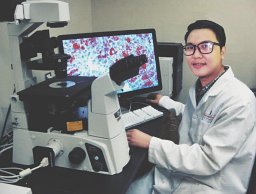 Hasyrul Hamzah合作论文数Fac Pharm, Univ Muhammadiyah Kalimantan Timur10
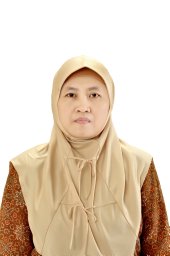 Titik Nuryastuti合作论文数University Medical Center Groningen, University of Groningen10
 Yosi Bayu Murti合作论文数9
 Sasmito Ediati合作论文数Faculty of Pharmacy, Gadjah Mada University9
 Agustinus Yuswanto合作论文数7
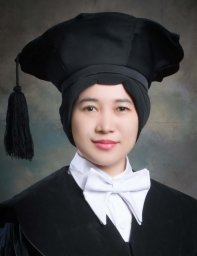 Zullies Ikawati合作论文数Department of Pharmacology, Ehime University School of Medicine7
 Erna P. Setyowati合作论文数6
 Denny Satria合作论文数6
 Puji Astuti合作论文数5
 Rachel Turalely合作论文数Chem Educ Study Program, Pattimura Univ5
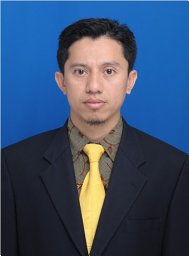 Hady Anshory Tamhid合作论文数Dept Pharm, Univ Islam Indonesia UII5
 Ema Damayanti合作论文数Research Center for Food Technology and Processing, National Research and Innovation Agency5
 Septama Abdi Wira合作论文数Faculty of Pharmaceutical Sciences, Prince of Songkla University5
 Mahardika Agus Wijayanti合作论文数Department of Parasitology;Faculty of Medicine;Gadjah Mada University;Sekip Utara;Faculty of Medicine, Gadjah Mada University5
 Mustofa Mustofa合作论文数Medical Faculty, Gadjah Mada University5
 Subagus Wahyuono合作论文数Department of Pharmaceutical Sciences College of Pharmacy, University of Arizona5Urip Harahap合作论文数4Aminah Dalimunthe合作论文数4
 Diyah Tri Utami合作论文数Doctoral Program, Univ Gadjah Mada4
 Wahyuning Setyani合作论文数Drug Discovery Student Club, Sanata Dharma Univ4Peter Proksch合作论文数4
 Rob van Soest合作论文数Naturalis Biodiversity Center4
 Tetiana Haniastuti合作论文数4
 Agung Nugroho合作论文数Department of Pharmaceutical Engineering, Sangji University4Prisci Permanasari合作论文数3
 Dian Handayani合作论文数3Febriana Untari合作论文数3
 Siswadi合作论文数FOERDIA Banjarbaru3
 Akhmad Khumaidi合作论文数Faculty of Mathematics and Natural Science, Universitas Tadulako3
 Rinaldi Idroes合作论文数Faculty of Mathematics and Natural Science, Universitas Syiah Kuala3
 Ronny Martien合作论文数Faculty of Pharmacy, Gadjah Mada University3
 Ruangelie Edrada-Ebel合作论文数Strathclyde Institute of Pharmacy and Biomedical Sciences, University of Strathclyde3
 Akhmad Kharis Nugroho合作论文数Faculty of Pharmacy, Gadjah Mada University3D. Handayani合作论文数2Mahatir Muhammad合作论文数2Sukarti Moeljopawiro合作论文数2
 Suci Noviyanah Ansary合作论文数2
 Nasri Nasri合作论文数2
 Rima Munawaroh合作论文数Muhammadiyah University of Surakarta2Iramie Duma Kencana Irianto合作论文数2
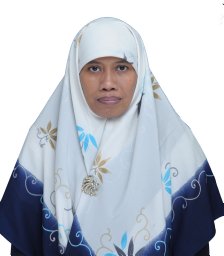 Indah Purwantini合作论文数Faculty of Pharmacy, Gadjah Mada University2maria ulfah合作论文数2
 Harlyanti Muthma'innah Mashar合作论文数Poltekkes Kemenkes Palangka Raya2
 Mentarry Bafadal合作论文数Faculty of Pharmacy, Halu Oleo University2
 Novi Febrianti合作论文数Univ Ahmad Dahlan, Fac Teacher Training & Educ, Dept Biol Educ, Yogyakarta, Indonesia2
 Aji Winanta合作论文数Muhammadiyah University of Yogyakarta2
 Teuku Nanda Saifullah Sulaiman合作论文数Fac Pharm, Univ Gadjah Mada2




