AI decision support systems can assist clinicians in planning adaptive treatment strategies that can dynamically react to individuals’ cancer progression for effective personalized care. However, AI’s imperfections can lead to suboptimal therapeutics if clinicians over or under rely on AI. To investigate such collaborative decision-making process, we conducted a Human–AI interaction study on response-adaptive radiotherapy for non-small cell lung cancer and hepatocellular carcinoma. We investigated two levels of collaborative behavior: model-agnostic and model-specific; and found that Human–AI interaction is multifactorial and depends on the complex interrelationship between prior knowledge and preferences, patient’s state, disease site, treatment modality, model transparency, and AI’s learned behavior and biases. In summary, some clinicians may disregard AI recommendations due to skepticism; others will critically analyze AI recommendations on a case-by-case basis; clinicians will adjust their decisions if they find AI recommendations beneficial to patients; and clinician will disregard AI recommendations if deemed harmful or suboptimal and seek alternatives. AI decision support system non-homogenously influences clinical decisions in dynamic treatment regimen, as it depends on several factors including prior knowledge, preference, disease type, treatment modality, and AI’s learned behavior and inherent biases.
Generative artificial intelligence (Gen-AI) powered technologies are increasingly integrated across virtually all fields, including oncology, poised to fundamentally transform human-machine interaction (HMI). In biomedicine and oncology, Gen-AI tools are forming the foundation for intuitive patient-facing and clinician-facing interfaces that increase accessibility and efficiency of health care applications, enhance patient experience, and improve clinical workflows, ultimately optimizing patient outcomes. Despite Gen-AI's great potential in health care, limitations related to data quality and learning algorithms can create persistent challenges to patient safety, warranting a thorough HMI evaluation by end-users and experts that goes beyond traditional statistical validation. In parallel, a legal framework for assigning liability among developers, deployers, maintainers, and end-users is essential to ensure fairness and promote safe and beneficial application of clinical AI.
Virtually all cells use energy and ion-specific membrane pumps to maintain large transmembrane gradients of Na$^+$, K$^+$, Cl$^-$, Mg$^{++}$, and Ca$^{++}$. Although they consume up to 1/3 of a cell's energy budget, the corresponding evolutionary benefit of transmembrane ion gradients remain unclear. Here, we propose that ion gradients enable a dynamic and versatile biological system that acquires, analyzes, and responds to environmental information. We hypothesize environmental signals are transmitted into the cell by ion fluxes along pre-existing gradients through gated ion-specific membrane channels. The consequent changes of cytoplasmic ion concentration can generate a local response and orchestrate global or regional responses through wire-like ion fluxes along pre-existing and self-assembling cytoskeleton to engage the endoplasmic reticulum, mitochondria, and nucleus. Here, we frame our hypothesis through a quasi-physical (Cell-Reservoir) model that treats intra-cellular ion-based information dynamics as a sub-cellular process permitting spatiotemporally resolved cellular response that is also capable of learning complex nonlinear dynamical cellular behavior. We demonstrate the proposed ion dynamics permits rapid dissemination of response to information extrinsic perturbations that is consistent with experimental observations.
Background:Adaptive treatment strategies that can dynamically react to individual cancer progression can provide effective personalized care. Longitudinal multi-omics information, paired with an artificially intelligent clinical decision support system (AI-CDSS) can assist clinicians in determining optimal therapeutic options and treatment adaptations. However, AI-CDSS is not perfectly accurate, as such, clinicians' over/under reliance on AI may lead to unintended consequences, ultimately failing to develop optimal strategies. To investigate such collaborative decision-making process, we conducted a Human-AI interaction case study on response-adaptive radiotherapy (RT). Methods:We designed and conducted a two-phase study for two disease sites and two treatment modalities-adaptive RT for non-small cell lung cancer (NSCLC) and adaptive stereotactic body RT for hepatocellular carcinoma (HCC)-in which clinicians were asked to consider mid-treatment modification of the dose per fraction for a number of retrospective cancer patients without AI-support (Unassisted Phase) and with AI-assistance (AI-assisted Phase). The AI-CDSS graphically presented trade-offs in tumor control and the likelihood of toxicity to organs at risk, provided an optimal recommendation, and associated model uncertainties. In addition, we asked for clinicians' decision confidence level and trust level in individual AI recommendations and encouraged them to provide written remarks. We enrolled 13 evaluators (radiation oncology physicians and residents) from two medical institutions located in two different states, out of which, 4 evaluators volunteered in both NSCLC and HCC studies, resulting in a total of 17 completed evaluations (9 NSCLC, and 8 HCC). To limit the evaluation time to under an hour, we selected 8 treated patients for NSCLC and 9 for HCC, resulting in a total of 144 sets of evaluations (72 from NSCLC and 72 from HCC). Evaluation for each patient consisted of 8 required inputs and 2 optional remarks, resulting in up to a total of 1440 data points. Results:AI-assistance did not homogeneously influence all experts and clinical decisions. From NSCLC cohort, 41 (57%) decisions and from HCC cohort, 34 (47%) decisions were adjusted after AI assistance. Two evaluations (12%) from the NSCLC cohort had zero decision adjustments, while the remaining 15 (88%) evaluations resulted in at least two decision adjustments. Decision adjustment level positively correlated with dissimilarity in decision-making with AI [NSCLC: ρ = 0.53 ( p < 0.001); HCC: ρ = 0.60 ( p < 0.001)] indicating that evaluators adjusted their decision closer towards AI recommendation. Agreement with AI-recommendation positively correlated with AI Trust Level [NSCLC: ρ = 0.59 ( p < 0.001); HCC: ρ = 0.7 ( p < 0.001)] indicating that evaluators followed AI's recommendation if they agreed with that recommendation. The correlation between decision confidence changes and decision adjustment level showed an opposite trend [NSCLC: ρ = -0.24 ( p = 0.045), HCC: ρ = 0.28 ( p = 0.017)] reflecting the difference in behavior due to underlying differences in disease type and treatment modality. Decision confidence positively correlated with the closeness of decisions to the standard of care (NSCLC: 2 Gy/fx; HCC: 10 Gy/fx) indicating that evaluators were generally more confident in prescribing dose fractionations more similar to those used in standard clinical practice. Inter-evaluator agreement increased with AI-assistance indicating that AI-assistance can decrease inter-physician variability. The majority of decisions were adjusted to achieve higher tumor control in NSCLC and lower normal tissue complications in HCC. Analysis of evaluators' remarks indicated concerns for organs at risk and RT outcome estimates as important decision-making factors. Conclusions:Human-AI interaction depends on the complex interrelationship between expert's prior knowledge and preferences, patient's state, disease site, treatment modality, model transparency, and AI's learned behavior and biases. The collaborative decision-making process can be summarized as follows: (i) some clinicians may not believe in an AI system, completely disregarding its recommendation, (ii) some clinicians may believe in the AI system but will critically analyze its recommendations on a case-by-case basis; (iii) when a clinician finds that the AI recommendation indicates the possibility for better outcomes they will adjust their decisions accordingly; and (iv) When a clinician finds that the AI recommendation indicate a worse possible outcome they will disregard it and seek their own alternative approach.
Artificial intelligence has been introduced to clinical practice, especially radiology and radiation oncology, from image segmentation, diagnosis, treatment planning and prognosis. It is not only crucial to have an accurate artificial intelligence model, but also to understand the internal logic and gain the trust of the experts. This review is intended to provide some insights into core concepts of the interpretability, the state-of-the-art methods for understanding the machine learning models, the evaluation of these methods, identifying some challenges and limits of them, and gives some examples of medical applications.
Involvement of many variables, uncertainty in treatment response, and inter-patient heterogeneity challenge objective decision-making in dynamic treatment regime (DTR) in oncology. Advanced machine learning analytics in conjunction with information-rich dense multi-omics data have the ability to overcome such challenges. We have developed a comprehensive artificial intelligence (AI)-based optimal decision-making framework for assisting oncologists in DTR. In this work, we demonstrate the proposed framework to Knowledge Based Response-Adaptive Radiotherapy (KBR-ART) applications by developing an interactive software tool entitled Adaptive Radiotherapy Clinical Decision Support (ARCliDS). ARCliDS is composed of two main components: Artifcial RT Environment (ARTE) and Optimal Decision Maker (ODM). ARTE is designed as a Markov decision process and modeled via supervised learning. Given a patient’s pre- and during-treatment information, ARTE can estimate treatment outcomes for a selected daily dosage value (radiation fraction size). ODM is formulated using reinforcement learning and is trained on ARTE. ODM can recommend optimal daily dosage adjustments to maximize the tumor local control probability and minimize the side effects. Graph Neural Networks (GNN) are applied to exploit the inter-feature relationships for improved modeling performance and a novel double GNN architecture is designed to avoid nonphysical treatment response. Datasets of size 117 and 292 were available from two clinical trials on adaptive RT in non-small cell lung cancer (NSCLC) patients and adaptive stereotactic body RT (SBRT) in hepatocellular carcinoma (HCC) patients, respectively. For training and validation, dense data with 297 features were available for 67 NSCLC patients and 110 features for 71 HCC patients. To increase the sample size for ODM training, we applied Generative Adversarial Networks to generate 10,000 synthetic patients. The ODM was trained on the synthetic patients and validated on the original dataset. We found that, Double GNN architecture was able to correct the nonphysical dose-response trend and improve ARCliDS recommendation. The average root mean squared difference (RMSD) between ARCliDS recommendation and reported clinical decisions using double GNNs were 0.61 [0.03] Gy/frac (mean [sem]) for adaptive RT in NSCLC patients and 2.96 [0.42] Gy/frac for adaptive SBRT HCC compared to the single GNN’s RMSDs of 0.97 [0.12] Gy/frac and 4.75 [0.16] Gy/frac, respectively. Overall, For NSCLC and HCC, ARCliDS with double GNNs was able to reproduce 36% and 50% of the good clinical decisions (local control and no side effects) and improve 74% and 30% of the bad clinical decisions, respectively. In conclusion, ARCliDS is the first web-based software dedicated to assist KBR-ART with multi-omics data. ARCliDS can learn from the reported clinical decisions and facilitate AI-assisted clinical decision-making for improving the outcomes in DTR.
Multiomics data including imaging radiomics and various types of molecular biomarkers have been increasingly investigated for better diagnosis and therapy in the era of precision oncology. Artificial intelligence (AI) including machine learning (ML) and deep learning (DL) techniques combined with the exponential growth of multiomics data may have great potential to revolutionize cancer subtyping, risk stratification, prognostication, prediction and clinical decision-making. In this article, we first present different categories of multiomics data and their roles in diagnosis and therapy. Second, AI-based data fusion methods and modeling methods as well as different validation schemes are illustrated. Third, the applications and examples of multiomics research in oncology are demonstrated. Finally, the challenges regarding the heterogeneity data set, availability of omics data, and validation of the research are discussed. The transition of multiomics research to real clinics still requires consistent efforts in standardizing omics data collection and analysis, building computational infrastructure for data sharing and storing, developing advanced methods to improve data fusion and interpretability, and ultimately, conducting large-scale prospective clinical trials to fill the gap between study findings and clinical benefits.
BackgroundImbalanced outcome is one of common characteristics of oncology datasets. Current machine learning approaches have limitation in learning from such datasets. Here, we propose to resolve this problem by utilizing a human-in-the-loop (HITL) approach, which we hypothesize will also lead to more accurate and explainable outcome prediction models.MethodsA total of 119 HCC patients with 163 tumors were used in the study. 81 patients with 104 tumors from the University of Michigan Hospital treated with SBRT were considered as a discovery dataset for radiation outcomes model building. The external testing dataset included 59 tumors from 38 patients with SBRT from Princess Margaret Hospital. In the discovery dataset, 100 tumors from 77 patients had local control (LC) (96% of 104 tumors) and 23 patients had at least one grade increment of ALBI (I-ALBI) during six-month follow up (28% of 81 patients). Each patient had a total of 110 features, where 15 or 20 features were identified by physicians as expert knowledge features (EKFs) for LC or I-ALBI prediction. We proposed a HITL based Bayesian network (HITL-BN) approach to enhance the capability of selecting important features from imbalanced data in terms of accuracy and explainability through humans’ participation by integrating feature importance ranking and Markov blanket algorithms. A pure data-driven Bayesian network (PD-BN) method was applied to the same discovery dataset of HCC patients as a benchmark.ResultsIn the training and testing phases, the areas under receiver operating characteristic curves of the HITL-BN models for LC or I-ALBI prediction during SBRT are 0.85 (95% confidence interval: 0.75-0.95) or 0.89 (0.81-0.95) and 0.77 or 0.78, respectively. They significantly outperformed the during-treatment PD-BN model in predicting LC or I-ALBI based on the discovery cross-validation and testing datasets from the Delong tests.ConclusionBy allowing the human expert to be part of the model building process, the HITL-BN approach yielded significantly improved accuracy as well as better explainability when dealing with imbalanced outcomes in the prediction of post-SBRT treatment response of HCC patients when compared to the PD-BN method.
Purpose/Objective(s)To enable response-adaptive radiotherapy (RT) of optimized outcomes, a patient's treatment plan is adjusted according to their during-treatment dose response. However, this involves a multitude of variables making an unassisted decision-making process too challenging for physicians. To aid physicians in such a complex process, we have developed ARCliDS, a software tool for AI-assisted decision-making in adaptive RT.Materials/MethodsARCliDS was developed using Python as the backend and R Shiny as a frontend user interface. The underlying technology consists of two components: Artificial RT Environment (ARTE) and Deep Reinforcement Learning (DRL). ARTE was designed as a Markov Decision Process and modeled using supervised learning. Given a patient's pre- and mid-treatment information, ARTE can predict dose response and evaluate treatment outcomes for a selected dose fractionation value. DRL then utilizes the trained ARTE to search for the optimal mid-treatment dose adaptation for maximal tumor control probability and minimal normal tissue complication probability.ResultsWe customized ARCliDS for non-small cell lung cancer (NSCLC) RT and trained it on a cohort of 67 NSCLC patients who had received adaptive RT and had local control and radiation induced pneumonitis endpoint available. We designed a set of questionnaires that consisted of an unassisted Blind phase and an AI-assisted Seen Phase, to evaluate physicians' trust level in AI recommendations. A radiation oncologist evaluated ARCliDS on 8 (∼10%) randomly chosen patients from the training cohort. The preliminary study shows that on average [Gy/frac] (stdev) the AI-assisted physician decision was 0.59 (0.78), 0.38 (1.44) and 0.7 (1.1) higher than the unassisted decision, AI recommendation, and retrospective clinical decision, respectively. The unassisted physician dose decision was only 0.1 (1.3) higher and the AI recommendation was 0.3 (1.2) higher than the clinical decision. Physician's subjective confidence level in their own decision was 6.9 (1.6), and their objective trust level in AI was 6.9 (3.1) out of 10.ConclusionThe preliminary results showed that un-assisted decisions tend to be conservative. AI-assistance can help physicians in prescribing more optimal doses with higher confidence. The level of physician's trust in AI can be on par with the confidence in their own decision.
Advancements in data-driven technologies and the inclusion of information-rich multiomics features have significantly improved the performance of outcomes modeling in radiation oncology. For this current trend to be sustainable, challenges related to robust data modeling such as small sample size, low size to feature ratio, noisy data, as well as issues related to algorithmic modeling such as complexity, uncertainty, and interpretability, need to be mitigated if not resolved. Emerging computational technologies and new paradigms such as federated learning, human-in-the-loop, quantum computing, and novel interpretability methods show great potential in overcoming these challenges and bridging the gap towards precision outcome modeling in radiotherapy. Examples of these promising technologies will be presented and their potential role in improving outcome modeling will be discussed.
In the precision medicine era, there is a growing need for precision radiotherapy where the planned radiation dose needs to be optimally determined by considering a myriad of patient-specific information in order to ensure treatment efficacy. Existing artificial-intelligence (AI) methods can recommend radiation dose prescriptions within the scope of this available information. However, treating physicians may not fully entrust the AI's recommended prescriptions due to known limitations or when the AI recommendation may go beyond physicians' current knowledge. This paper lays out a systematic method to integrate expert human knowledge with AI recommendations for optimizing clinical decision making. Towards this goal, Gaussian process (GP) models are integrated with deep neural networks (DNNs) to quantify the uncertainty of the treatment outcomes given by physicians and AI recommendations, respectively, which are further used as a guideline to educate clinical physicians and improve AI models performance. The proposed method is demonstrated in a comprehensive dataset where patient-specific information and treatment outcomes are prospectively collected during radiotherapy of $67$ non-small cell lung cancer patients and retrospectively analyzed.
Subtle differences in a patient's genetics and physiology may alter radiotherapy (RT) treatment responses, motivating the need for a more personalized treatment plan. Accordingly, we have developed a novel quantum deep reinforcement learning (qDRL) framework for clinical decision support that can estimate an individual patient's dose response mid-treatment and recommend an optimal dose adjustment. Our framework considers patients' specific information including biological, physical, genetic, clinical, and dosimetric factors. Recognizing that physicians must make decisions amidst uncertainty in RT treatment outcomes, we employed indeterministic quantum states to represent human decision making in a real-life scenario. We paired quantum decision states with a model-based deep q-learning algorithm to optimize the clinical decision-making process in RT. We trained our proposed qDRL framework on an institutional dataset of 67 stage III non-small cell lung cancer (NSCLC) patients treated on prospective adaptive protocols and independently validated our framework in an external multi-institutional dataset of 174 NSCLC patients. For a comprehensive evaluation, we compared three frameworks: DRL, qDRL trained in a Qiskit quantum computing simulator, and qDRL trained in an IBM quantum computer. Two metrics were considered to evaluate our framework: (1) similarity score, defined as the root mean square error between retrospective clinical decisions and the AI recommendations, and (2) self-evaluation scheme that compares retrospective clinical decisions and AI recommendations based on the improvement in the observed clinical outcomes. Our analysis shows that our framework, which takes into consideration individual patient dose response in its decision-making, can potentially improve clinical RT decision-making by at least about 10% compared to unaided clinical practice. Further validation of our novel quantitative approach in a prospective study will provide a necessary framework for improving the standard of care in personalized RT.
In spite of extensive research, the physics of electric transport in the OFF (high resistance) state of resistive random access memory remains poorly understood. Here, we propose a theory that explains the observed activation nature of that transport, its exponential non-ohmicity, variations between nominally identical structures, and failure trends. Our theory proceeds from the finding that the diffusion transport mechanisms must be ruled out as leading to nonphysically high temperatures (T similar to 4000-5000 K) well above melting. The Schottky emission remains acceptable due to its underlying ballistic transport by similar to 1 eV electrons spreading the Joule heat over much larger distances without melting. Taking into account, the random fields of charged defects the Schottky emission enables one to describe the device variability and failures.
We revisit the mechanism of Poole-Frenkel nonohmic conduction in materials of nonvolatile memory. Percolation theory is shown to explain both the Poole and Frenkel dependencies corresponding to the cases of small and large samples compared to the correlation radii of their percolation clusters, respectively. The applied bias modifies a limited number of microscopic resistances forming the percolation pathways. That understanding opens a pathway to multivalued nonvolatile memory and related neural network applications.
Solid state memory and switching devices aimed at replacing the flash memory technology operate by switching from the high to low resistance when conductive filaments are created in response to the electric pulse. The filaments are identified with either structurally different protrusions or purely electronic conductive pathways. The former can appear via the field induced nucleation (FIN), while the latter do not require phase transformations and are attributed to certain types of temperature and bias dependent conductivity. The existing understanding of those processes ignores features related to extremely small linear sizes of nano-structures. Such are, for example, the device sizes smaller than critical nucleation radii, and/or the electron energy relaxation lengths exceeding the structure dimensions. This paper develops a theory of switching under nano-size conditions. We show how the structure thinness can make FIN a truly threshold phenomenon possible only for voltage (not the field) exceeding a certain critical value. We predict the possibility of threshold switching without memory for certain thickness dependent voltages. The thermal runaway mechanism of electronic switching is described analytically leading to results consistent with the published numerical modeling. Our predictions offer possible experimental verifications deciding between FIN and thermal runaway switching.
 Issam El Naqa合作论文数Michigan Institute for Data Science, University of Michigan;Machine Learning Department, Moffitt Cancer Center;University of South Florida16
 elijah v karpov合作论文数14
 Randall K Ten Haken合作论文数Department of Radiation Oncology, Medical School, University of Michigan10
 Martha Matuszak合作论文数Nuclear Engineering and Radiological Sciences, College of Engineering, University of Michigan/Department of Radiation Oncology, University of Michigan8
 Yi Luo合作论文数7
 Kyle Cuneo合作论文数Department of Radiation Oncology, Medical School, University of Michigan;Rogel Cancer Center, University of Michigan Health6
 Ivo D. Dinov合作论文数Department of Health Behavior and Biological Sciences, School of Nursing, University of Michigan;Gilbert S. Omenn Department of Computational Medicine & Bioinformatics, Medical School, University of Michigan;Laboratory of Neuro Imaging, Institute for Neuroimaging and Informatics, University of Southern California5J. Jamaluddin合作论文数4
 Judy Jin合作论文数Department of Industrial and Operations Engineering, University of Michigan4
 Jamalina Jamaluddin合作论文数3Lise Wei合作论文数3
 Wenbo Sun合作论文数Transportat Res Inst, Univ Michigan3Sunan Cui合作论文数Dept Radiat Oncol, Stanford Univ3Victor G. Karpov合作论文数2Samuel N. Regan合作论文数2Casey L Liveringhouse合作论文数2Michael Dykstra合作论文数2
 Julia Pakela合作论文数2
 Anupam Rishi合作论文数Radiat Oncol, H Lee Moffitt Canc Ctr & Res Inst2
 Alex K Bryant合作论文数Department of Radiation Oncology, University of Michigan2Russell F Palm合作论文数2
 Matthew N. Mills合作论文数Dept Radiat Oncol, H Lee Moffitt Canc Ctr & Res Inst2
 Shruti Jolly合作论文数Department of Radiation Oncology, Medical School, University of Michigan2
 Theodore S Lawrence合作论文数Department of Radiation Oncology, Medical School, University of Michigan2Frakes Jessica合作论文数2
 Gonzalez Brian D合作论文数Health Outcomes and Behavior Program, Moffitt Cancer Center2Yu Hsiang-Hsuan Michael合作论文数2
 Thomas R. Dilling合作论文数2
 Javier Torres-Roca合作论文数Department of Radiation Oncology, Moffitt Cancer Center2I Karpov合作论文数1
 Biwas Subedi合作论文数Department of Physics and Astronomy and Wright Center for Photovoltaics Innovation and Commercialization, The University of Toledo1Evan D H Gates合作论文数1D. Polan合作论文数1D. Jarema合作论文数1
 J. Zou合作论文数1Maria Patmiou合作论文数1
 Alberto Traverso合作论文数Polytech Univ Turin, Dept Appl Sci & Technol, Turin, Italy1
 Laura Dawson合作论文数Department of Radiation Oncology, Temerty Faculty of Medicine, University of Toronto;Princess Margaret Hospital Cancer Centre1Dawn Owen合作论文数1
 Robert Gatenby合作论文数Center of Excellence for Evolutionary Therapy, Moffitt Cancer Center1
 Corey Grice合作论文数1Roza Kotlyar合作论文数Dept. of Process Technol. Modeling, Intel Corp.;c1Warrell Gregory合作论文数1
 Jack Tuszynski合作论文数Department of Oncology, University of Alberta;Faculty of Science, University of Alberta1
 Jie Fu (傅金林)合作论文数1
 Jian-Yue Jin (金见悦)合作论文数Capital Medical University1
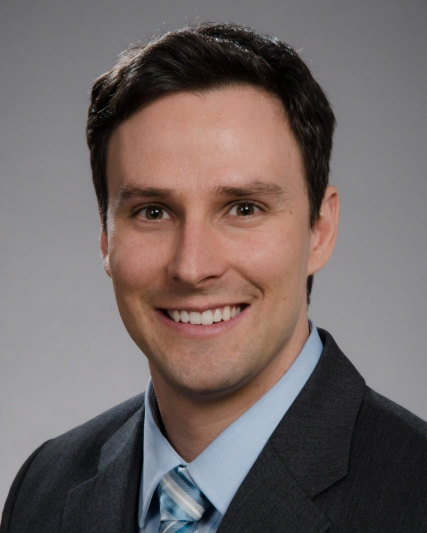 Stephen Bowen合作论文数Department of Radiation Oncology, School of Medicine, University of Washington1Diana Shvydka合作论文数Department of Radiation Oncology, University of Toledo Health Science Campus1
 Matthew Nyflot合作论文数School of Medicine, University of Washington1




