Introduction Donation after circulatory death (DCD) heart transplantation demonstrates preserved conventional ventricular and valvular function through 1-year follow-up. However, strain imaging identifies subtle but persistent abnormalities in myocardial deformation, suggesting distinct myocardial recovery patterns and possible subclinical ischemia-related graft injury after DCD transplantation. Methods This single-center retrospective cohort study compared DCD and Donation after Brain Death (DBD) heart transplant recipients from 2016 to 2022, at 1-, 3-, 6-, and 12-month post-transplantation. Conventional echocardiographic variables, valvular function, and speckle-tracking strain analysis, including left ventricular global longitudinal strain (LVGLS), right ventricular global longitudinal strain (RVGLS), and right ventricular free wall strain (RVFWS) were compared between DCD and DBD recipients. Multivariable linear regression, chi-squared/Fisher Exact testing, and linear mixed-effects modeling were used to evaluate longitudinal outcomes. Exploratory multivariable analyses evaluated associations between GLS and perioperative variables. Results Fifty-one DCD and 201 DBD hearts were transplanted. Conventional echocardiography demonstrated no significant differences in LVEF or presence of valvular dysfunction at any timepoint. The treatment group-by-time interaction was not significant (p = 0.566). However, DCD recipients demonstrated significantly less negative LVGLS at 3 months (−13.9±3.54 vs −18.0±3.19, p<0.0001) and 12 months (−16.0±3.08 vs −18.1±3.17, p = 0.0007). Early RV dysfunction was also observed in DCD recipients at 3 months by RVGLS and RVFWS analysis. Longitudinal mixed-effects modeling demonstrated a significant donor type-by-timepoint interaction for GLS (p = 0.034). Exploratory multivariable modeling demonstrated that DCD donor status (β=1.52, p = 0.021) and total ischemic interval (β=0.0057, p = 0.034) remained independently associated with impaired GLS. Conclusion DCD heart transplantation demonstrates preserved conventional ventricular and valvular function through 1-year follow-up. However, strain imaging identifies subtle but persistent abnormalities in myocardial deformation, suggesting distinct myocardial recovery patterns and possible subclinical ischemia-related graft injury after DCD transplantation.
Sutureless aortic valve replacement (SuAVR) has emerged as a potential alternative to conventional surgical aortic valve replacement (SAVR), particularly in minimally invasive settings. However, its global adoption remains limited, with a notable concentration of use and scientific production in select European countries. This bibliographic meta-analysis systematically reviewed 538 studies to assess the evidence landscape surrounding SuAVR, highlighting a predominance of observational data, sparse randomized controlled trials (1.3%), and significant geographical imbalances in research output. Europe accounted for 80% of publications, while North America contributed less than 10%. Key structural factors—including reimbursement policies, earlier regulatory approvals, and population characteristics—appear to influence SuAVR adoption. Despite procedural advantages such as reduced cross-clamp times, concerns over cost, pacemaker implantation rates, and uncertain long-term durability persist. Importantly, SuAVR may offer its greatest clinical value by facilitating minimally invasive surgery, a niche still underutilized worldwide. The limited randomized data and industrial focus on transcatheter approaches have further hindered widespread acceptance. Our findings underscore the need for high-quality comparative trials and standardized guidelines to define the role of SuAVR in modern valve therapy.
Background We evaluated the association between race/ethnicity and failure to rescue (FTR) following lung transplantation. Methods We conducted a retrospective cohort study of 34,184 patients undergoing primary lung transplantation (2006–2024). Race/ethnicity was categorized as non-Hispanic White (81.3%), non-Hispanic Black (9.5%), and Hispanic (9.1%). The primary outcome was FTR. Logistic regression identified predictors of FTR, while Cox proportional hazards models assessed the association between race/ethnicity and outcomes. Results Black patients experienced the highest rates of postoperative complications (26.3%) compared to non-Hispanic White (17.9%) and Hispanic patients (19.6%) (p < 0.001). Mortality rate was also highest among Black patients (6.8%) compared to White (5.0%) and Hispanic patients (4.8%) (p <0.001). However, race/ethnicity was not independently associated with FTR. Risk factors for FTR included dialysis at transplant (OR 2.05, 95% CI: 1.28–3.29, p=0.003), double lung transplant (OR 1.30, 95% CI: 1.09–1.56, p=0.004), and prolonged ischemic time (OR 1.05, 95% CI: 1.02–1.08, p=0.001). Conclusions While Black patients experienced higher complication and mortality rates, race/ethnicity was not independently linked to FTR after lung transplantation.
BACKGROUND:Postoperative atrial fibrillation (POAF) is the most common complication after cardiac surgery, occurring in 30%-50% of patients. Although previous studies have suggested a protective benefit from pericardiotomy and prophylactic amiodarone, these practices have not been widely adopted. The Pericardiotomy and Amiodarone for Prophylaxis against Postoperative Atrial Fibrillation (PAPPA) trial was designed to compare the incidence of POAF in cardiac surgery patients who receive a systematic pharmacosurgical prevention strategy vs standard of care. METHODS:In this prospective, propensity-matched, historically controlled trial, adult patients undergoing isolated coronary artery bypass grafting between 2022 and 2024 received a standardized pharmacosurgical intervention including posterior pericardiotomy and low-dose amiodarone. Outcomes in these patients were compared against those in a population of propensity-matched historical controls who underwent isolated coronary artery bypass grafting between 2019 and 2021. The primary endpoint was POAF incidence. RESULTS:A total of 204 patients received the treatment protocol and were compared with 902 historical controls; 1:1 propensity matching generated 171 (84%) balanced pairs. The incidence of POAF was significantly lower in the treatment group compared to matched controls (18.1% vs 31.5%, P = .004). There was no statistically significant difference in the incidence of postoperative heart block between the 2 groups (0.6% vs 1.8%, P = .6228). However, fewer patients in the treatment group were discharged on anticoagulants (8.7% vs 14%, P = .1257). No significant differences were observed in 30-day mortality (0.6% in both groups, P > .99) or stroke rates (0.6% vs 1.2%, P = .562). CONCLUSIONS:In adults undergoing cardiac surgery, standardized pharmacosurgical prophylaxis including posterior pericardiotomy and low-dose amiodarone was associated with significantly lower incidence of POAF.
OBJECTIVE:To determine whether anticoagulation for new onset atrial fibrillation (AF) with rivaroxaban decreases length of stay compared with warfarin. SUMMARY OF BACKGROUND DATA:Direct Oral Anticoagulants (DOACs) have been shown to be noninferior to warfarin for stroke prevention in nonsurgical patients with atrial fibrillation. There are no published randomized trials comparing DOACs to warfarin in cardiac surgery patients, and DOACs are yet to be widely adopted in this population. METHODS:In a pragmatic, prospective, clinical trial, 100 patients with new-onset AF after cardiac surgery were randomized to receive rivaroxaban (n=50) or warfarin (n=50). Patients were followed for 30 days postdischarge, with patient-reported outcomes assessed 2 weeks after discharge using the Perception of Anticoagulant Treatment Questionnaire and the EuroQol-5D-3L survey. RESULTS:The primary endpoint, length of stay (LOS) from day of surgery to discharge (days, IQR), was 7 (6-9) for rivaroxaban and 8 (6-9) for warfarin ( P =0.460). LOS from initiation of anticoagulation to discharge was 2 (1-4) days for rivaroxaban and 2 (1-3) days for warfarin ( P =0.738). The mean INR at discharge in the warfarin group was 1.68 (SD 0.5). No major bleeding events, strokes, or other arterial thromboembolism events occurred in either group. Minor bleeding events were reported in 3/50 (6%) patients in the rivaroxaban group versus 1/50 (2%) in the warfarin group ( P =0.617), none of which required blood transfusion. One patient (2%) in the rivaroxaban group developed a pericardial effusion requiring drainage, compared with none in the warfarin group ( P =1.000). Patients taking rivaroxaban reported significantly higher scores for convenience ( P <0.001) and better overall perception of their anticoagulation experience ( P =0.006), though both groups reported similar treatment satisfaction ( P =0.494). Mobility issues were reported by 42.2% of patients taking rivaroxaban compared with 18.6% of those taking warfarin ( P =0.021). All outcomes were consistent in both the intention-to-treat and as-treated populations. CONCLUSIONS:Treatment with rivaroxaban in new-onset atrial fibrillation after cardiac surgery did not decrease length of stay compared with warfarin. However, patients treated with rivaroxaban reported significantly better convenience and a more favorable overall perception of their anticoagulation experience compared with warfarin. Given similar safety profiles, these findings support incorporating rivaroxaban as an option for shared decision-making when selecting anticoagulation therapy for this patient population.
Recent data demonstrating superior outcomes and enhanced life expectancy with the Ross procedure (RP) have sparked renewed interest and increased utilization. However, the RP remains technically challenging compared to conventional aortic valve replacement (AVR), necessitating specialized expertise and careful patient selection. This study provides global insights into current RP practices to establish best practices and inform new or evolving programs. A web-based survey (> 60 questions) was distributed globally to cardiac surgeons known to perform the RP from May 1 to June 30, 2023. The survey queried surgeon experience, RP volumes, patient selection criteria, preoperative imaging, intraoperative techniques, and postoperative care practices. Responses were analyzed to identify global trends and optimal approaches for RP management. Of the 167 respondents, 123 (74%) performed the RP, with 75% performing 5 to 30 procedures annually. Approximately half involved a second attending surgeon. Most treated younger patients and preferred homografts for right ventricular outflow tract reconstruction. Variations existed in the ventriculoaortic and sinotubular junction support (30% vs 45% always support). Most surgeons (89%) enforce strict blood pressure control postoperatively, with 65% prescribing beta-blockers. About 54% use postoperative inflammatory prophylaxis, and 90% obtain imaging prior to discharge, with 78% performing annual echocardiograms. This international survey highlights wide variability in RP practices, underscoring the need for standardized training and procedural protocols. These insights may guide new or evolving RP programs, improve access, and ensure durable outcomes by aligning global practices with contemporary evidence.
OBJECTIVES:Degenerative mitral regurgitation is associated with heart failure, arrhythmia and mortality. The impact of sex on timing of surgical referral and outcomes has not been reported comprehensively. We examined preoperative status and surgical outcomes of male versus female degenerative mitral valve regurgitation patients undergoing surgery. METHODS:We reviewed our institutional database for all patients undergoing surgery for degenerative mitral regurgitation between 2013 and 2021. Preoperative clinical and echocardiographic variables, surgical characteristics and outcomes were compared, and left atrial strain in available images. RESULTS:Of 963 patients, 314 (32.6%) were female. Women were older (67 vs 64 years, P = 0.031) and more often had bileaflet prolapse (19.4% vs 13.8%, P = 0.028), mitral annular calcification (12.1% vs 5.4%, P < 0.001) and tricuspid regurgitation (TR; 31.8% vs 22.5%, P = 0.001). Indexed left ventricular end-diastolic and end-systolic diameters were higher in women, with 29.4 vs 26.7 mm/m2 (P < 0.001) and 18.2 vs 17 mm/m2 (P < 0.001), respectively, and left atrial conduit strain lower (17.6% vs, 21.2%, P = 0.001). Predicted risk of mortality was 0.73% vs 0.54% in men (P = 0.023). Women required mechanical circulatory support more frequently (1.3% vs 0%, P = 0.011), had longer intensive care unit stay (29 vs 26 h, P < 0.001), mechanical ventilation (5.4 vs 5 h, P = 0.036), and overall hospitalization (7 vs 6 days, P < 0.001). There was no difference in long-term reoperation-free survival (P = 0.35). CONCLUSIONS:Women undergoing mitral valve repair are older and show indicators of more advanced disease with long-standing left ventricular impairment. Guidelines may need to be adjusted and address this disparity, to improve postoperative recovery times and outcomes.
Background. The number of patients waiting for heart transplant far exceeds the number of hearts available. Donation after circulatory death (DCD) combined with machine perfusion can increase the number of transplantable hearts by as much as 48%. Emerging studies also suggest machine perfusion could enable allograft "reconditioning" to optimize outcomes. However, a detailed understanding of the energetic substrates and metabolic changes during perfusion is lacking. Methods. Metabolites were analyzed using 1-dimensional H-1 and 2-dimensional C-13-H-1 heteronuclear spectrum quantum correlation nuclear magnetic resonance spectroscopy on serial perfusate samples (N = 98) from 32 DCD hearts that were successfully transplanted. Wilcoxon signed-rank and Kruskal-Wallis tests were used to test for significant differences in metabolite resonances during perfusion and network analysis was used to uncover altered metabolic pathways. Results. Metabolite differences were observed comparing baseline perfusate to samples from hearts at time points 1-2, 3-4, and 5-6 h of perfusion and all pairwise combinations. Among the most significant changes observed were a steady decrease in fatty acids and succinate and an increase in amino acids, especially alanine, glutamine, and glycine. This core set of metabolites was also altered in a DCD porcine model perfused with a nonblood-based perfusate. Conclusions. Temporal metabolic changes were identified during ex vivo perfusion of DCD hearts. Fatty acids, which are normally the predominant myocardial energy source, are rapidly depleted, while amino acids such as alanine, glutamine, and glycine increase. We also noted depletion of ketone, beta-hydroxybutyric acid, which is known to have cardioprotective properties. Collectively, these results suggest a shift in energy substrates and provide a basis to design optimal preservation techniques during perfusion.
BACKGROUND: Donation after circulatory death (DCD) heart transplantation has promising early survival, but the effects on rejection remain unclear.METHODS: The United Network for Organ Sharing database was queried for adult heart transplants from December 1, 2019, to December 31, 2021. Multiorgan transplants and loss to follow-up were excluded. The primary outcome was acute rejection, comparing DCD and donation after brain death (DBD) transplants. RESULTS: A total of 292 DCD and 5,582 DBD transplants met study criteria. Most DCD transplants were transplanted at status 3-4 (61.0%) compared to 58.6% of DBD recipients at status 1-2. DCD recipients were less likely to be hospitalized at transplant (26.7% vs 58.3%, p < 0.001) and to require intra-aortic balloon pumping (IABP; 9.6% vs 28.9%, p < 0.001), extracorporeal membrane oxyge-nation (ECMO; 0.3% vs 5.9%, p < 0.001) or temporary left ventricular assist device (LVAD; 1.0% vs 2.7%, p < 0.001). DCD recipients were more likely to have acute rejection prior to discharge (23.3% vs 18.4%, p = 0.044) and to be hospitalized for rejection (23.4% vs 11.4%, p = 0.003) at a median follow-up of 15 months; the latter remained significant after propensity matching. On multivariable logistic regression, DCD donation was an independent predictor of acute rejection (odds ratio [OR] 1.47, 95% confidence interval [CI] 1.00-2.15, p = 0.048) and hospitalization for rejection (OR 2.03, 95% CI 1.06-3.70, p = 0.026). On center-specific subgroup analysis, DCD recipients continued to have higher rates of hospitalization for rejection (23.4% vs 13.8%, p = 0.043).CONCLUSIONS: DCD recipients are more likely to experience acute rejection. Early survival is similar between DCD and DBD recipients, but long-term implications of increased early rejection in DCD recipients require further investigation.J Heart Lung Transplant 2024;43:148-157 (c) Published by Elsevier Inc.
Objective: The objective was to assess whether race/ethnicity is an independent predictor of failure to rescue (FTR) after orthotopic heart transplantation (OHT).Summary Background Data: Outcomes following OHT vary by patient level factors; for example, non-White patients have worse outcomes than White patients after OHT. Failure to rescue is an important factor associated with cardiac surgery outcomes, but its relationship to demographic factors is unknown.Methods: Using the United Network for Organ Sharing database, we included all adult patients who underwent primary isolated OHT between 1/1/2006 snd 6/30/2021. FTR was defined as the inability to prevent mortality after at least one of the UNOS-designated post-operative complications. Donor, recipient, and transplant characteristics, including complications and FTR, were compared across race/ethnicity. Logistic regression models were created to identify factors associated with complications and FTR. Kaplan Meier and adjusted Cox proportional hazards models evaluated the association between race/ethnicity and posttransplant survival.Results: There were 33,244 adult, isolated heart transplant recipients included: the distribution of race/ethnicity was 66% (n=21,937) White, 21.2% (7,062) Black, 8.3% (2,768) Hispanic, and 3.3% (1,096) Asian. The frequency of complications and FTR differed significantly by race/ethnicity. After adjustment, Hispanic recipients were more likely to experience FTR than White recipients (OR 1.327, 95% CI[1.075-1.639], P=0.02). Black recipients had lower 5-year survival compared with other races/ethnicities (HR 1.276, 95% CI[1.207-1.348], P<0.0001).Conclusions: In the US, Black recipients have an increased risk of mortality after OHT compared with White recipients, without associated differences in FTR. In contrast, Hispanic recipients have an increased likelihood of FTR, but no significant mortality difference compared with White recipients. These findings highlight the need for tailored approaches to addressing race/ethnicity-based health inequities in the practice of heart transplantation.
Objective: We sought to quantify the influence that tracheostomy placement has on the hemodynamic stability of postoperative cardiac surgery patients with persistent ventilatory requirements. Methods: A retrospective, single-center, and observational analysis of postoperative cardiac surgery patients with prolonged mechanical ventilation who underwent tracheostomy placement from 2018 to 2022 was conducted. Patients were excluded if receiving mechanical circulatory support or if they had an unrelated significant complication 3 days surrounding tracheostomy placement. Vasoactive and inotropic requirements were quantified using the Vasoactive-Inotrope Score. Results: Sixty-one patients were identified, of whom 58 met inclusion criteria. The median vasoactive-inotrope score over the 3 days before tracheostomy compared with 3 days after decreased from 3.35 days (interquartile range, 0-8.79) to 0 days (interquartile range, 0-7.79 days) (P = .027). Graphic representation of this trend demonstrates a clear inflection point at the time of tracheostomy. Also, after tracheostomy placement, fewer patients were on vasoactive/inotropic infusions (67.2% [n = 39] pre vs 24.1% [n = 14] post; P < .001) and sedative infusions (62.1% [n = 36] pre vs 27.6% [n = 16] post; P < .001). The percent of patients on active mechanical ventilation did not differ. Conclusions: The median vasoactive-inotrope score in cardiac surgery patients with prolonged mechanical ventilation was significantly reduced after tracheostomy placement. There was also a significant reduction in the number of patients on vasoactive/inotropic and sedative infusions 3 days after tracheostomy. These data suggest that tracheostomy has a positive effect on the hemodynamic stability of patients after cardiac surgery and should be considered to facilitate postoperative recovery.
Background Transplantation using hearts obtained through donation after circulatory death (DCD) is increasing, but data on recipient renal outcomes are limited. Methods and Results Patients at a single institution who underwent heart transplantation using organs procured through DCD or donation after brain death (DBD) from April 2016 to August 2022 were included in this retrospective cohort study. Hemodynamic measures were collected via right heart catheterization performed 1 week after transplantation. Posttransplantation renal outcomes included estimated glomerular filtration rate at 1 week, 4 weeks, and 16 weeks, and the incidence of acute kidney injury (AKI) and renal replacement therapy within 1 week. The analysis included 225 patients (55 recipients of DCD). Baseline characteristics were comparable between recipients of DCD and DBD. Renal outcomes within 1 week posttransplantation in recipients of DCD were similar to recipients of DBD, including percent change in estimated glomerular filtration rate (−37.9% [−58.6 to −6.2] versus −31.9% [−52.4 to −9.9]; P =0.91), incidence of AKI (47.3% versus 46.5%; P >0.99) and incidence of renal replacement therapy (3.6% versus 4.7%; P >0.99). Recipients of DCD with AKI within 1 week (“early AKI”) did not recover to baseline estimated glomerular filtration rate (75.8 [60.2–91.3] mL/min per 1.73 m 2 ) by week 16 (59.3 [46.9–73.6] mL/min per 1.73 m 2 ; P =0.002), whereas recipients without early AKI exhibited comparable estimated glomerular filtration rate to baseline by week 4 (84.5 [70.8–98.5] mL/min per 1.73 m 2 ; P =0.084). Similar trends were observed in recipients of DBD. Conclusions Recipients of DCD demonstrated similar renal outcomes compared with recipients of DBD, supporting the ongoing use of DCD transplantation. Early AKI was associated with persistent renal dysfunction for recipients of both DCD and DBD.
Objective: To assess the effects of the 2020 United States Public Health Service (PHS) “Increased Risk” Guidelines update. Background: Donors labeled as “Increased Risk” for transmission of infectious diseases have been found to have decreased organ utilization rates despite no significant impact on recipient survival. Recently, the PHS provided an updated guideline focused on “Increased Risk” organ donors, which included the removal of the “Increased Risk” label and the elimination of the separate informed consent form, although the actual increased risk status of donors is still ultimately transmitted to transplant physicians. We sought to analyze the effect of this update on organ utilization rates. Methods: This was a retrospective analysis of the Organ Procurement and Transplantation Network database which compared donor organ utilization in the 2 years before the June 2020 PHS Guideline update for increased-risk donor organs (June 2018–May 2020) versus the 2 years after the update (August 2020–July 2022). The organ utilization rate for each donor was determined by dividing the number of organs transplanted by the total number of organs available for procurement. Student t test and multivariable logistic regression models were used for analysis. Results: There were 17,272 donors in the preupdate cohort and 17,922 donors in the postupdate cohort; of these, 4,977 (28.8%) and 3,893 (21.7%) donors were considered “Increased Risk”, respectively. There was a 2% decrease in overall organ utilization rates after the update, driven by a 3% decrease in liver utilization rates and a 2% decrease in lung utilization rates. After multivariable adjustment, donors in the postupdate cohort had 10% decreased odds of having all organs transplanted. Conclusions: The 2020 PHS “Increased Risk” Donor Guideline update was not associated with an increase in organ utilization rates in the first 2 years after its implementation, despite a decrease in the proportion of donors considered to be at higher risk. Further efforts to educate the community on the safe usage of high-risk organs are needed and may increase organ utilization.
BACKGROUND:The process of placing a patient on venoarterial extracorporeal membrane oxygenation (VA-ECMO) is complex and requires the activation and coordination of numerous personnel from a variety of disciplines to achieve procedural success, initiate flow, and subsequently monitor the patient's condition. The literature suggests that nighttime cannulation for extracorporeal cardiopulmonary resuscitation (ECPR) is associated with adverse outcomes compared to daytime cannulation. Given the strain on personnel that this process can create, it is plausible that patients who are initiated on VA-ECMO for non-ECPR indications during the nighttime and on weekends, which are generally periods with reduced staffing compared to weekday daytime hours, also may experience worse outcomes, including decreased survival. This study aimed to determine whether nighttime/weekend VA-ECMO cannulation is associated with worse outcomes, including decreased survival. DESIGN:Retrospective cohort study SETTING: Large quaternary academic medical center PARTICIPANTS: Patients INTERVENTIONS: VA-ECMO cannulation during the day versus night/weekends MEASUREMENTS: We performed a retrospective review of patients at a single center who underwent VA-ECMO cannulation between 2011 and 2021. The 468 patients included 158 patients (33.8%) in the daytime cannulation cohort and 310 (66.2%) in the nighttime/weekend cannulation cohort. Nighttime and weekend VA-ECMO cannulations were not associated with increased 1-year mortality (64.2% vs 60.1%; p = 0.42) or with increased use of renal replacement therapy (25.4% vs 22.2%; p = 0.49). CONCLUSIONS:We conclude that nighttime and weekend VA-ECMO cannulations can be performed safely at a large academic medical center.
Purpose: Donation after circulatory death (DCD) donors have been increasingly utilized to expand the donor heart pool with excellent outcomes. However, the effects of DCD utilization for heart candidates of different statuses remain unknown.
Purpose: The new rescue kidney policy was implemented in June 2023. To estimate its potential impact, we investigated heart transplant (HT) recipients who would have been eligible for a kidney-after-heart transplant under this policy.
The current understanding of the safety of heart transplantation from COVID-19+ donors is uncertain. Preliminary studies suggest that heart transplants from these donors may be feasible. We analyzed 1-year outcomes in COVID-19+ donor heart recipients using 1:3 propensity matching. The OPTN database was queried for adult heart transplant recipients between 1 January 2020 and 30 September 2022. COVID-19+ donors were defined as those who tested positive on NATs or antigen tests within 21 days prior to procurement. Multiorgan transplants, retransplants, donors without COVID-19 testing, and recipients allocated under the old heart allocation system were excluded. A total of 7211 heart transplant recipients met the inclusion criteria, including 316 COVID-19+ donor heart recipients. Further, 290 COVID-19+ donor heart recipients were matched to 870 COVID-19− donor heart recipients. Survival was similar between the groups at 30 days (p = 0.46), 6 months (p = 0.17), and 1 year (p = 0.07). Recipients from COVID-19+ donors in the matched cohort were less likely to experience postoperative acute rejection prior to discharge (p = 0.01). National COVID-19+ donor heart usage varied by region: region 11 transplanted the most COVID-19+ hearts (15.8%), and region 6 transplanted the fewest (3.2%). Our findings indicate that COVID-19+ heart transplantation can be performed with safe early outcomes. Further analyses are needed to determine if long-term outcomes are equivalent between groups.
High-quality Surgical videos are an important tool for education, assessment of trainees, and dissemination of surgical techniques. However, there is significant variability in the quality of published videos. Although seemingly straightforward, surgical video creation has several common pitfalls. We outline our approach to producing high-quality surgical videos.
 Osho Asishana A合作论文数School of Medicine, Duke University Medical Center21Eriberto Michel合作论文数12Stanley Wolfe合作论文数10
 Rabi S Alireza合作论文数Dept Med, Johns Hopkins Univ10
 David D'Alessandro合作论文数Division of Cardiac Surgery, Massachusetts General Hospital;Harvard Medical School10Ruby Singh合作论文数6
 Bloom Jordan P合作论文数Harvard Medical School, Massachusetts General Hospital;Department of Trauma, Emergency Surgery and Surgical Critical Care, Massachusetts General Hospital;Harvard Medical School, Massachusetts General Hospital6
 Thoralf M. Sundt合作论文数Division of Cardiac Surgery, Massachusetts General Hospital6
 Antonia van Kampen合作论文数University Clinic of Cardiac Surgery, University of Leipzig4Langer Nathaniel B合作论文数4E. Michel合作论文数3S. B. Wolfe合作论文数3Akash Premkumar合作论文数3V. Ton合作论文数3Selena S Li合作论文数3
 Arminder S. Jassar合作论文数Massachusetts Gen Hosp, Boston, MA 02114 USA3
 Duke Edward Cameron合作论文数Massachusetts General Hospital;School of Medicine, Johns Hopkins University3Serguei Melnitchouk合作论文数3A.F. Akbar合作论文数2N.B. Langer合作论文数2Hallie L. Jefferson合作论文数2Jason Thomas合作论文数2Douglas E Brown合作论文数2Sophie Butte合作论文数2
 Chijioke Chukwudi合作论文数2Mark W Schoenike合作论文数2
 Alice L Zhou合作论文数Division of Cardiac Surgery, Johns Hopkins Hospital2Mauricio A Villavicencio合作论文数2Theresa Williamson合作论文数2Jessica M Ruck合作论文数2
 Adam A Dalia合作论文数Harvard Medical School, Massachusetts General Hospital2Coglianese Erin E合作论文数2Ganapathi Asvin M合作论文数Dept Surg, Duke Univ2
 Seun Johnson-Akeju合作论文数Department of Anaesthesia, Massachusetts General Hospital;Mass General Brigham;Harvard Medical School2
 Joren Madsen合作论文数Transplant Center, Massachusetts General Hospital;Center for Transplantation Sciences, Massachusetts General Hospital;Harvard Medical School2
 Douglas W. Hanto合作论文数HMS Center for Bioethics, Harvard Medical School;VA St. Louis Health Care System2
 Michael Borger合作论文数University Clinic of Cardiac Surgery, Leipzig Heart Center2Peter Angelos合作论文数2
 Martin F. McKneally合作论文数Center for Bioethics, Harvard Medical School2
 Ahmet Kilic合作论文数Department of Chemistry, University of Harran2
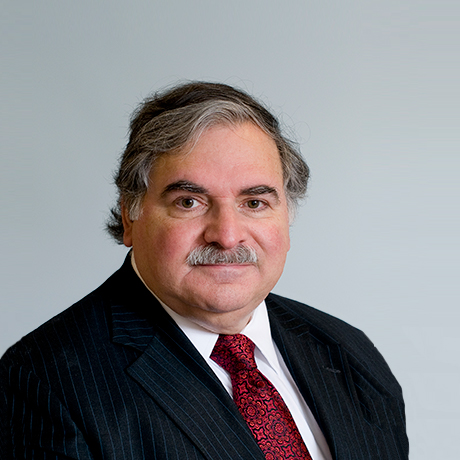 Gus J. Vlahakes合作论文数Cardiothoracic Surgeon, Massachusetts General Hospital2
 Shannon N. Tessier合作论文数Harvard Medical School;Center for Engineering in Medicine & Surgery, Massachusetts General Hospital;Shriners Hospitals for Children2
 John Edmund Mayer Jr.合作论文数Center for Bioethics, Harvard Medical School;Boston Children's Hospital2
 Sunu S. Thomas合作论文数Massachusetts General Hospital, Harvard Medical School2Daniel A. Zlotoff合作论文数Department of Pathology and Laboratory Medicine, University of Pennsylvania School of Medicine2G. D. Lewis合作论文数1Gregory D. Lewis合作论文数1M E Sise合作论文数1




