Exidavnemab is a monoclonal antibody (mAb) with a high affinity and selectivity for pathological aggregated forms of α-synuclein and a low affinity for physiological monomers, which is in clinical development as a disease-modifying treatment for patients with synucleinopathies such as Parkinson's disease. Safety, tolerability, pharmacokinetics, immunogenicity, and exploratory biomarkers were assessed in two separate Phase 1 single ascending dose studies, including single intravenous (IV) (100 to 6000 mg) or subcutaneous (SC) (300 mg) administration of exidavnemab in healthy volunteers (HVs). Across the two studies, a total of 98 Western, Caucasian, Japanese, and Han Chinese HVs were enrolled, of which 95 completed the study. Exidavnemab was generally well tolerated. There were no serious adverse events or safety issues identified in laboratory analyses. Headache, asymptomatic COVID-19, back pain, and post lumbar puncture syndrome were the most frequently reported treatment-emergent adverse events. Following IV infusion, the pharmacokinetics of exidavnemab was approximately dose linear in the range 100-6000 mg. The terminal half-life was approximately 30 days, and the exposure was comparable across Western, Caucasian, Japanese, and Han Chinese volunteers. The absolute SC bioavailability was ∼71%. Cerebrospinal fluid exposure relative to serum after single dose was within the range expected for mAbs (approximately 0.2%). The anti-drug antibody rates were low and there was no effect of immunogenicity on the pharmacokinetics or safety. Dose-dependent reduction of free α-synuclein in plasma was observed. In summary, exidavnemab was found to have an excellent pharmacokinetic profile and was well tolerated in HVs, supporting the continued clinical development.
The immunosuppressive agents sirolimus and everolimus are sensitive CYP3A4 substrates with narrow therapeutic index. Ritonavir is a strong CYP3A inhibitor. A phase 1 study was conducted to evaluate the pharmacokinetics, safety, and tolerability of the co-administration of sirolimus or everolimus with the ritonavir-containing 3D regimen of the direct-acting antiviral agents ombitasvir, ritonavir-boosted paritaprevir, and dasabuvir in healthy subjects. This study had two independent arms, each with a two-period, single-sequence, crossover study design. A single dose of sirolimus 2 mg (N = 12) or everolimus 0.75 mg (N = 12) was administered in Period 1. In Period 2, multiple doses of the 3D regimen (ombitasvir/paritaprevir/ritonavir 25/150/100 mg once daily and dasabuvir 250 mg twice daily) were administered for 34 or 28 days, with a single dose of sirolimus 0.5 mg or everolimus 0.75 mg co-administered on Day 15. Following co-administration with the 3D regimen, the sirolimus dose-normalized maximum observed blood concentration (C-max) and area under the blood concentration-time curve from time zero to infinity (AUC(inf)) increased to 6.4-fold and 38-fold, respectively. Following co-administration with the 3D regimen, the everolimus C-max and AUC(inf) increased to 4.7-fold and 27-fold, respectively. Sirolimus and everolimus half-lives increased from 96 to 249 h, and 42 to 118 h, respectively. There were no major safety or tolerability issues in this study. The ritonavir-containing 3D regimen resulted in a significant increase in sirolimus or everolimus exposure, consistent with the known strong inhibitory effect of ritonavir on CYP3A requiring dose and/or frequency modification when co-administered with each other.
Background. Immune activation markers associate with morbidity and mortality in HIV and hepatitis C virus (HCV) infection. We investigated how T-cell and monocyte activation are related over the course of HCV direct-acting antiviral (DAA) therapy during HCV/HIV coinfection. Methods. Peripheral blood mononuclear cells from AIDS Clinical Trials Group (ACTG) A5329 participants and a single-site separate cohort treated with DAAs were analyzed for central memory (CM)/effector memory (EM) T-cell subsets, monocyte subsets, and cell activation (CD38 and HLA-DR expression) before, during, and after therapy. Results. Before therapy, classical and inflammatory monocyte subset HLA-DR expression positively correlated with absolute counts and frequencies of CD38(+)HLA-DR+-expressing CD4(+) and CD8 T cells and corresponding CM and EM subsets. After therapy initiation, CD38(+)HLA-DR+ co-expression on CD4(+) and CD8(+) memory T cells decreased by 12 weeks and 36 weeks, and plasma sCD14 positively correlated with CD38(+)HLA-DR+ CD4(+) and CD4(+)CM T-cell frequencies. Monocyte subset activation remained similar over time. Conclusions. During HCV/HIV coinfection, memory T-cell activation is associated with monocyte subset activation, consistent with related underlying mechanisms. Following therapy initiation, memory T-cell, but not monocyte, activation decreased. Residual CD4(+) T-cell activation after therapy completion is associated with sCD14, potentially linking the remaining CD4(+) T-cell activation to residual factors driving activation in antiretroviral therapy-controlled HIV.
With the morbidity and mortality associated with the COVID‐19 pandemic that we are witnessing this year, the risks posed by emerging viral diseases to global health are all too obvious. This pandemic highlights the importance of antiviral drug discovery, which targets emerging viral pathogens, as well as existing pathogenic viruses that undergo continuous evolution. Drug discovery and development is a long and resource intensive process; however, the use of biomarkers can accelerate clinical development of antivirals by providing information regarding diagnosis of specific viral infections, status of infection, potential safety parameters, and antiviral responses. In clinical practice, many of the biomarkers initially utilized to support clinical development are also used for patient care. While viral load is a standard and essential biomarker used to detect the desired viral suppression induced by an antiviral agent, it has become apparent that additional biomarkers, whether related to the virus, the host or as a consequence of the drug's mechanistic effects, are also important for monitoring clinical outcomes associated with an antiviral therapy. This review summarizes the biomarkers used in the clinical development (as well as in clinical practice, where appropriate) of antiviral therapies for hepatitis C virus, hepatitis B virus, human immunodeficiency virus, and severe acute respiratory syndrome coronavirus 2.
Hepatitis C virus (HCV) infections are more common among US veterans receiving care through Veterans Affairs (VA) Medical Centers than among the general population. Historically, HCV therapies had lower efficacy rates in VA patients, possibly due to common comorbidities such as psychiatric disorders and substance abuse. The direct-acting antivirals ombitasvir/paritaprevir/ritonavir and dasabuvir (OBV/PTV/r+DSV)+/- ribavirin (RBV) are approved in the US for HCV genotype 1 (GT1)-infected adults with or without cirrhosis. This study prospectively evaluated the safety and efficacy of OBV/PTV/r+DSV +/- RBV in VA patients with HCV GT1 infection. TOPAZ-VA was a phase 3b, open-label trial. Adult US veterans with HCV GT1 infection, without cirrhosis or with compensated cirrhosis, were eligible for enrollment. Patients with GT1a infection received OBV/PTV/r +DSV+RBV for 12 weeks or 24 weeks (for those with cirrhosis); GT1b-infected patients without cirrhosis received OBV/PTV/r +DSV for 12 weeks; those with cirrhosis received OBV/PTV/r +DSV with RBV. The primary endpoint was sustained virologic response at posttreatment week 12 (SVR12); safety was also assessed. Ninety-nine patients were enrolled at 10 sites from May through November 2015. The majority were male (96%), white (60%), and with GT1a infection (68%); 49% reported ongoing psychiatric disorders. Overall, 94% (93/99) achieved SVR12; three patients had a virologic failure. The most common AEs were fatigue (28%), headache (20%), and nausea (15%); six patients discontinued treatment due to AEs. In US veterans with HCV GT1 infection, OBV/PTV/r +DSV +/- RBV yielded a 94% overall SVR12 rate and was well tolerated. The presence of psychiatric disorders and/or injection drug use did not impact efficacy.
Background & Aims: Eight-week glecaprevir/pibrentasvir leads to high rates of sustained virological response at post-treatment week 12 (SVR12) across HCV genotypes (GT) 1-6 in treatment-naive patients without cirrhosis. We evaluated glecaprevir/pibrentasvir once daily for 8 weeks in treatment-naive patients with compensated cirrhosis. Methods: EXPEDITION-8 was a single-arm, multicenter, phase IIIb trial. The primary and key secondary efficacy analyses were to compare the lower bound of the 95% CI of the SVR12 rate in i) patients with GT1,2,4-6 in the per protocol (PP) population, ii) patients with GT1,2,4-6 in the intention-to-treat (ITT) population, iii) patients with GT1-6 in the PP population, and iv) patients with GT1-6 in the ITT population, to pre-defined efficacy thresholds based on historical SVR12 rates for 12 weeks of glecaprevir/pibrentasvir in the same populations. Safety was also assessed. Results: A total of 343 patients were enrolled. Most patients were male (63%), white (83%), and had GT1 (67%). The SVR12 rate in patients with GT1-6 was 99.7% (n/N = 334/335; 95% CI 98.3-99.9) in the PP population and 97.7% (n/N = 335/343; 95% CI 96.1-99.3) in the ITT population. All primary and key secondary efficacy analyses were achieved. One patient (GT3a) experienced relapse (0.3%) at post-treatment week 4. Common adverse events (5%) were fatigue (9%), pruritus (8%), headache (8%), and nausea (6%). Serious adverse events (none related) occurred in 2% of patients. No adverse event led to study drug discontinuation. Clinically significant laboratory abnormalities were infrequent. Conclusions: Eight-week glecaprevir/pibrentasvir was well tolerated and led to a similarly high SVR12 rate as the 12-week regimen in treatment-naive patients with chronic HCV GT1-6 infection and compensated cirrhosis. Lay summary: This study was the first to evaluate an 8-week direct-acting antiviral (DAA) regimen active against all major types of hepatitis C virus (HCV) in untreated patients with compensated cirrhosis. High virological cure rates were achieved with glecaprevir/pibrentasvir across HCV genotypes 1-6, and these high cure rates did not depend on any patient or viral characteristics present before treatment. This may simplify care and allow non-specialist healthcare professionals to treat these patients, contributing to global efforts to eliminate HCV. (C) 2019 European Association for the Study of the Liver. Published by Elsevier B.V.
The 3-DAA regimen consisting of ombitasvir/paritaprevir/ritonavir plus dasabuvir (OBV/PTV/r + DSV) +/- ribavirin (RBV) has shown high sustained virologic response rates (similar to 95%) in phase 3 clinical trials including >2300 HCV genotype 1-infected patients. Real-world evidence studies have confirmed the effectiveness of OBV/PTV/r +/- DSV +/- RBV in patients with chronic HCV genotype 1 infection and are consistent with clinical trial results. TOPAZ-I and TOPAZ-II are ongoing phase 3b trials, assessing safety, efficacy and long-term progression of liver disease and clinical outcomes for up to 5 years post-treatment in patients treated with OBV/PTV/r + DSV +/- RBV. High rates of sustained virologic response (SVR) were achieved regardless of presence or absence of cirrhosis.In this report, we assessed the long-term progression of liver disease and incidence of clinical outcomes up to 3 years of post-treatment follow-up in patients with chronic HCV GT1 infection who were treated with (OBV/PTV/r + DSV) +/- RBV in the TOPAZ-I and TOPAZ-II studies. Improvements were observed in liver disease markers including FIB-4, METAVIR and Child-Pugh scores as well as platelet counts. Clinical outcomes related to long-term progression of liver disease such as liver decompensation were infrequent (<1%). Hepatocellular carcinoma (HCC) occurred in 1.4% of cirrhotic patients.
BACKGROUND:The recommended monitoring tools for evaluating nucleot(s)ide analogue renal toxicity, such as estimated glomerular filtration rate (eGFR) and phosphatemia, are late markers of proximal tubulopathy. Multiple early markers are available, but no consensus exists on their use.AIM:To determine the 24 mo prevalence of subclinical proximal tubulopathy (SPT), as defined with early biomarkers, in treated vs untreated hepatitis B virus (HBV)-monoinfected patients.METHODS:A prospective, non-randomized, multicenter study of HBV-monoinfected patients with a low number of renal comorbidities was conducted. The patients were separated into three groups: Naïve, starting entecavir (ETV) treatment, or starting tenofovir disoproxil (TDF) treatment. Data on the early markers of SPT, the eGFR and phosphatemia, were collected quarterly. SPT was defined as a maximal tubular reabsorption of phosphate/eGFR below 0.8 mmoL/L and/or uric acid fractional excretion above 10%. The prevalence and cumulative incidence of SPT at month 24 (M24) were calculated. Quantitative data were analyzed using analyses of variance or Kruskal-Wallis tests, whereas chi-squared or Fisher's exact tests were used to analyze qualitative data. Multivariate analyses were used to adjust for any potential confounding factors.RESULTS:Of the 196 patients analyzed, 138 (84 naïve, 28 starting ETV, and 26 starting TDF) had no SPT at inclusion. At M24, the prevalence of SPT was not statistically different between naïve and either treated group (21.1% vs 30.7%, P < 0.42 and 50.0% vs 30.7%, P = 0.32 for ETV and TDF, respectively); no patient had an eGFR lower than 50 mL/min/1.73 m² or phosphatemia less than 0.48 mmoL/L. In the multivariate analysis, no explanatory variables were identified after adjustment. The cumulative incidence of SPT over 24 mo (25.5%, 13.3%, and 52.9% in the naïve, ETV, and TDF groups, respectively) tended to be higher in the TDF group vs the naïve group (hazard ratio: 2.283, P = 0.05). SPT-free survival at M24 was 57.6%, 68.8%, and 23.5% for the naïve, ETV, and TDF groups, respectively. The median survival time without SPT, evaluated only in the TDF group, was 5.9 mo.CONCLUSION:The prevalence and incidence of SPT was higher in TDF-treated patients compared to naïve patients. SPT in the naïve population suggests that HBV can induce renal tubular toxicity.
BACKGROUND:Hepatitis C virus (HCV) direct-acting antivirals are highly effective. Less is known about changes in markers of immune activation in persons with human immunodeficiency virus (HIV) in whom a sustained virologic response (SVR) is achieved. METHODS:We conducted a nonrandomized clinical trial of 12 or 24 weeks of paritaprevir-ritonavir-ombitasvir plus dasabuvir (PrOD) with or without ribavirin in persons with HCV-1/HIV coinfection suppressed with antiretroviral therapy. Plasma HCV, soluble CD14 (sCD14), interferon-inducible protein 10, soluble CD163 (sCD163), interleukin 6 (IL-6), interleukin 18, monocyte chemoattractant protein (MCP-1), autotaxin (ATX), and Mac2-binding protein (Mac2BP) were measured over 48 weeks. RESULTS:Participants were treated with PrOD for 12 (n = 9) or 24 (n = 36) weeks; the SVR rate at 12 weeks was 93%. At baseline, cirrhosis was associated with higher ATX and MCP-1, female sex with higher ATX and IL-6, older age with higher Mac2BP, higher body mass index with higher ATX, and HIV-1 protease inhibitor use with higher sCD14 levels. In those with SVR, interferon-inducible protein 10, ATX, and Mac2BP levels declined by week 2, interleukin 18 levels declined by the end of treatment, sCD14 levels did not change, and sCD163, MCP-1, and IL-6 levels changed at a single time point. CONCLUSIONS:During HIV/HCV coinfection, plasma immune activation marker heterogeneity is in part attributable to age, sex, cirrhosis, body mass index, and/or type of antiretroviral therapy. HCV treatment with paritaprevir-ritonavir-ombitasvir plus dasabuvir is highly effective and is associated with variable rate and magnitude of decline in markers of immune activation. CLINICAL TRIALS REGISTRATION:NCT02194998.
Direct-acting antivirals (DAA) targeting hepatitis C virus (HCV) have revolutionized outcomes in HIV co-infection. We examined early events in liver and plasma through A5335S, a substudy of trial A5329 (paritaprevir/ritonavir, ombitasvir, dasabuvir, with ribavirin) that enrolled chronic genotype 1a HCV-infected persons co-infected with suppressed HIV: 5/6 treatment-naïve enrollees completed A5335S. Mean baseline plasma HCV RNA=6.7 log10 IU/mL and changed by -4.1 log10 IU/mL by Day 7. In liver, laser capture microdissection was used to quantify HCV. At liver biopsy 1, mean (95% CI) %HCV-infected cells=25.2% (7.4%, 42.9%), correlating with plasma HCV RNA (Spearman rank correlation r=0.9); biopsy 2 (Day 7 in 4/5 participants) mean (95% CI) %HCV-infected cells=1.0% (0.2%, 1.7%)(p<0.05 for change), and DAAs were detectable in liver. Plasma CXCL10 concentrations changed by mean=-160 pg/mL/day at 24 hours, but no further after Day 4. We conclude that HCV infection is rapidly cleared from liver with DAA leaving <2% HCV-infected hepatocytes at Day 7. We extrapolate that HCV eradication could occur in these participants by 63 days, although immune activation might persist. Single-cell longitudinal estimates of HCV clearance from liver have never been reported previously and could be applied to estimating the minimum treatment duration required for HCV infection.
Background. Direct-acting antivirals (DAAs) targeting hepatitis C virus (HCV) have revolutionized outcomes in human immunodeficiency virus (HIV) coinfection. Methods. We examined early events in liver and plasma through A5335S, a substudy of trial A5329 (paritaprevir/ritonavir, ombitasvir, dasabuvir, with ribavirin) that enrolled chronic genotype 1a HCV-infected persons coinfected with suppressed HIV: 5 of 6 treatment-naive enrollees completed A5335S. Results. Mean baseline plasma HCV ribonucleic acid (RNA) =6.7 log(10) IU/mL and changed by -4.1 log(10) IU/mL by Day 7. In liver, laser capture microdissection was used to quantify HCV. At liver biopsy 1, mean %HCV-infected cells=25.2% (95% confidence interval [CI], 7.4%-42.9%), correlating with plasma HCV RNA (Spearman rank correlation r=0.9); at biopsy 2 (Day 7 in 4 of 5 participants), mean %HCV-infected cells=1.0% (95% CI, 0.2%-1.7%) (P<.05 for change), and DAAs were detectable in liver. Plasma C-X-C motif chemokine 10 (CXCL10) concentrations changed by mean=-160 pg/mL per day at 24 hours, but no further after Day 4. Conclusions. We conclude that HCV infection is rapidly cleared from liver with DAA leaving <2% HCV-infected hepatocytes at Day 7. We extrapolate that HCV eradication could occur in these participants by 63 days, although immune activation might persist. Single-cell longitudinal estimates of HCV clearance from liver have never been reported previously and could be applied to estimating the minimum treatment duration required for HCV infection.
Aims AIDS Clinical Trials Group study A5334s evaluated the pharmacokinetics of raltegravir before and during combined administration of ombitasvir, paritaprevir/ritonavir, plus dasabuvir (OBV/PTV/r + DSV) and weight-based ribavirin in human immunodeficiency virus (HIV) and hepatitis C virus (HCV) coinfected adults. The pharmacokinetics of OBV/PTV/r + DSV during raltegravir coadministration were also characterized. Methods Adults living with HIV/HCV coinfection receiving steady-state raltegravir (400 mg twice daily) with 2 nucleos(t)ide analogues were enrolled. Pharmacokinetics of raltegravir were assessed prior to HCV therapy, and 4 weeks later following initiation of OBV/PTV/r (25/150/100 mg) once daily + DSV (250 mg) twice daily. Geometric mean ratios (GMRs) and 90% confidence intervals (CIs) were used to compare the following: raltegravir pharmacokinetics with HCV therapy (week 4) vs before HCV therapy (week 0); OBV/PTV/r and DSV pharmacokinetics vs historical healthy controls; raltegravir pharmacokinetics at week 0 vs historical control adults living with HIV. Results Eight of 11 participants had decreased raltegravir exposures after initiation of HCV therapy. The GMRs (90% CI) for maximum concentration and area under the concentration-time curve of raltegravir with vs without HCV therapy were 0.68 (0.38-1.19) and 0.82 (0.58-1.17), respectively. Comparing OBV/PTV/r pharmacokinetics in healthy controls, A5334s study participants demonstrated generally lower maximum concentration and area under the concentration-time curve values by 41-82% and 4-73%, respectively. Raltegravir exposures tended to be higher in A5334s study participants compared to adults living with HIV. Conclusions The majority of participants' plasma raltegravir exposures were lower after initiation of HCV therapy in coinfected adults; however, confidence intervals were wide.
SummaryThe role of the endogenous interferon (IFN) system has been well characterized during IFN‐based therapy for chronic hepatitis C virus (HCV) infection; less is known for direct‐acting antivirals (DAAs). In this phase 3b open‐label study, we assessed changes in IFN‐stimulated genes (ISGs) in non‐cirrhotic treatment‐naïve or pegIFN/RBV‐experienced HCV‐GT1a‐infected patients receiving paritaprevir/ritonavir/ombitasvir + dasabuvir + ribavirin (PrOD + R) for 12 weeks. ISG expression was quantified from peripheral blood mononuclear cells at baseline, treatment weeks (TW)2, TW4, TW8, end of treatment (EOT) and at post‐treatment week 12. Paired sera were used to assess IFN‐α/IFN‐related chemokines/cytokines. Twenty‐five patients were enrolled. Overall sustained virologic response (SVR)12 was 92% (no virologic failure [VF]) and 100% for those completing the study protocol. Two patients were excluded from the ISG analysis due to lack of post‐treatment samples. The majority of ISGs were downregulated at TW2‐TW4 (nadir TW4); however, a relative increase was observed at TW8‐EOT, although levels were lower than baseline. This downregulation was accompanied by increases in IFN‐α/IFN‐related chemokines, a finding not observed with TH1/2‐related cytokines. Following SVR, ISG expression returned to TW2 levels. In conclusion, PrOD + R for 12 weeks was well‐tolerated with no VF. Our data demonstrate dynamic alterations in innate immune profiles during highly potent IFN‐free DAA therapy. The downregulation of ISG post‐therapy suggests reversal of the “exhausted” ISG phenotype following SVR, and the rise in ISGs and IFN‐α/IFN‐responsive chemokines late during therapy suggests resetting of IFN responsiveness that may be relevant in determining duration of or immunological sequelae from DAA therapy, including HBV reactivation.
Introduction: Despite high efficacy of current direct-acting antiviral agents (DAAs) in treating chronic hepatitis C virus (HCV) infection, a small portion of patients fail treatment. QUARTZ-I was a phase 2, open-label, multicenter, two-part study that assessed the safety and efficacy of ombitasvir/paritaprevir/ritonavir (OBV/PTV/r) with dasabuvir (DSV) with or without the addition of sofosbuvir (SOF) and/or ribavirin (RBV) in DAA treatmentexperienced adults with chronic HCV GT1 infection. Materials and Methods: Genotype 1 HCV-infected patients with or without compensated cirrhosis had prior treatment failure to any DAA (part 1) or ledipasvir/SOF (part 2). Patients received OBV/PTV/r + DSV +/- SOF with or without RBV for 12 or 24 weeks. The primary endpoint of this study is the percentage of patients achieving sustained virologic response at post-treatment week 12 (SVR12). Results: In part 1 of the study, 95.5% (21/22) of patients achieved SVR12, and in part 2, the SVR12 rate was 85.7% (6/7). Most adverse events (AEs) were mild and moderate in severity. Two serious AEs occurred and were assessed as not being related to study drug, of which one resulted in study drug discontinuation. Two patients experienced grade 3 elevations of serum alanine aminotransferase, and no other grade = 3 laboratory abnormalities were observed. Conclusion: The multi-targeted regimen of OBV/PTV/r + DSV +/- SOF with or without RBV was effective in the treatment of patients who failed previous DAA regimens including NS3/4A protease and NS5A and NS5B polymerase inhibitors. These results provide a promising outcome for patients that traditionally had limited treatment options.
Background The pangenotypic direct-acting antivirals glecaprevir (identified by AbbVie and Enanta) coformulated with pibrentasvir (G/P) are approved to treat chronic HCV genotype (GT) 1–6 infection. Eight-week G/P achieved high SVR12 rates in Phase 2 and 3 studies, but was not studied in patients with compensated cirrhosis. Based on the high SVR12 rates demonstrated in treatment-naive patients with HCV GT1–6 infection and compensated cirrhosis treated with 12-week G/P, this study evaluates the efficacy and safety of an 8-week G/P treatment duration in that population. Methods EXPEDITION-8 is an ongoing phase 3, non-randomized, single arm, open-label, multicenter study conducted in adults with chronic HCV GT1–6 infection with compensated cirrhosis who are HCV treatment-naive. A recently approved protocol amendment enabled the inclusion of HCV GT3-infected patients, who are not included in this analysis. G/P (300 mg/120 mg) is being dosed orally once-daily with food for 8 weeks. The primary efficacy endpoint is the SVR12 rate. Secondary endpoints are the on-treatment virologic failure and relapse rates. Adverse events and clinical laboratory abnormalities are being monitored in all patients. Results In total, 280 treatment-naive patients with compensated cirrhosis have enrolled and are included in the analysis. To date, 116 patients have completed the post-treatment week 12 visit; (figure 1) shows preliminary efficacy results for those with available post-treatment week 4 and/or 12 data. No virologic failures have occurred. Adverse events (AEs) have been mostly mild, with the most common (at least 5%) AEs being pruritus and fatigue (both 9%), headache (7%) and nausea (6%). No AEs have led to discontinuation of G/P; 5 serious AEs have occurred, none of which were deemed related to G/P. Conclusions In this ongoing study, G/P for 8 weeks in treatment-naive patients with HCV infection and compensated cirrhosis has been well-tolerated and achieved high rates of SVR, with no virologic failures to date. Updated efficacy and safety data will be presented at the meeting.
Introduction: Patients with hepatitis C virus (HCV) infection and chronic kidney disease (CKD) are a high-priority population for treatment. Methods: We performed a post hoc pooled efficacy and safety analysis that included HCV genotype 1-infected patients with compensated liver disease and CKD stages 1 to 3 who received the all-oral 3-direct-acting antiviral regimen of ombitasvir, paritaprevir, ritonavir, and dasabuvir +/- ribavirin (OBV/PTV/r + DSV +/- RBV) in 11 phase 3 clinical trials. Sustained virologic response rates at posttreatment week 12 (SVR12) and treatment-related adverse events (AEs), serious AEs, and renal-associated AEs are reported. Mean changes from baseline in serum creatinine and estimated glomerular filtration rate (eGFR) were calculated to assess changes in renal function. Factors associated with improved eGFR were assessed by stepwise logistic regression analysis of data from 7 trials in which baseline urinalysis was collected. Results: SVR12 rates in patients with stage 1, 2, and 3 CKD were 97% (439/453), 98% (536/547), and 97% (32/33), respectively, with OBV/PTV/r + DSV; and, 96% (1172/1221), 96% (1208/1254), and 93% (55/59), respectively, with OBV/PTV/r + DSV + RBV. Overall rates of serious AEs and renal AEs were 3% (95/3567) and 2% (56/3567), respectively. Factors associated with an eGFR increase of >= 10 ml/min per 1.73 m(2) were baseline proteinuria, body mass index, nonblack race, and history of diabetes. Conclusion: OBV/PTV/r + DSV +/- RBV achieved high SVR rates and was generally well tolerated irrespective of CKD stage.
 Podsadecki Thomas J合作论文数42Pilot-Matias T J合作论文数25Xie Wangang合作论文数21
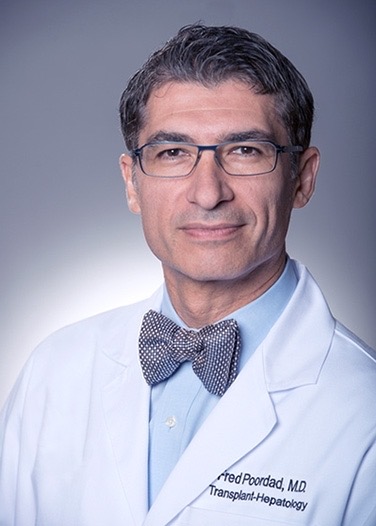 Fred Poordad合作论文数Hepatology University Transplant Center, The University of Texas Health Science Center at San Antonio;Cedars Sinai Medical Center, Department of Hepatology and Liver Transplantation, The University of Texas Health Science Center at San Antonio;Department of Medicine, The University of Texas Health Science Center at San Antonio21Larsen Lois合作论文数19
 Eric Lawitz合作论文数Department of Medicine, University of Texas Health Science Center in San Antonio;Transplant Center, University of Texas Health Science Center in San Antonio;Texas Liver Institute, University of Texas Health Science Center in San Antonio19Emily O Dumas合作论文数18
 Mark Sulkowski合作论文数Division of Infectious Diseases, Johns Hopkins Bayview Medical Center;Johns Hopkins University School of Medicine17Amit Khatri合作论文数College of Pharmacy, University of Minnesota16Barry Bernstein合作论文数15
 Kris Kowdley合作论文数Liver Institute Northwest;Elson S. Floyd College of Medicine, Washington State University;Velocity Clinical Research, Inc.14B Bernstein合作论文数13
 Nancy S Shulman合作论文数13Dutta Sandeep合作论文数12
 Rakesh Tripathi合作论文数11
 Graham Foster合作论文数Faculty of Medicine and Dentistry, Blizard Institute, Queen Mary University of London10Kosh Agarwal合作论文数Liver Unit, Freeman Hospital10
 Jeffrey Enejosa合作论文数10David Bernstein合作论文数10Manal Abunimeh合作论文数9
 K. Rajender (Raj) Reddy合作论文数Department of Medicine, Perelman School of Medicine, University of Pennsylvania;Division of Gastroenterology, University of Pennsylvania9Zha Jiuhong合作论文数9
 Michael John Bennett合作论文数Department of Pathology and Laboratory Medicine, Perelman School of Medicine, University of Pennsylvania9
 Gregory T Everson合作论文数9
 Stefan Zeuzem合作论文数J W Goethe University Hospital9Roger Trinh合作论文数9Rajeev M Menon合作论文数8Gretja Schnell合作论文数8Rajeev M. Menon合作论文数7M. Abunimeh合作论文数7
 Christine Collins合作论文数7Paul J. Pockros合作论文数7Younes Ziad H合作论文数7David L. Wyles合作论文数7Jeffrey F. Waring合作论文数7I. Gaultier合作论文数7Mariem Charafeddine合作论文数6Diana L. Shuster合作论文数6
 David R. Nelson合作论文数Division of Gastroenterology, Hepatology & Nutrition, Department of Medicine, College of Medicine, University of Florida6Mantry Parvez S合作论文数6Luo Yan合作论文数6
 Gavin A Cloherty合作论文数6
 Jean-Michel Pawlotsky合作论文数Department of Virology, Université Paris-Est Créteil Val De Marne Faculté De Médecine;Department of Virology, Hôpitaux Universitaires Henri Mondor;Institut Mondor de Recherche Biomédicale6
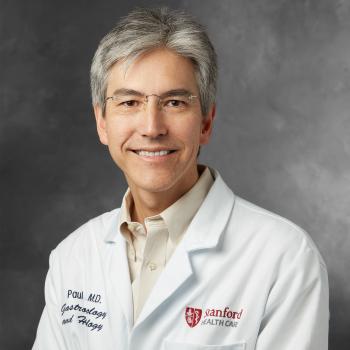 Paul Y. Kwo合作论文数Medicine Department, Stanford University6Humberto Aguilar合作论文数6M. Charafeddine合作论文数5
 Rui Tato Marinho合作论文数5Sepe Thomas合作论文数5Federico Rodriguez-Perez合作论文数5




