CONTEXT:Obesity after spinal cord injury (SCI) is a major healthcare concern due to its associated increased morbidity and mortality. Veterans with SCI constitute the largest single group of individuals with SCI nationwide, and have high prevalence of obesity (>75%) and cardiometabolic dysfunction (≥50%) - a fact that highlights the importance of studying Veterans specifically. Daily eating patterns, such as the time between the first and last eating activity ("eating window"), are understudied in this group. These patterns are critical to understanding determinants of obesity and potential targets for treatment, and informing future studies comparing SCI and non-SCI populations. OBJECTIVE:We sought to quantify eating windows of Veterans with SCI and obesity and study baseline demographic data associated with these eating windows, leveraging the unique VA SCI / Disorders Registry. METHODS:We recruited Veterans with chronic SCI (≥ 1 year post-injury), paraplegia (injury levels T1 - S5), and obesity (body mass index (BMI) > 22 kg/m2, an SCI-specific cutoff), from a single Veterans Affairs SCI Center. Veterans tracked start and stop times of eating and drinking (>0 kcals) over two consecutive weeks. RESULTS:Forty-five Veterans participated in the study. Participants were predominantly older (>60 years old), male, white, with a BMI of 31 kg/m2 (IQR 11). The median eating window was 10.8 h (IQR 3.5). Eating windows were shorter on weekends (p = 0.037), for rural residents (p < 0.001), those with caregivers (p < 0.001), and those not working (p < 0.001). In adjusted, multivariable analyses, eating windows were shorter only for those not working (p = 0.042). CONCLUSION:In a sample of Veterans with SCI and obesity, the median eating window was 10.8 h. Lower employment levels may be associated with shorter eating windows - are a potential factor to be explored that may contribute to this overall eating pattern. SCI profoundly impacts metabolism, and a better understanding of how eating windows induce additional metabolic effects and potentially increases risk of obesity after SCI is needed.
There is broad consensus on the benefits of aerobic exercise training in patients with cardiovascular disease to improve cardiorespiratory fitness and lower the risk of adverse cardiovascular events. However, certain high-risk populations such as those with frailty, stroke, spinal cord injury, rheumatological conditions, or genetic cardiomyopathies and recipients of advanced heart failure therapies or cardiac implantable electronic devices warrant special considerations with regard to exercise training. This scientific statement summarizes the present state and future directions of exercise training for these high-risk populations, including functional deficits, responses to exercise training, modifications in training programs required to maximize safety and efficacy, and knowledge gaps in this field. Key findings common across most of these high-risk populations include (1) increased barriers to participation in exercise training at multiple levels; (2) low baseline cardiorespiratory fitness, creating heightened need for exercise interventions; (3) modifications to exercise prescription, frequently emphasizing strength, balance, and flexibility in addition to aerobic training, as well as accommodations with enhanced supervision and specialized equipment as needed; and (4) functional and quality-of-life gains in response to appropriately designed exercise programs that match or exceed those in more traditional populations. Future research is needed to further develop patient-centered training regimens designed to address the unique and heterogeneous needs of these populations, evaluate their impact on clinical and patient-centered outcomes, and advance scalable and equitable delivery of exercise therapies proven safe and effective.
BACKGROUND AND AIMS:Frailty is associated with cardiovascular disease (CVD) through shared pathophysiology and risk factors, and frailty is a known modifiable risk factor for CVD. Statins reduce CVD risk and have anti-inflammatory properties that may lower the risk of frailty, though this has not been comprehensively examined. METHODS:Older US veterans (aged ≥67 years) who were statin naïve and received regular care in the Veteran Affairs (VA) medical system from 2002 to 2018 were included. Veterans who were frail at baseline based on a validated 31-item VA-Frailty Index (VA-FI) were excluded (scores >0.2). Data were linked to Medicare and Medicaid. Overlap propensity score weighting (PSW) was used to address confounding by indication. Cox regression models were fit to examine the association of statin use with the composite outcome of incident frailty with censoring at death. Similar analyses were conducted on pre-frail veterans (VA-FI score of 0.1-0.2). RESULTS:Of 987 301 veterans included in the study population (age 72 ± 6 years; 98% men; 87% white), 290 729 initiated statins during the study period. During a mean follow-up of 5.3 (SD 4.1) years, 636 195 incident frailty events occurred, representing unadjusted event rates of 153.1 events per 1000 person-years among statin initiators and 111.4 events per 1000 person-years in non-initiators. After PSW, new statin initiators were less likely to experience incident frailty (hazard ratio 0.76, 95% confidence interval 0.75-0.76) compared to non-initiators. Similar results were seen in pre-frail veterans. CONCLUSIONS:Statin initiation was associated with a significantly lower risk of incident frailty or death among older US veterans including those who were pre-frail at baseline.
PURPOSE:Veterans with spinal cord injuries (SCIs) have high prevalence of obesity, nearly 80%. New approaches to weight loss include time-restricted eating (TRE), defined as consuming all calories in a consistent time period of ≤ 10-hours daily. TRE has demonstrated weight loss and rehabilitation benefits in general populations. Recently, we conducted a feasibility trial of 10-hour TRE among Veterans with SCI and obesity, and conducted exit interviews to understand individuals' experiences while participating in TRE. METHODS:We recruited Veterans with chronic SCI, paraplegia, and obesity. Veterans were interviewed after completing (N = 14) or withdrawing (N = 1) from the trial. We conducted thematic analysis of verbatim interview transcripts. RESULTS:Veterans were predominantly male, white (> 85%), and > 60 years old. We identified 5 key themes: motives for adopting TRE (primarily weight loss), TRE participation experiences (often positive, but with an initial transition that became easier over time), dietary changes (little impact on diet quality, but notable impact on diet quantity), perceived health changes (both positive and negative), and future TRE plans (for many, to continue TRE with modifications). CONCLUSION:Among Veterans with SCI and obesity, there may be unique barriers (like medication management and bowel care) and unique facilitators (like a striking similarity in weekday and weekend routines) that impact participation and adherence to TRE. With insights from the lived experiences of Veterans, TRE has the potential to be modified and adopted after SCI to improve dietary and rehabilitation outcomes.
Objectives:This study examined whether peripheral biological pathways including inflammation, insulin resistance, and arterial stiffness, partially explain the link between cardiorespiratory fitness (CRF) and cognitive function in older adults. Methods:In a cross-sectional sample of cognitively unimpaired older adults (N = 648, 71% female, M age = 69.88 ± 3.75 years), participants completed a comprehensive cognitive battery assessing executive function (EF)/Attentional control, episodic memory, processing speed, working memory, and visuospatial abilities. CRF was measured using a maximal graded exercise test performed on a motorized treadmill. Peripheral biomarkers included low-grade systemic inflammation (Interleukin-6; IL-6), insulin resistance (Homeostatic Model Assessment for Insulin Resistance; HOMA-IR) and arterial stiffness (carotid-femoral pulse wave velocity; cfPWV). Parallel mediation models, adjusted for age, sex, APOE4 carriage, body fat percentage, study site and years of education, tested whether these biomarkers statistically mediated associations between CRF and cognitive performance. Results:IL-6 emerged as a consistent significant mediator of the relationship between CRF and EF, episodic memory, visuospatial processing and working memory. HOMA-IR statistically mediated the association between CRF and both EF and processing speed. In contrast, cfPWV did not statistically mediate an association between CRF and performance in any cognitive domain. Conclusion:These findings suggest that low-grade systemic inflammation broadly mediates the relationship between CRF and cognitive function, while metabolic pathways show more domain-specific associations. Together, these results highlight the need for understanding the plural, yet distinct, biological mechanisms by which higher CRF relates to better cognitive performance, with the goal of identifying potential targets for interventions aimed at preserving cognitive health in older adulthood.
In older adults, cardiovascular disease (CVD) rarely occurs in isolation; cognitive impairment, frailty, and physical disability frequently coexist and together shape trajectories of health and function in later life. This American College of Cardiology Scientific Statement reviews the intersections among CVD, cognitive impairment, and frailty; highlights the role of biological aging and its contribution to vascular dysfunction, chronic inflammation, and sarcopenia; and summarizes practical, consensus-based approaches for prevention, assessment, and management. Key recommendations include viewing CVD, cognitive impairment, and frailty as manifestations of shared biological aging processes; targeting common, modifiable risk factors; ensuring appropriate diagnostic evaluation and referral; and promoting resilience through medication, structured exercise, nutrition, and limiting polypharmacy. These recommendations for cardiovascular care in older adults are common sense but rest on a limited and fragmented evidence base. As CVD, cognitive impairment, and frailty are outcomes most central to older patients, there is a need for increased consideration in clinical care and inclusion in research.
BACKGROUND: Amiodarone is a widely used antiarrhythmic agent with significant toxicities and drug interactions more likely to affect older adults. Nevertheless, data regarding amiodarone safety in this population are limited. METHODS: We conducted a retrospective analysis of FDA [Food and Drug Administration] Adverse Event Reporting System (FAERS) data from 2003 to 2024. Reports with amiodarone as the primary suspect were compared with other antiarrhythmics (sotalol, dronedarone, flecainide, propafenone, dofetilide). Disproportionality analysis assessed reporting odds ratios (RORs) for predefined adverse events in adults (<75 years) and older adults (>= 75 years). Interaction analysis evaluated differences between age groups. RESULTS: Among 9196 amiodarone FAERS reports, 4129 (44.9%) involved older adults. Hyperthyroidism (ROR 39.1; 95% confidence interval [CI], 25-61 and ROR 23.4; 95% CI, 11-49.8) and hypothyroidism (ROR 36.9; 95% CI, 15.2-89.8 and ROR 24.5; 95% CI, 11.5-52.1) were substantially over-reported in amiodarone users among both adults and older adults, respectively. Drug-induced liver injury and peripheral neuropathy were also over-reported without a significant age interaction. Interstitial lung disease was reported more frequently in amiodarone users overall, with significantly higher reporting in older adults (ROR 11.4; 95% CI, 6.9-18.6 vs 4.9; 95% CI, 3.4-7.0; Pinteraction = .007). Bradycardia was also over-reported in older adults compared with adults (ROR 1.6; 95% CI, 1.3-2 vs 1.0; 95% CI, 0.8-1.3; Pinteraction = .003). Torsades de pointes/QT prolongation were less frequently reported in both age groups. CONCLUSIONS: In this global postmarketing study, interstitial lung disease and bradycardia were more frequently reported in older adults treated with amiodarone. These findings support vigilant monitoring for these adverse events, particularly in older patients. (c) 2025 Elsevier Inc. All rights are reserved, including those for text and data mining, AI training, and similar technologies. center dot The American Journal of Medicine (2025) 138:819-826
Objective To evaluate cognition at entry into the Gerofit program and its association with physical function. Design Retrospective observational cross-sectional design. Setting Gerofit outpatient clinical exercise programs at multiple Veterans Affairs Medical Centers from 2021 to 2023. Participants New enrollees (N=1172) completed measures of lower and upper extremity strength, balance, cardiovascular endurance, and measures of global cognition (telephone Montreal Cognitive Assessment, tMoCA) and cognitive set shifting (Oral Trail Making Test B). Dementia diagnosis in the medical record was exclusionary. Interventions Not applicable. Main Outcome Measures Relationship between physical and cognitive function, self-rated memory change, and demographics were evaluated by linear regression. Results Mean age was 75 years. 78% of participants were White and 20% Black; 88% were men. Mean tMoCA score was 17.39. tMoCA and Oral Trail Making Test B scores were significantly associated with lower extremity strength (P<.001), and tMoCA score was significantly associated with endurance. tMoCA score was significantly associated with self-rated memory. Conclusions Global cognitive functioning was below the cutoff for normal cognition in 61% of participants, suggesting mild cognitive impairment is common in older exercise program enrollees. Lower cognitive scores were related to both reduced strength and endurance.
BACKGROUND:Although telehealth cardiac rehabilitation (CR) may improve access, there are concerns about its long-term effectiveness and impact on equity as compared with in-person CR. Our objective was to tailor a patient-centered telehealth CR program for diverse populations. METHODS:CR patients and caregivers were recruited between January and September 2023 from 4 US academic medical centers. Participants engaged in human-centered design sessions to iteratively refine a telehealth CR program. Sessions had planned topics, but there was variation across sites to account for site-specific needs and participant feedback. Sessions were qualitatively analyzed using rapid template analysis with preselected behavioral science constructs and other emergent codes. RESULTS:The study included 21 participants (71% aged ≥60 years, 48% women, 62% non-Hispanic White individuals; 90% CR patients, 10% CR caregivers). Participants thought that telehealth CR could be helpful for personalized support at home and convenience but recognized that technology is not always easy to use. Some expressed concerns about the safety of telehealth CR, especially at the beginning, and desired monitoring through a mobile device or video observation of exercise. Safety protocols and technology training were developed, which addressed concerns about telehealth CR. Opportunities for social support with telehealth CR were also desired. From these findings, an implementation toolkit was developed, including a graphic program description, safety plan, home exercise plan for during and after CR, and scripts for technology training and individual and group telehealth visits. CONCLUSIONS:A patient-centered telehealth CR program and implementation toolkit were systematically tailored to address the needs of diverse populations.
BACKGROUND:Atrial fibrillation (AF) is a prevalent cardiac arrhythmia associated with a significantly increased risk of systemic thromboembolism and stroke. Anticoagulation therapy, particularly with direct oral anticoagulants, has become the standard for stroke prevention but comes at the cost of an increased bleeding risk. With the introduction of effective alternatives to anticoagulation, such as percutaneous left atrial appendage occlusion, bleeding risk stratification has become essential to guide therapeutic decision-making. Conventional statistical methods have been used for bleeding risk stratification scores, such as HEMORR2HAGES, HAS-BLED, and ATRIA. However, these methods may inadequately address the multifactorial nature of bleeding risk in diverse patient populations, and their overall performance has been suboptimal. Summary and Key Messages: Recent advancements in machine learning (ML) offer promising opportunities to enhance bleeding risk prediction and optimize anticoagulation therapy. This review explores ML applications in AF patients receiving anticoagulation therapy, focusing on the development and validation of ML-based bleeding risk scores. These models have demonstrated improved predictive performance compared to traditional tools, leveraging complex datasets to identify nuanced patterns and interactions. Furthermore, ML-driven tools in warfarin management, including dose prediction, optimization of time in the therapeutic range, and the identification of drug-drug interactions, show significant potential to enhance patient safety and treatment efficacy.
BACKGROUND:An increasing number of older adults have been hospitalized in cardiac intensive care units. Their more complex medical profiles and frailty dictate treatment decisions and affect outcomes. There is no universally agreed-upon age definition for an older adult, with common thresholds being 65 or 75 years. Our objective was to evaluate the predictive value of various age groups while accounting for frailty. METHODS:In this observational cohort study, we analyzed data from a prospective registry of consecutive patients admitted to the cardiac intensive care unit at a tertiary hospital between January 2014 and March 2022 with a diagnosis of acute coronary syndrome. The primary outcome was the composite of 90-day all-cause death, shock, acute heart failure, acute kidney injury, stroke, mechanical ventilation, and ventricular arrhythmias. Frailty was dichotomized using the routinely measured Norton score for all inpatients; a ≤17 score was defined as frail. RESULTS:The study included 4790 patients with acute coronary syndrome, divided into age groups: 2249 aged <65 years, 1294 aged 65 to 74 years, and 1247 aged ≥75 years, with a higher proportion of women in the older age groups. Due to the interaction between age and frailty, the cohort was divided and analyzed separately on the basis of frailty status. Among the nonfrail group (3915 [81.7%]), 16% reached the outcome. Adjusted odds ratios for the primary outcome in patients aged ≥75 years were 2.18 (95% CI, 1.69-2.81) and 1.46 (95% CI, 1.15-1.85) compared with those aged <65 years and 65 to 74 years, respectively. For patients aged 65 to 74 years compared with those <65 years, the odds ratio was 1.49 (95% CI, 1.16-1.91). In the frail group, where 60% reached the outcome, no significant association was found between age groups and outcomes. CONCLUSIONS:Our results suggest that frailty may be a surrogate for aging and is a stronger predictor than chronological age for adverse outcomes among patients with acute coronary syndrome in the cardiac intensive care unit.
Cardiomyopathy is a disorder of the myocardium, in which structural and functional abnormalities of the heart muscle result in mechanical and/or electrical cardiac dysfunction. Aging increases susceptibility to molecular damage and related risks of cardiomyopathy, often in combination with other chronic diseases and geriatric syndromes (e.g., frailty, sarcopenia). With the rapidly growing population of older adults, awareness of the most prevalent cardiomyopathies in this population provides important insight to optimize prevention and treatment. Hypertrophic, restrictive and dilated cardiomyopathies are highly prevalent in older adults. Furthermore, coronary artery disease, hypertension and valve disease increase with aging, and often lead to myocardial abnormalities that have many similar features to cardiomyopathy that are important to clarify. This review provides important age-related perspectives regarding pathophysiology, diagnosis, management and prevention. Aging is associated with inflammation and oxidative stress that can lead to molecular damage and vulnerability to many chronic diseases, including various cardiomyopathies. However, development is not inevitable. Prevention via lifestyle modification is paramount, with novel gerotherapeutic options targeting biologic hallmarks of aging under investigation. This increases the potential to improve the lifespan and healthspan of older adults.
The science of cardiac rehabilitation and the secondary prevention of cardiovascular disease has progressed substantially since the most recent American Heart Association and American Association of Cardiovascular and Pulmonary Rehabilitation update on the core components of cardiac rehabilitation and secondary prevention programs was published in 2007. In addition, the advent of new care models, including virtual and remote delivery of cardiac rehabilitation services, has expanded the ways that cardiac rehabilitation programs can reach patients. In this scientific statement, we update the scientific basis of the core components of patient assessment, nutritional counseling, weight management and body composition, cardiovascular disease and risk factor management, psychosocial management, aerobic exercise training, strength training, and physical activity counseling. In addition, in recognition that high-quality cardiac rehabilitation programs regularly monitor their processes and outcomes and engage in an ongoing process of quality improvement, we introduce a new core component of program quality. High-quality program performance will be essential to improve widely documented low enrollment and adherence rates and reduce health disparities in cardiac rehabilitation access.
The risk of atherosclerotic cardiovascular disease increases with advancing age. Elevated LDL-cholesterol and non-HDL-cholesterol levels remain predictive of incident atherosclerotic cardiovascular events among individuals older than 75 years. Risk prediction among older individuals is less certain because most current risk calculators lack specificity in those older than 75 years and do not adjust for co-morbidities, functional status, frailty, and cognition which significantly impact prognosis in this age group. Data on the benefits and risks of lowering LDL-cholesterol with statins in older patients without atherosclerotic cardiovascular disease are also limited since most primary prevention trials have included mostly younger patients. Available data suggest that statin therapy in older primary prevention patients may reduce atherosclerotic cardiovascular events and that benefits from lipid-lowering with statins outweigh potential risks such as statin-associated muscle symptoms and incident Type 2 diabetes mellitus. While some evidence suggests the possibility that statins may be associated with incident cognitive impairment in older adults, a preponderance of literature indicates neutral or even protective statin-related cognitive effects. Shared decision-making which is recommended for all patients when considering statin therapy is particularly important in older patients. Randomized clinical trial data evaluating the use of non-statin lipid-lowering therapy in older patients are sparse. Deprescribing of lipid-lowering agents may be appropriate for select patients older than 75 years with life-limiting diseases. Finally, a patient-centered approach should be taken when considering primary prevention strategies for older adults.
Background Aging is associated with subclinical changes in cardiac structure and function as well as an increase in prevalent cardiovascular disease and geriatric syndromes such as frailty and sarcopenia. This can result in levels of cardiac-specific and non-cardiac-specific circulating biomarkers that are frequently above normal range concentrations established in healthy middle-age general population cohorts in the absence of acute disease. Without this recognition, clinicians may be challenged to interpret biomarker results in older adults in the setting of diagnosing an acute illness or for longer term prognostication.Content In this review, we provide anticipated findings, their suggested underlying mechanism, as well as interpretation of concentrations for the common cardiovascular biomarkers including cardiac troponins and natriuretic peptides in the acute care and ambulatory settings. Specifically, information to interpret biomarkers in the setting of possible acute myocardial infarction and heart failure is presented. We also present data for interpreting results in older adults with other well-known prognostic biomarkers, as well as biomarkers with application to geriatric syndromes.Summary Circulating biomarkers, despite challenges in interpretation in older adults relative to younger adults, play a critical role in the diagnosis and prognosis of cardiovascular disease and have additional roles in geriatric syndromes and assessing risk of harm from specific treatments.
 Ross Arena合作论文数Department of Physical Therapy, College of Applied Health Sciences;UI Health is UIC’s academic health enterprise, University of Illinois at Chicago67
 Kelly Allsup合作论文数45
 Michael W. Rich合作论文数Cardiovascular Division, John T. Milliken Department of Medicine, School of Medicine, Washington University in St. Louis;Barnes-Jewish West County Hospital41
 Jonathan N. Myers合作论文数Department of Medicine, Stanford University38
 Karen Patton Alexander合作论文数Duke Clinical Research Institute, Duke University;Department of Medicine, School of Medicine, Duke University35Lawrence P. Cahalin合作论文数Bouve College of Health Science, Northeastern University33
 Abdulla Damluji合作论文数32
 Marco Guazzi合作论文数Department of Health Sciences, Università degli Studi di Milano;Cardiology Division, I.R.C.C.S. San Donato University Hospital;San Paolo Hospital27P. Christian Schulze合作论文数26
 Carl Lavie合作论文数Ochsner Clinical School, Faculty of Health, Medicine and Behavioural Sciences, The University of Queensland23
 Mathew Maurer合作论文数Department of Medicine, Vagelos College of Physicians & Surgeons, Columbia University Irving Medical Center22
 Nanette Wenger合作论文数Department of Medicine, School of Medicine, Emory University;Grady Memorial Hospital22
 Jerome L. Fleg合作论文数Division of Cardiovascular Sciences, National Heart, Lung, and Blood Institute20
 Dalane W. Kitzman合作论文数Congdon Heart and Vascular Center, Atrium Health Wake Forest Baptist;Clinical and Translational Science Institute, Wake Forest School of Medicine;Department of Medicine, Wake Forest School of Medicine19
 Erin West合作论文数19
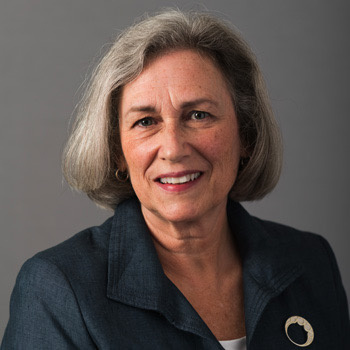 Anne B Newman合作论文数Department of Epidemiology, School of Public Health, University of Pittsburgh;Center for Aging and Population Health, University of Pittsburgh19Ashok Krishnaswami合作论文数19Daniel Bensimhon合作论文数17
 Parag Goyal合作论文数Joan and Sanford I. Weill Department of Medicine, Weill Cornell Medicine, Cornell University16
 Bret H. Goodpaster合作论文数Translational Research Institute for Metabolism and Diabetes, AdventHealth16
 Karla Daniels合作论文数16Zavin Alexandra合作论文数16
 Peggy M. Cawthon合作论文数California Pacific Medical Center, Research Institute, University of California, San Francisco;School of Medicine, University of California, San Francisco16
 Stewart H. Lecker合作论文数Beth Israel Deaconess Medical Center16
 Paul J Chase合作论文数16
 Ariela Orkaby合作论文数15Susan J. Zieman合作论文数15
 Mary Ann Peberdy合作论文数Department of Internal Medicine, School of Medicine, Virginia Commonwealth University;VCU Health14
 James N. Kirkpatrick合作论文数Department of Bioethics & Humanities, School of Medicine, University of Washington;Department of Internal Medicine, School of Medicine, University of Washington14
 Nancy W. Glynn合作论文数School of Public Health, University of Pittsburgh14
 Schopfer David W合作论文数Department of Medicine, San Francisco Veterans Affairs Medical Center13
 Joe Jacob合作论文数Satsuma Lab, Centre for Medical Image Computing, University College London13Donna M Mancini合作论文数Icahn School of Medicine at Mount Sinai13
 Paul Martin Coen合作论文数Department of Medicine, University of Pittsburgh School of Medicine13
 Scott L. Hummel合作论文数Division of Cardiology, Columbia University13
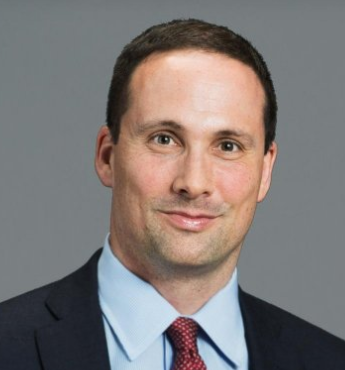 John A. Dodson合作论文数Division of Cardiology, Department of Medicine, Grossman School of Medicine, New York University12
 Ronald A. Cohen合作论文数Department of Clinical and Health Psychology, College of Public Health & Health Professions, University of Florida12
 Javed Butler合作论文数Baylor Scott and White Research Institute;Baylor Scott and White Health;Department of Medicine, University of Mississippi Medical Center12
 Steven R. Cummings合作论文数San Francisco Coordinating Center, University of California San Francisco;School of Medicine, University of California San Francisco;California Pacific Medical Center Research Institute12
 Hicham Skali合作论文数Brigham and Women's Hospital, Harvard Medical School12
 Antonio A Lazzari合作论文数12
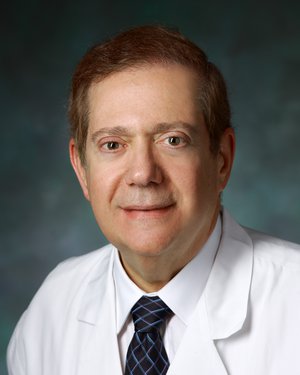 Gary Gerstenblith合作论文数Department of Otolaryngology-Head and Neck Surgery, School of Medicine, Johns Hopkins University11
 Marcelo Fernando DiCarli合作论文数Department of Radiology, Brigham and Women's Hospital;Harvard Medical School11Athena Poppas合作论文数11F. G. S. Toledo合作论文数11
 Vera Bittner合作论文数Dept. of Medicine Division of Cardiovascular Disease University of Alabama at Birmingham11
 Caitlan Tighe合作论文数10
 Gregg C. Fonarow合作论文数Department of Medicine, University of California, Los Angeles10
 Mary Whooley合作论文数School of Medicine, University of California, San Francisco;Center for Healthcare Improvement and Medical Effectiveness, University of California, San Francisco10




