Recent advances in RNA sequencing techniques allow to identify tissue-specific alternative splicing and can thereby provide new insights into molecular mechanisms of energy metabolism. Full-length transcriptomics based on single molecule real-time sequencing (SMRT-seq) enables precise detection of isoforms with 99% accuracy in an unbiased approach. In this proof-of-concept study, we integrated SMRT-seq, bulk RNA-seq and comprehensive metabolic phenotyping to investigate reduced mitochondrial function in skeletal muscle of individuals with type 2 diabetes. Muscle biopsies were taken from 9 humans with type 2 diabetes as well as 9 age- and body mass index-matched glucose tolerant men (CON). Whole-body insulin sensitivity (WBIS) was assessed by hyperinsulinemic-euglycemic clamps and muscle mitochondrial respiration by high-resolution respirometry. In muscle samples, SMRT-Seq was used to create full-length reads and isoforms, which were mapped to genome. Short-read Seq was employed to compare isoform expression between the groups. Participants with diabetes exhibited lower WBIS, fatty acid-driven and complex I-linked respiration compared to controls. SMRT-seq revealed ~67,000 isoforms originating from ~14,000 unique genes. While isoform numbers per gene did not differ, SMRT-seq-based mapping enabled refined dataset clustering compared to conventional short-read sequencing and identified four splicing variants of ATP5F1A gene encoding a subunit for ATP synthase. Among these, two novel transcripts were expressed exclusively in controls. This study identified splicing variants of ATP synthase, which are differentially expressed between people with type 2 diabetes and those with normal glucose tolerance, which may contribute to the reduced fatty acid oxidation in diabetes.
Acute hypoxia triggers multiple physiological and immune responses, yet the immediate systemic effects on circulating complement proteins remain insufficiently characterized. The complement cascade plays a central role in inflammation, host defense, and ischemia-related tissue injury, but its regulation during transient oxygen deprivation and reoxygenation in humans is poorly understood. Sixteen healthy volunteers were exposed to stepwise normobaric hypoxia simulating altitudes of 0, 2, 4, and 6 km (pO₂ = 9.64 kPa) followed by reoxygenation under normoxic conditions. Blood samples were collected at baseline, peak hypoxia (6 km), and after reoxygenation. Quantitative plasma proteomics was performed using targeted multiple-reaction-monitoring mass spectrometry to quantify key complement components (C1 complex, C3–C9, factor B) in 16 participants with complete datasets. Hematological parameters were analyzed in parallel. Hypoxia transiently increased leukocyte and platelet count, whereas hematocrit and mean corpuscular volume slightly decreased. While only slightly increasing during hypoxia, most complement peptides - including C1S, C1R, C3, C5, C7, C9, and CFAB - showed a coordinated reduction in relative abundance upon reoxygenation compared to both baseline and hypoxia (median fold-change ≈ 0.6–0.8; p < 0.05). Correlation analysis revealed coherent clustering among complement components but only weak associations with hematological indices. Acute hypoxia elicits rapid and reversible changes in the circulating complement peptide pool in healthy humans. Targeted plasma proteomics demonstrates clear oxygen-phase–dependent dynamics, with a coordinated decrease after reoxygenation. This pattern is consistent with reduced circulating availability of complement components, activation-associated consumption, and/or redistribution within the intravascular compartment. Future validation of these findings in certain patient cohorts may define translational relevance and functional consequences. Sixteen healthy volunteers were exposed to stepwise normobaric hypoxia simulating altitudes of 0 km, 2 km, 4 km, and 6 km. Hypoxia increased plasma concentrations of several proteins of the complement system as analyzed by quantitative mass spectrometry. Upon reoxygenation, most complement peptides decreased to or below baseline.
Background: Three-dimensional (3D) mapping of the left atrium (LA) using multipolar high-density (HD) catheters plays a central role in contemporary LA ablation procedures, as accurate and efficient acquisition of anatomical and electrophysiological information is essential. This study benchmarks workflow efficiency during acquisition of a predefined complete HD LA map across four widely used multipolar HD catheter designs. The analysis focuses on efficiency metrics and does not aim to assess mapping quality, arrhythmia interpretation accuracy, or clinical outcomes. Methods: We analyzed 182 consecutive patients from an ongoing cohort undergoing LA procedures, including pulmonary vein isolation and complex LA ablations, using 3D mapping in accordance with current guideline recommendations. Four multipolar HD catheters were applied according to the respective 3D mapping systems: a basket catheter (Orion, Rhythmia), a grid catheter (HD Grid, EnSite X), a penta-spline catheter (PentaRay, Carto 3), and an octa-spline catheter (OctaRay, Carto 3). For each procedure, the time required for acquisition of a complete 3D LA map and the number of acquired points were systematically recorded. LA HD mapping speed was calculated by relating LA volume to the time required for complete map acquisition. Results: The study population had a mean age of 69 years, with a median CHA2DS2-VASc score of 3, indicating a cohort with a moderate thromboembolic risk profile. The median LA volume index (LAVI) was 34 mL/m2. Patients were distributed across four HD catheter groups, comprising 44 patients in the basket group, 29 in the grid group, 23 in the penta-spline group, and 86 in the octa-spline group. LA mapping speed differed significantly among the groups, with values of 3 mL/min in the basket group, 2.5 mL/min in the grid group, 3.1 mL/min in the penta-spline group, and the highest mapping speed observed in the octa-spline group at 5.9 mL/min. Conclusions: The octa-spline catheter was associated with a significantly higher LA mapping speed compared with other widely used HD catheters.
AbstractAimsTranscatheter edge‐to‐edge repair of the mitral valve (M‐TEER) is known for its low complication rates. However, the optimal level and duration of post‐procedural care remain unclear. This study aimed to identify the specific timeframe of post‐procedural complications following M‐TEER.Methods and resultsWe conducted a retrospective analysis of 865 patients who underwent M‐TEER at the University Hospital Düsseldorf between August 2010 and August 2023. Our analysis focused on a comprehensive examination of all acute post‐procedural complications (1–100 h), considering the time point of occurrence or diagnosis. The complication analysed included cardiogenic shock, pericardial tamponade, stroke, cardiac arrhythmias, bleeding, acute kidney injury, myocardial infarction, peripheral vascular ischaemia and in‐hospital mortality.ResultsThe median age was 80 (74, 84) years, and the EuroScore II was high (6.5 [4.0, 12.0] %). Functional mitral regurgitation (MR) was more common than degenerative or mixed MR (69% vs. 20%. respectively; 11%). Technical success rate was 97.2%. Overall, acute post‐procedural complications occurred in 87 patients (10.1%). Most complications (75.9%) occurred within the first 4 h post‐procedure. 12.6% of the complications occurred during the period between 4 and 24 h post‐procedure, and 11.5% of the complications happened between 24 and 100 h post‐procedure. Life‐threatening complications were observed only within the first 4 h post‐procedure.ConclusionsThe majority of post‐procedural complications after M‐TEER occur within the first 4 h, with pericardial tamponade and major bleeding occurring only during this period. These findings provide valuable insight for physicians in determining the optimal surveillance and monitoring duration after M‐TEER within clinical settings.
BACKGROUND:Tricuspid valve disease is gaining clinical significance, with transcatheter tricuspid valve replacement (TTVR) emerging as a viable alternative to surgery. Atrioventricular block is a known postprocedural complication. To avoid interference with the valve prosthesis, leadless pacemakers (LPMs) are preferred over transvenous systems. CASE SUMMARY:An 87-year-old woman developed symptomatic bradycardic atrial fibrillation 3 months after TTVR with an Evoque prosthesis (Edwards Lifesciences). Given her age and comorbidities, an AVEIR VR (Abbott Medical) LPM was implanted via right jugular vein approach, chosen because of the orientation of the prosthesis. During the first attempt, the pacemaker's helix became entangled in the valve frame despite the use of a protective sleeve. The device was safely retrieved, and a second attempt was successful. Postimplantation imaging confirmed preserved valve function. DISCUSSION:This case underscores the importance of individualized procedural planning for LPM implantation after TTVR. The jugular approach, combined with tailored fluoroscopic angulation, can improve catheter control and reduce the risk of prosthesis interaction. TAKE-HOME MESSAGE:LPM implantation after TTVR is feasible. Optimal access selection, imaging strategy, and sheath handling are essential to minimize complications.
AIMS:Heart transplantation (HTX) is the treatment of choice for advanced heart failure. Still, long-term survival needs to be improved. Recent studies showed that obesity and type 2 diabetes (T2D) as well as impaired renal and liver function are associated with mortality post-HTX. There are many open questions including (i) optimal metabolic surveillance post-transplant, (ii) association of metabolic deterioration and cardiac function, (iii) association with hepatic and renal deterioration, and (iv) optimal timing and choice of treatment. The METAB-HTX trial will address these open questions, hypothesizing that metabolic deterioration post-HTX is associated with impaired cardiac function and survival. METHODS AND RESULTS:METAB-HTX is a prospective, longitudinal cohort study, enrolling 400 patients post-HTX in a period of 5 years. Time-series, deep cardiac, and metabolic phenotyping will be conducted. Cardiac function will be analysed by echocardiography as well as serial cardiac magnetic resonance imaging and spectroscopy (cMRI/MRS). Coronary angiography will be conducted to assess both macrovascular and microvascular coronary allograft vasculopathy (CAV). To evaluate allograft rejection, endomyocardial biopsies will be taken. Metabolic alterations will be investigated by (i) glucometabolic phenotyping including serial oral glucose tolerance tests, homeostasis model assessment, T2D endotyping, and muscle biopsies in selected cases; (ii) lipid disorders will be evaluated by classical lipid measurements in combination with evaluation of HDL function, plasma membrane lipid composition, fluidity analyses of circulating cells and MRI/MRS for adipose tissue distribution, and ectopic fat analysis. Kidney and liver function and structural alterations will be evaluated. Complex analyses will be conducted to evaluate (i) myocardial substrate utilization and energy metabolism by cardiac and circulating cell respirometry, (ii) impact of genetic (including immunogenetic) and transcriptomic factors by third- and fourth generation sequencing (short- and long-read sequencing), (iii) circulating signatures of future neoplasia by single-cell sequencing of circulating leucocytes, and (iv) evaluation of thromboinflammation in association with heart transplant events. The primary endpoint will be the incidence of heart transplant events, defined as worsening of systolic or diastolic left ventricular function, CAV, allograft rejection, worsening of kidney function, metabolic liver disease, infections, neoplasia, deterioration of glucose and lipid metabolism. Secondary outcomes include hospitalizations related to primary endpoints, re-HTX or ventricular assist device, cardiovascular mortality, and all-cause mortality. CONCLUSIONS:The METAB-HTX trial will identify early metabolic alterations potentially impairing cardiac function and outcome of HTX patients. This will identify patients at risk and allow precise planning of interventional trials to treat metabolic alterations post-HTX and improve outcome.
Background/Objectives: Acute myocardial infarction (AMI), characterized by irreversible heart muscle damage and impaired cardiac function caused by myocardial ischemia, is a leading cause of global mortality. The damage associated with reperfusion, particularly mitochondrial dysfunction and reactive oxygen species (ROS) formation, has emerged as a crucial factor in the pathogenesis of cardiac diseases, leading to the recognition of mitochondrial proteins as potential markers for myocardial damage. This study aimed to identify differentially expressed proteins based on the type of cardiac injury, in particular those with and without reperfusion. Methods: Male C57Bl/6J mice were either left untreated, sham-operated, received non-reperfused AMI, or reperfused AMI. Twenty-four hours after the procedures, left ventricular (LV) function and morphological changes including infarct size were determined using echocardiography and triphenyl tetrazolium chloride (TTC) staining, respectively. In addition, plasma was isolated and subjected to untargeted mass spectrometry and, further on, the ELISA-based validation of candidate proteins. Results: We identified mitochondrial creatine kinase 2 (Ckmt2) as a differentially regulated protein in plasma of mice with reperfused but not non-reperfused AMI. Elevated levels of Ckmt2 were significantly associated with infarct size and impaired LV function following reperfused AMI, suggesting a specific involvement in reperfusion damage. Conclusions: Our study highlights the potential of plasma Ckmt2 as a biomarker for assessing reperfusion injury and its impact on cardiac function and morphology in the acute phase of MI.
Expansion of the glutamine tract (poly-Q) in the protein huntingtin (HTT) causes the neurodegenerative disorder Huntington’s disease (HD). Emerging evidence suggests that mutant HTT (mHTT) disrupts brain development. To gain mechanistic insights into the neurodevelopmental impact of human mHTT, we engineered male induced pluripotent stem cells to introduce a biallelic or monoallelic mutant 70Q expansion or to remove the poly-Q tract of HTT. The introduction of a 70Q mutation caused aberrant development of cerebral organoids with loss of neural progenitor organization. The early neurodevelopmental signature of mHTT highlighted the dysregulation of the protein coiled-coil-helix-coiled-coil-helix domain containing 2 (CHCHD2), a transcription factor involved in mitochondrial integrated stress response. CHCHD2 repression was associated with abnormal mitochondrial morpho-dynamics that was reverted upon overexpression of CHCHD2. Removing the poly-Q tract from HTT normalized CHCHD2 levels and corrected key mitochondrial defects. Hence, mHTT-mediated disruption of human neurodevelopment is paralleled by aberrant neurometabolic programming mediated by dysregulation of CHCHD2, which could then serve as an early interventional target for HD.
Purpose: Outcomes after heart transplantation (HTx) may depend on the time of cardiac surgery, especially if comparing routine-hour and off-hour shifts. This study sought to examine temporal trends in survival and outcome differences between on-hours and off-hours HTX.
Gravitational changes between micro- and hypergravity cause several adaptations and alterations in the human body. Besides muscular atrophy and immune system impairment, effects on the circulatory system have been described, which can be associated with a wide range of blood biomarker changes. This study examined nine individuals (seven males, two females) during a parabolic flight campaign (PFC). Thirty-one parabolas were performed in one flight day, resulting in ~22 s of microgravity during each parabola. Each participant was subjected to a single flight day with a total of 31 parabolas, totaling 11 min of microgravity during one parabolic flight. Before and after (1 hour (h) and 24 h), the flights blood was sampled to examine potential gravity-induced changes of circulating plasma proteins. Proximity Extension Assay (PEA) offers a proteomic solution, enabling the simultaneous analysis of a wide variety of plasma proteins. From 2925 unique proteins analyzed, 251 (8.58%) proteins demonstrated a differential regulation between baseline, 1 h and 24 h post flight. Pathway analysis indicated that parabolic flights led to altered levels of proteins associated with vesicle organization and apoptosis up to 24 h post microgravity exposure. Varying gravity conditions are associated with poorly understood physiological changes, including stress responses and fluid shifts. We provide a publicly available library of gravity-modulated circulating protein levels illustrating numerous changes in cellular pathways relevant for inter-organ function and communication.
Percutaneous left ventricular assist devices (pVADs) may be used in patients with cardiogenic shock (CS) to stabilize hemodynamics and maintain sufficient end-organ perfusion. Vascular complications are commonly observed in patients with pVAD support. We aimed to assess the relationship between pVAD implantation time and access-site complication rates. This retrospective observational study included all patients who underwent pVAD insertion for the treatment of CS at our university hospital between 2014 and 2021 (n = 224). Depending on the pVAD insertion time, the patients were assigned to the on-hours (n = 120) or off-hours group (n = 104). Both groups had comparable baseline characteristics and comorbidities. The rate of access-site–related complications was higher in the off-hours group than in the on-hours group (26% vs. 10%, p = 0.002). Premature discontinuation of pVAD support to prevent limb ischemia or manage access-site bleeding was required more often in the off-hours group than in the on-hours group (14% vs. 5%, p = 0.016). Pre-existing peripheral artery disease and implantation time off-hours were independent predictors for access-siterelated vascular complications. In conclusion, patients with CS in whom pVAD was inserted during off-hours had higher rates of access-site–related complications and premature discontinuation of pVAD support than those in whom pVAD was inserted during on-hours.
OBJECTIVES:Donor hearts frequently originate from donors whose lungs are also recovered for transplant. Synchronous heart and lung procurement is more complex than procurement ofthe heart alone, and the effects on outcomes are debated. This study examines the effect of synchronous procurement on outcomes in heart transplant recipients.MATERIALS AND METHODS:This single-center study included patients who received a heart transplant from September 2010 to June 2022. Main outcomes were overall mortality and mortality at 30 days, 3 months, 1 year, and 3 years and morbidity within the first year. We analyzed overall mortality using KaplanMeier survival analysis. Logistic regression was used for the remaining outcomes, adjusting for covariates. P < .05 was considered significant.RESULTS:Our study included 253 heart transplant recipients (72.3% male, mean age 55.0 years), of which 184 patients (72.7%) received hearts from donors of heart and lung, and 69 (27.3%) received hearts from donors of only hearts. Heart-and-lung donors were younger than heart-only donors (43.2 vs 47.2 years; P = .017). Transplant recipient baseline characteristics were not different between the 2 groups. Receipt of hearts from heart-and-lung donors was not associated with higher overall mortality (P = .33) or mortality at 3 months (P = .199), 1 year (P = .348), or 3 years (P = .375), and even showed better 30-day survival than receipt of hearts from heart-only donors (p=0.035). Recipients of hearts from heart-and-lung donors did not have higher rates of postoperative mechanical circulatory support, resternotomy, or pacemaker implantation within the first year.CONCLUSIONS:Our study confirms that synchronous heart and lung procurement for transplant is not associated with worse outcomes in heart transplant recipients and that hearts originating from heart-andlung donors may even be associated with improved outcomes.
Abstract Background Cytomegalovirus (CMV) infections after heart transplantation (HTx) can cause cardiac allograft vasculopathy. Consequently, monitoring and prophylaxis for cytomegalovirus deoxyribonucleic acid (CMV‐DNAemia) within the first weeks after HTx is recommended. Methods All patients who underwent HTx between September 2010 and 2021 surviving the first 90 days (n = 196) were retrospectively reviewed. The patients were divided on the prevalence of CMV‐DNAemia during the first postoperative year after the end of the prophylaxis. A total of n = 35 (20.1%) developed CMV‐DNAemia (CMV group) and were compared to patients without CMV‐DNAemia (controls, n = 139). The remaining patients (n = 22) were excluded due to incomplete data. Results Positive donors and negative recipients (D+/R−) and negative donors and positive recipients (D−/R+) serology was significantly increased and D−/R− decreased in the CMV group (p < .01). Furthermore, the mean age was 57.7 ± 8.7 years but only 53.6 ± 10.0 years for controls (p = .03). Additionally, the intensive care unit (p = .02) and total hospital stay (p = .03) after HTx were approximately 50% longer. Interestingly, the incidence of CMV‐DNAemia during prophylaxis was only numerically increased in the CMV group (5.7%, respectively, 0.7%, p = .10), the same effect was also observed for postoperative infections. Multivariate analyses confirmed that D+/R− and D−/R+ CMV immunoglobulin G match were independent risk factors for postprophylaxis CMV‐DNAemia. Conclusion Our data should raise awareness of CMV‐DNAemia after the termination of regular prophylaxis, as this affects one in five HTx patients. Especially old recipients as well as D+/R− and D−/R+ serology share an elevated risk of late CMV‐DNAemia. For these patients, prolongation, or repetition of CMV prophylaxis, including antiviral drugs and CMV immunoglobulins, may be considered.
INTRO:Recently, the impact of circadian rhythm and daytime variation on surgical outcomes has attracted interest. Although studies for coronary artery and aortic valve surgery report contrary results, effects on heart transplantation have not been studied. METHODS:Between 2010 and February 2022, 235 patients underwent HTx in our department. The recipients were reviewed and categorized according to the start of the HTx procedure - between 04:00 am and 11:59 am (morning, n = 79), 12:00 pm and 07:59 pm (afternoon, n = 68) or 08:00 pm and 03:59 am (night, n = 88). RESULTS:The incidence of high urgency status was slightly but not significantly increased (p = .08) in the morning (55.7%), compared to the afternoon (41.2%) or night (39.8%). The most important donor and recipient characteristics were comparable among the three groups. The incidence of severe primary graft dysfunction (PGD) requiring extracorporeal life support (morning: 36.7%, afternoon: 27.3%, night: 23.0%, p = .15) was also similarly distributed. In addition, there were no significant differences for kidney failure, infections, and acute graft rejection. However, the incidence of bleeding that required rethoracotomy showed an increased trend in the afternoon (morning: 29.1%, afternoon: 40.9%, night: 23.0%, p = .06). 30-day survival (morning: 88.6%, afternoon: 90.8%, night: 92.0%, p = .82) and 1-year survival (morning: 77.5%, afternoon: 76.0%, night: 84.4%, p = .41) were comparable between all groups. CONCLUSION:Circadian rhythm and daytime variation did not affect the outcome after HTx. Postoperative adverse events as well as survival were comparable throughout day- and night-time. As the timing of the HTx procedure is rarely possible and depends on the timing of organ recovery, these results are encouraging, as they allow for the continuation of the prevalent practice.
Abstract Objective Several Risk assessment tools have been developed to help predict mortality after heart transplantation. While validated within their regional transplant cohorts, it remains unclear whether they can also be applied to other cohorts. We therefore aimed to test and compare the predictive value of an US-Score validated in the UNOS Database by Joyce et al., a French Score by Jasseron et al., and the BO-Score within the Eurotransplant area developed by Schramm et al. Methods We applied the three scores to our cohort using published model coefficients and variables (see Figure 1 for distribution). The initial BO-Score as well as the French Score were hereby modified to produce positive integer values within our cohort (mod. French Score = [initial French Score + 2.24]x10, mod. BO Score = [initial BO initial score+10]x3). C-statistics using ROC-analysis (Figure 2) were used to compare the three scores regarding their ability to discriminate between 30-day, 1 year and 5-year survivors and non-survivors within our heart transplant cohort. Results The French Score performed best predicting the 1 survival with an AUC of 0.69 [95% CI: 0.59-0.79, p<0.0001], followed by the BO-Score with 0.66 (95% CI: 0.56-0.77, p=0.003) and the US-Score with an AUC of 0.67, CI 0.57-0.76, p=0.02). Regarding 30-day-Survival, only the French Score with an AUC of 0.64 [95% CI: 0.52-0.76, p=0.006] as well as the BO-Score with 0.71 (95% CI: 0.60-0.81, p=0.008) could predict mortality sufficiently, while the US-Score could not discriminate statistically significant between survivors and non-survivors (AUC 0.64, CI 0.52-0.76, p=0.06). All scores performed worst predicting 5-year survival, with only the BO-Score being statistically significant (AUC 0.61, 95% CI: 0.56-0.77, p=0.003). Conclusion In our heart transplant cohort, the available donor recipient risk assessment tools performed best predicting 1 year survival, with worse and heterogenous results for 30 day or 5 year survival. Further developments will have to incorporate risk factors not yet taken into account in order to make even more reliable predictions, especially for the Eurotransplant area.Figure 1 and 2
Abstract Objective Optimal immunosuppression is an essential component of the best possible long-term survival after heart transplantation (HTX). Optimally patient-tailored immunosuppression is standard in Tx follow-up, balancing harmful side effects and preventing rejection episodes. Hereby, stable blood levels, as well as a stable and calculable absorption rate, is essential. Tacrolimus additionally has a narrow therapeutic range and is particularly difficult to dose stably. It has been shown that interindividual differences in absorption exist among various immunosuppressants, making adequate minimum levels and the avoidance of rejection events more difficult. For other solid organ transplantation procedures there are already studies on the proportion of patients (so-called "fast metabolizers") who experience different kinetics due to very rapid resorption. We here therefore aim to investigate the potential impact of the tacrolimus metabolizer status on outcome in a HTx cohort. Methods We defined fast metabolizers by a low concentration to dose ratio (C/D ratio) of <1.05. The C/D ratio was determined according to the following formula: C/D ratio (ng/ml x 1/mg) = Tacrolimus through level (ng/ml) / daily Tacrolimus dose (mg). We included as a first step here 57 patients undergoing HTx in our center between 09/2010 and 10/2016 and calculated the C/D ratio retrospectivley from routine follow-ups. In both groups baseline characteristics, perioperative parameters and survival after 1 and 5 years after Tx were collected. Results We identified 24 patients (42%) as fast metabolizers and 33 patients as standard metabolizers (58%). The metabolizer status did not significantly correlate with reduced survival of the recipient up to 5 years in Kaplan-Meier-Analysis (Figure 1,A, Log Rank p=0.68). Additionally, regression analysis could not detect an association of 1-year-survival and C/D ratio or the fast metabolizer status definition (HR 1.1, 95% CI 0.17-7.2, p=0.92). Moreover, using ROC-analysis, no clear other cut-off for C/D ratio other than the used published definition (<1.05) could be derived (Figure 1,B, AUC 5-year survival 0.53, p = 0.72). Additionally, these parameters did not change significantly also when focusing on speficic substances with different pharmacodynamics such as Prograf (two doses per day) or Advagraf (delayed release, one dose per day). We could also not detect associations between C/D ratio or metabolizer status and unfavorable outcomes such as cellular or clinical relevant rejection episodes. Conclusion In this retrospective analysis, neither the metabolizer status or the raw tacrolimus concentration to dose ratio was associated with altered survival or outcome after heart transplantation. As we present here a yet small number of investigated patients (pilot study) with a potential era bias by currently not including advances in medication optimization over the last years, future studies are needed to elucidate this phenomen further.
Background Neurologic events during primary stay in heart transplant (HTx) recipients may be associated with reduced outcome and survival, which we aim to explore with the current study. Methods and Results We screened and included all patients undergoing HTx in our center between September 2010 and December 2022 (n=268) and checked for the occurrence of neurologic events within their index stay. Neurologic events were defined as ischemic stroke, hemorrhage, hypoxic ischemic injury, or acute symptomatic neurologic dysfunction without central nervous system injury. The cohort was then divided into recipients with (n=33) and without (n=235) neurologic events after HTx. Using a multivariable Cox regression model, the association of neurologic events after HTx and survival was assessed. Recipients with neurologic events displayed a longer intensive care unit stay (30 versus 16 days; P =0.009), longer mechanical ventilation (192 versus 48 hours; P <0.001), and higher need for blood transfusion, and need for hemodialysis after HTx was substantially higher (81% versus 55%; P =0.01). Resternotomy (36% versus 26%; P =0.05) and mechanical life support (extracorporeal life support) after HTx (46% versus 24%; P =0.02) were also significantly higher in patients with neurologic events. Covariable‐adjusted multivariable Cox regression analysis revealed a significant independent association of neurologic events and increased 30‐day (hazard ratio [HR], 2.5 [95% CI, 1.0–6.0]; P =0.049), 1‐year (HR, 2.2 [95% CI, 1.1–4.3]; P =0.019), and overall (HR, 2.5 [95% CI, 1.5–4.2]; P <0.001) mortality after HTx and reduced Kaplan‐Meier survival up to 5 years after HTx ( P <0.001). Conclusions Neurologic events after HTx were strongly and independently associated with worse postoperative outcome and reduced survival up to 5 years after HTx.
Myat Soe Thet et al. published a letter [...].
 Malte Kelm合作论文数Department for Cardiology, Pulmonary Diseases and Vascular Medicine, University Hospital Düsseldorf;Cardiovascular Research Center Düsseldorf;Center for Conservative Medicine, University Hospital Düsseldorf38
 Ralf Westenfeld合作论文数Department of Nephrology and Clinical Immunology, RWTH University Hospital29
 Aubin Hug合作论文数27Payam Akhyari合作论文数22
 Patrick J Horn合作论文数Center for Plant Lipid Research, University of North Texas;Center for Plant Lipid Research, University of North Texas21Udo Boeken合作论文数20
 Raphael R. Bruno合作论文数18Artur Lichtenberg合作论文数16
 Moritz Benjamin Immohr合作论文数16Jafer Haschemi合作论文数15Igor Tudorache合作论文数13A. Lichtenberg合作论文数12
 Amin Polzin合作论文数12
 U. Boeken合作论文数10D. Sigetti合作论文数6F. Voss合作论文数6Jean Marc Haurand合作论文数6Charlotte Boettger合作论文数6Norbert Gerdes合作论文数6
 Maximilian Spieker合作论文数6C. Boettger合作论文数5Fabian Voß合作论文数5Dennis Sigetti合作论文数5Daniel Scheiber合作论文数5
 Alexander Lang合作论文数5J. Szendroedi合作论文数4Hans Torulv Holst合作论文数4Christian Jung合作论文数4Hannan Dalyanoglu合作论文数4Florian Boenner合作论文数4
 Michael Roden合作论文数German Diabetes Centre, Heinrich-Heine-Universität Düsseldorf;Clinic for Endocrinology & Diabetology, University Hospital Düsseldorf4H. Dalyanoglu合作论文数3Freya Sophie Jenkins合作论文数3
 Elric Zweck合作论文数Institute for Clinical Diabetology, Leibniz Center for Diabetes Research Heinrich Heine University3
 Georg Wolff合作论文数3
 Jan Haas合作论文数DZHK (German Centre for Cardiovascular Research, University of Heidelberg3
 Susanne Pfeiler合作论文数3
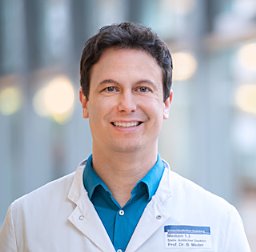 Benjamin Meder合作论文数Department of Internal Medicine III, University Hospital Heidelberg3V.H. Hettlich合作论文数2M. Immohr合作论文数2F. S. Jenkins合作论文数2
 Julia Szendroedi合作论文数2N. Kalampokas合作论文数2C. Ballazs合作论文数2H. Schultheiss合作论文数2Vincent Hettlich合作论文数2Fabian Nienhaus合作论文数2




