This study quantified climate-driven changes and spatial variability in key environmental drivers over four decades along Greenland's coastal and shelf marine ecosystems and evaluated their impacts on marine biota divided into six regions. We analyzed trends in sea ice concentration and seasonality, sea surface temperatures, salinity, and freshwater inputs from ice discharge and freshwater runoff. West, East, and Southeast Greenland were most impacted by climate change, driven by increasing sea surface temperatures (0.22-0.5 °C decade-1), freshwater inputs (10.14-24.93 Gt yr-1 decade-1), declining sea ice concentrations (3-5.3 % decade-1), and more open water days (10.92-23.9 days decade-1). The Northwest and Northeast regions appeared more resilient due to lower sea surface temperature increases (0.01-0.03 °C decade-1) and sea ice declines (0.5-2.1 % decade-1). Changes in Southwest Greenland were limited to sea surface temperature (0.27 °C decade-1) and freshwater runoff (7.66 Gt yr-1 decade-1) increases since the 1990s. Synthesized evidence from 94 marine biota time series showed 73 exhibiting significant changes, and 37 identified an environmental driver: sea ice (20), temperature (19), and runoff (2). Only four time series considered multiple drivers. Biota time series trends mirrored regional environmental changes; 78 % changed significantly in West, East and Southeast regions combined, 73 % in southwest, and 56 % in the northern regions. Fish, benthic flora, and benthic fauna responses remained unclear due to data gaps, underscoring the need for further research. In conclusion, our findings reveal widespread biological change linked to climate but with distinct regional patterns in environmental drivers and associated responses across Greenland.
Tundra ecosystems are increasingly affected by the warming associated with climate change and the resulting poleward shift of animal and plant populations. The breeding ranges of some migratory waders nesting in the Arctic already appear to be shifting or expanding in response to the rising temperatures. The pectoral sandpiper (Calidris melanotos) is a wader whose breeding range normally extends from western Siberia to eastern Canada. However, three breeding events (involving three different females) have been documented since 2016 in north-east Greenland at two sites with long-term monitoring. These are the first records of breeding of this species in east Greenland, a region that is 1700 and 2800 km from the two nearest known breeding populations in north-east Canada and western Siberia, respectively. The three nests contained four eggs each, which were incubated normally; they did not hatch and were probably unfertilized. The origin of the birds is unknown, but these recent and repeated events, in a region where observation effort is generally limited, could indicate an ongoing expansion of the pectoral sandpiper’s breeding range in the North-east Atlantic region.
The Environment & Oil Spill Response tool (EOS), supports oil spill response planning and decision making. This tool is developed on a research basis, and is an index based, generic and open-source analytic tool, which environmentally can optimise the choice of oil spill response methods for a given spill situation and for a given sea area with respect to environment and nature. The tool is not linked to a particular oil spill simulation model, although it is recommended using oil spill simulation models to have detailed data available for the analysis. The EOS tool consists of an Excel workbook with formulas for calculations and scores followed by screening through decision trees. As case for the EOS tool proof-of-concept, the area of Store Hellefiskebanke, West Greenland, is used. The tool can be downloaded from the Aarhus University home page as a free-of-charge application and is accompanied by a handbook for guidance.
Hygrocybe alpina and Hygrocybe amara are described here as new species closely related to Hygrocybe mucronella . Hygrocybe alpina is described from Slovakia and Sweden, but is probably more widespread, especially in alpine regions of Central and Northern Europe. Hygrocybe amara , a well delimited species based on molecular characters, is known only from Slovakia, but probably it is more widespread across Europe and misidentified as H. mucronella s.s. Hygrocybe mucronella is neotypified here, because no type material has been preserved. A fully amended description is given based on molecular evidence and morphology.
Hygrophorus citrinofuscus is a striking and rarely reported grassland species originally described by J. Favre from the Swiss Alps. In absence of sequence data for the type specimen, a recent collection from Austria, which is well documented based on morphology and sequence data, is designated as the epitype of H. citrinofuscus to stabilise the species concept. Further collections from Austria and the Czech Republic are given. Morphologically similar species are discussed. Hygrophorus citrinofuscus is morphologically and phylogenetically well delimited and macroscopically characterised by yellow-brown pileus colours, a fibrillose pileus surface, pale lamellae and a yellow stipe, making it readily recognisable in the field. Morphology of the lamellar trama as well as phylogenetic analyses of a combined matrix of ITS, LSU, SSU and RPB2 sequence data clearly place this species in the genus Neohygrocybe, and a transfer is proposed. Citation: Friebes G, Fuljer F, Boertmann D, Voglmayr H, Kautmanová I (2025). Hygrophorus citrinofuscus: epitypification of a rare waxcap species from Central Europe and its transfer to the genus Neohygrocybe. Fungal Systematics and Evolution 15: 121-132. doi: 10.3114/fuse.2025.15.05.
The warming of the Arctic had lead to a diverse range of impacts on local biota, including northward shifts of some species range. Here, we report past and present distribution and abundance of an Arctic zooplanktivorous seabird, the little auk Alle alle in West Greenland south of 74° N, and examine the changes in sea surface temperature (SST) and sea ice concentration (SIC) in the birds foraging areas in 1850-2007. We estimated the little auk population in the studied region to be 5,200 pairs in the 1930s, 6,000-6,500 pairs in the 1940-1970s and 70-80 pairs by the 2000s. We found that periods with increased SST and reduced SIC, especially in the last few decades, coincided with little auk population declines. Besides, years with little auk presence in breeding sites were characterized by either low SST and low to moderate SIC or higher SST but moderate to high SIC. Observed contraction of the breeding range and a decrease in abundance of the little auk may be attributed to more complex climate-driven changes in the marine ecosystem at finer spatial and temporal scales and/or cannot be easily detected given the coarseness of data used. It is possible that the population in this region has never been very numerous being subjected to local impacts such as disease, bycatch, predation, etc. The climate warming that is currently being observed, along with corresponding shifts in zooplankton communities, may lead to extirpation of the studied little auk populations.
Novel species of fungi described in this study include those from various countries as follows: Antarctica, Leuconeurospora bharatiensis from accumulated snow sediment sample. Argentina, Pseudocercospora quetri on leaf spots of Luma apiculata. Australia, Polychaetomyces verrucosus on submerged decaying wood in sea water, Ustilaginoidea cookiorum on Scleria levis, Xylaria guardiae as endophyte from healthy leaves of Macaranga tanarius. Belgium, Iodophanus taxi on leaf of Taxus baccata. Belize, Hygrocybe mirabilis on soil. Brazil, Gongronella irregularis from soil, Linodochium splendidum on decaying sheath of Euterpe oleracea, Nothophysalospora agapanthi (incl. Nothophysalospora gen. nov.) on flower stalks of Agapanthus praecox, Phaeosphaeria tabebuiae on leaf of Tabebuia sp., Verrucohypha endophytica (incl. Verrucohypha gen. nov.) from healthy roots of Acrocomia aculeata. Estonia, Inosperma apricum on soil under Quercus robur. Greece, Monosporascus solitarius isolated from surface-sterilised, asymptomatic roots of Microthlaspi perfoliatum. India, Diaporthe neocapsici on young seedling stems of Capsicum annuum, Fuscoporia naditirana on dead wood, Sebacina spongicarpa on soil, Torula kanvae from the gut of a Copris signatus beetle. Iran, Sarcinomyces pruni from twig and petiole tissues of Prunus persica and Prunus armeniaca, Xenodidymella quercicola from leaf spots of Quercus brantii. Italy, Agaricus aereiceps on grass, Agaricus bellui in meadows, Agaricus fabrianensis in urban grasslands, Beaucarneamyces muscorum on moss growing in forest, Xenoanthostomella quercus on leaf litter of Quercus ilex. Netherlands, Alfaria neerlandica on stem lesions of Cortaderia selloana, Neodictyosporium juncicola on culms of Juncus maritimus, Penicillium geertdesnooi from soil under Papaver rhoeas, Russula abscondita on rich calcareous soil with Quercus, Russula multiseptata on rich clay soil with Quercus, Russula purpureopallescens on soil with Populus, Sarocladium caricicola on leaves of Carex riparia. Pakistan, Circinaria shimlaensis on limestone rocks. Panama, Acrocalymma philodendri on leaf spots of Philodendron sp., Caligospora panamaensis on leaf litter, Chlamydocillium simulans associated with a Xylaria sp., Corynesporina panamaensis on leaf litter, Cylindromonium panamaense on twig litter of angiosperm, Cyphellophora panamaensis on twig litter of angiosperm, Microcera panamensis on leaf litter of fern, Pseudotricholoma pusillum in tropical montane forest dominated by Quercus spp., Striaticonidium panamaense on leaf litter, Yunnanomyces panamaensis on leaf litter. Poland, Albocremella abscondita (incl. Albocremella gen. nov.) from rhizoids of liverwort Conocephalum salebrosum. Portugal, Agaricus occidualis in meadows. South Africa, Alternaria elsarustiae on culms of unidentified Poaceae, Capronia capensis on dead twig of unidentified angiosperm, Codinaeella bulbinicola on dead leaves of Bulbine frutescens, Cytospora carpobroticola on leaf of Carpobrotus quadrifidus, Neophaeomoniella watsoniae on leaf of Watsonia sp., Neoplatysporoides aloigena on leaf of Aloe khamiesensis, Nothodactylaria comitabilis on living leaf of Itea rhamnoides, Nothopenidiella beaucarneae (incl. Nothopenidiella gen. nov.) on dead leaves of Beaucarnea stricta, Orbilia kirstenboschensis on dead flower stalks of Agapanthus praecox, Phragmocephala agapanthi on dead flower stalks of Agapanthus praecox, Podocarpigena hagahagaensis (incl. Podocarpigena gen. nov.) on leaf spots of Podocarpus falcatus, Sporisorium enterogonipteri from the gut of Gonipterus sp., Synnemapestaloides searsiae on leaf of Searsia populifolia, Xenophragmocapnias diospyri (incl. Xenophragmocapnias gen. nov.) on leaf spots of Diospyros sp., Yunnanomyces hagahagaensis on leaf spots of Sideroxylon inerme. Spain, Agaricus basicinctus in meadows, Agaricus quercetorum among leaf litter in oak forests, Coprinopsis palaciosii on degraded woody debris, Inocybe complutensis in calcareous loamy soil, Inocybe tanitiae in calcareous sandy soil, Mycena subfragosa on dead leaves of Salix atrocinerea, Pseudobaeospora cortegadensis in laurel forests, Trichoderma sedimenticola from fluvial sediments. Sweden, Inocybe badjelanndana on calcareous soil. Ukraine, Beaucarneamyces lupini on overwintered stems of Lupinus polyphyllus, Protocreopsis globulosa on thallus and apothecia of Lecania cyrtella on bark of Populus sp., Thyridium tiliae on dead twigs of Tilia sp. USA, Cladosporium louisianense, Cyphellophora americana from a bedroom vent, Extremus massachusettsianus from lyse buffer, Myxotrichum tapetae on carpet in basement, Neospissiomyces floridanus (incl. Neospissiomyces gen. nov.) on swab from hospital, Polychaetomyces marinus (incl. Polychaetomyces gen. nov.) on submerged driftwood in sea water, Steccherinum fragrans on hardwood fallen on the beach, Steinbeckomyces carnegieae (incl. Steinbeckomyces gen. nov.) on Carnegiea gigantea, Tolypocladium pennsylvanicum from air sampled in basement. Vietnam, Acidomyces ducanhii from Aglaia flowers, Acidomyces paludis from dead bark of Acacia sp., Phakopsora sageretiae on Sageretia theezans, Puccinia stixis on Stixis scandens. Morphological and culture characteristics are supported by DNA barcodes. Citation: Crous PW, Wingfield MJ, Jurjević Ž, et al. (2024). Fungal Planet description sheets: 1697-1780. Fungal Systematics and Evolution 14: 325-577. doi: 10.3114/fuse.2024.14.19.
Using archived feathers from Norwegian, Swedish, and Greenlandic white-tailed eagles (Haliaeetus albicilla), we investigated long-term (1866-2015) spatiotemporal trends of polybrominated diphenyl ethers (PBDEs) and their methoxylated analogues (MeO-PBDEs). Concentrations of BDE 47 (constituting 47-65% of & sum;PBDEs) were significantly increased in feathers from Sweden, while those of other congeners remained at similar levels between Sweden and Norway. Among the naturally occurring MeO-PBDEs, 6-MeO-BDE 47 exhibited higher levels in Sweden while 2 '-MeO-BDE 68 concentrations were similar across regions. Concentrations of BDE 47 and 6-MeO-BDE 47 were not intercorrelated in Swedish eagles, highlighting the significance of anthropogenic input and natural origin, respectively, possibly associated with enhanced primary production in the Baltic region. Such a natural origin was further supported by the presence of MeO-PBDEs in 35 historical feathers originally collected from 1866 to 1957. Furthermore, in eagles from Norway and Sweden, less brominated PBDEs exhibited significantly increasing trends until the 1990s that declined considerably thereafter, whereas no apparent decrease was observed for BDE 153 or 154. By comparison, all PBDE congeners showed nonlinear but insignificant changes in Greenland. Additionally, the Swedish eagles showed significantly increased levels of & sum;MeO-PBDEs, primarily driven by 6-MeO-BDE 47. Our findings indicate that further evaluation of the sources and impacts of more highly brominated PBDEs and MeO-PBDEs is warranted.
With the projected increases in shipping activity and hydrocarbon extraction globally, there is an increased risk of negative ecological impacts from oil pollution on the marine environment, including seabirds. Oil Vulnerability Indices (OVIs) are a common approach to assess seabird species vulnerability to oil pollution and to identify where species are most at risk, typically across regional spatial scales and for a relatively limited number of species. This approach generally requires comprehensive data on at-sea distributions and densities; however, for many regions, these data are limited. We present a simplified OVI to assess seabird species vulnerability to oil pollution. To create the spatial component of the OVI, we used a predictive foraging radius approach, using existing colony size and foraging range data, to project at-sea distributions of seabird populations during the breeding season. We demonstrate this approach over a large spatial scale, the eastern North Atlantic, which includes areas where seabird at-sea data are lacking. Our results reveal areas off west Greenland, Iceland, and Norway where seabirds are most vulnerable to oil pollution during the breeding season, largely driven by large colonies of auks (Alcidae). We also identify locations along the coast of mainland Norway, Iceland, and Scotland, where seabirds are particularly at risk to oil pollution associated with major shipping routes. Identifying areas where species are most at risk can help inform where, and which, measures should be put in place to mitigate the impacts of oil pollution, such as protecting and avoiding high risk areas, for example, through adopting dynamic Areas to be Avoided (ATBAs). Our simplified OVI combined with the predictive foraging radius approach can be adapted to other regions globally that lack seabird-at-sea distribution data, to other marine wildlife, and to assess risk from hydrocarbon extraction and other anthropogenic threats, including fishing activities and offshore renewable developments.
Divergence in the face of high dispersal capabilities is a documented but poorly understood phenomenon. The white-tailed eagle (Haliaeetus albicilla) has a large geographic dispersal capability and should theoretically be able to maintain genetic homogeneity across its dispersal range. However, following analysis of the genomic variation of white-tailed eagles, from both historical and contemporary samples, clear signatures of ancient biogeographic substructure across Europe and the North-East Atlantic is observed. The greatest genomic differentiation was observed between island (Greenland and Iceland) and mainland (Denmark, Norway and Estonia) populations. The two island populations share a common ancestry from a single mainland population, distinct from the other sampled mainland populations, and despite the potential for high connectivity between Iceland and Greenland they are well separated from each other and are characterized by inbreeding and little variation. Temporal differences also highlight a pattern of regional populations persisting despite the potential for admixture. All sampled populations generally showed a decline in effective population size over time, which may have been shaped by four historical events: I) isolation of refugia during the last glacial period 110-115,000 years ago, II) population divergence following the colonization of the deglaciated areas ~10,000 years ago, III) human population expansion, which led to the settlement in Iceland ~1,100 years ago, and IV) human persecution and exposure to toxic pollutants during the last two centuries.
Bowhead whales (Baleana mysticetus) are usually away from west Greenland waters during summer. Reported here is an observation of at least six bowhead whales in July 2022 in the Uummannaq Fjord system of west Greenland.
The breeding population of Brünnich’s Guillemot Uria lomvia in South and West Greenland has been decreasing for decades and some colonies have even disappeared (Merkel et al. 2014). Among these was one of the largest colonies, Salleq in Uummannaq Fjord (70°96’N 52°25’W; Figure 1), which was estimated at half a million birds in c. 1920 (Bertelsen 1921) and 150,000 birds in 1949 (Salomonsen 1950). These figures are most likely overestimations (Falk & Kampp 1997), but there is no doubt that the colony was among the largest in West Greenland. The colony then drastically decreased in size until 1975, when only 4,500 birds were counted (Falk & Kampp 1997). In 1984, there were only 150 individuals present and all were observed on the water below the cliff. In 1987, 50 birds were observed on the cliff without evidence of breeding, and the site was completely deserted by 1990 (Evans & Kampp 1991). The same fate was recorded for Black-legged Kittiwakes Rissa tridactyla (hereafter ‘Kittiwakes’) and Razorbills Alca torda. The former declined from around 10,000 pairs in 1949, to 800 nests in 1975 and to zero in 1994 (F. Salomonsen unpublished; Boertmann et al. 1996). Razorbills declined from a few pairs in 1949 and 1975 to zero in 1994 (Boertmann et al. 1996). However, no population changes have been recorded for the Northern Fulmars Fulmarus glacialis which breed in huge numbers on the cliff. The decline and extinction of the Salleq Brünnich’s Guillemot colony in the decades after the Second World War was primarily caused by excessive hunting during spring. Fleischer (1994), the former editor of a Greenlandic newspaper, described how in the 1930s it was common in spring, when sea ice still covered the waters, to camp below the Salleq cliff and hunt hundreds of Brünnich’s Guillemots in a day. This occurred every spring, and people would travel from afar to participate in this hunt. This high hunting pressure was reflected in a higher recovery rate of ringed birds from Salleq in comparison to colonies in other parts of West Greenland (Kampp 1991). Naturally, the colony could not sustain such hunting pressure across multiple decades, and eventually disappeared. Another factor impacting the Brünnich’s Guillemot populations in West Greenland was bycatch by an extensive offshore drift net fishery for Atlantic Salmon Salmo salar, which peaked around 1970 and stopped in 1976 (Falk & Durinck 1991).
Neohygrocybe pseudoingrata, a new waxcap species known from Slovakia and the Czech Republic, is characterised by its pale greyish coloured and often robust basidiomata (or sporocarps), nitrous smell, context without colour changes, hollow, contorted and compressed stipe and smooth or slightly fibrillose pileus surface. Based on morphology and DNA analysis of ITS and LSU sequences of the collected specimens, N. pseudoingrata belongs to Neohygrocybe sect. Neohygrocybe together with N. ovina, N. nitrata and N. ingrata. Collections of N. pseudoingrata form a well-supported clade in phylogenetic trees. Citation: Fuljer F, Zajac M, Boertmann D, Szabóová D, Kautmanová I (2022). Neohygrocybe pseudoingrata, a new grassland species from Slovakia and the Czech Republic. Fungal Systematics and Evolution 9: 11-17. doi: 10.3114/fuse.2022.09.02.
Polonium-210 (210Po) is a radionuclide sentinel as it bioaccumulates in marine organisms, thereby being the main contributor to committed dietary doses in seafood consumers. Although seafood and marine mammals are an important part of the traditional Inuit diet, there is a general lack of information on the 210Po concentrations in the Greenlandic marine food chain leading to the human consumer. Here, we determine background 210Po concentrations in edible parts of different marine organisms from Greenland and provide a dose assessment. Blue mussels (Mytilus edulis), organs of ringed seal (Pusa hispida) and polar bear (Ursus maritimus) displayed significantly elevated 210Po concentrations in respect to all other studied organisms (p < 0.001). 210Po concentrations ranged from 0.02 Bq kg-1, w.w. in Greenland halibut (Reinhardtius hippoglossoides) muscle to 78 Bq kg-1, w.w. and 202 Bq kg-1, w.w. in ringed seal muscle and kidneys, respectively. 210Po concentration ratio for edible parts increases in the order bladderwrack (Fucus Vesiculosus), northern shrimp (Pandalus borealis), blue mussels, and from fish species to ringed seal and polar bear. 210Po distribution in fish, ringed seal, and polar bear follows a general pattern, the lowest concentrations were in muscle, and the highest concentrations were in the organs involved in metabolism. The derived 210Po annual absorbed dose in edible parts of studied marine organisms are several orders of magnitude lower than the recommended dose rate screening value of 10 μGy h-1. Effective doses from intake of 210Po to Greenland average children (1.4 mSv y-1), and high seafood and marine mammal consumers (2 mSv y-1 for adults and 3.6 mSv y-1 for children) are higher than the world average annual effective dose due to ingestion of naturally occurring radionuclides.
Using whole mitochondrial DNA sequences from 89 white-tailed eagles (Haliaeetus albicilla) sampled from Iceland, Greenland, Norway, Denmark and Estonia between 1990-2018, we investigate the mitogenomic variation within and between countries. We show that there is a substantial population differentiation between the countries, reflecting similar major phylogeographic patterns obtained previously for the control region of the mitochondria, which suggested two main refugia during the last glacial period of Ice Age. Distinct mitogenomic lineages are observed within countries which divergence times exceeds the time since last glacial period of Ice Age ended. The lineages appear to have been maintained by natural selection. An excess of segregating amino acids in comparison with number of fixations, as revealed by the neutrality index suggests a load of deleterious mutations. The maintenance of mtDNA lineages within countries inflates our estimates of effective national population sizes and the times of their divergence.
Novel species of fungi described in this study include those from various countries as follows: Algeria, Phaeoacremonium adelophialidum from Vitis vinifera.Antarctica, Comoclathris antarctica from soil. Australia, Coniochaeta salicifolia as endophyte from healthy leaves of Geijera salicifolia, Eremothecium peggii in fruit of Citrus australis, Microdochium ratticaudae from stem of Sporobolus natalensis, Neocelosporium corymbiae on stems of Corymbia variegata, Phytophthora kelmanii from rhizosphere soil of Ptilotus pyramidatus, Pseudosydowia backhousiae on living leaves of Backhousia citriodora, Pseudosydowia indooroopillyensis, Pseudosydowia louisecottisiae and Pseudosydowia queenslandica on living leaves of Eucalyptus sp. Brazil, Absidia montepascoalis from soil. Chile, Ilyonectria zarorii from soil under Maytenus boaria.Costa Rica, Colletotrichum filicis from an unidentified fern. Croatia, Mollisia endogranulata on deteriorated hardwood. Czech Republic, Arcopilus navicularis from tea bag with fruit tea, Neosetophoma buxi as endophyte from Buxus sempervirens, Xerochrysium bohemicum on surface of biscuits with chocolate glaze and filled with jam. France, Entoloma cyaneobasale on basic to calcareous soil, Fusarium aconidiale from Triticum aestivum, Fusarium juglandicola from buds of Juglans regia.Germany, Tetraploa endophytica as endophyte from Microthlaspi perfoliatum roots.India, Castanediella ambae on leaves of Mangifera indica, Lactifluus kanadii on soil under Castanopsis sp., Penicillium uttarakhandense from soil. Italy, Penicillium ferraniaense from compost. Namibia, Bezerromyces gobabebensis on leaves of unidentified succulent, Cladosporium stipagrostidicola on leaves of Stipagrostis sp., Cymostachys euphorbiae on leaves of Euphorbia sp., Deniquelata hypolithi from hypolith under a rock, Hysterobrevium walvisbayicola on leaves of unidentified tree, Knufia hypolithi and Knufia walvisbayicola from hypolith under a rock, Lapidomyces stipagrostidicola on leaves of Stipagrostis sp., Nothophaeotheca mirabibensis (incl. Nothophaeotheca gen. nov.) on persistent inflorescence remains of Blepharis obmitrata, Paramyrothecium salvadorae on twigs of Salvadora persica, Preussia procaviicola on dung of Procavia sp., Sordaria equicola on zebra dung, Volutella salvadorae on stems of Salvadora persica. Netherlands, Entoloma ammophilum on sandy soil, Entoloma pseudocruentatum on nutrient poor (acid) soil, Entoloma pudens on plant debris, amongst grasses. New Zealand, Amorocoelophoma neoregeliae from leaf spots of Neoregelia sp., Aquilomyces metrosideri and Septoriella callistemonis from stem discolouration and leaf spots of Metrosideros sp., Cadophora neoregeliae from leaf spots of Neoregelia sp., Flexuomyces asteliae (incl. Flexuomyces gen. nov.) and Mollisia asteliae from leaf spots of Astelia chathamica, Ophioceras freycinetiae from leaf spots of Freycinetia banksii, Phaeosphaeria caricis-sectae from leaf spots of Carex secta.Norway, Cuphophyllus flavipesoides on soil in semi-natural grassland, Entoloma coracis on soil in calcareous Pinus and Tilia forests, Entoloma cyaneolilacinum on soil semi-natural grasslands, Inocybe norvegica on gravelly soil. Pakistan, Butyriboletus parachinarensis on soil in association with Quercus baloot.Poland, Hyalodendriella bialowiezensis on debris beneath fallen bark of Norway spruce Picea abies.Russia, Bolbitius sibiricus on à moss covered rotting trunk of Populus tremula, Crepidotus wasseri on debris of Populus tremula, Entoloma isborscanum on soil on calcareous grasslands, Entoloma subcoracis on soil in subalpine grasslands, Hydropus lecythiocystis on rotted wood of Betula pendula, Meruliopsis faginea on fallen dead branches of Fagus orientalis, Metschnikowia taurica from fruits of Ziziphus jujube, Suillus praetermissus on soil, Teunia lichenophila as endophyte from Cladonia rangiferina.Slovakia, Hygrocybe fulgens on mowed grassland, Pleuroflammula pannonica from corticated branches of Quercus sp. South Africa, Acrodontium burrowsianum on leaves of unidentified Poaceae, Castanediella senegaliae on dead pods of Senegalia ataxacantha, Cladophialophora behniae on leaves of Behnia sp., Colletotrichum cliviigenum on leaves of Clivia sp., Diatrype dalbergiae on bark of Dalbergia armata, Falcocladium heteropyxidicola on leaves of Heteropyxis canescens, Lapidomyces aloidendricola as epiphyte on brown stem of Aloidendron dichotomum, Lasionectria sansevieriae and Phaeosphaeriopsis sansevieriae on leaves of Sansevieria hyacinthoides, Lylea dalbergiae on Diatrype dalbergiae on bark of Dalbergia armata, Neochaetothyrina syzygii (incl. Neochaetothyrina gen. nov.) on leaves of Syzygium chordatum, Nothophaeomoniella ekebergiae (incl. Nothophaeomoniella gen. nov.) on leaves of Ekebergia pterophylla, Paracymostachys euphorbiae (incl. Paracymostachys gen. nov.) on leaf litter of Euphorbia ingens, Paramycosphaerella pterocarpi on leaves of Pterocarpus angolensis, Paramycosphaerella syzygii on leaf litter of Syzygium chordatum, Parateichospora phoenicicola (incl. Parateichospora gen. nov.) on leaves of Phoenix reclinata, Seiridium syzygii on twigs of Syzygium chordatum, Setophoma syzygii on leaves of Syzygium sp., Starmerella xylocopis from larval feed of an Afrotropical bee Xylocopa caffra, Teratosphaeria combreti on leaf litter of Combretum kraussii, Teratosphaericola leucadendri on leaves of Leucadendron sp., Toxicocladosporium pterocarpi on pods of Pterocarpus angolensis.Spain, Cortinarius bonachei with Quercus ilex in calcareus soils, Cortinarius brunneovolvatus under Quercus ilex subsp. ballota in calcareous soil, Extremopsis radicicola (incl. Extremopsis gen. nov.) from root-associated soil in a wet heathland, Russula quintanensis on acidic soils, Tubaria vulcanica on volcanic lapilii material, Tuber zambonelliae in calcareus soil. Sweden, Elaphomyces borealis on soil under Pinus sylvestris and Betula pubescens.Tanzania, Curvularia tanzanica on inflorescence of Cyperus aromaticus.Thailand, Simplicillium niveum on Ophiocordyceps camponoti-leonardi on underside of unidentified dicotyledonous leaf. USA, Calonectria californiensis on leaves of Umbellularia californica, Exophiala spartinae from surface sterilised roots of Spartina alterniflora, Neophaeococcomyces oklahomaensis from outside wall of alcohol distillery. Vietnam, Fistulinella aurantioflava on soil. Morphological and culture characteristics are supported by DNA barcodes. Citation: Crous PW, Cowan DA, Maggs-Kölling, et al. 2021. Fungal Planet description sheets: 1182-1283. Persoonia 46: 313-528. https://doi.org/10.3767/persoonia.2021.46.11.
Vagrancy is critical in facilitating range expansion and colonization through exploration and occupation of potentially suitable habitat. Uncovering origins of vagrants will help us better understand not only species-specific vagrant movements, but how the dynamics of a naturally growing population influence vagrancy, and potentially lead to range expansion. Under the premise that occurrence of vagrants is linked to increasing population growth in the core of the breeding range, we assessed the utility of breeding population survey data to predict source populations of vagrants. Lesser Black-backed Gulls (LBBG) ( Larus fuscus ) served as our focal species due to their dramatic and well-documented history of vagrancy to North America in the last 30 years. We related annual occurrence of vagrants to indices of breeding population size and growth rate of breeding populations. We propose that the fastest growing population is the most likely source of recent vagrants to North America. Our study shows that it is possible to predict potential source populations of vagrants with breeding population data, but breeding surveys require increased standardization across years to improve models. For the Lesser Black-backed Gull, Iceland’s breeding population likely influenced vagrancy during the early years of colonization, but the major increase in vagrants occurred during a period of growth of Greenland’s population, suggesting that Greenland is the source population of the most recent pulse of vagrant LBBG to North America.
This study describes four gray or brown species of Cuphophyllus (Hygrophoraceae, Agaricales), two of them new species, restricted to arctic-alpine and northern boreal zones of North America, and relates them morphologically and phylogenetically using multigene and nuc rDNA internal transcribed spacer ITS1-5.8S-ITS (ITS barcode) analyses to their similar, known counterparts. Cuphophyllus cinerellus, epitypified here, is shown to be a pan-palearctic species with sequence-confirmed collections from Fennoscandia and easternmost Asia. Occupying a similar habitat in the Nearctic is its sister species, the morphologically similar but novel C. esteriae, so far known only from eastern North America, including Greenland. Sister to the C. cinerellus-C. esteriae lineage, and known only from boreal raised Sphagnum bogs in Newfoundland, is a new medium-sized light cinereous brown species, C. lamarum. It has a yellow stipe but is phylogenetically distant from the yellow-stiped European C. flavipes and its North American sister species, Hygrophorus pseudopallidus. As cryptic speciation was discovered within C. flavipes, we lecto- and epitypify the name and transfer H. pseudopallidus to Cuphophyllus based on ITS analysis of the holotype. We also transfer the small European Hygrocybe comosa to Cuphophyllus based on morphology. Cuphophyllus hygrocyboides is reported from North America with the first sequence-confirmed collections from arctic-alpine British Columbia and Greenland. In addition, sequencing the holotype of C. subviolaceus identifies it as the sister species to the putative C. lacmus. Both species seem to have an intercontinental distribution. In total, we add new sequences to GenBank from 37 Cuphophyllus collections, including the holotypes of C. hygrocyboides and C. subviolaceus, the two new epitypes, and the two novel species.
Greenland is the largest island of the world and is situated in the Arctic climate zone. The climate varies from humid oceanic to polar desert, and an ice sheet covers roughly 80% of the island. Sea ice is a significant factor, blocking most coasts in winter and many coasts in summer. The bird fauna is depleted compared to other Arctic areas, due to the relatively isolated position of the island and the short history of being ice free, and most species have immigrated from their origins in Europe. Many bird species leave Greenland for the winter to warmer regions in Western Europe, West Africa, the southern Atlantic and North and South America. However, the southwestern part of Greenland is an important winter quarter for seabirds from the northern Atlantic region. Numerous seabirds including local breeders, non-breeders from all over the Atlantic and molting postbreeders from Canada utilize the productive seas off West Greenland in summer. In recent decades, modern tracking methods that use electronic devices have confirmed results from previous decades of banding programs and revealed much new and exiting insights in the migratory patterns of Arctic birds. Seabirds have been an important resource to the native Greenlanders, and some seabird populations became over-harvested due to the increased efficiency of the hunters. This is especially true for the thick-billed murre population, which do not show signs of recovery, despite improved management, while the over-harvested common eider showed a strong recovery response following a reduction in the spring hunt.
 Anders Mosbech合作论文数University of Aarhus Department of Arctic Environment, National Environmental Research Institute42
 Rune Dietz合作论文数Department of Ecoscience, Aarhus University;Department of Bioscience, Faculty of Science and Technology, Aarhus University17
 Christian Sonne合作论文数Department of Ecoscience, Aarhus University;Arctic Research Centre, Department of Bioscience, Faculty of Science and Technology, Aarhus University15
 Morten Frederiksen合作论文数National Environmental Research Institute, Department of Arctic Environment, University of Aarhus13
 Flemming Merkel合作论文数Greenland Institute of Natural Resources12
 Aili L. Labansen合作论文数11
 Carsten Egevang合作论文数10
 Veerle Jaspers合作论文数Laboratory of Ethology, University of Antwerp9Aevar Petersen合作论文数9Strøm Hallvard合作论文数8Bergur Olsen合作论文数8
 Marcel Eens合作论文数Department of Biology, University of Antwerp8
 Adrian Covaci合作论文数Toxicological Center, Department of Pharmaceutical Sciences, University of Antwerp6Frank F. Riget合作论文数National Environmental Research Institute, University of Aarhus6Yuri Artukhin合作论文数Laboratory of Ornithology, Russian Academy of Science6
 Susse Wegeberg合作论文数6
 Knud Falk合作论文数6
 Jan Ove Bustnes合作论文数Norwegian Institute for Nature Research6
 Ellen Larsson合作论文数Botanical Institute, Göteborg University6
 Igor Eulaers合作论文数Department of Biology and Toxicological Centre, University of Antwerp6f ugarte合作论文数5
 Olivier Gilg合作论文数Department of Zoology;University of Helsinki;University of Montpellier II;University of Helsinki, University of Montpellier II5
 Janne Fritt-Rasmussen合作论文数Department of Civil Engineering, Technical University of Denmark5
 Thomas Læssøe合作论文数5David B. Irons合作论文数5I Kautmanova合作论文数4d schiedek合作论文数4Jiachen Sun合作论文数4
 Kasper Thorup合作论文数Globe Institute, Faculty of Health and Medical Sciences, University of Copenhagen4Rob Barrett合作论文数4
 Maria Gavrilo合作论文数4
 Ralf Schulz合作论文数Institute for Environmental Sciences, University of Koblenz-Landau4
 Gregory J. Robertson合作论文数Wildlife Research Division, Environment Canada4
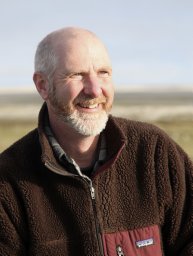 H. Grant Gilchrist合作论文数National Wildlife Research Centre, Carleton University4
 Tycho Anker-Nilssen合作论文数Norwegian Institute for Nature Research4
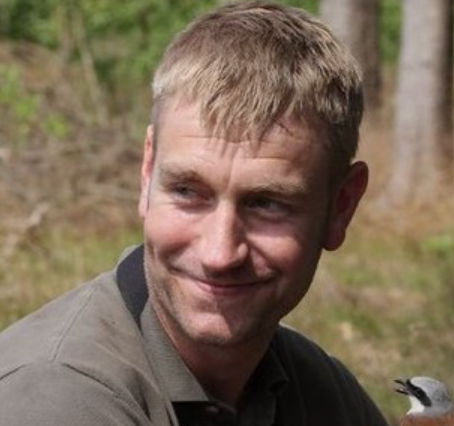 Anders Tøttrup合作论文数University of Copenhagen4Kasper L. Johansen合作论文数4
 Bjorn Helander合作论文数4
 Dorte Herzke合作论文数The Polar Environmental Centre, Norwegian Institute for Air Research4
 Kim Gustavson合作论文数C Determination, VKI4
 Lars Maltha Rasmussen合作论文数4
 Jochen P Zubrod合作论文数Institute for Environmental Sciences, University of Koblenz-Landau4K. Kampp合作论文数3
 Fernando Ugarte合作论文数3Daniel Spelling Clausen合作论文数3
 Tom Christensen合作论文数3
 Johannes Z. Groenewald合作论文数Lab of Evolutionary Phytopathology, Westerdijk Fungal Biodiversity Institute;Cbs-Knaw Fungal Biodiversity Centre, Royal Netherlands Academy of Arts and Sciences3
 P.W. (Pedro) Crous合作论文数Utrecht University;Crous Lab of Evolutionary Phytopathology, Westerdijk Fungal Biodiversity Institute;University of Pretoria Forestry and Agricultural Biotechnology Institute3
 Mark Mallory合作论文数Department of Biology, Acadia University3




