BACKGROUND:Enhanced recovery after surgery (ERAS) protocols have gained widespread acceptance as a means to enhance surgical outcomes. However, the intricate care required for kidney transplant recipients has not yet led to the establishment of a universally recognized and dependable ERAS protocol for kidney transplantation. OBJECTIVE:We devised a customized ERAS protocol to determine its effectiveness in improving surgical and postoperative outcomes among kidney transplant recipients. DESIGN, SETTING, AND PARTICIPANTS:This was a retrospective, single-center study performed at our tertiary care institution. Three hundred and fifty-six patients in the conventional group (from January 1, 2015 to December 31, 2017) and 442 patients from the ERAS group (from January 1, 2018 to June 1, 2020) were compared. Patients were followed for 1 year postoperatively. INTERVENTION:Changes were made in the preoperative, operative, postoperative, and outpatient follow-up settings after transplantation. OUTCOME MEASUREMENTS AND STATISTICAL ANALYSIS:Primary endpoints were hospital length of stay (LOS) and 30-day readmission rates. We also measured surgical outcomes, graft performance, and patient survival. Wilcoxon rank-sum, Pearson's Chi-squared, or Fisher's exact tests were used to compare groups. RESULTS:Our ERAS protocol was associated with a decrease in hospital LOS from 5 to 3 days (p < 0.001) and 57.1% lower odds of hospital readmissions within 30 days compared to the conventional group (p < 0.001, 95% CI 0.26-0.7). Decreases in operative estimated blood loss, blood transfusion rates, and delayed graft function were also associated with the ERAS protocol. CONCLUSION:Our multi-layered ERAS protocol is effective in improving outcomes for kidney transplant recipients. A future multi-institutional study with healthcare savings analysis may suggest that widespread benefits are yet to be realized by the greater implementation of such enhanced recovery protocols.
Background. Patients undergoing simultaneous liver-kidney transplantation (SLK) have impaired native kidney function. The relative contribution of allograft versus native function after SLK is unknown. We sought to characterize the return of native kidney function following SLK. Methods. Following SLK, patients underwent technetium-99 m-mercaptoacetyltriglycine renal scintigraphy following serum creatinine nadir. Kidney contributions to estimated glomerular filtration rate (eGFR) were determined. Patients with native kidney function at serum creatinine nadir contributing eGFR ≥30 versus <30 mL/min/1.73 m2 were compared, and multiple linear regression analysis for native eGFR improvement was performed. Results. Thirty-one patients were included in this analysis. Average native kidney contribution to overall kidney function following SLK was 51.1% corresponding to native kidney eGFR of 44.5 mL/min/1.73 m2 and native kidney function eGFR improvement of 30.3 mL/min/1.73 m2 (P < 0.001). Twenty-six of 31 patients had native kidney contribution of eGFR ≥30 mL/min/1.73 m2. Hepatorenal syndrome as the sole primary etiology of kidney dysfunction was 100% specific for native kidney eGFR >30 mL/min/1.73 m2 and predicted native eGFR improvement (P = 0.03). Conclusions. Substantial improvement in native kidney function follows SLK, and hepatorenal syndrome as the sole primary etiology of kidney dysfunction is predictive of improvement. Whether such patients are suitable for liver transplant followed by surveillance with option for subsequent kidney transplants requires investigation.
Wound related complications (WRC) are a significant source of morbidity in kidney transplant recipients, and may be mitigated by surgical approach. We hypothesize that the anterior rectus sheath approach (ARS) may decrease WRC and inpatient opiate use compared to the Gibson Approach (GA).
The AUA Guidelines for renal cancer (2017) make recommendations for radical vs. partial nephrectomy based on oncologic risk, tumor complexity, and renal functional considerations. We found that 61% of patients fit within clearly defined. Guideline's scenarios and there was good compliance with guidelines at our center. Thirty-nine percent of patients did not fit within well-defined scenarios and thus required complex decision-making. Introduction: The American-Urological-Association(AUA) Guidelines for renal cancer(2017) recommend consideration for radical-nephrectomy(RN) over partial(PN) whenever there is increased oncologic-risk; and RN should be prioritized if three other criter ia are all also met: 1) increased tumor-complexity; 2) no preexisting chronic-kidney-disease/ proteinuria, and 3) normal contralateral kidney that will likely provide estimated glomerular-filtration-rate (eGFR) >45ml/min/1.73m(2) even if RN is performed. Our objective was to assess the complexity of decision-making about RN/PN and utility of AUA Guidelines statements regarding this issue. Patients and Methods: Retrospective review of 267 consecutive RN/PN from 2019(100-RN/167-PN). High tumor-complexity was defined as R.E.N.A.L.>= 9. Increased oncologic-risk was defined as tumor >7cm, locally-advanced or infiltrative-features on imaging, or high-risk pathology on biopsy, if obtained. New-baseline GFR after RN was estimated using global-GFR, split-renal-function(contralateral), and presuming 25% renal-functional-compensation. Results: 163 patients(61%) fit scenarios that are well-defined in the Guidelines. Of these, 34 had strong indications for RN, and all had RN. Twelve of 129 patients(9.3%) underwent RN despite Guidelines generally favoring PN. The remaining 104 patients(39%) did not fit within situations where the Guidelines provide specific recommendations. In these patients, RN was often performed despite functional-considerations favoring PN due to overriding concerns about oncologic-risk and/or tumor-complexity. Conclusion: Our data demonstrate complexity of decision-making about PN/RN as almost 40% of patients did not fit well-described AUA Guidelines descriptors. Compliance was generally strong although occasional overutilization of RN remains a concern in our series, and will be addressed with additional education. Further studies will be required to assess the generalizability of our findings in other institutions/settings.
Purpose: The success of vasectomy is determined by the outcome of a post-vasectomy semen analysis (PVSA). This article describes a step-by-step procedure to perform PVSA accurately, report data from patients who underwent post vasectomy semen analysis between 2015 and 2021 experience, along with results from an international online survey on clinical practice. Materials and Methods: We present a detailed step-by-step protocol for performing and interpretating PVSA testing, along with recommendations for proficiency testing, competency assessment for performing PVSA, and clinical and laboratory scenarios. Moreover, we conducted an analysis of 1,114 PVSA performed at the Cleveland Clinic's Andrology Laboratory and an online survey to understand clinician responses to the PVSA results in various countries. Results: Results from our clinical experience showed that 92.1% of patients passed PVSA, with 7.9% being further tested. A total of 78 experts from 19 countries participated in the survey, and the majority reported to use time from vasectomy rather than the number of ejaculations as criterion to request PVSA. A high percentage of responders reported permitting unprotected intercourse only if PVSA samples show azoospermia while, in the presence of few non-motile sperm, the majority of responders suggested using alternative contraception, followed by another PVSA. In the presence of motile sperm, the major-ity of participants asked for further PVSA testing. Repeat vasectomy was mainly recommended if motile sperm were observed after multiple PVSA's. A large percentage reported to recommend a second PVSA due to the possibility of legal actions. Conclusions: Our results highlighted varying clinical practices around the globe, with controversy over the significance of non-motile sperm in the PVSA sample. Our data suggest that less stringent AUA guidelines would help improve test compli-ance. A large longitudinal multi-center study would clarify various doubts related to timing and interpretation of PVSA and would also help us to understand, and perhaps predict, recanalization and the potential for future failure of a vasectomy.
INTRODUCTION AND OBJECTIVE: Organs from deceaseddonors who tested positive for COVID-19 were thought to be ineligible for transplantation. Despite lack of evidence showing that COVID-19 can be transmitted through urine or blood. We began to transplant kidneys from COVID-positive deceased-donors in February 2021 and this report comprises our early outcomes in this patient cohort. METHODS: From Feb 2021 to Oct 2021, 55 patients underwent kidney transplantation from 34 COVID-19 positive donors. Prior to initiating this clinical practice, formalized selection criteria for organs from COVID-19 positive deceased-donors were adopted by transplant surgeons, transplant nephrologists, and infectious disease physicians. If a deceased-donor suited these pre-determined criteria, individual kidney selection followed our usual programmatic criteria. RESULTS: The mean donor age was 34±13.7 years with a mean kidney donor profile index (KDPI) of 36.9±22.7%. All donors had at least 1 positive COVID-19 test from the nasopharyngeal ribonucleic acid swab test within a median of 4 (0-76) days prior to declaration as a deceased-donor. Extracorporeal membrane oxygenation (ECMO) was used in 6 donors. The initial and terminal mean creatinine was 1.1±1.1 mg/dl and 1.0±0.4 mg/dL. This patient cohort includes 36 male recipients and 19 female recipients. Mean age among all recipients was 51.2±13.5 years. Thirty-seven recipients (66.7%) were dialysis dependent. A similar proportion (67.3%) had received both COVID-19 vaccine doses. Delayed graft function occurred in 19.6% of the recipients. No patient tested positive for COVID-19 after surgery. At a mean follow up duration of 3.5 months, all kidney allografts are functioning, with a mean serum creatinine of 1.6±0.7 mg/dl. One patient underwent allograft nephrectomy at 1.5 months post-transplant due to Pseudomonas aeruginosa vascular infection. CONCLUSIONS: Transplantation of kidneys from COVID-19 positive donors is safe. Outcomes are comparable to kidneys from regular donors.
INTRODUCTION AND OBJECTIVE: Rewarming time can be associated with delayed graft function (DGF) due to ischemia/reperfusion damage. In both open kidney transplantation (OKT) and robotic assisted kidney transplantation (RAKT), ice slush is used to maintain graft temperature (GT) (target < 20 (cid:5) C), preventing its impairment due to the rewarming time. This cooling technique is not able to keep a constant, equal temperature over the entire graft surface and can potentially provoke local or systemic hypothermia. The aim of a cold ischemia device (CID) is to maintain a constant low temperature of the entire graft while performing vascular anastomosis. METHODS: In IDEAL phase 1, CID was developed with bio-engineers from GRENA Ltd. It consists of 2 layers of a thin fi lm sealed to create a circuit, through which saline could fl ow in a closed system thanks to silicone tubes connected to a peristaltic pump and saline reservoir. CID was tested in the dry lab to determine whether it could keep a kidney at a constant low temperature, using 15 porcine kidneys: in 5 the device was used (group 1), in 5 a gauze jacket fi lled with ice slush was used (group 2), and in 5 no covering was used (group 3). The three groups of kidneys were introduced into a closed box with a pre-determined temperature of 37.5 (cid:5) C, simulating the temperature of the abdominal cavity (38 (cid:5) C). The temperature was evaluated at scheduled timepoints from T0 (baseline) to T11 (50th minute). In phase 2a, CID was evaluated in porcine model (in-vivo) undergoing OKT and RAKT. In phase 2b, CID was tested in patients undergoing OKT and RAKT from living donors, monitoring GT with a thermal probe. Surgical procedures were performed according to standard technique. RESULTS: In IDEAL phase 1, CID proved able to maintain a low GT ( < 20 (cid:5) C) and was superior to both the gauze jacket fi lled with ice slush and no covering (p [ 0.002). In IDEAL phase 2a, CID allowed maintenance of a low and constant GT during both OKT (n [ 3) and RAKT (n [ 3), with a mean temperature at T11 of 10.8 (cid:5) C (SD 0.2) and 14.9 (cid:5) C (SD 0.1), respectively. In IDEAL phase 2b, demonstrated that both OKT (n [ 2) and RAKT (n [ 3) can be performed using CID in a clinical setting. In both approaches, GT never exceeded 20 (cid:5) C, with mean temperatures of 15.7 (cid:5) C and 18.3 (cid:5) C in OKT and RAKT, respectively. In all 5 cases, surgical times using CID were similar to the conventional approach. All (n [ 5) patients were discharged at post-op day 7; no cases of DGF were recorded. CONCLUSIONS: CID showed to keep a constant low GT in both OKT and RAKT. In terms of maneuverability and feasibility, it allows to perform vascular anastomosis within a satisfactory length of time.
You have accessJournal of UrologyRenal Transplantation & Vascular Surgery I (MP37)1 Sep 2021MP37-10 ANTERIOR RECTUS SHEATH VERSUS GIBSON APPROACH TO KIDNEY TRANSPLANTATION: A RANDOMIZED CONTROLLED TRIAL Prithvi Murthy, Michele Fascelli, Madison Lyon, Eric Miller, Yi-Chia Lin, Michael Spinner, Venkatesh Krishnamurthi, Alvin Wee, David Goldfarb, Joseph Africa, and Mohamed Eltemamy Prithvi MurthyPrithvi Murthy More articles by this author , Michele FascelliMichele Fascelli More articles by this author , Madison LyonMadison Lyon More articles by this author , Eric MillerEric Miller More articles by this author , Yi-Chia LinYi-Chia Lin More articles by this author , Michael SpinnerMichael Spinner More articles by this author , Venkatesh KrishnamurthiVenkatesh Krishnamurthi More articles by this author , Alvin WeeAlvin Wee More articles by this author , David GoldfarbDavid Goldfarb More articles by this author , Joseph AfricaJoseph Africa More articles by this author , and Mohamed EltemamyMohamed Eltemamy More articles by this author View All Author Informationhttps://doi.org/10.1097/JU.0000000000002046.10AboutPDF ToolsAdd to favoritesDownload CitationsTrack CitationsPermissionsReprints ShareFacebookLinked InTwitterEmail Abstract INTRODUCTION AND OBJECTIVE: The anterior rectus sheath (ARS) approach to kidney transplantation (KT) involves a small paramedian incision to divide the ARS and medially retract the rectus body without cutting muscle, permitting iliac vasculature exposure and creation of a buried retroperitoneal pocket for the graft (Fig. 1). Retrospective literature demonstrated decreased wound related complications with ARS compared to the Gibson approach (GA). We present results from a randomized double blind controlled trial comparing ARS to GA. METHODS: Patients ≥age 18 without prior ipsilateral KT were enrolled. Surgeons randomized patients intraoperatively. Patients were blinded to randomization. Data collection/analysis was blinded. Student’s t-test, Chi square and the Mann-Whitney-U test were used to compare continuous, categorical, and ordinal non-normally distributed data, respectively. The primary endpoint was wound related complication differences. Post operative pain and narcotic use were secondary endpoints. Estimating a 35% incidence of wound complications, 72 patients per arm would achieve 80% power to detect a 20 point decrease in complications with a two sided α of 0.05. RESULTS: 75 patients were enrolled per arm. Table 1 displays demographic, peri-operative and wound data. Median follow up was 12.5 months. Operative time, benched kidney volumes, post-operative pain, length of stay and delayed graft function rates did not differ. The ARS group had smaller incisions (9.8 cm vs. 13.8 cm, p<0.01) and less inpatient oral morphine equivalent use (75.7 mg vs. 142.2 mg p=0.048). 7 (9%) patients in ARS and 5 (7%) in GA had wound complications. 2 patients in ARS and 4 in GA had a ≥ Clavien-Dindo (CD) IIIa wound complication. CD distribution did not differ between groups (p=0.43). CONCLUSIONS: The wound related complication rate did not differ between the ARS and GA groups and was lower than anticipated. Patients undergoing ARS have shorter incisions and require less inpatient narcotic use despite having similar subjective reporting of pain. Source of Funding: None © 2021 by American Urological Association Education and Research, Inc.FiguresReferencesRelatedDetails Volume 206Issue Supplement 3September 2021Page: e649-e650 Advertisement Copyright & Permissions© 2021 by American Urological Association Education and Research, Inc.MetricsAuthor Information Prithvi Murthy More articles by this author Michele Fascelli More articles by this author Madison Lyon More articles by this author Eric Miller More articles by this author Yi-Chia Lin More articles by this author Michael Spinner More articles by this author Venkatesh Krishnamurthi More articles by this author Alvin Wee More articles by this author David Goldfarb More articles by this author Joseph Africa More articles by this author Mohamed Eltemamy More articles by this author Expand All Advertisement PDF downloadLoading ...
You have accessJournal of UrologyKidney Cancer: Localized: Surgical Therapy II (PD16)1 Sep 2021PD16-10 2017 AUA GUIDELINES FOR LOCALIZED RENAL CANCER: COMPLIANCE AND PRACTICALITY IN THE REAL WORLD Rebecca Campbell, Jason Scovell, Nityam Rathi, Pedram Aram, Venkatesh Krishnamurthi, David Goldfarb, Mohamed Eltemamy, Christopher Weight, Alvin Wee, Georges-Pascal Haber, and Steven Campbell Rebecca CampbellRebecca Campbell More articles by this author , Jason ScovellJason Scovell More articles by this author , Nityam RathiNityam Rathi More articles by this author , Pedram AramPedram Aram More articles by this author , Venkatesh KrishnamurthiVenkatesh Krishnamurthi More articles by this author , David GoldfarbDavid Goldfarb More articles by this author , Mohamed EltemamyMohamed Eltemamy More articles by this author , Christopher WeightChristopher Weight More articles by this author , Alvin WeeAlvin Wee More articles by this author , Georges-Pascal HaberGeorges-Pascal Haber More articles by this author , and Steven CampbellSteven Campbell More articles by this author View All Author Informationhttps://doi.org/10.1097/JU.0000000000001998.10AboutPDF ToolsAdd to favoritesDownload CitationsTrack CitationsPermissionsReprints ShareFacebookLinked InTwitterEmail Abstract INTRODUCTION AND OBJECTIVE: AUA Guidelines for renal cancer (2017) recommend consideration for radical nephrectomy (RN) over partial (PN) whenever there is ↑ oncologic risk (OR); and RN should then be prioritize if 3 other criteria are all also met: 1) ↑ tumor complexity (TC); 2) no preexisting CKD/proteinuria, and 3) normal opposite kidney that will likely provide eGFR >45 even if RN is performed. Our objective was to assess compliance with the Guidelines and complexity of decision-making about RN/PN. METHODS: Retrospective review of consecutive RN/PN patients (n=100 of each) in 2019 in our hospital system. Preoperative imaging was reviewed and high TC was defined as RENAL≥9. Increased OR was defined as tumor >7 cm, or locally advanced or infiltrative features, or high risk pathology on biopsy, if obtained. Predicted GFR in each kidney was calculated using global eGFR, split renal function, and assumption of 25% compensation if RN performed, per previous publications. RESULTS: Nine patients underwent RN due to poorly functioning ipsilateral kidney. 106 patients fit into scenarios that are well-defined in the Guidelines. Of these, 25 patients met all 4 criteria for RN and all underwent RN (no imprudent PN). Potential noncompliance was observed in 11/106 (10.3%) cases, where patients underwent RN despite Guidelines favoring PN. The remaining 85 patients (45%) did not fit within situations where the Guidelines provide specific recommendations. In these patients, RN was often performed despite functional considerations that would favor PN due to overriding concerns about OR and/or TC (e.g. 28/29 patients with ↑OR/↑TC underwent RN despite preexisting CKD and/or suboptimal opposite kidney). Management of patients with ↓OR/↑TC was the most variable and appeared to be mostly dependent on surgeon preference. Surgeons accepted the challenge of PN despite ↑TC in 28/49 (57%) of such patients. CONCLUSIONS: Our data demonstrate generally good compliance with the AUA Guidelines, although overutilization of RN remains a concern. Furthermore, many patients do not fit well-defined Guidelines descriptors, confirming complexity of decision-making about RN/PN. Finally, renal mass in poorly functioning kidney is an indication for RN that is discussed in the Guidelines text but probably should be incorporated into the formal statements . Source of Funding: None © 2021 by American Urological Association Education and Research, Inc.FiguresReferencesRelatedDetails Volume 206Issue Supplement 3September 2021Page: e282-e282 Advertisement Copyright & Permissions© 2021 by American Urological Association Education and Research, Inc.MetricsAuthor Information Rebecca Campbell More articles by this author Jason Scovell More articles by this author Nityam Rathi More articles by this author Pedram Aram More articles by this author Venkatesh Krishnamurthi More articles by this author David Goldfarb More articles by this author Mohamed Eltemamy More articles by this author Christopher Weight More articles by this author Alvin Wee More articles by this author Georges-Pascal Haber More articles by this author Steven Campbell More articles by this author Expand All Advertisement PDF downloadLoading ...
You have accessJournal of UrologyNOTES/LESS (V08)1 Sep 2021V08-08 SINGLE-PORT ROBOTIC EXTRAPERITONEAL KIDNEY TRANSPLANTATION–INITIAL EXPERIENCE Mohamed Eltemamy, Yi-Chia Lin, Alireza Aminsharifi, Alp Tuna Beksac, Zeyad Schwen, Mahmoud Abou Zeinab, David Goldfarb, Alvin Wee, and Jihad Kaouk Mohamed EltemamyMohamed Eltemamy More articles by this author , Yi-Chia LinYi-Chia Lin More articles by this author , Alireza AminsharifiAlireza Aminsharifi More articles by this author , Alp Tuna BeksacAlp Tuna Beksac More articles by this author , Zeyad SchwenZeyad Schwen More articles by this author , Mahmoud Abou ZeinabMahmoud Abou Zeinab More articles by this author , David GoldfarbDavid Goldfarb More articles by this author , Alvin WeeAlvin Wee More articles by this author , and Jihad KaoukJihad Kaouk More articles by this author View All Author Informationhttps://doi.org/10.1097/JU.0000000000002041.08AboutPDF ToolsAdd to favoritesDownload CitationsTrack CitationsPermissionsReprints ShareFacebookLinked InTwitterEmail Abstract INTRODUCTION AND OBJECTIVE: Using the robotic platform in kidney transplantation (KTx) was first reported in 2002. Recent robotic KTx series showed comparable outcomes to traditional open KTx regarding the graft function and complications. However, the previous series were multi-port robotic surgery with an intraperitoneal approach. In this video, we present the technique of a novel single-port robotic KTx with an extraperitoneal approach. METHODS: We use the Da Vinci Robotic SP system to perform the single-port robotic KTx. The extraperitoneal route was made through a 5 cm midline infra-umbilical incision. A Gelpoint was used for docking the robot. Meticulous preparation of the kidney is crucial on the bench to prevent bleeding after reperfusion. The external iliac vessels were carefully dissected and vascular anastomoses were performed with 6-O Gortex sutures on CV-6 needles. After reperfusion of the kidney, ureteral implantation was performed with 4-O Vicryl sutures. RESULTS: Seven procedures have been performed since January 2020. The median time for venous and arterial anastomosis was 28 (24-26) and 23 (15-29) minutes, respectively. Ureteral anastomosis time was 35 (12-48) minutes. The length of stay was 2 (2-5) days. On postoperative day 2, the pain scale was 0 for all the patients. All 7 cases were completed successfully without any major complication or conversion. There was no delayed graft function after the surgery. The creatine level was less than 2.5 mg/dL for all the patients at 14 days after the surgery. CONCLUSIONS: Robotic single-port KTx via extraperitoneal approach is a safe and feasible procedure. In this series, the anastomosis time was longer than traditional KTx, however, no impact on the graft function was observed. Shorter length of stay and less pain were noted. Source of Funding: none © 2021 by American Urological Association Education and Research, Inc.FiguresReferencesRelatedDetails Volume 206Issue Supplement 3September 2021Page: e603-e603 Advertisement Copyright & Permissions© 2021 by American Urological Association Education and Research, Inc.MetricsAuthor Information Mohamed Eltemamy More articles by this author Yi-Chia Lin More articles by this author Alireza Aminsharifi More articles by this author Alp Tuna Beksac More articles by this author Zeyad Schwen More articles by this author Mahmoud Abou Zeinab More articles by this author David Goldfarb More articles by this author Alvin Wee More articles by this author Jihad Kaouk More articles by this author Expand All Advertisement PDF downloadLoading ...
No AccessJournal of UrologyUrological Survey1 Aug 2020Re: Long-Term Outcome of Renal Transplantation in Patients with Congenital Lower Urinary Tract Malformations: A Multicenter Study David A. GoldfarbMD David A. GoldfarbDavid A. Goldfarb More articles by this author View All Author Informationhttps://doi.org/10.1097/JU.0000000000001109AboutFull TextPDF ToolsAdd to favoritesDownload CitationsTrack CitationsPermissionsReprints ShareFacebookLinked InTwitterEmail "Re: Long-Term Outcome of Renal Transplantation in Patients with Congenital Lower Urinary Tract Malformations: A Multicenter Study." The Journal of Urology, 204(2), pp. 374–375 © 2020 by American Urological Association Education and Research, Inc.FiguresReferencesRelatedDetails Volume 204Issue 2August 2020Page: 374-375 Advertisement Copyright & Permissions© 2020 by American Urological Association Education and Research, Inc.MetricsAuthor Information David A. Goldfarb More articles by this author Expand All Advertisement PDF downloadLoading ...
No AccessJournal of UrologyUrological Survey1 Sep 2020Re: COVID-19 in Solid Organ Transplant Recipients: Initial Report from the US Epicenter David A. GoldfarbMD David A. GoldfarbDavid A. Goldfarb View All Author Informationhttps://doi.org/10.1097/JU.0000000000001170AboutFull TextPDF ToolsAdd to favoritesDownload CitationsTrack CitationsPermissionsReprints ShareFacebookLinked InTwitterEmail "Re: COVID-19 in Solid Organ Transplant Recipients: Initial Report from the US Epicenter." The Journal of Urology, 204(3), p. 607 © 2020 by American Urological Association Education and Research, Inc.FiguresReferencesRelatedDetails Volume 204Issue 3September 2020Page: 607-607 Advertisement Copyright & Permissions© 2020 by American Urological Association Education and Research, Inc.Metrics Author Information David A. Goldfarb More articles by this author Expand All Advertisement PDF downloadLoading ...
No AccessJournal of UrologyUrological Survey1 Sep 2020Re: Covid-19 and Kidney Transplantation David A. GoldfarbMD David A. GoldfarbDavid A. Goldfarb View All Author Informationhttps://doi.org/10.1097/JU.0000000000001170.01AboutFull TextPDF Cite Export CitationSelect Citation formatNLMIEEEACMAPAChicagoMLAHarvardTips on citation downloadDownload citationCopy citation ToolsAdd to favoritesTrack CitationsPermissionsReprints ShareFacebookLinked InTwitterEmail "Re: Covid-19 and Kidney Transplantation." The Journal of Urology, 204(3), pp. 607–608 © 2020 by American Urological Association Education and Research, Inc.FiguresReferencesRelatedDetails Volume 204Issue 3September 2020Page: 607-608 Peer Review Report Open Peer Review Report Advertisement Copyright & Permissions© 2020 by American Urological Association Education and Research, Inc.Metrics Author Information David A. Goldfarb More articles by this author Expand All Advertisement PDF downloadLoading ...
 Stuart M Flechner合作论文数48
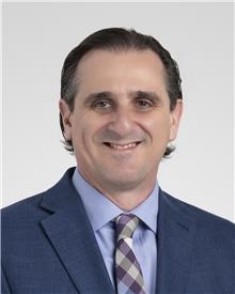 Emilio Poggio合作论文数Department of Nephrology and Hypertension, Glickman Urological and Kidney Institute, Cleveland Clinic40
 Venkatesh Krishnamurthi合作论文数Cleveland26
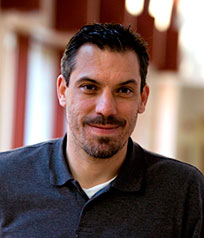 Jesse Schold合作论文数Department of Quantitative Health Sciences, Cleveland Clinic25Wee Alvin合作论文数18Andrew C. Novick合作论文数17Charles S. Modlin合作论文数15Mohamed Eltemamy合作论文数Dept Urol, Glickman Urol & Kidney Inst12Buccini Laura D合作论文数10Barbara Mastroianni合作论文数10Richard Fatica合作论文数10
 John Fung合作论文数Transplant Institute, The University of Chicago Medicine9
 Steven C. Campbell合作论文数Case Comprehensive Cancer Center, Department of Surgery, School of Medicine, Case Western Reserve University;Cleveland Clinic Foundation9
 Srinivas Thati合作论文数Nephrology and Hypertension, Glickman Urologic and Kidney Institute9Brian Stephany合作论文数8Titte R. Srinivas合作论文数7
 Tiong Ho Yee合作论文数Yong Loo Lin School of Medicine, National University of Singapore7Buccini Laura合作论文数7
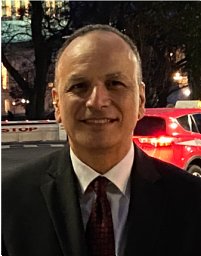 Medhat Askar合作论文数Cleveland Clinic7Haber Georges-Pascal合作论文数6
 Jihad Kaouk合作论文数Department of Urology, Cleveland Clinic;Cleveland Clinic Lerner College of Medicine, Case Western Reserve University6
 Michael Kattan合作论文数Department of Quantitative Health Sciences, Cleveland Clinic;Lerner College of Medicine, Cleveland Clinic, Case Western Reserve University;Division of General Medical Sciences - Oncology, Cancer Center, School of Medicine, Case Western Reserve University6Kathy M Savas合作论文数6
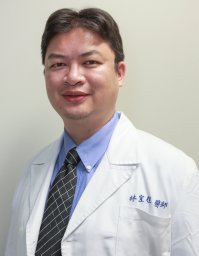 Yi-Chia Lin合作论文数Taipei6
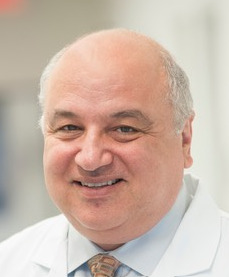 Daniel Shoskes合作论文数Cleveland Clinic Lerner College of Medicine;Ferring Pharmaceuticals6JV NALLY合作论文数5Hannah Kerr合作论文数5
 Cristiano Quintini合作论文数5John Rabets合作论文数4Richard A Fatica合作论文数4Qiang Liu合作论文数4Daniel Cook合作论文数4Matthew F Blum合作论文数4
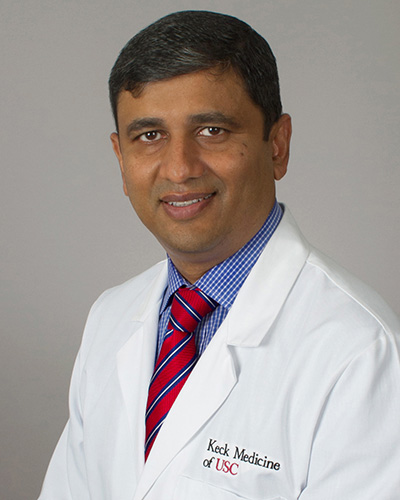 Mihir M. Desai合作论文数Keck School of Medicine, University of Southern California;Center for Advanced Robotics, University of Southern California4William Eugene Braun合作论文数Nephrology, Cleveland Clinic;Nephrology, Cleveland Clinic Fairview Hospital4Monish Aron合作论文数4
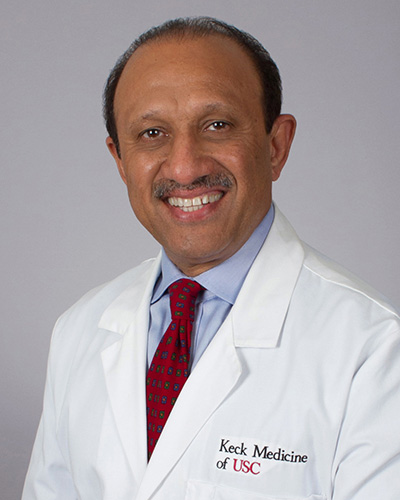 Inderbir S. Gill合作论文数Keck School of Medicine, University of Southern California4
 William Baldwin合作论文数4
 Christopher J. Weight合作论文数Department of Urology, Mayo Clinic4Charles S Modlin合作论文数4Robin K. Avery合作论文数4Navdeep Boparai合作论文数4Joshua J. Augustine合作论文数4
 Ithaar Derweesh合作论文数Department of Surgery, School of Medicine, University of California, San Diego4Titte Srinivas合作论文数3Pedram Aram合作论文数3John C. Rabets合作论文数3
 Islam Ghoneim合作论文数3




