Lifting perspective images and videos to 360° panoramas enables immersive 3D world generation. Existing approaches often rely on explicit geometric alignment between the perspective and the equirectangular projection (ERP) space. Yet, this requires known camera metadata, obscuring the application to in-the-wild data where such calibration is typically absent or noisy. We propose 360Anything, a geometry-free framework built upon pre-trained diffusion transformers. By treating the perspective input and the panorama target simply as token sequences, 360Anything learns the perspective-to-equirectangular mapping in a purely data-driven way, eliminating the need for camera information. Our approach achieves state-of-the-art performance on both image and video perspective-to-360° generation, outperforming prior works that use ground-truth camera information. We also trace the root cause of the seam artifacts at ERP boundaries to zero-padding in the VAE encoder, and introduce Circular Latent Encoding to facilitate seamless generation. Finally, we show competitive results in zero-shot camera FoV and orientation estimation benchmarks, demonstrating 360Anything's deep geometric understanding and broader utility in computer vision tasks. Additional results are available at https://360anything.github.io/.
Structure-from-Motion (SfM) is a cornerstone of 3D perception, yet current methods often fail when applied to complex videos involving challenging camera motions or dynamic scenes.Compounding the problem, the field lacks reliable ground-truth benchmarks for such difficult scenarios, making it hard to gauge real-world progress, or pinpoint where improvements are most needed.To address this gap, we introduce a new benchmark for evaluating camera pose estimation.Our key insight is to leverage online panoramic 360° as a source of data from which to construct challenging clips, while still enabling robust ground-truth trajectory recovery.The panoramic nature of these videos provides richer visual context for tracking camera motion, even when parts of the view are affected by blur, motion, or dynamic objects.By tracking camera motion across full 360° videos, we crop and reproject selected portions to generate perspective-view clips that serve as our benchmark---ORBIT---a diverse collection of 100 video clips.Experiments show that COLMAP and other state-of-the-art SfM methods struggle to accurately estimate camera positions on our benchmark, indicating that it remains a challenging and open problem space for future research.As a result, ORBIT provides a valuable testbed where researchers can meaningfully compete and measure progress on truly challenging, real-world SfM problems.
OBJECTIVE:Hand function is central to inter- actions with our environment. Developing a comprehen- sive model of hand grasps in naturalistic environments is crucial across various disciplines, including robotics, ergonomics, and rehabilitation. Creating such a taxonomy poses challenges due to the significant variation in grasping strategies that individuals may employ. For instance, individuals with impaired hands, such as those with spinal cord injuries (SCI), may develop unique grasps not used by unimpaired individuals. These grasping techniques may differ from person to person, influenced by variable senso- rimotor impairment, creating a need for personalized meth- ods of analysis. METHOD:This study aimed to automatically identify the dominant distinct hand grasps for each indi- vidual without reliance on a priori taxonomies, by applying semantic clustering to egocentric video. Egocentric video recordings collected in the homes of 19 individual with cervical SCI were used to cluster grasping actions with semantic significance. A deep learning model integrating posture and appearance data was employed to create a personalized hand taxonomy. RESULTS:Quantitative analysis reveals a cluster purity of 67.6% ± 24.2% with 18.0% ± 21.8% redundancy. Qualitative assessment revealed meaningful clusters in video content. DISCUSSION:This methodology provides a flexible and effective strategy to analyze hand function in the wild, with applications in clinical assess- ment and in-depth characterization of human-environment interactions in a variety of contexts.
3D Gaussian Splatting (3DGS) is a promising technique for 3D reconstruction, offering efficient training and rendering speeds, making it suitable for real-time applications.However, current methods require highly controlled environments (no moving people or wind-blown elements, and consistent lighting) to meet the inter-view consistency assumption of 3DGS. This makes reconstruction of real-world captures problematic. We present SpotlessSplats, an approach that leverages pre-trained and general-purpose features coupled with robust optimization to effectively ignore transient distractors. Our method achieves state-of-the-art reconstruction quality both visually and quantitatively, on casual captures.
We present 4DiM, a cascaded diffusion model for 4D novel view synthesis (NVS), supporting generation with arbitrary camera trajectories and timestamps, in natural scenes, conditioned on one or more images. With a novel architecture and sampling procedure, we enable training on a mixture of 3D (with camera pose), 4D (pose+time) and video (time but no pose) data, which greatly improves generalization to unseen images and camera pose trajectories over prior works which generally operate in limited domains (e.g., object centric).4DiM is the first-ever NVS method with intuitive metric-scale camera pose control enabled by our novel calibration pipeline for structure-from-motion-posed data. Experiments demonstrate that 4DiM outperforms prior 3D NVS models both in terms of image fidelity and pose alignment, while also enabling the generation of scene dynamics. 4DiM provides a general framework for a variety of tasks including single-image-to-3D, two-image-to-video (interpolation and extrapolation), and pose-conditioned video-to-video translation, which we illustrate qualitatively on a variety of scenes.See https://4d-diffusion.github.io for video samples.
There has been extensive progress in the reconstruction and generation of 4D scenes from monocular casually-captured video. While these tasks rely heavily on known camera poses, the problem of finding such poses using structure-from-motion (SfM) often depends on robustly separating static from dynamic parts of a video. The lack of a robust solution to this problem limits the performance of SfM camera-calibration pipelines. We propose a novel approach to video-based motion segmentation to identify the components of a scene that are moving w.r.t. a fixed world frame. Our simple but effective iterative method, RoMo, combines optical flow and epipolar cues with a pre-trained video segmentation model. It outperforms unsupervised baselines for motion segmentation as well as supervised baselines trained from synthetic data. More importantly, the combination of an off-the-shelf SfM pipeline with our segmentation masks establishes a new state-of-the-art on camera calibration for scenes with dynamic content, outperforming existing methods by a substantial margin.
Understanding the internal representations and decision mechanisms of deep neural networks remains a critical open challenge. While existing interpretability methods often identify influential input regions, they may not elucidate how a model distinguishes between classes or what specific changes would transition an input from one category to another. To address these limitations, we propose a novel framework that visualizes the implicit path between classes by treating the network gradient as a form of infinitesimal motion. Drawing inspiration from phase-based motion magnification, we first decompose images using invertible transforms-specifically the Complex Steerable Pyramid-then compute class-conditional gradients in the transformed space. Rather than iteratively integrating the gradient to trace a full path, we amplify the one-step gradient to the input and perform a linear extrapolation to expose how the model moves from source to target class. By operating in the steerable pyramid domain, these amplified gradients produce semantically meaningful, spatially coherent morphs that highlight the classifier's most sensitive directions, giving insight into the geometry of its decision boundaries. Experiments on both synthetic and real-world datasets demonstrate that our phase-focused extrapolation yields perceptually aligned, semantically meaningful transformations, offering a novel, interpretable lens into neural classifiers' internal representations.
Cryo-EM is a transformational paradigm in molecular biology where computational methods are used to infer 3D molecular structure at atomic resolution from extremely noisy 2D electron microscope images. At the forefront of research is how to model the structure when the imaged particles exhibit non-rigid conformational flexibility and compositional variation where parts are sometimes missing. We introduce a novel 3D reconstruction framework with a hierarchical Gaussian mixture model, inspired in part by Gaussian Splatting for 4D scene reconstruction. In particular, the structure of the model is grounded in an initial process that infers a part-based segmentation of the particle, providing essential inductive bias in order to handle both conformational and compositional variability. The framework, called CryoSPIRE, is shown to reveal biologically meaningful structures on complex experimental datasets, and establishes a new state-of-the-art on CryoBench, a benchmark for cryo-EM heterogeneity methods.
Despite the recent progress, existing frame interpolation methods still struggle with processing extremely high resolution input and handling challenging cases such as repetitive textures, thin objects, and large motion. To address these issues, we introduce a patch-based cascaded pixel diffusion model for high resolution frame interpolation, HiFI, that excels in these scenarios while achieving competitive performance on standard benchmarks. Cascades, which generate a series of images from low to high resolution, can help significantly with large or complex motion that require both global context for a coarse solution and detailed context for high resolution output. However, contrary to prior work on cascaded diffusion models which perform diffusion on increasingly large resolutions, we use a single model that always performs diffusion at the same resolution and upsamples by processing patches of the inputs and the prior solution. At inference time, this drastically reduces memory usage and allows a single model, solving both frame interpolation (base model’s task) and spatial up-sampling, saving training cost as well. HiFI excels at high-resolution images and complex repeated textures that require global context, achieving comparable or state-of-the-art performance on various benchmarks (Vimeo, Xiph, X-Test, and SEPE-8K). We further introduce a new dataset, LaMoR, that focuses on particularly challenging cases, and HiFI significantly outperforms other baselines.
Deep generative models are becoming increasingly powerful, now generating diverse high fidelity photo-realistic samples given text prompts. Have they reached the point where models of natural images can be used for generative data augmentation, helping to improve challenging discriminative tasks? We show that large-scale text-to image diffusion models can be fine-tuned to produce class conditional models with SOTA FID (1.76 at 256x256 resolution) and Inception Score (239 at 256x256). The model also yields a new SOTA in Classification Accuracy Scores (64.96 for 256x256 generative samples, improving to 69.24 for 1024x1024 samples). Augmenting the ImageNet training set with samples from the resulting models yields significant improvements in ImageNet classification accuracy over strong ResNet and Vision Transformer baselines.
Cryo-electron microscopy has become a powerful tool to determine three-dimensional (3D) structures of rigid biological macromolecules from noisy micrographs with single-particle reconstruction. Recently, deep neural networks, e.g., CryoDRGN, have demonstrated conformational and compositional heterogeneity of complexes. However, the lack of ground-truth conformations poses a challenge to assess the performance of heterogeneity analysis methods. In this work, variational autoencoders (VAE) with three types of deep generative priors were learned for latent variable inference and heterogeneous 3D reconstruction via Bayesian inference. More specifically, VAEs with “Variational Mixture of Posteriors” priors (VampPrior-SPR), non-parametric exemplar-based priors (ExemplarPrior-SPR) and priors from latent score-based generative models (LSGM-SPR) were quantitatively compared with CryoDRGN. We built four simulated datasets composed of hypothetical continuous conformation or discrete states of the hERG K+ channel. Empirical and quantitative comparisons of inferred latent representations were performed with affine-transformation-based metrics. These models with more informative priors gave better regularized, interpretable factorized latent representations with better conserved pairwise distances, less deformed latent distributions and lower within-cluster variances. They were also tested on experimental datasets to resolve compositional and conformational heterogeneity (50S ribosome assembly, cowpea chlorotic mottle virus, and pre-catalytic spliceosome) with comparable high resolution. Codes and data are available: https://github.com/benjamin3344/DGP-SPR.
Objective: The hand function of individuals with spinal cord injury (SCI) plays a crucial role in their independence and quality of life. Wearable cameras provide an opportunity to analyze hand function in non-clinical environments. Summarizing the video data and documenting dominant hand grasps and their usage frequency would allow clinicians to quickly and precisely analyze hand function. Method: We introduce a new hierarchical model to summarize the grasping strategies of individuals with SCI at home. The first level classifies hand-object interaction using hand-object contact estimation. We developed a new deep model in the second level by incorporating hand postures and hand-object contact points using contextual information. Results: In the first hierarchical level, a mean of 86% $\pm 1.0$ % was achieved among 17 participants. At the grasp classification level, the mean average accuracy was 66.2 $\pm 12.9\%$ . The grasp classifier's performance was highly dependent on the participants, with accuracy varying from 41% to 78%. The highest grasp classification accuracy was obtained for the model with smoothed grasp classification, using a ResNet50 backbone architecture for the contextual head and a temporal pose head. Discussion: We introduce a novel algorithm that, for the first time, enables clinicians to analyze the quantity and type of hand movements in individuals with spinal cord injury at home. The algorithm can find applications in other research fields, including robotics, and most neurological diseases that affect hand function, notably, stroke and Parkinson's.
We address the long-standing problem of how to learn effective pixel-based image diffusion models at scale, introducing a remarkably simple greedy method for stable training of large-scale, high-resolution models. without the needs for cascaded super-resolution components.The key insight stems from careful pre-training of core components, namely, those responsible for text-to-image alignment vs. high resolution rendering. We first demonstrate the benefits of scaling a Shallow UNet, with no down(up)-sampling enc(dec)oder. Scaling its deep core layers is shown to improve alignment, object structure, and composition. Building on this core model, we propose a greedy algorithm that grows the architecture into high resolution end-to-end models, while preserving the integrity of the pre-trained representation,stabilizing training, and reducing the need for large high-resolution datasets. This enables a single stage model capable of generating high-resolution images without the need of a super-resolution cascade. Our key results rely on public datasets and show that we are able to train non-cascaded models up to 8B parameters with no further regularization schemes.Vermeer, our full pipeline model trained with internal datasets to produce 1024×1024 images, without cascades, is preferred by 44.0% vs. 21.4% human evaluators over SDXL.
Many clinical tasks require an understanding of specialized data, such as medical images and genomics, which is not typically found in general-purpose large multimodal models. Building upon Gemini's multimodal models, we develop several models within the new Med-Gemini family that inherit core capabilities of Gemini and are optimized for medical use via fine-tuning with 2D and 3D radiology, histopathology, ophthalmology, dermatology and genomic data. Med-Gemini-2D sets a new standard for AI-based chest X-ray (CXR) report generation based on expert evaluation, exceeding previous best results across two separate datasets by an absolute margin of 1% and 12%, where 57% and 96% of AI reports on normal cases, and 43% and 65% on abnormal cases, are evaluated as "equivalent or better" than the original radiologists' reports. We demonstrate the first ever large multimodal model-based report generation for 3D computed tomography (CT) volumes using Med-Gemini-3D, with 53% of AI reports considered clinically acceptable, although additional research is needed to meet expert radiologist reporting quality. Beyond report generation, Med-Gemini-2D surpasses the previous best performance in CXR visual question answering (VQA) and performs well in CXR classification and radiology VQA, exceeding SoTA or baselines on 17 of 20 tasks. In histopathology, ophthalmology, and dermatology image classification, Med-Gemini-2D surpasses baselines across 18 out of 20 tasks and approaches task-specific model performance. Beyond imaging, Med-Gemini-Polygenic outperforms the standard linear polygenic risk score-based approach for disease risk prediction and generalizes to genetically correlated diseases for which it has never been trained. Although further development and evaluation are necessary in the safety-critical medical domain, our results highlight the potential of Med-Gemini across a wide range of medical tasks.
Developing therapeutics is a lengthy and expensive process that requires the satisfaction of many different criteria, and AI models capable of expediting the process would be invaluable. However, the majority of current AI approaches address only a narrowly defined set of tasks, often circumscribed within a particular domain. To bridge this gap, we introduce Tx-LLM, a generalist large language model (LLM) fine-tuned from PaLM-2 which encodes knowledge about diverse therapeutic modalities. Tx-LLM is trained using a collection of 709 datasets that target 66 tasks spanning various stages of the drug discovery pipeline. Using a single set of weights, Tx-LLM simultaneously processes a wide variety of chemical or biological entities(small molecules, proteins, nucleic acids, cell lines, diseases) interleaved with free-text, allowing it to predict a broad range of associated properties, achieving competitive with state-of-the-art (SOTA) performance on 43 out of 66 tasks and exceeding SOTA on 22. Among these, Tx-LLM is particularly powerful and exceeds best-in-class performance on average for tasks combining molecular SMILES representations with text such as cell line names or disease names, likely due to context learned during pretraining. We observe evidence of positive transfer between tasks with diverse drug types (e.g.,tasks involving small molecules and tasks involving proteins), and we study the impact of model size, domain finetuning, and prompting strategies on performance. We believe Tx-LLM represents an important step towards LLMs encoding biochemical knowledge and could have a future role as an end-to-end tool across the drug discovery development pipeline.
We present Direct Reward Fine-Tuning (DRaFT), a simple and effective method for fine-tuning diffusion models to maximize differentiable reward functions, such as scores from human preference models. We first show that it is possible to backpropagate the reward function gradient through the full sampling procedure, and that doing so achieves strong performance on a variety of rewards, outperforming reinforcement learning-based approaches. We then propose more efficient variants of DRaFT: DRaFT-K, which truncates backpropagation to only the last K steps of sampling, and DRaFT-LV, which obtains lower-variance gradient estimates for the case when K=1. We show that our methods work well for a variety of reward functions and can be used to substantially improve the aesthetic quality of images generated by Stable Diffusion 1.4. Finally, we draw connections between our approach and prior work, providing a unifying perspective on the design space of gradient-based fine-tuning algorithms.
Hand function is critical for our interactions and quality of life. Spinal cord injuries (SCI) can impair hand function, reducing independence. A comprehensive evaluation of function in home and community settings requires a hand grasp taxonomy for individuals with impaired hand function. Developing such a taxonomy is challenging due to unrepresented grasp types in standard taxonomies, uneven data distribution across injury levels, and limited data. This study aims to automatically identify the dominant distinct hand grasps in egocentric video using semantic clustering. Egocentric video recordings collected in the homes of 19 individual with cervical SCI were used to cluster grasping actions with semantic significance. A deep learning model integrating posture and appearance data was employed to create a personalized hand taxonomy. Quantitative analysis reveals a cluster purity of 67.6% +- 24.2% with with 18.0% +- 21.8% redundancy. Qualitative assessment revealed meaningful clusters in video content. This methodology provides a flexible and effective strategy to analyze hand function in the wild. It offers researchers and clinicians an efficient tool for evaluating hand function, aiding sensitive assessments and tailored intervention plans.
Cryo-EM is an increasingly popular method for determining the atomic resolution 3D structure of macromolecular complexes (eg, proteins) from noisy 2D images captured by an electron microscope. The computational task is to reconstruct the 3D density of the particle, along with 3D pose of the particle in each 2D image, for which the posterior pose distribution is highly multi-modal. Recent developments in cryo-EM have focused on deep learning for which amortized inference has been used to predict pose. Here, we address key problems with this approach, and propose a new semi-amortized method, cryoSPIN, in which reconstruction begins with amortized inference and then switches to a form of auto-decoding to refine poses locally using stochastic gradient descent. Through evaluation on synthetic datasets, we demonstrate that cryoSPIN is able to handle multi-modal pose distributions during the amortized inference stage, while the later, more flexible stage of direct pose optimization yields faster and more accurate convergence of poses compared to baselines. On experimental data, we show that cryoSPIN outperforms the state-of-the-art cryoAI in speed and reconstruction quality.
Denoising diffusion probabilistic models have transformed image generation with their impressive fidelity and diversity. We show that they also excel in estimating optical flow and monocular depth, surprisingly without task-specific architectures and loss functions that are predominant for these tasks. Compared to the point estimates of conventional regression-based methods, diffusion models also enable Monte Carlo inference, e.g., capturing uncertainty and ambiguity in flow and depth. With self-supervised pre-training, the combined use of synthetic and real data for supervised training, and technical innovations (infilling and step-unrolled denoising diffusion training) to handle noisy-incomplete training data, one can train state-of-the-art diffusion models for depth and optical flow estimation, with additional zero-shot coarse-to-fine refinement for high resolution estimates. Extensive experiments focus on quantitative performance against benchmarks, ablations, and the model's ability to capture uncertainty and multimodality, and impute missing values. Our model obtains a state-of-the-art relative depth error of 0.074 on the indoor NYU benchmark and an Fl-all score of 3.26\% on the KITTI optical flow benchmark, about 25\% better than the best published method.
While methods for monocular depth estimation have made significant strides on standard benchmarks, zero-shot metric depth estimation remains unsolved. Challenges include the joint modeling of indoor and outdoor scenes, which often exhibit significantly different distributions of RGB and depth, and the depth-scale ambiguity due to unknown camera intrinsics. Recent work has proposed specialized multi-head architectures for jointly modeling indoor and outdoor scenes. In contrast, we advocate a generic, task-agnostic diffusion model, with several advancements such as log-scale depth parameterization to enable joint modeling of indoor and outdoor scenes, conditioning on the field-of-view (FOV) to handle scale ambiguity and synthetically augmenting FOV during training to generalize beyond the limited camera intrinsics in training datasets. Furthermore, by employing a more diverse training mixture than is common, and an efficient diffusion parameterization, our method, DMD (Diffusion for Metric Depth) achieves a 25% reduction in relative error (REL) on zero-shot indoor and 33% reduction on zero-shot outdoor datasets over the current SOTA using only a small number of denoising steps. For an overview see https://diffusion-vision.github.io/dmd
 Marcus A. Brubaker合作论文数Department of Electrical Engineering & Computer Science, Lassonde School of Engineering, York University;Structura Biotechnology Inc;Vector Institute20
 Mohammad Norouzi合作论文数Ideogram AI20
 Keith Langley合作论文数Division of Psychology and Language Sciences, University College London18
 Allan Jepson合作论文数Department of Computer Science, University of Toronto18
 Ali Punjani合作论文数Dept Comp Sci, Univ Toronto17
 David Heeger合作论文数Department of Psychology, College of Arts & Science, New York University;Epistemic AI;Statespace Labs13
 Aaron Hertzmann合作论文数Computer Science and Engineering Department, Paul G. Allen School of Computer Science & Engineering, University of Washington;Adobe Systems13
 Michael Black合作论文数Perceiving Systems Department, Max Planck Institute for Intelligent Systems;Department of Computer Science, Faculty of Science, Eberhard Karls Universität Tübingen13
 Saurabh Saxena合作论文数Google Deepmind12
 Chitwan Saharia合作论文数Ideogram8
 Andrea Tagliasacchi合作论文数Google Brain;School of Computing Science, Simon Fraser University8
 Micha Livne合作论文数Department of Computer Science, University of Toronto8
 Geoffrey E. Hinton合作论文数Department of Computer Science, University of Toronto;Vector Institute8
 William Chan (陳俊樂)合作论文数Ideogram AI7
 Sara Sabour合作论文数Google7
 Leonid Sigal合作论文数Department of Computer Science, Faculty of Science, University of British Columbia;Beam AI;Vector Institute;Borealis AI7
 Raquel Urtasun合作论文数Department of Computer Science, Faculty of Arts and Science, University of Toronto;Waabi7
 Deqing Sun合作论文数Google7
 Paul B. Hibbard合作论文数School of Psychology, University of St. Andrews7
 Yaser Yacoob合作论文数Institute for Advanced Computer Studies - UMIACS
University of Maryland7
Yaser Yacoob合作论文数Institute for Advanced Computer Studies - UMIACS
University of Maryland7 james v mahoney合作论文数6
 Ting Chen合作论文数xAI6
 Pascal Fua合作论文数Computer Vision Laboratory, Institute of Computer and Communication Sciences, School of Computer and Communication Sciences, Ecole Polytechnique Fédérale de Lausanne;IC - Computer Science Section, School of Computer and Communication Sciences, Ecole Polytechnique Fédérale de Lausanne;Neural Concept6Allan D Jepson合作论文数U of T Vision Lab6
 Shekoofeh Azizi合作论文数Google Research6
 Tim Salimans合作论文数Anthropic6
 Fartash Faghri合作论文数Apple ML Research6
 Eric Saund合作论文数Palo Alto Research Center6
 Jonathan Ho合作论文数Meta6
 Rick Gurnsey合作论文数Department of Psychology, Concordia University6
 Simon Kornblith合作论文数Anthropic5
 Farzaneh Mahdisoltani合作论文数5
 Tinne Tuytelaars合作论文数KU Leuven5Daniel Larner合作论文数5
 Tomáš Pajdla合作论文数Czech Institute of Informatics, Robotics and Cybernetics, Czech Technical University in Prague;Department of Applied Mathematics, Faculty of Information Technology, Czech Technical University in Prague5
 Roland Memisevic合作论文数Qualcomm5
 S. Sara Mahdavi合作论文数Google DeepMind5
 Sven Dickinson合作论文数Samsung Toronto AI Research Centre;University of Toronto5
 Kevin Swersky合作论文数Google DeepMind;Tread5
 Charles Herrmann合作论文数Cornell Tech5
 Jack M. Wang合作论文数The Voleon Group5Lala Li合作论文数Google DeepMind4
 Vivek Natarajan合作论文数Google4
 José Zariffa合作论文数Institute of Biomedical Engineering, Faculty of Applied Science and Engineering, University of Toronto4
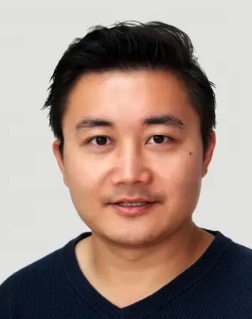 Yanshuai Cao (曹颜帅)合作论文数RBC Borealis4
 Nikos Paragios合作论文数Université Paris-Saclay;TheraPanacea;CentraleSupélec4
 Kaleem Siddiqi合作论文数Centre for Intelligent Machines, McGill University;School of Computer Science, McGill University;Department of Mathematics and Statistics, McGill University4
 Pushmeet Kohli合作论文数Google DeepMind4
 Bernt Schiele合作论文数Max Planck Institute for Informatics;Saarland University4




