Tandem repeats (TRs) exhibit high levels of somatic mosaicism, which is increasingly recognized as an important modifier of repeat expansion disorders. Long-read sequencing can capture full-length repeat alleles, yet robust frameworks for quantifying instability across TRs genome-wide are still needed. Here, we introduce a general-purpose model for quantifying TR instability in a given long-read sequencing dataset, without explicitly distinguishing biological mosaicism from technical noise, and which is broadly applicable to both simple and structurally complex loci. This model accurately characterizes allelic instability at each TR locus by representing the distribution of read-to-consensus deviations for each allele. Using HiFi sequencing data from 256 HPRC cell line samples, we fitted models for 617,007 TR loci, including known pathogenic repeats. We observe that instability levels are generally low, but vary substantially across individual TRs, and are driven more strongly by repeat composition than overall repeat length. Furthermore, we applied our method to targeted PureTarget long-read data from samples with known repeat expansions and identified significant mosaicism in the majority of expanded alleles. Our model offers a practical way to quantify instability of tandem repeats across the genome and to detect unusually unstable repeat alleles.
Tandem repeat (TR) variation is associated with gene expression changes and numerous rare monogenic diseases. Although long-read sequencing provides accurate full-length sequences and methylation of TRs, there is still a need for computational methods to profile TRs across the genome. Here we introduce the Tandem Repeat Genotyping Tool (TRGT) and an accompanying TR database. TRGT determines the consensus sequences and methylation levels of specified TRs from PacBio HiFi sequencing data. It also reports reads that support each repeat allele. These reads can be subsequently visualized with a companion TR visualization tool. Assessing 937,122 TRs, TRGT showed a Mendelian concordance of 98.38%, allowing a single repeat unit difference. In six samples with known repeat expansions, TRGT detected all expansions while also identifying methylation signals and mosaicism and providing finer repeat length resolution than existing methods. Additionally, we released a database with allele sequences and methylation levels for 937,122 TRs across 100 genomes.
Genetics has become a critical component of medicine over the past five to six decades. Alongside genetics, a relatively new discipline, dysmorphology, has also begun to play an important role in providing critically important diagnoses to individuals and families. Both have become indispensable to unraveling rare diseases. Almost every medical specialty relies on individuals experienced in these specialties to provide diagnoses for patients who present themselves to other doctors. Additionally, both specialties have become reliant on molecular geneticists to identify genes associated with human disorders. Many of the medical geneticists, dysmorphologists, and molecular geneticists traveled a circuitous route before arriving at the position they occupied. The purpose of collecting the memoirs contained in this article was to convey to the reader that many of the individuals who contributed to the advancement of genetics and dysmorphology since the late 1960s/early 1970s traveled along a journey based on many chances taken, replying to the necessities they faced along the way before finding full enjoyment in the practice of medical and human genetics or dysmorphology. Additionally, and of equal importance, all exhibited an ability to evolve with their field of expertise as human genetics became human genomics with the development of novel technologies.
Tandem repeat (TR) variation is associated with gene expression changes and over 50 rare monogenic diseases. Recent advances in sequencing have enabled accurate, long reads that can characterize the full-length sequence and methylation profile of TRs. However, despite these advances in sequencing technology, computational methods to fully profile tandem repeats across the genome do not exist. To address this gap, we introduce tools for tandem repeat genotyping (TRGT), visualization and an accompanying TR database. TRGT accurately resolves the length and sequence composition of TR regions in the human genome. Assessing 937,122 TRs, TRGT showed a Mendelian concordance of 99.56%, allowing a single repeat unit difference. In six samples with known repeat expansions, TRGT detected all repeat expansions while also identifying methylation signals, mosaicism, and providing finer resolution of repeat length. Additionally, we release a database with allele sequences and methylation levels for 937,122 TRs across 100 genomes.
Our field of human genetics lost one of its most significant contributors on June 6, 2021. Stephen T. Warren had enormous impact through his discoveries, his service to our field, and especially his mentorship to both colleagues and trainees. Steve’s clever use of somatic cell hybrid methods was key for discovering the mutation in fragile X syndrome, providing a mechanistic answer for the long-standing question of genetic anticipation in humans. He established and led the Department of Human Genetics at Emory University, building a vibrant community, training generations of geneticists and setting an example for us all.
Postmeiotic spermatids use a unique strategy to coordinate gene expression with morphological transformation, in which transcription and translation take place at separate developmental stages, but how mRNAs stored as translationally inert messenger ribonucleoproteins in developing spermatids become activated remains largely unknown. Here, we report that the RNA binding protein FXR1, a member of the fragile X–related (FXR) family, is highly expressed in late spermatids and undergoes liquid-liquid phase separation (LLPS) to merge messenger ribonucleoprotein granules with the translation machinery to convert stored mRNAs into a translationally activated state. Germline-specific Fxr1 ablation in mice impaired the translation of target mRNAs and caused defective spermatid development and male infertility, and a phase separation–deficient FXR1 L351P mutation in Fxr1 knock-in mice produced the same developmental defect. These findings uncover a mechanism for translational reprogramming with LLPS as a key driver in spermiogenesis.
Fragile X Mental Retardation protein (FMRP), widely known for its role in hereditary intellectual disability, is an RNA-binding protein (RBP) that controls translation of select mRNAs. We discovered that endoplasmic reticulum (ER) stress induces phosphorylation of FMRP on a site that is known to enhance translation inhibition of FMRP-bound mRNAs. We show ER stress-induced activation of Inositol requiring enzyme-1 (IRE1), an ER-resident stress-sensing kinase/endoribonuclease, leads to FMRP phosphorylation and to suppression of macrophage cholesterol efflux and apoptotic cell clearance (efferocytosis). Conversely, FMRP deficiency and pharmacological inhibition of IRE1 kinase activity enhances cholesterol efflux and efferocytosis, reducing atherosclerosis in mice. Our results provide mechanistic insights into how ER stress-induced IRE1 kinase activity contributes to macrophage cholesterol homeostasis and suggests IRE1 inhibition as a promising new way to counteract atherosclerosis.
Understanding how best to treat aspects of Fragile X syndrome has the potential to improve the quality of life of affected individuals. Such an effective therapy has, as yet, remained elusive. In this article, we ask those researching or affected by Fragile X syndrome their views on the current state of research and from where they feel the most likely therapy may emerge.
Significance Expansion of 55-200 CGG repeats in the 5′ untranslated region of FMR1 predisposes carriers to fragile X–associated tremor/ataxia syndrome (FXTAS), a late-onset neurodegenerative disorder. FXTAS demonstrates incomplete penetrance, which strongly suggests the presence of genetic modifiers. We performed whole-genome sequencing (WGS) on male premutation carriers (CGG 55–200 ) followed by a functional screen in Drosophila and identified PSMB5 as a strong suppressor of CGG-associated neurodegeneration, thereby presenting a therapeutic strategy for FXTAS.
Moderate to hyper-expansion of trinucleotide repeats at the FRAXA and FRAXE fragile sites, with or without concurrent hypermethylation, has been associated with intellectual disability and other conditions. Unlike molecular diagnosis of FMR1 CGG repeat expansions in FRAXA, current detection of AFF2 CCG repeat expansions in FRAXE relies on low-throughput and otherwise inefficient techniques combining Southern blot analysis and PCR. A novel triplet-primed PCR assay was developed for simultaneous screening for trinucleotide repeat expansions at the FRAXA and FRAXE fragile sites, and was validated using archived clinical samples of known FMR1 and AFF2 genotypes. Population samples and FRAXE-affected samples were sequenced for the evaluation of variations in the AFF2 CCG repeat structure. The duplex assay accurately identified expansions at the FMR1 and AFF2 trinucleotide repeat loci. On Sanger sequencing of the AFF2 CCG repeat, the single-nucleotide polymorphism variant rs868914124(C) that effectively adds two CCG repeats at the 50-end, was enriched in the Malay population and with short repeats (<11 CCGs), and was present in all six expanded AFF2 alleles of this study. All expanded AFF2 alleles contained multiple non-CCG interruptions toward the 50-end of the repeat. A sensitive, robust, and rapid assay has been developed for the simultaneous detection of expansion mutations at the FMR1 and AFF2 trinucleotide repeat loci, simplifying screening for FRAXA-and FRAXE-associated disorders. (J Mol Diagn 2021, 23: 941-951; https://doi.org/10.1016/ j.jmoldx.2021.04.015)
Is there a formula for a competitive NIH grant application? The Serenity Prayer may provide one: "Grant me the serenity to accept the things I cannot change, the ability to change the things I can, and the wisdom to know the difference." But how to tell ...
Stephen T. Warren was a key contributor to the 1991 discovery of an unstable trinucleotide repeat that expands in families and causes loss of function in fragile X syndrome.
Women heterozygous for an expansion of CGG repeats in the 5’UTR of FMR1 risk developing fragile X-associated primary ovarian insufficiency (FXPOI) and/or tremor and ataxia syndrome (FXTAS). We show that expanded CGGs, independent of FMR1, are sufficient to drive ovarian insufficiency and that expression of CGG-containing mRNAs alone or in conjunction with a polyglycine-containing peptide translated from these RNAs contribute to dysfunction. Heterozygous females from two mouse lines expressing either CGG RNA-only (RNA-only) or CGG RNA and the polyglycine product FMRpolyG (FMRpolyG+RNA) were used to assess ovarian function in aging animals. The expression of FMRpolyG+RNA led to early cessation of breeding, ovulation and transcriptomic changes affecting cholesterol and steroid hormone biosynthesis. Females expressing CGG RNA-only did not exhibit decreased progeny during natural breeding, but their ovarian transcriptomes were enriched for alterations in cholesterol and lipid biosynthesis. The enrichment of CGG RNA-only ovaries for differentially expressed genes related to cholesterol processing provided a link to the ovarian cysts observed in both CGG-expressing lines. Early changes in transcriptome profiles led us to measure ovarian function in prepubertal females that revealed deficiencies in ovulatory responses to gonadotropins. These include impairments in cumulus expansion and resumption of oocyte meiosis, as well as reduced ovulated oocyte number. Cumulatively, we demonstrated the sufficiency of ectopically expressed CGG repeats to lead to ovarian insufficiency and that co-expression of CGG-RNA and FMRpolyG lead to premature cessation of breeding. However, the expression of CGG RNA-alone was sufficient to lead to ovarian dysfunction by impairing responses to hormonal stimulation.
BACKGROUND:Fragile X syndrome (FXS) is a leading genetic cause of autism and intellectual disability with cortical hyperexcitability and sensory hypersensitivity attributed to loss and hypofunction of inhibitory parvalbumin-expressing (PV) cells. Our studies provide novel insights into the role of excitatory neurons in abnormal development of PV cells during a postnatal period of inhibitory circuit refinement.METHODS:To achieve Fragile X mental retardation gene (Fmr1) deletion and re-expression in excitatory neurons during the postnatal day (P)14-P21 period, we generated CreCaMKIIa/Fmr1Flox/y (cOFF) and CreCaMKIIa/Fmr1FloxNeo/y (cON) mice, respectively. Cortical phenotypes were evaluated in adult mice using biochemical, cellular, clinically relevant electroencephalogram (EEG) and behavioral tests.RESULTS:We found that similar to global Fmr1 KO mice, the density of PV-expressing cells, their activation, and sound-evoked gamma synchronization were impaired in cOFF mice, but the phenotypes were improved in cON mice. cOFF mice also showed enhanced cortical gelatinase activity and baseline EEG gamma power, which were reduced in cON mice. In addition, TrkB phosphorylation and PV levels were lower in cOFF mice, which also showed increased locomotor activity and anxiety-like behaviors. Remarkably, when FMRP levels were restored in only excitatory neurons during the P14-P21 period, TrkB phosphorylation and mouse behaviors were also improved.CONCLUSIONS:These results indicate that postnatal deletion or re-expression of FMRP in excitatory neurons is sufficient to elicit or ameliorate structural and functional cortical deficits, and abnormal behaviors in mice, informing future studies about appropriate treatment windows and providing fundamental insights into the cellular mechanisms of cortical circuit dysfunction in FXS.
Fragile X syndrome (FXS) is a leading genetic cause of autism with symptoms that include sensory processing deficits. In both humans with FXS and a mouse model [Fmr1 knockout (KO) mouse], electroencephalographic (EEG) recordings show enhanced resting state gamma power and reduced sound-evoked gamma synchrony. We previously showed that elevated levels of matrix metalloproteinase-9 (MMP-9) may contribute to these phenotypes by affecting perineuronal nets (PNNs) around parvalbumin (PV) interneurons in the auditory cortex of Fmr1 KO mice. However, how different cell types within local cortical circuits contribute to these deficits is not known. Here, we examined whether Fmr1 deletion in forebrain excitatory neurons affects neural oscillations, MMP-9 activity, and PV/PNN expression in the auditory cortex. We found that cortical MMP-9 gelatinase activity, mTOR/Akt phosphorylation, and resting EEG gamma power were enhanced in CreNex1/Fmr1Flox/y conditional KO (cKO) mice, whereas the density of PV/PNN cells was reduced. The CreNex1/Fmr1Flox/y cKO mice also show increased locomotor activity, but not the anxiety-like behaviors. These results indicate that fragile X mental retardation protein changes in excitatory neurons in the cortex are sufficient to elicit cellular, electrophysiological, and behavioral phenotypes in Fmr1 KO mice. More broadly, these results indicate that local cortical circuit abnormalities contribute to sensory processing deficits in autism spectrum disorders.
Good evening. I want to add my welcome to everyone—it’s wonderful to be able to host the annual meeting of ASHG here in our hometown this week! The Leadership Award was established by the Board of Directors of the Society in 2006 to recognize extraordinary leaders in our field of human genetics. The award was named in 2008 for Victor A. McKusick, who was that year’s recipient. Sadly, Victor died before the meeting in Philadelphia. His wife Anne stood in to receive his award that year in Philadelphia in a very moving tribute to Victor. Dr. McKusick is appropriately seen as a founder of our field, especially for those of us who explore medical genetics. He helped shape this Society as a very active member and leader during his career that spanned 60 years at Johns Hopkins, beginning in the earliest days of medical genetics. His legendary contributions and infectious enthusiasm continue to inspire those of us his life and leadership touched. Huda Zoghbi is one such human geneticist who carries on Victor’s tradition of enthusiastic leadership in our field. It is my distinct honor and pleasure to introduce her as this year’s Victor A. McKusick Leadership awardee. Dr. Zoghbi’s contributions are also legendary. She has embodied the role of clinician scientist, with laboratory discoveries that are highly focused on benefiting her patients. Huda’s journey to the U.S. as a refugee from the Lebanese civil war to continue her medical training is a harrowing tale and an object lesson for us today. Baylor College of Medicine and Texas Children’s Hospital benefited tremendously when Huda decided to carry out her pediatric neurology residency here in 1979 after completing her MD at Meharry Medical College in Nashville. After encountering devasting childhood developmental disorders, she was entranced by the opportunities presented by advances in genetics that might help her to better understand developmental disorders. Joining Art Beaudet’s group as a fellow in 1985, Huda began her work to unravel Rett syndrome, a puzzling neurodevelopmental disorder affecting girls who regressed after early normal development, a disorder that was not widely believed to have a genetic origin. She also began a collaborative project with Harry Orr to identify the genetic basis of a late-onset neurodegenerative disorder, spinocerebellar ataxia. In 1993, Huda and Harry described a CAG repeat expansion causing SCA1. Today they continue their very effective collaboration aimed at unravelling the mechanisms of polyglutamine toxicity in the SCA1 gene product ataxin1 in order to offer effective treatments for families affected by the disorder. Importantly, Huda and Harry’s collaboration of more than 30 years is an outstanding model for us all to emulate. After all, effective collaboration requires leadership along with cooperation. Rett syndrome provided a larger challenge, with few hints of where in the genome to focus attention on mutations, especially considering the primitive methods available in the 1980s. After a long search, Huda’s group discovered mutations in the X-linked gene MECP2 that explained Rett syndrome in 1999. The finding that MECP2 duplication is a common cause of intellectual disability in males has increased the urgency for devising effective treatments for these disorders. It also points to the importance of fine control of the dosage of gene products, a lesson that also applies to SCA1 and suggests further avenues for treatment. While continuing studies of Rett syndrome and SCA1, Hudas group has also made fundamental contributions to developmental neuroscience. More recently, she has turned her attention to more common neurodegenerative conditions, taking lessons from rare disorders to understand the causes of diseases such as Alzheimer’s dementia and Parkinson’s disease. The McKusick Leadership Award from ASHG joins many other prestigious prizes bestowed on Dr. Zoghbi. She is a long-time Investigator of the Howard Hughes Medical Institute, a fellow of the American Association for the Advancement of Science, and a member of the American Academy of Arts and Sciences and of the National Academies of Medicine and of Sciences. Huda has also won the Gruber Foundation’s prize in Neuroscience, the Gairdner International Award, the Breakthrough Prize in Life Sciences, and many more. She has used funds from prizes to establish local competitive fellowships at BCM. She has popularized our field’s efforts to understand and treat rare diseases through popular media and has become well known to the audience of NBC’s Today Show as “Dr. Huda.” Huda’s leadership extends far beyond the laboratory and her direct mentees. She continues to amaze me with her energy and enthusiasm in local, national, and international roles. This year, we will celebrate the 10th anniversary of the Jan and Dan Duncan Neurological Institute, which Huda conceptualized and actualized. Through her leadership with Texas Children’s Hospital and local philanthropists, she built an astonishingly robust facility populated with dedicated people who will directly affect patient care through their research. A long-term contributor to ASHG and a member since 1989, Huda has served on many national and international advisory groups. She has chaired awards committees for the National Academy of Sciences, the Lasker and Gruber foundations, and many others. She has served the NIH in numerous capacities. She is currently a member of the boards of Rice and Rockefeller Universities, Regeneron, and the Chan-Zuckerberg Initiative. In short, she has been a great citizen working for both our field and the greater society. Huda is an incredible advocate for our discipline and superb role model as a leader in medicine and especially in human genetics. Please join me in welcoming my friend and colleague, Dr. Huda Zoghbi, the 2019 Victor A. McKusick Leadership awardee.
The methods used to define the CF gene form the basis for similar gene hunts for the several thousand other human disease-related genes where linked markers provide the only starting point. This chapter describes these current methods with reference to their application to a number of gene searches. It also describes the approaches offered by the human genome initiative, pointing out the distinct advantages of a "genome approach" to human genetic disease. It is clear from the state of the reverse genetics field that the identification of a linked marker has become fairly routine as additional highly informative markers are localized to genomic regions. The genome project has already demonstrated its capacity to drive the technology necessary for disease gene identification through its support. Perhaps the only remnant of the current methods utilized for genetic disease analysis that will be found in 10 or 15 years will be the collection of pedigrees and ascertainment of phenotype.
Fragile site (FRAXA) expression is generally induced in fewer than 50% of cells at metaphase by direct or indirect deprivation of deoxypyrimidine ribonucleoside triphosphates in cell culture media. Confirmation of Lubs' initial observation did not occur for several years, until cytogeneticists discovered that induction of the required folate-deficient medium. Linkage analysis in the FRAXA region began in 1983 with the initial reports of a 6% recombination frequency between electrophoretic polymorphisms of glucoses-phosphate dehydrogenase (G6PD) and the fragile X syndrome. Armed with a panel of well-characterized somatic cell hybrids with breakpoints at the fragile site and a plethora of tightly linked DNA markers, several groups emerged in the early 1990s in a 'race' to clone the molecular lesion associated with the fragile X syndrome. Since the major malady in humans with fragile X syndrome is mental retardation, a particularly intriguing finding involves the subcellular location of FMRP in central neurons.
Good afternoon. I am honored to serve as president of ASHG for 2018. Thank you for the opportunity to continue to serve our Society. It’s been a great learning experience. While I’ve been active in ASHG and a member of the Board of Directors, first as secretary and subsequently as editor-in-chief of our journal, the presidency offers an opportunity to experience many more aspects of the work of the Society. It has been delightful to partner with our new executive director, Mona Miller, and the rest of the ASHG staff as we improve and extend the Society’s impact while maintaining its remarkable strengths. ASHG has been my primary scientific home for more than 30 years, and it’s always a pleasure to re-assemble with friends and colleagues at the annual meeting. Welcome to the 68th meeting of the American Society of Human Genetics! I welcome everyone very sincerely. To those of you who are members of the Society, welcome to our annual opportunity to once again spend a few days enjoying one another’s company. And to those of you who are new to the meeting or unsure about joining ASHG, I look forward to welcoming you as new or returning members. I’m overusing the word welcome quite deliberately. Our Society strives to be a welcoming one, and a major goal of this meeting is to welcome people from around the world with similar interests to share their knowledge of and passion for human genetics. We also strive to welcome a diverse variety of people to our Society and to this meeting. Diversity is the hallmark of human genetics. To use a phrase coined by Nancy Cox that is rapidly entering the lexicon of us all, “We welcome, indeed celebrate the diversity” of our members and of everyone in attendance.1Cox N.J. 2017 presidential address: Checking, balancing, and celebrating diversity: Celebrating some of the women who paved the way.Am. J. Hum. Genet. 2018; 102: 342-349Abstract Full Text Full Text PDF PubMed Scopus (1) Google Scholar It’s also important to note that ASHG values diversity and also works to be inclusive. It is our sincere desire to make all welcome. I would like to particularly emphasize the collegial nature of our meetings and to encourage everyone, especially our longer-term members, to go out of your way to welcome everyone to this gathering. To everyone who is attending their first ASHG meeting: thank you so much for joining us! I hope you enjoy the meeting. And let us also welcome all the trainees attending! Please know that you are the future of our Society—thank you for attending and sharing your expertise! I very much look forward to the future that you will create. About 30% of registrants this week are attending their first ASHG meeting, and trainees make up 28% of scientific registrants. In an effort to ensure that everyone feels welcome at our meeting, ASHG leadership has developed a code of conduct for attendees.2ASHG Meeting Code of Conduct Policy https://www.ashg.org/2018meeting/pages/policies.shtml.Google Scholar In it, we describe behavior toward other participants at the meeting that is specifically not welcome. ASHG staff have thoughtfully developed procedures for reporting unwelcome behavior, and you will find these posted around the meeting. Please read and abide by this code. We hope that everyone not only is welcome at our gathering but also feels welcome. Through everyone’s efforts I am confident that we will succeed. Please make the effort to help everyone in attendance feel welcome! My theme today revolves around the question of who are we? To begin, I’d like to provide an update on our Society. Who are we as ASHG? ASHG turned 70 years old last month. As I described in the September newsletter, our Society was founded by geneticists interested in promoting excellence in the study of human genetics through the establishment of a society and development of an annual meeting and journal. They were reacting to a very dark period of misuse of genetics and to the threat of mutation from newly developed atomic weapons. About 60 people attended the first meeting, held in Washington, D.C. in September 1948. The Journal launched a year later. The meeting entailed lots of discussion of how to organize the Society and had just one scientific presentation by Jim Neel. The dues were pretty reasonable at $8 a year. Today it’s clear that they (and we!) were very successful. We host a fantastic meeting for 9,000 participants and feature over 3,000 presentations, and our journal remains the standard in human genetics. ASHG has been the nexus for numerous incredible advances in human genetics. The Society has grown immensely and has become much more international in scope. It has supported the dissemination of knowledge and collaborative efforts through its meetings, journal, and educational programs. Over these seven decades we have witnessed the development, growth and departure of additional societies dealing with specialized topics, such as professional medical genetics and gene therapy. Our members have widely diverse interests and are involved in many other branches of medical and scientific endeavors, underscoring the ongoing importance and relevance of genetics and its tools to numerous other fields. Trainees make up about one-quarter of our membership, illustrating their ongoing interest. ASHG values contributions by trainees and works to provide them with career advice as well as educational and service activities in addition to offering a forum for presenting their research. I find trainees presenting in plenary sessions one of the most exciting aspects of our meeting, and we have numerous examples this week. Membership data from 2017 indicates that we are more or less equally distributed between the sexes and fairly well balanced across ages [Figure 1]. We can clearly expand the diversity of our ethnic distribution, and leadership has been working this past year to improve inclusion in Society service, with particular emphasis on committees. Expect to hear more details about additional ASHG-led initiatives to foster training of under-represented individuals in genetics in coming months. Figure 2 delineates 10 years of data regarding how ASHG members define their primary work. These proportions do not change much from year to year, although the research fraction has been trending upward. Figure 3 shows the types of research in which members have been engaged. Within research, there remains a significant fraction of members who are clinically oriented. ASHG is composed of both primarily clinical and primarily research-oriented members, and as we move forward as an organization, leadership must remain responsive to the needs of both of these major constituencies. But I would also note that our members are carrying out mathematical research and studies in education, policy, and outreach. We also have members who work as genetic counselors and administrators. Leadership must ensure that ASHG remains attentive to the interests and needs of those members as well.Figure 3ASHG Members’ Designation for Their Research 2008–2017View Large Image Figure ViewerDownload Hi-res image Download (PPT) We welcomed Mona Miller as ASHG’s new executive director 15 months ago. Mona replaced Joe McInerney, whom we had coaxed out of retirement to serve as executive vice president for 6 years. Joe worked tirelessly on our behalf and stayed at ASHG well beyond his initially agreed tenure. Along with Joe, Mike Dougherty, who directed education at ASHG for many years, decided to retire at the end of last year. ASHG was very fortunate to attract Mona, who came from the Society for Neuroscience, where she had been deputy executive director. Her arrival prompted a fresh look at how we have been operating and what we might improve. It has been a true delight to help Mona as she modernizes ASHG. She has taken a very thoughtful approach to identifying ways in which we can better execute our core missions while tightening procedures and governance. The search committee made a fantastic choice. My thanks to Nancy Cox and the other members of the Board of Directors and, especially the Executive Committee for their efforts to support Mona, along with all the other volunteer leaders and staff who have been so enthusiastic in support of new initiatives. The Board has approved a number of operational changes that will improve efficiency and provide better data about membership and finances. These include development of a Finance and Audit Committee that will benefit from modernized financial software and provide more backup for the treasurer and an advisory group led by Secretary Gail Jarvik to update procedures for committee nominations and establish better governance guidelines. These developments will help the Board to better coordinate with our standing committees to carry out the work of the Society. Hopefully, you noticed the changes in the process of soliciting volunteers for committee participation. Many thanks to all who applied and also to those who made nominations. The Society is blessed with tremendously talented members. These changes are meant to provide more opportunities for member engagement and better transparency. Through strategic planning, we will continue to refine these processes. Another big change is that the Society offices moved to a new space, which has allowed the opportunity to modernize a number of aspects of technical support, which are ongoing. Please consider visiting the offices when in the Washington, DC area! A key component of ASHG’s mission is in education. The Board is actively engaged in discussions with the Information and Education Committee about how to ensure ASHG programs achieve the broadest reach and most significant impact with available resources. The current core mission and audiences remain a vital focus. In addition to informing students, building awareness among the general public, and educating human genetics professionals, the Board has encouraged the Information and Education Committee to develop educational programming that engages and serves ASHG members. As information about human genetics continues to expand, so do the challenges for spreading accurate information. In the policy and advocacy arena, we celebrated the 10th anniversary of the US federal Genetic Information Non-Discrimination Act (GINA) that ASHG championed and guided for over a dozen years before its enactment in 2008. Unfortunately, we also mourned the death of Congresswoman Louise Slaughter, who co-authored the GINA bill and was a fierce and tireless advocate for biomedical and genetics research. ASHG continues to carry out very successful advocacy for NIH funding along with old and new partners. Please be sure to use the ASHG web tool to thank your members of Congress and to become an ASHG advocate! In addition to FASEB, we recently joined the very active and effective group Research!America, which highlighted ASHG’s participation in a recent newsletter. It has become clear from the past few turbulent years in politics that our Society needs mechanisms to be more rapidly responsive to current events. For example, the current US administration’s restrictions on immigration affect our members’ ability to carry out their work, engage in collaborative efforts, and attend our meeting. ASHG has been vocal about these changes, but our processes could be nimbler. The Board also recognizes that there are many more areas where we might engage in policy debates than we have the current capacity to carry out. In order to assist Derek Scholes and his staff with prioritizing policy initiatives, we have developed a Policy and Advocacy Advisory Group, led by previous president Lynn Jorde. This Group will also help ASHG take quick action when issues arise. Effectively communicating the value of genetics research and medicine to elected officials and the general public is an important role of the Society, and this group will improve our ability to carry out this mission. I am also very pleased to report that the editor transition at our journal has proceeded very smoothly. As anticipated, Bruce Korf is doing a superb job, assisted by Sara Cullinan and Sarah Ratzel, who remained in place as The Journal’s staff. Bruce has enthusiastically agreed to publish a series of short Perspectives provided by Society leadership on topics addressing genetic findings and their impact on the field and society in general.3Nelson D.L. Korf B.R. ASHG Perspectives: A new voice for ASHG.Am. J. Hum. Genet. 2018; 103: 635Abstract Full Text Full Text PDF Google Scholar The first of these, which targeted the disturbing and scientifically flawed attempts to link genetics with racial supremacy, will be released during the meeting and appear in the November issue.4ASHG Board of Directors Executive CommitteeASHG denounces attempts to link genetics and racial supremacy.Am. J. Hum. Genet. 2018; 103: 636Abstract Full Text Full Text PDF PubMed Scopus (43) Google Scholar Additional statements in this series will address a variety of important topics in human genetics and its interface with society, reinforcing the Society’s and The Journal’s roles as leading sources of emerging human genetics science. I hope that these Perspectives, prioritized by the Board, will offer timely, concise viewpoints on topics in research, health, and society that can be used by members to address how scientific research informs those issues and may assert Society policy positions or note important related field activities. Like most ex-Editors, I miss having my finger on the pulse of the field. Please remember to send your cover ideas for the journal’s 70th anniversary celebration next year. I look forward to the creativity of our members. And, as always, please consider submitting your best work to AJHG! It has been a year of reflection and improvement, but the best is yet to come! We have begun additional self-study through a year-long strategic planning exercise. Thanks once again to leadership, especially Les Biesecker, who will take on the hard work of this task during his presidency in 2019. Given rapid changes in our field, the roles of scientific societies, and ways they can serve their communities, the Board agreed it should revisit the current ASHG strategic plan. The Board will meet in early 2019 for a special session to discuss how ASHG can best serve its membership and the broader community within its resources and will explore areas of unique strength, member priorities, and field needs. To inform that session, the Society has been actively seeking and integrating feedback from members, as well as other allied groups and partners. The Board directed staff to provide opportunities for input at the Member Business Meeting and other Annual Meeting sessions. We have arranged a Membership Forum at Friday’s Business Meeting in Room 8 at 12:45 p.m. to hear more feedback from members and other attendees. Please join us to discuss your ideas! We have also carried out an initial membership survey through McKinley advisors, who have extensive experience with associations. We had an encouraging response rate—thanks again to all of you who participated. Initial results were described in the September newsletter, available on the ASHG web site.5ASHG The Messenger.September 2018 ASHG Newsletter. 2018; http://www.ashg.org/membership/newsletter/201809-member-survey.shtmlGoogle Scholar I would like to share a few results from the recent survey of the membership [Figure 4]. First, satisfaction is high among members who responded, with 86% saying they were satisfied or very satisfied with their membership. This is very encouraging, but of course we can improve. Members tell us that the meeting and The Journal are the most important aspects of being an ASHG member [Figure 5]. But other benefits, such as ethical and clinical statements, also rank high. With regard to top challenges that members face [Figure 6], it seems that ASHG is helping with the biggest one, keeping up with advancements in the field, but that there is more that we might be able to assist with in the next most significant challenges: funding and work-life balance. I am certain that our members have great ideas on how ASHG can better serve them. Once more, please do not be shy about letting leadership know! Make sure to send us your best ideas and look forward to additional efforts by staff and leadership to increase the value of your membership in ASHG.Figure 5ASHG Survey Response to Importance of Various ASHG ActivitiesShow full captionn = 1,211.View Large Image Figure ViewerDownload Hi-res image Download (PPT)Figure 6ASHG Survey Response to Professional Challenges That Respondents Face and ASHG Efficacy in Addressing ThemShow full captionn = 1196.View Large Image Figure ViewerDownload Hi-res image Download (PPT) n = 1,211. n = 1196. Once again, my theme today revolves around the question of who are we? Both who are we as ASHG as we consider the future of our Society and the much larger question: Who are we as humans? It’s a huge question, one that fascinates so many of us in our Society and in the general public. Who are we as individuals? Who are we as a species? What are the stories of our origins—our families, our populations, and ultimately, our very clever, industrious, abundant, and resilient species? Even early humans contemplated our role on Earth and in the universe—whether we are part of nature or separate from it? These are questions that humans have wrestled with from the beginnings of consciousness. They have formed our views of ourselves and of the world around us. Who we are as a species has informed our values and our ethical, moral, religious, and philosophical beliefs. Yet, in the span of little more than a century, the Darwinian and genetic revolutions have begun to provide many answers to these long-standing questions and introduced doubt into beliefs and traditions. As human geneticists, we are increasingly providing insight into those complexities, and society at large turns to us to explain the implications of our findings and to provide answers to vexing questions about ourselves and our place in the world. Many in this room and many beyond it have shouldered the responsibility of conveying the implications, but the task is large, the opportunities for misinterpretation are many, and the hunger for understanding is immense. These are enormous, contentious, truly existential questions, and our fellow humans crave answers that may not even exist. We must recognize the disruptive nature of our work. ASHG is committed to helping, providing a common voice where possible, especially in education and implications for policy. But we all can and must play a role, explaining what we do and how it affects understanding of our remarkable species while emphasizing the significant limitations of our current and future knowledge and capacities. Maintaining sensitivity to the impact of our work is important—but what exciting work it is to explore our species, its origin, and our nature! It is exhilarating, and we are fortunate to live in a time when such work is possible! I was therefore thrilled that John Hawks agreed to organize the Presidential Symposium on the “Origins of our Species.”6ASHG Annual Meeting (2018) Presidential Symposium. https://youtu.be/Cr6JmxpRgTk https://www.youtube.com/watch?v=xLaVR32HIfE https://www.youtube.com/watch?v=CKWAyzvNOpQ https://www.youtube.com/watch?v=0xqI9m1EcLQ.Google Scholar I was struck by the numerous very recent and truly astonishing discoveries that have upset our origin stories with data accumulating from fossil and DNA discoveries and ancient human samples. John’s work with Lee Berger in South Africa has provided a remarkable collection of fossils from our very close relative, Homo naledi, currently known only from the Rising Star cave system. Fossil remains from numerous individuals have been carefully removed and described after a chance discovery just three years ago. It is clear that these individuals co-existed in time with modern humans about 200–300 thousand years ago, and while DNA from Homo naledi has not yet been isolated and sequenced, extensive analysis of the anatomical features has been facilitated by the remains from numerous individuals and has demonstrated that they were quite closely related to us. John will bring us up to speed on the this and the other exciting discoveries of fossil and genetic evidence that have altered thinking about the origins and early history of Homo sapiens in Africa. Himla Soodyall and Ambroise Wonkam will update us on studies of ancient and modern African populations and explore their medical genetic implications. The symposium will finish with a lively panel discussion led by Sarah Tishkoff and Charles Rotimi, ASHG Board of Directors members who have also contributed significantly to understanding the genetics of African populations. I very much look forward to the symposium at 5 p.m. Thursday afternoon and hope you do as well. Please be sure to attend! Of course, work to describe origins of current-day human populations has broad implications as well. We now have a greater appreciation of the past mobility of our species, and much of this work has been published in AJHG. Current-day populations may not reflect those that initially colonized a region. Our present-day tendency to assume that a population present in a location for a few thousand years has deeper roots is often mistaken. Ancient DNA studies of Europe indicate a much more complex history than was previously appreciated, and using present-day individuals is clearly insufficient to provide a complete history of humans’ presence in a region. Yet, studies of ancient DNA samples are complicated by issues of consent from present-day descendants and by the potential for providing answers that are antithetical to long-held beliefs. As studies of regional populations proceed, origin stories will continue to be shown to be incorrect, and our Society will need to play a role in helping the public to understand, while encouraging sensitivity to groups affected by new information. The publication this year in Science discussing these issues was particularly welcome,7Bardill J. Bader A.C. Garrison N.A. Bolnick D.A. Raff J.A. Walker A. Malhi R.S. Summer internship for INdigenous peoples in Genomics (SING) ConsortiumAdvancing the ethics of paleogenomics.Science. 2018; 360: 384-385Crossref PubMed Scopus (58) Google Scholar although there is much more to do on both the educational and social-implications fronts. Amid all the success and excitement about improved understanding of our species’ origins and its spread around the globe, I fear that our species’ tribal and territorial nature remains a considerable impediment that will continue to require attention from our Society and its members. The news this year in the U.S. and elsewhere does nothing to allay that concern. As geneticists, we understand that the common understanding of race is much more a social construct than a genetic one.8Yudell M. Roberts D. DeSalle R. Tishkoff S. SCIENCE AND SOCIETY. Taking race out of human genetics.Science. 2016; 351: 564-565Crossref PubMed Scopus (324) Google Scholar Yet we cannot dismiss race—clearly it is a meaningful association for many individuals in our societies. Nor can we ignore the fact that populations differ genetically. ASHG must continue its work to explain findings from genetics and to denounce bogus claims.4ASHG Board of Directors Executive CommitteeASHG denounces attempts to link genetics and racial supremacy.Am. J. Hum. Genet. 2018; 103: 636Abstract Full Text Full Text PDF PubMed Scopus (43) Google Scholar Appreciation for the genetic uniqueness of the individual may be the best way for us to teach the notion that there is no “them,” only us, and that all must be welcomed as members of the same, large, diverse human family. I applaud the NIH, which brilliantly chose the name “All of Us” for its large collection of diverse individuals for genomic analysis. We are all diverse, indeed each of us is a unique member of the human species. ASHG must continue to help spread this understanding, and your help is vital to this effort. Once more, we welcome your input on how best to address these complex subjects. Please help continue the dialog. It is estimated that 110 billion individual humans have existed over the brief time that our species has been present on the planet. Our current numbers are at an all-time high. Remarkably, the vast majority of the 7 billion of us alive today enjoy the best conditions ever known by members of our species. Lifespan is at an all-time high, childhood mortality is at an all-time low, and the number of individuals living in extreme poverty has been reducing at an astonishing rate, falling to fewer than 10% from one out of three just 25 years ago.9Rosling H. Ronnlund A.R. Rosling O. Factfulness. Flatiron Books, New York2018Google Scholar Indeed, a majority of the world’s population is now considered “middle class” economically. This very good news is often overlooked. As Bill Gates, our Presidential Symposium speaker last year, wrote recently:“I’m not trying to downplay the work that remains. Being an optimist doesn’t mean you ignore tragedy and injustice. It means you’re inspired to look for people making progress on those fronts, and to help spread that progress.”10Gates, W. http://time.com/5086870/bill-gates-guest-editor-time/.Google Scholar Mr. Gates reminded us last year that in his view, our members’ work to understand human genetics has not yet contributed materially to these impressive achievements. He did allow that our field’s progress in driving genetic technologies has made inroads into more and more effective approaches to main causes of large-scale morbidity and mortality, such as infectious disease. At the risk of never being funded by the Gates Foundation, I’m not sure that I agree. Certainly, genetics has contributed significantly in the areas of improvements in agriculture, but how has human genetics advanced humanity? Human genetics advances to date have been on a much more individual scale, whether that is providing an explanation to parents of their child’s disability, finding predispositions to adult-onset disorders such as heart disease or cancer, teaching medical students to think about genetics in their practices or locating the remains of a disappeared loved one. These are some of the impressive activities carried out by this year’s stellar winners of ASHG’s awards. They have contributed significantly to the betterment of humanity in myriad ways. I am confident that our field has much more to offer to reduce human suffering in the very near future. Current events are often disheartening, but we, especially the younger members of our Society, must remain optimistic. As Mark Twain wrote, “There is no sadder sight than a young pessimist.” I congratulate all of our awardees and urge you all to pay attention to their wise words of optimism about our field’s future. We live in the most exciting period in the history of our science, and there is so much yet to discover! For me, it is especially gratifying to find human genetics making inroads into treatment. I recently reviewed successful efforts in gene-based therapies and referred to the field's having turned the corner from diagnosis to treatment.11Nelson D.L. Turning the corner from observation to intervention in human genetics.J. Genet. Genomics. 2018; 45: 57-59Crossref PubMed Scopus (1) Google Scholar All indications are that we can expect many more success stories in the near future. After a long hiatus, it appears that, having been deployed now in numerous disorders, viral-based gene therapies can be both safe and effective. The long-sought use of oligonucleotides for therapy has also shown recent remarkable success in the common devastating childhood disorder spinal muscular atrophy and also in initial human trials in Huntington disease. Of course, there is much excitement in both the scientific and popular press about the potential for CRISPR-based gene editing to modify mutations, epigenetic marks, and mRNAs ex vivo, in vivo, and in developing embryos, and there are an ever-increasing number of success stories. ASHG’s membership is well positioned to answer questions about the safety and efficacy of these treatments, and we also have members expert in population genetics and ethics who can help address concerns about the potential for misuse or unanticipated consequences of gene-based therapies. Kelly Ormand spearheaded an effort on behalf of the Society to investigate germline genome editing in human embryos.12Ormond K.E. Mortlock D.P. Scholes D.T. Bombard Y. Brody L.C. Faucett W.A. Garrison N.A. Hercher L. Isasi R. Middleton A. et al.Human Germline Genome Editing.Am. J. Hum. Genet. 2017; 101: 167-176Abstract Full Text Full Text PDF PubMed Scopus (117) Google Scholar Her group provided a very careful and detailed look at all sides of the issues; the resulting Position Statement was approved by our Board and published in The Journal in August of last year. These are the sorts of thoughtful, complete efforts where ASHG can and must contribute to the debate, but I believe we can do more in this space. We must refine our ability to be rapidly responsive to current events (see Box 1). As the Board of Directors considers strategic directions, I am confident that it
Fragile X-associated tremor/ataxia syndrome (FXTAS) is an adult-onset neurodegenerative disorder that affects premutation carriers (55-200 CGG repeats) of the fragile X mental retardation 1 (FMR1) gene. Much remains unknown regarding the metabolic alterations associated with FXTAS, especially in the brain, and the most affected region, the cerebellum. Investigating the metabolic changes in FXTAS will aid in the identification of biomarkers as well as in understanding the pathogenesis of disease. To identify the metabolic alterations associated with FXTAS, we took advantage of our FXTAS mouse model that expresses 90 CGG repeats in cerebellar Purkinje neurons and exhibits the key phenotypic features of FXTAS. We performed untargeted global metabolic profiling of age-matched control and FXTAS mice cerebella at 16-20 weeks and 55 weeks. Out of 506 metabolites measured in cerebellum, we identified 186 metabolites that demonstrate significant perturbations due to the (CGG)90 repeat (P<0.05) and found that these differences increase dramatically with age. To identify key metabolic changes in FXTAS pathogenesis, we performed a genetic screen using a Drosophila model of FXTAS. Out of 28 genes that we tested in the fly, 8 genes showed significant enhanced neuronal toxicity associated with CGG repeats, such as Schlank (ceramide synthase), Sk2 (sphingosine kinase) and Ras (IMP dehydrogenase). By combining metabolic profiling with a Drosophila genetic screen to identify genetic modifiers of FXTAS, we demonstrate an effective method for functional validation of high-throughput metabolic data and show that sphingolipid and purine metabolism are significantly perturbed in FXTAS pathogenesis.
 Ben A. Oostra合作论文数Department of Clinical Genetics, Erasmus University36
 Stephen T. Warren合作论文数Department of Human Genetics, School of Medicine, Emory University34
 Thomas A Waldmann合作论文数Lymphoid Malignancies Branch, National Cancer Institute, National Institutes of Health26
 M Erecińska合作论文数25
 C. Thomas Caskey合作论文数Baylor College of Medicine25CC KURMAN合作论文数23
 Evan Eichler合作论文数Department of Genome Sciences, University of Washington;Howard Hughes Medical Institute, University of Washington;The Brotman Baty Institute;New York Genome Center/Foege S-413C, Box 35506522Aradhya Swaroop合作论文数GeneDx19Donn M. Stewart合作论文数19
 Warren Strober合作论文数National Institute of Allergy and Infectious Diseases18
 Peng Jin合作论文数Department of Human Genetics, School of Medicine, Emory University18
 Richard A Gibbs合作论文数Human Genome Sequencing Center, Baylor College of Medicine;Dan L Duncan Comprehensive Cancer Center, Baylor College of Medicine16LA RUBIN合作论文数14
 Warner Greene合作论文数Gladstone Center for HIV Cure Research, Gladstone Institutes;Gladstone Institute of Virology and Immunology, Gladstone Institutes;School of Medicine, University of California, San Francisco14Yanghong Gu合作论文数12Bm Bundy合作论文数12S Kenwrick合作论文数12
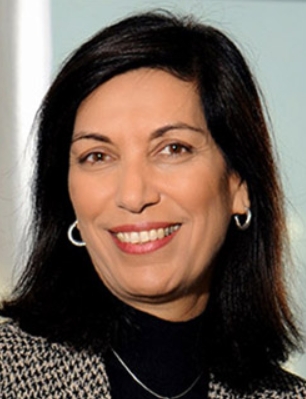 Huda Yahya Zoghbi合作论文数Department of Molecular & Human Genetics, Baylor College of Medicine;Department of Pediatrics, Baylor College of Medicine;Howard Hughes Medical Institute;Jan and Dan Duncan Neurological Research Institute, Texas Children’s Hospital12
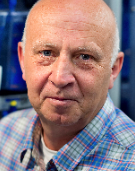 Rob Willemsen合作论文数Erasmus Medical Center12D'Urso, M.合作论文数11
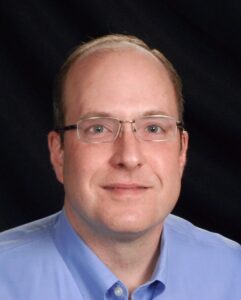 James S. Sutcliffe合作论文数Vanderbilt Kennedy Center, Vanderbilt University Medical Center;Vanderbilt Genetics Institute, Vanderbilt University Medical Center11Zhe Fang合作论文数11
 Teresa Esposito合作论文数10Marcon L合作论文数10Marc P Yudkoff合作论文数Division of Metabolism, Children's Hospital of Philadelphia;Department of Pediatrics, Perelman School of Medicine, University of Pennsylvania10
 Hayley Woffendin合作论文数Department of Ocology, University of Cambridge10
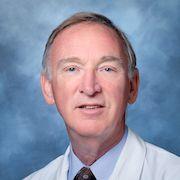 Richard A. Lewis合作论文数Cedars-Sinai Medical Center10Julia E. Parrish合作论文数10
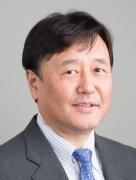 Takanori Yamagata (山形崇倫)合作论文数Department of Pediatrics, School of Medicine, Jichi Medical University10Ck Goldman合作论文数9Ro Michael Blaese合作论文数9A. Craig Chinault合作论文数9
 Donna Marie Muzny合作论文数Human Genome Sequencing Center, Baylor College of Medicine9Maura Pieretti合作论文数9T Bardaro合作论文数8
 E Clinton Lawrence合作论文数8Mf Victoria合作论文数8KP BROUSSEAU合作论文数8ME FRITZ合作论文数8Asma Smahi合作论文数8
 Anthony P. Monaco合作论文数Tufts University8
 Penelope E Bonnen合作论文数Human Genome Sequencing Center, Baylor College of Medicine8
 Stephanie Sherman合作论文数Department of Human Genetics, School of Medicine, Emory University;Department of Epidemiology, Rollins School of Public Health, Emory University8
 David E. Housman合作论文数Koch Institute for Integrative Cancer Research, Massachusetts Institute of Technology;Department of Biology, Massachusetts Institute of Technology8
 Andrea Ballabio合作论文数Department of Molecular And Human Genetics, Baylor College of Medicine;Dipartimento di Scienze Mediche Traslazionali, Universita Degli Studi di Napoli Federico II;Telethon Institute of Genetics and Medicine8Maria Erecinska合作论文数School of Anatomy, University of Bristol8Martin D. Meglasson合作论文数Metabolic Diseases Research, the Upjohn Company8
 Alfredo Ciccodicola合作论文数Institute of Genetics and Biophysics “Adriano Buzzati-Traverso,”, IGB-CNR8
 Huntington F. Willard合作论文数Howard Hughes Medical Institute7




