Integrated knowledge of the interlinkage between water access and food security is essential for informing future intervention strategies. This study evaluates the role of physical water infrastructure in providing safe drinking water, and its impact on the dietary diversity within rural communities in the Dodoma region of Tanzania. By comparing households in communities with and without water-intervention projects, finding demonstrates that proximity to water sources significantly enhances dietary outcomes. The level of nutrition for the communities with and without water-intervention projects were evaluated by food consumption score (FCS) and dietary diversity score (DDS). A decreasing trend of FCS and DDS with an increase in the time needed to fetch water indicated a significant negative correlation (Spearman's correlation analyzing all participants = −0.178, p < 0.001 and −0.221, p < 0.001, respectively). Households near water resources had higher FCS and DDS than those farther away, suggesting that water supply infrastructure projects enhance both sustainable water and nutrition goals.
ZnO2is an efficient catalyst for generating H2O2 under ambient conditions, surpassing ZnO in Fenton-like and catalytic ozonation processes. However, its wide band gap of 3.7 eV restricts its activity under visible light. This study investigates ZnO2/g-C3N4 composites, hypothesizing that their heterojunction enables catalysts to produce reactive oxygen species (ROS) under visible light. The composites were synthesized and characterized using XRD, HRTEM, UV-DRS, and XPS, confirming the successful integration of ZnO2 into the g-C3N4 matrix. The catalytic performance of ZnO2/g-C3N4 was evaluated through multiple pathways, including Fenton-like, catalytic, and photocatalytic ozonation, for ROS generation and degradation of persistent organic pollutants under ambient and visible light. OH center dot production by the composite after 60 min was measured as follows: Fenton-like (1.2 x 10⁻¹⁰ M), photocatalysis (3.2 x 10⁻¹⁰ M), ozonation (6.5 x 10⁻¹⁰ M), and photocatalytic ozonation (22 x 10-10 M), indicating the superior efficiency of the photocatalytic ozonation process. The composite's pollutant degradation efficiency was tested using cyclophosphamide and iohexol as model micropollutants. ZnO2/g-C3N4 significantly degraded and mineralized both compounds, even in tertiary wastewater effluents, highlighting its practical applicability. Moreover, the composite demonstrated excellent stability, retaining over 95 % of its catalytic activity after five consecutive treatment cycles.
High water yield and low energy requirements make sorption-based atmospheric water harvesting (SAWH) a promising approach for decentralized freshwater production. Salts such as lithium chloride (LiCl) and calcium chloride (CaCl2) are commonly used in these systems. This study evaluates the chemical quality of SAWH-produced water, focusing on the uptake of volatile organic compounds (VOCs) from polluted air. Experiments were conducted in a controlled system where humid air with known VOC concentrations was contacted with hygroscopic salts. Water was harvested via sorption and thermal desorption, and VOC content analyzed using gas chromatography. VOC transfer into salt-harvested water was significantly lower than in other AWH methods, including silica gel, atmospheric water generators (AWGs), and passive condensation. Under extreme exposure (12,500 mu g/m3), BTEX compounds (benzene, toluene, ethylbenzene, xylene) remained below 5 mu g/L in salt-harvested water, compared to 47, 5, and 10 mu g/L in water from silica gel, AWG, and condensation, respectively. For 1-butanol, levels were approximately 1000 mu g/L, versus 20,000, 7000, and 38,000 mu g/L in the alternatives. At typical urban and industrial VOC levels (10-100 mu g/m3), the impact on harvested water quality was negligible. VOCs tended to concentrate in the initial aliquot of collected water, highlighting a consideration for practical implementation. The extent of VOC uptake depended on compound polarity and hydrogen bonding capacity. Overall, SAWH using hygroscopic salts demonstrates minimal interaction with airborne organic pollutants and offers a promising route for cleaner water production in polluted environments.
Although pharmaceutically-active compounds (PhACs) are increasingly being found to be present in marine environments, their presence in coral reefs, already under threat from various stressors, has remains unexplored. This study focused on PhAC presence in two stony-coral genera, collected from different depths and sites in the Red Sea. The findings reveal the presence of ten different PhACs, with elevated concentrations detected in corals from shallow sites and in areas with heavy human activity. Notably, all samples contained at least one PhAC, with the antibiotic sulfamethoxazole being the most prevalent compound, detected in 93% of the samples, at concentrations ranging from 1.5 to 2080 ng/g dry weight (dw) tissue, with an average concentration of 106 ng/g dw. These findings underscore the urgent need for conservation initiatives aimed at protecting coral-reef ecosystems from the escalating threat of anthropogenic contamination, including such potential risks as the development of antibiotic resistance in marine organisms and the disruption of critical spawning synchrony among coral populations.
Biochemical oxygen demand (BOD) is one of the most sensitive and essential indicators of wastewater quality. However, today, BOD detection methods require considerable effort and time, resulting in management and...
This study examines the impact of Artificial Light at Night (ALAN) on two coral species, Acropora eurystoma and Pocillopora damicornis, in the Gulf of Aqaba/Eilat Red Sea, assessing their natural isotopic responses to highlight changes in energy and nutrient sourcing due to sensory light pollution. Our findings indicate significant disturbances in photosynthetic processes in Acropora eurystoma, as evidenced by shifts in δ13C values under ALAN, pointing to alterations in carbon distribution or utilization. In Pocillopora damicornis, similar trends were observed, with changes in δ13C and δ15N values suggesting a disruption in its nitrogen cycle and feeding strategies. The study also uncovers species-specific variations in heterotrophic feeding, a crucial factor in coral resilience under environmental stress, contributing to the corals' fixed carbon budget. Light measurements across the Gulf demonstrated a gradient of light pollution which possess the potential of affecting marine biology in the region. ALAN was found to disrupt natural diurnal tentacle behaviors in both coral species, crucial for prey capture and nutrient acquisition, thereby impacting their isotopic composition and health. Echoing previous research, our study underscores the need to consider each species' ecological and physiological contexts when assessing the impacts of anthropogenic changes. The findings offer important insights into the complexities of marine ecosystems under environmental stress and highlight the urgency of developing effective mitigation strategies.
Eucalyptus stands out as one of the most productive tree species for large-scale cultivation. However, like all cultivated crops, it requires specialized management practices, including the control of weeds, pathogens, and pests. Glyphosate is the most widely applied herbicide used in the essential weeding effort, and it ensures the sustainable management of eucalyptus cultivation in Brazil. Given the sensitivity of eucalyptus to glyphosate, existing weed control methods in young eucalyptus farms predominantly rely on protected mechanical or/and knapsack spraying. Both methods contribute to herbicide drift, which compromises tree yield and increases chemical waste due to uneven spraying. This study provides a detailed observation of the physiological parameters and long-term field performance of glyphosate-tolerant (HT), genetically modified (GM) eucalyptus developed by FuturaGene/Suzano S.A. and approved in Brazil for operational deployment. The HT GM eucalyptus events were meticulously evaluated to ensure high levels of glyphosate tolerance. This involved the direct application of herbicide on seedlings in greenhouse studies and on young trees in field conditions. The herbicide-treated GM eucalyptus in all trials demonstrated consistent growth and maintained physiological parameters comparable to their respective non-sprayed wild-type (WT) counterparts. The HT GM eucalyptus represents a significant advancement by enabling the direct application of glyphosate over the top of the trees to control the weeds within the planting row. This innovative approach minimizes the need for frequent mechanical and manual interventions, thereby lowering worker herbicide exposure, reducing the environmental impact of mechanical operations, and enhancing the overall efficiency and sustainability of HT GM eucalyptus stands.
Eucalyptus covers approximately 7.5 million hectares in Brazil and serves as the primary woody species cultivated for commercial purposes. However, native insects and invasive pests pose a significant threat to eucalyptus trees, resulting in substantial economic losses and reduced forest productivity. One of the primary lepidopteran pests affecting eucalyptus is Thyrinteina arnobia (Stoll, 1782) (Lepidoptera: Geometridae), commonly referred to as the brown looper caterpillar. To address this issue, FuturaGene, the biotech division of Suzano S.A., has developed an insect-resistant (IR) eucalyptus variety, which expresses Cry pesticidal proteins (Cry1Ab, Cry1Bb, and Cry2Aa), derived from Bacillus thuringiensis (Bt). Following extensive safety assessments, including field trials across various biomes in Brazil, the Brazilian National Technical Commission of Biosafety (CTNBio) recently approved the commercialization of IR eucalyptus. The biosafety assessments involved the analysis of molecular genomics, digestibility, thermostability, non-target organism exposure, degradability in the field, and effects on soil microbial communities and arthropod communities. In addition, in silico studies were conducted to evaluate allergenicity and toxicity. Results from both laboratory and field studies indicated that Bt eucalyptus is as safe as the conventional eucalyptus clone for humans, animals, and the environment, ensuring the secure use of this insect-resistant trait in wood production.
Regional water scarcity is among the most urgent challenges of global climate change. Atmospheric water harvesting is a promising method to mitigate these challenges, and the atmospheric water generator (AWG) is already an established technology. Although this method can produce over 10,000 L of water per day, the water's quality has not been studied in depth. Air pollutants, especially volatile organic compounds (VOCs), are potential contaminants of water produced from air. We evaluated the chemical and physical parameters of different VOCs that might influence their ability to be transferred from air to AWG water. Our findings strongly suggest that the ability to form hydrogen bonds is a key factor in this transfer. Henry's law constant, polarity, and intrinsic solubility were the main predictors of a VOC's transfer to AWG water. Hence, aliphatic or aromatic compounds (such as benzene or octane) were not found at significant concentrations in AWG water (e.g. above WHO guidelines), whereas ammonia and alcohol compounds were. This should be taken into consideration when analyzing potential contaminants in harvested atmospheric water. The condensation process itself was also found to enhance the transfer of VOCs into water droplets, and higher relative humidity (%RH) also increased VOC transfer. Gas-phase infrared spectrum analysis of VOCs at different %RH revealed possible interactions between water vapor and specific VOCs in the air. However, our main conclusion from this study is that VOC transfer from the air into AWG water occurs predominantly via dissolution in the condensed droplets, and strongly depends on their chemical properties of polarity and hydrogen-bond formation.
With over 80 % of the world's wastewater discharged without treatment and 2 billion people lacking access to adequate sanitation facilities, optimizing sewage treatment processes is crucial. Utilizing a comprehensive 11-year dataset covering 43 parameters from all stages in a full-scale wastewater treatment plant (WWTP) in Israel, we first examined nutrient removal and key wastewater-quality parameters analysis, revealing seasonal and annual trends' effects on influent and effluent water-quality levels. High temperatures during the summer led to a decrease in the concentration of influent BOD, COD, TSS, and NH4, which can be explained by increased biological activity, enhanced sedimentation, and accelerated nitrification. We then introduced a novel method to forecast total phosphorus in effluent by applying various machine and deep learning algorithms, focusing on binary predictions for regulatory compliance. XGBoost achieved the best results with 87 % accuracy and 85 % precision, while random forest exhibited the highest recall at 90 % on the testing set. Consistent and balanced performance in training and testing indicated neither overfitting nor underfitting. Addressing scenarios without secondary total phosphorus monitoring, time-series LSTM models with a look-back period of 2 days achieved the best results with 77 % accuracy, helping prioritize critical input features for precise predictions in resource-constrained WWTPs. The models enable choosing higher recall or precision rates based on regulations/limitations. The overall results indicate that integrating knowledge of the nutrient-removal process with the application of artificial intelligence enhances WWTP monitoring and mitigates the discharge of low-quality effluent.
Eucalyptus comprises the largest planted area of cultivated production forest in Brazil. Genetic modification of eucalyptus can provide additional characteristics for increasing productivity, protecting plant yield, and potentially altering fiber for various industrial uses. With this objective, a transgenic eucalyptus variety, event H421, received regulatory approval for commercial release after 6 years of approved risk assessment studies by the Brazilian National Technical Biosafety Commission (CTNBio) in 2015, becoming the first approved genetically modified (GM) eucalyptus in the world. GM event H421 enables increased plant biomass accumulation through overexpression of the Arabidopsis 1,4-β-endoglucanase Cel1, which remodels the xyloglucan–cellulose matrix of the cell wall during development to promote cell expansion and growth. As required, in that time, by the current normative from CTNBio, a post-commercial release monitoring plan for H421 was submitted, incorporating general surveillance for five consecutive years with the submission of annual reports. The monitoring plan was conducted on fields of H421 progenies, with conventional clones as comparators, cultivated in representative regions where eucalyptus is cultivated in the states of São Paulo, Bahia, and Maranhão, representing Southeast, Northeast, and Northern Brazil. Over the course of the five-year general surveillance monitoring plan for the approved GM eucalyptus H421, no adverse effect that could impact the biosafety of the commercially approved event was identified. Additionally, the GM eucalyptus exhibited behavior highly consistent with that of conventional commercial clones. Therefore, there was no need for an extra risk assessment study of a case-specific monitoring plan. The results show the importance of continuously updating the regulation norms of governmental agencies to align with scientific advances.
The efficiency of an advanced oxidation process (AOP) using direct and indirect ozonation for the removal of pharmaceutical residues from deliberately spiked deionized water was examined. Both direct and indirect ozonation demonstrated 34% to 100% removal of the parent compounds. However, based on the products’ chemical structure and toxicity, we suggest that despite using accepted and affordable ozone and radical concentrations, the six parent compounds were not fully degraded, but merely transformed into 25 new intermediate products. The transformation products (TPs) differed slightly in structure but were mostly similar to their parent compounds in their persistence, stability and toxicity; a few of the TPs were found to be even more toxic than their parent compounds. Therefore, an additional treatment is required to improve and upgrade the traditional AOP toward degradation and removal of both parent compounds and their TPs for safer release into the environment.
The atmospheric water generator (AWG) is a commercially available device that produces water from the air in large volumes over short times. This method can be applied in most regions of the world to solve chronic and acute drinking water scarcity. However, knowledge of the effects of air chemical composition on AWG-produced water quality is still very limited. In this study, a comprehensive survey of AWG-produced water quality was conducted in a heavily polluted industrial environment; 83 AWG water samples were analyzed for 99 different quality parameters, including organic, inorganic, and microbial contamination. Two parameters-nickel (15 samples) and dichloromethane (2 samples)-exceeded sporadically their drinking water standards of EPA, EU and IL. Ammonia was the only parameter consistently above standard limits of 0.5 mg/L (61% of samples, relevant to 47 countries) and even higher than 1.5 mg/L. Comparison to real air concentrations of volatile pollutants in the same environment did not reveal any significant correlations; while some pollutants were found at high concentrations in the air, this was not reflected by their presence in the produced water. The findings show that even in areas that are considered excessively polluted relative to the natural environment, the water produced from the air by AWG could be considered suitable for drinking, with careful attention to very specific contaminants.
Metal peroxides, owing to their ability to produce H2O2 in situ, are used for photocatalysis, ozonation, and oxidation of emerging contaminants (ECs) in wastewater. In the present study, catalytic ozonation of ZnO2 was investigated for the first time to our knowledge. The catalytic decomposition of O3 molecules to reactive oxygen species (ROS) was a dominant factor governing the degradation and mineralization of CYP by ZnO2/O3. Percent degradation of CYP by O3 and ZnO2/O3 was 17 and 99, respectively, implying that catalyst enhances the degradation of micropollutants under O3. The transformation products (TPs) of CYP formed after treatment with O3 and ZnO2/O3 as determined by HPLC-MS proves that O3 transforms CYP to still toxic and persistent transformation products (TPs) whereas by ZnO2/O3 significant decrease in TPs was observed suggesting that ZnO2/O3 not only degrades both CYP and TPs. CYP-degradation studies in presence of t-BuOH, MeOH and benzoquinone by ZnO2/O3 proved that OH. in bulk and on the surface of the catalyst and .O2- play significant roles in degrading and mineralizing CYP. CYP-degradation efficiency by ZnO2/O3 was compared to that by ZnO, CaO2, MgO2 and peroxonation, and ZnO2/O3 proved to be more relevant for real-time applications. To study ZnO2/O3 degradation capacity for real-scale applications, tertiary effluents from wastewater spiked with lamotrigine, bezafibrate, valsartan, iohexol, CYP and its TPs were investigated. A significant increase (75–99%) in degradation of the drug mixture was observed by ZnO2/O3 compared to O3 alone, demonstrating the former's potential suitability for effluent-treatment applications.
The activated sludge (AS) process is the most common type of secondary wastewater treatment, applied worldwide. Due to the complexity of microbial communities, imbalances between the different types of bacteria may occur and disturb the process, with pronounced economical and environmental consequences. Microscopic inspection of the morphology of flocs and microorganisms provides key information on AS properties and function. This is a time-consuming, highly skilled, and expensive process that is not readily available in all locations. Thus, most wastewater-treatment plants do not carry out this essential analysis, resulting in frequent operational faults. In this study, we develop a novel deep learning (DL) object detection algorithm to analyze and monitor the AS process based on a unique microscopic image database of flocs and microorganisms. Specifically, we applied YOLOv5 and Faster R-CNN algorithms as tools for segmentation and object detection to analyze the wastewater. The mean average precision (mAP) of the YOLOv5 was 0.67, outperforming the Faster R-CNN by 15%. Histogram equalization preprocessing of both bright-field and phase-contrast images significantly improved the results of the algorithm in all classes. In the case of YOLOv5, the mAP increased by 16.67%, to 0.77, where the AP of protozoa, filaments, and open floc classes outperformed the previous model by over 20%. These results demonstrate the potential of leveraging DL algorithms to enhance the analysis and monitoring of WWTPs in an affordable manner, consequently reducing environmental pollution caused by contaminated effluent. The fundamental challenge addressed herein has important global relevance, especially in an era in which the demand for high-quality wastewater reuse is expected to increase dramatically.
Glyphosate herbicide treatment is essential to sustainable Eucalyptus plantation management in Brazil. Eucalyptus is highly sensitive to glyphosate, and Suzano/FuturaGene has genetically modified eucalyptus to tolerate glyphosate, with the aim of both protecting eucalyptus trees from glyphosate application damage and improving weed management. This study presents the biosafety results of the glyphosate-tolerant eucalyptus event 751K032, which expresses the selection marker neomycin phosphotransferase II (NPTII) enzyme and CP4-EPSPS, a glyphosate-tolerant variant of plant 5-enolpyruvyl-shikimate-3-phosphate synthase enzyme. The transgenic genetically modified (GM) event 751K032 behaved in the plantations like conventional non-transgenic eucalyptus clone, FGN-K, and had no effects on arthropods and soil microorganisms. The engineered NPTII and CP4 EPSPS proteins were heat-labile, readily digestible, and according to the bioinformatics analyses, unlikely to cause an allergenic or toxic reaction in humans or animals. This assessment of the biosafety of the glyphosate-tolerant eucalyptus event 751K032 concludes that it is safe to be used for wood production.
Background: Eucalyptus is the primary cultivated wood species in Brazil, covering 7.5 million hectares. Weed competition in eucalyptus plantations reduces yield and increases operational costs. FuturaGene/Suzano has developed genetically modified (GM) eucalyptus varieties with glyphosate herbicide tolerance (HT) as a modern tool for improving weed management practices in plantations. The first event received regulatory approval for commercial deployment in 2021. However, the introgression of a new GM trait into eucalyptus, a non-isogenic species, cannot be achieved through selfing or backcrossing. To overcome this limitation and expedite the introgression of HT into the breeding population, multiple GM events were generated, in various genetic backgrounds and genomic locations, enabling simultaneous crossing with numerous elite parents. Objective: To characterize the newly developed HT GM eucalyptus events and assess their safety for the environment and wood production. Methods: HT GM eucalyptus events were subjected to genome sequencing and glyphosate tolerance testing. Biosafety analyses and environmental impact assessments were conducted through field trials in various eucalyptus cultivation regions, comparing the HT GM eucalyptus with conventional clones. Results: The new events proved highly tolerant to glyphosate and displayed different genomic insertion sites. No adverse effects on non-target organisms were observed, and there were no significant differences in the soil microbiota or decomposition profile. Conclusions: The HT GM events have been proven to be safe, posing a low risk to the environment, humans, and animals. Consequently, these HT GM eucalyptus varieties can be confidently utilized for wood production.
Metal peroxides as a chemical source of H 2 O 2 and semiconductor photocatalysts.
This work provides for the first time simple metrics and a decision tree to predict the degradability of contaminants during UV/NO 3 − groundwater treatment.
The C-type hybrid-proline-rich protein (HyPRP) AtCWLP and its homolog AtPRP940 are referred as cell wall (CW)-plasma-membrane (PM) linker proteins, but little is known about their functions. Here we show that N-terminal proline-rich domains of CWLP and PRP940, containing glycosylated hydroxyproline residues, contact the CW, while their C-terminal 8CM domains function as PM-scaffolds. Both proteins are detected in PM nanodomains (PM-ND) and show co-localization and co-immunoprecipitation with aquaporins PIP2;1 and PIP2;7. Inhibition of actin polymerization by latrunculin B promotes CWLP-endosome appearance, while blocking the actomyosin-based transport by a truncated form of myosin XI-K relaxes lateral boundaries of CWLP-PIP2;1 PD-NDs. Mass spectrometry data indicate that CWLP co-purifies with dynamins implicated in fission of endocytic PD-ND invaginations. Lack of co-localization and co-immunoprecipitation with aquaporin-binding flotillin (FLOT2) indicates that CWLP and PRP940 mark a new distinct type of PM-ND. Yeast two-hybrid and co-immunoprecipitation assays demonstrate that CWLP and PRP940 interact with multiple aquaporins and several protein phosphatase PP2A-B’’ regulatory subunits. By preventing irreversible separation of CW and PM, and likely assisting PP2A-mediated dephosphorylation of aquaporins and closure of their water channels, overexpression of CWLP confers tolerance to plasmolysis, dehydration and freezing in Arabidopsis and to water shortage in potato plants. Summary Statement Arabidopsis Hybrid-Proline-Rich Proteins CWLP and PRP940 occur in association with dynamins, recruit PP2A protein phosphatases to aquaporin water channels in plasma-membrane (PM) nanodomains and elevate tolerance to cellular dehydration.
 Hadas Mamane合作论文数School of Mechanical Engineering, Tel Aviv University34
 Igal Gozlan合作论文数The Hydro-chemistry Laboratory, Tel Aviv University21
 Aviv Kaplan合作论文数Tel Aviv University19
 Yaal Lester合作论文数School of Mechanical Engineering, Tel Aviv University15
 Inna Horovitz合作论文数9
 Lakshmi Prasanna Vaddadi合作论文数Porter School for Environment and Earth Sciences, Tel Aviv University7
 Gefen Ronen-Eliraz合作论文数6
 Zucker Ines合作论文数School of Mechanical Engineering, Tel Aviv University6Aviah Zilberstein合作论文数Department of Botany, Tel Aviv University6
 Jordan F Clark合作论文数Department of Geological Sciences, University of California6Luca Lozzi合作论文数5H Mamane合作论文数5
 Offir Inbar合作论文数5Ana Cristina Pinheiro合作论文数5Stein Hanan合作论文数5
 Joel Kronfeld合作论文数Department of Geophysics and Planetary Sciences, Tel Aviv University5Ziv Shani合作论文数5Einat Sadot合作论文数Institute of Plant Sciences5Menachem Keller合作论文数4Inbal Ayalon合作论文数4Rotstein Adi合作论文数4Abu-Abied Mohamad合作论文数4
 Shenkar Noa合作论文数Department of Biology, University of Washington4
 Kumar V Vinod合作论文数School of Chemical and Biotechnology, SASTRA University4
 Ofir Menashe合作论文数School of Engineering, Kinneret Academic College on the Sea of Galilee4Eduard Belausov合作论文数4
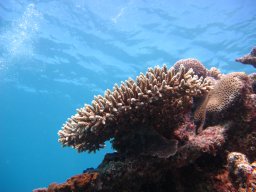 Oren Levy合作论文数Department of Neurology, Columbia University4
 Mark A Baker合作论文数Department of Mechanical Engineering Sciences, University of Surrey4Alexandre Manoeli合作论文数3Yaron Aviv合作论文数3Patricia Akao合作论文数3
 Liron Friedman合作论文数Environm Engn Program, Tel Aviv Univ3
 Uwe Hubner合作论文数3Benichou Jennifer合作论文数3
 Martin Jekel合作论文数Institut fur Technischen Umweltschutz, Technische Universitat Berlin3
 Baruch Sneh合作论文数3Eliyahu Rosenthal合作论文数3
 Eyal Kurzbaum合作论文数Faculty of Civil & Environmental Engineering, Technion-Israel Institute of Technology3
 Valerian Dolja合作论文数Department of Botany and Plant Pathology, College of Agricultural Sciences, Oregon State University3
 Alex Prokhnevsky合作论文数Department of Botany and Plant Pathology, Oregon State University3
 Haim Cikurel合作论文数Mekorot National Water Co .3
 Csaba Koncz合作论文数Biological Research Center, Hungarian Academy of Sciences;Max Planck Institute for Plant Breeding Research3
 Kartik Chandran合作论文数Department of Earth and Environmental Engineering, Columbia University in the City of New York3
 Rossana Grilli合作论文数3S. Rene合作论文数2x q wu合作论文数2y malihi合作论文数2A. Flexer合作论文数2E. Donahaye合作论文数2




