Recognizing the advantages of aqueous electrolytes in terms of high ionic conductivity, low cost and the absence of flammability issues, this study aims at raising the maximum operating voltage of supercapacitors with an aqueous electrolyte beyond the water electrolysis limit of 1.2 V. This is achieved on the basis of the “water-in-salt” principle by employing superconcentrated aqueous salt solutions. After an initial screening, three high saturation concentration aqueous solutions were identified, also combining low cost, low salt density and absence of hazardous issues. After experimental investigations and multiscale modeling and simulations, the best supercapacitor was an EDLC (electrical double layer capacitor) with the aqueous electrolyte 40.1 m HCOOK which reached a maximum operating potential of 2.3 V. Multiscale modeling attributed this effect to the highly trapped H2O molecules in the first solvation layers shared by multiple solvated ions in ion clusters. This electrolyte was combined with highly microporous activated carbon fabric electrodes in a symmetric EDLC which exhibited an electrode specific capacitance of 255 F g- 1 in discharge.
This study focused on optimizing nickel-rich MFI zeolite catalysts for the hydrodeoxygenation (HDO) of bio-oils, a sustainable fuel production method that minimizes carbon loss. While Ni-Zeolite catalysts deoxygenate effectively, they are prone to coking. This research aimed to improve HDO selectivity and catalyst stability by exploring bimetallic formulations, modifying zeolite textural properties, and optimizing metal loading. Ion-exchanged catalysts generally performed poorly due to reduced Br & oslash;nsted acidity and low nickel content. In contrast, impregnated catalysts with high nickel loading and strong dual Lewis and Br & oslash;nsted acidity proved superior for HDO. In general, platinum co-loading enhanced metal dispersion and stability, leading to higher alkane selectivity and reduced coking. However, when a relatively higher loading of Pt (similar to 0.5 wt.%) was used for SPP-IWI catalysts, Ni-Pt clusters formed, which were found to be detrimental for HDO activity. The 9.75-Ni-0.25-Pt-SPP-IWI catalyst was the most stable, achieving 97.6 % relative abundance of alkanes after 24 h of reaction, due to its mesoporous SPP morphology, better metal dispersion, and weaker acidity. Overall, the findings highlight that successful HDO catalysis requires a precise balance of metal loading, dispersion, and the physicochemical properties of the zeolite support for optimal activity, selectivity towards diesel-range alkanes, and enhanced stability.
Porous biomaterials offer significant advantages in tissue engineering by promoting cellular attachment and enhancing flow of fluids. Here we present a versatile, sustainable and low-cost manufacturing technology to produce porous phosphate-based glass fibres (PGFs) and powders (PGPs) in the system P2O5-CaO-Na2O unloaded and loaded with cerium ions (Ce = 0, 0.1, 0.2 and 0.4 atomic%). A polyphosphate coacervate gel combined with the porogen Pluronic 123 (P123) was used as precursor material for manufacturing PGFs (via electrospinning) and PGPs (via drying). Porosity was achieved by removing P123 via calcination at 300 °C. Cerium loaded PGPs and PGFs showed good antibacterial activity against the bacterium E. coli. The oxidation state of cerium ions was identified via X-ray Photoelectron Spectroscopy (XPS). Successful direct seeding of keratinocyte cells (HaCaTs) on PGFs was demonstrated for the first time via live cell staining. PGFs' dissolution products also exhibited excellent cytocompatibility, demonstrating the great potential of PGFs for wound healing applications. To enhance the antibacterial and antioxidant properties, PGFs and PGPs were embedded with the natural antioxidant clove oil (clv). The antioxidant capacity was evaluated using DPPH (2,2-diphenyl-1-picrylhydrazyl) radical scavenging and TPC (Total Phenolic Content) assays. PGFs containing 0.4 atomic% of cerium loaded with clv demonstrated strong antioxidant activity, with DPPH scavenging reaching approximately 87% and phenolic content of around 25 mg gallic acid (GAE) g-1. Finally, the combined effects of cerium ions and clv were further assessed against E. coli and in cell-based assays, including intracellular ROS and scratch wound healing tests. PG-unl-clv and PG-Ce0.2-clv scavenged intracellular ROS and achieved significant wound closure after 48 h.
We present an investigation to develop innovative composite fibrous electrodes optimized for a supercapacitor with a "green" low-cost aqueous electrolyte, superconcentrated potassium formate, which raises the maximum energy storage device voltage beyond the water electrolysis limit. Three types of electrospun nanofiber mats are investigated for optimum pseudocapacitance with this electrolyte: polyaniline (PANI)/polyacrylonitrile (PAN) fibers, without or with 1 wt% or 10 wt% graphene nanoplatelets (GNP). These nanofiber mats are considered as standalone electrodes or in bilayer formations with a phenolic-derived activated carbon fabric. Supercapacitor cells with these electrodes are tested electrochemically via electrical impedance spectroscopy, cyclic voltammetry and galvanostatic charge-discharge at different current densities. The supercapacitor with hybrid electrode bilayers of activated carbon fabric and electrospun fiber mat consisting of PANI:PAN at 50:50 w/w with 10 wt% GNP exhibited the best performance with an energy and a power density of 39 Wh/kg and 6057 W/kg of electrodes, respectively.
Hybrid adsorbents based on metal-organic frameworks (MOFs) are promising for selective removal of acid gases. Here, three graphene-integrated Cu-BTC hybrid adsorbents with ultra-low content (0.5 wt%) of graphene oxide (GO), few-layer graphene (FLG), and thermally reduced graphene (TRG), respectively, were in-situ grown and tested for adsorptive removal of H2S. The structure, surface chemistry, morphology, and thermal and textural properties of the developed MOF hybrids were assessed and correlated with the H2S removal efficiency, which was evaluated by breakthrough experiments using pure and mixed H2S/CH4 gases under various conditions. Graphene integration was found to enhance the pore volume of the hybrids, while GO increased microporosity and surface area, and FLG and TRG introduced mesopores to the structures. At 298 and 423 K, breakthrough capacities of 28.7 and 24.2 mg g- 1, 44.6 and 53.7 mg g- 1, and 44.2 and 26.8 mg g- 1 were evidenced for the GO, FLG, and TRG hybrid adsorbents, respectively, which were higher than in pure MOF (22.1 and 21.6 mg g- 1). CuBTC/GO exhibited the highest H2S/CH4 selectivity of 266 at 423 K and 1 bar corresponding to a 40 % increase compared to parent MOF (190). Physicochemical and morphological investigation of the adsorbents post H2S exposure was also carried out indicating that the interaction mechanism of H2S with the materials is based on the combination of both physical and reactive adsorption, which is distinctive for each hybrid in relation to the nature of the incorporated graphene counterpart and the resulting structural configuration.
The synthesis method of the Pr-doped CeO2 catalyst support in Ni/Pr-CeO2 CO2 methanation catalysts is varied by changing the type/basicity of the precipitating solution and the hydrothermal treatment temperature. The use of highly basic NaOH as the precipitating agent and elevated hydrothermal treatment temperature (100 or 180 °C) leads to the formation of structured Pr-doped CeO2 nanorods and nanocubes, respectively, whereas the use of a mildly basic NH3-based buffer in the absence of hydrothermal treatment (i.e., co-precipitation) leads to an unstructured mesoporous morphology with medium-sized supported Ni nanoparticles. The latter catalyst (Ni/CP_NH3) displays a high surface area, high population of moderately strong basic sites, high oxygen vacancy population, and favorable Ni dispersion. These properties lead to a higher catalytic activity for CO2 methanation (75% CO2 conversion and 99% CH4 selectivity at 350 °C) compared to the catalysts with structured nanorod and nanocube support morphologies, which are found to contain a significant amount of leftover Na from the synthesis procedure that can act as a catalyst inhibitor. In addition, the best-performing Ni/CP_NH3 catalyst is shown to be highly stable, with minimal deactivation during time-on-stream operation.
Perovskite solar cells (PSCs) for space applications have garnered significant attention due to their high tolerance to proton radiation. While the self-healing mechanism of PSCs is largely attributed to mobile inorganic halide ions, the effects of radiation on organic A-site cations remain underexplored. In this study, wide-band-gap Cs/formamidinium (FA) PSCs, which are promising for tandem applications in space environments, were subjected to harsh proton radiation testing. Photovoltaic (PV) device parameters of the PSCs measured pre-and post-irradiation demonstrated that propane-1,3-diammonium iodide (PDAI2) treatment effectively mitigates radiation-induced damage to the perovskite layer. Advanced characterization techniques, including X-ray photoelectron spectroscopy (XPS) depth profiling using femtosecond laser ablation (fs-LA) and time-of-flight elastic recoil detection analysis (ToF-ERDA), were employed to analyze the impact of proton radiation on A-site organic cations. Additionally, time-resolved Kelvin probe force microscopy (tr-KPFM) was utilized to elucidate the mechanism by which PDAI2 treatment mitigates proton-induced damage to the organic cations.
In recent nanomaterials research, combining nanoporous carbons with metallic nanoparticles, like palladium (Pd), has emerged as a focus due to their potential in energy, environmental and biomedical fields. This study presents a novel approach for synthesizing Pd-decorated carbons using magnetron sputter deposition. This method allows for the functionalization of nanoporous carbon surfaces with Pd nano-sized islands, creating metal–carbon nanocomposites through brief deposition times of up to 15 s. The present research utilized direct current magnetron sputtering to deposit Pd islands on a flexible activated carbon cloth substrate. The surface chemistry, microstructure, morphology and pore structure were analyzed using a variety of material characterization techniques, including X-ray photoelectron spectroscopy, X-ray diffraction, Raman spectroscopy, gas sorption analysis and scanning electron microscopy. The results showed Pd islands of varying sizes distributed across the cloth’s carbon fibers, achieving high-purity surface modifications without the use of chemicals. The synthesis method preserves the nanoporous structure of the carbon cloth substrate while adding functional Pd islands, which could be potentially useful in emerging fields like hydrogen storage, fuel cells and biosensors. This approach demonstrates the possibility of creating high-quality metal–carbon composites using a simple, clean and economical method, expanding the possibilities for future nanomaterial-based applications.
Sputter depth profiling has been employed for XPS/AES depth profiling since the late 1960s. However, for many materials, ion beam induced damage distorts the chemical state information and chemical composition, limiting the value of the analysis. A novel methodology is presented in which XPS depth profiles are generated using a 160 fs pulse length, 1030 nm peak wavelength femtosecond laser in place of the traditional ion gun. Femtosecond laser ablation (fs-LA) XPS depth profiles are compared with argon monatomic and cluster ion beam depth profiles for different classes of materials, including ceramics, semiconductors, polymers and metals. In all cases, the XPS spectra recorded following femtosecond laser ablation are fully representative of the original chemical composition and chemical state, with no ablation induced damage. The technique is also shown to be very versatile with ablation rates of <20 nm per pulse being achieved for thin films but profiles to depths of >30 mu m are also realisable in practical time scales. fs-LA XPS depth profiling promises to be a very exciting new methodology for the XPS community, complementing sputter depth profiling but avoiding the chemical damage induced by ion beams and offering valuable new depth profiling capabilities.
This study considers the influence of purity and surface area on the thermal and oxidation properties of hexagonal boron nitride (h-BN) nanoplatelets, which represent crucial factors in high-temperature oxidizing environments. Three h-BN nanoplatelet-based materials, synthesized with different purity levels and surface areas (~3, ~56, and ~140 m2/g), were compared, including a commercial BN reference. All materials were systematically analyzed by various characterization techniques, including gas pycnometry, scanning electron microscopy, X-ray diffraction, Fourier-transform infrared radiation, X-ray photoelectron spectroscopy, gas sorption analysis, and thermal gravimetric analysis coupled with differential scanning calorimetry. Results indicated that the thermal stability and oxidation resistance of the synthesized materials were improved by up to ~13.5% (or by 120 °C) with an increase in purity. Furthermore, the reference material with its high purity and low surface area (~4 m2/g) showed superior performance, which was attributed to the minimized reactive sites for oxygen diffusion due to lower surface area availability and fewer possible defects, highlighting the critical roles of both sample purity and accessible surface area in h-BN thermo-oxidative stability. These findings highlight the importance of focusing on purity and surface area control in developing BN-based nanomaterials, offering a path to enhance their performance in extreme thermal and oxidative conditions.
Dry reforming of methane (DRM) is an inimitable approach for eliminating both greenhouse gases, methane and CO2, while producing synthesis gas which further can be converted to added-value fuels. However, the industrialization of DRM has been limited due to sintering and coking to the catalysts under the harsh reaction conditions. Here, we propose a new methodology for producing tunable supported nickel-based catalysts for DRM using metal organic frameworks (MOFs) as precursors of the catalyst components. In particular, Ni- and LaMOFs were coalesced using sonication and then calcined at different temperatures to produce catalysts with tailored Ni metal size (5-20 nm) and tuned strong metal-support interactions (SMSI). Here, the synthesis of nickel and nickel oxide nanoparticles embedded on lanthanum-based supports by controlled calcination of the MOF structures is demonstrated; the Ni supported catalysts were then used for DRM reaction. Among the developed catalysts, the catalyst produced following calcination at 500 degrees C (Ni-La-500) has shown stable and high CH4 conversion rates under DRM conditions at 800 degrees C with negligible carbon formation at elevated gas hourly space velocities. Further, the catalytic performance of Ni-La-500 catalyst (sonicated) was compared to the physically mixed MOFs derived catalyst (Ni-La-500-PM), conventional wetness impregnated catalyst (Ni-La-500 WI), Ni-MOF derived unsupported catalyst (Ni-500), and lower Ni concentration catalyst (sonicated, 10Ni-La500). The observed CH4 conversion rates at 50,000 mL.gcat(-1).h(-1) GHSV are 81.8, 67.9, 85.4, 34.7, and 57.9 % for Ni-La-500, Ni-La-500 PM, Ni-La-500 WI, Ni-500, and 10Ni-La-500 catalysts, respectively after 24 h of DRM reaction. With isotopic studies, it was found that the O-18 exchange rate was higher in case of Ni-La-500-PM catalyst (8.1 mmol.g(-1)) as compared to Ni-La-500 catalyst (5.5 mmol.g(-1)). Prior interaction between MOFs, calcination temperatures, reaction conditions, and the carbon pathways during catalytic activity dictates the conversion rates and selectivity of the products. Overall, with the herein proposed approach of MOF-derived supported catalysts exceptional conversion rates and stability during the DRM reaction with nominal coking and sintering were demonstrated, solving the two major challenges faced by conventional and unsupported catalysts.
Titanium oxide (TiOx) thin films were deposited by remote plasma sputtering (RPS) with the use of rf substrate bias onto unheated and water-cooled glass, Si, and Kapton substrates. The rf remote plasma power was kept constant (2.0 kW) and the properties of the films were studied as a function of deposition rate and substrate bias voltage. Four different reactive processes at four different deposition rates were developed under zero bias conditions by altering the target bias voltage and the flow of oxygen to give highly transparent TiOx films. These processes were studied with varying substrate bias voltage and the film structural, optical, and surface properties were investigated by GI-XRD, SEM, transmission, and sessile drop measurements. The changes in film structure and properties observed were related to the plasma conditions of the RPS system, investigated by dc electrical probe and OES measurements, and compared with other observations for films deposited under energetic conditions in the literature. All films deposited under zero bias conditions exhibited amorphous structures in GI-XRD and SEM images. Sufficient application of substrate bias was seen to promote columnar growth in cross-sectional SEM images and to crystallise phase pure rutile with no detection of the anatase phase in GI-XRD. Rutile bearing films were noted for their change in optical properties. Further increase of the substrate bias voltage caused a change in the texture of the rutile films from a low-energy [110] preferred orientation to a high-energy [101] and [002] preferred orientation. Contact angles of water with deposited films were found to increase with increasing substrate bias voltage and decreasing deposition rate. Film stress was also found to be influenced mainly by the substrate bias voltage process parameter.
The study presented herein examines the role of a series of alkaline earth metals (i.e. Mg, Ca, Sr, Ba) as promoters for Ni-supported zeolite beta catalysts to produce hydrocarbon fuels through hydrodeoxygenation (HDO) of palm oil. The properties of the catalytic systems were explored using XRD, HRTEM, N-2 adsorption, H-2-TPR, CO2-, NH3-, and H-2-TPDs. The surface chemistry and coordination environment were analyzed using synchrotron XAFS and XPS. It is found that the chemical and structural composition of the support, as well as the use of alkaline earth promoters, significantly altered the interfacial charge distribution and consequently the electronic structure of the Ni-support interface and Ni surface sites. HDO of palm oil was conducted at 350 and 400 degrees C, at 30 bar; the highest conversion was attained over 10Ni/5Sr-Beta catalyst (44 %), which can be attributed to its features, such as low acidity (NH3-TPD/DRIFTS), high Ni dispersion (H-2-TPD) and high amount of accessible Ni sites at reaction temperature (H-2-TPR). Product analysis, in general, demonstrated higher selectivity towards bio-gasoline (C-8-C-14) as a result of high acidity of zeolite beta (Si/Al = 12.5) that promoted cracking activity. While the effect of alkaline earth metal cation promoters was investigated experimentally, DFT was utilized to investigate the trend on the deoxygenation of palmitic acid (predominant component of palm oil) over Ni(111) surface. Results revealed that although the elongated C-OH bond lengths, adsorption energies, and enhanced charge transfer between the -OH group and surface promoters can be linked to the periodicity of the adatom types, the thermodynamic -OH cleavage reaction energies well reflect the varying experimental deoxygenation performance of the Ni-promoted catalyst, ascribed to their varying C-O/promoter interactions subsequent to -OH cleavage.
The work presented herein reports on the investigation of the biogas dry reforming catalytic performance of LaNiO3 (LNO), La0.8Sm0.2NiO3 (LSNO), La0.8Pr0.2NiO3 (LPNO) and La0.8Ce0.2NiO3 (LCNO). The perovskite-type materials were synthesized via citrate sol-gel and characterized using XRD, N2 physisorption H2-TPR, H2-TPD, TEM, HAADF-STEM and XPS. The performance of all catalysts in terms of both activity and stability was examined in order to assess the effect of temperature on the CH4 and CO2 conversion, as well as on the H2 and CO yield and the H2/CO molar ratio of the produced gas mixture. Experimental results showed that modification of LaNiO3 with Sm and Pr enhances the catalytic performance in terms of catalytic stability and reduces the order/ crystallinity of the deposited coke. A theoretical model has also been produced in Python with the purpose of simulating the catalytic performance. Modelling results showed a good agreement with the experimental values and therefore confirm the validity of the model for predicting the dry reforming catalytic performance.
The removal of contaminants from aqueous solutions by adsorption onto carbonaceous materials has attracted increasing interest in recent years. In this study, pristine and oxidized activated carbon (AC) fabrics with different surface textures and porosity characteristics were used for the removal of crystal violet (CV) dye from aqueous solutions. Batch adsorption experiments were performed to investigate the CV adsorption performance of the AC fabrics in terms of contact time, temperature, adsorbate concentration and adsorbent amount. Evaluation of the thermodynamic parameters and the adsorption performance of the AC fabrics in ground water and sea water solutions were also carried out. Langmuir isotherm model, pseudo first and pseudo second order kinetics models were utilized to analyze and fit the adsorption data. The introduction of oxygen-based functional groups on the surface of AC fabrics was carried out through a nitric acid treatment. This oxidation process resulted in a significant reduction in the surface area and pore volume, along with a small increase in the average pore size and a significant enhancement in the CV adsorption capacity, indicating that the dye molecules are mainly adsorbed on the external surface of the carbon fabrics. The herein evaluated 428 mg/g adsorption capacity at 55 °C for the oxidized non-woven AC fabric is one of the highest adsorption capacity values reported in the literature for CV removal using AC materials. Thermodynamic studies showed that the adsorption occurs spontaneously and is an endothermic and entropy-driven reaction. Furthermore, pristine and oxidized non-woven AC fabrics displayed more than 90% CV uptake from sea water samples, underlining the great potential these fabrics possess for the removal of dyes from natural/multicomponent waters.
Bimetallic nickel-noble metal catalysts with a low noble metal loading (1 wt% of Ru, Pt, Rh, Pd, or Ir) supported on Pr-doped CeO2 were comparatively evaluated regarding their CO2 methanation catalytic performance. Ru was the sole noble metal phase that could dramatically promote the catalytic activity of the corresponding monometallic catalyst, whereas the incorporation of the other noble metals either retained (Pt and Ir) or worsened (Rh and Pd) the catalytic performance. The best-performing RuNi bimetallic catalyst maintained around 80 % CO2 conversion and 99.5 % CH4 selectivity at 325 degrees C during 50 h of operation. Ru was found to be well dispersed along the support (as single atoms or small clusters), while a small part of it was also dispersed atop the mediumsized Ni nanoparticles. Its promoting ability was attributed to the improved metal dispersion, catalyst reducibility, moderate basicity and provision of additional active sites for CO2 and H2 dissociation, while DFT analysis evidenced that a Ru single atom atop a Ni cluster/ small particle is the structure that is most favorable towards the initial CO2 adsorption and dissociation.
Ion beams are used in x-ray photoelectron spectroscopy (XPS) to clean samples and perform compositional sputter depth profiles. The purpose of this article is to compile good practice, recommendations, and useful information related to the use of argon ion sources for inexperienced users of XPS instrumentation. The most used type of ion source generates monoatomic argon ions at a range of energies from a fixed direction relative to the instrument. The angle and direction of the ion beam with respect to the surface are normally altered by manipulating the sample, and this may involve tilting the sample to change the angle of incidence or rotating the sample to change the azimuthal incidence angle. Atomic argon ion beams cause damage to the structure of the material surface, which may exhibit itself as a change in stoichiometry or topography as well as the implantation of argon atoms. Therefore, caution is required in the interpretation of XPS depth profiles. Gas cluster ion sources offer new possibilities and choices to XPS users. Gas cluster sources enable the sputtering of organic materials with high yield in comparison to inorganic materials and offer the potential for nearly damage-free depth profiling of delicate organic materials as well as low damage cleaning of inorganic materials. It may be possible to use argon clusters to reduce damage during the depth profiling of inorganic materials, but there is currently insufficient evidence to make any general recommendations.
The hydrodeoxygenation (HDO) of bio-oil is one of the potential approaches to produce green diesel. However, HDO catalyst requires the development of bifunctionality which translates to the simultaneous presence of acidic and metal sites for desired catalytic activity and selectivity. Zeolites and their composites are attractive candidates for the conversion of biomass to fuels. In the present work, a series of Ni-incorporated Al 2 O 3 -zeolite beta bifunctional composite catalysts with distinct Al 2 O 3 (25 - 75 wt%) and Ni contents (5 - 15 wt%) were synthesized via a facile one -pot method directly from nickel acetate, nano-boehmite ( gamma -AlO(OH)) and the NH 4 + form of beta zeolite (NH 4 + -BZ). The nano-boehmite particles, due to the positive charges on their surface, electrostatically attract negatively charged beta zeolite crystals, which leads to the assembly of a hierarchical pore structure upon calcination. Interestingly, the composite catalysts synthesized were quite homogeneous with uniform dispersion of Ni particles. All composite catalysts were thoroughly characterized using XRD, SEM-EDX, SEM-mapping, HRTEM, H 2 -TPR, H 2 -TPD, NH 3 -TPD, XPS, 31 P MAS NMR, 27 Al MAS NMR and N 2 sorption analysis. The synthesized composite catalysts with distinct Al 2 O 3 contents showed diverse textural properties, distinct nature of acid sites and improved performance in hydrodeoxygenation of palm oil. Particularly, the Ni/BZ-Al50 (with BZ:Al 2 O 3 = 50:50) composite catalyst significantly enhanced the conversion of palm oil (up to 90%) and yield of n - C 15 - C 18 hydrocarbons (up to 69%) at moderate temperature of 375 degrees C as compared to 10Ni/BZ catalyst (Conv. = 75%, yield of n - C 15 - C 18 = 52%). The higher catalytic performance realized with composite catalysts can be ascribed to its hierarchical pore structure, moderate acidity (chemisorption studies), tuned acid sites nature (solid state NMR) and homogeneous distribution of active Ni sites (H 2 chemisorption) which helps to improve product selectivity by minimizing side reactions. The time-on-stream (TOS) experiments were carried out up to 20 h which clearly showed that composite catalysts are more stable suggesting the lower amount of coke deposition (TPO studies) and suppression of metal sintering.
Although lithium-sulfur (Li-S) batteries offer a high theoretical energy density, shuttling of dissolved sulfur and polysulfides is a major factor limiting the specific capacity, energy density, and cyclability of Li-S batteries with a liquid electrolyte. Cathode host materials with a microstructure to restrict the migration of active material may not totally eliminate the shuttling effect or may create additional problems that limit the full dissolution and redox conversion of all active cathode materials. Selecting a cathode coating binder with a multifunctional role offers a universal solution suitable for various cathode hosts. PEDOT:PSS is investigated as such a binder in this study via experimental testing and material characterization as well as multiscale modeling. The study is based on Li-S cells with a sulfur cathode in hollow porous particles as the cathode host and the 10 wt % PEDOT:PSS binder and electrolyte 1 M LiTFSI in 1:1 DOL:DME 1:1 v/v. A reference supercapacitor cell with the same electrolyte and electrodes comprising a coating of the same hollow porous particles and 10 wt % PEDOT:PSS revealed the pseudocapacitive effect of PEDOT:PSS following a surface redox mechanism that dominates the charge phase, which is equivalent to the discharge phase of the Li-S battery cell. A multipore continuum model for supercapacitors and Li-S cells is extended to incorporate the pseudocapacitive effects of PEDOT:PSS with the Li+ ions and the adsorption effects of PEDOT:PSS with respect to sulfur and lithium sulfides in Li-S cells, with the adsorption energies determined via molecular and ab initio simulations in this study. Experimental data and predictions of multiscale simulations concluded a 7-9% extension of the specific capacity of Li-S battery cells due to the surface redox effect of PEDOT:PSS and elimination of lithium sulfides from the anode by slowing down their migration and shuttling via their adsorption by the PEDOT:PSS binder.
Metal–carbon nanocomposites are identified as key contenders for enhancing water splitting through the oxygen evolution reaction and boosting supercapacitor energy storage capacitances. This study utilizes plasma treatment to transform natural graphite into nanoporous few-layer graphene, followed by additional milling and plasma steps to synthesize a cobalt–graphene nanocomposite. Comprehensive structural characterization was conducted using scanning and transmission electron microscopy, X-ray diffraction, Raman spectroscopy, gas sorption analysis and X-ray photoelectron spectroscopy. Electrochemical evaluations further assessed the materials’ oxygen evolution reaction and supercapacitor performance. Although the specific surface area of the nanoporous carbon decreases from 780 to 480 m2/g in the transition to the resulting nanocomposite, it maintains its nanoporous structure and delivers a competitive electrochemical performance, as evidenced by an overpotential of 290 mV and a Tafel slope of 110 mV/dec. This demonstrates the efficacy of plasma treatment in the surface functionalization of carbon-based materials, highlighting its potential for large-scale chemical-free application due to its environmental friendliness and scalability, paving the way toward future applications.
 Kyriaki Polychronopoulou合作论文数Department of Mechanical Science and Engineering, University of Illinois at Urbana-Champaign61
 Steven. J. Hinder合作论文数43
 Victor Sebastian合作论文数32
 Maria A Goula合作论文数Chemical Process Engineering Research Institute and Department of Chemical Engineering, Aristotle University of Thessaloniki30
 Nikolaos Dimitrios Charisiou合作论文数Department of Chemical Engineering, University of Western Macedonia29
 S. J. Hinder合作论文数21
 Claus Rebholz合作论文数Department of Mechanical and Manufacturing Engineering, University of Cyprus21
 Rossana Grilli合作论文数20Gibson Peter合作论文数19W. Gissler合作论文数18
 Ayesha AlKhoori合作论文数Dept Mech Engn, Khalifa Univ Sci & Technol17
 John F Watts合作论文数School of Mechanical Engineering Sciences, University of Surrey17
 Allan Matthews合作论文数Department of Materials, School of Natural Sciences, The University of Manchester16
 Anjum Dalaver H合作论文数Imaging & Characterizat Lab, King Abdullah Univ Sci & Technol15
 Isolda Costa合作论文数11
 Christian Mitterer合作论文数Department of Materials Science, Montanuniversitat Leoben;Materials Center Leoben Forschung GmbH11
 Adrian Leyland合作论文数Department of Materials Science and Engineering, University of Sheffield11
 Aasif A. Dabbawala合作论文数Council of Scientific and Industrial Research, Central Salt and Marine Chemicals Research Institute11M.A. Goula合作论文数10N.D. Charisiou合作论文数10Safa Gaber合作论文数9
 S. AlKhoori合作论文数Dept Mech Engn, Khalifa Univ Sci & Technol9
 Nikolaos Kostoglou合作论文数Dept Mat Sci, Univ Leoben9
 S.J.C. Irvine合作论文数Royal Signals and Radar Establishment9Georgios I. Siakavelas合作论文数8
 Anastasios I. Tsiotsias合作论文数Department of Chemical Engineering, University of Western Macedonia8Hinder Steve J合作论文数8
 Paul J. Sellin合作论文数Physics Department, University of Surrey8
 Angelos Efstathiou合作论文数Heterogeneous Catalysis and Chemical Technology Research Laboratory, Department of Chemistry, University of Cyprus8
 Cristina Lenardi合作论文数Dipartimento di Fisica Aldo Pontremoli, Università degli Studi di Milano8C Tsotsos合作论文数8
 Vlad Stolojan合作论文数Advanced Technology Institute, University of Surrey8
 Craig Underwood合作论文数Surrey Space Centre, School of Computer Science and Electronic Engineering, University of Surrey8
 G. Siakavelas合作论文数Dept Environm Engn, Univ Patras7Kyriakos N. Papageridis合作论文数Lab Alternat Fuels & Environm Catalysis LAFEC, Univ Western Macedonia7
 Maguy Abi jaoude合作论文数Université Claude Bernard Lyon 1, Université de Lyon7
 Wilson, Matthew D.合作论文数STFC Rutherford Appleton Laboratory, Harwell Campus, Didcot, OX11 0QX, UK7
 Georgios Constantinides合作论文数Department of Mechanical Engineering and Materials Science and Engineering, Faculty of Engineering and Technology, Cyprus University of Technology7
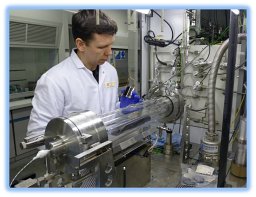 D. Lamb合作论文数School of Chemistry, University of Wales7Paul Seller合作论文数7
 Gustavo F Trindade合作论文数National Centre of Excellence in Mass Spectrometry Imaging, National Physical Laboratory7R Gilmore合作论文数6J. Haupt合作论文数6
 Michalis A. Vasiliades合作论文数Heterogeneous Catalysis Laboratory, University of Cyprus6
 Tzounis Lazaros合作论文数Lab for ", 1Νanomedicine Group;Thin Films Nanosystems &Nanometrology"Aristotle University of Thessaloniki;Lab for "Thin Films Nanosystems & Nanometrology, Aristotle University of Thessaloniki6
 Zedan Abdallah F合作论文数Department of Chemistry, Virginia Commonwealth University6Andreas Schneider合作论文数6
 James E. Castle合作论文数Department of Materials Science and Engineering, University of Surrey6
 Vincent Barrioz合作论文数OpTIC Technium, Centre for Solar Energy Research6




