Abstract Background Contemporary data comparing new- versus old-generation transcatheter heart valve (THV) devices are lacking regarding several THV devices. We aimed to compare the safety and efficacy of old-generation device (OGD) ACURATE neoTM versus the newer generation device (NGD) ACURATE neo2TM THVs (Boston Scientific) in patients undergoing transcatheter aortic valve implantation (TAVI). Methods An analysis of patients undergoing transfemoral TAVI with old-generation device ACURATE neoTM versus newer generation device ACURATE neo2TM from 2016 to 2021. The primary end-point was early safety events at 30-days post-valve implantation. Significant post-implantation paravalvular leakage (PVL) was considered as ≥moderate. Results A total of 249 patients were included in the evaluation; mean age was 81±7.2, and 95 (38.2%) were males. Of the total population 87 (35%) underwent TAVI with the NGD. Early safety events occurred in 21.8% NGD versus 19.1% in OGD (RR= 0.67, P=0.13). Permanent pacemakers were implanted within 30 days in 4.6% versus 6.2% in NGD versus OGD respectively (RR=1.343, P=0.77). Major vascular complications occurred in 5.7% in NGD versus 9.4% in OGD 9.4% (RR=1.6, P=0.46). More than mild PVL occurred significantly more often in OGD (P<0.0001). Echocardiographic mean gradient post-procedure was 9 mmHg± 5 in OGD versus 11±4 mmHg in the NGD (P=0.0159). Conclusion New-generation ACURATE neo2TM devices were associated with less significant PVL. However, this new generation valve was also associated with higher residual gradients. This trend of decrease in PVL with an increase in gradients will be further studied. Funding Acknowledgement Type of funding sources: None.
Abstract Introduction and aim Aortic annulus dimensions change during the cardiac cycle. A retrospective ECG-gated (Spiral) scan is the default technique for pre TAVR evaluation since it includes systolic phases considered optimal for aortic annulus assessment. Ultra-fast, Low-Dose High-Pitch (FLASH) offers faster, potentially low radiation and low contrast dose scans. However, it lacks the ability to time data acquisition to the systole. Therefore, measurements derived from FLASH scan are considered suboptimal for reporting. The effect of this potential annular measurement difference on procedural success and safety was not evaluated. Therefore, we aimed to assess the feasibility and safety of FLASH vs. Spiral scan before TAVI. Methods We conducted a retrospective, single-center study. 409 patients underwent CT-TAVI scan with either FLASH or SPIRAL acquisition. Baseline characteristics, CT study, procedural and f/u data were acquired from the EMR. Outcomes defined by Valve Academic Research Consortium3 (VARC-2) endpoint definitions included in-hospital mortality, bleeding, vascular complications, acute kidney injury (AKI), conduction disorders, mechanical complications, and prosthetic aortic valve regurgitation. Composite endpoints such as device success were also examined. Results Of the 409 patients, 55.7% underwent FLASH scans. The median age was 80 years, and males accounted for 55%. The FLASH-protocol patients had higher rate of chronic kidney disease, their CT-measured aortic annulus area and diameter were smaller, and they were exposed to a smaller amount of contrast agent and radiation than the SPIRAL group. There was no statistically significant difference in primary clinical and safety endpoints between the two groups, including mechanical complications (such as annular rupture and valve malposition) and conduction disorders. Conclusions FLASH CT scan is a pragmatic and safe approach that potentially may replace spiral scan for the evaluation before TAVI procedure in the appropriate patients. Funding Acknowledgement Type of funding sources: None.
Abstract Introduction Transcatheter aortic valve implantation (TAVI) is becoming the preferred treatment for elderly patients with severe aortic stenosis. Clinical outcomes of these patients according to different age groups and especially in the very old population are under reported. Purpose To describe clinical characteristics at baseline, according to different age groups, and to compare clinical outcomes in the very old population with other patients undergoing the procedure. Methods Data was extracted from the Israeli National TAVI Registry. Clinical outcomes in very old patients (above the age of 90 years) were compared with younger patients. Multivariable analysis for 30-day and 1-year mortality were performed. Procedural complication was defined as one or more of the following: need for permanent pacemaker, major vascular complication, severe acute kidney injury and major stroke. Results A total of 5,936 patients who underwent TAVI from 2008 to 2021 were analyzed (age 81.6±7.1 years, 50.6% female). Patients older than 90 years of age had more comorbidities than the younger population (STS score for mortality 6.4%±3.8% vs. 4.1%±4.8%, p<0.001). Independent correlates for 30-day mortality included STS score (OR=1.01, 95% CI [1.03–1.13], p<0.001) and procedural complication (OR=4.29, 95% CI [2.24–8.20], p<0.0001). Independent correlates for 1-year mortality included chronic obstructive pulmonary disease (OR=1.83, 95% CI [1.28–2.60]; p=0.001), atrial fibrillation (OR=1.71, 95% CI [1.31–2.23]; p<0.001 (STS score); OR=1.13 95% CI [1.09–1.18]; p<0.001), and procedural complication) OR=2.58, 95% [1.89–3.50]; p<0.001). Conclusions Although older patients undergoing TAVI had a higher risk profile, short- and long-term survival of these patients were associated significantly more with procedural complications than with patient age. It seems that extreme patient age alone should not be viewed as a consideration for not performing valve replacement, as long as the risk for procedural complications does not seem to be severely elevated. Funding Acknowledgement Type of funding sources: None.
BACKGROUND:The Hybrid Patient Care system integrates telehealth and in-clinic consultation. While COVID-19 increased telehealth use, healthcare providers are still seeking the best combination of virtual and in-clinic consultation. Understanding patients' tele-consultation-related preferences is vital for achieving optimal implementation. The discrete choice experiment (DCE) is the stated preference technique for eliciting individual preferences and is increasingly being used in health-related applications. The study purpose was to evaluate attributes and levels of the DCE regarding patients' preferences for telemedicine versus traditional, in-clinic consultation in primary care during the COVID-19 pandemic, in order to facilitate successful implementation.METHODS:A three-phase structure was used in the qualitative stage of the DCE: (1) a literature review and preparation of interview guides; (2) Eight focus group interviews comprised of 26 patients and 33 physicians; and (3) Attribute selection: a ranking exercise among 48 patients. The Think Aloud technique, in which respondents are asked to verbalize their thoughts, was used in the focus groups. Interview data were analyzed by thematic analysis.RESULTS:Eight attributes were proposed by the patients in the focus groups. The four most important attributes were then selected in pre-testing, and are described in this study: Availability, time until the appointment, severity of the medical problem, patient-physician relationship, and flexible reception hours.CONCLUSIONS:This study has a theoretical contribution in post-COVID-19 patients' preferences in Hybrid Medicine patient care. This provides a foundation to assess the rigors of this stage and provide additional evidence to the limited existing literature on attributes development for DCE patient preferences.
Abstract Introduction Bioprosthetic valves are increasingly utilized during open heart surgery in favor of mechanical valves. These tissue valves are prone for structural valve degeneration and failure, especially in young patients. Transcatheter aortic valve implantation (TAVI) is an appealing approach in these patients. Purpose To describe independent correlates for early need for reintervention. Method We used a large multicenter registry of patients (>45 years of age) with failed bioprosthetic surgical valves undergoing TAVI valve-in-valve (VinV) in either aortic or the mitral positions. Early reintervention was (<5 years between open-heart surgery and VinV). Multi-variable properties that were included: patient gender, age at open-heart surgery, valve size, baseline renal failure, position of valve implantation, and bioprosthetic valve label size. Results A total of 3,324 patients were included in the study (age at the time of open heart surgery 68.9+7.9 years). Median time to TAVI was 9 years (IQR 6–13 years). A total of 632 (19%) patients experienced early valve degeneration with median time to TAVI of only 3 years [IQR 1–5]. Patients with early degeneration were older than those without early degeneration (mean age at surgery was 72.8±9 years vs. 68.9±8 years; p<0.001). in addition, significant linear relation between older patient age and early valve degeneration (p for trend <0.001). Re-intervention in the mitral position was more common in the group of patients with early degeneration (24.4% vs 18.2% without early degeneration; p<0.001) Patient age and mitral valve position were independently associated with increased rate of early degeneration (OR 1.09 [1.08–1.11], p<0.001; OR 1.62 [1.31–2.01]; p<0.001 respectively). Conclusions In this large multicenter analysis of patients undergoing TAVR for failed bioprosthetic valves we identified old patient age and mitral valve (vs. aortic) as independent correlates for early intervention. A discrepancy with known association of young age and rapid bioprosthetic valve degeneration is to be determined. Funding Acknowledgement Type of funding sources: None.
Abstract Background Previous studies suggested that bioprosthetic valve commissural alignment may improve device performance and clinical outcomes in patients undergoing transcatheter aortic valve implantation (TAVI). However, no cath-lab method for correct commissural alignment of balloon-expandable valves was described to-date. Our aim is to evaluate the impact of a predefined patient specific crimped SAPIEN 3 orientation on its final implant orientation in relation to original valve commissures and overlap with coronary arteries as demonstrated by cardiac computed tomography (CT) in tricuspid aortic valve stenosis patients. Methods and results A prospective study of patients undergoing TAVI with SAPIEN 3 (Edwards Lifesciences), including post procedure cardiac CT. Patients were divided to 2 groups, a planned group in which the SAPIEN 3 was crimped before implantation in a pre-defined position, and a control group with conventional valve deployment. All patients underwent pre and post TAVI cardiac CT, which were evaluated by cardiac imaging experts that were blinded to the method of valve deployment. Twenty-eight patients were prospectively evaluated before and after TAVI with SAPIEN 3. All patients had elevated risk for open-heart surgery (age 77.6±7.9 years, 68% male, STS PROM 4.4%±3.4%). Fifteen patients were included in the active alignment group vs. thirteen patients in the control. Patients in the active alignment group had a trend for more correct commissural alignment (73.3% vs. 38.5%, p=0.06). There was no statistically significant difference in patient characteristics, echocardiographic measures or in anatomical CT features between the active commissural alignment and control groups. Conclusion This is probably the first study that shows that patient-specific initial crimped orientation of balloon-expandable TAVI may improve our ability to have correct commissural alignment of the implanted valve. Our prospective study continues to recruit patients and updated study results will be presented. Funding Acknowledgement Type of funding sources: None.
Background: Coronary artery obstruction is a rare, devastating complication of transcatheter aortic valve replacement. Transcatheter electrosurgical aortic leaflet laceration (Bioprosthetic or Native Aortic Scallop Intentional Laceration to Prevent Iatrogenic Coronary Artery Obstruction [BASILICA]) is a novel technique to prevent coronary artery obstruction. We report the 1-year outcomes of the BASILICA trial. Primary end points of 30-day success and safety have been reported previously. Methods: The BASILICA trial was a prospective, multicenter, single-arm safety and feasibility study. Subjects with severe native or bioprosthetic aortic valve disease at high or extreme risk for surgery, and high risk of coronary artery obstruction, were included. End points at 1 year included death, stroke, and myocardial infarction. Source data was independently verified and end points independently adjudicated. Results: Thirty subjects were enrolled between February 2018 and July 2018. At 30 days, BASILICA was successful in 28 subjects (93.3%), there were 3 strokes (10%), including 1 disabling stroke (3.3%), 1 death (3.3%), and 1 periprocedural myocardial infarction (3.3%). Between 30 days and 1 year, there were no additional strokes, no myocardial infarction, and 2 deaths (10% 1-year mortality). No subject needed repeat intervention for aortic valve or coronary disease. Two subjects had infective endocarditis (6.7%), but neither was isolated to the aortic valve. There were no hospital admissions for heart failure. Fourteen (46.7%) subjects required repeat hospital admission for other causes. Aortic valve gradients on echocardiography, New York Heart Association functional class, and Kansas City Cardiomyopathy Questionnaire scores improved from baseline to 30 days and were maintained at 1 year. Conclusions: In these subjects with multiple comorbidities and restrictive anatomy that underwent transcatheter aortic valve replacement, there was no late stroke, myocardial infarction, or death related to BASILICA. Mitigation of coronary obstruction remained intact at 1 year and was not related to recurrent readmission. These results are reassuring for patients and physicians who wish to avoid the long-term complications related to snorkel stenting. Registration: URL: https://www.clinicaltrials.gov; Unique identifier: NCT03381989.
Transcatheter aortic valve implantation (TAVI) is a safe alternative to surgery for patients with severe symptomatic aortic stenosis (AS). A life-threatening complication of TAVI is coronary artery occlusion (incidence 0.4-1.2%, procedural mortality 10.4%). Bioprosthetic aortic scallop intentional laceration to prevent iatrogenic coronary artery obstruction (BASILICA) is a novel technique which lacerates the associated aortic leaflet, allowing blood flow into the threatened coronary ostium post TAVI. We discuss a frail 74-year-old female with severe symptomatic AS, considered for TAVI after discussion at a multidisciplinary meeting. Due to narrow sinuses and and low left main coronary height, she was deemed high risk and planned for BASILICA on native valve leaflet. The procedure was completed under general anaesthesia with cardiothoracic support. A cerebral protection device was used. A guide catheter was placed in the aortic root via femoral access. A straight wire crossed the aortic valve, and a wire-snare was placed in the left ventricular outflow tract. Using monopolar electrification (50 Watts), the left coronary cusp was traversed, and the wire was snared and externalised. The leaflet was lacerated with electrification (70 Watts) and a pigtail catheter was left ready to deploy a self-expanding valve. Coronary angiogram showed widely patent coronary arteries. There were no immediate complications, and the patient remained well at 1 month follow-up. This is the first case of successful BASILICA prior to TAVI on a high-risk native valve in Australia. In select patients, BASILICA can prevent the rare but life-threatening complication of coronary artery obstruction.
The integration of best geriatric practices and mitigation of age-associated risks in transcatheter aortic valve implantation (TAVI) programs are essential to optimize outcomes. Avoidance of urinary catheterization is associated with reduced complications, especially in the elderly. Historically, the use of peri-procedure indwelling urinary catheterization was a standard cardiovascular nursing practice for TAVI patients. The purpose of the presentation is to report on a nurse-led quality improvement initiative to eliminate the use of urinary catheterization, and discuss the findings of the retrospective evaluation.
Length of stay (LOS) after transfemoral transcatheter aortic valve implantation (TF TAVI) varies across programs and studies. Our centre developed a standardized post-procedure clinical pathway and a criteria-based early discharge (EDC) and standard discharge (SDC) protocol to facilitate safe transition home. The purpose of this study was to evaluate the timing of discharge and patients' outcomes following the standardization of post-procedure care. A total of 393 consecutive patients were discharged following TF TAVR between April 2012 and October 2014; 150 (38.2%) were eligible for EDC and 243 (61.8%) required SDC. Overall, SDC patients had more baseline comorbidities, including previous balloon aortic valvuloplasty (p=0.002), lower LVEF (p=0.02), worse cognitive function (p=0.04), and increased frailty (p<0.001). The post-procedure removal of the temporary pacemaker (p<0.001), and avoidance of a urinary catheter (p=0.002) were associated with EDC. Rates of post-procedure complications were low and similar across both groups. SDC was associated with the need for blood transfusion (p=0.005) and new pacemaker (p=0.01). The median LOS was 3 days (IQR, 3-4) for the SDC, and 1 days (IQR, 1-2) for the RDC groups (p <0.001). There were no differences between the groups in 30-day readmission (10.7%) or mortality (1.3%). The implementation of a TAVI post-procedure clinical pathway and risk-stratified discharge criteria enabled the identification of patients suitable for safe early discharge while standardizing the care for all patients. Future research is needed to study the effectiveness of the clinical pathway and help define optimal LOS after TAVI.
Background: Longitudinal stent deformation (LSD) is a recently reported complication of coronary intervention. To date, however, the axial integrity of stents has not been systematically examined. This study aimed to assess the rate of LSD after implantation using intravascular ultrasound (IVUS). Methods: A total of 182 drug-eluting stents (DES) of 165 patients who underwent IVUS after implantation for de-novo lesions were included. Stent length was determined using automatic pullback device. The absolute value of the difference in length [IVUS - label], and the absolute value of the relative difference in length [(IVUS- label)/label] were analyzed. Results: Stent distribution was as follows: 38.4% sirolimus-eluting stents (SES); 18.7% paclitaxel-eluting stents (PES); 20.3% Cobalt-chromium everolimus-eluting stents (Cc-EES); and 22.5% Platinum-chromium everolimus-eluting stents (Pc-EES). The absolute difference in length did not differ among groups. There were no differences in the absolute value of the relative difference between the Pc-EES and any other stents. The absolute relative difference of >5% was lower in the SES group (p=0.027). Significant change (>15%) in length was low and similar among groups. Conclusions: This IVUS analysis proved that SES has the lowest differences in stent length and that there are no significant differences in axial stent integrity among PES and second-generation DES. The anecdotal reports of LSD are unsubstantiated in contemporary clinical practice.
The search for factors that lead to better project performance and success spans many years of research. The project management literature has dealt extensively with factors affecting projects' performance and. More recent studies have shown that the universalistic approach which assumes that all projects are similar may not be optimal for managing projects. Different types of projects should be managed in different ways. The current study analyzes defense projects vs. projects aimed at the civilian market. The main projects' attributes are identified using Shenhar & Dvir's framework for projects' classification along four dimensions: novelty, technological uncertainty, complexity and pace. Our basic assumption was that defense projects differ from civilian projects along these four dimensions, and these differences affect performance and success. Results show that defense projects differ from civilian projects in their levels of novelty and technological uncertainty, but there are no significant differences in their complexity and pace levels. The higher levels of novelty and complexity result in lower efficiency of defense projects in terms of meeting schedule and budget goals, but these projects create more opportunities for future businesses, by entering uncovered areas in the marketplace (new market segments and new lines of products) and establishing the technological and knowhow base for improved products.
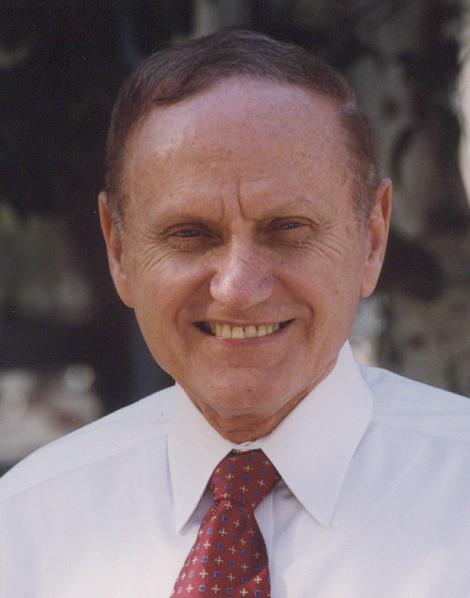 Aaron J. Shenhar合作论文数Racanati School of Business, Tel Aviv University/Rutgers University–New Brunswick18
 Ran Kornowski合作论文数Herzliya Medical Center;Department of Cardiology, School of Medicine, Sackler Faculty of Medicine, Tel Aviv University14
 Dan J Aravot合作论文数10
 Pierre Singer合作论文数Intensive Care Unit, Herzlia Médical Center, Ariel University;Hôpital Saint-Louis7
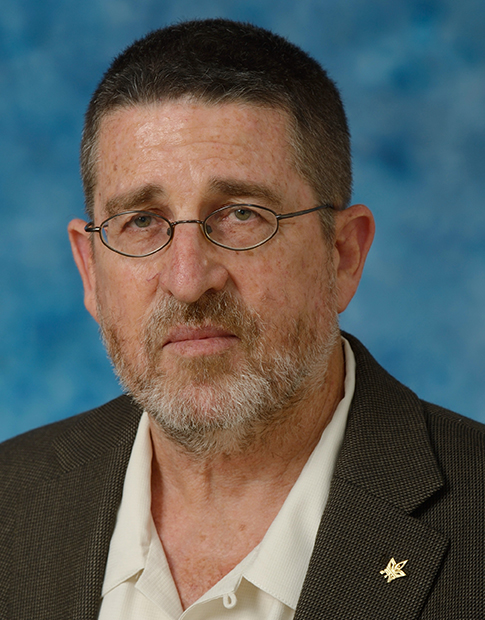 Asher Tishler合作论文数Coller School of Management, Tel Aviv University7
 Abid Assali合作论文数Cardiology Department;Rabin Medical Center;Tel-Aviv University;Rabin Medical Center, Tel-Aviv University6
 John Webb合作论文数St Paul's Hospital, University of British Columbia;Department of Medicine, Faculty of Medicine, University of British Columbia5
 Michael Glikson合作论文数5O Amir合作论文数4Alexander Battler合作论文数4
 Eli I. Lev合作论文数Cardiology Department, Rabin Medical Center4E. Gabis合作论文数4Ben Gal Tuvia合作论文数3
 Emanuel Harari合作论文数3
 David Wood合作论文数Divisions of Cardiology & Cardiovascular Surgery, Department of Medicine, Faculty of Medicine, The University of British Columbia3Jonathan Cohen合作论文数3
 Diklah Geva合作论文数3Boris Orlov合作论文数3
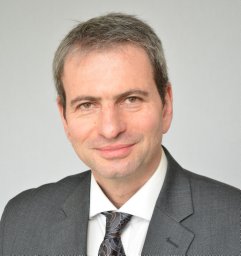 Marius Berman合作论文数Department of Cardiothoracic Surgery;Rabin Medical Center;Department of Cardiothoracic Surgery, Rabin Medical Center3
 Jonathon A. Leipsic合作论文数Department of Radiology, University of British Columbia3Stan Lipovetsky合作论文数GfK Research Center for Excellence3Nathan Peled合作论文数Lady Davis Carmel Medical Center and the Ruth and Bruce Rappaport School of Medicine, Technion-Israel Institute of Technology3E Monashkin合作论文数3
 Rami Jubeh合作论文数2N Perel合作论文数2O. Herzenstein合作论文数2I Vitkon Barkay合作论文数2Hani Karameh合作论文数2A. Weinstein合作论文数2R Waksman合作论文数2M Shapiro合作论文数2G Perlman合作论文数2
 Sandra Lauck合作论文数School of Nursing, Faculty of Applied Science, The University of British Columbia2Bjarne Linde Nørgaard合作论文数The Department of Cardiological Medicine B, Department of Clinical Medicine, Aarhus University2
 Jennifer Baumbusch合作论文数School of Nursing, Faculty of Applied Science, The University of British Columbia2
 Nicolaj Christopher Hansson合作论文数2
 Jae-Yung Kwon合作论文数2
 Gibson Jennifer A合作论文数University of British Columbia School of Nursing2
 Thomas Gaspar合作论文数2
 Vinod H. Thourani合作论文数Piedmont Healthcare2Bernardo a Vidne合作论文数2A. Kononenko合作论文数2Michael Shechter合作论文数2Alex Sagie合作论文数2
 Victor Guetta合作论文数2
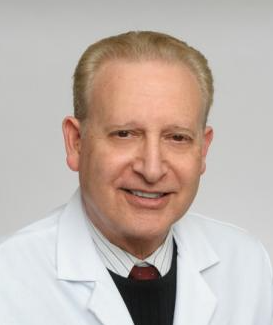 Martin Leon合作论文数Center for Interventional Vascular Therapy, Columbia University Medical Center2G. Fostick合作论文数2L. Gibstein合作论文数2Elad Grozovski合作论文数2




