Understanding the distribution and abundance of marine mammals is important for assessing population dynamics and evaluating the impacts of human activities on these species. Here, we assessed the capability of microbial and small plankton communities to predict the density of Balaenopteridae whales in the Southern California Current Ecosystem in each season from 2014 to 2020 using data from the California Cooperative Oceanic Fisheries Investigations (CalCOFI). Densities of Balaenopteridae whales were estimated from visual line transect surveys for three target species - blue (Balaenoptera musculus), fin (Balaenoptera physalus), and humpback (Megaptera novaeangliae) whales - and microbial and small plankton communities were examined in concurrent water samples via metabarcoding of the 16S and 18S rRNA genes. Planktonic communities specific to each target whale species appeared as strong statistical predictors of whale estimated density, explaining 81-99% of variability and predicting density estimates to within ~1 individual per 1000 km2. Our approach improved out-of-sample root mean square prediction error by up to 65% compared with simple alternative methods. Specific planktonic communities observed indicate that some predictor taxa may be ecologically associated with whales as parasites, as skin and respiratory microbiome species, or through the food chain of whale prey. However, further studies are needed to understand how these organisms function collectively as a community and interact with the "ecological habitat" that supports whales. Our results suggest that using planktonic communities to quantify the potential ecological habitat of larger organisms, like baleen whales, can enhance predictive models and may inform hypotheses about the ecological relationships between whales and the biological communities with which they co-occur.
Phytoplankton, the foundational organisms in ocean food webs, have been little studied in the Indonesian Throughflow region of the eastern Indian Ocean, the spawning area of Southern Bluefin Tuna. Here, we assess phytoplankton abundance, biomass, size structure, pigment composition, taxonomic diversity and percent functional mixotrophs of that region based on complementary approaches of flow cytometry, microscopy, taxon-specific pigments and rRNA gene sequencing. During summer (January-February) 2022, the region was characterized by warm (up to 30.5 degrees C), stratified, oligotrophic (nitrogen-limited) waters, with integrated euphotic zone (EZ) chlorophyll a (CHLa) of 13 mg m(-2). EZ mean CHLa was low in the upper layer (85 ng L-1) and 3.8 times higher (320 ng L-1) at the pronounced deep CHLa maximum. EZ-integrated phytoplankton carbon averaged 1229 mg C m(-2). Prochlorococcus dominated throughout the EZ, but eukaryotic carbon biomass was similar to 4-times greater in the lower than upper EZ, along with a distinct community. In the upper EZ, haptophytes, dinoflagellates and prasinophycean taxa without prasinoxanthin contributed most to monovinyl chlorophyll a (MV-CHLa). In the more diverse lower EZ, haptophytes, dinoflagellates, prasinophycean taxa with prasinoxanthin, pelagophytes, and cryptophytes were the main contributors to MV-CHLa. Diatoms were a minor part of the community. A higher percentage of the upper EZ community showed mixotrophy (35-84%) relative to the lower EZ (30-51%). Nitrogen-fixing organisms (as symbionts of diatoms and free-living cyanobacteria taxa) were ubiquitous, but low in abundance. Overall, community characteristics were similar to those at the Hawaii Ocean Time-series site and the central Gulf of Mexico.
The McMurdo Dry Valleys contain a mosaic of specialized microbial habitats structured by strong physical and chemical gradients. Blood Falls, located at the terminus of the Taylor Glacier, is a red, iron-rich outflow of deep Antarctic subglacial brine with geochemical and isotopic evidence supporting a potential ancient marine origin. Previous studies suggest the brine formed when seawater inundated the Taylor Valley over warm climatic intervals before becoming isolated beneath the advancing glacier. Here, across 167 aquatic, sediment and aeolian samples from the McMurdo Dry Valleys and marine reference sites, we identified a distinct marine micro-eukaryotic assemblage restricted to red-hued ice, mud and sediment at the Taylor Glacier terminus. Marine indicator species were identified across several phylogenetic groups including diatoms, haptophytes, dinoflagellates and ciliates. Metatranscriptomic profiles revealed transcriptionally active phototrophs with enriched pathways for photosynthesis, osmotic stress responses and cellular repair. Haplotype networks showed lineage-specific divergence between Taylor Glacier terminus and McMurdo Sound diatoms, supporting geographic isolation. These findings indicate that the subglacial brine-fed system at the Taylor Glacier terminus retains marine-derived biological signatures long after physical separation from the ocean, linking contemporary Antarctic microbial assemblages to past climatic transitions. Eukaryotic microorganisms within a subglacial brine-fed system in the McMurdo Dry Valleys of Antarctica are largely of marine origin, a legacy of past incursions of seawater into the area, according to RNA sequencing and metatranscriptomic analyses.
Global overturning circulation partitions the deep ocean into regions, each with different physicochemical characteristics, but the extent to which these water masses represent distinct ecosystems remains unknown. In this work, we integrate extensive genomic information with hydrography and water mass age to delineate microbial taxonomic and functional boundaries across the South Pacific. Prokaryotic richness steeply increases with depth in the surface ocean, which forms a so-called phylocline, below which, richness is consistently high, dipping slightly in highly aged water. Reconstructed genomes self-organize into six spatially distinct taxonomic cohorts and 10 functionally distinct biomes that are primarily structured by wind-driven circulation at the surface and density-driven circulation at depth. Overall, water physicochemistry, modulated at depth by water age, drives microbial diversity patterns and functional potential in the pelagic ocean.
Phaeocystales, comprising the genus Phaeocystis and an uncharacterized sister lineage, are nanoplanktonic haptophytes widespread in the global ocean. Several species form mucilaginous colonies and influence key biogeochemical cycles, yet their underlying diversity and ecological strategies remain underexplored. Here, we present new genomic data from 13 strains, including three high-quality reference genomes (N50 > 30 kbp), and integrate previous metagenome-assembled genomes to resolve a robust phylogeny. Divergence timing of P. antarctica aligns with Miocene cooling and Southern Ocean isolation. Genomic traits reveal metabolic flexibility, including mixotrophic nitrogen acquisition in temperate waters and gene expansions linked to polar nutrient adaptation. Concordantly, transcriptomic comparisons between temperate and polar Phaeocystis suggest Southern Ocean populations experience iron and B12 limitation. We also identify signatures of horizontal gene transfer and endogenous giant virus/virophage insertions. Together, these findings highlight Phaeocystales as an ecologically versatile and geographically widespread lineage shaped by evolutionary innovation and adaptation to contrasting environmental stressors.
The ocean acts as a carbon sink, absorbing carbon from the atmosphere and resulting in substantial uptake of anthropogenic CO 2 emissions. As biological processes in the oceans such as net primary production (NPP) contribute significantly to this sink, understanding how they will shift in response to increasing atmospheric CO 2 is necessary to project future ocean carbon storage capacity. Macronutrient and micronutrient resource limitation within the oceans regulates NPP, and while some micronutrients such as zinc (Zn) are present at very low concentrations, their ability to limit NPP has remained unclear. Zn is a key micronutrient used by phytoplankton for a multitude of metabolic functions, yet there have been few observations of its influence on natural oceanic phytoplankton populations. In this study, we observed Zn limitation of growth in the natural phytoplankton community of Terra Nova Bay, Antarctica, in addition to primary iron (Fe) limitation. Shipboard incubation experiments amended with Zn and Fe resulted in significantly higher chlorophyll a content and dissolved inorganic carbon drawdown compared to Fe addition alone. Zn and Fe stress response proteins detected in incubation and environmental biomass provided independent verification of algal co-stress for these micronutrients. We consider total biomass and low surface ocean pCO 2 as potential drivers of environmental Zn stress. This study definitively establishes that Zn limitation can occur in the modern oceans, opening up new possibility space in our understanding of nutrient regulation of NPP through geologic time, and we consider the future of oceanic Zn limitation in the face of climate change.
Mock communities are defined mixtures of cells or DNA for methods development, testing, or validation. Here, we present mock communities based on previously used 16S and 18S rRNA gene sequences from diverse marine microorganisms. Their use as controls for amplicon sequencing enables the detection of biased or aberrant runs.
Observations of phytoplankton abundances and community structure are critical towards understanding marine ecosystems. Common approaches to determine group-specific abundances include measuring phytoplankton pigments with high-performance liquid chromatography and DNA-based metabarcoding. Increasingly, mRNA abundances with metatranscriptomics are also employed. As phytoplankton pigments are used to develop and validate remote sensing algorithms, further comparisons between pigments and other metrics are needed to validate the extent to which these measurements agree for group-specific abundances; however, most previous comparisons have been hindered by metabarcoding and metatranscriptomics solely producing relative abundance data. By employing quantitative approaches that express both 18S rRNA genes (DNA) and total mRNA as concentrations, we show that these measurements are related for several eukaryotic phytoplankton groups. We further propose that integration of these can be used to examine ecological patterns more deeply. For example, productivity-diversity relationships of both the whole community and individual groups show a dinoflagellate-driven negative trend rather than the commonly found unimodal pattern. Pigments are also shown to relate to certain harmful algal bloom-forming taxa as well as the expression of sets of genes. Altogether, these results suggest that potential models of pigment concentrations via hyperspectral remote sensing may enable improved assessments of global phytoplankton community structure. These assessments may further support the detection of harmful algal blooms and the development of Earth system models.
Phytoplankton are responsible for half of the global photosynthesis and form vast blooms in aquatic ecosystems. Bloom demise fuels marine microbial life and is suggested to be mediated by programmed cell death (PCD) induced by diverse environmental stressors. Despite its importance, the molecular basis for algal PCD remains elusive. Here, we reveal novel PCD genes conserved across distant algal lineages using cell-to-cell heterogeneity in the response of the diatom Phaeodactylum tricornutum to oxidative stress. Comparative transcriptomics of sorted sensitive and resilient subpopulations following oxidative stress revealed genes directly linked to their contrasting fates of cell death and survival. Comparing these genes with those found in a large-scale mutant screen in the green alga Chlamydomonas reinhardtii identified functionally relevant conserved PCD gene candidates, including the cysteine protease cathepsin X/Z (CPX). CPX mutants in P. tricornutum CPX1 and C. reinhardtii CYSTEINE ENDOPEPTIDASE 12 (CEP12) exhibited resilience to oxidative stress and infochemicals that induce PCD, supporting a conserved function of these genes in algal PCD. Phylogenetic and predictive structural analyses show that CPX is highly conserved in eukaryotes, and algae exhibit strong structural similarity to human Cathepsin X/Z (CTSZ), a protein linked to various diseases. CPX is expressed by diverse algae across the oceans and correlates with upcoming demise events during toxic Pseudo-nitzschia blooms, providing support for its ecological significance. Elucidating PCD components in algae sheds light on the evolutionary origin of PCD in unicellular organisms and on the cellular strategies employed by the population to cope with stressful conditions.
Understanding the density of marine mammals is important for assessing population dynamics and evaluating the impacts of human activities on these species. In this work, we examine microorganisms that may be ecologically associated, whether directly or indirectly, with baleen whales – the potential “ecological habitat” – to predict baleen whale densities via statistical relationships adjusted for seasonal patterns of occurrence. We assessed the capability of microbial and small plankton communities to predict the density of Balaenopteridae whales in the Southern California Current Ecosystem in each quarterly season from 2014 to 2020 using data from the California Cooperative Oceanic Fisheries Investigations (CalCOFI). Densities were estimated from visual sightings for three target species – blue, fin, and humpback whales – and microbial and small plankton communities were examined using concurrent water samples via metabarcoding of the 16S and 18S rRNA genes. We identified microbial and small plankton communities specific to each target species that were strong predictors of estimated density. Groups of 23-60 distinct Amplicon Sequence Variants (ASVs) per baleen whale species explained 81-99% of variability in estimated whale density and predicted density estimates to within ∼1 individual per 1000 km2 . The predictive accuracy achieved by our approach, compared with naive seasonal carry-forward and seasonal averaging approaches to prediction, improves out-of-sample RMSE by up to an estimated 65%. Microbial and small plankton communities were characterized by 148 unique taxonomic annotations enumerated across marker genes. Of these, 20% were shared across all three species, 21% were shared by two species, and the remaining (59%) were unique to a single whale species, which suggests that there is some overlap in the ecological habitat among blue, humpback, and fin whales, but each species is also related to a distinct community of microbes and small plankton. We also conducted a narrative review to examine existing known relationships of baleen whales with microbes or small plankton. Of the 148 unique taxonomic annotations we found to be predictive of baleen whale densities, 23% have been referenced within the existing literature exploring microbial prey, parasites, commensals, or respiratory-associated organisms of baleen whales, with matches at the genus or family level. The rest matched at higher taxonomic levels (41%) or had no documented matches in our literature search (36%). These findings suggest that some of the microbial and small plankton community predictors may be ecologically relevant, yet further studies are needed to understand how these organisms function collectively as a community and interact with whale ecology, prey, and the surrounding environment. Our results suggest that using microbial and small plankton communities to quantify the potential ecological habitat of larger organisms, like baleen whales, can enhance predictive models and may inform hypotheses about the ecological relationships between whales and the biological communities with which they co-occur. ### Competing Interest Statement The authors have declared no competing interest.
Disturbance ecology is underdeveloped in marine pelagic ecosystems relative to terrestrial and aquatic benthic habitats, in part because, when measured relative to a fixed location, postdisturbance recovery involves the advection of entire communities in addition to biotic interactions. A Lagrangian frame-of-reference perspective alleviates this issue. Using results from the California Current Ecosystem, we highlight three approaches: in situ Lagrangian, synthetic Lagrangian, and simulated Lagrangian studies. Within a Lagrangian context, extratropical marine heatwaves and El Niños represent press disturbances or alterations to the disturbance regime. Individual upwelling events are more appropriately viewed as pulse disturbances. Upwelling disturbances stimulate rapid growth of pioneer species (diatoms), with herbivores (copepods) lagging these blooms by approximately 3 weeks. The climax community is an assemblage of small low-nutrient specialists with high Shannon diversity. We suggest that pelagic ecosystems can be ideal systems for investigating disturbance recovery because of the rapid response times of marine primary producers and herbivores.
Naked dinoflagellates are a regular component of the Antarctic phytoplankton but remain poorly studied. In December 2016, the first massive bloom (9.5 × 10⁶ cells · L-1) of small (~15 μm) naked dinoflagellates was recorded in the western Antarctic Peninsula. To identify these organisms, we performed Illumina next-generation sequencing analysis on field samples to obtain genetic information (SSU rDNA 18SV9 and 16SV4-V5). In addition, we performed polymerase chain reaction (PCR) amplification and Sanger sequencing using dinoflagellate-specific primers (LSU rDNA D1-D3 and ITS/5.8S), as well as traditional light and scanning electron microscopy observations. Phylogenetic analyses revealed that these organisms belonged to the Gymnodinium sensu stricto group and may represent an undescribed species. These analyses also indicated that the observed organisms were closely related to the species Gymnodinium dorsalisulcum, G. impudicum, Barrufeta bravensis, and B. resplendens, as well as to the genera Lepidodinium and Wangodinium. This work has provided the LSU rDNA gene sequence from an Antarctic species belonging to the Gymnodinium sensu stricto group along with a description of the observed morphology of these Antarctic blooming dinoflagellates. We compared the 18S V9 amplicon sequence variant (ASV) that dominated the bloom with global databases and observed that it is widely distributed in the Antarctic Peninsula as well as in the global ocean. This study highlights the need for further efforts to identify and describe the diversity of naked dinoflagellates in Antarctic waters.
Production of the neurotoxin domoic acid (DA) by benthic diatom Nitzschia navis-varingica poses considerable health and economic concerns. In this study, we employed whole genome sequencing and transcriptomic analyses of regionally distinct N. navis-varingica strains to unravel the genomic underpinnings of DA biosynthesis. Our analyses revealed sizable genomes—characterized by an abundance of repetitive elements and noncoding DNA—that exceed the size of any other pennate diatoms. Central to our findings is the discovery of an expanded domoic acid biosynthesis (dab) gene cluster, spanning over 60 kb and marked by a unique organization that includes core genes interspersed with additional genetic elements. Phylogenetic and syntenic comparisons indicate that transposition events may have driven the expansion and reorganization of this cluster. Biochemical assays validated that the kainoid synthase encoded by dabC catalyzes the formation of isodomoic acid B, thereby establishing a distinct chemotype in contrast to the DA profiles of planktonic diatoms. These results highlight the evolutionary trajectory of DA biosynthesis in diatoms and potential advantages conferred by genome expansion and enzyme diversification in dynamic marine environments.IMPORTANCEDomoic acid (DA) is a potent neurotoxin produced by marine micro- and macroalgae problematic to fisheries and toxic to humans and animals. Our study elucidates the molecular mechanisms underlying DA production in the widespread Western Pacific benthic diatom, Nitzschia navis-varingica. Genomic and biochemical insights add information to our understanding of the evolution of toxin production across diverse phyla and also fill a gap in the knowledge of secondary metabolism in marine diatoms. These findings provide a genetic framework for identifying toxin production and its impacts in the benthos of vulnerable, coastal ecosystems.
Southern Bluefin Tuna (SBT, Thunnus maccoyii) range broadly in rich feeding grounds of the Southern Hemisphere but spawn only in a small tropical region off northwestern Australia directly downstream of the Indonesian Throughflow. Here, we describe goals, physical context, design and major findings of an end-to-end process study conducted during the peak SBT spawning season (January-March 2022) to understand nutrient sources, productivity, pelagic food web structure and their relationships to larval SBT feeding, growth and survival. Mesoscale variability was investigated by continuous underway measurements of surface waters and station sampling along the cruise track. Biogeochemical and community relationships, process rates, and trophic interactions were determined in four multi-day Lagrangian experiments in the southern Argo Basin. The study revealed strong system balances among nitrogen fluxes, phytoplankton production, grazing processes, and export. Highly selective feeding on appendicularians allows efficient trophic transfer from picophytoplankton-dominated production to SBT larvae. Plankton productivity, phytoplankton carbon and zooplankton biomass were proportionately elevated compared to similar measurements from the Atlantic bluefin larval habitat in the Gulf of Mexico, but with less advective input from the coastal margins. Individual-based otolith and stable isotope analyses identify larvae of low trophic position, narrow diet, and narrow maternal diet as the fastest growers most likely to contribute to stock recruitment. Our study highlights the importance of system-level studies to document and understand the subtleties of how food webs of oligotrophic regions respond to climate change, which may not be predictable from the acquired knowledge of historical studies.
In the ocean, dissolved organic phosphorus (DOP) supports the health and productivity of marine phytoplankton, a phenomenon most often investigated under inorganic phosphate (Pi) scarcity. However, microbial DOP acquisition in Pi replete environments remains poorly understood. Here, we conducted a combination of nutrient addition experiments, alkaline phosphatase (AP) rate measurements, and metatranscriptomics along an onshore-to-offshore gradient in the California Current Ecosystem (CCE), an upwelling region relatively replete in Pi. We found that AP activity (APA) and eukaryotic gene transcripts for DOP utilization were present throughout the CCE. In bottle incubations, APA was upregulated in response to iron (Fe) and nitrogen (N) additions. Major contributors to these trends included atypical alkaline phosphatases (APaty) of diatoms in upwelling areas, and unclassified phosphodiesterases (other PDE) of multiple eukaryotic taxa in offshore regimes. APA and gene expression dynamics were not coupled to phytoplankton growth, suggesting that phytoplankton experience underlying P stress, or a state of cellular metabolism caused by Pi scarcity, even in regions primarily growth-limited by other elements. APaty and PDE (other) genes were highly abundant among the microbial community phosphatase pool, highlighting the importance of detecting these atypical and unclassified proteins via manual curation of metatranscriptomics data. Altogether, these results emphasize the functional diversity of phosphatases sustaining microbial community health in diverse and productive marine habitats. ### Competing Interest Statement The authors have declared no competing interest.
In the diatom Phaeodactylum tricornutum there are limited selectable markers available for genetic manipulation, which has hampered the biotechnological application of metabolic engineering in this algal species. Here, we developed a bacteriophage P1-derived Cre/loxP recombination system in P. tricornutum, enabling the excision and recycling of the selectable marker. The Sh ble cassette conferring Zeocin resistance, flanked by the loxP sites in the same orientation, could be excised upon expression of the Cre recombinase under the control of the promoter of the nitrate reductase gene, or was encoded on an episome replication vector delivered by bacterial conjugation. An intron was included in the Cre recombinase ORF to prevent self-excision in Escherichia coli. Combining this Cre/loxP system with a multigene assembly method enabled iterative pathway engineering of P. tricornutum to enhance eicosapentaenoic acid (EPA) biosynthesis. The average level of EPA in total fatty acids increased from 25% in wild-type to 31% in the sextuple transgenic lines. Further photoautotrophic cultivations demonstrated the maximal EPA productivity of 3 mg l-1 d-1. The Cre/loxP system will be a highly efficient tool to obtain marker-free transgenic algal strains, and should be applicable to engineering of diatoms with complex metabolic pathways to produce valuable metabolites.
The relative prevalence of endemic and cosmopolitan biogeographic ranges in marine microbes, and the factors that shape these patterns, are not well known. Using prokaryotic and eukaryotic amplicon sequence data spanning 445 near-surface samples in the Southern California Current region from 2014 to 2020, we quantified the proportion of taxa exhibiting endemic, cosmopolitan, and generalist distributions in this region. Using in-situ data on temperature, salinity, and nitrogen, we categorized oceanic habitats that were internally consistent but whose location varied over time. In this context, we defined cosmopolitan taxa as those that appeared in all regional habitats and endemics as taxa that only appeared in one habitat. Generalists were defined as taxa occupying more than one but not all habitats. We also quantified each taxon's habitat affinity, defined as habitats where taxa were significantly more abundant than expected. Approximately 20% of taxa exhibited endemic ranges, while around 30% exhibited cosmopolitan ranges. Most microbial taxa (50.3%) were generalists. Many of these taxa had no habitat affinity (> 70%) and were relatively rare. Our results for this region show that, like terrestrial systems and for metazoans, cosmopolitan and endemic biogeographies are common, but with the addition of a large number of taxa that are rare and randomly distributed.
Recent global marine lipidomic analysis reveals a strong relationship between ocean temperature and phytoplanktonic abundance of omega-3 long-chain polyunsaturated fatty acids, especially eicosapentaenoic acid (EPA) and docosahexaenoic acid (DHA), which are essential for human nutrition and primarily sourced from phytoplankton in marine food webs. In phytoplanktonic organisms, EPA may play a major role in regulating the phase transition temperature of membranes, while the function of DHA remains unexplored. In the oleaginous diatom Phaeodactylum tricornutum, DHA is distributed mainly on extraplastidial phospholipids, which is very different from the EPA enriched in thylakoid lipids. Here, clustered regularly interspaced short palindromic repeats/CRISPR-associated protein 9-mediated knockout of delta-5 elongase (ptELO5a), which encodes a delta-5 elongase (ELO5) catalyzing the elongation of EPA to synthesize DHA, led to a substantial interruption of DHA synthesis in P. tricornutum. The ptELO5a mutants showed some alterations in transcriptome and glycerolipidomes, including membrane lipids and triacylglycerols under normal temperature (22 °C), and were more sensitive to elevated temperature (28 °C) than wild type. We conclude that PtELO5a-mediated synthesis of small amounts of DHA has indispensable functions in regulating membrane lipids, indirectly contributing to storage lipid accumulation, and maintaining thermomorphogenesis in P. tricornutum. This study also highlights the significance of DHA synthesis and lipid composition for environmental adaptation of P. tricornutum.
The micronutrient iron is essential for phytoplankton growth due to its central role in a wide variety of key metabolic processes including photosynthesis and nitrate assimilation. As a result of scarce bioavailable iron in seawater, marine primary productivity is often iron-limited with future iron supplies remaining uncertain. Although evolutionary constraints resulted in high cellular iron requirements, phytoplankton evolved diverse mechanisms that enable uptake of multiple forms of iron, storage of iron over short and long timescales, and modulation of their iron requirement under stress. Genomics continues to increase our understanding of iron-related proteins that are homologous to those characterized in other model organisms, while recently, molecular and cell biology have been revealing unique genes and processes with connections to iron acquisition or use. Moreover, there are an increasing number of examples showing the interplay between iron uptake and extracellular processes such as boundary layer chemistry and microbial interactions.
 Chris L Dupont合作论文数J Craig Venter Inst44
 John P McCrow合作论文数35
 Chris Bowler合作论文数CNRS;Institut de Biologie de l'Ecole Normale Superieure29
 Ariel Rabines合作论文数24
 Mak A. Saito合作论文数Marine Chemistry and Geochemistry Department;Woods Hole Oceanographic Institution;Marine Chemistry and Geochemistry Department, Woods Hole Oceanographic Institution21
 Erin M. Bertrand合作论文数Department of Chemistry and Program in Environmental Studies, Bates College19
 James F. Gillooly (Jamie Gillooly)合作论文数Gillooly Lab, Department of Biology, University of Florida18
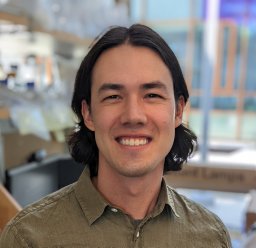 Robert H Lampe合作论文数Univ North Carolina Chapel Hill, Dept Marine Sci, CB 3300, Chapel Hill, NC 27599 USA17Zheng Hong合作论文数16Dawn M. Moran合作论文数14
 Oborník Miroslav合作论文数Ctr Biol, Acad Sci Czech Republ14
 James H. Brown合作论文数Department of Biology, The University of New Mexico14Allen Lisa Zeigler合作论文数Microbial and Environmental Genomics, J. Craig Venter Institute13
 McQuaid Jeffrey B合作论文数Microbial & Environm Genom, J Craig Venter Inst13
 Moosburner Mark合作论文数13
 Jonathan H. Badger合作论文数Bioinformatics Research Group, University of Waterloo13
 Matt Mcilvin合作论文数Marine Chem & Geochem Dept, Woods Hole Oceanog Inst13
 Sarah R. Smith合作论文数Scripps Institution of Oceanography, and12
 Füssy Zoltán合作论文数11
 Micaela Schnitzler Parker合作论文数11
 Florian Maumus合作论文数Biologie Moléculaire des Organismes Photosynthétiques, Ecole Normale Supérieure11
 Assaf Vardi合作论文数Institute of Marine and Coastal Sciences, Rutgers University11
 Ahmed Moustafa合作论文数10
 Alexandra Z. Worden合作论文数Monterey Bay Aquarium Research Institute;Ocean EcoSystems Biology, GEOMAR Helmholtz Centre for Ocean Research Kiel10
 Diner Rachel E合作论文数Integrat Oceanog Div, Univ Calif San Diego10
 E. Virginia Armbrust合作论文数School of Oceanography, University of Washington10
 David Hutchins合作论文数Department of Biological Sciences, College of Letters, Arts and Sciences, University of Southern California10John K Brunson合作论文数Univ Calif San Diego, Scripps Inst Oceanog, J Craig Venter Inst, Ctr Marine Biotechnol & Biomed, West Coast Campus, La Jolla, CA 92093 USA9
 Igor Grigoriev合作论文数Joint Genome Institute, Lawrence Berkeley National Laboratory9
 Sipler Rachel E合作论文数9
 J. Craig Venter合作论文数J. Craig Venter Institute9
 Kamel Jabbari合作论文数Laboratoire de Génétique Moléculaire, Institut Jacques Monod9
 Vincent A Bielinski合作论文数Synthetic Biology and Bioenergy Group, J. Craig Venter Institute8Jenna L. Spackeen合作论文数Coll William & Mary, Virginia Inst Marine Sci8
 Thomas Mock合作论文数Univ E Anglia, Sch Environm Sci, Norwich NR4 7TJ, Norfolk, England8
 Ales Horak合作论文数8
 Geoffrey West合作论文数James Martin School, Oxford University;Santa Fe Institute;Department of Mathematics, Imperial College London8
 Jeremy Schmutz合作论文数HudsonAlpha Institute for Biotechnology;Department of Energy, Joint Genome Institute8Angela Falciatore合作论文数Laboratory of Ecology and Evolution of Plankton, Stazione Zoologica Anton Dohrn8
 Peter Von Dassow合作论文数Departamento de Ecología, Facultad de Ciencias Biológicas, Pontificia Universidad Católica de Chile8
 Tyler Coale合作论文数7
 Katherine Barbeau合作论文数Scripps Institution of Oceanography, University of California, San Diego7
 Drishti Kaul合作论文数Microbial and Environmental Genomics Group, J. Craig Venter Institute7
 Brian Enquist合作论文数Department of Ecology and Evolutionary Biology, College of Science, University of Arizona;The Santa Fe Institute;Oxford University;Rocky Mountain Biological Laboratory7
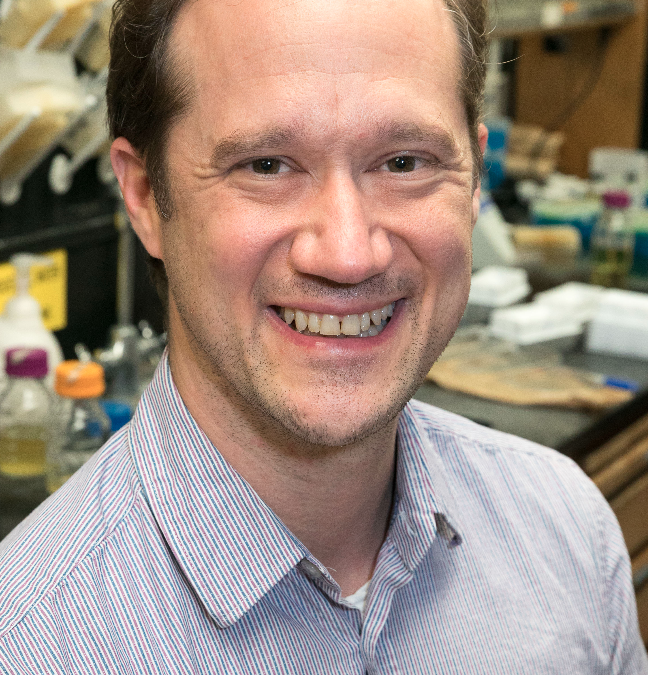 Van M. Savage合作论文数Department of Ecology and Evolutionary Biology, UCLA;Department of Biomathematics, David Geffen School of Medicine, UCLA7
 Beverley Green合作论文数Department of Botany, Faculty of Science, The University of British Columbia7
 Marc Heijde合作论文数Ecole Normale Supérieure, Centre National de la Recherche Scientifique7
 Anton Montsant合作论文数Jacob Blaustein Institute for Desert Research, Ben-Gurion University of the Negev7
 Uma Maheswari合作论文数Dept of Biology;Ecole Normale Supérieure;Dept of Biology, Ecole Normale Supérieure7




