BackgroundUnderstanding stakeholders’ perception of cure in prostate cancer (PC) is essential to preparing for effective communication about emerging treatments with curative intent. This study used artificial intelligence (AI) for landscape review and linguistic analysis of definition, context and value of cure among stakeholders in PC.Materials and methodsSubject-matter experts (SMEs) selected cure-related key words using Elicit, a semantic literature search engine, and extracted hits containing the key words from Medline, Sermo and Overton, representing academic researchers, health care providers (HCPs) and policymakers, respectively. NetBase Quid, a social media analytics and natural language processing tool, was used to carry out key word searches in social media (representing the general public). NetBase Quid analysed linguistics of key word-specific hit sets for key word count, geolocation and sentiments. SMEs qualitatively summarised key word-specific insights. Contextual terms frequently occurring with key words were identified and quantified.ResultsSMEs identified seven key words applicable to PC (number of acquired hits) across four platforms: Cure (12429), Survivor (6063), Remission (1904), Survivorship (1179), Curative intent (432), No evidence of disease (381) and Complete remission (83). Most commonly used key words were Cure by the general public and HCPs (11815 and 224 hits), Survivorship by academic researchers and Survivor by policymakers (378 hits each). All stakeholders discussed Cure and cure-related key words primarily in early-stage PC and associated them with positive sentiments. All stakeholders defined cure differently but communicated about it in relation to disease measurements (e.g. prostate-specific antigen) or surgery. Stakeholders preferred different terms when discussing cure in PC: Cure (academic researchers), Cure rates (HCPs), Potential cure and Survivor/Survivorship (policymakers) and Cure and Survivor (general public).ConclusionThis human-led, AI-assisted large-scale qualitative language-based research revealed that cure was commonly discussed by academic researchers, HCPs, policymakers and the general public, especially in early-stage PC. Stakeholders defined and contextualised cure in their communications differently and associated it with positive value.
90 Background: Guideline-recommended treatment for de novo metastatic prostate cancer (mPCa) includes hormone therapy (HT) and androgen receptor axis-targeted (ARAT) therapy with or without chemotherapy. While retrospective data have implicated the potential survival benefit of treating the primary tumor with radical prostatectomy, prospective clinical trials have demonstrated a benefit of definitive local radiotherapy in the context of low-volume mPCa. Given this emerging data, we sought to assess population-based treatment trends in the utilization of local therapy (LT) for mPCa and the association between the receipt of contemporary LT and overall survival in patients with mPCa. Methods: Using the National Cancer Database from 2004 to 2020, we identified men aged 18-90+ who were diagnosed with de-novo mPCa. To mitigate potential confounding, propensity score matching (PSM) was employed to balance patient characteristics between the two groups, including metastatic volume. High-volume mPCa was defined as the presence of any visceral metastases or bone metastases with at least 1 distant invasion. Cox proportional hazard models with clustering were utilized to estimate hazard ratios (HRs) for the risk of all-cause mortality to account for the inherent correlation created by PSM. Results: Among 30,713 patients, 2,569 (8.36%) received both LT and systemic therapy, while 26,038 (84.78%) received systemic therapy alone. Of these, 5,453 (19.06%) had high-volume PCa, and 23,154 (80.94%) had low-volume PCa. No upward trend in LT utilization was observed from 2004 to 2020, with fluctuations in rates observed over time. After PSM, LT was associated with lower all-cause mortality risk (HR=0.87, 95% CI: 0.81-0.93, p<0.001). In patients without chemotherapy intensification, LT was correlated with an 18% lower all-cause mortality risk (HR=0.82, 95% CI: 0.26-0.70, p<0.001), specifically, radical prostatectomy with a 72% lower risk (HR=0.28, 95% CI: 0.20-0.38, p<0.001). For patients receiving chemotherapy intensification, definitive radiotherapy was related to an 18% increased all-cause mortality risk (HR=1.18, 95% CI: 1.01-1.39, p=0.04), while radical prostatectomy showed a 54% decreased risk (HR=0.46, 95% CI: 0.29-0.74, p=0.001). Conclusions: We did not observe an increasing population-based utilization of LT. This contemporary analysis showed that LT was associated with a 13% reduction in the risk of all-cause mortality. Importantly, this observation was also seen in patients receiving systemic therapy intensification with chemotherapy. The retrospective nature of this data, as well as residual confounding despite PSM (including metastatic volume), remain important limitations in this study. Ongoing Phase 3 trials (S1802) will be critical for informing future widespread uptake of LT in mPCa.
Effect of ENZA on GR in EVs in LNCaP tumors in vivo. Schema and treatment planning for in vivo experiment with subcutaneously injected LNCAP cells in NOD SCID mice. A, Tumor volume VEHICLE, ENZA-S and ENZA-R groups after 14–21 days of treatment (ENZA-S vs. VEHICLE, *, P = 0.0160). B, qRT-PCR for GR 14 days vs. BL: VEHICLE group (n = 18), ENZA-S group (n = 22; **, P = 0.0083) and ENZA-R group (n = 20; ***, P = 0.0009). C, Final tumor growth analysis of VEHICLE group (n = 18) and ENZA-S group (n = 22; ENZA-S vs. vehicle, **, P = 0.0017) and ENZA-R group (n = 10) vs. ENZA-S (**, P = 0.0088). D, Comparison of qRT-PCR results of GR between BL and ENZA-R and ENZA-S at end of the experiment (ENZA-R, END vs. BL, ****, P < 0.0001; ENZA-S, END vs. BL, ***, P = 0.0004). E, Comparison of tumor volume between ENZA-S and ENZA late resistance mice (ENZA-R LATE) in ENZA-S mice. (*, P = 0.0212).
Whole-genome copy number analysis of 37 MDA PCa PDXs derived from 28 human donor PCas
The randomized, double-blind, phase 3 MAGNITUDE study evaluated NIRA+AAP vs placebo and AAP (PBO+AAP) as 1st line therapy for mCRPC that was HRR+ based on targeted next-generation sequencing of tumor tissue and/or plasma-based assays.1 Here we aimed to assess treatment efficacy by assay. Tumor tissue and/or plasma was collected from mCRPC patients (pts) who consented to the pre-screening protocol and tested using local tissue assays or centrally using the Foundation Medicine FoundationOne®CDx (F1CDX®) tissue assay or Agilent-Resolution Bioscience Resolution HRD™ Plasma assay. Pts HRR+ (BRCA1, BRCA2, FANCA, PALB2, CHEK2, BRIP1, HDAC2, ATM, CDK12) were randomized 1:1 to receive NIRA+AAP or PBO+AAP (NCT03748641). Primary (radiographic progression-free survival, rPFS) and secondary end-points (time to cytotoxic chemotherapy, TCC; time to symptomatic progression, TSP; and overall survival, OS) are reported for interim analysis 2 for each subgroup (events [NIRA+AAP/PBO+AAP], Hazard ratio and 95% CI). Overall, 423 pts were HRR+ with 225 BRCA+. Pts, 159 (96), were HRR+ (BRCA+) with both assays, the remaining pts were positive with either tissue/plasma (Table). Pts, 124 (62) HRR+ (BRCA+), were tissue positive but plasma negative, and 38 (17) HRR+ (BRCA+) pts were positive with plasma, but tissue negative. Hazard ratios for end-points, except OS, had p<0.05 for pts BRCA positive by either assay, with similar results for HRR+ pts. Table: 1806PPopulation, n (NIRA+APP / PBO+APP)rPFSTCCTSPOSBRCA+Overall 113/11257/78 0.55 (0.39-0.78)28/44 0.56 (0.35-0.90)31/51 0.54 (0.35-0.85)43/49 0.88 (0.58-1.34)Plasma 71/790.63 (0.42-0.96)0.49 (0.28-0.87)0.51 (0.30-0.89)0.88 (0.53-1.46)Tissue 76/860.51 (0.33-0.77)0.44 (0.24-0.82)0.50 (0.28-0.89)0.83 (0.49-1.40)All HRROverall 212/211124/140 0.76 (0.60-0.97)57/77 0.67 (0.47-0.94)54/83 0.60 (0.42, 0.84)90/89 1.01 (0.75-1.36)Plasma 129/1480.77 (0.57-1.04)0.60 (0.39-0.92)0.58 (0.38-0.88)1.04 (0.73-1.49)Tissue 144/1470.80 (0.59-1.08)0.62 (0.40-0.96)0.56 (0.36-0.86)0.97 (0.67-1.42) Open table in a new tab Clinically meaningful benefit from NIRA+AAP are similar for BRCA+ pts detected by either tissue or plasma-based assays. Positivity by either test is sufficient to guide treatment decisions. 1. Efstathiou E, et al. J Clin Oncol. 2023;41(suppl 6):170.
Supplemental Figure 1 (fig. S1). Representative whole body NaF-18 PET scan images after 44 days of (A) vehicle-treated and (B) cabozantinib-treated animals. Supplemental Figure 2 (fig. S2). Effect of cabozantinib on PDX tumor growth, animal weight, and survival. Supplemental Figure 3 (fig. S3). Representative images of viable islets of tumor cells in (A) Patients; (B) MDA PCa-118b grown intrafemurally; and (C) MDA PCa- 118b grown subcutaneously. Supplemental Figure 4 (fig. S4). Time-dependent effect of cabozantinib on expression and phosphorylation of primary and MET downstream targets. Supplemental Figure 5 (fig. S5). Relative expression of c-met mRNA in NT and knockdown cells as determined by qRT-PCR. Supplemental Figure 6 (fig. S6). MET expression and activity in NT and knockdown tumors. Supplemental Figure 7 (fig. S7): Quantitation of CD31 staining on bone tumors. Supplemental Figure 8 (fig. S8). Effects of cabozantinib on bone remodeling markers in the phase-2 clinical trial and growth and differentiation of primary osteoblasts. Supplemental Figure S9 (fig S9). Effect of cabozantinib on bone turnover in the Phase 2 trial and PDX grown intrafemurally. Supplemental Figure 10 (fig. S10). Quantitation of phospho-histone H3 staining.
Background: Patients with metastatic castration-resistant prostate cancer (mCRPC) and BRCA alterations have poor outcomes. MAGNITUDE found patients with homologous recombination repair gene alterations (HRR+), particularly BRCA1/2, benefit from first-line therapy with niraparib plus abiraterone acetate and prednisone (AAP). Here we report longer follow-up from the second prespecified interim analysis (IA2).Patients and methods: Patients with mCRPC were prospectively identified as HRR+ with/without BRCA1/2 alterations and randomized 1:1 to niraparib (200 mg orally) plus AAP (1000 mg/10 mg orally) or placebo plus AAP. At IA2, secondaryendpoints [time to symptomatic progression, time to initiation of cytotoxic chemotherapy, overall survival (OS)] were assessed.Results: Overall, 212 HRR+ patients received niraparib plus AAP (BRCA1/2 subgroup, n = 113). At IA2 with 24.8 months of median follow-up in the BRCA1/2 subgroup, niraparib plus AAP significantly prolonged radiographic progression-free survival {rPFS; blinded independent central review; median rPFS 19.5 versus 10.9 months; hazard ratio (HR) = 0.55 [95% confidence interval (CI) 0.39-0.78]; nominal P = 0.0007} consistent with the first prespecified interim analysis. rPFS was also prolonged in the total HRR+ population [HR = 0.76 (95% CI 0.60-0.97); nominal P = 0.0280; median follow-up 26.8 months]. Improvements in time to symptomatic progression and time to initiation of cytotoxic chemotherapy were observed with niraparib plus AAP. In the BRCA1/2 subgroup, the analysis of OS with niraparib plus AAP demonstrated an HR of 0.88 (95% CI 0.58-1.34; nominal P = 0.5505); the prespecified inverse probability censoring weighting analysis of OS, accounting for imbalances in subsequent use of poly adenosine diphosphate-ribose polymerase inhibitors and other life-prolonging therapies, demonstrated an HR of 0.54 (95% CI 0.33-0.90; nominal P = 0.0181). No new safety signals were observed.Conclusions: MAGNITUDE, enrolling the largest BRCA1/2 cohort in first-line mCRPC to date, demonstrated improved rPFS and other clinically relevant outcomes with niraparib plus AAP in patients with BRCA1/2-altered mCRPC, emphasizing the importance of identifying this molecular subset of patients.
In the phase 3 MAGNITUDE study (NCT03748641), NIRA + AAP significantly improved radiographic progression-free survival in BRCA-mutant (BRCA+) pts. Here we present the FA of MAGNITUDE, a phase 3 study with the largest population of 1L BRCA+ mCRPC pts, reporting mature overall survival (OS) data and prespecified multivariate analysis (MVA) for OS, addressing baseline imbalances. Eligible pts (N = 423) with HRR+ mCRPC were randomized 1:1 to NIRA + AAP (n = 212) or placebo (PBO) + AAP (n = 211) as 1L therapy. At this FA, secondary endpoints of OS and time to cytotoxic chemotherapy (TCC) were formally assessed. Updates to time to symptomatic progression (TSP) and patient-reported outcomes (PROs) in BRCA+ pts and to safety for all HRR+ pts are also reported. At FA, 225 BRCA+ pts were evaluated; 113 pts received NIRA + AAP. Median follow-up was 35.9 months. In the NIRA + AAP and PBO + AAP arms, 70% and 86% of pts received subsequent life-prolonging therapy. OS favored NIRA + AAP over PBO + AAP (Table). A prespecified MVA adjusting for baseline imbalances showed an OS benefit favoring NIRA + AAP. Continued improvement in TSP and a clinically meaningful improvement in TCC were observed with NIRA + AAP. Time to worst pain progression and time to pain interference progression also favored NIRA + AAP. No new safety signals were observed with additional treatment exposure. Pulmonary embolism occurred in 4.7% and 1.4% of pts in NIRA + AAP and PBO + AAP arms, with no cases of myelodysplastic syndrome or acute myeloid leukemia in the NIRA + AAP arm.Table: LBA85Endpoints at FA in pts withBRCA+ mCRPC, NIRA + AAP vs PBO + AAPHR95% CINominal POS0.790.55-1.120.18OS with MVA0.660.46-0.950.02TSP0.560.37-0.850.01TCC0.600.39-0.920.02Time to worst pain progression0.810.52-1.25Time to pain interference progression0.770.48-1.23 Open table in a new tab OS favored NIRA + AAP for pts with BRCA+ mCRPC. NIRA + AAP led to improvements in TSP, TCC, and PROs. The positive benefit-risk profile supports 1L NIRA + AAP as a new standard of care for pts with BRCA+ mCRPC.
PDF file - 1.1MB, A, Chromosomal regions commonly amplified (red) and deleted (blue) in the SCPC/LCNEC (left panel) and adenocarcinoma (AdCa, right panel) xenografts. B, AR, cyclin D1, and RB1 promoter methylation of the AR-positive LNCaP prostate cancer cell line, the AR-negative PC-3 and DU145 prostate cancer cell lines, and the SCPC/LCNEC MDA PCa 144-4, 144-13, 146-10, and 155-2 xenografts. SCPC, small-cell prostate carcinoma; LCNEC, large-cell neuroendocrine carcinoma; AR, androgen receptor; RB, retinoblastoma.
Effect of GR inhibitor in combination with ENZA on ENZA-resistant tumors. Schema and treatment planning for in vivo experiment with LNCaP cells subcutaneous injected in NOD SCID mice; ENZA-R group was treated with COMBO (enzalutamide± mifepristone) between 21 and 28 days. A, Longitudinal analysis of ENZA-R (14 days vs. BL, *, P = 0.0246; end vs. BL, **, P = 0.0045; 14 days vs. end, **, P = 0.0078) and COMBO (Enzalutamide± Mifepristone; 14 days vs. BL, **, P = 0.0096; end vs. BL, *, P = 0.0385) from BL to 14 days until the end of the experiment (56 days) in LNCaP in vivo experiment. B, Final tumor growth analysis in LNCaP in vivo experiment (COMBO vs. VEHICLE, **, P = 0.0029). C, Comparison of GR expression for ENZA-R and COMBO mice in LNCaP in vivo experiment (ENZA-R vs. BL, ****, P ≤0.0001; COMBO vs. ENZA-R, **, P = 0.0077; COMBO, *, P = 0.0103). D, IHC images and quantification of GR expression between ENZA-S, ENZA-R, and COMBO groups, in MDA PCa 322-2-6a in vivo experiment. (ENZA-R vs. ENZA-S, *, P = 0.0456; quantification with ImageJ software). E, qRT-PCR results of GR for ENZA-S and ENZA-R and COMBO in plasma-derived EVs (ENZA-R vs. ENZA-S, ****, P ≤0.0001; COMBO vs. ENZA-R, ***, P = 0.0003) and tumors tissues in MDA PCa 322-2-6a in vivo experiment (ENZA-R vs. ENZA-S, **, P = 0.0045; COMBO vs. ENZA-R, *, P = 0.0277; COMBO vs. ENZA-S, *, P = 0.0196).
Importance:Despite evidence demonstrating an overall survival benefit with up-front hormone therapy in addition to established synergy between hormone therapy and radiation, the addition of metastasis-directed therapy (MDT) to hormone therapy for oligometastatic prostate cancer, to date, has not been evaluated in a randomized clinical trial.Objective:To determine in men with oligometastatic prostate cancer whether the addition of MDT to intermittent hormone therapy improves oncologic outcomes and preserves time with eugonadal testosterone compared with intermittent hormone therapy alone.Design, Setting, Participants:The External Beam Radiation to Eliminate Nominal Metastatic Disease (EXTEND) trial is a phase 2, basket randomized clinical trial for multiple solid tumors testing the addition of MDT to standard-of-care systemic therapy. Men aged 18 years or older with oligometastatic prostate cancer who had 5 or fewer metastases and were treated with hormone therapy for 2 or more months were enrolled to the prostate intermittent hormone therapy basket at multicenter tertiary cancer centers from September 2018 to November 2020. The cutoff date for the primary analysis was January 7, 2022.Interventions:Patients were randomized 1:1 to MDT, consisting of definitive radiation therapy to all sites of disease and intermittent hormone therapy (combined therapy arm; n = 43) or to hormone therapy only (n = 44). A planned break in hormone therapy occurred 6 months after enrollment, after which hormone therapy was withheld until progression.Main Outcomes and Measures:The primary end point was disease progression, defined as death or radiographic, clinical, or biochemical progression. A key predefined secondary end point was eugonadal progression-free survival (PFS), defined as the time from achieving a eugonadal testosterone level (≥150 ng/dL; to convert to nanomoles per liter, multiply by 0.0347) until progression. Exploratory measures included quality of life and systemic immune evaluation using flow cytometry and T-cell receptor sequencing.Results:The study included 87 men (median age, 67 years [IQR, 63-72 years]). Median follow-up was 22.0 months (range, 11.6-39.2 months). Progression-free survival was improved in the combined therapy arm (median not reached) compared with the hormone therapy only arm (median, 15.8 months; 95% CI, 13.6-21.2 months) (hazard ratio, 0.25; 95% CI, 0.12-0.55; P < .001). Eugonadal PFS was also improved with MDT (median not reached) compared with the hormone therapy only (6.1 months; 95% CI, 3.7 months to not estimable) (hazard ratio, 0.32; 95% CI, 0.11-0.91; P = .03). Flow cytometry and T-cell receptor sequencing demonstrated increased markers of T-cell activation, proliferation, and clonal expansion limited to the combined therapy arm.Conclusions and Relevance:In this randomized clinical trial, PFS and eugonadal PFS were significantly improved with combination treatment compared with hormone treatment only in men with oligometastatic prostate cancer. Combination of MDT with intermittent hormone therapy may allow for excellent disease control while facilitating prolonged eugonadal testosterone intervals.Trial Registration:ClinicalTrials.gov Identifier: NCT03599765.
PDF file - 180K, A, Growth rate of MDA PCA 144-13, 146-10, 155-2, 170-4 and 180-30 xenografts. Note that the MDA PCA 144-13 xenograft line displays a large amount of necrosis. B. Diagram illustrates unsupervised hierarchal clustering using complete linkage and Pearson's correlation coefficient analysis of the raw expression profiles of androgen receptor-positive adenocarcinoma (MDA PCA 130, 117-9, 79) and androgen receptor-negative SCPC/LCNEC (MDA PCA 146-10, 155-2, 155-12, 144-13, 144-4) xenografts obtained with Affymetrix HGU133Plus2 array. In red are samples assessed on 1 day and in blue, those assessed on a different day. B, diagram illustrates Gene Ontology analysis results showing enrichment in biologic-process subtrees related to mitosis among the differently expressed genes. The biological processes that reached statistical significance are highlighted in red. SCPC, small-cell prostate carcinoma; LCNEC, large-cell neuroendocrine carcinoma.
135 Background: In pre-operative studies, a short duration of AA + LHRHa produced marked cytoreduction in a subset of men with high-risk prostate cancer (PCa). However, in M0HNPC, androgen signaling inhibition (ASI) is reserved for men with short PSA doubling time. We reasoned that the subset of men who experience cytoreduction with pre-operative AA + LHRHa would also benefit from a short duration of AA + LHRHa at PSA recurrence. This report is a one-year follow-up of our second analysis (ASCO Annual Meeting 2018; PMID 34536949). Methods: FINITE is a phase II trial that randomized (1:1) to two treatment groups, 8 months of LHRHa alone or LHRHa plus AA 1000 mg and prednisone 5 mg daily (NCT01786265). Eligible patients had a rising PSA after definitive therapy and no prior systemic therapy. At disease progression, men were eligible for crossover to 8 months of the alternative therapy. The primary endpoint was PSA-free survival at 12 months (≤ 0.1 ng/dL). Time to PSA progression was calculated from date of initial treatment to date of PSA progression, defined as first occurrence of a rising PSA, if PSA remained detectable after treatment, or when the PSA ≥ 1 ng/dL, if it was undetectable after treatment and confirmed 4 weeks thereafter. The probabilities of PSA progression were defined using the Kaplan-Meier method. Results: 199 men were randomized, and 197 received initial treatment (LHRHa = 99, LHRHa + AA = 98). Median age at enrollment was 65 years, median PSA was 0.95 ng/dL (range 0.1 – 33.3), and median testosterone was 342.5 ng/dL (10-986). At data cut-off (October 1, 2021), men who received LHRHa + AA were more likely to be PSA-free 12 months after completing treatment (34% vs. 19%, p = 0.02). 168 men (85%) had experienced PSA progression, and median time to PSA progression was 24.3 months for entire cohort. Receipt of LHRHa + AA was associated with longer time to PSA progression than LHRHa alone (27.2 vs. 19.9 months, p = 0.003). Conclusions: Our findings support that finite treatment with AA + LHRHa produces more durable disease-free survival than LHRHa. The finite duration of AA + LHRHa is a toxicity-sparing approach that may allow for a transition from a treatment to curative paradigm for a subset of men with M0HNPC. Further analyses will aim to link the subset of men who benefit from finite AA + LHRHa between localized high-risk PCa and M0HNPC. Clinical trial information: NCT01786265.
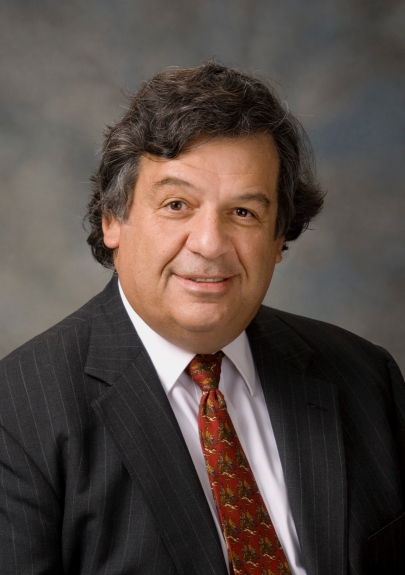 Christopher J. Logothetis合作论文数Department of Genitourinary Medical Oncology, Division of Cancer Medicine, The University of Texas MD Anderson Cancer Center;Department of The David H. Koch Center for Applied Research of Genitourinary Cancers, The University of Texas MD Anderson Cancer Center35
 Meletios A. Dimopoulos合作论文数Department of Clinical Therapeutics, School of Medicine, National and Kapodistrian University of Athens28
 Ana Aparicio合作论文数Department of Genitourinary Medical Oncology, Division of Cancer Medicine, The University of Texas MD Anderson Cancer Center21
 Aristotelis Bamias合作论文数Hygeia Hospital;Medical School, University of Athens15
 Christos Papadimitriou合作论文数Medical School, National and Kapodistrian University of Athens14
 Nora Navone合作论文数The University of Texas MD Anderson Cancer Center12
 A. Hoang合作论文数11
 Efstathios Kastritis合作论文数Department of Clinical Therapeutics, National and Kapodistrian University of Athens11Patricia Troncoso合作论文数11
 Karim Fizazi合作论文数Institut Gustave Roussy;Department of Oncology, University of Paris-Saclay11
 John C. Araujo合作论文数Department of Genitourinary Medical Oncology, Division of Cancer Medicine, The University of Texas MD Anderson Cancer Center11
 Cora N. Sternberg合作论文数Englander Institute for Precision Medicine, Weill Cornell Medicine;Weill Cornell Medical College, Cornell University;NewYork-Presbyterian Hospital10Wan Xinhai合作论文数10
 S. Wen合作论文数University of Texas;Cancer Center;U.;Cancer Center, University of Texas10
 Tomasz M. (Tom) Beer合作论文数Exact Sciences10
 Eric Small合作论文数Department of Urology, University of California, San Francisco;Division of Hematology and Oncology, Department of Medicine, University of California, San Francisco9
 Gert Attard合作论文数Department of Oncology, Cancer Institute, University College London9
 Arul M. Chinnaiyan合作论文数Rogel Cancer Center, Department of Pathology and Clinical Laboratories, University of Michigan;Michigan Center for Translational Pathology, University of Michigan;Howard Hughes Medical Institute9Vassiliki Tzelepi合作论文数Department of Anatomy and Histology-Embryology, University of Patras9G Hamilos合作论文数8D Gika合作论文数8Gerasimos Aravantinos合作论文数Agioi Anargyroi Cancer Hospital Athens Greece8
 Jesus David Gutierrez Olmos合作论文数Instituto de Investigación Hospital 12 de Octubre8
 Sankar Maity合作论文数The University of Texas M.D. Anderson Cancer Center8Peter D.A. Shepherd合作论文数7KN Chi合作论文数7George Bozas合作论文数Castle Hill Hosp, Hull Univ Teaching Hosp NHS Trust7
 Johann de Bono合作论文数Division of Clinical Studies, Institute of Cancer Research7Hoang Anh合作论文数7
 Fred Saad合作论文数Urology Department, University Hospital of Montreal;Department of Surgery, Université de Montréal7
 Xuemei Wang合作论文数Department of Biostatistics, Division of Quantitative Sciences, The University of Texas MD Anderson Cancer Center7
 Maha H.A. Hussain合作论文数Feinberg School of Medicine, Northwestern University7Dimosthenis Skarlos合作论文数7Paul G. Corn合作论文数7
 Tombal Bertrand合作论文数Pôle de Chirurgie Expérimentale et Transplantation, Institut de Recherche Expérimentale et Clinique, Université Catholique de Louvain;Faculty of Medicine and Dentistry, Université Catholique de Louvain;Department of Surgery, Cliniques universitaires Saint-Luc;Division Of Urology, Cliniques universitaires Saint-Luc6
 Aurelius Omlin合作论文数Onkozentrum Zürich6
 Neal Shore合作论文数Carolina Urologic Research Center, Atlantic Urology Clinics6
 Shahneen Sandhu合作论文数Melanoma Unit, Peter MacCallum Cancer Centre;Uro-Oncology Unit, Peter MacCallum Cancer Centre6
 Gillessen Sommer Silke合作论文数Ente Ospedaliero Cantonale6
 Nallasivam Palanisamy合作论文数Henry Ford Health System;Saveetha Dental College and Hospital;Michigan State University6
 Dana E. Rathkopf合作论文数Sidney Kimmel Center for Prostate and Urologic Cancers, Memorial Sloan Kettering Cancer Center6Vikas Kundra合作论文数6Murali K. Ravoori合作论文数6Hi Scher合作论文数5
 Estefania Labanca合作论文数MD Anderson Cancer Center, The University of Texas5
 Scott Arthur Tomlins合作论文数Department of Urology, Medical School, University of Michigan;Pathology Department, Medical School, University of Michigan5
 Celestia Higano合作论文数Department of Urologic Sciences, Faculty of Medicine, The University of British Columbia;Vancouver Prostate Centre5
 Manyam Ganiraju合作论文数MD Anderson Cancer Center, The University of Texas5




