Objective: The aim of this study was to assess the impact of having a living donor on waitlist outcomes and overall survival through an intention-to-treat analysis. Background: Living-donor liver transplantation (LDLT) offers an alternative to deceased donation in the face of organ shortage. An as-treated analysis revealed that undergoing LDLT, compared with staying on the waiting list, is associated with improved survival, even at Model for End-stage Liver Disease-sodium (MELD-Na) score of 11. Methods: Liver transplant candidates listed at the Ajmera Transplant Centre (2000-2021) were categorized as pLDLT (having a potential living donor) or pDDLT (without a living donor). Employing Cox proportional-hazard regression with time-dependent covariates, we evaluated pLDLT's impact on waitlist dropout and overall survival through a risk-adjusted analysis. Results: Of 4124 candidates, 984 (24%) had potential living donors. The pLDLT group experienced significantly lower overall waitlist dropouts (5.2% vs 34.4%, P <0.001) and mortality (3.8% vs 24.4%, P <0.001) compared with the pDDLT group. Possessing a living donor correlated with a 26% decline in the risk of waitlist dropout (adjusted hazard ratio=0.74, 95% CI: 0.55-0.99, P =0.042). The pLDLT group also demonstrated superior survival outcomes at 1 year (84.9% vs 80.1%), 5 years (77.6% vs 61.7%), and 10 years (65.6% vs 52.9%) from listing (log-rank P <0.001) with a 35% reduced risk of death (adjusted hazard ratio=0.65, 95% CI: 0.56-0.76, P <0.001). Moreover, the predicted hazard ratios consistently remained <1 across the MELD-Na range of 11 to 26. Conclusions: Having a potential living donor significantly improves survival in end-stage liver disease patients, even with MELD-Na scores as low as 11. This emphasizes the need to promote awareness and adoption of LDLT in liver transplant programs worldwide.
Introduction: Liver transplantation (LT) is vital for patients with end-stage cirrhosis, but survival is compromised by recurrent graft cirrhosis in 25% of recipients due to de novo or recurrent disease. This study aims to understand the trajectory, predisposing factors, and complications of graft cirrhosis to improve management in this patient population.Methods: We retrospectively reviewed 454 LT recipients diagnosed with graft cirrhosis from January 1, 1985, to December 31, 2019. We collected demographic, clinical, laboratory, imaging, endoscopic, and histological data. Statistical analysis was done with univariate and multivariate analyses.Results: Graft cirrhosis was frequently due to recurrent primary disease, with hepatitis C (49.2%) and graft rejection (9.6%) being primary contributors. Signs of decompensation, including primarily ascites, were seen in 12% of patients, with an 18% mortality rate at first decompensation. MELD-Na >15 was found in 62% of patients, driven by creatinine levels. Of note, 42% experienced portal hypertensive complications before deterioration in their synthetic function. Predictors of mortality included lower serum sodium, elevated aspartate transaminase, and older donor age. Only two patients developed de novo hepatocellular carcinoma (HCC). The Baveno VII criteria for varices needing treatment showed high sensitivity (100%) with moderate specificity (46.7%).Conclusions: Portal hypertensive complications often precede synthetic dysfunction in graft cirrhosis patients. Clinicians should screen for portal hypertensive complications, de novo HCC, and biochemical decompensation following graft cirrhosis. Early intervention can improve outcomes and prolong survival in LT recipients with graft cirrhosis.
Long-term success after liver transplantation (LT) is often hindered by side effects from lifelong immunosuppression (IS). Standard liver enzyme tests are poor indicators of graft inflammation or fibrosis. To address this, a program of surveillance liver biopsy (svLbx)-guided personalized IS has been implemented to inform decisions on IS minimization. This study, spanning from 2018 to 2024, extends previous short-term observations to assess the long-term impact of biopsy-guided Calcineurin Inhibitor (CNI) reduction in LT recipients, including follow-up biopsies. Patients' IS was adjusted based on svLbx findings, donor-specific antibodies, liver function, and comorbidities. Analyzing 242 LT recipients, the study compared outcomes in those whose CNI dosage was reduced (n=89) versus those whose dosage was maintained or increased (n=83). CNI reduction proved safe, with no increase in rejection, graft loss or death. Crucially, it significantly preserved kidney function (ΔeGFR: +0.5 vs. -6.5 mL/min) over a median follow-up of 47 months, even when controlling for baseline kidney function, CNI score, graft injury and time post-LT. Sequential biopsies revealed no worsening of fibrosis or inflammation, and non-invasive measures corroborated these findings. In conclusion, svLbx-guided CNI reduction safely maintains kidney function and prevents graft injury late after LT, making it a viable strategy for long-term IS minimization.
BACKGROUND & AIMS:The distinction of drug-induced liver injury (DILI), drug-induced autoimmune-like hepatitis (DI-ALH), and autoimmune hepatitis (AIH) can be challenging due to overlapping clinical characteristics. Recently, polyreactive immunoglobulin G (pIgG) was identified as a novel biomarker in AIH. This retrospective study aimed to evaluate the diagnostic accuracy of pIgG to distinguish between AIH, DI-ALH, and DILI and thus identify patients in need of immunosuppression. METHODS:Samples from 120 patients (AIH = 81, DI-ALH = 16, DILI = 23) were compared to a control group (non-AIH-non-DILI-liver disease = 596 and healthy controls = 190). RESULTS:No patient in the DILI-group but 98% in the AIH- and 94% in the DI-ALH-group received immunosuppressive treatment. PIgG levels were significantly higher in the AIH-group 1.9 normalised arbitrary units (nAU) compared to DILI (1.1 nAU, p < 0.001), non-AIH-non-DILI-LD (1.0 nAU, p < 0.001) and healthy controls (0.27 nAU, p < 0.001). PIgG levels for DI-ALH (1.7nAU) were significantly higher compared to DILI (p = 0.044) and non-AIH-non-DILI-LD and healthy controls (both p < 0.001). Highest AUC was seen for pIgG (0.818) compared to conventional autoantibodies. The overall accuracy of pIgG to distinguish AIH from DILI (74%) and liver injuries with and without the need for immunosuppression (73%) was like that of ANA (71%/73%) and SMA (74%/69%) at cut-offs of ≥ 1/40. PIgG was positive in up to 79% of patients with AIH that were negative for a conventional autoantibody and was positive in 90% of DI-ALH cases compared to 25% in DILI that were caused by the same drugs. CONCLUSIONS:PIgG may complement current serologic tests to identify patients with liver injury in need of immunosuppressive treatment.
Therapies for chronic and end-organ diseases are often associated with systemic toxicity, and such conditions result in difficulty treating patients. RNA nanomedicine has demonstrated unprecedented advantages in the field of therapeutics through its selective organ targeting, personalized treatment option and safety. In this paper, we extensively discuss the current state of nanotechnology in regenerative medicine and how this unique combination of RNA nanomedicine and regenerative medicine can be leveraged for a successful end-organ and chronic disease therapy. More specifically, we have put forward strategies to specifically deliver RNA nanomedicine to target organs/tissues in chronic disease patients, design considerations for regenerative medicine RNA therapy versus RNA vaccines, and barriers to clinical translation. We further discuss the call to action short- and long-term goals in the field of regenerative RNA nanomedicine that could change the face of regenerative medicine in the coming years.
Simultaneous pancreas-kidney (SPK) transplantation is the gold standard for patients with diabetes mellitus and end-stage renal disease, but many are ineligible due to surgical risk. Simultaneous islet-kidney (SIK) transplantation offers a less invasive alternative by combining kidney transplantation with islet infusion. We report our initial North American experience with SIK. Between July 2022 and April 2025, 13 patients with type 1 diabetes mellitus and end-stage renal disease underwent SIK after being declined for SPK, primarily due to peripheral vascular disease. Follow-up ranged from 4 to 33 months. Patient and kidney graft survival were 100%. Kidney function remained stable with a mean estimated glomerular filtration rate of 73.2 ± 25.1 mL/min/1.73 m2 at last follow-up. Six months after the last infusion, C-peptide was detectable in 12 of 13 patients, and 8 of 13 achieved BETA-2 scores >15. Based on Igls criteria, 61% demonstrated optimal or good β-cell function at 6 months. Eight patients (61.5%) achieved insulin independence. Among the remaining patients, 90% maintained hemoglobin A1c <7% with a 75% reduction in insulin requirements. No severe hypoglycemic episodes occurred. Surgical complications were limited to 3 cases of postinfusion bleeding. This series highlights SIK as a feasible option for SPK-ineligible patients, emphasizing durable metabolic benefit rather than insulin independence alone.
BACKGROUND & AIMS:Addressing many clinical questions, such as estimating survival differences between living donor (LDLT) and deceased donor liver transplantation (DDLT), relies on observational studies, as randomized-controlled trials (RCTs) are often unfeasible. Thus, we developed decision path similarity matching (DPSM) - a novel machine learning (ML)-based algorithm that simulates RCT-like conditions to mitigate confounding in observational data. METHODS:We conducted a retrospective study of adult (≥18-years-old) LT candidates between 2002-2023 using the Scientific Registry of Transplant Recipients database. A random forest classifier was trained to predict transplant type from clinicodemographic characteristics. After hyperparameter tuning, decision paths were extracted for individual patients and tree-averaged Hamming distances (dh) were computed for every LDLT-DDLT decision path pair. One-to-one matching was performed by minimizing the total dh across all patient pairs. Random survival forest models were then trained on the matched cohorts to predict post-transplant survival. RESULTS:Of 72,581 LT recipients, 93.8% underwent DDLT and 6.2% underwent LDLT. After matching LDLT with DDLT recipients, DPSM successfully reduced confounding associations as shown by a decrease in AUROCpost-match from 0.82 to 0.51. Random survival forest models outperformed traditional Cox regression in both groups (C-indexldlt 0.67 vs. 0.57; C-indexddlt 0.74 vs. 0.65). The predicted 10-year mean survival gain for LDLT over DDLT was 10.3% (SD = 5.7%). In particular, the survival benefit from LDLT was greatest for primary sclerosing cholangitis (12.4% ± 5.3%) and HCV (12.1% ± 4.7%) compared to other etiologies. CONCLUSIONS:DPSM offers a novel ML-based method for simulating RCT-like conditions in observational data, enabling personalized survival prediction while minimizing confounding. This approach equips clinicians with a new tool to more confidently evaluate treatment effects. IMPACT AND IMPLICATIONS:Living donor liver transplantation (LDLT) has emerged as an effective strategy to expand the donor pool, though data from randomized-controlled trials (RCTs) are lacking due to ethical and practical barriers. We developed a novel machine learning-based algorithm termed decision path similarity matching (DPSM), which more effectively reduces bias in observational data by creating cohorts that better approximate those in RCTs. Using DPSM, LDLT was associated with a predicted 10-year mean survival gain of 10.3% (SD = 5.7%) over deceased donor liver transplantation. LDLT was also shown to be particularly beneficial for certain etiologies, i.e. HCV and PSC. DPSM provides clinicians with a powerful tool that transforms real-world observational data into an RCT-like framework, making it an invaluable method in situations where true randomization is not feasible.
Adoptive transfer of antigen-specific regulatory T cells (Tregs) is a promising strategy to combat immunopathologies in transplantation and autoimmune diseases. However, their low frequency in peripheral blood poses challenges for both manufacturing and clinical application. Chimeric antigen receptors (CARs) have been used to redirect the specificity of Tregs, employing retroviral vectors. However, retroviral gene transfer is costly, time consuming, and raises safety issues. Here, we explored non-viral CRISPR-Cas12a gene editing to redirect Tregs, using HLA-A2-specific constructs for proof-of-concept studies in transplantation models. Knock-in of an antigen-binding domain into the N terminus of CD3 epsilon (CD3ε) gene generates Tregs expressing a chimeric CD3ε-T cell receptor fusion construct (TRuC) protein which integrates into the endogenous TCR/CD3 complex. These CD3ε-TRuC Tregs exhibit potent antigen-dependent activation while maintaining responsiveness to TCR/CD3 stimulation. This enables preferential enrichment of TRuC-redirected Tregs over CD3ε KO Tregs via repetitive CD3/CD28-stimulation in a GMP-compatible expansion system. CD3ε-TRuC Tregs retained their phenotypic, epigenetic, and functional identity. In a humanized mouse model, HLA-A2-specific CD3ε-TRuC Tregs demonstrate superior protection of allogeneic HLA-A2+ skin grafts from rejection compared to polyclonal Tregs. This approach provides a pathway for developing clinical-grade CD3ε-TRuC-based Treg cell products for transplantation immunotherapy and other immunopathologies.
The maintenance of stable allograft status in the absence of immunosuppression (IS), known as operational tolerance, can be achieved in a small proportion of liver transplant recipients, but we lack reliable tools to predict its spontaneous development. We conducted a prospective, multicenter, biomarker-strategy design, IS withdrawal clinical trial to determine the utility of a predictive biomarker of operational tolerance. The biomarker test, originally identified in a patient cohort with high operational tolerance prevalence, consisted of a 5-gene transcriptional signature measured in liver tissue collected before initiating IS weaning. One hundred sixteen adult stable liver transplant recipients were randomized 1:1 to either arm A (IS withdrawal regardless of biomarker status) or arm B (IS withdrawal in biomarker-positive recipients). Immunosuppression withdrawal was initiated in 82 participants, rejection occurred in 54 (67.5%), and successful discontinuation of IS was achieved in 22 (27.5%), but only 13 (16.3%) met operational tolerance histologic criteria (10 in arm A; 3 in arm B). The biomarker test did not yield useful information in selecting patients able to successfully discontinue IS. Operational tolerance was associated with time posttransplant, recipient age, presence of circulating exhausted CD8 & thorn; T cells, and a reduced number of immune synapses within the graft.
BACKGROUND & AIMS:The role of antibody-mediated rejection (AMR) after liver transplantation (LT) remains controversial. Chronic AMR (cAMR) is often subclinical and may be missed without surveillance biopsies (svLbx). Transcriptome analyses have previously characterized molecular changes in T cell-mediated rejection (TCMR) after solid organ transplantation. We aimed to identify molecular signatures of cAMR after LT. METHODS:Indication and surveillance biopsies from two prospective institutional biorepositories were screened. We performed bulk RNA sequencing on liver biopsies (discovery cohort: n = 71; Hannover validation cohort: n = 58; Barcelona validation cohort: n = 29). Downstream analyses explored the molecular features of cAMR, clinical TCMR, and subclinical TCMR, compared to no histological rejection. RESULTS:Nineteen percent of LT recipients with donor-specific antibodies had cAMR in the training cohort. Of these patients, 57% had normal/near normal liver enzymes, with cAMR detected only by svLbx. cAMR was associated with subsequent cirrhosis in 40-50% of cases and exhibited differentially expressed genes (DEGs) uniquely enriched in pathways related to fibrogenesis, complement activation, and TNFα signaling. In contrast, clinical TCMR was not associated with recurrent cirrhosis and showed DEGs enriched in antigen presentation, interferon signaling, and T cell receptor signaling. Subclinical TCMR was molecularly almost indistinguishable from no histological rejection. DEG profiles showed a high degree of concordance between the discovery and validation cohorts. CONCLUSIONS:We report a distinct transcriptomic profile of cAMR after LT, characterized by inflammatory and fibrogenic pathways, consistent with findings in other solid organ transplant settings. This molecular identity is associated with a high risk of liver graft failure. IMPACT AND IMPLICATIONS:Chronic antibody-mediated rejection (AMR) is a recognized relevant cause of graft injury and unfavorable patient outcomes after kidney, heart and lung transplantation, but the role of chronic AMR after liver transplantation (LT) is controversial. Therefore, we aimed to characterize rejection phenotypes after LT on a molecular basis, as done in other solid organ transplant settings, to identify unique features of chronic AMR. Our findings identify chronic AMR as a molecularly distinct clinical phenotype of rejection after LT, often presenting with normal liver enzymes (validated in three independent cohorts) and associated with a recurrent cirrhosis rate of 40-50%. Our work supports the use of surveillance graft biopsies for the detection of a fibrosis-associated phenotype of chronic AMR. The molecular signature may be used in the future by researchers and clinicians to discriminate chronic AMR from graft injury of other causes.
Background:Liver transplantation is essential for many people with primary sclerosing cholangitis (PSC). People with PSC are less likely to receive a deceased donor liver transplant compared with other causes of chronic liver disease. This disparity may stem from the inaccuracy of the model for end-stage liver disease (MELD) in predicting waitlist mortality or dropout for PSC. The broad applicability of MELD across many causes comes at the expense of accuracy in prediction for certain causes that involve unique comorbidities. We aimed to develop a model that could more accurately predict dynamic changes in waitlist outcomes among patients with PSC while including complex clinical variables. Methods:We developed 3 machine learning architectures using data from 4666 patients with PSC in the Scientific Registry of Transplant Recipients (SRTR) and tested our models on our institutional data set of 144 patients at the University Health Network (UHN). We evaluated their time-dependent concordance index (C-index) for mortality prediction and compared it against MELD-sodium and MELD 3.0. Results:Random survival forest (RSF), a decision tree-based survival model, outperformed MELD-sodium and MELD 3.0 in both the SRTR and the UHN test data set using the same bloodwork variables and readily available demographic data. It achieved a C-index of 0.868 (SD 0.020) and 0.771 (SD 0.085) on the SRTR and UHN test data, respectively. Training a separate RSF model using the UHN data with PSC-specific achieved a C-index of 0.91. In addition to high MELD score, increased white blood cells, time on the waiting list, platelet count, presence of Autoimmune hepatitis-PSC overlap, aspartate aminotransferase, female sex, age, history of stricture dilation, and extremes of body weight were the top-ranked features predictive of the outcomes. Conclusions:Our RSF model offers more accurate waitlist outcome prediction in PSC. The significant performance improvement with the inclusion of PSC-specific variables highlights the importance of disease-specific variables for predicting trajectories of clinically distinct presentations.
Many clinical questions in medicine cannot be answered through randomized controlled trials (RCTs) due to ethical or feasibility constraints. In such cases, observational data is often the only available resource for evaluating treatment effects. To address this challenge, we have developed Decision Path Similarity Matching (DPSM), a novel machine learning (ML)-based algorithm that simulates RCT-like conditions to debias observational data. In this study, we apply DPSM to the clinical question of living donor liver transplantation (LDLT) versus deceased donor liver transplantation (DDLT), helping to identify which patients benefit most from LDLT. DPSM leverages decision paths from a Random Forest classifier to perform accurate, one-to-one matching between LDLT and DDLT recipients, minimizing confounding while retaining interpretability. Using data from the Scientific Registry of Transplant Recipients (SRTR), including 4,473 LDLT and 68,108 DDLT patients transplanted between 2002 and 2023, we trained independent Random Survival Forest (RSF) models on the matched cohorts to predict post-transplant survival. DPSM successfully reduced confounding associations between the two groups as shown by a decrease in area under the receiver operating characteristic (AUROC) from 0.82 to 0.51. Subsequently, RSF (C-index LDLT=0.67, C-index DDLT=0.74) outperformed the traditional Cox model (C-index LDLT=0.57, C-index DDLT=0.65). The predicted 10-year mean survival gain was 10.3% (SD = 5.7%). In conclusion, DPSM provides an effective approach for creating RCT-like comparability from observational data, enabling personalized survival predictions. By leveraging real-world data where RCTs are impractical, this method offers clinicians a tool for transitioning from population-level evidence to more nuanced, personalization. ### Competing Interest Statement The authors have declared no competing interest. ### Funding Statement This study did not receive any funding ### Author Declarations I confirm all relevant ethical guidelines have been followed, and any necessary IRB and/or ethics committee approvals have been obtained. Yes The details of the IRB/oversight body that provided approval or exemption for the research described are given below: This study was approved by the Research Ethics Board at the University Health Network. I confirm that all necessary patient/participant consent has been obtained and the appropriate institutional forms have been archived, and that any patient/participant/sample identifiers included were not known to anyone (e.g., hospital staff, patients or participants themselves) outside the research group so cannot be used to identify individuals. Yes I understand that all clinical trials and any other prospective interventional studies must be registered with an ICMJE-approved registry, such as ClinicalTrials.gov. I confirm that any such study reported in the manuscript has been registered and the trial registration ID is provided (note: if posting a prospective study registered retrospectively, please provide a statement in the trial ID field explaining why the study was not registered in advance). Yes I have followed all appropriate research reporting guidelines, such as any relevant EQUATOR Network research reporting checklist(s) and other pertinent material, if applicable. Yes All data produced in the present study are publicly available through the Scientific Registry of Transplant Recipients (SRTR) and available upon reasonable request to the authors. The source code for this work is available on GitHub. [https://github.com/Anivader/LDLT\_survival\_benefit\_ML\_tool][1] [1]: https://github.com/Anivader/LDLT_survival_benefit_ML_tool
Liver transplant recipients (LTRs) are at risk of graft injury, leading to cirrhosis and reduced survival. Liver biopsy, the diagnostic gold standard, is invasive and risky. We developed a hybrid multi-class neural network (NN) model, 'GraftIQ,' integrating clinician expertise for non-invasive graft pathology diagnosis. Biopsies from LTRs (1992-2020) were classified into six categories using demographic, clinical, and lab data from 30 days pre-biopsy. The dataset (5217 biopsies) was split 70/30 for training/testing, with external validation at Mayo Clinic, Hannover Medical School, and NUHS Singapore. Bayesian fusion was used to combine clinician-derived probabilities with NN predictions, improving performance. Here we show that GraftIQ (MulticlassNN+clinical insight) achieved an AUC of 0.902 (95% CI:0.884-0.919), up from 0.885 with NN alone. Internal and external validation demonstrated 10-16% higher AUC than conventional ML models. GraftIQ demonstrates high accuracy in identifying graft etiologies and offers a valuable clinical decision support tool for LTRs.
INTRODUCTION:Drug-induced liver injury (DILI) is a rare but potentially serious clinical condition. One phenotype of DILI is termed drug-induced autoimmune like hepatitis (DI-ALH) that presents with laboratory and histological features indistinguishable from autoimmune hepatitis. Liver kidney microsomal antibodies (LKM-antibodies) are common in the diagnosis of AIH but were also described to be associated with halothane-induced DILI. Also, the antigens of anti-LKM-1 and anti-LKM-2 belong to the cytochrome P450 enzyme family that is involved in the metabolism of various drugs. Therefore, we aimed to study the impact of LKM-antibodies in the diagnostic work-up of suspected DILI in a large cohort of patients with liver injury in a tertiary care centre. METHODS:We screened a large single centre hospital database and retrospectively identified 63,300 cases with liver injury as defined: AST or ALT >3 upper limit of normal (ULN) or AP or TBI >2 ULN. Of those, 82 cases with LKM immunofluorescence positivity (titre ≥1: 160) were identified, of which 64 patients fulfilled the inclusion criteria for this study. RESULTS:Positive LKM immunofluorescence was associated with drug-induced autoimmune-like hepatitis (DI-ALH). Metamizole association was identified in half of the patients (n = 33, 52%). Eight patients with metamizole associated DI-ALHs required liver transplantation and 1 patient died. CONCLUSION:DI-ALH, especially after metamizole administration, can be a reason for a positivity in LKM immunofluorescence tests. Metamizole DI-ALH has a high liver-related mortality.
Background. Alcohol-associated liver disease (ALD) is the leading indication for liver transplantation (LT) in the Western world. Although 6 mo of abstinence is no longer a criterion for patients with ALD, the outcomes of living donor LT (LDLT) versus deceased donor LT (DDLT) are not well established. Methodss. We performed an intention-to-treat analysis to evaluate the impact of listing and pursuing primary LDLT (pLDLT) compared with primary DDLT (pDDLT). The primary endpoint was overall survival from date of listing, evaluated using Cox regression (hazard ratios). Results. Two hundred thirty-three patients with ALD were listed for LT, of which 27 (12%) were pLDLT. The overall median model for end-stage liver disease (MELD) score at listing was 20 and Na-MELD 24, a median abstinence of 4.5 mo, and 128 (55%) underwent transplantation. There was no statistically significant adjusted difference at 3-y overall survival between pLDLT versus pDDLT (adjusted hazard ratio [HR] 0.72; P = 0.550) and in the as-treated analysis (HR 1.22; P = 0.741). No patients were delisted in the pLDLT group, whereas 86 (42%) patients were delisted in the pDDLT group; primarily because of death (46 [50%]) and medical improvement (24 [28%]). Alcohol use since the time of listing was documented in 29 (13%) patients; immortal time bias adjusted analysis found no significant difference between pLDLT and pDDLT (adjusted HR 1.07; P = 0.900) and the as-treated analysis (HR 2.95; P = 0.130). Conclusions. Patients with ALD benefit from intention pLDLT with lower rates of waitlist dropout and delisting, attributable to mortality or medical deterioration, and should be encouraged to pursue this option.
 Taubert Richard合作论文数118
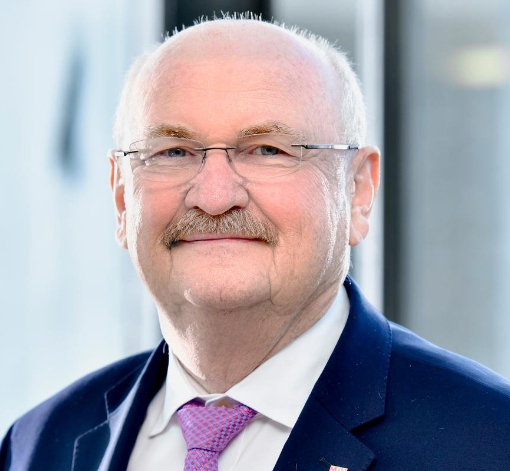 Michael Manns合作论文数Medizinischen Hochschule Hannover94
 Matthias Hardtke-Wolenski合作论文数84
 Heiner Wedemeyer合作论文数Department of Gastroenterology, Hepatology, Infectious Diseases and Endocrinology, Hannover Medical School83Fatih Noyan合作论文数40
 Bastian Engel合作论文数35
 Mamatha Bhat合作论文数Banting & Best Diabetes Centre, Temerty Faculty of Medicine, University of Toronto;Toronto General Hospital Research Institute, University Health Network31
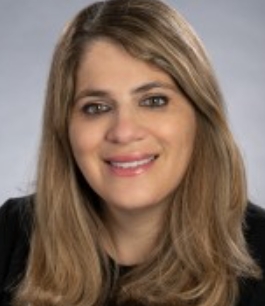 Nazia Selzner合作论文数Institute of Medical Science, Temerty Faculty of Medicine, University of Toronto;International Liver Transplant Society;Toronto General Hospital;Toronto General Research Institute27Bjorn Hartleben合作论文数26
 Christine S. Falk合作论文数Institute of Transplant Immunology, Hannover Medical School, Medizinische Hochschule Hannover25
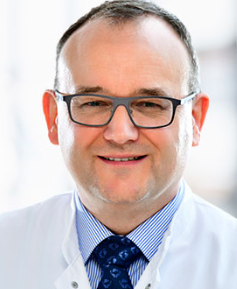 Markus Cornberg合作论文数Dept. of Gastroenterology, Hepatology and Endocrinology, Medizinische Hochschule Hannover;Klinik für Gastroenterologie, Hepatologie, Infektiologie und Endokrinologie, Medizinische Hochschule Hannover22Jerome Schlue合作论文数21f noyan合作论文数19
 Robert Geffers合作论文数Research Group Genome Analytics, Helmholtz Centre for Infection Research;Braunschweig Integrated Centre of Systems Biology18Janine Dywicki合作论文数17
 Harald Von Boehmer合作论文数Institute for Immunology, Ludwig Maximilian University of Munich17
 Anand Ghanekar合作论文数Toronto General Hospital Research Institute, University Health Network16Tsien Cynthia合作论文数16Mark Cattral合作论文数Institute of Medical Science, Temerty Faculty of Medicine, University of Toronto16
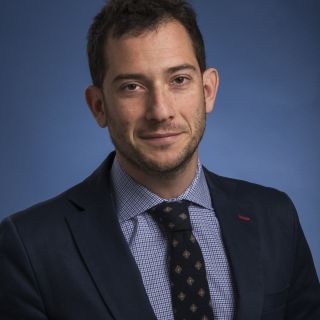 Gonzalo Sapisochin Cantis合作论文数Department of Surgery, Temerty Faculty of Medicine, University of Toronto15
 Frank Lehner合作论文数15
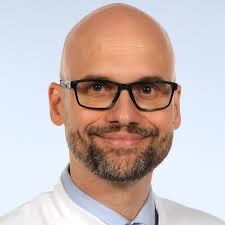 Danny Jonigk合作论文数Institute of Pathology, RWTH Aachen University;German Center for Lung Research;Institut für Pathologie, Medizinische Hochschule Hannover15
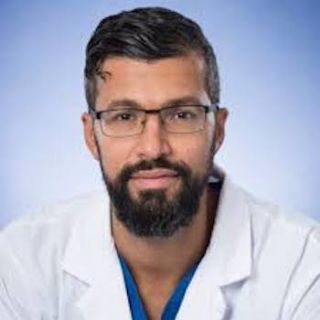 Blayne Sayed合作论文数Department of Surgery, Temerty Faculty of Medicine, University of Toronto14
 Markus Selzner合作论文数Division of General Surgery, Department of Surgery, Temerty Faculty of Medicine, University of Toronto;Toronto General Hospital Research Institute, University Health Network14
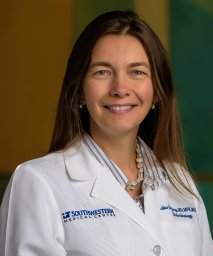 Lingvay Ildiko合作论文数Division of Endocrinology, University of Texas Southwestern Medical Center14Christian Trautwein合作论文数14Lilly Leslie B合作论文数14
 Christian P. Strassburg合作论文数Medizinische Klinik und Poliklinik I - Allgemeine Innere Medizin, Zentrum für Innere Medizin, Universitätsklinikum Bonn14
 Ian McGilvray合作论文数Department of Surgery, Temerty Faculty of Medicine, University of Toronto;China Medical University First Hospital;Toronto Institute of Transplantation;Toronto General Hospital Research Institute;University Health Network;Mount Sinai Hospital14
 Alberto Sanchez Fueyo合作论文数School of Immunology & Microbial Sciences, Faculty of Life Sciences & Medicine, King’s College London13Heike Bantel合作论文数13
 Chaya Shwaartz合作论文数12
 Trevor W Reichman合作论文数12
 Christoph Schramm合作论文数12
 Florian Wolfgang Rudolf Vondran合作论文数Department for General Visceral and Transplant Surgery, RWTH Aachen University;Clinic for General, Abdominal and Transplant Surgery, Hannover Medical School12
 Laura Elisa Buitrago-Molina合作论文数12Gerlinde Teuber合作论文数12Katharina Luise Hupa-Breier合作论文数11Stoll Sabine合作论文数11
 Michael Hust合作论文数Institut für Biochemie und Biotechnologie, Technische Universität Braunschweig11Theresa Kirchner合作论文数10Zhihao Li合作论文数10
 Alejandro Campos Murguia合作论文数10
 Simon Pape合作论文数10Lohse Ansgar W合作论文数10Jurgen Klempnauer合作论文数10Hans L. Tillmann合作论文数10
 Kalliopi Zachou合作论文数Faculty of Medicine, University of Thessaly10




