Liver transplantation (LT) is the treatment of choice for end-stage autoimmune liver diseases. However, the underlying disease may recur in the graft in some 20% of cases. The aim of this study is to determine whether LT using living donor grafts from first-degree relatives results in higher rates of recurrence than grafts from more distant/unrelated donors. Two hundred sixty-three patients, who underwent a first LT in the Toronto liver transplant program between January 2000 and March 2015 for autoimmune liver diseases, and had at least 6 months of post-LT follow-up, were included in this study. Of these, 72 (27%) received a graft from a first-degree living-related donor, 56 (21%) from a distant/unrelated living donor, and 135 (51%) from a deceased donor for primary sclerosing cholangitis (PSC) (n = 138, 52%), primary biliary cholangitis (PBC) (n = 69, 26%), autoimmune hepatitis (AIH) (n = 44, 17%), and overlap syndromes (n = 12, 5%). Recurrence occurred in 52 (20%) patients. Recurrence rates for each autoimmune liver disease were not significantly different after first-degree living-related, living-unrelated, or deceased-donor LT. Similarly, time to recurrence, recurrence-related graft failure, graft survival, and patient survival were not significantly different between groups. In conclusion, first-degree living-related donor LT for PSC, PBC, or AIH is not associated with an increased risk of disease recurrence.
Background This study evaluates the efficacy, safety, and tolerability of regimens containing sofosbuvir (SOF) in the treatment of hepatitis C virus (HCV) recurrence in all genotypes in patients outside of clinical trials in all Canadian transplant centers. Methods One hundred twenty liver transplantation recipients from across Canada with HCV recurrence were started on SOF-based regimens (SOF + simeprevir ± ribavirin (RBV), n = 53; SOF + pegylated interferon + RBV, n = 25; SOF + RBV, n = 36; and SOF + ledipasvir, n = 6) between January and November 2014. Mean age 58 ± 6.85 years, majority (83%) were genotype 1, male (81%), and treatment experienced (82%). Twenty-seven percent had fibrosing cholestatic hepatitis/early aggressive HCV in the graft, and 48% had F3/4 fibrosis. The primary outcomes included patient and graft survival, on- and end-of-treatment response and sustained virological response at 12 weeks after treatment end (SVR12), and adverse events. Results One hundred thirteen of 120 (94%) patients were HCV RNA undetectable at end of treatment, and SVR12 was achieved in 102/120 (85%) patients, with 7 relapses, 1 nonresponder, and 10 deaths (liver-related complications). Sixty-three percent had HCV RNA levels below the lower limit of quantification at week 4. Serum creatinine levels remained stable throughout the treatment. Severe anemia occurred in 13% of patients, primarily in RBV-based regimens. Conclusions Sofosbuvir-based antiviral therapy for HCV recurrence after liver transplantation was well tolerated, with an overall high SVR12 rate (85%) including patients with severe disease recurrence and F3-4 cirrhosis. The response rate was higher (91%) in mild HCV recurrence, suggesting earlier treatment might be beneficial.
We report the outcome of live donor liver transplantation (LDLT) for patients suffering from acute liver failure (ALF). From 2006 to 2013, all patients with ALF who received a LDLT (n = 7) at our institution were compared to all ALF patients receiving a deceased donor liver transplantation (DDLT = 26). Groups were comparable regarding pretransplant ICU stay (DDLT: 1 [0-7] vs. LDLT: 1 days [0-10]; p = 0.38), mechanical ventilation support (DDLT: 69% vs. LDLT: 57%; p = 0.66), inotropic drug requirement (DDLT: 27% vs. LDLT: 43%; p = 0.64) and dialysis (DDLT: 2 vs. LDLT: 0 patients; p = 1). Median evaluation time for live donors was 24 h (18-72 h). LDLT versus DDLT had similar incidence of overall postoperative complications (31% vs. 43%; p = 0.66). No difference was detected between LDLT and DDLT patients regarding 1- (DDLT: 92% vs. LDLT: 86%), 3- (DDLT: 92% vs. LDLT: 86%), and 5- (DDLT: 92% vs. LDLT: 86%) year graft and patient survival (p = 0.63). No severe donor complication (Dindo-Clavien ≥3 b) occurred after live liver donation. ALF is a severe disease with high mortality on liver transplant waiting lists worldwide. Therefore, LDLT is an attractive option since live donor work-up can be expedited and liver transplantation can be performed within 24 h with excellent short- and long-term outcomes.
Outcomes of living versus deceased donor liver transplantation in patients with chronic liver disease and hepatorenal syndrome (HRS) was compared using a matched pair study design. Thirty patients with HRS receiving a live donor liver transplantation (LDLT) and 90 HRS patients receiving a full graft deceased donor liver transplantation (DDLT) were compared. LDLT versus DDLT of patients with HRS was associated with decreased peak aspartate aminotransferase levels (339 ± 214 vs. 935 ± 1253 U/L; p = 0.0001), and similar 7‐day bilirubin (8.42 ± 7.89 vs. 6.95 ± 7.13 mg/dL; p = 0.35), and international normalized ratio levels (1.93 ± 0.62 vs. 1.78 ± 0.78; p = 0.314). LDLT vs. DDLT had a decreased intensive care unit (2 [1–39] vs. 4 [0–93] days; p = 0.004), and hospital stay (17 [4–313] vs. 26 [0–126] days; p = 0.016) and a similar incidence of overall postoperative complications (20% vs. 27%; p = 0.62). No difference was detected between LDLT and DDLT patients regarding graft survival at 1 (80% vs. 82%), at 3 (69% vs. 76%) and 5 years (65% vs. 76%) (p = 0.63), as well as patient survival at 1 (83% vs. 82%), 3 (72% vs. 77%) and 5 years (72% vs. 77%) (p = 0.93). The incidence of chronic kidney disease post‐LT (10% vs. 6%; p = 0.4) was similar between both groups. LDLT results in identical long‐term outcome when compared with DDLT in patients with HRS.
BACKGROUND:Obesity is thought to be associated with higher rates of morbidity and mortality after liver transplantation (LT); however, its actual impact is difficult to evaluate, in part because of the confounding effects of fluid accumulation on body mass index (BMI).OBJECTIVE:We sought to define the effects of conventional BMI (cBMI) and modified BMI (mBMI; calculated by multiplying the BMI by serum albumin level to compensate for fluid accumulation), on the outcome of LT recipients overall.METHODS:A cohort of 507 patients who underwent LT from April 2000 to August 2006 were analyzed.RESULTS:Pre-LT diabetes mellitus was seen somewhat more frequently in the higher mBMI group (P = .054), whereas there was no difference across cBMI categories. The recipients at extremes of cBMI (>40 kg/m(2) and <18.5 kg/m(2)) had significantly lower patient and graft survival than other groups (P = .038 and P = .010, respectively); however, no statistically significant differences were found in overall patient and graft survival across mBMI categories. There were no differences in duration of intensive care unit stay, duration of overall hospital stay, and vascular complications after LT among mBMI categories.CONCLUSIONS:Pre-LT obesity alone, when estimated by mBMI rather than by cBMI, should not be a contraindication for LT.
BACKGROUND:Liver transplantation (LT) for hepatitis C virus (HCV)-related end-stage liver disease is impaired by universal disease recurrence and suboptimal response to antiviral therapy. Inhibition of angiotensin-II signalling by angiotensin-converting enzyme inhibitors (ACE-I) or angiotensin-II receptor blockers (ARB) decreases hepatic stellate cell activation in vitro and hepatic fibrogenesis in animal models. A single-center retrospective analysis suggested that angiotensin blockade (AB) inhibits fibrosis progression in recurrent HCV post-LT. This study assessed the effect of AB on fibrosis progression in an independent patient cohort. METHODS:Chart review of all patients who underwent transplantation in our institution for HCV-related ESLD between January 2000 and February 2008 revealed 109 patients with ≥2 protocol liver biopsies and free of antiviral therapy post-LT up to the last biopsy analyzed; 27 of 109 patients were treated with ACE-I/ARB for ≥12 months, 82 were not. Fibrosis was staged using METAVIR. RESULTS:Live-donor LT was more frequent in controls than in the AB group (25% vs 11%; P < .05). However, parameters known to affect outcome of recurrent HCV, including donor age, prevalence of diabetes, acute cellular rejection, and immunosuppression, were similar in both groups. Time between first and last biopsy (median, 23 months), stage of fibrosis, fibrosis progression rates (median 0.47 vs 0.45 unit/y; P = .46), and time to develop fibrosis stage ≥2 did not differ between groups. Results held true if deceased-donor LT were analyzed separately. CONCLUSION:Our study does not support the contention of a previous report that use of AB reduces fibrosis progression in recurrent HCV post-LT.
Background: The effects of different immunoprophylaxis regimens on cytomegalovirus (CMV) infection in liver transplant recipients (LTRs) have not been compared. Methods: In a cohort, we studied 343 CMV-seropositive recipient (R+) and 83 seronegative donor/recipient (D-/R-) consecutive LTRs from 2004 to 2007. Immunoprophylaxis regimens included steroid-only, steroids plus rabbit anti-thymocyte globulin (rATG), and steroids plus basiliximab. Logistic regression analysis, Cox proportional hazards regression model, and log-rank test were performed for multivariate analysis as appropriate. Results: In total, 164 (39%), 69 (16%), and 193 (45%) patients received steroid--only, basiliximab, and rATG immunoprophylaxis, respectively. CMV infection rates were 15.7% (54/343) in CMV R+ LTRs and 2.4% (2/83) in CMV R-LTRs. Among CMV R+ LTRs who received rATG, the use of at least 6 weeks of CMV prophylaxis reduced the rate of CMV infection from 24.4% (19/78) to 11.7% (9/77). In multivariate analysis, CMV R+ vs D-/R-(odds ratio [OR]=13.1, 95% confidence interval [CI]: 1.8-97.2), rATG >3 mg/kg vs steroid-only induction (OR=1.6, 95% CI: 1.1-2.3), and CMV prophylaxis 6 weeks vs >= 6 weeks (OR=2.7, 95% CI: 1.2-6.4) were independently associated with CMV infection. Subgroup analysis in CMV D-/R+ group who received rATG showed that >= 6 weeks of CMV prophylaxis significantly decreased the risk of CMV infection (OR=1.9, 95% CI: 1.1-3.9; P=.03). Conclusion: The use of rATG immunoprophylaxis increases the risk of CMV infection in CMV-seropositive LTRs, specifically in the CMV D-/R+ group. Prophylaxis with valganciclovir in this group for at least 6 weeks decreases the risk of CMV infection.
Right lobe living donor liver transplantation is an effective treatment for selected individuals with end-stage liver disease. Although 1 year donor morbidity and mortality have been reported, little is known about outcomes beyond 1 year. Our objective was to analyze the outcomes of the first 202 consecutive donors performed at our center with a minimum follow-up of 12 months (range 12-96 months). All physical complications were prospectively recorded and categorized according to the modified Clavien classification system. Donors were seen by a dedicated family physician at 2 weeks, 1, 3 and 12 months postoperatively and yearly thereafter. The cohort included 108 males and 94 females (mean age 37.3 +/- 11.5 years). Donor survival was 100%. A total of 39.6% of donors experienced a medical complication during the first year after surgery (21 Grade 1, 27 Grade 2, 32 Grade 3). After 1 year, three donors experienced a medical complication (1 Grade 1, 1 Grade 2, 1 Grade 3). All donors returned to predonation employment or studies although four donors (2%) experienced a psychiatric complication. This prospective study suggests that living liver donation can be performed safely without any serious late medical complications and suggests that long-term follow-up may contribute to favorable donor outcomes.
To refine selection criteria for adult living liver donors and improve donor quality of care, risk factors for poor postdonation health-related quality of life (HRQOL) must be identified. This cross-sectional study examined donors who underwent a right hepatectomy at the University of Toronto between 2000 and 2007 (n = 143), and investigated predictors of (1) physical and mental health postdonation, as well as (2) willingness to participate in the donor process again. Participants completed a standardized HRQOL measure (SF-36) and measures of the pre- and postdonation process. Donor scores on the SF-36 physical and mental health indices were equivalent to, or greater than, population norms. Greater predonation concerns, a psychiatric diagnosis and a graduate degree were associated with lower mental health postdonation whereas older donors reported better mental health. The majority of donors (80%) stated they would donate again but those who perceived that their recipient engaged in risky health behaviors were more hesitant. Prospective donors with risk factors for lower postdonation satisfaction and mental health may require more extensive predonation counseling and postdonation psychosocial follow-up. Risk factors identified in this study should be prospectively evaluated in future research.
Background: Hepatitis C virus (HCV) infection is associated with decreased health-related quality of life (HRQOL). Although HCV has been suggested to directly impair neuropsychiatric functions, other factors may also play a role.Patients and methods: In this cross-sectional study, we assessed the impact of various host-, disease- and virus-related factors on HRQOL in a large, unselected population of anti-HCV-positive subjects. All individuals (n=1736) enrolled in the Swiss Hepatitis C Cohort Study (SCCS) were asked to complete the Short Form 36 (SF-36) and the Hospital Anxiety Depression Scale (HADS).Results: 833 patients (48%) returned the questionnaires. Survey participants had significantly worse scores in both assessment instruments when compared to a general population. By multivariable analysis, reduced HRQOL (mental and physical summary scores of SF-36) was independently associated with income. In addition, a low physical summary score was associated with age and diabetes, whereas a low mental summary score was associated with intravenous drug use. HADS anxiety and depression scores were independently associated with income and intravenous drug use. In addition, HADS depression score was associated with diabetes. None of the SF-36 or HADS scores correlated with either the presence or the level of serum HCV RNA. In particular, SF36 and HADS scores were comparable in 555 HCV RNA-positive and 262 HCV RNA-negative individuals.Conclusions: Anti-HCV-positive subjects have decreased HRQOL compared to controls. The magnitude of this decrease was clinically important for the SF-36 vitality score. Host and environmental, rather than viral factors, seem to impact on HRQOL level.
Long-term benzimidazole therapy benefits patients with non-resectable alveolar echinococcosis (AE). Methods to assess early therapeutic efficacy are lacking. Recently, AE liver lesions were reported to exhibit increased F-18-fluorodeoxyglucose (FDG) uptake in positron emission tomography (PET). To assess the value of FDG-PET for diagnosis and follow-up of AE patients.
Summary. Health regulatory approval of the 1.5 μg/kg body weight dose of pegylated interferon (PEG‐I) alpha‐2b in combination with ribavirin for the treatment of chronic hepatitis C was based on a study using PEG‐I alpha‐2b at doses of only 0.5 and 1.5 μg/kg body weight (BW), in spite of the previously shown flat dose–response curve at doses of ≥1.0 μg/kg. Our aim was to compare PEG‐I alpha‐2b 1.0 μg/kg with 1.5 μg/kg, both in combination with ribavirin. Open‐label, randomized study in 227 patients with biopsy‐proven chronic hepatitis C (Metavir ≤F2), receiving oral ribavirin (400 mg, twice daily) in combination with subcutaneous PEG‐I alpha‐2b (1.0 or 1.5 μg/kg, once weekly) for 24 weeks (genotype 2 or 3), or 48 weeks (other genotypes), followed by a 24‐week drug‐free period. Virologic response rates did not differ between the two doses of PEG‐I alpha‐2b: in patients infected with hepatitis C virus (HCV) genotype 1 or 4 treated with PEG‐I 1.0 μg/kg BW, 38% (22/58) had a sustained virologic response compared with 39% (27/70) in the PEG‐I 1.5 μg/kg BW dose group (P = ns). The corresponding values in patients infected with HCV genotype 2 or 3 were 71% (39/55) and 81% (29/36) respectively (P = ns). Adverse events led to transient or permanent dose reductions in fewer patients in the 1.0 μg/kg BW dose group (48/113 patients; 42%) than in the 1.5 μg/kg BW dose group (63/106 patients; 59%, P = 0.015). Furthermore, 89% of patients treated for 24 weeks but only 58% of patients treated for 48 weeks (P < 0.001) tolerated the treatment without relevant dose reduction or premature termination. In combination with ribavirin, PEG‐I alpha‐2b 1.0 μg/kg was as effective as 1.5 μg/kg but was better tolerated in patients with chronic hepatitis C and up to moderate fibrosis.
Background and Aim: IFN signaling via the Ja~Stat pathway plays a pivotal role in eliciting an antiviral state in HCV infected hepatocytes (Blindenbacher A, Gastroenterology 2003).Chronic hepatitis C virus (HCV) related end-stage liver disease is the single most common indication for liver transplantation (OLT) worldwide.After OLT, HCV re-infection of the graft is universal, associated with a 10 100-fold increase in HCV viremia, responds poorly to IFN-based therapy and follows an aggressive course leading to graft cirrhosis in ~25% of patients within a few years.Use of (high dose bolus) corticosteroids has been repeatedly found to be associated with accelerated progression (Beringuer M, J Hepatol 2005).We hypothesized that corticosteroids interfere with IFN production and/or signaling.Methods: 1Mio peripheral blood mononuclear cells (PBMCs) isolated from healthy volunteers (Ficoll-Hypaque gradient centrifugation) were cultured (48h) in the presence/absence of luM DEX and stimulated (last 24h) with 100ug/ml of the viral mimetic poly(inosinic acid) poly(cytidylic acid) (PolyIC); IFN content of supernatant was analyzed by ELISA.C57BL/6 mice were treated for 5 days with 10mg/kg i.p.DEX/vehicle daily and injected (tail vein) with 1000 U/gb.w.IFN/vehicle 20 min prior to harvesting the livers.Liver nuclear extracts were analyzed for Stat binding by electromobility shift assay (EMSA) using a consensus sequence IFN sensitive response element.The specificity of the signal was confirmed by supershift using a monoclonal Stat 1 antibody.Results: In the absence of DEX, IFN production by PBMCs of 4 volunteers was stimulated by PolyIC from median 17 (range 9 20) to 30 (26 37) pg/ml (p <0.01); in the presence of DEX, it remained below detection limit with and without PolyIC stimulation (both p vs. absence of DEX <0.01).DEX pretreatment virtually abolished the IFN-induced EMSA signal in nuclear extracts of mouse liver (n 4 per group). Conclusion:The corticosteroid DEX inhibits (a) IFN production by PBMCs of healthy volunteers and (b) IFN-induced Jak Stat signaling in mouse liver.While the underlying mechanisms remain to be elucidated, this is consistent with corticosteroids blunting the IFN-induced antiviral state and may pertain to the increased HCV viremia/accelerated course and the poor response to IFN-based therapy of recurrent hepatitis C after OLT.
BACKGROUND:Perihepatic lymph node enlargement (LNE) is often present in patients with chronic hepatitis C (CHC) and correlates with the degree of inflammation, as well as the stage of fibrosis of the liver. LNE at sites distant from the liver hilum, however, is not a common feature of chronic hepatitis but may occur during antiviral therapy as we report here.OBJECTIVES:The aim of this study was to examine the frequency and aetiology of LNE at sites distant from the liver hilum in patients with chronic hepatitis C during combination therapy with pegylated interferon alpha and ribavirin.METHODS:The charts of all patients undergoing therapy with PEG and RIBA for CHC at our institution from January 2002 to April 2003 were reviewed for those who developed de novo LNE at sites distant from the liver hilum.RESULTS:In total, 8/217 patients (3.7%) or 5/125 patients treated within clinical trials (4.0%) were recorded to have developed de novo LNE during antiviral therapy.CONCLUSION:LNE at various sites distant from the liver hilum was observed in up to 4% of our patients during treatment of CHC with PEG and RIBA. While being reactive in nature and resolving upon cessation of therapy in the majority of patients de novo LNE may be due to serious disease and warrants further investigations.
BACKGROUND:Many intravenous opiate users are infected with hepatitis C virus (HCV) but few are treated. Although this complies with various guidelines, virtually no published evidence supports such a recommendation.PATIENTS AND METHODS:In a multicenter study, HCV-infected patients in opiate maintenance treatment programs received interferon plus high- or low-dose ribavirin (1,000/1,200 mg or 600 mg). HIV-coinfected patients were not included. Endpoints were feasibility, efficacy, side effects, and reasons for dropout.RESULTS:Of the 420 patients who tested positive for HCV, 27 (6%) were enrolled; 393 (94%) either failed to meet the inclusion criteria or refused treatment. Virologic end-of-treatment response was achieved in 12/27 patients, and sustained response in 13/27 (48%). Response depended on viral genotype, not ribavirin dose. The two doses of ribavirin did not differ in their side effects.CONCLUSION:In a small fraction of HCV-infected intravenous drug users in an opiate maintenance treatment program, antiviral therapy was feasible, safe, and effective. The success rate was comparable to that achieved in controlled studies that excluded drug users.
BACKGROUND:Alveolar echinococcosis is a rare disorder, which makes a comparison of different treatment modalities within a clinical trial difficult to perform. Data prospectively recorded over a period of 25 years were used to evaluate three therapeutic strategies: benzimidazole therapy alone, complete 'curative' resection followed by 2 years of adjuvant benzimidazole treatment, and partial debulking resection followed by continuous administration of a benzimidazole.METHODS:Details of 113 patients with hepatic alveolar echinococcosis treated between 1976 and 2003 were analysed. Kaplan-Meier survival curves were constructed and, using a Cox regression model, patient age, year of initial treatment and PNM stage were entered as co-variates in the analysis.RESULTS:Kaplan-Meier overall survival curves stratified for treatment strategy indicated an improved long-term survival in patients undergoing the debulking procedure (P = 0.061) or curative resection (P = 0.002) compared with benzimidazole therapy alone. However, when PNM stage, patient age and year of initial treatment were introduced into the analysis, there was a trend for survival advantage only with curative resection (P = 0.07 versus benzimidazole alone). Debulking resulted in a higher rate of progression of hepatic echinococcosis than curative surgery (P = 0.008). The incidence of parasite-related complications was similar for debulking resection and benzimidazole therapy alone (P = 0.706).CONCLUSION:Debulking hepatic resections do not appear to offer any advantage in the treatment of patients with alveolar echinococcosis.
 Beat Mullhaupt合作论文数Swiss Hepatopancreato Biliary Ctr, Univ Hosp Zurich15
 Nazia Selzner合作论文数Institute of Medical Science, Temerty Faculty of Medicine, University of Toronto;International Liver Transplant Society;Toronto General Hospital;Toronto General Research Institute11
 Zakiyah Kadry合作论文数10Beat Helbling合作论文数10Pa Clavien合作论文数9
 Gerd-Achim Kullak-Ublick合作论文数Department of Clinical Pharmacology and Toxicology, Universitats Spital Zurich9Jan Borovicka合作论文数8D. R. Grant合作论文数7EC Renner-Schneiter合作论文数6Jj Gonvers合作论文数6
 Markus Selzner合作论文数Division of General Surgery, Department of Surgery, Temerty Faculty of Medicine, University of Toronto;Toronto General Hospital Research Institute, University Health Network6Paul D. Greig合作论文数6
 Ian McGilvray合作论文数Department of Surgery, Temerty Faculty of Medicine, University of Toronto;China Medical University First Hospital;Toronto Institute of Transplantation;Toronto General Hospital Research Institute;University Health Network;Mount Sinai Hospital6
 Anand Ghanekar合作论文数Toronto General Hospital Research Institute, University Health Network5Leslie B Lilly合作论文数5
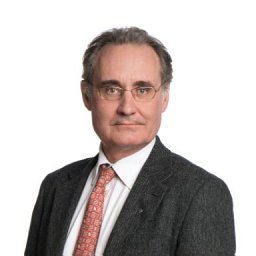 Jean-François Dufour合作论文数Swiss Foundation Againt Liver Cancer;Swiss NASH Foundation5Mark S Cattral合作论文数5B Meyer-Wyss合作论文数5M Sagmeister合作论文数4L. Lilly合作论文数4Jürg Reichen合作论文数4
 Peter Bauerfeind合作论文数Zürich4
 Andreas Cerny合作论文数Consulting and Implementation in Public Health;Epatocentro Ticino;Clinica Luganese, Sede Moncucco4
 George Therapondos合作论文数4
 Beglinger, Christoph合作论文数Medizinischen Fakultät, Universität Basel4RW AMMANN合作论文数4
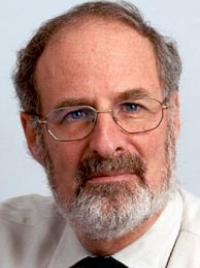 Gary Levy合作论文数Department of Immunology, Temerty Faculty of Medicine, University of Toronto;University Health Network4
 Francesco Negro合作论文数European Association for The Study of The Liver International Liver Foundation;Department of Medicine and of Pathology and Immunology, Faculty of Medicine, University of Geneva4I Stamenic合作论文数3M Knoblauch合作论文数3R Fried合作论文数3Pj Male合作论文数3N. Goldaracena合作论文数3
 Aloysious D Aravinthan合作论文数School of Medicine, Faculty of Medicine & Health Sciences, University of Nottingham3C Meyenberger合作论文数3
 Michael W. Fried合作论文数Center for Gastrointestinal Biology and Disease, School of Medicine, The University of North Carolina;Division of Gastroenterology and Hepatology, Department of Medicine, The University of North Carolina;Target RWE Health Evidence Solutions3Michael Steuerwald合作论文数3J.-J. Gonvers合作论文数3Beat Muellhaupt合作论文数3C Stanca合作论文数2V N Spetzler合作论文数2Pj Meier合作论文数2C Rohner合作论文数2H-P Wirth合作论文数2A. Doyle合作论文数Dept Gastroenterol & Hepatol, Royal Perth Hosp2P Rich合作论文数2
 Oyedele Adeyi合作论文数Univ Toronto, Dept Pathol, Toronto, ON, Canada2
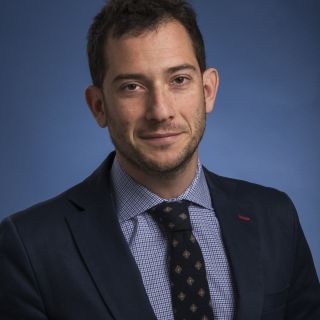 Gonzalo Sapisochin Cantis合作论文数Department of Surgery, Temerty Faculty of Medicine, University of Toronto2
 Susan Abbey合作论文数Department of Psychiatry, Temerty Faculty of Medicine, University of Toronto2




