Introduction: Considering that surgeries have a significant role in treating and improving patients’ health, increasing the efficiencyand optimizing the costs in the operating rooms are highly important. Thus, this study aimed to calculate the costs relatedto the technical component of the operating rooms in selected hospitals affiliated to Tehran and Iran Universities of MedicalSciences in 2019. Methods: This research is a retrospective, descriptive, and analytical study, which is considered applied in terms of its objective.First, literature reviews and expert panel discussions were held, and calculating the methods and assumptions was defined, followedby performing a quantitative study and using traditional costing methods. Data were collected from forms, hospital documents,and the hospital information system and then recorded in Excel 2016. After performing calculations, cost analysis was conductedin two scenarios. Results: In all the operating rooms of Tehran and Iran Universities of Medical Sciences, considering depreciation, the highest andlowest unit costs of the technical component were $3.54 and $1.68 based on USD purchasing power parity, respectively. Bothvalues exceeded the technical component rate of $0.87 in 2019,, demonstrating a negative cost-to-revenue balance in all operatingrooms. Even without considering depreciation, the unit cost of the technical component in all operating rooms (except one) washigher than the monetary coefficient of the technical component of $0.87 in 2019. Conclusion: The significant difference between the unit cost of the technical component in the operating room and the technicalcomponent rate in 2019 led to increased costs for hospitals. Given the increasing trend of consumable costs, this cost imbalance islikely to widen further. Hospitals are forced to use their own revenues to cover these costs since they are not covered by insuranceorganizations or patients. Therefore, it is essential to take necessary measures to adjust the percentage of the technical componentof the operating room and adopt policies to prevent problems in the continuity of service delivery in public hospitals.
Objective(s): A portion of the financial resources for consumables which are used in inpatient departments in hospitals is entitled nursing services. The tariff of these services currently account for 6%, 4.2%, and 12% of the total income of general, intensive, and burn beds, respectively. This study aimed to compare the costs of nursing services and consumables in inpatient departments with their tariffs in selected hospitals in 2022. Methods: This was a retrospective study. Data was collected using designed forms. The share of total costs of consumables and nursing services from the hoteling revenue was calculated using Excel software. The calculated share was compared with 4.2 %, 6% and 12% of the daily bed income of general, intensive, and burn wards, respectively. Results: The average proportion of total costs (consumables and nursing services) compared to hoteling income in selected hospitals was found to be 26/2%, 27/6%, and 15/1% in general, intensive and burn wards, respectively. When excluding nursing service costs, the proportion of consumables costs was found to be 16/2%, 13/1%, and 11/3% respectively. Conclusion: Considering the significant differences between the average share of consumables and nursing services costs from hoteling income in general and intensive wards compared to their tariffs (6% and 4.2%), these proportions require further growth, especially in intensive wards. It is recommended that different tariffs be considered and implemented for different hospital wards based on their specific needs.
Many low- and middle-income countries currently contend with conflict arising from war, political instability, or sanctions. These conflicts have directly impacted the accessibility and availability of healthcare services and products, resulting in increased mortality rates and endangering public health. The complex economic, social, and political circumstances stemming from these conflicts pose significant challenges to the effective functioning of health systems. This perspective will explore the experiences of setting priorities in health amidst countries under different conflicts, including prolonged chronic conflict (Sudan, Somalia), sanctions (Iran), and temporary conflict (Thailand). It aims to provide insight into the distinct obstacles and potential solutions associated with prioritizing health in these complex settings.
AIM:The primary objective of this study is to assess the workload situation within Iran's primary healthcare (PHC) sector, with an emphasis on identifying workforce needs and ascertaining any existing shortages or surpluses. BACKGROUND:Over the past four decades, the establishment of PHC in Iran has been a significant accomplishment for the country's healthcare system. Iran places substantial importance on achieving universal health coverage through PHC, aligning with global health goals, and acknowledging the critical role of human resources in this context. This commitment has enabled widespread and inclusive access to PHC services for both urban and rural populations across the nation. The primary objective of this study is to assess the workload situation within Iran's PHC sector, with an emphasis on identifying workforce needs and ascertaining any existing shortages or surpluses. METHODS:In 2023, a retrospective cross-sectional survey in Iran's PHC sector sampled 1,212 individuals from 557 units across seven districts. Units were selected based on predetermined criteria for proportional representation of eligible occupational groups. Data was collected using tailored electronic questionnaires, covering facility and individual characteristics, working time, activities, and support tasks. Shortages or surpluses were assessed using Workload Indicators of Staffing Need (WISN) ratios under various scenarios, utilizing data from 2022 registration systems. Adjusted time data-informed workload pressure calculations. FINDINGS:Customizing the WISN protocol to each country's context is crucial, involving stakeholders in study design, including sample selection and data collection methods. Contextual facility information aids analysis, necessitating standardized data collection approaches for diverse registration systems.
The Article Abstract is not available.
Context: Evaluation of health policies and identification of their challenges are vital for improving and implementing reforms in the healthcare system. The present study was conducted to identify interventions aimed at improving primary healthcare (PHC) services in Iran. Evidence Acquisition: This research utilizes a scoping review to examine reform interventions in PHC services across 10 selected countries: Qatar, Oman, Turkey, Georgia, Armenia, United Arab Emirates, Saudi Arabia, Bahrain, Kazakhstan, and Kuwait. The study covers areas such as the PHC delivery system, human resource management, financial mechanisms, and the framework of community participation and intersectoral collaboration from 2010 to 2022. Results: The main reform strategies for PHC systems in the reviewed countries included the establishment of family medical centers with nurse support as a comprehensive strategy for service provision in public health centers; providing comprehensive and quality healthcare service packages including maternal and child health, infectious disease immunization, chronic disease monitoring, and dental care services; health education; access to essential medications; improvement of electronic health services; implementation of health promotion and continuous prevention programs; capacity enhancement; and a greater focus on health screening programs and grading of healthcare centers. Conclusions: The major findings from the reviewed countries indicate that healthcare policymakers focus on providing preventive care services, reducing maternal and child mortality, and increasing life expectancy. Programs such as referral systems, service grading, and the adoption of electronic health services are part of their reform agenda.
Providing pre-hospital emergency services is accessible in Iran but costly for the country’s health system. This study calculated the willingness to pay (WTP) for pre-hospital emergency services in Iran. Discrete choice experiment (DCE) was used to measure the population’s WTP for ambulance services focusing on time, price, and quality of services. Four hundred and sixty people in Rasht city, Iran, participated in this online survey. Participants preferred lower transfer fees (β = -0.7, P ˂ 0.05), lower time of reaching to the scene (β = -0.061, P ˂ 0.05), lower time to arrive to the hospitals (β = -0.038, P ˂ 0.05), Private ambulance (β = -0.151, P ˂ 0.05), and emergency medical services (EMS) technicians (β = 0.209, P ˂ 0.05). Patients’ WTP in selecting EMS services can help policymakers to provide the best services.
OBJECTIVES:This review aimed to analyse the impacts of international economic sanctions on the overall health status of Iranians and the health system performance of Iran, in addition to identifying effective strategies for making the health system resilient to sanctions. STUDY DESIGN:A scoping review. METHODS:Three databases and grey literature were reviewed, and additional papers were identified in the lists of references. Two authors reviewed papers to check duplications and screen through inclusion/exclusion criteria. Furthermore, a narrative approach was employed to synthesise the findings. RESULTS:Given overall health impacts, economic sanctions are believed to have adverse effects on Iranian's health and cause significant financial hardships in accessing healthcare services. These hardships mostly affect those in marginalised and vulnerable groups. Economic sanctions degrade Iran's health system by negatively impacting health services' availability. The detrimental effects of sanctions on economic and social circumstances were also documented. Economic sanctions could also adversely affect health research and education. Most strategies identified for health system resilience to sanctions are related to the health system governance. CONCLUSIONS:Even if essential medicines and supplies are exempted from the sanction regime, the impact of economic sanctions on public health is unavoidable. The quantification of the effect economic sanctions on different health-related areas needs by further research. The measures identified for dealing with sanction can be considered in other countries but more work is needed to explore how health of people can be resilient against negative consequences of sanctions.
Background: Aiming to enhance quality of care and increase efficiency, public hospitals have undergone several reforms in the course of last two decades in Iran. This paper reports the result of a national research that aimed to measure the technical efficiency and productivity change of public hospitals during 2012-2016 in Iran. Methods: We used Extended Data Envelopment Analysis (Extended-DEA) (an innovative modification to conventional DEA) to measure technical efficiency and productivity of 568 public hospitals. Nationally representative data were extracted from the official annual health reports. Data were analysed using GAMS software 24.3. Results: The average efficiency score of all hospitals was 0.733. 10.1% of all hospitals were efficient while 2.68% of them were under 0.2. The Malmquist Productivity Index (MPI) progressed in 49.3% of hospitals, remained constant in 2.3%, while 48.2% of hospitals regressed during 2015-2016. The average of MPI was 1.07 over the period of analysis. Conclusions: Extra efforts seem to be essential to enhance the efficient use of resources and develop appropriate policy solutions and tools. In particular, to increase the return to scale, we advocate the merger of small-size district hospitals towards establishing bigger efficient hospitals in various geographical regions across the country.
Abstract Aim This study aimed to investigate the challenges faced by midwifery staff working in hospitals from midwifery manager's perspectives and provide suggestions to solve them. Design Descriptive qualitative study. Methods The study was conducted in Tehran in 2021. Data were collected using fifteen semi‐structured interviews conducted with hospitals' clinical midwifery managers over 7 months. The interview data were grouped into three themes: recruitment, development, and maintenance. Results The midwifery workforce would face significant challenges in training hospitals. Lack of suitable patterns of midwifery workforce management, the non‐optimal midwives' utilization and deployment, unclear job boundaries, weak training programs for the midwives' professional development, and unpleasant working atmosphere were the main challenges. A well‐defined task description for midwives to determine their position in all spheres of reproductive health service provision, create training courses based on skill gaps, and focus on improving labour relations and organizational culture are suggested. Patient or Public Contribution Midwifery managers were interviewed. They talked about their experience with midwifery workforce challenges.
Background It is essential to study the availability of reproductive health services and the capacities of providers, to provide evidence for improving service quality. Aims To identify the role of midwives in the provision of reproductive health services and recommend improvements. Methods A national review of government health resources in the Islamic Republic of Iran was conducted to explore available reproductive health services. Through semi-structured interviews with 30 midwives, information was collected about the compatibility of services with the capacity and scope of the activities of midwives. A panel of 12 experts was assembled to develop a proposed service package. The content analysis method was applied to data analysis and interpretation. Results The service package developed covered 82 services that midwives can offer at the 8 healthcare facility groups. Although midwives were trained to manage a range of primary and gynaecological care services, certain essential aspects of reproductive health services were not being delivered on the frontline. These include sexually transmitted diseases and human papilloma virus management, diagnosis and treatment of common gynaecological problems, sexual education and counselling, and childbirth services. Midwives were not adequately engaged to provide reproductive health care at the secondary level. Conclusion There are drawbacks to the current reproductive health service delivery in the Islamic Republic of Iran. The service package designed and proposed in this study aims to strengthen reproductive health care services and planning and better integration of midwife-led programmes.
Introduction: Drowning is one of the most prevalent accidents in aquatic environments. Although drowning has been noticed by healthcare policymakers in the world today, the issue of drowning has been neglected in the safety management of students. This research was conducted with the aim of investigating the predictors of adopting preventive behaviors from drowning trauma among students in the west of Tehran city with the approach of safety management.Material and Methods: This study was descriptive-analytical (cross-sectional). The statistical population of this research included all parents of students who were studying in the first grade of the selected public schools in West of Tehran city in the academic year of 2021-2022 (N=3000). The random convenience sampling was used and 340 parents participated in this study. The data collection tool was a researcher-made questionnaire with a new approach to safety management (preventing accidents by doing preventive behaviors) based on a protection motivation model (preventive behavior model), of which reliability and validity were checked. Data analysis was done using SPSS 26 software and Pearson correlation test and linear regression.Results: The constructs of the protection motivation model explained 67% of the variance of the behavioral intention of protection motivation and 69.7% students had no history of taking swimming classes. The highest correlation was between behavior and perceived costs (r=-0.579 and P<0.01) and 237 students (69.7%) had never exhibited preventive behaviors of learning swimming techniques or gaining swimming abilities from professional swimming coaches.Conclusion: A significant relationship between the most constructs of the protection motivation model by performing drowning prevention behaviors, as well as the strongest correlation between preventive behaviors and perceived cost structure, emphasizes the design of free educational programs to increase students' knowledge and motivation in the field of drowning prevention behaviors.
Background The global burden of lower respiratory infections (LRIs) and corresponding risk factors in children older than 5 years and adults has not been studied as comprehensively as it has been in children younger than 5 years. We assessed the burden and trends of LRIs and risk factors across a groups by sex, for 204 countries and territories. Methods In this analysis of data for the Global Burden of Diseases, Injuries, and Risk Factors Study (GBD) 2019, we used dinician-diagnosed pneumonia or bronchiolitis as our case definition for LRIs. We included International Classification of Diseases 9th edition codes 079.6, 466-469, 470.0, 480-482.8, 483.0-483.9, 484.1-484.2, 484.6-484.7, and 487-489 and International Classification of Diseases 10th edition codes A48.1, A70, B97.4 B97.6, 109-115.8, J16 J16.9, J20-121.9, J91.0, P23.0 P23.4, and U04 U04.9. We used the Cause of Death Ensemble modelling strategy to analyse 23109 site-years of vital r *stration data, 825 site-years of sample vital registration data, 1766 site-years of verbal autopsy data, and 681 site-years of mortality surveillance data. We used DisMod-MR 2.1, a Bayesian metaregression tool, to analyse age sex-specific incidence and prevalence data identified via systematic reviews of the literature, population-based survey data, and daims and inpatient data. Additio y, we estimated age sex-specific LRI mortality that is attributable to the independent effects of 14 risk factors. Findings Globally, in 2019, we estimated that there were 257 million (95% uncertainty interval [UI] 240-275) LRI incident episodes in males and 232 million (217-248) in females. In the same year, LRIs accounted for 1.30 million (95% UI 1.18-1.42) male deaths and 1.20 million (1.07-1.33) female deaths. Age-standardised incidence and mortality rates were 1.17 times (95% UI 1.16-1.18) and 1.31 times (95% UI 1.23-1.41) greater in males than in fe es in 2019. Between 1990 and 2019, LRI incidence and mortality rates declined at different rates across age groups and an increase in LRI episodes and deaths was estimated among all adult age groups, with males aged 70 years and older having the highest increase in LRI episodes (126.0% [95% UI 121.4-131.1]) and deaths (100.0% [83.4-115.9]). During the same period, LRI episodes and deaths in children younger than 15 years were estimated to have decreased, and the greatest dedine was observed for LRI deaths in males younger than 5 years (-70.7% [-77.2 to 61.8]). The leading risk factors for LRI mortality varied across age groups and sex. More than half of global LRI deaths in children younger than 5 years were attributable to child wasting (population attributable fraction [PAF] 53.0% [95% UI 37.7-61.8] in males and 56.4% [40.7-65.1] in females), and more than a quarter of LRI deaths among those aged 5-14 years were attributable to household air pollution (PAF 26.0% [95% UI 16.6-35.5] for males and PAF 25.8% [16.3-35.4] for females). PAFs of male LRI deaths attributed to smoking were 20.4% (95% UI 15.4-25.2) in those aged 15-49 years, 305% (24.1-36. 9) in those aged 50-69 years, and 21.9% (16. 8-27. 3) in those aged 70 years and older. PAFs of female LRI deaths attributed to household air pollution were 21.1% (95% UI 14.5-27.9) in those aged 15-49 years and 18 " 2% (12.5-24.5) in those aged 50-69 years. For females aged 70 years and older, the leading risk factor, ambient particulate matter, was responsible for 11-7% (95% UI 8.2-15.8) of LRI deaths. Interpretation The patterns and progress in reducing the burden of LRIs and key risk factors for mortality varied across age groups and sexes. The progress seen in children you - than 5 years was dearly a result of targeted interventions, such as vaccination and reduction of exposure to risk factors. Similar interventions for other age groups could contribute to the achievement of multiple Sustainable Development Goals targets, induding promoting wellbeing at all ages and reducing health inequalities. Interventions, including addressing risk factors such as child wasting, smoking, ambient particulate matter pollution, and household air pollution, would prevent deaths and reduce health disparities. Copyright 2022 The Author(s). Published by Elsevier Ltd.
Background Health-care needs change throughout the life course. It is thus crucial to assess whether health systems provide access to quality health care for all ages. Drawing from the Global Burden of Diseases, Injuries, and Risk Factors Study 2019 (GBD 2019), we measured the Healthcare Access and Quality (HAQ) Index overall and for select age groups in 204 locations from 1990 to 2019. Methods We distinguished the overall HAQ Index (ages 0-74 years) from scores for select age groups: the young (ages 0-14 years), working (ages 15-64 years), and post-working (ages 65-74 years) groups. For GBD 2019, HAQ Index construction methods were updated to use the arithmetic mean of scaled mortality-to-incidence ratios (MIRs) and risk-standardised death rates (RSDRs) for 32 causes of death that should not occur in the presence of timely, quality health care. Across locations and years, MIRs and RSDRs were scaled from 0 (worst) to 100 (best) separately, putting the HAQ Index on a different relative scale for each age group. We estimated absolute convergence for each group on the basis of whether the HAQ Index grew faster in absolute terms between 1990 and 2019 in countries with lower 1990 HAQ Index scores than countries with higher 1990 HAQ Index scores and by Socio-demographic Index (SDI) quintile. SDI is a summary metric of overall development. Findings Between 1990 and 2019, the HAQ Index increased overall (by 19.6 points, 95% uncertainty interval 17.9-21.3), as well as among the young (22.5, 19.9-24.7), working (17.2, 15.2-19.1), and post-working (15.1, 13.2-17.0) age groups. Large differences in HAQ Index scores were present across SDI levels in 2019, with the overall index ranging from 30.7 (28.6-33.0) on average in low-SDI countries to 83.4 (82.4-84.3) on average in highSDI countries. Similarly large ranges between low-SDI and high-SDI countries, respectively, were estimated in the HAQ Index for the young (40.4-89.0), working (33.8-82.8), and post-working (30.4-79.1) groups. Absolute convergence in HAQ Index was estimated in the young group only. In contrast, divergence was estimated among the working and post-working groups, driven by slow progress in low-SDI countries. Interpretation Although major gaps remain across levels of social and economic development, convergence in the young group is an encouraging sign of reduced disparities in health-care access and quality. However, divergence in the working and post-working groups indicates that health-care access and quality is lagging at lower levels of social and economic development. To meet the needs of ageing populations, health systems need to improve health-care access and quality for working-age adults and older populations while continuing to realise gains among the young. Copyright (C) 2022 The Author(s). Published by Elsevier Ltd.
Background: The prevalence of emerging and re-emerging diseases has made the need for basic preparations for all health care organizations more crucial. Strengthening preparedness and formulating crisis strategies will have a great impact on reducing casualties. Given the importance of preparing hospitals to deal with such an outbreak and reduce the resulting mortality, the present study was conducted to assess their readiness against Covid-19. Methods: The present study is a quantitative and descriptive cross-sectional research conducted from October to March 2019. Data collection used the standard checklists prepared by the European Center for the Prevention and Control of Coronavirus and the Centers for Disease Control and Prevention, consisting of eight domains and 21 components. The minimum score that each hospital could get in this checklist was 143 and the maximum was 429. The sampling method in the present study was a census, and nine reference hospitals for Corona were included in the study. All hospitals’ directors, managers, quality officers and crisis secretaries and others related to hospital readiness during Covid-19 were recruited by the census. Results: On average, the hospitals scored 391 out of 429, indicating a fairly "high readiness" in dealing with Covid-19. The highest score obtained by the hospitals was 425 and the lowest score was 349. In terms of preparation areas, the hospitals’ readiness was higher than 80% in all areas. The highest readiness of hospitals was in the fifth domain, i.e. Hand hygiene, personal protective equipment and hospital waste management. The 7th domain namely, patient placement and relocation, and patient visitor access was of the lowest preparation. Conclusion: The hospitals were of fairly appropriate readiness to deal with Covid-19. This level of preparedness, despite being desirable, might not reflect the real capacity of hospitals to deal with this disease. Regular evaluation of the Covid referral hospitals could help make these hospitals more prepared. Also, the experiences of hospitals that were more prepared should be used to improve the condition of other hospitals.
Background: The institutionalization of evidence-informed health policy-making (EIHP) is complex and complicated. It is complex because it has many players and is complicated because its institutionalization will require many changes that will be challenging to make. Like many other issues, strengthening EIHP needs a road map, which should consider challenges and address them through effective, harmonized and contextualized strategies. This study aims to develop a road map for enhancing EIHP in Iran based on steps of planning. Methods: This study consisted of three phases: (1) identifying barriers to EIHP, (2) recognizing interventions and (3) measuring the use of evidence in Iran's health policy-making. A set of activities was established for conducting these, including foresight, systematic review and policy dialogue, to identify the current and potential barriers for the first phase. For the second phase, an evidence synthesis was performed through a scoping review, by searching the websites of benchmark institutions which had good examples of EIHP practices in order to extract and identify interventions, and through eight policy dialogues and two broad opinion polls to contextualize the list of interventions. Simultaneously, two qualitative-quantitative studies were conducted to design and use a tool for assessing EIHP in the third phase. Results: We identified 97 barriers to EIHP and categorized them into three groups, including 35 barriers on the "generation of evidence" (push side), 41 on the "use of evidence" (pull side) and 21 on the "interaction between these two" (exchange side). The list of 41 interventions identified through evidence synthesis and eight policy dialogues was reduced to 32 interventions after two expert opinion polling rounds. These interventions were classified into four main strategies for strengthening (1) the education and training system (6 interventions), (2) the incentives programmes (7 interventions), (3) the structure of policy support organizations (4 interventions) and (4) the enabling processes to support EIHP (15 interventions). Conclusion: The policy options developed in the study provide a comprehensive framework to chart a path for strengthening the country's EIHP considering both global practices and the context of Iran. It is recommended that operational plans be prepared for road map interventions, and the necessary resources provided for their implementation. The implementation of the road map will require attention to the principles of good governance, with a focus on transparency and accountability.
Background: Marine trauma threatens the lives of many people in Iran and other countries every year. It affects a majority of the young population who are in a critical period of life to be effective for the development of their society. Increasing awareness can have a positive effect on reducing these injuries. This study aimed to assess the awareness of sports science students about the factors that cause marine trauma. Methods: The statistical population of this descriptive survey was all sports science students in the Islamic Azad University of Science and Research in 2021 (N = 325). The sample size based on Morgan's table and Cochran's formula calculation was 176 people who were selected by stratified sampling method. The data collection tool was a two-part researcher-made questionnaire including demographic information and questions. Data analysis was performed using SPSS21 software and t-test, Wilcoxon, Kruskal-Wallis, and one-way analysis of variance. Results: The knowledge of the majority of students (62.5%) about marine trauma was below average. The lowest score (1.86) belonged to "awareness of trauma caused by strong winds and storms" and the highest score (4.76) was related to "awareness of injuries caused by the bite of marine animals (sharks, etc."). There was no statistical l y significant relationship between gender and awareness of marine trauma. There was a significant relationship between age, education, and experience in swimming with the level of awareness of marine trauma in some components. Conclusion: The majority of sports science students had poor awareness about the causes of marine trauma, which shows the need to pay attention to increasing the level of awareness of these students.
Background: Despite the high prevalence of drowning in the world, global estimates may underestimate the real public health problem of drowning. The aim of this study was to determine the predictive extent of protection motivation model constructs in drowning prevention behaviors from the perspective of parents of elementary school students. Methods: In this descriptive-analytical study, 340 parents of primary school students in the west of Tehran province were studied. Sampling was done by cluster sampling method. First, among the government schools in the west of Tehran province, 4 schools were randomly selected (2 girl’s school and 2 boys' schools with a population of approximately 300 students in the elementary school) (N = 1200). Based on Krejcie and Morgan table, the sample size was estimated 291 people. Considering the 20% drop, the sample number was 349. The data collection tool was a researcher-made questionnaire, the reliability and validity of which were assessed. Data were analyzed using SPSS19 software and Pearson correlation test and linear regression. Results: The mean and standard deviation of the age of the parents was 32.55± 7.50. The present research findings show that this model explains 67% of the variance of drowning marine trauma prevention behaviors. In this model, perceived severity (ß =0.157 and P = 0.011), fear (ß =0.150 and P = 0.011), perceived cost (ß-=0.153 and P = 0.019) and behavior (ß =0.213 and P = 0.004) significantly predicted drowning prevention behavior. Conclusion: Due to the greater correlation between protection motivation model constructs with the observance of drowning marine trauma prevention recommendations, the design and implementation of educational programs by school health educators are effective for increasing the motivation of primary school students.
Objectives Divorce is one of the most important social harms. This study investigated the divorce trends, causes, and implemented interventions. Methods A qualitative approach with a content analysis method was conducted. The study data were collected by reviewing relevant documents such as scientific articles and official reports, interviewing experts, and holding focus group Discussion. Sampling was performed with purposive sampling and the snowball technique to identify experts and professionals in this area. Results In recent years, the ratio of the divorce to marriage has been increasing, and in 2016, it reached its highest level (25.3 divorce per 100 marriages). Weak literacy and marital skills, changing patterns of matching, increased individualism and self-interest seeking, unemployment, addiction, and cyber ads (online advertising) were considered the most important reasons for divorce, according to the experts’ views. Currently, a program for controlling and decreasing the divorce rate is implemented. However, the most critical challenges of the program are weak inter-sectoral collaboration and community participation, dispersing and islanding social services, and also the effect of political, economic, social, technological, environmental, and international macro factors on mentioned national program. Conclusion Social harms inside the family are complicated. So, it requires the cooperation of scattered and islanding services in the form of comprehensive social care units for the target population throughout the country. Also, capacity building and national programs institution literacy should be strengthened.
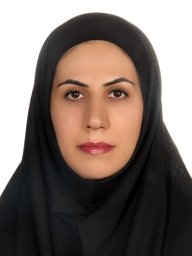 Sajadi Haniye Sadat合作论文数Health Management and Economics Research Center, Isfahan University of Medical Sciences12
 Reza Majdzadeh合作论文数School of Health and Social Care, University of Essex9
 Leila Keikavoosi合作论文数School of Health, Alborz University of medical sciences7
 Enayatollah Homaie Rad合作论文数School of Health Management and Information Sciences, Tehran University of Medical Sciences7
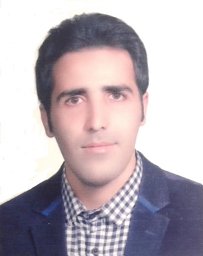 Arabloo Jalal合作论文数School of Public Health, Tehran University of Medical Sciences6
 Reza Malekzadeh合作论文数Digestive Disease Research Institute, Tehran University of Medical Sciences;Department of Internal Medicine, Shariati Hospital;Center for Cancer Research, National Institutes of Health;Institute of Medical Sciences, University of Toronto6
 Sezer Kisa合作论文数5Masood Ali Shaikh合作论文数5
 Florian Udo Fischer合作论文数5Navid Rabiee合作论文数5N. Yonemoto合作论文数5
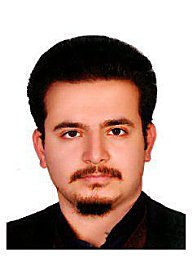 Ahmad Ghashghaee合作论文数School of Medicine, Dentistry & Nursing, University of Glasgow5Tomislav Meštrović合作论文数5
 Adnan Kisa合作论文数Sch Hlth Sci, Kristiania Univ Coll5
 Martin Amogre Ayanore合作论文数School of Public Health, University of Health and Allied Sciences5
 Meretoja Tuomo J合作论文数Department of Plastic Surgery and Breast Surgery Unit, Helsinki University Central Hospital5
 A.M. Samy合作论文数University of Kansas, University of Kansas5
 Olagunju Andrew T合作论文数College of Medicine, University of Lagos;Department of Psychiatry, Lagos University Teaching Hospital;University of Lagos, Lagos University Teaching Hospital5
 Leila Doshmangir合作论文数School of Management and Medical Informatics, Tabriz University of Medical Sciences;Iranian Center of Excellence in Health Management, Tabriz University of Medical Sciences;Tabriz University of Medical Sciences, Tabriz University of Medical Sciences5
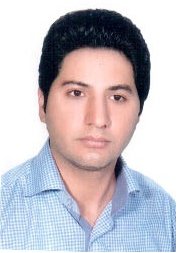 Kalhor Rohollah合作论文数Health Information Management Research Center, Hormozgan University of Medical Sciences5
 Samad Azari合作论文数5
 Olayinka Stephen Ilesanmi合作论文数Department of Community Health, Federal Medical Centre5
 Shafiu Mohammed合作论文数Universität Heidelberg, Universität Heidelberg5
 Lalit Dandona合作论文数Department of Health Metrics Sciences, University of Washington;Institute for Health Metrics and Evaluation, University of Washington5
 Andre M N Renzaho合作论文数School of Social Sciences and Psychology, Western Sydney University5
 Ali Bijani合作论文数5
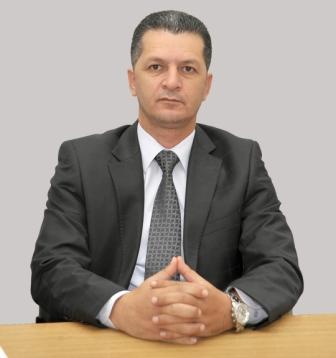 Yousef Saleh Khader合作论文数Department of Public Health, Community Medicine, Faculty of Medicin, Jordan University of Science and Technology5
 Syed Mohamed Aljunid合作论文数UKM Medical Centre, United Nations University-International Institute for Global Health (UNU-IIGH5
 Brijesh Sathian合作论文数Manipal College of Medical Sciences, Kathmandu University5
 G Anil Kumar合作论文数Health Studies Area, Centre for Human Development, Administrative Staff College of India, Hyderabad, India5Vahid Alipour合作论文数4Ahamarshan Jayaraman Nagarajan合作论文数4
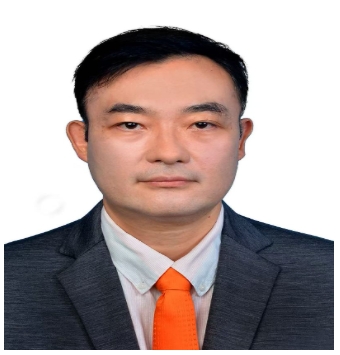 Yun Jin Kim合作论文数4Milena M Santric Milicevic合作论文数4
 Ritesh G Menezes合作论文数4
 Sheikh Mohammed Shariful Islam合作论文数4Mika Shigematsu合作论文数4
 Vinay Nangia合作论文数International Center for Agricultural Research in Dry Areas4
 Seyed Sina Naghibi Irvani合作论文数4
 Masoud Foroutan合作论文数School of Medicine, Abadan Faculty of Medical Sciences4
 Marcos Roberto Tovani Palone合作论文数Saveetha Inst Med & Tech Sci SIMATS, Acad Res4
 Zhijiang Zhang (张志将)合作论文数School of Public Health, Wuhan University4
 Mustafa Z. Younis合作论文数School of Public Health, Jackson State University4
 Bahareh Yazdizadeh合作论文数the Imam Khomeini Medical Center, The Cancer Institute Research Center4
 Meretoja Atte合作论文数Dept Neurol, Univ Helsinki4
 Erkin M Mirrakhimov合作论文数4
 Rafael Tabares Seisdedos合作论文数Department of Medicine, University of Valencia4
 Sadaf G. Sepanlou合作论文数Digestive Diseases Research Institute, Tehran University of Medical Sciences4
 Amir Abdoli合作论文数Faculty of Medical Sciences, Tarbiat Modares University4




