Education for sustainable development (ESD) is increasingly recognized as a developmental imperative in a world facing ecological, social, and political challenges. While many approaches to ESD emphasize knowledge and competencies, emerging research suggests that sustainable action in youth requires the integration of cognitive, emotional, and identity-based developmental processes. We propose that Digital Civic Learning (DCL) serves as a developmentally appropriate educational approach that can scaffold this process in early adolescence. Using a sample of 149 4th and 5th graders in Mid-Western United States, we examined how civic competencies, namely civic knowledge, skills, and dispositions, relate to civic purpose and further investigated the mediating role of moral self-concept. Our findings underscore the importance of nurturing moral self-concept so that enhanced civic competencies translate into a form of civic purpose. SUMMARY: Conceptual innovation: It introduces Digital Civic Learning as a design-based, developmentally aligned model that integrates civic learning with sustainable development goals, aiming for transformative impact in education. Methodological advancement: It develops and applies a novel civic competencies coding scheme tailored for a nuanced analysis of students' civic knowledge, skills, and dispositions. Theoretical contribution: It positions moral self-concept as a developmental link connecting civic learning with a sustainability-oriented civic purpose in early adolescence, a critical period for identity formation. Empirical rigor: It employs performance-based assessments to evaluate students' civic competencies demonstrated in authentic digital classroom settings, emphasizing real-world application of civic reasoning within sustainability education.
Physical violence directed against educators is associated with adverse consequences. We employed a multilevel path analysis to test the relations between state- and school-level policies and practices to physical violence and the mediating and moderating roles of school-level disciplinary practices and school student racial/ethnic composition. Using a sample of 6,793 K-12 educators, findings revealed that state-level zero-tolerance policies did not predict physical violence or perceptions of school disciplinary policies and practices (i.e. strength of disciplinary policies, fair disciplinary practices, effective disciplinary practices). Perceived fairness of disciplinary practices was negatively associated with physical violence. School student racial/ethnic composition moderated the association between perceived fairness of school disciplinary practices and physical violence. Implications for school safety policies and practices are discussed.
OBJECTIVE:Social media is a daily part of adolescent life. Although adolescents use social media primarily to interact with peers, they also use it to acquire information. This study examines the relations between adolescents' likelihood of using social media to obtain information about sexual health and changes in self-efficacy for refusing unwanted sex and for using condoms and intentions to have sex. METHOD:Early adolescents from 21 urban middle schools (Grades 7 and 8) received a medically accurate sexually transmitted infection/pregnancy prevention curriculum during the 2021-2022 and 2022-2023 academic years. Students completed surveys 5 times-before, during, and after implementation of the curriculum. The sample was ethnically diverse and representative of the urban population. RESULTS:The likelihood of using interactive social media sites was related to increased intentions to have sex and lower condom negotiation efficacy and refusal self-efficacy. The likelihood of using informational social media was related to increased condom negotiation efficacy. The negative relation between refusal self-efficacy beliefs (i.e., perceived ability to refuse having sex with a partner) and the likelihood of using interactive social media was diminished when students also reported high levels of potential informational social media site usage. CONCLUSIONS:Findings demonstrate that the types of social media that early adolescents use to acquire information about sexual health are related to adaptive health outcomes in different ways. Our results suggest that the likelihood of using informational social media sources to acquire sexual health information may be more adaptive than the use of interactive sites. (PsycInfo Database Record (c) 2026 APA, all rights reserved).
In the present study, we analyzed qualitative survey data from 538 school psychologists across schools in the United States regarding their perceptions of school safety issues and potential strategies to address school safety. There are only a few studies exploring the experiences and perspectives of school psychologists that have been based on large-scale qualitative data. Using inductive coding, three themes for safety concerns emerged: (a) aggressive behaviors from students, (b) mental and behavioral needs, and (c) limited staffing. Three themes also emerged for potential solutions: (a) professional development/training, (b) school-family-community relationships, and (c) threat assessments. These findings from school psychologists have implications for addressing structural issues to prevent school violence in research and practice. Policy recommendations to inform resource allocation and improve school safety are discussed.
This mixed-methods study examined Grade 4 students’ growth in two types of civic competencies—argumentation skills and disciplinary thinking, and how civic competencies interweave and co-develop over an academic year in the context of an interdisciplinary social studies curriculum called Digital Civic Learning (DCL). A total of 106 fourth-grade students (38.7% girls) and 6 social studies teachers participated in the study. Quantitative evidence indicates that students in the DCL curriculum significantly improved in their argumentation skills (argument-counterargument integration, claim-evidence integration) and disciplinary thinking. These civic competencies became more strongly associated with each other by the end of the curriculum. Multiple case studies revealed how two students synergistically applied their evolving argumentation skills and disciplinary thinking through distinct learning pathways. These results paint a complex picture of the development of students’ disciplinary thinking and integrating of argumentation skills, and the role of the curriculum in fostering the concurrent development of these civic competencies. Findings align with our overarching assumption that, through collaborative discourse and immersive learning about complex social issues, students can leverage their disciplinary thinking during argumentative social interactions, grappling with solutions and seeking common ground; continuous discourse among peers further enhances argumentation skills while honing disciplinary thinking. This study bridges the research-practice gap by providing evidence for the co-development of argumentation and disciplinary thinking within social studies classrooms. Our findings underscore the importance of inquiry-based learning, aligning with the College, Career, and Civic Life (C3) Framework, fostering critical civic competencies, and empowering students to actively participate in democratic processes. Particularly in this digitalized society, DCL emerges as a promising approach to integrate disciplinary thinking and argumentation skills across both physical and digital environments, fostering informed and active citizenship among students.
Scientific and public attention regarding educator-directed violence has increased over the past 15 years; however, research on violence against administrators is limited. Although school administrators are responsible for school performance and safety, they can be particularly vulnerable to violence from students, teachers, and parents. This study includes 497 pre-K–12th grade school administrators in the United States. A path analysis was conducted to examine the associations between administrator perceptions of student-, school-, and community-level strengths and administrator experiences of verbal/threatening and physical violence. Cultural pluralism, which incorporates student and staff support of cultural differences and honors different voices and cultures in curricula and discussion, was investigated as a moderator of these associations. Results indicate that (a) student strengths are associated with less student verbal/threatening violence against administrators; (b) school strengths are associated with less student and colleague verbal/threatening violence against administrators; and (c) community strengths are associated with less physical violence from students and less verbal/threatening violence from parents against administrators. Cultural pluralism practices significantly moderated the relationship between student strengths and physical violence from colleagues. Findings highlight school practices and policies across the school ecology that are associated with less administrator-directed violence.
The study of academic misconduct in higher education spans generations. Reducing the problem among college students remains a top priority among university stakeholders. There are several theoretical explanations for why students cheat, including the institutional climate around academic integrity, motivational achievement goal structures, peer norms, and moral attitudes. These models have rarely been examined in concert to ascertain a more complete picture of the nuances of academic dishonesty. Understanding the interplay between these theoretical explanation(s) would be an important step in developing programming aimed at reducing cheating in higher education. The purpose of this study was toexamine the role of these theoretical explanations in predicting academic cheating as well as a combined model with all constructs. Using a sample of 2,329 undergraduates, we found that all five models were significantly associated with self-reported cheating, but in unique ways depending on the model. Implications for theory and practice are discussed.
Issues with school safety and violence have raised concerns that warrant attention from researchers, policy makers, and practitioners alike. In this study, we explored how school social workers—a group of school personnel who are understudied in the school violence literature—experience school safety and violence in the United States. Using a sample of 271 school social workers, we analyzed qualitative responses to two open-ended survey questions: (a) What are the most concerning safety issues facing educators and staff in your school? (b) What policies, procedures, resources, or interventions are needed to better prevent or address violence in your school? Data were collected online between March and June 2022 by the American Psychological Association Task Force on Violence against Educators and School Personnel. Derived using a socioecological framework, findings reflect school social workers’ needs for workplace safety and perspectives on how to prevent and mitigate school violence at the school site, district, and community levels. Implications range from promoting strong relationships in schools and between the school and community to bolstering funding sources that can sustain programs, training, and staffing aimed at improving experiences for all students. The implications of our findings for future research and practice are presented.
Immersive storytelling (IST) is usually conceptualized within the framework of technologically immersive tools such as virtual, augmented, and mixed reality. While these tools offer some unique features (such as visual fidelity, interactivity, and embodied, first-person perspective), their level of technological immersion (based on the system’s objective qualities) might not directly translate to the psychological immersion experienced by the user. Such tools also tend to require access to digital or financial resources unavailable to many schools. We propose a low-tech alternative approach leveraging storytelling’s power for learning through affordable, accessible, and familiar classroom technology – Google Slides. We used the Participatory Learning framework to generate curricular design principles that aim to create a sense of psychological immersion through active participation in technology-mediated storytelling. In this design case study paper, we describe the design of a 10-day unit on Native American history implemented across nine teachers’ elementary school classrooms in the US. We examine the interplay between pedagogical and technological constraints in the design process, the role of the theoretical framework in the design, and conclude by detailing future directions for research on low-tech immersive storytelling environments.
Despite the growing use of learning technology in classrooms, factors predicting young students' engagement in contexts fully or partially mediated by technology remain understudied. This study investigated how fourth and fifth grade students' technology self-efficacy (ie, confidence in utilizing learning management systems) and networking agency (ie, comfort in collaborating and communicating with others online) predicted students' engagement in technology-mediated instruction in online and face-to-face environments. Hierarchical regression and moderation analyses were employed to examine the independent and joint effects of technology self-efficacy and networking agency in two cohorts of public elementary school students from a Midwestern US city. For Cohort 1 students primarily receiving synchronous online instruction in 2020-2021, higher networking agency predicted greater engagement in online learning. For Cohort 2 students primarily receiving face-to-face instruction in 2021-2022, only technology efficacy significantly predicted student engagement. As for task-specific engagement in small group activities, however, which involved heavier use of the learning management systems and applications, networking agency was a significant moderator. Notably, as students felt less comfortable with online collaboration/communication (ie, lower networking agency), technology self-efficacy had a stronger association with students' engagement. These findings suggest that while technology self-efficacy is crucial, it alone does not ensure engagement. Educators should cultivate both technical skills and a supportive, collaborative online environment to enhance engagement across technology-mediated learning contexts.Practitioner notes What is already known about this topic Technology (self-)efficacy, or students' confidence in using online learning tools, is crucial for their engagement in technology-mediated learning. Student engagement in technology-mediated learning varies between online and face-to-face environments. What this paper adds In online environments, networking agency or comfort in online collaboration and communication predicts engagement more strongly than technology efficacy. Technology efficacy consistently predicts young learners' engagement in technology-mediated learning in face-to-face classrooms. Networking agency can interact with technology efficacy in predicting elementary students' engagement in technology-mediated activities in face-to-face classrooms. Implications for practice and/or policy Teachers should consider students' technological competence and how they construe online collaboration and interactions to effectively engage them in technology-mediated instruction. When implementing technology, teachers should help students view the online learning environment as a safe and collaborative space. Familiarizing young learners like elementary school students with digital tools and online spaces can enhance their engagement in technology-mediated instruction.
Educators' perceptions of the effectiveness of active shooter and lockdown drills is an important, yet understudied, topic. Teachers often implement drills, so it is useful to understand how these perceptions relate to their perceived safety and their retention intentions. In a nationally representative cross-sectional sample of 5,107 K-12 teachers (Mage = 44.04 years; 77.2% female), the relations between perceived effectiveness of active shooter and lockdown drills and considerations to transfer schools or quit teaching were examined both directly and indirectly through perceived safety, with teacher reports of victimization from students as moderator. Teacher perceptions of drill effectiveness were related to retention intentions both directly and indirectly through perceived safety. Higher rates of victimization strengthened the association between perceived drill effectiveness and perceived safety. Active shooter and lockdown drill effectiveness was most strongly associated with perceived safety among highly victimized teachers. Findings suggest that drills may not be sufficient in addressing teachers' professional needs.Impact StatementWhile active shooter drill and lockdown procedures are widely used in U.S. schools, research has revealed mixed findings on their helpfulness and effectiveness. The findings of this study indicate that teacher-perceived effectiveness of active shooter and lockdown drills is associated with greater feelings of safety and lower intentions to transfer or quit teaching, especially among those experiencing violence from students. However, the use of drills may not be sufficient in addressing the range of teachers' professional needs, despite teachers perceiving them as effective.
Violence against teachers is a public health crisis that has devastating effects on school personnel well-being, health, and retention, as well as students' educational outcomes. In collaboration with national organizations, the American Psychological Association Task Force on Violence against Educators conducted the first national survey on educator victimization that included 4,136 pre-K through 12th-grade teachers from all 50 U.S. states and Puerto Rico during the pandemic. In the current study, 43.7% of teachers reported experiencing at least one verbal threat, physical assault, and/or property damage, with verbal threats being the most prevalent form of victimization during the pandemic. Using a social-ecological framework and logistic regression analyses, characteristics of teachers, school climate, and school organizational and community factors were examined as predictors of teacher victimization (i.e., verbal threats, physical, property violence) during the pandemic. Findings revealed that teacher role (i.e., special educators), negative and positive dimensions of school climate, as well as school organizational and community factors (i.e., percent of students receiving free and reduced lunch, instructional modality, school level, and urbanicity) significantly predicted greater teacher victimization. While findings revealed that in-person instruction significantly predicted teacher violence across aggressors, teacher victimization was reported across instructional modality (in-person, hybrid, remote). Results offer insights into possible contextual antecedents to teacher victimization, sense of safety, and well-being in schools. Implications for research and school practice are presented. (PsycInfo Database Record (c) 2023 APA, all rights reserved).
Sexual health education should meet the needs of all students. One strategy educators can use to ensure instruction meets students' needs is to encourage the submission of anonymous questions, allowing students to gain information without fear of instructor or peer reactions. We investigated anonymous questions submitted by middle school (7th-grade, ages 12-13) students during a sexual health education curriculum in Ohio, USA. Questions (n=893) were organised into 12 categories: reproductive anatomy (n=186), LGBTQ+ topics (n=130), sexual behaviour (n=120), class-related questions (n=99), pregnancy (n=78), slang (n=52), STIs (n=44), protection/birth control (n=33), relationships (n=19), consent (n=14), health services (n=9), abstinence (n=1), and unrelated questions/comments (n=108). After categorising questions, we conducted thematic analysis with the three largest categories (reproductive anatomy, LGBTQ+ topics, sexual behaviour). Results revealed students wanted to know about the normality of the processes and functions of their bodies. Students also expressed concern and had internalised social norms about LGBTQ+ topics. Student questions about sexual behaviour suggested they wanted to learn more about the purposes and processes of sex, e.g., how people have intercourse. Findings underscore the need for inclusive, comprehensive and medically accurate sexual health education for early adolescents. We discuss implications for student health/well-being, educator development, and school staff.
Researchers have examined the importance of school administrative support for teacher safety, victimization, anxiety, and retention; however, studies to date have rarely focused on school administrators’ perceptions of support by their district leaders, and its relation to administrators’ anxiety/stress, safety, and their intentions to transfer or quit their jobs. In the current study of 457 PreK-12th grade school administrators in the United States, structural equation modeling was used to examine relations between administrators’ perceptions of support from their district leaders and their anxiety/stress, safety, and intentions to transfer or quit their jobs. Administrator experiences of violence by student offenders served as a moderator. Results indicated that administrators’ perceptions of district leaders’ support were associated with lower intentions to transfer or quit their positions both directly and indirectly as a function of decreased anxiety/stress. District support was positively related to administrator safety, particularly for administrators who reported experiencing more student violence. Findings highlight the importance of district support of administrators for reducing mental health concerns and transfer/quit intentions in the context of student violence against school administrators. Implications of findings for research and practice are presented.
Thomas J. Capretta, Jingyang (Max) Zhang, Eric M. Anderman, and Barbara J. Boone revisit Joyce Epstein’s 1995 Kappan article on overlapping spheres of influence and family-school partnerships. They highlight one idea from the article that has been largely overlooked — the role of student voice and leadership. To refocus researchers’ and practitioners’ attention to the role of students in family and community partnership, they synthesize existing research to elaborate on Epstein’s original models and ideas. They provide three levels of research-based, practical recommendations for districts and schools to elevate student roles and cultivate student leadership in family-school engagement efforts. Finally, they illustrate what these practices look like in schools using an Ohio school district as an example.
Weapon violence in schools is a pressing concern with serious consequences. In this study, we propose and evaluate a theoretical framework of school-based weapon violence comprised of contributors, triggers, and motivation leading to weapon behaviors, taking into account weapon type, origin, and availability. This framework provides a foundation to investigate the multifaceted nature of weapon violence in schools. Specifically, we examine the weapon violence experiences of 417 U.S. teachers based on their reports of their most upsetting experiences with violence in their schools from various aggressors (i.e., students, parents, colleagues). Qualitative open-ended survey data were coded in NVivo after achieving strong interrater reliability (Gwet's agreement coefficient with first-order chance correction, AC₁ = .97; κ = .80), and analyses were guided by the proposed theoretical framework. Results indicated that individual, school, peer, family, and community conditions contributed to situational triggers (teacher or other school-stakeholder actions), and aggressor motivation was typically instrumental or expressive. The type and origin of weapons also played a role in weapon behaviors of carrying, threats, and usage. Aggressors often used readily available objects (e.g., chair, pencil) as weapons against teachers in addition to traditional weapons (e.g., knives, guns). Findings suggest that weapon violence in schools requires a broader conceptualization beyond traditional weapons and violence between students. This study advances our understanding of pathways to weapon behaviors for prevention and intervention. Implications of findings for school-stakeholder training and policies are discussed. (PsycInfo Database Record (c) 2024 APA, all rights reserved).
Aggression and violence against educators and school personnel have raised public health concerns that require attention from researchers, policymakers, and training providers in U.S. schools. School aggression and violence have negative effects on school personnel health and retention and on student achievement and development. In partnership with several national organizations, the American Psychological Association (APA) Task Force on Violence Against Educators and School Personnel administered two national, multi-informant, cross-sectional surveys. Time 1 data were collected in 2020-2021 from 14,966 respondents; participants reflected on their experiences of violence and aggression before COVID-19 and during COVID-19 restrictions in this survey. One year later, in 2022, 11,814 respondents completed the Time 2 survey after COVID-19 restrictions ended. Participants included teachers, school psychologists, social workers, counselors, staff members, and administrators from all 50 states and Puerto Rico. Rates of violence and aggression directed against educators by students, parents, colleagues, and administrators were substantial before COVID-19, were lower during COVID-19 restrictions, and returned to prepandemic levels or higher after COVID-19 restrictions. After COVID-19 restrictions, 22%-80% of respondents reported verbal or threatening aggression, and 2%-56% of respondents reported physical violence at least once during the year, varying by stakeholder role and aggressor. Rates of intentions to quit the profession ranged from 21% to 43% during COVID-19 restrictions (2020-2021) and from 23% to 57% after COVID-19 restrictions (2021-2022), varying by stakeholder role. Participants across roles reported substantial rates of anxiety and stress, especially during and after COVID-19 restrictions, and identified specific training needs. Implications for theory, research, training, and policy are presented. (PsycInfo Database Record (c) 2024 APA, all rights reserved).
In this study, we examined how school policies and strategies (i.e., positive discipline, hardening strategies, and positive behavioral strategies) affect teacher relational factors and teacher reports of victimization and safety. Specifically, we examined the mediational roles of teacher support of student learning, maltreatment of students by teachers, and teachers' differential treatment of students in schools. Using a sample of 6643 pre-K-12th-grade teachers, path analysis results revealed that positive behavior strategies, hardening strategies, and positive discipline were indirectly associated with teacher victimization and sense of safety. Additionally, teachers' perceptions of other teachers maltreating students had the greatest contributions to their sense of safety and victimization by students. Positive discipline was directly and indirectly associated with teacher victimization and safety. Implications and directions for future studies are discussed.
Students' valuing of academic content impacts their engagement in learning and plays a pivotal role in shaping their future academic and career choices. Fortunately, practicing educators can integrate many readily applicable strategies into teaching to enhance students' valuing of academic content. Drawing from expectancy-value theory, Eric M. Anderman, Yue Sheng, and Wonjoon Cha present five evidence-based instructional strategies with concrete examples that aim to enhance students' valuing of academic content. These strategies can be implemented with minimal additional work for teachers and at little or no additional financial cost to schools.
Violence against teachers has received increasing attention worldwide, with high rates of verbal, threatening, physical, and property violence in schools. Teacher-directed violence contributes to poor mental and physical health, high rates of turnover, and diminished student achievement. Despite these findings, there is a dearth of research on violence experienced by paraprofessionals who play key roles in supporting students with the greatest learning and behavioral needs in schools. Using a sample of 1993 paraprofessionals, this study is one of the first to investigate paraprofessionals’ experiences of violence in school settings. We found that the rate of student violence against paraprofessionals was 37% for property offenses, 49.5% for physical violence, and 54% for verbal and threatening violence. Further, we employed a socio-ecological model of individual, classroom, school, and community factors to predict paraprofessional experiences of violence from students in schools. Negative binomial regression results revealed that student-staff relationship problems and student behavioral concerns were positively related to verbal and threatening, physical, and property violence against paraprofessionals. Paraprofessionals working in elementary schools were more likely to report physical violence compared to those working in middle or high school settings. Implications for research and educational practice are also presented.
 Linda A. Reddy合作论文数27
 Susan D. Mcmahon合作论文数Department of Psychology, DePaul University27
 Lynley H. Anderman合作论文数26
 Andrew Martinez合作论文数19
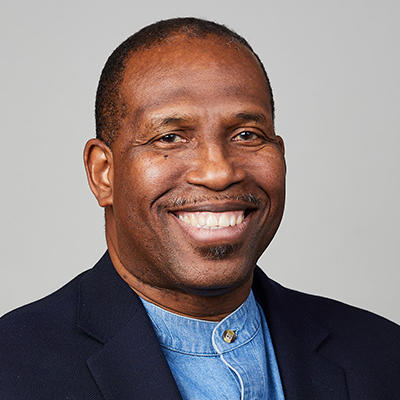 Frank C. Worrell合作论文数School Psychology Program, Graduate School of Education, University of California, Berkeley13
 Carol Midgley合作论文数University of Michigan12Kailyn Bare合作论文数9
 DeLeon L. Gray合作论文数College of Education and Human Ecology, The Ohio State University9Tripp Griesinger合作论文数9
 Andrew H. Perry合作论文数Dept Psychol, State Univ New York New Paltz8
 Dorothy L. Espelage合作论文数School of Education, University of North Carolina at Chapel Hill;Research Addressing Violence in Education Lab, University of North Carolina at Chapel Hill8Tzu-Jung Lin合作论文数7Gloria Westerfield合作论文数7
 Ron Avi Astor合作论文数Luskin School of Public Affairs, University of California, Los Angeles7Rick S. Zimmerman合作论文数University of Kentucky7Michael Glassman合作论文数Department of Human Development and Family Science, The Ohio State University7
 Yvonne Allsop合作论文数Department of Public Health, Brigham Young University6
 Seung Yon Ha合作论文数6Cupp Pamela K合作论文数6
 Martin L. Maehr合作论文数School of Education, University of Michigan/Department of Psychology, College of Literature, Science and the Arts, University of Michigan6
 Tim Urdan合作论文数College of Arts and Sciences, Santa Clara University6
 Robert W Roeser合作论文数Stanford University6david m s kimweli合作论文数5jerome johnston合作论文数5Sungjun Won合作论文数Department of Education, Gongju National University of Education5
 Shantanu Tilak合作论文数Department of Educational Studies, The Ohio State University5
 Koenka Alison C合作论文数5
 Kathleen Lynne Lane合作论文数Department of Special Education, School of Education and Human Sciences, The University of Kansas5
 Cecil R. Reynolds合作论文数Texas A&M University5Monica Lu合作论文数4abraham jones合作论文数4yujin chang合作论文数4Adriana Martinez Calvit合作论文数4Ziye Wen合作论文数4Xingfeiyue Liu合作论文数4
 Saetbyul Kim合作论文数Dept Educ Studies, Ohio State Univ4
 Christopher Dudek合作论文数4
 Helen Patrick合作论文数College of Education, Purdue University4Jacqueline O. Davis合作论文数3Yesenia Garcia-Murillo合作论文数3
 Eric Peist合作论文数3joan lucariello合作论文数3
 Kimiko Ching合作论文数3
 Cori L Cafaro合作论文数3
 Kate Watson合作论文数Luskin Sch Publ Affairs, Univ Calif Los Angeles3
 Kayleigh Zinter合作论文数3
 Hyun Ji Lee合作论文数Department of Educational Studies, The Ohio State University3
 Manisha Nagpal合作论文数Department of Educational Studies, Ohio State University3




