Divorce increased throughout the twentieth century across Western nations. Procyclical divorce, i.e. following macroeconomic cycles, is often suggested and women's increased economic independence is considered a contributor to increasing divorce rates. Research has, however, overlooked that different factors may drive divorce rates across time horizons. Macroeconomic conditions, like unemployment, covary with divorce in the short term, while processes like women's economic independence, correlate with the long-term divorce trend. Most studies focus on post-war United States, neglecting historical perspectives and Nordic countries that pioneered high divorce rates. To address these gaps, we used band spectrum regression to analyse time series capturing macroeconomic conditions, women's economic independence, welfare state expansion, and divorce rates in Sweden, 1915-2010. This method differentiates between short- and long-run associations. Results show that this is important because most variables only covary with the divorce rate within one horizon. Results show that context matter. Contrasting U.S. findings, including novel estimates for 1930-2010, our results suggest countercyclical divorce and positive correlations between government expenditure, female-to-male relative wages, and the divorce trend in Sweden. This likely reflects the stabilising effect of the growing welfare state, which lessened financial barriers to divorce and promoted economic independence through female employment, transfers and services.
Mitigating the energy requirements of artificial intelligence requires novel physical substrates for computation. Phononic metamaterials have vanishingly low power dissipation and hence are a prime candidate for green, always-on computers. However, their use in machine learning applications has not been explored due to the complexity of their design process. Current phononic metamaterials are restricted to simple geometries (e.g., periodic and tapered) and hence do not possess sufficient expressivity to encode machine learning tasks. A non-periodic phononic metamaterial, directly from data samples, that can distinguish between pairs of spoken words in the presence of a simple readout nonlinearity is designed and fabricated, hence demonstrating that phononic metamaterials are a viable avenue towards zero-power smart devices. Elastic neural networks composed of phononic metamaterials respond differently to different spoken commands, passively solving a speech classification problem. Their design harnesses the vanishingly low power dissipation of elastic waves, combined with the high expressivity and efficient simulation of metamaterials. This capability can be leveraged to build smart sensors that detect events without standby power consumption.image
Background Antibiotics and proton pump inhibitors (PPI) are recognized risk factors for acquisition and recurrence of Clostridioides difficile infection (CDI), yet combined effects remain unclear.Objectives To assess the short- and long-term effects of antibiotics and PPIs on CDI risk and recurrence.Methods Population-based study including all 43 152 patients diagnosed with CDI in Sweden (2006-2019), and 355 172 matched population controls without CDI. The impact of antibiotics and PPIs on CDI risk and recurrence was explored for recent (0-30 days) and preceding (31-180 days) use prior to their first CDI diagnosis, using multivariable conditional logistic regression presented as odds ratios (ORs) and 95% confidence interval, adjusted for demographics, comorbidities and other drugs.Results Compared to controls, the combined effect of recent PPIs and antibiotics [ORAB+PPI = 17.51 (17.48-17.53)] on CDI risk was stronger than the individual effects [ORAB = 15.37 (14.83-15.93); ORPPI = 2.65 (2.54-2.76)]. Results were less pronounced for exposure during the preceding months. Dose-response analyses showed increasing exposure correlated with CDI risk [recent use: ORAB = 6.32 (6.15-6.49); ORPPI = 1.65 (1.62-1.68) per prescription increase]. Compared to individuals without recurrence (rCDI), recent [ORAB = 1.30 (1.23-1.38)] and preceding [ORAB = 1.23 (1.16-1.31); ORPPI = 1.12 (1.03-1.21)] use also affected the risk of recurrence yet without significant interaction between both. Recent macrolides/lincosamides/streptogramins; other antibacterials including nitroimidazole derivates; non-penicillin beta lactams and quinolones showed the strongest association with CDI risk and recurrence, particularly for recent use. PPI use, both recent and preceding, further increased the CDI risk associated with almost all antibiotic classes.Results Compared to controls, the combined effect of recent PPIs and antibiotics [ORAB+PPI = 17.51 (17.48-17.53)] on CDI risk was stronger than the individual effects [ORAB = 15.37 (14.83-15.93); ORPPI = 2.65 (2.54-2.76)]. Results were less pronounced for exposure during the preceding months. Dose-response analyses showed increasing exposure correlated with CDI risk [recent use: ORAB = 6.32 (6.15-6.49); ORPPI = 1.65 (1.62-1.68) per prescription increase]. Compared to individuals without recurrence (rCDI), recent [ORAB = 1.30 (1.23-1.38)] and preceding [ORAB = 1.23 (1.16-1.31); ORPPI = 1.12 (1.03-1.21)] use also affected the risk of recurrence yet without significant interaction between both. Recent macrolides/lincosamides/streptogramins; other antibacterials including nitroimidazole derivates; non-penicillin beta lactams and quinolones showed the strongest association with CDI risk and recurrence, particularly for recent use. PPI use, both recent and preceding, further increased the CDI risk associated with almost all antibiotic classes.Conclusion Recent and less recent use of PPIs and systemic antibiotics was associated with an increased risk of CDI, particularly in combination.
Covid-19 triggered a wave of lockdowns across the world, contributing to a severe downturn in economic activity. Governments responded by introducing expansionary fiscal and monetary measures. We compare the health and economic outcomes in Sweden, commonly viewed as an outlier relying more on recommendations and voluntary adjustments than on strict lockdowns, with those of comparable European OECD countries. Our results suggest that the Swedish policy of advice and trust in the population to reduce social interactions voluntarily was relatively successful. Sweden combined low excess death rates with relatively small economic costs. In future pandemics, policymakers should rely on empirical evidence rather than panicking and adopting extreme measures. Even if policymakers appeared to act rapidly and decisively, the rushed implementation of strict lockdowns in 2020/21 probably did more harm than good.
Abstract Background Clostridioides difficile infection (CDI) causes a major burden to individuals and society, yet the impact may vary depending on age, sex, underlying comorbidities and where CDI was acquired (hospital or community). Methods This Swedish nationwide population-based cohort study (2006–2019) compared all 43,150 individuals with CDI to their 355,172 matched controls (first year and entire follow-up). Negative binomial regression models compared the cumulated length of stay, number of in-hospital admissions, outpatient visits and prescriptions after the first CDI episode expressed as incidence rate ratios (IRR) and 95% confidence intervals for the entire follow-up. Results Overall, 91.6% of CDI cases were hospital acquired, and 16.8% presented with recurrence(s); 74.8%of cases were ≥ 65 years and 54.2% were women. Compared to individuals without CDI, in-hospital stay rates were 18.01 times higher after CDI (95% CI 17.40–18.63, first-year: 27.4 versus 1.6 days), 9.45 times higher in-hospital admission (95% CI 9.16–9.76, first-year: 2.6 versus 1.3 hospitalisations), 3.94 times higher outpatient visit (95% CI 3.84–4.05, first-year: 4.0 versus 1.9 visits) and 3.39 times higher dispensed prescriptions rates (95% CI 3.31–3.48, first-year: 25.5 versus 13.7 prescriptions). For all outcomes, relative risks were higher among the younger (< 65 years) than the older (≥ 65 years), and in those with fewer comorbidities, but similar between sexes. Compared to those without recurrence, individuals with recurrence particularly showed a higher rate of hospital admissions (IRR = 1.18, 95% 1.12–1.24). Compared to community-acquired CDI, those with hospital-acquired CDI presented with a higher rate of hospital admissions (IRR = 7.29, 95% CI 6.68–7.96) and a longer length of stay (IRR = 7.64, 95% CI 7.07–8.26). Conclusion CDI was associated with increased health consumption in all affected patient groups. The majority of the CDI burden could be contributed to hospital-acquired CDI (~ 9/10), older patients (~ 3/4) and those with multiple comorbidities (~ 6/10 Charlson score ≥ 3), with 1/5 of the total CDI burden contributed to individuals with recurrence. Yet, relatively speaking the burden was higher among the younger and those with fewer comorbidities, compared to their peers without CDI.
How macroeconomic crises affect firms' environmental sustainability strategies is an open question. We study the impact of the Covid-19 pandemic on the environmental sustainability strategies of firms listed on the OMXNasdaq stock exchange in Sweden. The analysis is based on a survey distributed twice, once during the summer of 2020 and once during the summer of 2021 with detailed questions related to the firms' environmental strategies. We find that most firms view the pandemic as an opportunity to strengthen their environmental strategies. However, we also find that the economic downturn caused most firms to redirect scarce resources away from environmental sustainability. We also find that firms which had adopted the Taskforce on Climate-Related Financial Disclosures were less likely to divert resources. These short-term results indicate that the pandemic will not enhance firms' environmental sustainability practices in the future.
We study the job training provided under the US Workforce Investment Act (WIA) to adults and dislocated workers in two states. Our substantive contributions center on impacts estimated non-experimentally using administrative data. These impacts compare WIA participants who do and do not receive training. In addition to the usual impacts on earnings and employment, we link our state data to the Longitudinal Employer-Household Dynamics (LEHD) data at the US Census Bureau, which allows us to estimate impacts on the characteristics of the firms at which participants find employment. We find moderate positive impacts on employment, earnings and desirable firm characteristics for adults, but not for dislocated workers. Our primary methodological contribution consists of assessing the value of the additional conditioning information provided by the LEHD relative to the data available in state Unemployment Insurance (UI) earnings records. We find that value to be zero.
OBJECTIVE:To estimate the epidemiological and clinical burden of Clostridioides difficile infections (CDIs) and recurrences (rCDIs) in England.METHODS:This retrospective study included adult patients diagnosed with CDI (community or hospital settings) over 2015-2019 from Clinical Practice Research Datalink and Hospital Episode Statistics databases. Incidences of CDI and rCDI were determined annually. Time to subsequent rCDI was estimated by Kaplan-Meier method. Rates of complications were assessed within 12 months from index episode. Association of risk factors with complications was evaluated using a Cox regression model.RESULTS:A total of 52,443 CDI episodes were recorded among 36,913 patients. Of these, 75% were aged ≥65 years, 59% were women; 73% were treated in community settings. CDI incidence remained stable (111 episodes per 100,000 patients in 2019). Around 21% of patients had ≥1 rCDI. Sepsis (12%) was the most common complication, followed by colectomy and ulcerative colitis. Age, gender, comorbidities, rCDI, preindex medical procedures, hospitalizations and consultations, and CDI treatment in hospital, were found to increase the risk of complication.CONCLUSIONS:CDI remains a concern in England. The study highlights the importance of managing primary and rCDI episodes via effective and improved therapies to prevent fatal complications.
Background This real-world study assessed the epidemiology and clinical complications of Clostridioides difficile infections (CDIs) and recurrences (rCDIs) in hospital and community settings in Germany from 2015 − 2019. Methods An observational retrospective cohort study was conducted among adult patients diagnosed with CDI in hospital and community settings using statutory health insurance claims data from the BKK database. A cross-sectional approach was used to estimate the annual incidence rate of CDI and rCDI episodes per 100,000 insurants. Patients’ demographic and clinical characteristics were described at the time of first CDI episode. Kaplan-Meier method was used to estimate the time to rCDIs and time to complications (colonic perforation, colectomy, loop ileostomy, toxic megacolon, ulcerative colitis, peritonitis, and sepsis). A Cox model was used to assess the risk of developing complications, with the number of rCDIs as a time-dependent covariate. Results A total of 15,402 CDI episodes were recorded among 11,884 patients. The overall incidence of CDI episodes declined by 38% from 2015 to 2019. Most patients (77%) were aged ≥ 65 years. Around 19% of CDI patients experienced at least one rCDI. The median time between index CDI episode to a rCDI was 20 days. The most frequent complication within 12-months of follow-up after the index CDI episode was sepsis (7.57%), followed by colectomy (3.20%). The rate of complications increased with the number of rCDIs. The risk of any complication increased by 31% with each subsequent rCDI (adjusted hazard ratio [HR]: 1.31, 95% confidence interval: 1.17;1.46). Conclusions CDI remains a public health concern in Germany despite a decline in the incidence over recent years. A substantial proportion of CDI patients experience rCDIs, which increase the risk of severe clinical complications. The results highlight an increasing need of improved therapeutic management of CDI, particularly efforts to prevent rCDI.
This paper explores the link between income, and wealth inequality and the ecological footprint in France, Netherlands, United States, and United Kingdom from 1962 to 2021. Based on theoretical considerations, we allow the relationship to vary over time. Our analysis provides some support for income inequality influencing ecological footprints, specifically through carbon emissions. Yet, we do not observe a significant effect on non‑carbon footprints. Notably, the link between income inequality and carbon emissions shifted from negative in the 1960s to positive from the late 1980s onwards. Over all our findings imply that economic inequality's impact on the environment is likely limited and context dependent.
This paper explores the evolution of Swedish stabilisation policies through six policy regimes between 1873 and 2019. We focus on discretionary policy decisions by estimating policy shocks using a SVAR model. Through these shocks, we explore how stabilisation policies have evolved over time and how policymakers responded to key economic events such as financial crises and wars. Our results show three key results (i) policies are often a source of destabilisation rather than stabilisation, (ii) regimes are designed for a specific time and ends when economic circumstances change, and (iii) fixed exchange rates worsen the economic effects of financial crises.
Objectives: Clostridioides difficile infection (CDI) is a common healthcare-associated infection and leading cause of gastroenteritis-related mortality worldwide. However, data on CDI-associated mortality are scarce. We aimed to examine the association between CDI and all-cause and cause-specific mortality. We additionally explored contributing causes of mortality, including recurrent CDI, hospital-or community acquired CDI, chronic comorbidities, and age. Methods: This nationwide population-based cohort study (from 2006 to 2019) compared individuals with CDI with the entire Swedish background population using standardized mortality ratios. In addition, a matched-cohort design (1:10), utilizing multivariable Poisson-regression models, provided incidence rate ratios (IRRs) with 95% CIs. Results: This study included 43 150 individuals with CDI and 355 172 controls. In total, 69.7% were >65 years, and 54.9% were female. CDI was associated with a 3-to 7-fold increased mortality rate (IRR = 3.5, 95% CI: 3.3-3.6; standardized mortality ratio = 6.8, 95% CI: 6.7-6.9) compared with the matched controls and Swedish background population, respectively. Mortality rates were highest for hospital-acquired CDI (IRR = 2.4, 95% CI: 1.9-3.2) and during the first CDI episode (IRR = 0.2, 95% CI: 0.2-0.3 for recurrent versus first CDI). Individuals with CDI had more chronic comorbidities than controls, yet mortality remained higher among CDI cases even after adjustment and stratification for comorbidity; CDI was associated with increased mortality (IRR = 6.1, 95% CI: 5.5-6.8), particularly among those without any chronic comorbidities. Discussion: CDI was associated with elevated all-cause and cause-specific mortality, despite possible confounding by ill health. Mortality rates were consistently increased across sexes, all age groups, and comorbidity groups. Annelies Boven, Clin Microbiol Infect 2023;29:1424 (c) 2023 The Author(s). Published by Elsevier Ltd on behalf of European Society of Clinical Microbiology and Infectious Diseases. This is an open access article under the CC BY license (http://creativecommons. org/licenses/by/4.0/).
All organizations need to allocate labor to production and administration. In many cases—particularly within the public sector—the optimal allocation is far from obvious. Indeed, vocal concerns have been raised about the administrative burden in several public services, not least in education. We investigate this issue using detailed registry data on all employees at Swedish universities and colleges from 2005 to 2019 and document three stylized facts. First, the group of highly educated administrators has grown rapidly, almost by a factor of seven compared with teachers and researchers. Second, the number of less-educated administrators has stayed flat. Third, the time that teachers and researchers spend on administrative tasks has been roughly constant over time. This indicates that resources have been diverted from teaching and research and raises fears of excessive administrative growth in Swedish higher education.
The game plan firms must navigate in the quest of competitive advantage which is changing quickly. More and more firms acknowledge that future prosperity depends on achieving the joint goals of economic, environmental and social sustainability. This understanding has resulted in both firms and actors on the financial markets enhancing their focus on environmental, social and governance dimensions in their respective decision-making processes. In this chapter, the focus is on one key component of the changing game plan, the European Union’s (EU) Sustainable Finance Platform that envisions investors as a key driver of firms’ sustainability transformation. Based on survey data from Swedish listed firms, we discuss implications and outcomes of the Platform. Our results show that investors play an important role in setting the rules of the gameplan for firms. However, not to the extent that it meets the ambitions of the policymakers. This suggests either that the Platform will fail to meet its aims or that firms should expect further significant changes to the gameplan in the future. Keywords Sustainable finance Transformation CSRD (Corporate Sustainability Reporting Directive) EU Taxonomy TCFD (Taskforce for Climate related Financial Disclosure) Competitive advantage Citation Andersson, F.N.G. and Arvidsson, S. (2023), "The EU's Sustainable Finance Platform: A New Game Plan in the Quest for Competitive Advantage", Ghauri, P.N., Elg, U. and Hånell, S.M. (Ed.) Creating a Sustainable Competitive Position: Ethical Challenges for International Firms (International Business and Management, Vol. 37), Emerald Publishing Limited, Bingley, pp. 237-249. https://doi.org/10.1108/S1876-066X20230000037013 Publisher: Emerald Publishing Limited Copyright © 2023 Fredrik N. G. Andersson and Susanne Arvidsson License This work is published under the Creative Commons Attribution (CC BY 4.0) licence. Anyone may reproduce, distribute, translate and create derivative works of these works (for both commercial and non-commercial purposes), subject to full attribution to the original publication and authors. The full terms of this licence may be seen at http://creativecommons.org/licences/by/4.0/legalcode. 1. Introduction The game plan firms must navigate in the quest of competitive advantage is changing quickly (Ioannou & Serafeim, 2019; Laszlo & Zhexembayeva, 2017). More and more firms acknowledge that future prosperity depends on achieving the joint goals of economic, environmental and social sustainability (Arvidsson, 2022; European Commission, 2022). This understanding has resulted in both firms and actors on the financial markets enhancing their focus on environmental, social and governance dimensions in their respective decision-making processes (Arvidsson & Dumay, 2021). In this chapter, the focus is on one key component of the changing game plan, the EU’s Sustainable Finance Platform (European Union Platform on Sustainable Finance, 2021) that envisions investors as key driver of firms’ sustainability transformation. Based on survey data from Swedish listed firms, we discuss implications and outcomes of the Platform. The Platform should be viewed through the prism of the myriad of new public sustainability policies. These policies are manifested through the 17 Sustainable Development Goals set by the United Nations (UN SDGs) in 2015, the Paris Climate Agreement agreed upon in 2015, President Biden’s Build Back Better plan as well as the EU’s recovery plan NextGenerationEU, and its wider Green Deal programme launched in 2019. The European Green Deal focusses on environmental sustainability and combines the joint goals of climate neutrality by 2050 and the protection of biodiversity by reversing the degradation of ecosystems (European Commission, 2022b). So far, the EU has chosen an approach that can be described as climate-first, biodiversity next. Most progress has been made on the EU’s climate strategy while the biodiversity strategy is still in its early development stage. For a long time, climate change has been an important policy area for the EU with the Emissions Trading System (EU ETS) as its flagship policy. Launched in 2005, the EU ETS is the world’s first international emission trading system (European Commission, 2022c). It requires polluting firms to obtain an emissions permit before they emit carbon into the atmosphere. Trading of permits among firms creates a market that puts a price on carbon. The idea behind the system is that trading permits, and pricing emission creates incentives for firms to reduce emissions by cutting waste, shifting to alternative fuels and production processes as well as innovating new low-carbon social and technological solutions (Convery, 2009). Evidence suggests that the EU ETS has contributed to the decarbonization of the economy (Löschel et al., 2019). However, the size of the actual impacts is uncertain (Texidó et al., 2019), especially, the trading system’s long-term effects (Verde, 2020). Although pricing of emissions can contribute to a decarbonization its potential to lead to a complete decarbonization of the economy is questionable. Deep decarbonization of the economy requires a structural transformation involving economic, social, infrastructure and political change (Andersson & Karpestam, 2012). Such a transformation is difficult to orchestrate simply through a pricing mechanism (Andersson & Karpestam, 2013). The EU Green Deal constitutes the next phase in the EU’s climate policies. It moves beyond simply pricing emissions to focussing more on creating the right conditions for a sustainability transformation of society. The programme is built on a transition perspective recognizing that significant changes in regulations, infrastructures and behaviours are required to meet the climate target of zero net emissions by 2050. While launching the programme, the President of the Commission, Ursula von der Leyen, called it Europe’s ‘man on the moon moment’ to illustrate the challenge, and the level of ambition, of the new climate policies. The Green Deal is a comprehensive programme that covers many different aspects of the environmental sustainability transformation, and it contains detailed plans for different sectors of the economy. A key component of the Green Deal is the Sustainable Finance Platform (European Union Platform on Sustainable Finance, 2021). This Platform partially builds on the idea that more information about sustainability impacts, risks and opportunities can facilitate real change within the firm but also in the relationship between the firms and its customers/suppliers as well as between the firm and financial markets. Building on the ideas outlined in the transition finance literature (see e.g. Caldecott, 2022), one policy aim is to turn the financial sector into a key player in enabling and driving the sustainability transformation of firms. By funding new sustainable social and technological innovations, the financial sector will assist in enabling the sustainability transformation by accelerating and redirecting financial flows towards sustainable investment projects that promote the reaching of the SDGs.1 Up to this moment, firms were too often stifled in their sustainability ambitions by the fact that there were no sustainable alternatives available to the existing less sustainability-oriented solutions. By accelerating and redirecting financial flows, new sustainable solutions are created that the firms, and households, can adopt. In addition, by incentivizing the financial sector to both fund sustainable investment projects and increase their requirements on firms to actively engage in the sustainability transformation, the financial sector is turned into an active driver of the transformation. Thus, with the EU’s Sustainable Finance Platform, firms are facing a new game plan in their quest for competitive advantage. There has been a wide range of voluntary mapping and reporting frameworks firms have been able to adopt before. These frameworks include the Taskforce on Climate-Related Financial Disclosures, the Global Reporting Initiative’s sustainability reporting guidelines and the OECD Guidelines for Multinational Enterprises (on responsible business conduct). However, as voluntary frameworks, firms have been able to pick and choose which framework, and which part of a framework, that suits them the best for their individual purposes. The EU’s Sustainable Finance Platform changes the game plan by requiring firms to operate on a common playing field. Being able to navigate this new field and performing well on the sustainability arenas will be a prerequisite for firms to attract low-cost capital, recruit and maintain the best employees, partners and suppliers but also to gain loyal customers granting the firm the vital licence to operate (Deegan, 2002, 2014; Demuijnck & Fasterling, 2016). In this chapter, we discuss the key components of the Sustainable Finance Platform and discuss how it may change the playing field firms’ face and its potential to achieve its aims. Here, we build on survey data from listed firms in Sweden from 2022 regarding how they work with environmental, social and economic sustainability, and the importance of the financial sector in setting and implementing the sustainability agenda. 2. The EU’s Sustainable Finance Platform 2.1. The CSRD and the Taxonomy The EU’s Sustainable Finance Platform contains two key elements: the Corporate Sustainable Reporting Directive (CSRD) and the EU Taxonomy on Sustainable Development (Taxonomy). Information is key in any financial decision-making. While many firms have been reporting on its sustainability impacts, opportunities, risks and strategies for many years, there have been large variations in the quality and content of the reporting (Helfaya et al., 2019). The information provided in these reports have often been criticized for lacking comparability among firms (Arvidsson, 2019; Arvidsson & Dumay, 2021). Part of the problem is due to a lack of common definitions of key sustainability concepts impairing the understanding of how to map, report and incorporate sustainability into decision-making (Andersson & Arvidsson, 2022). Variations in data quality have rendered difficulties for investors to employ the information in their decision-making. One aim of the CSRD is to provide a common framework and language for how to map and report sustainability information in a comparable manner. The Directive builds on the Non-Financial Reporting Directive (NFRD), EU Directive 2014/95/EU, from 2014 that required firms with at least 500 employees to disclose information on how they operate and manage social and environmental challenges. Although the NFRD was complemented in 2017 by guidelines to assist companies to disclose social and environmental information (European Commission, 2017), it was criticized for lacking detail and for giving firms too much flexibility in their mapping and reporting processes. The CSRD framework is more stringent to provide the common ground necessary for both corporate and investor decision-making (KPMG, 2021). The CSRD is complemented by the Taxonomy, which is a classification system that defines various activities based on their level of sustainability (European Commission, 2022d). It too provides a common language of what constitutes a sustainable activity and aims at preventing so-called green-washing where unsustainable activities are presented as green. The Taxonomy also incentivizes firms and investors to engage in the sustainability transformation2 as they will directly or indirectly obtain a sustainability ranking. This is achieved by the Taxonomy operating as a form of marketing devise where firms’ public sustainability ranking act as a marketing tool to attract not only the best employees, partners, suppliers and loyal customers but also vital capital at a low cost. Thus, a poor ranking can limit the willingness of investors to provide capital and thereby limit the firms’ possibility to grow. At the time of writing, the development of the Sustainable Finance Platform is in its early days. Several of its key components have been announced, some in draft form, but they are not expected to be fully implemented until 2023/24. However, to maintain its competitive advantage, firms must begin to adjust to the proposals already in 2021/22. 2.2. Challenges for the EU’s Sustainable Finance Platform The EU’s attempts to engage the financial sector in the sustainability transformation is not without challenges. Investors are asked to take on a new role in enabling and driving the sustainability transformation. Both investors and firms are required to engage with new types of impacts, risks and opportunities significantly different in nature and complexity compared to the risks they are familiar with. The CSRD and the Taxonomy provide assistance in developing the necessary skills to take on these challenges. However, it is likely to take time before the learning process is complete. Obviously, learning and adoption are nothing new. Some scholars even argue that modern societies should be seen as ‘learning economies’ in which knowledge is the crucial resource and learning is the most important process (Lundvall & Johnsson, 1994). Yet, the sustainability transformation creates a completely new environment for firms and investors in contrast to incremental changes that mainly take place within existing societal structures (Mokyr, 1994). Actors in industry, finance and policy will, individually and jointly, dramatically revise their theoretical and empirical understandings of society and their specific roles in it. Recent research explicitly suggests that this learning process will require building capacity and diffuse knowledge among and between different actors to push society (Kivimaa et al., 2019; van Mierlo & Beers, 2020) to ensure that society moves in this desired direction (Nilsson et al., 2021). The sustainability transformation is fundamentally different compared to the previous transformations that society has gone through since the first industrial revolution. Previous transformations were not guided by a specific agenda and long-term goals such as the UN SDGs. Historical transformations were shaped evolutionary by private and public actors without any clear direction of travel beyond increasing productivity and growing economic wealth. In which direction the economy grew was of minor importance. The sustainability transformation, in contrast, sets a clear direction for the development of society and actors need to adjust and learn specific knowledge and skills aligned with the roadmap set by the sustainability transformation. The most obvious new skill that firms and investors are required to obtain is the mapping of sustainability impacts, risks and opportunities. These considerations are often of a different time scale and dimension compared to impacts, risks and opportunities that firms and investors are used to considering. For example, consider climate-related financial risks. These can be divided into two categories: physical risks and transition risks (Demaria & Rigot, 2020; Stern, 2013). Physical risks are risks related to climate and weather-related events stemming from a rise in temperatures such as a reduction in worker productivity due to higher temperatures (Kjellström et al., 2018), rising sea levels and an increased frequency of extreme weather events such as flooding or droughts (Barro, 2009, 2015). Transition risks relate to the changes in preferences (Rodriquez-Melo & Mansouri, 2011), consumer behaviours, technology and regulations due to the climate transition (Semieniuk et al., 2020). The consequences of the transition risks are exacerbated if the transition to a low carbon economy becomes a rapid and chaotic process rather than a slow steady process (Campiglo et al., 2018). For both types of risks, the potential impacts are not only direct but may also be indirect through the firms’ supply chains and customer relations (Andersson, 2018, 2020). Both the physical and transition risks are complex in nature and operate over longer time horizons compared to the horizons commonly considered by firms in their decision-making. Due to the complexity and time horizon of the climate-related impacts, risks and opportunities, mapping and reporting frameworks, such as the CSRD, recommend that firms employ scenario analysis to actively engage in strategic thinking about possible outcomes based on different future potential transformation pathways. While firms are used to forecast key financial indicators, scenario analysis is for most firms a completely new exercise (Andersson & Arvidsson, 2022) based on a different logic compared to traditional forecasting. A survey by CDSB (2018) found that even among large firms, few firms engaged in scenario analysis properly. Without the proper skills to perform, for example, scenario analysis, the mapping and reporting of climate-related risks may result in low-quality analysis and risk management that may aggravate the risks level rather than reduce risks levels. To employ scenario analysis, firms are, thus, required to obtain new knowledge and new abilities (O’Dwyer & Unerman, 2020). Another problem firms face is the collection of new types of high-quality data necessary to map and report on sustainability impacts, risks and opportunities (de Bruin et al., 2020; van Vuuren et al., 2011). Collecting this new type of data requires firms to redirect scarce resources to develop new internal routines and processes. The CSRD may provide assistance in explaining which type of information the firm and the investor should consider and, thus, collect. However, the nature of the impacts, risks and opportunities involved requires not only simple quantitative indicators but also qualitative indicators where firms in narratives describe outcomes and strategies. Firms and investors must then find ways of combining the qualitative and the quantitative information in their respective decision-making. None of these challenges are impossible to overcome. However, the firms’ and investors’ learning processes may take significant time before the EU’s Sustainable Finance Platform begin to contribute significantly to the EU’s sustainability transformation. Along the way, there will be unintended consequences and potential lock in effects. This calls for a continuous process of innovation, trial, learning and revision among and between the different actors in policy, industry and the financial markets. 3. Mapping and Reporting of Sustainability Risk Among Listed Firms and Investors in Sweden 3.1. Survey Design To illustrate the challenges of the new game plan imposed by the EU’s Sustainable Finance Platform, we study how the sustainability work of large listed Swedish firms. We study to what degree the financial sector is involved designing the firms’ sustainability agenda. This is a key question given the aim of the EU’s Sustainable Finance Platform of turning the financial sector into a driver of the sustainability transformation. We also study to what degree the firms have begun to adjust to the upcoming requirements imposed by the CSRD and the Taxonomy. The analysis is based on survey data of firms listed on the NasdaqOMX stock exchange in Stockholm. The survey was distributed in the summer of 20223 and directed to the Head of Sustainability of the respective firms but also copied to the other members of the management team (e.g. CEO, CFO and Investor Manager). The survey was conducted in English as English is the main language for most of the sampled firms. In total, the survey was distributed to 134 firms with a response rate of 70.1%. Out of the responding 94 firms, 20 firms belong to the financial sector and the remaining 74 firms belong to goods producing sectors. The survey included more than 40 questions regarding the firms’ sustainability mapping, reporting and strategies for sustainability transformation. In this chapter, we focus on four questions related to whom is involved in the design and implementation of the respective firms’ sustainability agenda. And, to what degree have they studied the potential impacts of the CSRD and the Taxonomy on the firm. The population of firms, listed on the NasdaqOMX stock exchange, and the firms responding to the survey are not representative of all firms. The population consists of larger firms compared to the average, and the firms responding to the survey are more likely to have relatively higher ambitions when it comes to sustainability mapping and reporting (Andersson & Arvidsson, 2022). The firms included in the survey are, thus, at the forefront when it comes to firms’ sustainability work. In addition, Swedish firms have a reputation of being front-runners when it comes to sustainability strategies (see Cahan et al., 2016; KPMG, 2015, 2019) partially due to the relatively stringent environment laws (Anderson et al., 2020; Karlsson, 2021). The results could, thus, be interpreted as representing best practice among firms globally. 3.2. Survey Results The results are divided into two parts: firstly, we consider whom sets and implements the sustainability agenda of the firms, and then, we consider how prepared the firms are to meet the requirement of CSRD and the Taxonomy. The firms were asked to rank how important six factors were in formulating the firm’s sustainability strategy: international agreements, national legislation, investors, customers, competitors and the firm’s own ambition. The ranking is similar for both financial firms and goods producing firms (see Table 1). Financial firms state that their own ambitions is the most important factor followed by international agreements and customer demands. The least important factors are investor demands and the behaviour of competitors. Goods producing firms rank international agreements the highest followed by own ambitions and legislation on a joint second place. This is in line with Arvidsson and Sabelfeld (2022) who find the adaptive framing of large companies are much focussed on national and international regulations and socio-political events. As for financial firms, the least important factors are investor demands and competitors. The low ranking of investors suggests that pressures from financial markets in relation to sustainability are weak. The main driver of firms’ sustainability strategies, so far, appears to be international agreements and national legislation emphasizing the important role of public policy. Table 1. Ranking of the Most Important Factors in Formulating the Firms’ Sustainability Strategy. International Agreements National Legislation Investors Customers Competitors Own Ambitions Financial 2 4 5 3 6 1 Production 1 2 5 4 6 2 Note: 1, most important actor and 6, least important actor. When it comes to the implementation of the firms’ sustainability agenda, firms were asked to rate the importance of four key groups: the board, the management team, other employees at the firm and investors (see Table 2). Again, investors come out as the least important group for both financial firms and goods producing firms. Unsurprisingly, the management team is the most important group for implementing the sustainability strategy followed by the board and other employees. The low ranking of investors in both formulating the sustainability strategy and implementing the agenda suggests that financial markets, so far, have played a limited role in driving the sustainability agenda of firms at least in Sweden. Whether the financial sector can take on its role as a key enabler and driver is a question for future research. However, our results suggest that this is a role that the actors on the financial markets are unfamiliar with and, thus, requires both learning and adjustments to succeed in their new role. Table 2. How Involved Are the Following Actors in Implementing the Firm’s Sustainability Agenda. Board Management Team Other Employees Investors Financial 2 1 3 4 Production 2 1 3 4 Note: 1, most important actor and 4, least important actor. The next set of questions in the survey relates to how prepared the firms are to meet the challenges of the CSRD and the Taxonomy by incorporating sustainability in their decision-making processes. Firms were asked whether they had the tools and the ability to evaluate the financial effects of their sustainability agenda. Here, a minority if the firms, 15% of the financial firms and 23% of goods producing firms, said yes (see Fig. 1). The majority of firms responded that they have the tools and ability to only some extent, while between 18% (goods producing firms) and 25% (financial firms) responded they neither had the tools nor the ability. These results are not surprising considering that sustainability is a relatively new game plan for reaching competitive advantage. Opens in a new window.Fig. 1.Do You Have the Tools/Ability to Analyse How Your Sustainability Work Affects Your Financial Performance? One of the purposes of the CSRD is to assist the firms in their learning and adjustment processes. Although, the first CSRD proposal was adopted in 2021 and the initial set of standards are to be implemented already in the financial year of 2023, only half of the firms (see Fig. 2) have analysed how the CSRD may affect their respective firms. One-third of all firms are working on it but have not yet completed the process. The remaining 15% of firms have not even begun the process. This result is somewhat surprising given that the CSRD builds on the previous NFRD. The CSRD is more stringent compared to the NFRD and provides additional guidelines, but firms have been required to map and report on sustainability for several years, which indicate that they should have come further in their learning and adjustment processes. The relatively modest engagement with the CSRD suggests a relatively low commitment from most firms when it comes to sustainability transformation. Somewhat surprisingly is that more firms respond that they have assessed the impacts they perceive the Taxonomy will have on the firm. About 85% of the financial firms and 78% of the goods producing (see Fig. 2) respond that they have analysed how the Taxonomy may affect their respective firms. About 15% (financial firms) and 21% (goods producing firms) of the firms are working on it but has not yet completed their assessment process. Only one, a goods producing firm, has not yet begun this process. Opens in a new window.Fig. 2.Have You Analysed How CSRD/Taxonomy Will Affect Your Firm? 4. Conclusions The requirement by the CSRD to map and report on sustainability impacts, risks and opportunities changes the gameplan for firms. It will no longer be possible to downplay sustainability considerations in the firms’ decision-making processes. Furthermore, the Taxonomy, with its ranking of economic activities based on the level of sustainability, creates the necessary tools for external stakeholders to take sustainability into account in their interactions with the firms. The Taxonomy also incentivizes the financial sector to consider sustainability when making their investment decisions. Firms that do not adjust to this new gameplan will soon find it harder to attract talented employees, find new customers and attract capital. In this chapter, we have considered how prepared large and listed firms in Sweden are to the potential changes caused by the EU’s CSRD and Taxonomy. We have also considered the potential of turning the financial markets into a driver of the sustainability transformation. Our results give pause for thought. The financial sector ranks as one of the least important sectors in designing and implementing firm’s sustainability agenda. Instead, the agenda is mostly formed by international agreements and national legislation (Arvidsson & Sabelfeld, 2022). Unsurprisingly, the implementation mostly rests with the board and the management team. This may change in the future, should financial market actors take on a more leading role in demanding changes to firm’s sustainability agenda. However, it is likely to take time and require financial markets to develop and learn new skills, which will delay the full effect of the EU’s Sustainable Finance Platform on the economy. Our results also show that few firms, approximately 20%, believe that they have the necessary tools to assess the impact of sustainability concerns on their financial performance. The success of incorporating sustainability into the firms’ decision-making processes rests on the possibility to find a common language that can merge information on financial performance with information on sustainability impacts, risks and opportunities (Arvidsson, 2022; Arvidsson & Sabelfeld, 2022). Firms are in the process of studying the possible implications of the CSRD and the Taxonomy, which may assist firms in finding the common language (Arvidsson & Sabelfeld, 2022). However, this process is yet far from complete. Again, the full impact of the EU’s Sustainable Finance Platform is potentially delayed since firms not yet are ready to respond to the changes in the gameplan that the Platform entails. A critical policy implication of our study is the need of safeguarding an alignment between policy aims and actual corporate decision-making processes. It is worth noticing that major changes always involve a process of innovation, trial, implementation, learning and revision. The significant changes to the firm’s quest for competitive advantage that the Sustainable Finance Platform implies is likely to cause a prolonged adjustment process. Whether it will become successful remains to be seen. Notes 1In practice, defining sustainability is difficult. An impo
OBJECTIVES:To explore the impact of nocturnal polyuria (NP) on health-related quality of life (HRQoL), work productivity, mental health, fatigue, bother, and daytime sleepiness.MATERIALS AND METHODS:This large-scale, US population-representative epidemiologic study was conducted in two parts: a web-based survey and 3-day bladder diary. Consenting participants completed the baseline Epidemiology of NP (EpiNP) survey online (Lower Urinary Tract Symptoms [LUTS] Tool, comorbidities, burden, and multiple HRQoL measures). Participants who reported ≥2 voids/night, and a random sample of 100 respondents each reporting 0 or 1 void/night, were sent urine measurement containers and asked to complete the 3-day bladder diary. NP was defined as Nocturnal Polyuria Index >0.33 (NPI33) or nocturnal urine production >90 ml/h (NUP90). Five subgroups were created: Idiopathic NP (NP with no underlying cause), NP associated with symptoms of overactive bladder (NPOAB) or bladder outlet obstruction (NPBOO; men only), NP associated with other comorbidities (NPCOM; e.g., diabetes, hypertension, heart disease, sleep apnea), and no NP (did not meet NP criteria).RESULTS:A total of 4893 men and 5297 women completed the EpiNP survey; mean age was 54.4 (SD = 14.7). Significantly greater patient burden (p < 0.0001) was evidenced in the nocturia group (≥2 voids/night) versus no nocturia group (0-1 void/night) on daily impact of nocturia, LUTS Bother, prostate symptoms (men only), work productivity, physical and mental health component scores, depression, fatigue, and daytime sleepiness. NP subgroup analyses showed men in the NPBOO group and women in the NPOAB group reported the greatest impact on LUTS bother, fatigue, physical health, work productivity impairment, daytime sleepiness, and depression (women only).CONCLUSION:This was the first large-scale, epidemiologic study to explore the impact of different forms of NP on patients' HRQoL. Findings demonstrate that NP associated with other urologic or comorbid conditions appears to have greater patient burden than idiopathic NP, in particular for women.
An increasing number of prospective parents are experiencing infertility along with associated negative impacts on mental health and life satisfaction that can extend across a network of individuals and family members. Assistive reproductive technologies (ART) can help prospective parents achieve their parenthood goals but, like any health technology, they must demonstrate acceptable 'value for money' to qualify for public funding. We argue that current approaches to understanding the value of ART, including quality-adjusted life-year (QALY) gains based on changes in health-related quality of life (HRQOL) and, more often, cost per live birth, are too narrow to capture the full impact of unmet parenthood goals and ART. We see a fundamental disconnect between measures of HRQOL and broader measures of wellbeing associated with met and unmet parenthood goals. We also suggest that simple concepts such as 'patient' and 'carer' are of limited applicability in the context of ART, where 'spillovers' extend across a wide network of individuals, and the person receiving treatment is often not the infertile individual. Consideration of individual and societal wellbeing beyond HRQOL is necessary to understand the full range of negative impacts associated with unmet parenthood goals and the corresponding positive impacts of successful ART. We suggest moving towards a wellbeing perspective on value to achieve a fuller understanding of value and promote cross-sector allocative efficiency.
We study the mapping and reporting of climate-related risks among firms listed on the NasdaqOMX stock exchange in Stockholm in four goods-producing industries. Our study contains two parts: (i) a study of the firms' external communication through their annual reports, sustainability reports and webpages, and (ii) a follow-up survey of the top management team. The survey contains quantitative questions and free text answers, which provide additional insights into the mapping and risk-handling of climate-related risks among the firms. We find that firms are likely to engage in some form of mapping and reporting of climate-related risks, but there are variations among the firms. Furthermore, the management of climate-related risks appears to be a residual issue for most firms with little active engagement from the management team or board of directors. Key policy insights Public policies and private initiatives, such as the EU's Non-Financial Reporting Directive/Corporate Sustainability Reporting Directive (NFRD/CSRD), the EU Taxonomy for Sustainable Activities, and Task Force on Climate-related Financial Disclosure (TCFD), may redirect and accelerate investments promoting a low-carbon and climate-resilient economy. Although most firms map and report climate-related risks, the understanding of the nature of these risks, of underlying problems, and of what a climate transition implies, varies across firms and industries. The success of the EU's NFRD/CSRD, the EU Taxonomy for Sustainable Activities, and TCFD requires an improved understanding of climate-related risks among the firms and a more proactive engagement of the management team. Policymakers must provide firms with additional guidance aimed at improving their understanding of climate-related risks and thus their capacity to manage these risks. Firms need to, individually and jointly, revise their theoretical and empirical understandings of climate-risk management and especially the role climate-related risks play in the new policy setting. The TCFD has an important role to play, but as a voluntary initiative, it is insufficient to generate change among all firms.
The steel industry is a major contributor to emissions of CO2 and key air pollutants. Reducing air pollution has since long been a policy priority in China. Reducing CO2 emissions has more recently also become a key priority partially manifested through the signing of the Paris Agreement in 2015. Although there are often synergies between reducing CO2 emissions and air pollution, it may have implications for the geographical location if one is prioritized over the other, with subsequent effects on local economies and overall policy efficiency. Therefore, we build a top-down optimization model to assess the provincial allocation of steel production, air pollution impact and the cost for meeting the target of peaking CO2 emissions in 2025 and reducing them by 30% in 2030. This short-term reduction target can be regarded as the first steps for China's steel industry to meet the national net zero target and the Pairs agreement. We analyze a scenario to minimize air pollution impact and compare this with a scenario to minimize CO2 mitigation costs. The results show that it is possible to peak CO2 emissions in 2025 and reduce them by 30% in 2030 but the resulting scrap demand requires increased quality scrap collection or imports. The total cost for different scenarios is similar but optimizing on abatement cost leads to lower cumulative CO2 emissions 2021–2030 compared to optimizing on pollution impact. If reducing pollution impact is the main objective, it leads to 22–26% lower pollution impact than when optimizing on abatement costs, and less primary production in densely populated areas. This implies that policy must handle trade-offs between cost optimal mitigation and pollution impact, as well as effects on local economies. Policy must also balance the accelerated introduction of Electric Arc Furnaces while simultaneously reducing overcapacity in primary production.
This paper studies the relationship between income inequality and carbon emissions in the United States between 1929 and 2019. We contribute to the literature by studying if and how the relationship has varied over time. To this end we estimate a band spectrum regression model and a smooth-varying coefficients model. Our results show that higher inequality was associated with lower emissions during the early part of the sample and higher emissions towards the end of the sample.
Business angels dominate early-stage investment in firms, but research on their effects on firms is scarce and limited by sample selection. To address sample selection, we propose using population data and we develop an algorithm for identifying business angel investments in such data. We illustrate this novel approach by applying it to detailed and longitudinal total population data for individuals and firms in Sweden. In our application, we focus on a subset of business angels-active business angels who are themselves successful entrepreneurs with a profitable exit. We then study active business angels' effects on firm performance, using population data. Employing a quasi-experimental estimator, we find that the business angels invest in firms that already perform above par. There is also a positive effect on subsequent growth compared with control firms. However, contrary to previous research on business angels, we cannot find any impact on firm survival. Overall, the paper underlines the need to address sample selection when studying business angels and suggests using population data for identification.
 Lars Jonung合作论文数40
 Johan Olof Anders Robertsson合作论文数ETH (Swiss Federal Institute of Technology) in Zuurich34
 Dirk-Jan Van Manen合作论文数Inst Geophys, Swiss Fed Inst Technol20
 Marcus Carlsson合作论文数17
 Anton A. Duchkov合作论文数Center for Computational and Applied Mathematics;Purdue University;Center for Computational and Applied Mathematics, Purdue University16Lasse Amundsen合作论文数Statoil Research Centre16Kurt Eggenberger合作论文数13
 Maarten V. De Hoop合作论文数Graduate University of Chinese Academy of Sciences;Department of Earth, Atmospheric and Planetary Sciences, Massachusetts Institute of Technology;Department of Computational and Applied Mathematics and Earth Science, Rice University12
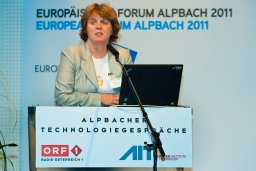 Julia Lane合作论文数New York University, and University of Chicago;Wagner Graduate School of Public Service, New York University;New York University, New York University11
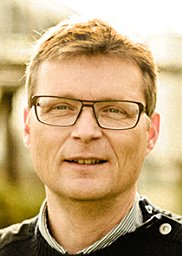 Lars J. Nilsson合作论文数Faculty of Engineering, Lund University11
 John C. Haltiwanger合作论文数Department of Economics, University of Maryland10Herwig Wendt合作论文数Informatics Research Institute of Toulouse Laboratory, University of Toulouse10
 Henry Pollakowski合作论文数MIT Center for Real Estate9Jens Wittsten合作论文数9
 Daniel Weinberg合作论文数U. S. Bureau of the Census9Mark J. Kutzbach合作论文数Department of Economics, University of California9
 Sonja Opper合作论文数8
 Roger Hildingsson合作论文数Department of Political Science, Lund University8Thomas Haag合作论文数Swiss Fed Inst Technol, Inst Geophys, CH-8092 Zurich, Switzerland7Peter Karpestam合作论文数7
 Michael Ford合作论文数Sony Pictures Imageworks7
 Viktor V. Nikitin合作论文数7
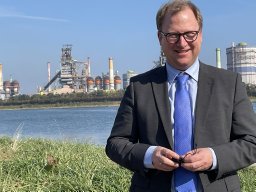 Max Åhman合作论文数Department of Environmental and Energy Systems Studies, Lund University7
 Cedric Schmelzbach合作论文数Department of Geosciences, University of Potsdam7Nienke Brinkman合作论文数Institute of Geophysics, ETH Zürich6
 David Sollberger合作论文数Institute of Geophysics, ETH Zurich;david.sollberger@gmail.com;Institute of Geophysics, ETH Zurich6Jamil Khan合作论文数Lund University6
 Sharon Kedar合作论文数6
 Matthew L. Freedman合作论文数Dana Farber Cancer Institute & Brigham and Women's Hospital, Boston, MA6
 Kai A. Konrad合作论文数Max Planck Institute for Tax Law and Public Finance6
 Adriana Citlali Ramirez合作论文数5Martin van Driel合作论文数Institute of Geophysics, ETH Zürich5
 Domenico Giardini合作论文数Institut für Geophysik, Eidgenossische Technische Hochschule Zurich;Department of Earth Sciences, Eidgenossische Technische Hochschule Zurich5
 Simon C. Stähler合作论文数Eidgenössische Technische Hochschule Zürich5
 Henrik Jordahl合作论文数School of Business, Örebro University5Håkan J. Holm合作论文数Economics, Lund University5
 Rikard Forslid合作论文数Department of Economics, Stockholm University and CEPR5
 Philippe Lognonné合作论文数Institut de Physique du Globe de Paris, Université Paris Cité5Jan ten Pierick合作论文数4
 Kristian Vinter Juul合作论文数Ferring International Pharmascience Center4
 Karin Ericsson合作论文数Environmental and Energy Systems Studies, Lund University4
 Kathryn Shaw合作论文数Graduate School of Business, Stanford University;Institute for Economic Policy Research, Stanford University4
 Harry J. Holzer合作论文数McCourt School of Public Policy, Georgetown University4
 Troy L. Hudson合作论文数4Thomas Elger合作论文数4
 Annica Kronsell合作论文数Department of Political Science, Lund University4
 Jean-Yves Tourneret合作论文数Institut de Recherche en Informatique de Toulouse, University of Toulouse4anneli sundkvist合作论文数4
 W. Bruce Banerdt合作论文数4




