AIMS:To analyze the long-term results of a prospective phase II trial testing intensified total neoadjuvant therapy (TNT) in patients with locally advanced rectal cancer (LARC). MATERIALS AND METHODS:Patients with histologically confirmed LARC adenocarcinoma were enrolled. Intensified TNT consisted of targeted agent (bevacizumab or panitumumab/cetuximab) plus FOLFOXIRI (5-fluorouracil, leucovorin, oxaliplatin and irinotecan) induction chemotherapy followed by intensified (oxaliplatin and 5-fluorouracil) chemoradiotherapy (CRT) and surgical resection. Follow-up data were collected for all patients included in the trial. Survival outcomes were calculated using the Kaplan-Meier method and curves were compared by the log-rank test. RESULTS:Between October 2015 and September 2019, 28 LARC patients were enrolled. Follow-up data were available for all included patients. In total, 11 (39.3%) patients had a complete response (CR). At 6.3 years (median follow-up), 5-year overall survival (OS) and DFS were 74.6% and 57.1%, respectively. Five-year OS was 80.8% for CR patients and 70.1% for no-CR patients (p-value 0.07). Those patients with CR after TNT treatment had a 5-year DFS of 81.8% versus 41.2% for those with no CR (p-value 0.015). CONCLUSION:The addition of a targeted agent to induction FOLFOXIRI and oxaliplatin to 5-fluorouracil-based CRT, with the doses and intensities used in this study, resulted in high CR rates. Patients who achieve a CR demonstrate superior DFS compared to patients without CR. Intensified TNT may have the potential to increase survival outcomes. Further research on TNT strategies in LARC is encouraged.
Aims We assessed the efficacy and safety of total neoadjuvant therapy, including targeted agent plus FOLFOXIRI (5-fluorouracil, leucovorin, oxaliplatin and irinotecan) induction chemotherapy followed by intensified chemoradiotherapy (CRT) and surgical resection, in patients with locally advanced rectal cancer. Materials and methods This was a single-arm, single-centre phase II trial. Eligible patients had non-metastatic locally advanced rectal adenocarcinoma. Based on Ras-BRAF status, patients were treated with bevacizumab (mutated Ras-BRAF) or panitumumab/cetuximab (wild-type Ras-BRAF) plus FOLFOXIRI regimen followed by oxaliplatin–5-fluorouracil-based CRT and surgery. The primary end point was pathological complete response rate. Secondary end points were toxicity, compliance, tumour downstaging, complete resection, surgical complications, local and distant failures and overall survival. The sample size was planned to expect an absolute 20% improvement in pathological complete response rate over historical literature data with an α error of 0.05 and a power of 80%. Results Between October 2015 and September 2019, 28 patients (median age 66 years) were enrolled. All patients had regional lymph node involvement at diagnosis. FOLFOXIRI plus bevacizumab was administered in 11 mutated Ras-BRAF patients, whereas the 17 wild-type Ras-BRAF patients received FOLFOXIRI plus panitumumab/cetuximab. Overall, total neoadjuvant therapy was well tolerated and 26 patients (92.9%) completed the programmed strategy. A complete response was achieved in nine cases (32.1%) and a nearly pathological complete response (ypT1 ypN0) in two patients (7.2%). There was no evidence of febrile neutropenia and no grade 4 adverse events were recorded. Radical resection was achieved in all cases. Conclusion FOLFOXIRI plus targeted agent-based induction chemotherapy and intensified CRT before surgery showed promising clinical activity and was well tolerated in locally advanced rectal cancer patients. This phase II trial provides a strong rationale for phase III studies.
Other than promoting type2-diabetes remission, bariatric-surgery (BS) reverses also the hepatic features of non-alcoholic fatty-liver disease (NAFLD). However, the mechanism of NAFLD formation and reversal is poorly understood. We aimed to study whether Plin2 protein expression is influenced by sleeve-gastrectomy (SG) through the improvement of chaperone-mediated autophagy (CMA).
The aim of this study was to evaluate the safety and efficacy of a new intragastric balloon (Elipse™ Balloon, Allurion Technologies, Natick, MA USA) not needing endoscopy.
Recent studies have suggested a possible correlation between obesity and adenovirus 36 (Adv36) infection in humans. As information on adenoviral DNA presence in human adipose tissue are limited, we evaluated the presence of Adv36 DNA in adipose tissue of 21 adult overweight or obese patients. Total DNA was extracted from adipose tissue biopsies. Virus detection was performed using PCR protocols with primers against specific Adv36 fiber protein and the viral oncogenic E4orf1 protein nucleotide sequences. Sequences were aligned with the NCBI database and phylogenetic analyses were carried out with MEGA6 software. Adv36 DNA was found in four samples (19%). This study indicates that some individuals carry Adv36 in the visceral adipose tissue. Further studies are needed to determine the specific effect of Adv36 infection on adipocytes, the prevalence of Adv36 infection and its relationship with obesity in the perspective of developing a vaccine that could potentially prevent or mitigate infection.
BACKGROUND:Sleeve gastrectomy is indicated for the treatment of obesity and related co-morbidity including diabetes. The dynamic changes in insulin secretion and sensitivity after sleeve gastrectomy are unknown.METHODS:Whole-body insulin sensitivity was measured by the euglycaemic hyperinsulinaemic clamp technique, and insulin secretion by C-peptide deconvolution after an oral glucose tolerance test (OGTT), before and 3, 6 and 12 months after sleeve gastrectomy in morbidly obese subjects. The time course of glucagon-like peptide (GLP) 1, as a marker of insulin secretion following OGTT, was also assessed.RESULTS:Ten patients were included in the study. Median (range) baseline insulin sensitivity (M-value) increased from 84.0 (20.2-131.4) mmol per kg per min at baseline to 122.8 (99.0-179.3) mmol per kg per min at 12 months after surgery (P = 0.015). Fasting insulin sensitivity, measured by homeostatic model assessment of insulin resistance, which represents a surrogate index of hepatic insulin resistance, decreased from 3.3 (1.9-5.5) to 0.7 (0.5-1.1) mg/dl · µunits/ml (P < 0.001). Total insulin secretion, measured as incremental area under the curve (AUC), after OGTT decreased from 360.4 (347.9-548.0) to 190.1 (10.1-252.0) mmol/l · 180 min at 12 months (P = 0.011). The AUC for GLP-1 increased from 258.5 (97.5-552.6) to 5531.8 (4143.0-7540.9) pmol/l · 180 min at 12 months after sleeve gastrectomy (P < 0.001). In multiple regression analysis, 51 per cent of the M-value variability was explained by GLP-1 secretion.CONCLUSION:Sleeve gastrectomy improved insulin sensitivity and reduced insulin secretion within 6 months after surgery. Although there was a correlation between insulin sensitivity and bodyweight, the major driver of the improvement in insulin sensitivity was GLP-1 secretion.
Internal abdominal hernias are a rare cause of intestinal obstruction (0.2-0.9%). Transmesenteric hernia is a rare type of internal hernia and usually in adult people is acquired. We report the case of a 44 year-old caucasian female with a small bowel occlusion after right nephrectomy for clear cell renal carcinoma caused by an acquired transmesenteric hernia. We emphasize the role of CT scanning for a prompt diagnosis and a quick surgical treatment in order to avoid intestinal gangrene.
Intestinal intussusceptions represent a rare cause of intestinal obstruction in adults (about 1% of intestinal obstructions). The principle causes are benign or malignant tumors. In adults, the most frequent localizations of intestinal invaginations are the ileo-cecal segment, ileum and colon as exclusive localization. We report the case of a 56 year-old Caucasian male admitted in our Department complaining with diffuse abdominal pain and severe anemia. The colonoscopy revealed a vegetant, stenosing and ulcerated mass in the hepatic flexure. The computed tomography suggested the additional diagnosis of intestinal intussusception with no evidence of intestinal obstruction. In our experience, surgery is always indicated for the treatment of intussusceptions in adults, especially for the almost constant underlying neoplasm.
 Nicola Basso合作论文数24
 M. Rizzello合作论文数21
 Gianfranco Silecchia合作论文数Department of Surgery “P. Stefanini” Viale Policlinico, University “La Sapienza”17E. Soricelli合作论文数14
 Francesca Abbatini合作论文数12Frida Leonetti合作论文数10
 Adriano Redler合作论文数Policlinico Umberto I, "Sapienza" Università di Roma10A Pecchia合作论文数8D. Capoccia合作论文数8
 Alfredo Genco合作论文数Policlinico “Umberto I, Università “La Sapienza”,8G. Alessandri合作论文数5C. Boru合作论文数4Mc Ribaudo合作论文数4G. Leone合作论文数4A Fantini合作论文数4R. Maselli合作论文数4D Giannotti合作论文数4
 Gregorio Patrizi合作论文数sapienza university of rome4
 Cristina Maglio合作论文数Wallenberg Centre for Molecular and Translational Medicine, University of Gothenburg;Institute of Medicine, The Sahlgrenska Academy at University of Gothenburg;Department of Rheumatology, Sahlgrenska University Hospital3M. Cipriano合作论文数3
 Carla Giordano合作论文数Division of "Malattie Endocrine, del Ricambio e della Nutrizione",, Università degli studi di Palermo3Di Rocco Giorgio合作论文数Dept Surg Sci, Univ Roma La Sapienza3Ernesti I合作论文数3
 Vincenzo Bacci合作论文数Servizio Speciale di Dietologia, Policlinico Umbertol University Hospital3Michele Lorenzo合作论文数3Claudio Tiberti合作论文数3
 Francesco Greco合作论文数Department of Urology and Kidney Transplantation, Martin Luther University3M. Cappelletti合作论文数2M G Bernieri合作论文数2R. Vona合作论文数2Lucia Pallotta合作论文数2
 Nicola Perrotta合作论文数2A. Pisano合作论文数2G. D'Ambrosio合作论文数2
 Geltrude Mingrone合作论文数School of Life Course Sciences, Faculty of Life Sciences & Medicine, King’s College London2
 Lidia Castagneto Gissey合作论文数2De Felice Francesca合作论文数2
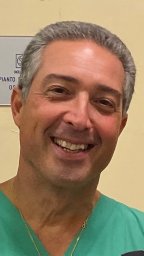 Monti Marco合作论文数Department of Gynecology, Obstetrics and Urological Sciences, "Sapienza"University of Rome;Department of Gynecology, Obstetrics and Urological Sciences, "Sapienza" University of Rome2
 Angelo Iossa合作论文数2
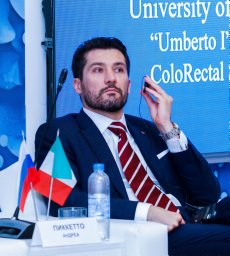 Picchetto Andrea合作论文数2
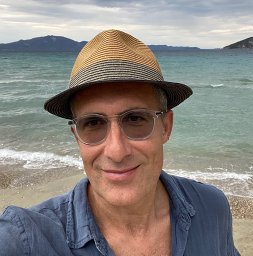 Stefano Mariani合作论文数UCD School of Biology and Environmental Science, University College Dublin2
 Giovanni Baglio合作论文数2Paola Matarrese合作论文数Department of Ultrastructures, Istituto Superiore di Sanità2
 Mauro Tarallo合作论文数Department of Dermatology and Plastic Reconstructive Surgery, University of Rome2
 Franco Iafrate合作论文数2
 Enrico Cortesi合作论文数Dipartimento Di Scienze Radiologiche, Oncologiche E Anatomo-Patologiche, Università degli Studi di Roma "La Sapienza"2Carola Severi合作论文数2
 Fabio Massimo Magliocca合作论文数2Daniela Musio合作论文数2




