BACKGROUND:Children with neurofibromatosis type 1 (NF1) rarely develop calvarial defects, and even more rarely do they develop encephalocele and plexiform neurofibroma (PNF). OBSERVATIONS:The authors report on the repair of osseous defects of occipital bone and encephalocele in a boy with NF1 with a family history of NF1. Targeted medicine was introduced after the repair for unresectable PNF. LESSONS:The etiopathogenesis and treatment of the occipital defects and associated morbidities are discussed. https://thejns.org/doi/10.3171/CASE2561.
The aim of this study was to investigate the efficacy of non-detachable free-floating bone flap posterior cranial vault release (FFBF-PCVR) in syndromic craniosynostosis. A retrospective review was completed of subjects who underwent FFBF-PCVR at 4 time-points: within 3 months preoperatively, 7 days postoperatively, 3 months postoperatively and at the last follow-up postoperatively. Volumetric and craniometric data, the ratio of ventricular diameter, and the cerebellar tonsillar descent were measured after FFBF-PCVR by using computed tomographic and magnetic resonance imaging. A total of 19 patients underwent FFBF-PCVR. The mean age was 11.7 months (range 4-36 months). The mid cranial height, posterior cranial height, and anterior posterior diameter length significantly increased from preoperative to postoperative 7 days, from postoperative 7 days to postoperative3 months, and from postoperative 3 months to the last follow-up. There was a significant increase in pre- to 7 days postoperative intracranial volume (1195.21 ± 246.56 cm³, p < 0.001; respectively), 3 months postoperative intracranial volume (1228.03 ± 249.61 cm³, p < 0.001; respectively), and intracranial volume at last follow-up (1390.25 ± 219.99 cm³, p < 0.001; respectively). There was a significant increase in 7 days' postoperative to 3 months' postoperative intracranial volume (p < 0.001; respectively), and intracranial volume at last follow-up (p < 0.001; respectively). There was a significant increase in 3 months postoperative to intracranial volume at last follow-up (p < 0.001). The mean intracranial volume increased by an average of 36.6 percent (range, 18.1 to 79.2 percent) at last follow-up. The degree of hydrocephalus in the preoperative child was (45.77% ± 9.17%), and at the last follow-up after surgery, the degree of hydrocephalus was (35.02 ± 9.50%), p < 0.01). Preoperatively, 14 patients (73.7 percent) had radiographic evidence of Chiari malformation type I. The cerebellar tonsillar descent, measured using pre- and postoperative MRI, decreased in all patients after FFBF-PCVR (preoperative: 7.5 ± 1.4 mm, postoperative: 5.3 ± 1.7 mm; p = 0.001). FFBF-PCVR can efficiently expand the posterior cranial vault with only one surgical procedure. Moreover, it helps to relieve hydrocephalus and cerebellar tonsillar herniation.
OBJECTIVE:Cephalic Index (CI), the ratio of head width to length, is one of the indexes reflecting cranial morphological characteristics. Current norms were established by European and American countries. The purpose of the study was to study anthropometry of cranial parameters using computed tomography scans to establish the CI of the sampled Chinese Children. METHODS:The cross-sectional study was carried out on patients of age younger than 14 years old at Shanghai Children's Medical Center. The measurement of maximum cranial breadth and maximum cranial length were taken on a computed tomography scan machine and recorded for analysis. Cephalic Index was calculated for each age and sex group and compared with previously established norms. RESULTS:Five hundred eighteen patients met the inclusion criteria, including 301 males and 217 females. The means for boys and girls were 87.1 (SD: 4.3) and 85.8 (SD: 4.3), respectively. There was a significant difference between boys and girls (P < 0.01). Cephalic Index in different ages and on applying the 1-way analysis of variance association was statistically insignificant (P = 0.19). CONCLUSIONS:Chinese head shape was brachycephalic. A statistically significant correlation was seen between the CI and sex, while not age.
脊髓拴系是引起脊髓空洞的主要病因之一,空洞多局限于脊髓末端,极少向上进展而累及颈胸段.上海交通大学医学院附属上海儿童医学中心神经外科2016年1月和2020年8月收治2例终丝牵拉合并全脊髓空洞患儿,行脊髓拴系松解术,术中见脊髓低位,终丝张力高.2例患儿术后脊髓空洞较前明显缩小,MRI显示全脊髓空洞明显好转.
神经纤维瘤病1型(NF1)是一种见于成人和儿童的常染色体显性遗传性疾病,NF1合并高级别胶质瘤者较为少见.本文报道1例合并脑干高级别胶质瘤的儿童NF1患者的临床资料.该例患儿外伤后出现神经功能缺损症状;有明确的家族遗传史,全外显子组基因测序证实其与母亲同时存在NF1 c.499_502het_delTGTT,p.C167Qfs变异,c.499-502位置碱基有TGTT缺失引起的移码变异、杂合.经活组织检查确诊为颈延髓弥漫性中线胶质瘤合并H3K27M突变,世界卫生组织肿瘤分级4级.未行放化疗,随访9个月肿瘤无进展.
目的 分析囊壁上附着异位脉络丛的鞍上池囊肿的临床特点和治疗方法,并探讨囊肿增大的机制.方法 回顾性分析2017年2月至2022年2月上海交通大学医学院附属上海儿童医学中心神经外科收治的19例鞍上池囊肿患儿的临床资料.患儿的中位年龄为9.4个月(1~48个月).17例在母亲孕检中发现鞍上池囊肿并行胎儿MRI明确诊断,另2例分别在出生后6、42个月发现并确诊.术前MRI显示,17例患儿的囊肿呈进行性增大.19例患儿中,2例囊肿仍局限于鞍上池生长,另17例自鞍区向周边扩大并压迫颞叶、顶叶、枕叶、小脑或脑干.2例伴中度脑积水,7例脑室受压变小,另10例脑室大小在正常范围内.8例在神经内镜下经颞部行囊肿-脑池开窗术,11例在神经内镜下经额叶行囊肿-第三脑室-桥前池开窗术.术后定期门诊随访,进行影像学复查以评估囊肿的变化及有无复发.结果 术中发现,19例患儿的鞍区部位囊壁上均有散在的珊瑚状脉络丛结构.所有患儿均顺利完成手术,无手术并发症发生.19例患儿均获得随访,随访时间为(12.8±7.0)个月(3~24个月),17例患儿生长发育良好,且囊肿缩小>50%,MRI检查显示囊肿无复发;2例行囊肿-脑池开窗术的患儿出现术后复发,分别接受囊肿-腹腔分流术和囊肿-第三脑室-桥前池开窗术后好转.结论 胎儿及儿童早期发现的鞍上池囊肿具有快速增大且向周边扩展的临床特点,其囊壁上的异位脉络丛主动分泌脑脊液可能是囊肿增大的主要机制,神经内镜下囊肿-第三脑室-桥前池开窗术应为首选治疗方法.
目的 探讨婴幼儿脉络丛乳头状癌(CPC)的临床特点、治疗策略及其预后.方法 回顾性分析2015年1月至2020年12月在上海交通大学医学院附属上海儿童医学中心神经外科收治的6例CPC患儿的临床资料,肿瘤均位于侧脑室内,采用经侧脑室枕角三角区入路行肿瘤切除术;术后1、3、6个月,术后1年及以上每年定期进行临床随访,随访术后患儿是否进行放、化疗,是否行二次手术,有无肿瘤播散、转移,存活状态及预后情况.结果 6例患儿的中位就诊年龄为29.5个月(5~38个月),就诊时除1例患儿无症状外,其余5例均伴有恶心、呕吐等颅内压增高表现.术前头颅MRI T1加权成像显示肿瘤呈等信号或低信号,T2加权成像呈稍高信号,增强序列呈不同程度强化.6例患儿的首次手术均顺利完成,4例肿瘤全切除,2例部分切除,术后均未发生手术相关并发症.术后病理学检查可见细胞核分裂明显,Ki-67阳性指数为30%~65%,均证实为CPC.6例患儿的中位随访时间为36个月(6~59个月);4例患儿(其中2例为肿瘤复发)经历二次手术,2例肿瘤全切除,2例部分切除.至末次随访,4例患儿存活,2例死亡.4例存活的患儿术后均行卡铂+长春新碱辅助化疗,2例同时辅助全脑、脊髓放疗,临床症状均改善,生长发育正常,预后良好.2例死亡的患儿术后均未行放、化疗等辅助治疗,术后脑室内多处种植、转移后死亡.结论 CPC多发于婴幼儿,多伴有颅内压增高表现,手术应尽可能全切除肿瘤,如术后复发需考虑二次手术切除;对术后肿瘤残留或转移的患儿可考虑放、化疗等辅助性治疗,有助于改善预后.
目的 探讨内镜第三脑室底造瘘术(ETV)在儿童后颅窝肿瘤所致梗阻性脑积水中的应用效果及并发症情况.方法 回顾性分析2013年9月至2021年9月上海交通大学医学院附属上海儿童医学中心神经外科收治的93例后颅窝肿瘤患儿的临床资料.所有患儿均存在急性梗阻性脑积水所致的颅高压症状,并于二期肿瘤切除术前行一期ETV.分析ETV的术后疗效、并发症发生率,以及肿瘤切除术后的脑积水复发率.结果 98.9%(92/93)的患儿ETV成功实施,且术后颅高压症状缓解,1例患儿因术中出血导致行ETV失败.术后并发症(1例发生颅内感染)的发生率为1.1%(1/92),经抗感染治疗后好转.肿瘤切除术后的脑积水复发率为6.5%(6/92),经再次手术置入脑室-腹腔分流管,脑积水均获得缓解.结论 小儿后颅窝肿瘤合并梗阻性脑积水需急诊缓解颅高压时应首选ETV,其并发症少,且肿瘤切除术后的脑积水复发率低.
OBJECTIVE:This study aims to assess the impact of early diagnosis and surgery on children with congenital dermal sinus, investigate the relationship between MRI findings and extent of surgical exploration, and summarize our clinical experience with the surgical management in cases with central nervous system (CNS) infection.METHODS:The skin features, preoperative MRI images, intraoperative findings, postoperative pathological characteristics, and prognoses of 56 children with congenital dermal sinus were analyzed retrospectively.RESULTS:All the children had a pinpoint ostium in the skin, and 52 out of the 56 children (92.9%) had intraspinal dermoid cysts or epidermoid cysts. Before surgery, MRI did not show intraspinal lesions in 13 children, and surgery revealed intradural lesions in 9 of these children (69.2%). Among 46 children without CNS infection, 16 children had neurological impairment before surgery. After surgery, recovery was complete in 36 children, partial in 9 children, and absent in 3 children. All children with CNS infection had neurological impairment before surgery. After surgery, the condition improved in 8 children and exacerbated in 2 children. Children without CNS infection had statistically significantly better prognosis than children with CNS infection (p = 0.03).CONCLUSION:A pinpoint ostium in the dorsal midline is the characteristic feature of congenital dermal sinus. In cases without intraspinal lesions on MRI, the spinal canal should be explored intraoperatively to ensure complete removal of the lesion and prevent recurrences. In cases without CNS infection, early diagnosis and timely surgery are beneficial to the recovery of nerve function.
Objective:To discuss the clinical features, diagnosis and treatment of children with congenital dermal sinus tract.Methods:A retrospective analysis was conducted on the clinical data of 56 children with congenital dermal sinus admitted to Department of Neurosurgery, Shanghai Children′s Medical Center of Shanghai Jiao Tong University School of Medicine from January 2005 to September 2017. There were 47 primary cases and 9 recurrent cases. The median age of 56 children was 2 y (1m to 11y). The congenital dermal sinus was located in the posterior occipital region in 2 cases, cervical area in 1, thoracic area in 7, lumbar area in 26, sacral and coccygeal area in 20. The skin lesion area was observed prior to surgery. Head or spine MRI examination was undertaken. The 47 primary cases underwent resection of the dermal sinus tract .The lesions were removed for those with spinal or intracranial lesions. For those with combined tethered spinal cord syndrome, spinal cord untethering was performed. Comparison between pre- and post-operative conditions was conducted to evaluate changes in the neurological function, which, as well as medical imaging, was followed up.Results:In 56 cases, there were "needle-eye-like holes" in the lesion area of the children. In 43 cases, preoperative MRI suggested intradural lesions. In the remaining 13 cases, preoperative MRI did not indicate intradural lesions, 9 of which had epidural or epidermal cysts revealed later during operation. Overall, 92.9% (52/56) of children had dermal sinus combined with spinal cord endothelial cyst (33 cases) or epidermoid cyst (19 cases). The median follow-up time for 56 children was 4 years (2 months to 12 years). Of the 46 cases of children without central nervous system infection, 16 had neurological function damage before surgery. Among those, 4 cases recovered after surgery, 9 cases were improved and 3 cases remained unchanged. In 10 cases with combined central nervous system infection, there was neurological function damage before surgery. Among them, 8 cases improved after surgery, and 2 cases deteriorated.Conclusions:Children with needle-eye-like holes in the posterior occipital region and midline of the spine should be examined jointly with MRI. For cases diagnosed as congenital dermal sinus, early surgical treatment should be considered as soon as possible. For cases where MRI does not indicate the presence of intradural lesions, the intradural area should still be explored.
Objective:To explore a convenient and effective way of external drainage for infants and young children with acute hydrocephalus.Methods:A retrospective analysis was conducted on 43 children of acute hydrocephalus who underwent external drainage of the lateral ventricle at Department of Neurosurgery, Shanghai Children′s Medical Center, Shanghai Jiaotong University School of Medicine. All children demonstrated significant symptom of intracranial hypertension (IH) during infection or bleeding. Intermittent flow control mode was employed for external drainage, which was performed when the child was quiet or asleep. The total daily drainage was controlled at about 100 ml. The efficacy of external drainage and the incidence of related bleeding, cerebrospinal fluid (CSF) leakage and infection were observed.Results:A total of 47 procedures of ventricular puncture and external drainage were performed in 43 cases. All children with IH symptoms were significantly improved, and their infection or bleeding were resolved. The median duration of the catheter maintenance was 14 (5 to 60) d. During external drainage, there were 2 cases of secondary ventricular hemorrhage (4.7%), 3 cases of CSF leakage (7.0%), 2 cases of catheter blockage (4.7%), and none of them had catheter-related secondary infection. The second-stage ventricular-peritoneal shunting was performed in all cases.Conclusion:External drainage with intermittent flow control mode during the period of intracranial infection period or ventricular hemorrhage in infants and young children with acute hydrocephalus can safely and effectively reduce intracranial pressure, reduce the risk of cerebral hemorrhage and subdural fluid accumulation, and does not seem to increase the risk of secondary infection.
儿童轻微外伤后的无骨折脱位型脊髓损伤可导致截瘫,目前该病的发病机制尚不明确。上海交通大学医学院附属上海儿童医学中心神经外科于2018年3—12月收治3例儿童无骨折脱位型脊髓损伤致截瘫的患儿,并行椎管腔探查术,术中发现均存在终丝牵拉病变及不同程度的脊髓损伤。结合文献认为,无骨折脱位型脊髓损伤患儿中很可能存在先天性脊髓拴系病变,如终丝牵拉等,在外力诱因下突然发病导致脊髓严重损伤。
Objective To explore the clinical outcome and value of prophylactic operation of asymptomatic spinal lipomas in children. Methods We retrospectively analyzed the clinical data of 168 patients with asymptomatic spinal lipomas who underwent prophylactic operation from April 2001 to June 2015 at Department of Neurosurgery, Shanghai Children 's Medical Center, School of Medicine, Shanghai Jiaotong University. Those patients (with an average age of 7 months) aged from 1. 5 months to 15 years old were free of preoperative symptoms such as pain, gatism and/or bilateral lower limb dysfunction. Surgical protocols included removal of the lipomas in subcutaneous and extramedullary tissues, complete excision of extraspinal lipomas, subtotal resection of intraspinal fat, detaching of the medullary cones from dura sac and release of the tethered cord. Results In 168 patients, complete resection was achieved for the dorsal spinal lipoma ( 132 patients ) and subtotal resection was undertaken for the lateral type and the wrapped lipoma(36 patients). Five cases developed cerebrospinal fluid leakage that caused subcutaneous effusion after surgery, which resolved following multiple punctures and pressure dressing. Six patients had slight gatism. Among them, 5 recovered in 1 month and 1 had no relief of symptoms. In this series, 159 out of 168 cases were successfully followed up for 3 - 19 years ( with an average of 76 months ) . Long-term postoperative symptoms were observed in 13 patients, with an incidence of 8. 2%. Twelve patients of them had spinal cord retethering and 1 had lipoma enlargement. Conclusion Prophylactic surgery could lead to favorable outcomes in children with asymptomatic spinal lipomas and help prevent neurologic dysfunction in the future.
Objective To study the timing of surgical resection of congenital dermal sinus complicated with the infection of central nervous system.Methods We retrospectively analyzed 10 cases of congenital dermal sinus complicated with the infection of central nervous system admitted to Department of Neurosurgery,Shanghai Children's Medical Center between October 2005 to December 2015.Among them,5 cases had appropriate antibiotic administration prior to operation and underwent surgery immediately after infection was controlled.The other 5 cases received surgical treatment when the infection was not controlled.Results Among the 10 cases,infection was effectively controlled and no recurrence was observed.Compared with that in patients with uncontrolled infection,the average operative time was reduced by 1.3 ± 0.3 hours in 5 cases who had the operation after the infection was preliminarily controlled.The number of opened vertebral segments was less and the recovery of neurological function was better in patients with controlled infection.The average length of hospitalization was 16 days longer in infection-controlled than infection-uncontrolled patients.Conclusion Appropriate antibiotic administration prior to operation and immediate surgery following controlled infection could reduce operative difficulty and surgical trauma and facilitate recovery of neurological function.However,it might increase length of hospitalization and treatment costs.
Objective: To examine the factors that may influence Chinese parent's willingness to donate their children's biospecimens for use in pediatric research. Study Design: Parents or caregivers of the patients in the neurosurgery ward, oncological surgery ward, and internal medical wards at Shanghai Children's Medical Center were recruited during the period of March 1, 2016 to July 8, 2018. The questionnaire included the willingness to provide consent for donating their children's clinical biospecimens, their attitudes toward and motivations for donating their children's clinical biospecimens, opinions of contributing specimens, and an ethical consideration for their children's future willingness to donate biospecimens. Participants' demographic data and children's basic information were collected. Results: The majority of the participants agreed to donate the patients' biospecimens for research. Parents with pronounced religious beliefs, less education, who had only one child, child with a more severe disease, and living in an urban district were associated with negative attitudes toward biospecimen donation, but none of other parents' sociodemographic characteristics and some of the children's basic characteristics disclosed significant differences in donation attitudes. In five different types of biospecimens, parents were more reluctant to donate specific blood biospecimens. Physical pain and privacy protection were of most concern to parents when it came to donating their child's biospecimens. It was widely believed in parents that reconsent would be necessary for the 18-year-old adolescent. Conclusions: Our findings explored the factors that were of greatest worry to parents related to parents' willingness to donate their child's biospecimens in China. We recommend greater patient explanation to enhance the participant's engagement in the biospecimen donation, and the adolescent's attitude toward biospecimen donation needs further consideration.
Objective To investigate the effectiveness and prognostic factors of endoscopic third ventriculostomy(ETV) in the treatment of childhood hydrocephalus.Methods The clinical data of 101 patients with hydrocephalus were retrospectively reviewed,who underwent ETV at Shanghai Children's Medical Center of Shanghai Jiao Tong University School of Medicine from May 2010 to June 2015.The patient's ages ranged from 1 month to 18 years (median age:29 months).The period of follow-up varied from 6 months to 5 years.The outcomes of ETV and prognostic factors were determined in this study.Results Among the 101 patients,a total of 79 patients achieved satisfactory outcomes and the overall success rate (SR) was 78.2%.The specific SRs were determined to be 96.2% (25/26)and 12/14 in hydrocephalus caused by tumors and arachnoidal cysts,respectively,75.0% (24/32) for aqueductal stenosis,5/9 for central never system (CNS) infection,5/8 forhydrocephalus after neonatal hemorrhage,6/9 for Chiari malformations and 2/3 for communicating hydrocephalus.There was statistically significant difference between SRs associated with different etiologies (P < 0.05).The SR of ETV in children less than 2 year old was67.3% (31/46) and 89.1% (49/55) for children elder than 2 years,and the difference was statistically significant (P =0.007).Among the 4 patients ultimately submittedfor second ETVs,stoma obstruction was confirmed in 3 cases and constructive hydrocephalus with CSF absorption dysfunction was suggested in the 1 remaining case.Conclusions ETV seems to be an effective and safe procedure in the treatment of childhood hydrocephalus.The patient's age and etiology of hydrocephalus could be related to the success rate.Anatomical variability,stoma obstruction and CSF absorption dysfunctionmight result in ETV failure,a higher chance of which was observed in children under 2 years old and should be taken with caution.
Objective: To investigate infection prevention by antibiotic-impregnated shunts (AIS) relative to conventional ones after pediatric hydrocephalus treatment.Methods: This single center, retrospective analysis comprised 807 consecutive pediatric cases of hydrocephalus shunting performed by the same neurosurgeon between January 2001 and February 2013. Conventional and AIS catheters were used in 303 and 504 cases, respectively. Study outcomes were infection rates at 6 months (primary), and at 1 month and between 1 and 6 months (secondary). An infant (<1 year) subgroup was also analyzed.Results: The AIS relative to the conventional catheter group had significantly lower infection rates at 6 months (1.98% [10/504] vs. 5.95% [18/303], two-tailed p=0.0046; central nervous system: 60% and 55.56%; abdominal: 20% and 27.77%; wound: 20% and 16.67%, respectively) and 1 month (0.19% [1/504] vs. 2.65% [8/303], p =0.0023, respectively), but statistically similar rates between 1 and 6 months (1.79% [9/504] vs. 3.30% [10/303], p =0.2296, respectively). In the infant subgroup, AIS application was also associated with reduction in shunt infection (1.49% [7/470] vs. 3.76% [10/266], p = 0.0489, respectively).Conclusion: AIS as compared to conventional catheter use appears to lower infection risk at 6 months, mainly during the first month, after hydrocephalus therapy in children. (C) 2016 Elsevier B.V. All rights reserved.
Purpose The present study aimed to investigate the relationship between meningocele and tethered cord syndrome, diagnosis of meningocele associated with tethered cord syndrome, and when to perform surgery and the best surgical procedure. Methods Sixty-nine children with meningocele who were admitted to Shanghai Children’s Medical Center were analyzed. The relationship between meningocele and other lesions causing tethered cord syndrome was studied by combining magnetic resonance imaging (MRI) and intraoperative findings. Results The MRI results and intraoperative findings showed that 67 children (97 %) had associated lesions such as tight filum terminale, fibrous band tethering, spinal cord or cauda equina adhesion, diastematomyelia, arachnoid cyst, and epidermoid cyst. The protruded meninges were repaired, and the intraspinal lesions were treated at the same time. Also, the tethered spinal cord was released. No neurological injuries were observed after surgery. Conclusions The rate of meningocele associated with tethered cord syndrome is very high. MRI is necessary for the diagnosis of meningocele. Active surgical treatment is recommended immediately after definite diagnosis. During surgery, the surgeon should not only repair the protruded meninges but also explore the spinal canal and release the tethered cord.
目的 研究背侧单纯性脊膜膨出与脊髓栓系的关系,探索单纯脊膜膨出合并脊髓栓系的诊断、手术时机及手术方式的选择.方法 选择背侧单纯性脊膜膨出患儿69例,结合MRI及手术椎管腔探查所见,研究单纯性脊膜膨出与导致脊髓栓系的其它病变的关系. 结果 69例中,MRI及手术发现67例(占97%),患儿除单纯脊膜膨出外,还合并其它相关脊髓病变,如终丝牵拉、纤维束带、脊髓马尾神经粘连、脊髓纵裂、蛛网膜囊肿、表皮样囊肿等.手术修补膨出脊膜的同时,切除椎管内病灶,松解脊髓栓系,术后未见神经损害. 结论 单纯性脊膜膨出有很高的脊髓栓系伴发率,MRI是其必要检查.一旦确诊,建议积极手术治疗,术中不仅要修补膨出脊膜,还应探查椎管腔,解除脊髓栓系.
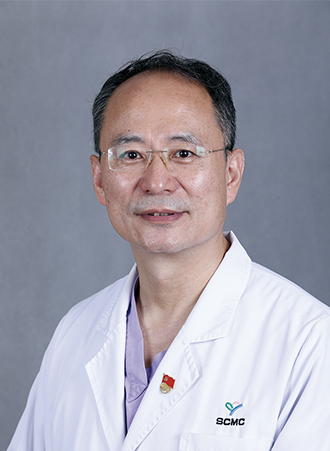 Nan Bao (鲍南)合作论文数Shanghai Children's Medical Center, School of Medicine, Shanghai Jiao Tong University23
 YunHai Song (宋云海)合作论文数21Zeyang Xia (夏泽阳)合作论文数12Yuzhen Xu合作论文数4QinChuan Liang (梁秦川)合作论文数4
 Bo Yang (杨波)合作论文数School of Mechanical Engineering, Shanghai Jiao Tong University3Shanshan Qiu合作论文数2Cheng Chen (陈成)合作论文数2Ru Chen合作论文数1Rong Qin (秦荣)合作论文数1Huiqing Liu合作论文数Shanghai Jiao Tong Univ, Dept Biochem & Mol Cell Biol, Shanghai Key Lab Tumor Microenvironm & Inflammat, Sch Med, Shanghai 200025, Peoples R China1Shouqing Sun (孙守庆)合作论文数1LianPing Sun (孙莲萍)合作论文数1
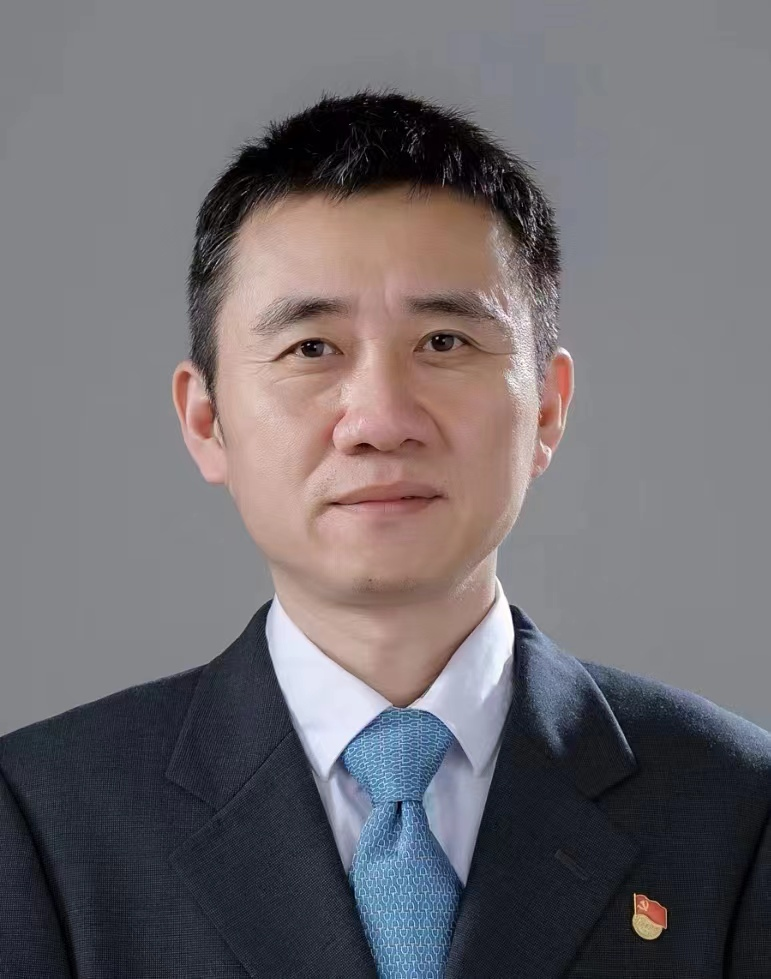 Shuo Gu (顾硕)合作论文数The First Affiliated Hospital of Hainan Medical University1
 Chen Cheng (程辰)合作论文数School of Life Science and Biotechnology, Shanghai Jiao Tong University1
 Jing Chen (陈静)合作论文数Shanghai Children's Hospital, School of Medicine, Shanghai Jiao Tong University1
 Shijian Liu (刘世建)合作论文数Shanghai Jiaotong University School of Medicine1
 Xi Chen (陈曦)合作论文数Ruijin Hospital, School of Medicine, Shanghai Jiao Tong University1Jing Wang合作论文数1
 Xiaolong Zhang合作论文数College of Chemistry and Chemical Engineering, Fuzhou University1




