BACKGROUND:Complete coronary-artery revascularization is recommended in patients with ST-segment elevation myocardial infarction (STEMI) and multivessel disease, but the preferred strategy for identifying nonculprit lesions that warrant treatment remains uncertain. METHODS:In this international, randomized trial, we assigned patients with STEMI and multivessel disease in whom the culprit lesion had been successfully treated to undergo complete coronary-artery revascularization guided by functional coronary angiography (physiology-guided group) or by conventional angiography (angiography-guided group). The primary outcome was a composite of death from any cause, myocardial infarction, cerebrovascular accident (stroke or transient ischemic attack), or ischemia-driven revascularization, assessed in a time-to-event analysis. The primary safety outcome was a composite of contrast-associated acute kidney injury or major bleeding. RESULTS:A total of 1823 patients underwent randomization; 913 were assigned to the physiology-guided group and 910 assigned to the angiography-guided group. The median age of the patients was 66 years (interquartile range, 58 to 76), and 24% were women. At a median follow-up of 17.9 months, a primary-outcome event had occurred in 81 patients (8.9%) in the physiology-guided group and in 125 patients (13.7%) in the angiography-guided group (hazard ratio, 0.62; 95% confidence interval [CI], 0.47 to 0.83; P<0.001). A primary-safety-outcome event occurred in 42 patients (4.6%) in the physiology-guided group and in 65 patients (7.1%) in the angiography-guided group (hazard ratio, 0.63; 95% CI, 0.43 to 0.93; P = 0.02). CONCLUSIONS:In patients with STEMI and multivessel coronary artery disease, a strategy of complete coronary-artery revascularization guided by functional coronary angiography resulted in a lower risk of a primary-outcome event (death, myocardial infarction, cerebrovascular accident, or ischemia-driven revascularization) than a strategy guided by conventional angiography. (Funded by the Italian Health Ministry and others; AIR-STEMI ClinicalTrials.gov number, NCT05818475.).
New-onset left bundle branch block (LBBB) following transcatheter aortic valve implantation (TAVI) is a common conduction disorder, sometimes transient. Conversely, the development of sustained ventricular tachycardia (VT) after TAVI is rare and its management is challenging. We report the case of a female patient with aortic stenosis treated with transcatheter self-expandable aortic valve implantation, who developed new-onset LBBB post-procedure. Several days later, the patient experienced hemodynamically tolerated slow VT with a right bundle branch morphology. She underwent an electrophysiological study, but slow VT was only transiently interrupted. Due to the persistence of slow VT, the patient was discharged with an external loop recorder, which revealed spontaneous resolution of VT and regression of LBBB after a few days.
BACKGROUND:Frailty is common among older patients surviving myocardial infarction, is associated with adverse outcomes, and is often perceived as a barrier to cardiac rehabilitation (CR). The aim of this study is to determine whether frailty influences prognosis after myocardial infarction, and whether frailty modifies the clinical benefit of multidomain CR. METHODS:We performed a prespecified subgroup analysis of the PIpELINe (Physical Activity Intervention in Elderly Patients With Myocardial Infarction) randomized clinical trial conducted in Italy, which enrolled 512 patients aged ≥65 years recovering from myocardial infarction and randomized them in a 2:1 ratio to CR or usual care. Frailty was assessed using the Fried Frailty Phenotype, and patients were categorized as nonfrail (robust) or prefrail/frail. Time-to-event outcomes were analyzed using Kaplan-Meier estimates and Cox proportional hazards models, including treatment-by-frailty interaction terms to evaluate effect modification of the multidomain CR. The primary outcome was a composite of cardiovascular death or unplanned hospitalization for cardiovascular causes within 1 year after randomization. RESULTS:Overall, 350 patients (68.4%) were classified as prefrail/frail, of whom 232 were randomized to intervention arm (66%). Frail patients were older (median age, 80 [75-85] years) and more frequently female (41.7% versus 24.7%). Compared with robust patients, prefrail/frail patients had a higher risk of the primary outcome (16 [9.9%] versus 62 [17.7%]; hazard ratio, 1.59 [95% CI, 0.89-2.82]; adjusted P=0.117). Among prefrail/frail patients, assignment to multidomain CR was associated with a lower risk of the primary outcome compared with usual care (hazard ratio, 0.57 [95% CI, 0.34-0.94]; P=0.028), with no statistically significant interaction in the treatment effect on the primary end point (P=0.57). CONCLUSIONS:Among older patients recovering from myocardial infarction, frailty is associated with worse prognosis but does not diminish the benefit of multidomain CR. These findings support the use of frailty assessment to guide rather than limit access to CR. CLINICAL TRIAL REGISTRATION:ClinicalTrials.gov; Unique identifier: NCT03772743.
New-onset left bundle branch block (LBBB) following transcatheter aortic valve implantation (TAVI) is a common conduction disorder, sometimes transient. Conversely, the development of sustained ventricular tachycardia (VT) after TAVI is rare and its management is challenging. We report the case of a female patient with aortic stenosis treated with transcatheter self-expandable aortic valve implantation, who developed new-onset LBBB post-procedure. Several days later, the patient experienced hemodynamically tolerated slow VT with a right bundle branch morphology. She underwent an electrophysiological study, but slow VT was only transiently interrupted. Due to the persistence of slow VT, the patient was discharged with an external loop recorder, which revealed spontaneous resolution of VT and regression of LBBB after a few days.
Abstract Background In patients with myocardial infarction (MI) and multivessel disease, diabetes mellitus is associated with more diffuse coronary atherosclerosis and worse clinical outcomes, often influencing revascularization decisions. The Functional Assessment in Elderly MI Patients with Multivessel Disease (FIRE) trial demonstrated the superiority of physiology-guided complete revascularization in older patients with MI. Whether this benefit is preserved in patients with diabetes remains uncertain. Methods In FIRE, 1445 patients aged ≥ 75 years with MI and multivessel disease were randomized to culprit-only or physiology-guided complete revascularization. In this prespecified analysis, outcomes were assessed according to diabetes status. The primary endpoint was a composite of death, MI, stroke, or revascularization at 3 years. The key secondary endpoint was cardiovascular death or MI. The safety endpoint included contrast-associated acute kidney injury, stroke, or Bleeding Academic Research Consortium type 3–5 bleeding. Results Among 1445 patients, 463 (32%) had diabetes. After adjustment for baseline characteristics, diabetes was independently associated with a higher risk of the primary endpoint (hazard ratio [HR] 1.26, 95% confidence interval [CI] 1.02–1.56) and heart failure (HR 1.35, 95% CI 1.01–1.83) at 3 years. Physiology-guided complete revascularization reduced the primary outcome in both patients with diabetes (HR 0.70, 95% CI 0.50–0.97) and without diabetes (HR 0.75, 95% CI 0.58–0.97), with no evidence of effect modification by diabetes status (p for interaction = 0.712). Similar consistency was observed for the key secondary and safety endpoints. Conclusions In older patients with MI and multivessel disease, physiology-guided complete revascularization reduces ischemic events irrespective of diabetes status, supporting its use in elderly diabetic patients. Trial registration ClinicalTrials.gov Identifier NCT03772743.
Background. Despite technological innovations and improvements in stents and devices, sex-related discrepancies are still reported in the outcomes after ST-segment elevation myocardial infarction (STEMI), depending on biological and sex-specific pathophysiological differences, which have not been completely understood. The aim of the present study was to provide real-world data on the prognostic role of sex among patients with STEMI, enclosed into a recent up-to-date international registry. Methods. The ISACS-STEMI COVID-19 is a large-scale retrospective registry, including STEMI patients treated with mechanical reperfusion between 1 March and 30 June, 2019 and 2020. Patients, treated in 109 centers across Europe, Latin America, Southeast Asia, and North Africa, were grouped according to sex. Primary endpoint: In-hospital mortality; secondary endpoints: Time delay, 30-day mortality, and postprocedural Thrombolysis In Myocardial Infarction (TIMI) 3 flow. Results. We included 16,083 patients, 24.3% females (54.3% hospitalized in 2019, 45.7% in 2020). Women with STEMI were older, more often diabetic and hypertensive (p < 0.001), with a higher prevalence of hypercholesterolemia (p = 0.02), longer ischemia time (p = 0.01), ambulance referral (p = 0.03) and cardiogenic shock at presentation (p = 0.05), but less frequently smokers, with a previous cardiovascular event (p < 0.001) or anterior STEMI (p = 0.03) as compared to males. Preprocedural TIMI 0 flow, multivessel disease, need for thrombectomy (p < 0.001 and p = 0.001, respectively), use of Glycoprotein IIbIIIa inhibitors or cangrelor, radial access and implantation of drug-eluting stents (p < 0.001, p < 0.001 and p = 0.001, respectively) were also more common in men. Impaired postprocedural epicardial reperfusion (TIMI flow 0-2) was observed more frequently in females as compared to males (10% vs. 7.2%; adjusted OR [95% CI] = 1.30 [1.13-1.49], p = 0.01). In-hospital mortality was 5.8%, significantly higher among women (8.3% vs. 5%, p < 0.001, adjusted HR [95% CI] = 1.26 [1.06-1.5], p = 0.01). Similar data were observed for 30-day mortality (10.3% vs. 6.2%, p < 0.001, adjusted HR [95% CI] = 1.22 [1.06-1.38], p = 0.007). Conclusions. Among STEMI patients being treated with the most updated standard of care for primary percutaneous coronary intervention, female sex is still associated with higher complexity and impaired prognosis, displaying suboptimal epicardial reperfusion and increased in-hospital and 30-day mortality.
Importance:The fourth universal definition of myocardial infarction (UDMI) distinguishes type 1 from type 2 myocardial infarction (MI), but this framework does not fully capture the heterogeneity of underlying mechanisms and prognosis. Objective:To characterize the distribution and clinical features of MI causal endotypes in a large contemporary cohort with a descriptive assessment of associated 1-year outcomes. Design, Setting, and Participants:Consecutive patients from the prospective, multicenter AMIPE registry with an adjudicated diagnosis of MI according to the fourth UDMI were included between January 1, 2017, and December 31, 2023. Follow-up was 1 year; patients with available 1-year follow-up or who died within the first year were included. Type 3, 4, and 5 MI and nonischemic myocardial injuries were excluded. These data were analyzed from June 2025 to May 2026. Exposures:Patients were classified according to the primary etiologic mechanism of MI into 4 causal endotypes: cardiac/coronary, cardiac/noncoronary, systemic, or indeterminate. Main Outcomes and Measures:The main measures were the distribution of causal endotypes and underlying etiologies. One-year outcomes included all-cause death, major adverse cardiovascular events ([MACE] cardiovascular death or recurrent MI), cardiovascular death, and recurrent MI. Cox and Fine-Gray models used the cardiac/coronary group as reference. Results:Among 6282 patients, mean (SD) age was 69.8 (13.5) years and 2013 (32.0%) were women. Overall, 5330 patients (84.9%) had a cardiac/coronary cause, including 5158 with acute atherothrombosis and 172 with nonatherothrombotic coronary mechanisms, 302 had a cardiac/noncoronary cause (4.8%), most commonly tachyarrhythmia, 503 had a systemic cause (8.0%), and 147 had an indeterminate cause (2.3%). At 1 year, all-cause mortality was 9.8% in cardiac/coronary MI, 15.9% in cardiac/noncoronary MI, 25.8% in systemic MI, and 1.4% in indeterminate MI. Compared with cardiac/coronary MI, adjusted hazard ratios for all-cause death were 1.46 (95% CI, 1.08-1.96) for cardiac/noncoronary MI, 2.50 (95% CI, 2.05-3.05) for systemic MI, and 0.22 (95% CI, 0.06-0.89) for indeterminate MI. Higher mortality in systemic and cardiac/noncoronary MI was largely related to noncardiovascular death. MACE rates differed less markedly across endotypes, whereas recurrent MI was less frequent in cardiac/noncoronary and systemic MI than in cardiac/coronary MI. Conclusions and Relevance:In this study, a causal endotype-based classification of MI identified distinct underlying mechanisms and clinical profiles that were not fully captured by the type 1/type 2 framework. This approach may complement the UDMI by improving characterization of MI heterogeneity.
BACKGROUND:The GRACE score is a well established tool for predicting mortality outcomes in patients with myocardial infarction (MI). However, its prognostic role and interaction with revascularization strategies in older patients with MI remain unclear. This study aimed to assess whether the GRACE score was predictive of adverse events in the FIRE trial cohort and whether the benefits of complete revascularization were consistent across the spectrum of the GRACE score. METHODS:The FIRE trial randomized 1445 patients aged 75 years or older with MI and multivessel coronary artery disease to receive either culprit-only or complete revascularization. In this subanalysis, patients were stratified according to GRACE score tertiles: the first tertile (GRACE 92.6-128.0), the second tertile (GRACE 128.1-146.5), and the third tertile (GRACE 146.6-236.0). The primary endpoint was all-cause mortality at 1 year. Other key endpoints included cardiovascular death and a composite of cardiovascular death or MI at 1 year. RESULTS:According to GRACE score tertiles, 487 patients were in the first tertile (33.7%), 477 in the second tertile (33.0%), and 481 in the third tertile (33.3%). Patients in the third tertile were more compromised in terms of cardiovascular risk factors and comorbidities. At 1 year, all-cause mortality was significantly higher in the third tertile (P < 0.0001), as well as cardiovascular death (P < 0.0001) and the composite of cardiovascular death or MI (P < 0.0001). However, the effect of physiology-guided revascularization did not differ across GRACE score tertiles (P for interaction > 0.05 for all the outcomes of interest). Survival analysis confirmed that the GRACE score was significantly associated with increased all-cause mortality [hazard ratio 1.027, 95% confidence interval (95% CI) 1.021-1.033, P < 0.001], cardiovascular death (hazard ratio 1.031, 95% CI 1.023-1.039, P < 0.001), and the composite of cardiovascular death or MI (hazard ratio 1.020, 95% CI 1.013-1.026, P < 0.001). Again, no interaction was found between revascularization strategy and GRACE score (all P for interaction > 0.05). The best discriminative value of the GRACE score for all-cause mortality at 1 year was 137. CONCLUSION:The GRACE score was confirmed to be predictive of adverse outcomes even in older MI patients. Physiology-guided complete revascularization was associated with benefit across the GRACE spectrum, suggesting that the GRACE score alone should not preclude this strategy in older patients with MI.
BACKGROUND:Several scores have been developed to facilitate risk stratification and early discharge following primary angioplasty, particularly the Zwolle Risk Score (ZRS). However, validation in large-sized studies is still lacking. Therefore, the aim of the current study was to validate the use of the ZRS in a contemporary global population, including patients who were treated during the SARS-CoV-2 pandemic and enrolled in a large intercontinental observational study. METHODS:The ISACS-STEMI COVID-19 is a large-scale retrospective multicenter registry involving primary PCI centers from Europe, Latin America, South-East Asia, and NorthAfrica, including patients treated from March 1st until June 30th, in 2019 and 2020]. ZRS was calculated for each patient. The patients were additionally categorized according to the following values of the ZRS [≤3; 4-6; 7-9; ≥10]. Our study outcomes were in-hospital and 30-day mortality. The discriminatory capacity of the ZRS was assessed by the area under the ROC curve [c statistic] as an index of model performance. RESULTS:Our population is represented by 16084 STEMI patients undergoing mechanical reperfusion enrolled in 109 centers. The score showed a very good performance in the predicting mortality both in-hospital [AUC=0.83 [0.82-0.85], p<0.0001] and at 30- day follow-up [AUC=0.82 [0.81-0.84, p<0.0001]. The results were confirmed when the ZRS was separately applied to patients treated in 2019 and 2020, with good stability across time. ZRS was able to identify a large cohort [n=10672, 66.3%] of low-risk patients [score ≤3] with a very low mortality rate at 2 days [1%] and between 3 and 10 days [0.7%], with a very good negative predictive value for in-hospital [98.3%] and 30-day mortality [97.7%], with similar results in 2019 and 2020. CONCLUSION:This study is the first to demonstrate the good prognostic performance of the ZRS in a large-scale contemporary global multicenter validation set. Similar results were obtained both in the pre-pandemic and the COVID-19 era. ZRS ≤3 identified a very low-risk population that could be discharged early, even during the COVID-19 pandemic, with expected advantages in the availability of hospital beds and nursing staff, costs of medical care, and in-hospital risk of contagion.
Nonadherence to direct oral anticoagulant (DOAC) therapy exposes patients with nonvalvular atrial fibrillation (NVAF) to an increased risk of ischemic stroke and systemic embolism. Nevertheless, approximately 20% of patients discontinue treatment within the first year. In Italy, data on DOAC discontinuation rates are limited, especially in high-risk populations. RITMUS-AF, a prospective, observational cohort study conducted in 31 centers across Italy, investigated rivaroxaban treatment discontinuation in patients with NVAF in routine clinical practice. It included 805 patients aged ≥18 years with NVAF who were newly initiated on rivaroxaban. The primary endpoint was the proportion of patients who discontinued treatment during a 24-month follow-up. Secondary endpoints included the reasons for discontinuation and self-reported adherence to rivaroxaban therapy. At baseline, most patients were oral anticoagulant (OAC)-naïve (n = 599, 74.4%) and had either symptomatic (n = 364, 45.2%) or asymptomatic (n = 441, 54.8%) NVAF. The overall rate of rivaroxaban discontinuation was 8.9 per 100 patient-years (95% CI: 7.1-11.0). The main reasons for discontinuation were adverse events or physician decisions. After 24 months, high adherence was reported in 90.9% of OAC-non-naïve patients and 61.5% of OAC-naïve patients. Forty-six patients (5.7%) experienced bleeding events (with major bleeding events occurring in <0.5% of cases), and one patient (0.1%) had an ischemic stroke. In the RITMUS-AF study, rivaroxaban treatment was associated with a low treatment discontinuation rate, along with high self-reported adherence and a relatively low incidence of ischemic stroke and bleeding events in a high-risk population, findings that may help inform clinical decision-making on the use of rivaroxaban in routine practice.
INTRODUCTION:Despite the large use of renin-angiotensin system inhibitors (RASI) in STSegment Elevation Myocardial Infarction (STEMI) patients, few data have been reported on the prognostic impact of chronic RASI at admission in patients suffering from STEMI, especially during the COVID-19 pandemic. Therefore, the current study investigated the prognostic impact of chronic RASI at admission in patients suffering from STEMI, including both SARS-CoV-2 positive and negative individuals, enrolled before and during the COVID-19 pandemic. METHODS:We included STEMI patients who received primary percutaneous coronary intervention (PPCI) and were enrolled in the ISACS-STEMI COVID-19 registry. In the present sub-analysis, patients were allocated according to chronic RASI therapy at admission. The primary study endpoint was the occurrence of in-hospital mortality. Secondary endpoints were postprocedural TIMI 3 flow and mortality at 1 month. RESULTS:The overall population was 15,693 patients, including 6,213 patients pretreated with RASI. Several differences in baseline characteristics were observed between the two groups. No difference was observed in the prevalence of SARS-CoV-2 infection. After correction for all baseline confounders, including procedural features, chronic pretreatment with RASI was independently associated with improved postprocedural TIMI 3 flow (OR [95% CI] = 1.14 [1.03-1.35], p = 0.042), lower in-hospital mortality (adjusted OR [95% CI] = 0.64 [0.54-0.75], p < 0.001), and lower 30-day mortality (adjusted OR [95% CI] = 0.62 [0.53-0.73], p < 0.001). CONCLUSION:This is the largest study investigating the prognostic impact and benefits of chronic RASI pre-treatment in STEMI patients undergoing PPCI, including those treated during the COVID19 pandemic. We found that chronic RASI treatment at hospital admission was associated with significant improvement in reperfusion and reduction in mortality, without any negative effect in SARS-CoV-2 positive patients. Results should be interpreted considering the retrospective, nonrandomized nature of the study.
Background Transcatheter aortic valve implantation (TAVI) has emerged as an effective and safe treatment for patients with symptomatic aortic stenosis. The indication to TAVI should be agreed upon by a Heart Team, and the procedure should be performed in centers with on-site cardiac surgery. However, TAVI complications requiring emergent cardiac surgery ([CS) have become very rare. Concurrently, access disparities and prolonged waiting times are pressing issues due to increasing clinical demand of TAVI. Many solutions have been proposed and one of them is the possibility of performing TAVI in centers without on-site cardiac surgery. Methods and Design The Transcatheter Aortic-Valve Implantation with or without on-site Cardiac Surgery (TRACS) trial is a prospective, randomized, multicenter, open-label study with blinded adjudicated evaluation of outcomes. Patients with symptomatic severe aortic stenosis and deemed inoperable, at high surgical risk, or presenting with at least 1 clinical factor compromising the benefit/risk ratio for [CS, will be randomized to undergo TAVI either in centers with or without on-site cardiac surgery. The primary endpoint will be the composite occurrence of all-cause death, stroke, and hospital readmission for cardiovascular causes at one year. The safety endpoint will include death attributable to periprocedural complications actionable by [CS. The study aims to enroll 566 patients. Implications The TRACS trial aims to address critical gaps in knowledge regarding the safety and efficacy of TAVI procedures performed in centers without on-site cardiac surgery, potentially improving access and outcomes for high-risk
BACKGROUND:In patients presenting with acute coronary syndromes and multivessel coronary artery disease, the question of whether to undertake a strategy of complete revascularisation in cases in which percutaneous coronary intervention (PCI) is performed routinely on non-culprit lesions (in addition to the culprit lesion) or whether to restrict PCI only to the culprit lesion is a common dilemma. The Complete Revascularisation Trialists' Collaboration aimed to determine, based on the totality of data from randomised trials, the effect of a complete revascularisation strategy on major cardiovascular events and whether it reduces cardiovascular death. METHODS:In this individual patient data meta-analysis, trials were included if they enrolled at least 250 patients, compared a complete revascularisation strategy (with PCI) to a culprit lesion-only PCI strategy, and enrolled patients presenting with acute ST-segment elevation myocardial infarction or non-ST-segment elevation myocardial infarction. To ensure that no trials were overlooked, we searched Ovid MEDLINE, Embase, and the Cochrane Central Register of Controlled Trials (CENTRAL) for randomised controlled trials published between 1996 and Sept 15, 2025. The primary outcomes were the composite of cardiovascular death or new myocardial infarction and cardiovascular death alone. Hierarchical testing of cardiovascular death alone was planned contingent on reduction in cardiovascular death or new myocardial infarction based on the prespecified alpha level of 0·04. A one-stage individual patient data meta-analysis was performed using a Cox frailty model. All-cause death was the secondary outcome; non-cardiovascular death and new myocardial infarction were additional outcomes. All analyses included all randomly assigned patients. The meta-analysis was registered in PROSPERO, CRD420251124098. FINDINGS:Six randomised controlled trials involving 8836 individuals were included. The median age was 65·8 years (IQR 57·0-76·0), and 2088 (23·6%) patients were female and 6748 (76·4%) were male. Overall, 7768 (87·9%) patients presented with ST-segment elevation myocardial infarction and 1068 (12·1%) with non-ST-segment elevation myocardial infarction. At a median follow-up of 36·0 months (IQR 30·6-48·0), cardiovascular death or new myocardial infarction occurred in 382 (9·0%) of 4259 patients in the complete revascularisation group compared with 528 (11·5%) of 4577 patients in the culprit lesion-only group (hazard ratio [HR] 0·76 [95% CI 0·67-0·87], p<0·0001). There were 155 (3·6%) cardiovascular deaths in the complete revascularisation group compared with 209 (4·6%) in the culprit lesion-only group (HR 0·76 [95% CI 0·62-0·93], p=0·0091). All-cause death occurred in 308 (7·2%) patients in the complete revascularisation group compared with 370 (8·1%) patients in the culprit lesion-only group (HR 0·85 [95% CI 0·73-0·99], p=0·039). Non-cardiovascular death was similar between the groups (153 [3·6%] in the complete revascularisation group vs 161 [3·5%] in the culprit lesion-only group; HR 0·98 [95% CI 0·78-1·22], p=0·85). Complete revascularisation reduced new myocardial infarctions compared with culprit lesion-only PCI (255 [6·0%] vs 357 [7·8%]; HR 0·76 [95% CI 0·65-0·90], p=0·0011). INTERPRETATION:In patients presenting with acute myocardial infarction and multivessel disease, complete revascularisation reduced the composite of cardiovascular death or new myocardial infarction as well as cardiovascular death alone compared with a culprit lesion-only PCI strategy. In addition, all-cause death was lower with complete revascularisation. These data provide the strongest and most robust evidence to date that complete revascularisation improves important cardiovascular clinical outcomes. FUNDING:None.
Complete revascularization in older patients with myocardial infarction (MI) and multivessel disease has been shown to reduce cardiovascular death and MI at 1 year. However, the durability of this benefit over longer follow-up periods has been questioned by recent studies. To determine whether the benefit of physiology-guided complete treatment, compared with culprit-only treatment, is sustained at 3 years in older patients with MI and multivessel disease. This randomized clinical trial, Functional Assessment in Elderly MI Patients With Multivessel Disease (FIRE), was an investigator-initiated, multicenter, prospective, superiority trial conducted at 34 centers across 3 countries from July 18, 2019, to October 25, 2021. Participants were patients with MI (either ST segment or non–ST segment elevated) and multivessel disease who were hospitalized after successful treatment of the culprit lesion. Major exclusion criteria included a nonculprit lesion in the left main coronary artery and unclear identification of the culprit lesion. Data analysis was performed from March to May 2025. Culprit-only treatment or physiology-guided complete revascularization of nonculprit lesions. The primary outcome was a patient-oriented composite end point of death, MI, stroke, or ischemia-driven revascularization. Secondary end points included a composite of cardiovascular death or MI and rate of heart failure hospitalizations. Among 1445 patients enrolled in the trial, the median (IQR) age was 80 (77-84) years; 917 patients were male (63.5%) and 528 female (36.5%). At 3 years, the primary outcome occurred in 165 patients (22.9%) in the physiology-guided complete revascularization group and 216 patients (29.8%) in the culprit-only group (hazard ratio [HR], 0.72; 95% CI, 0.58-0.88; P = .002). The key secondary outcome of cardiovascular death or MI occurred in a significantly lower number of patients in the physiology-guided complete revascularization group (92 patients [12.8%]) compared with the culprit-only group (132 patients [18.2%]; HR, 0.66; 95% CI, 0.50-0.88; P = .004). Hospitalizations for heart failure were more frequent in the culprit-only group compared with the physiology-guided complete group (143 [19.7%] vs 103 [14.3%]; HR, 0.73; 95% CI, 0.54-0.97; P = .03). In patients 75 years or older with MI and multivessel disease, the benefit of physiology-guided complete revascularization over culprit-lesion–only treatment was sustained at 3 years. ClinicalTrials.gov Identifier: NCT03772743
BACKGROUND:Type 2 myocardial infarction (T2MI) accounts for a substantial share of acute coronary syndromes but remains challenging to diagnose and manage due to its varied presentations and underlying profiles. This study aims to identify key differences and distinct clinical phenotypes in a large T2MI population. METHODS:All consecutive patients with non-ST-segment-elevation myocardial infarction undergoing coronary angiography with a confirmed T2MI diagnosis between January 1, 2017, and March 31, 2023, were analyzed. Precipitating factors of supply-demand mismatch were identified, and coronary burden was assessed using the Gensini score. Latent class analysis was used to identify clinical phenotypes, and multivariable analyses were performed to determine prognostic predictors. A composite of major adverse cardiovascular events was assessed during follow-up, along with additional outcomes including cardiovascular death and nonfatal type 2 reinfarction. RESULTS:Among 774 patients with T2MI, latent class analysis identified 2 phenotypes. Phenotype 1 (31.5%) was younger with a higher prevalence of nonatherosclerotic coronary causes and unknown pathogeneses. Phenotype 2 (68.5%) exhibited greater comorbidity and a higher atherosclerotic burden, reflected by elevated Gensini scores (median, 11 versus 1.5; P<0.001). Over a median follow-up of 53 months, major adverse cardiovascular events occurred in 49.1% of patients, with a higher rate in phenotype 2 (60.8% versus 23.8%, P<0.001). Predictors of major adverse cardiovascular events included peak cardiac troponin levels for phenotype 1 and age, known cardiovascular disease, chronic obstructive pulmonary disease, peak cardiac troponin levels, and Gensini score for phenotype 2. CONCLUSIONS:This study identified 2 clinical phenotypes in T2MI, highlighting differences in characteristics, precipitating factors, outcomes, and prognostic predictors, emphasizing the potential for phenotype-driven approaches in diagnosis and management.
Recently, intensive cardiac care units (ICCUs) have undergone a significant transformation related to the evolution in management of acute coronary syndrome and influenced by other factors such as the epidemiological transition, the increasing complexity of clinical cases, the technological advancement, and the growth of clinical and scientific expertise of cardiologists. In the context of this evolution, a functional reorganization of ICCUs in Italy has to be implemented in order to meet the changing needs of the population with cardiovascular disease requiring critical care. Therefore, the Italian Association of Hospital Cardiologists (ANMCO) proposes this position paper for the reorganization of CICUs into three levels with increasing functional complexity, based on the hospital characteristics, the available technology, and the clinical cases treated. The system would be functionally integrated into a regional ICCU organization modelled on a time-dependent care network. This proposed network aims to standardize diagnostic and therapeutic protocols and establish unified data collection registries to facilitate self-assessment and support clinical research. The document delineates specific requirements for each ICCU level, including the management of clinical cases, the expertise of intensive care cardiologists, the technological facilities, and the medical and nursing staff needed to ensure optimal care delivery.
 Giuseppe Di Pasquale合作论文数Unità Operativa di Cardiologia, Maggiore Hospital81
 Luca Bergamaschi合作论文数Sant'Orsola-Malpighi Hospital, University of Bologna40
 Gianluca Campo合作论文数Institute of Cardiology, University of Ferrara40
 Pizzi Carmine合作论文数Department of Specialised, Experimental and Diagnostic Medicine, University of Bologna38
 Pasquale Paolisso合作论文数37
 Vincenzo Guiducci合作论文数Ospedale S. Maria Nuova Unità Operativa di Cardiologia Interventistica Reggio Emilia37Alberto Foà合作论文数36
 Matteo Armillotta合作论文数34
 Nazzareno Galiè合作论文数Dipartimento di Scienze Mediche e Chirurgiche, Alma Mater Studiorum Università di Bologna33
 Angelo Sansonetti合作论文数31Pavesi Pier Camillo合作论文数30D Bracchetti合作论文数27
 Andrea Impellizzeri合作论文数26Pietro Sangiorgio合作论文数26Luigi Vignali合作论文数26Valeria Carinci合作论文数25
 Andrea Rubboli合作论文数Department of Biomedical and Neuromotor Sciences, Università di Bologna25Gianmarco Iannopollo合作论文数24Zagnoni Silvia合作论文数24
 Jose Luis Diez-Gil合作论文数22
 Biscaglia Simone合作论文数22
 Leonardo De Luca合作论文数22Andrea Stefanizzi合作论文数21Letizia Riva合作论文数21Pier Camillo Pavesi合作论文数21
 Francesco Angeli合作论文数20
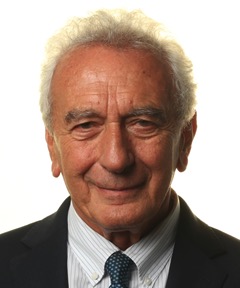 Aldo Pietro Maggioni合作论文数Research Center of Italian Association of Hospital Cardiologists;Fondazione ReS;University of Ferrara19
 Stefano Savonitto合作论文数Ospedale Niguarda-Ca' Granda19Francesco Versaci合作论文数18Valerio Lanzilotti合作论文数18Laura Sofia Cardelli合作论文数17Alessandra Scoccia合作论文数17Miha Cercek合作论文数16Giulia Bugani合作论文数16Lucian Calmac合作论文数16Michele Fabrizio合作论文数16Donazzan Luca合作论文数16
 Pavasini Rita合作论文数Cardiovasc Inst, Azienda Osped Univ Ferrara16Pavia L合作论文数16Buttafarro A合作论文数16
 Vladimir Ganyukov合作论文数16
 C. Von Birgelen (Clemens)合作论文数Faculty of Behavioural, Management and Social Sciences, University of Twente;Thorax Centrum Twente16
 Petr Kala合作论文数Department of Cardiology, Second Faculty of Medicine, Charles University16
 Emanuele Barbato合作论文数Dipartimento Di Medicina Clinica E Molecolare, Sapienza University of Rome16
 Raul Moreno合作论文数Hospital Universitario La Paz16Gennaro Galasso合作论文数16Elvin Kedhi合作论文数15Sara Amicone合作论文数15Gabriele Gabrielli合作论文数15




