Biomass waste is one of the promising resource for the production of bio oil. In this study, a mixture of biomass waste will be pyrolyzed in the presence of activated carbon and zeolite as the catalyst. The catalyst concentrations were varied at 2%, 4%, 6%, respectively. While, the pyrolysis process was carried out at 500°C, for 60 minutes, with a nitrogen flow of 3 L/min. The highest bio oil yield was obtained the pyrolysis process by using zeolite with 35% at 4% w/w of the catalyst concentration. The lowest acid number obtained was 42.92 on 4% zeolite catalyst with rice husk biomass as the raw material, the best viscosity was obtained on 4% activated carbon multi feedstock with a viscosity value of 4.96 cP. The best density was obtained in multi feedstock with 4% zeolite catalyst and rice husk with 4% zeolite of 0.996 g/mL.
Chlorella pyrenoidosa has been grown in artificial vinasse digestate. The method being used is intended to gather data on kinetic parameters that govern the performance of C. pyrenoidosa cultivated in a medium containing bacterial components. This condition was developed by introducing 1000 mu L of Bacillus cereus to the medium (5 ppm of vinasse: 15 ppm of NaHCO3 = 3:2), which was subsequently mixed with C. pyrenoidosa culture at a 1:1 v/v ratio. The cultivation was carried out in batch mode for 15 days. The photosynthesis process of C. pyrenoidosa was conducted in 14 h and supported by 2 mL L-1 Guillard, which was given every 5 days. The study additionally investigated how different amounts of Zeolite (30, 60, and 90 gL(-1)) affected the kinetic parameters of microalgae grown in artificial vinasse digestate. This study demonstrated that the utilization of artificial vinasse digestate as a growing medium for C. pyrenoidosa resulted in growth limitation symptoms of microalgae, as a consequence of unfavorable interaction between C. pyrenoidosa and bacteria that already existed in the medium. This is indicated by low values of growth kinetics parameters, including specific growth rate (0.0259 d(-1)) and biomass productivity (0.51774 gL(-1)d(-1)) as compared to the reactor without bacteria in the medium. Therefore, adding a certain quantity of Zeolite to the reactor is a promising alternative for mitigating the negative effects of bacterial presence. With the addition of 90 g L-1 of Zeolite to the reactor, the specific growth rate of C. pyrenoidosa increases by 71%, indicating an appropriate growth. In addition, the total yield of PHB formation and the Melanoidin degradation efficacy of this reactor improved by 70% and 98%, respectively.
Microalgae is a third-generation biomass source that can potentially be used as a raw material for bioethanol production. Microalgae is a viable alternative energy source to substitute or complement fossil fuels based on the disadvantages related to first- and second-generation biofuels. Bioethanol from microalgae sources does not compete with food needs. In addition, third-generation biomass can be grown in aquatic environments and has large-scale CO2 requirements. This review article compiles literature focusing on the production of microalgal bioethanol and summarises the advantages, disadvantages, main features and key aspects for each process. The production of bioethanol is achieved through pretreatment to break down the cell wall, which is followed by saccharification of carbohydrates and fermentation of suitable sugars. An effective pretreatment should be simple, have less chemical consumption, and have low energy demand so that production costs can be reduced. Producing bioethanol by fermentation can be performed in many ways, such as separate hydrolysis and fermentation (SHF) and simultaneous saccharification and fermentation (SSF). The SSF process is more economical, because the combination of hydrolysis and fermentation reduces production costs. The results of the comparison of hydrolysis methods show that enzymatic hydrolysis can potentially be applied to the production of bioethanol because of its affordable economic cost and less negative impact on the environment. Economic reasons, such as the final yield of ethanol products using this method, are higher than other pretreatments. Moreover, this method requires low energy, lack of chemicals and mild environmental conditions.
Berdasarkan kebutuhan energi final pertahun yang mengalami peningkatan pada sektor rumah tangga perlu dikaji lebih dalam. Pengkajian ini bertujuan untuk memastikan pasokan energi primer aman dalam jangka panjang selama periode 2022-2040, dengan laju pertumbuhan penduduk sebesar 1,32 % per tahun. Dampak dari pertumbuhan penduduk mengakibatkan total kebutuhan energi final dan primer dalam skenario BAU meningkat. Total kebutuhan energi final sektor rumah tangga meningkat dari 3,8 Juta SBM pada tahun 2021 menjadi 4,9 Juta SBM pada tahun 2040 atau meningkat rata-rata sebesar 5% per tahun. Sedangkan total kebutuhan energi primer yang dibutuhkan di tahun 2022 sebesar 6,1 Juta SBM dan di tahun 2040 sebesar 7,7 Juta SBM atau meningkat rata-rata sebesar 8,42% per tahun. Dalam sektor rumah tangga, energi final meliputi energi listrik dan LPG sedangkan energi primer merupakan energi yang ditransformasikan menjadi energi final ialah berupa gas sumber untuk LPG dan diesel sumber untuk pembangkit listrik tenaga diesel. Dengan demikian, apabila tidak ada kebijakan energi maka sesuai dengan hasil modeling yang dilakukan menggunakan model LEAP untuk skenario BAU dibutuhkan energi final berupa energi listrik dan LPG berturut-turut sebesar 2,5 dan 2,3 juta SBM pada tahun 2040. Sedangkan untuk kebutuhan energi primer gas dan diesel pada tahun yang sama ialah berturut-turut sebesar 2,3 dan 5,4 juta SBM.
The Marine Ecoregions of the World system separates the oceans into 232 ecoregions based on coastal and shelfwater species distributions. We tested the separation of those ecoregions and delineated subecoregions within Western Australian waters using intertidal macroalgal and epiphytic polychaete distributions. Environmental predictors of those assemblages were also determined. We collected macroalgae and polychaetes on 38 rocky intertidal shores within four marine ecoregions from 18 degrees S to 34 degrees S: (1) Exmouth to Broome, (2) Ningaloo, (3) Houtman, and (4) Leeuwin. We evaluated differences in species composition of macroalgae and polychaetes among those ecoregions using pairwise permutational multivariate analysis of variance and delineated subecoregions within each ecoregion using hierarchical cluster analysis. Multivariate relationships between environmental variables and assemblages were determined using distance -based linear models. The species composition of macroalgae and polychaetes significantly differed among ecoregions, with dissimilarity of 78-96% for macroalgae and 62-75% for polychaetes. We identified three subecoregions within Exmouth to Broome and Ningaloo and two subecoregions within Houtman and Leeuwin based on macroalgal distribution. We also found two subecoregions within Houtman and no subecoregion within Exmouth to Broome, Ningaloo, and Leeuwin based on polychaete distribution. Environmental predictors could explain 51% of the total variation of macroalgae and 41% of the total variation of polychaetes. The top two predictors explaining a high proportion of assemblage distribution were sea surface temperature (15% for macroalgae and 12% for polychaetes) and tidal amplitude (10% for macroalgae and 6% for polychaetes). These ecoregions and subecoregions can be used as an alternative spatial framework for classifying rocky intertidal habitats for designing marine protected area networks within Western Australian waters.
This qualitative study drew on a larger study which was to explore and understand the experiences of non-native speaker postgraduate students in writing dissertations at one university in the United Kingdom. In this qualitative study, we interviewed four international students from different countries, including Indonesia, Malaysia, Thailand, and Japan. We identified two main themes pertaining to the challenges in writing dissertations. The first included student-related challenges (technical writing matters, thinking in English, identifying research topics, writing literature review, lack of communicative competence and boredom) and the second focused on s-related challenges (meeting supervisor). To cope with those challenges, the participants have applied a multitude of strategies, such as self-management strategies (reading articles/books, translation strategy, key-point drafting and entertainment) and getting-help strategies (asking supervisor[s], hiring proof-readers and online proofreading service). As an implication of this study, we suggest that the postgraduate students could identify their own challenge as non-native English speakers in writing a good quality dissertation in English and find their own effective strategy to overcome it.
Cement production is an energy-intensive industry that primarily relies on fossil fuels like coal and natural gas to meet energy needs. Extreme usage of fossil fuels leads to depletion of their source and higher greenhouse gas (GHG) emissions such as NOx, SOx, and CO2. Clinker, as the primary material for cement, is a product of the clinkerization process in the kiln system, where the utilization of fossil fuel happens massively. Pre-calciner, as a part of the kiln system, combusts around 60% of the fuel requirement in the kiln system. The calcination reaction occurs within the pre-calciner at 700 - 900 ˚C and produces over 50% of the emissions. Alternative fuels proved the capability to meet the energy demand and mitigate GHG emissions. Previous studies show Aspen Plus is one of the powerful software, able to simulate the calcination and combustion process realistically. The process model in this study uses data from one of the leading cement plants in Yemen. The main aim of this study is to evaluate the environmental impacts of alternative solid fuel mixture (Tires-derived "TDF" and Plastic waste "PW") and coal with various scenarios of substitution rate. It mainly concentrates on the environment, quality, and energy outputs. Based on the simulation results of the investigated model, in the implementation of 100% alternative fuels mixture scenarios, PW increased the moisture percentage, affecting the outlet temperature, While TDF has higher emissions than PW. Likewise, the 50% alternative fuels mixture with various substitution rates of coal has shown satisfactory results with a low amount of coal regarding the emissions percentages.
One of the wastes produced by the Palm Oil Milling Industry (POM) is CaCO3 waste which comes from the kernel and shell separation process in claybath. This waste processing has not been carried out optimally by the POM, due to lack of information in waste processing. This causes the CaCO3 waste to be thrown away at the factory. This study aims to provide information about the processing of CaCO3 waste and can be a reference application in waste treatment at the POM. Pre-treatment of CaCO3 waste is carried out by extraction and calcination methods. Analysis of the characteristics of CaCO3 was carried out using XRD and XRF methods. These results were obtained by comparing the quality of the CaCO3 waste produced by the CaCO3 used in the POM. XRF results show that the CaCO3 content in the treated waste is 82.21%. Pre-treatment products that have the potential to be reused in clay bath processing and as raw materials for catalyst production.
The COVID-19 pandemic has mandated people to use medical masks to protect the public. However the improper management of disposable mask waste has led to the increase of marine pollution, in terms of water quality, and the decline in aquatic microorganisms. The aim of this research was to investigate the impact of disposable mask waste on fresh water and microalgae biomass quality. Disposable masks (untreated or treated with Enterococcus faecalis) were placed in 10-L glass reactors containing fresh water or water containing algal Chlorella sp. and its growth supplements (Chlorella medium) (four 10-L reactors in total) and kept in controlled conditions for 3 months. Water and biomass yield quality were evaluated using water quality analysis, spectroscopy, scanning electron microscopy (SEM), and proximate lipid and protein analysis. Disposable masks, incubated in either fresh water or Chlorella medium, affected several water quality parameters such as chemical oxygen demand (COD), biological oxygen demand (BOD), dissolved oxygen (DO), and pH. Microplastic identification revealed that some fibers were present in the water following a 100-day treatment process. Fourier transform–infrared spectroscopy (FTIR) analysis was used to determine the change in important, organic functional groups and highlighted the disappearance of a peak at 1530 cm−1 corresponding to the primary protein (C–N) and the appearance of new peaks at 1651 cm−1 and 1270 cm−1 corresponding to methyl alcohol (CH2OH) and ketone (C = O), respectively. This indicated the detrimental effect of disposable mask fragmentation on the biomass quality. The SEM investigation has shown a damage to the surface membrane of Chlorella sp. cells. Altogether, disposable masks decreased the water quality and damaged microalgae by inhibiting their growth. Therefore, the disposable mask contaminated by various microbes, after being used by a human, may be one of the most dangerous hazards to the environment.
Co-firing is the efforts to reduce the use of fossil fuel (coal) form steam power plant. Adding biomass as a partial fuel to the boiler to reduce coal consumption thereby reducing carbon dioxide emissions which can have an impact on the greenhouse effect. This co-firing study implemented 5-20% palm kernel shells. The emission has decreased very significantly in the use of biomass by 20%, Carbon dioxide (CO2) from 7% to 0.9% and carbon monoxide (CO) from 759 Mg/Nm3 to 105 Mg/Nm3. Slagging index during is still within safe limits. Fouling index when coal firing and co-firings 5%, 15% and 20% are in the high category, while co-firing is 10% in the severe category. Base to acid ratio during co-firing test 5%, 10% and 15% in the high/severe category, while co-firing is 20% is still within safe limits. The potential for corrosion due to the presence of chlorine is Cl-induced active oxidation minor. The toxic properties samples obtained from various co-firings are still in safe condition and meet quality standards.
The main aim of this work was to develop a heterogeneous Fe 2 O 3 /CaO 2 bifunctional catalyst prepared from iron sand and 3 different CaO 2 sources (CaCO 3 , Ca (OH) 2 , and limestone) using wet impregnation and calcination methods for biodiesel production. The effects of different CaO 2 sources and Fe/Ca ratio in the catalyst were investigated to provide insight into the catalyst character and biodiesel yield. X-ray diffraction, X-ray fluorescence, and scanning electron microscopy analyses were used to characterize the catalyst. CaCO 3 was concluded as the best CaO 2 source, while the best Fe/Ca configuration was found to be 1:4, giving the highest biodiesel yield (97.0401%) with no diglycerides. Greater addition of Fe loading would result in an amorphous structure, and all catalysts were relatively crystalline. Fe was concluded to favor the esterification reaction and biodiesel formation, while CaO 2 was seen to favor the transesterification reaction and fatty acid methyl ester (FAME) formation. The catalyst mechanism was also established in this study, where esterification of free fatty acid (FFA) and glycerol took place on the acid site to produce diglyceride and transesterification of triglyceride by methanol occurred on the basic site.
Fucoxanthin from microalgae is promising since the productivity is higher compared to macroal-gae. However, dynamic environmental and nutritional factors in large scale and outdoor condi-tion still limiting the production. This research investigated co-cultivation of Chaetoceros calci-trans and Arthrospira platensis growing under outdoor condition and evaluated the pigment pro-duction when using palm oil mill effluent (POME) as medium growth. Results showed that co -cultivation strategy produced abundant biomass when growing up to 30 PSU salinity. The addi-tion of POME to cultivation medium reduced fucoxanthin production, while C-phycocyanin (C-PC) production could be maintained. Mixed culture produced 27 mg/L C-PC and 5.4 mg/L fucox-anthin by using synthetic medium. The optimal condition for co-cultivation was 33% POME, 100 mg/L urea, and 17 PSU salinity to produce 1.7 mg/L fucoxanthin and 25 mg/L C-PC.
Supercapacitor material is an alternative in energy storage. Supercapacitors are charge storage devices that have a high energy density, fast charge/discharge rates, long service life, wide operating temperature range, and are environmentally friendly. Graphene is a nanomaterial that can be used as a supercapacitor because it has high conductivity and a large surface area, but graphene can experience agglomeration so it can affect its capacitance properties. The microwave-assisted method can be used in the synthesis of graphene. Several microwave-based techniques are becoming more popular for producing graphene and altering it. Due to its quick, precise, uniform, and volumetric heating, microwave heating is a promising method for the thermochemical treatment and reduction of graphene oxide to graphene. This research aimed to examine the effect of microwave irradiation time on the capacitive properties of graphene synthesis as a supercapacitor. Graphene oxide (GO) can be reduced into graphene quickly and easily using microwave pulses lasting 15 to 30minutes to produce high-quality graphene fabrication. The characterization test was performed using UV-Vis, FTIR, SEM-EDX and cyclic voltammetry (CV). As a result, the optimum time is 25 minutes, and it showed an absorption peak at the 282 nm wavelength dan the CV analysis showed that the graphene has double capacitor properties with a specific capacitance of 140.7 F/g in 20 mV/s. Besides, the result of SEM indicated that graphene could be formed successfully. Its potential applications are also illustrated by emphasizing its usage as electrode material. Finally, its main challenges and prospects are considerably pointed out.
The use of petroleum-based plastics has raised environmental issues as more plastic waste enters and accumulates in the environment. It has led to the development of biodegradable plastics. Starch is one of the potential materials to make biodegradable plastic, but starch-based plastic has poor mechanical strength. Blending starch with poly(vinyl alcohol) (PVA) and lignin is expected to improve the mechanical properties of the plastic. Biodegradable plastic films from PVA/starch/lignin blends with glycerol as a plasticizer were prepared using an internal mixer for compounding and a hot press molding machine for film making. The percentage of lignin (2-10%), glycerol (25-65%), and mixing temperature (190-230 oC) were varied according to the three levels of the Box-Behnken design. The ANOVA evaluation revealed that glycerol had the most significant effect on the mechanical properties of the film. Then, three models for the estimation of tensile strength, elongation at break, and tear resistance were developed. As expected, the models satisfactorily predict the effect of all input variables on the response variables. The optimum conditions for preparing the film were acquired from the equations, namely 197.6 oC for the temperature, 10% for lignin, and 45.1% for glycerol. The biodegradable plastic prepared using the optimum conditions possessed a tensile strength of 8.46 ± 1.08 MPa, an elongation at break of 139.00 ± 8.59%, and a tear resistance of 69.50 ± 2.50 N/mm. These values are in good agreement with the predicted values. Doi: 10.28991/ESJ-2022-06-02-03 Full Text: PDF
Life Cycle Assessment (LCA) is life cycle thinking replenishment in which the targets are environmental aspects and impacts generated in one product life cycle. The benefits of LCA can be taken into consideration in several choices of system, for example, the comparison of the Small-scale geothermal power plant (Unit-SS) replenishment to Unit-1. LCA results in the form of the impact of the production process per product is 1 kWh electricity. The biggest impact on Unit-1 and Unit-SS is acidification. Acidification comes from the release of NCG into the air from the cooling tower. The acidification impact of Unit-1 result is 0.018139 kg SO2eq/kWh. Furthermore, normalizing impact result shows that the acidification impact is much greater than the impact of global warming, toxicity, and other impacts. The contribution impact of the addition of small-scale when compared to the impact of Unit-1 operations has a positive impact or tends to have a lower environmental impact. The Unit-SS has the potential for acidification of 0.002407 kg SO2eq/kWh lower than Unit-1. In addition, the Unit-SS has more efficient steam consumption by design than Unit-1. Therefore, less impact of Unit-SS can be suspected relate with steam consumption. Another alternative suggestion based on the analysis is an opportunity for further research on the efficiency of the gas removal system which has a positive impact on the distribution of NCG.
This study aims to analyze the condition and awareness of community plastic waste management in the Garang watershed to increase institutional capacity in reducing plastic pollution. This study was a sequential exploratory mixed-method research involving 175 respondents from Garang rivers community. Data was collected using observation, open-questionnaire and in-depth interview about community understanding and waste management organization. The respondent answer then converted into number and analyzed statistically using Kruskal-Wallis test. The institutional aspect was identified by interview and scored for AHP analysis. This research predicts more than 66 ton of plastic waste was produced by the communities around Garang watershed that managed, inappropriately. Only less than 40% of the Garang watershed community sells their plastic waste to the waste bank, and the rest were burned or abandoned in vacant land or rivers. Regarding to the waste-management organization aspect, the financial support and community participation aspect should be improved in upstream wather-shed area to enhance waste management communally. In contrast, internal institutions, community participation, and operational institutions are the main aspects that might be enhanced in the downstream areas. A future research needs to be conducted to identify community requirements as a foundation for establishing an appropriate waste management institution.
Pengeringan merupakan salah satu proses untuk memperpanjang masa simpan dari bahan yang dikeringkan. Jamur tiram merupakan suatu komoditas yang mempunyai masa simpan yang cukup singkat karena mempunyai kadar air yang cukup tinggi. Untuk memperpanjang masa simpan perlu dilakukan proses pengeringan. Banyak metode pengeringan yang dapat dilakukan untuk mengeringkan jamur tiram. Metode pengeringan dengan memanfaatkan sinar infrared dianggap sebagai metode yang cukup menjanjikan baik dari segi lama proses pengeringan, jumlah energi yang digunakan maupun biaya. Penelitian ini bertujuan untuk melakukan proses pengeringan jamur tiram dengan menggunakan lampu infra dengan menggunakan 3 level daya lampu. Adapun variasi level daya lampu (432 W, 504 W dan 624 W) dan berat bahan yang dikeringkan sebesar 500 gram. Parameter yang diamati meliputi penurunan kadar air terhadap waktu, perubahan temperatur dalam ruang pengering terhadap waktu dan specific energy consumption/SEC (kWh/kg). Hasil penelitian menunjukkan bahwa penurunan kadar air tercepat terjadi pada penggunaan level daya 624 W dimana kadar air tercapai sebesar 7,1% dalam waktu 130 menit. Level daya 624 W juga mencapai temperatur tertinggi sebesar 84°C dalam ruang pengering. Sedangkan specific energy consumption/SEC tertinggi yaitu 3,598 kWh/kg pada penggunaan level daya 432 W. Pengeringan jamur tiram menggunakan lampu infrared dengan daya 624 W lebih baik dibandingkan dengan level daya yang lainnya jika dilihat dari segi SEC paling rendah, kecepatan penurunan kadar air dan pencapaian temperatur dalam ruang pengering.
Camera is the main tool for monitoring shrimp underwater with a noninvasive method. Distance of the shrimp underwater with the varying camera causes the monitoring of the estimated shrimp size to be less accurate. This study provides a new solution to detect the distance of shrimp underwater with a camera using the Euclidian distance and triangle similarity algorithm. The problem raised in this study is how to measure the distance of a shrimp underwater with a camera. The method used has several stages, including using the grayscale image method, image thresholding, edge detection, detection of Region of Interest (ROI), determining the position of shrimp coordinates, calculating the length of shrimp coordinates, camera calibration using the triangle similarity algorithm, calculating the estimated distance of shrimp with the camera. The study results obtained a focal length value of 1298.58, the value of the distance between the shrimp and the camera (D') for 5 positions of shrimp underwater from 50 cm – 19.86 cm, and the RE value from 0% - 0.13%. In conclusion, this method can be used to measure the estimated distance between of moving shrimp and a camera with a low error rate.
Early detection of heavy metals in drinking water is a fundamental step that must be taken to prevent adverse effects on health. This research aims to develop a heavy metal ion detector by utilizing the fluorescence properties of carbon dots. Cdots were synthesized using the microwave irradiation method based on the central composite design: urea mass 0.31–3.68 gr; reactor power 200–1000 W; synthesis time is 13–46 min, and the response is quantum yield. Material characterization includes PL, TEM, UV-VIS, XRD, and FTIR. The selectivity and sensitivity of Cdots as detectors were tested for Ag + , Bi 3+ , Ni 2+ , Al 3+ , Co 2+ , Pb 2+ , Fe 3+ , Zn 2+ , Zr 4+ , and Hg 2+ ions at concentrations of 0–10 μ M. The results showed that Cdots were successfully synthesized by fluorescent light green at 544 nm. An adequate response model is quadratic with the formulation QY = +58.36 + 10.41X 1 + 14.06X 2 +13.59X 3 –5.57X 2 X 3 –4.89X 1 2 −8.60X 2 2 –5.40X 3 2 . The best Cdots were obtained in the formulation of R9 (3 g, 800 W, 40 min), which resulted in a QY of 74.39%. The characteristics of Cdots are spherical, diameter 6.6 nm, the bandgap of 2.53 eV, and having an amorphous structure. The surface of Cdots contains various functional groups such as O–H, C–H, C=O, C–N, and C=C. In the heavy metal detection test, Cdots showed specific sensitivity to Fe 3+ ions. The addition of Fe 3+ concentration and the extinction of Cdots fluorescence intensity formed a linear correlation F 0 /F = 0.08894[Fe 3+ ]+0.99391 (R 2 = 0.99276). The detection ability of Cdots for Fe 3+ ions reaches a concentration of 0.016 ppm, much lower than the regulatory threshold limit of SNI, WHO, and IBWA. The detection of Fe 3+ ions in drinking water uses a fluorescence technique consistent with the SSA and ICP-OES. Based on these results, the fluorescence technique using Cdots can be an instrument for quality control of the final drinking water product.
 Widayat Widayat合作论文数12
 Meiny Suzery合作论文数Dept Chem, Diponegoro Univ9
 Himawan Sutanto合作论文数Faculty of Sciences and Mathematics, Diponegoro University8
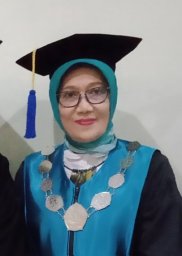 Tri Winarni Agustini合作论文数Fisheries Department -;Faculty of Fisheries and Mar ine Science;Diponegoro University;Faculty of Fisheries and Mar ine Science, Diponegoro University5
 Sri Widodo Agung Suedy合作论文数4
 Marcelinus Christwardana合作论文数Department of Chemistry, Diponegoro University4
 Deny Setyawan合作论文数3Tri Retnaningsih Soeprobowati合作论文数3Inggar Dianratri合作论文数3
 Jedy Prameswari合作论文数3
 Kristinah Haryani合作论文数Ctr Biomass & Renewable Energy CBIORE, Diponegoro Univ3
 Yoyon Wahyono合作论文数Ctr Biomass & Renewable Energy C BIORE, Diponegoro Univ3
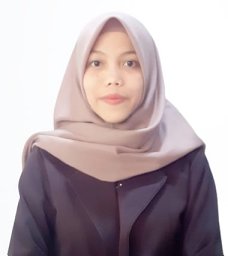 Wahyu Zuli Pratiwi合作论文数Dept Fisheries, Diponegoro Univ3
 Dian Majid合作论文数Department of Environmental Engineering, Universitas PGRI Adi Buana Surabaya3
 Fuad Muhammad合作论文数Biol Dept, Diponegoro Univ3Mochamad Arief Budihardjo合作论文数Faculty of Engineering, Universitas Diponegoro;Faculty of Engineering, Universitas Diponegoro;Corresponding author.;Universitas Diponegoro, Universitas Diponegoro3
 Hermawan Hermawan合作论文数Architecture, Universitas Diponegoro3Luqman Buchori合作论文数3
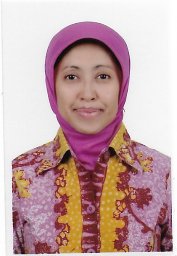 Adian Khoironi合作论文数Study Program Environm Hlth, Dian Nuswantoro Univ3
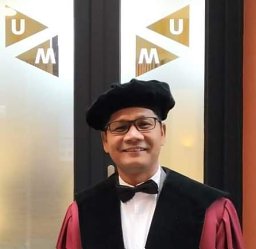 Amirul Mukminin合作论文数Educ Policy, Univ Jambi3
 Kusmiyati Kusmiyati合作论文数Fac Engn, Univ Dian Nuswantoro3
 Widayat W合作论文数Faculty of Engineering, Diponegoro University3
 Bambang Cahyono合作论文数3Endang Kusdiyantini合作论文数Microbiogenetics Laboratory;Faculty of Mathematics and Natural Sciences;Diponegoro University;Faculty of Mathematics and Natural Sciences, Diponegoro University3M Maryono合作论文数2A D Roynaldi合作论文数2Henna Rya Sunoko合作论文数2Sumana Kajonwattanakul合作论文数2Kaushal Mapari合作论文数2Hoang Mai Le合作论文数2Muhamad Maulana Azimatun Nur合作论文数2widodo farid ma ruf合作论文数2Soukaseum Dalasane合作论文数2Noorizan Karim合作论文数2Zuliza Jolkifli合作论文数2Falvocha Alifsmara Joelyna合作论文数2E. Hugeng Wandono合作论文数2Mariza Juwita合作论文数2
 Ulfah Amalia合作论文数Faculty of Fisheries and Marine Sciences, Universitas Diponegoro2
 Noferdiman Noferdiman合作论文数Jambi University2
 Ana Setyastuti合作论文数Res Ctr Oceanog, Indonesian Inst Sci2
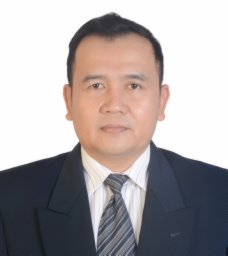 Joni Haryadi合作论文数Agcy Marine & Fisheries Res & Dev2
 Ima Wijayanti合作论文数Faculty of Agro‐Industry, Prince of Songkla University2
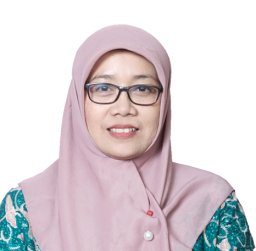 rita dwi ratnani合作论文数Dept Chem Engn, Wahid Hasyim Univ2
 Lenny Marzulina合作论文数State Islamic Univ Raden Fatah2Danny Soetrisnanto合作论文数2
 Joni Safaat Adiansyah合作论文数Faculty of Engineering, Muhammadiyah University of Mataram2Nunung Fajaryani合作论文数2
 Hashfi Hawali Abdul Matin合作论文数Study Program Environm Sci, Univ Sebelas Maret2




