ETHNOPHARMACOLOGICAL RELEVANCE:Teucrium chamaedrys L. (Lamiaceae) is a medicinal plant broadly exploited in conventional Algerian therapy. These findings provide scientific validation for its folk applications and highlight potential for advanced pharmacological development targeting pain and inflammation. AIM OF THE STUDY:This study aimed to examine the composition and assess the anti-inflammatory, analgesic, toxicological, and in silico capabilities of T. chamaedrys L., collected from northern Algeria. MATERIALS AND METHODS:Phytochemical profiling of T. chamaedrys L. crude extract (CrE) involved determining major classes, including total phenolic and flavonoid contents. Ultra-high-performance liquid chromatography-high-resolution mass spectrometry (UHPLC-HRMS) analysis was conducted to tentatively annotate and characterize the phytochemicals present in this plant extract. The in vitro anti-inflammatory activity was investigated by inhibiting BSA denaturation. Acute and sub-acute toxicity were evaluated orally in Albino mice, and anti-inflammatory and analgesic properties were assessed in Wistar rats. Molecular docking was performed to investigate interactions between the tentatively identified compounds and relevant therapeutic targets, while ADMET (absorption, distribution, metabolism, excretion, and toxicity) predictions were used to assess their pharmacokinetic properties and potential toxicity. RESULTS:The CrE yielded 19.11 ± 1.07% and was rich in polyphenols (244.65 ± 2.36 μg GAE/mg CrE) and flavonoids (41.45 ± 0.38 μg QE/mg CrE). The results of UHPLC-HRMS analysis showed twenty tentatively identified compounds, including flavonoids and their derivatives (luteolin, naringenin, etc.), phenolic acid (chlorogenic acid), iridoid glycoside (harpagide), phenylethanoid glycosides (teucrioside, verbascoside and poliumoside), triterpenoids (maslinic acid) and a cyclitol and cyclohexanecarboxylic acid (quinic acid). In vitro assays demonstrated a significant anti-inflammatory activity with an IC50 of 437.80 ± 21.11 μg/mL. In vivo studies demonstrated that the CrE did not exhibit any acute or sub-acute toxicity effects in the tested animals. Moreover, significant anti-inflammatory and analgesic effects were recorded at 500 mg/kg b. w., with inhibition values of 76.60 ± 1.96% and 77.77 ± 2.30%, respectively. Molecular docking studies indicated that luteolin and its derivatives, verbascoside, apigenin 7-O-rutinoside, poliumoside and maslinic acid interacted strongly with tumor necrosis factor alpha (TNF-α), cyclooxygenase-2 (COX-2) and voltage-gated sodium channel 1.7 (NaV1.7), suggesting a possible role in anti-inflammatory and analgesic effects. ADMET and pharmacokinetic assessments indicated that the tentatively identified compounds from CrE have favorable pharmacological properties, including good intestinal absorption, high solubility, and no predicted hepatotoxicity or carcinogenicity, suggesting potential safety in preclinical and therapeutic settings. CONCLUSIONS:T. chamaedrys L. from Algeria appears to be a promising source of bioactive metabolites, with demonstrated safety in acute and sub-acute toxicity studies. It exhibited anti-inflammatory and analgesic activities, supported by both experimental and computational findings. Overall, these findings provide scientific support for the traditional use of T. chamaedrys and offer a basis for future pharmacological investigations.
The purpose of this research was to investigate the potential of Ambrosia artemisifolia L. Methanolic (EMAA) and Chloroformic (ECAA) extracts as natural preservatives and therapeutic agents by analysing the biological activities of these extracts. Total polyphenol content, antioxidant (DPPH, ABTS, and CUPRAC), enzyme inhibitory (butyrylcholinesterase, alpha-amylase), antifungal (against tomato infections), and cytotoxic (on Artemia salina and mealworm larvae) activities were analysed. According to the findings, the total polyphenol content of EMAA was found to be substantially greater (58.01 ± 5.19 μg GAE/mg) compared to that of ECAA (28.01 ± 0.67 μg GAE/mg). EMAA displayed higher antioxidant effectiveness in ABTS (IC50 = 34.03 ± 3.50 μg/mL) and CUPRAC (A0.5 = 71.24 ± 2.14 μg/mL) assays compared to ECAA (ABTS IC50 = 76.07 ± 3.31 μg/mL; CUPRAC A0.5 = 101.54 ± 1.79 μg/mL). In contrast, the IC50 of ECAA was shown to be lower in the DPPH assay (63.04 ± 0.20 μg/mL) compared to that of EMAA (83.64 ± 1.74 μg/mL respectively). The enzyme inhibition of ECAA was shown to be more effective than that of the other compound (butyrylcholinesterase: 39.92 ± 2.31% versus 13.63 ± 4.66%; alphaamylase IC50 = 69.22 ± 4.58 μg/mL versus 79.66 ± 3.23 μg/mL). Tomatoes were protected from fungal infections by both extracts (7.14 percent infection rate compared to 0 percent for copper sulphate infections). When administered at a concentration of 400 μg/mL, EMAA generated a mortality rate of 30% in Artemia salina, whereas ECAA induced a mortality rate of 62.5%. However, neither of these agents had any effect on mealworm larvae at a concentration of 4 mg/mL. It is important to note that the specific enzyme inhibition provided by ECAA and the powerful antioxidant capabilities of EMAA emphasise the complementing usage of these two compounds. Due to its low toxicity in mealworms and its antifungal activity, it appears to be suitable for use in agricultural factories. Extracts of A. artemisifolia, in particular EMAA and ECAA, have the potential to be used as natural preservatives and medicinal agents due to the bioactivity and safety profile of these extracts. The results of this study on the extracts of Ambrosia artemisiifolia reveal a significant richness in bioactive compounds, confirming the traditional use of this plant for its therapeutic properties. The evaluation of biological activities, including antioxidant, anticholinesterase, antidiabetic, anti-urease, and antifungal activities, demonstrates the potential of these extracts in the treatment of various diseases. Regarding toxicity, the results show that the extracts at concentrations of 4 mg/ml did not cause significant mortality, suggesting a favorable safety profile for potential use in therapeutic formulations. Tests on Artemia salina larvae and other biological models also confirmed the low toxicity of the extracts, which is a crucial aspect for their future development. In summary, this study highlights the importance of Ambrosia artemisiifolia as a potential source of bioactive compounds, paving the way for further research to explore its applications in medicine and phytotherapy. The results also encourage more in-depth studies on the isolation and characterization of active compounds, as well as their mechanisms of action, to better understand their therapeutic potential
This study focused on optimizing the encapsulation of polyphenols extracted from Pulicaria odora into plasmolyzed Saccharomyces cerevisiae yeast cells using RSM. The polyphenols were obtained via ethanolic maceration, and encapsulation performance was evaluated by varying two key factors: the yeast-to-extract ratio and incubation time. A CCD was employed to model the process and determine optimal conditions. The model predicted maximum encapsulation efficiencies of 95.83
This study investigated the phytochemical composition, antimicrobial activity, and possible molecular interactions of the hydromethanolic extract of Hordeum vulgare L. Saïda 183 seeds. Quantitative analysis revealed a total phenolic content of 17.67 ± 0.58 mg of gallic acid equivalents per gram of dry extract and 24.19 ± 1.00 mg of quercetin equivalents per gram of dry extract of total flavonoids. Qualitative phytochemical screening revealed the presence of several bioactive metabolite classes, including polyphenols, tannins, alkaloids, flavonoids, glycosides, terpenoids, and free quinones. The Gas Chromatography-Mass Spectrometry analysis led to the tentative identification of 48 compounds, with tetramethylpyrazine (27.80%), oxirane-2-carboxylic acid ethyl ester (17.34% and 7.76% across two chromatographic peaks), n-hexadecanoic acid (12.07%), 9,12-octadecadienoic acid (Z,Z) (10.74%) as the major constituents. The extract exhibited a selective antimicrobial profile, showing moderate to notable activity against Staphylococcus aureus and Salmonella typhimurium using the agar well diffusion method, with inhibition zones of 24 ± 2.5 mm and 23 ± 1 mm at 100 mg/mL, respectively. In the antifungal assay, the strongest activity was observed against Candida albicans, with an inhibition zone of 20 ± 0.7 mm at 100 mg/mL. Molecular docking simulations were performed against DNA gyrase, dihydrofolate reductase, lanosterol 14-α demethylase, and β-1,3-glucan synthase to explore possible mechanisms underlying the observed antimicrobial effects. The docking results suggested that fatty acids, particularly n-hexadecanoic acid and 9,12-octadecadienoic acid, displayed favorable predicted binding profiles, mainly driven by hydrophobic interactions with key residues in the selected microbial targets. Overall, these findings suggest that H. vulgare L. Saïda 183 seeds possess selective antimicrobial properties that warrant further investigation. Future studies, including minimum inhibitory concentration, minimum bactericidal concentration, and minimum fungicidal concentration, compound isolation, enzymatic inhibition assays, and toxicity evaluation, are required to confirm the biological relevance of these results.
Centaurea virgata is broadly used as a traditional food and medicine across the globe for numerous health purposes. Although the species is reported to have antioxidant and anti-inflammatory activities, literature data on its gastroprotective effects are scarce. Due to numerous shortcomings of conventional anti-ulcer drugs, natural products gained renewed interest as a safer alternative. This study aimed to investigate the acute toxicity and gastroprotective effects of the aerial part extracts of Centaurea virgata (APCV) on ethanol-induced gastric ulcers in Sprague-Dawley rats. Rats were divided into 5 groups: normal control, ulcer control (saline + EtOH), reference (lansoprazole + EtOH), APCV 100 mg/kg + EtOH, and APCV 200 mg/kg + EtOH. APCV 100 or 200 mg/kg, administered orally 1 h before the ethanol-induced ulcer procedure delivery, increased the protective index % (26.82% and 31.40%, respectively). The histopathological results (using H&E and PAS) indicated preserved gastric defense barriers (restored mucus secretion and gastric pH) and tissue architecture as a result of APCV pretreatment. APCV intervention (100 and 200 mg/kg) increased superoxide dismutase by 24.33% and 62.14%; catalase by 59.07% and 90.37%; and upregulated IL-10 by 24.40% and 79.52%, while significantly (p < 0.01) lowering MDA by 25.97% and 38.77%, as well as significantly (p < 0.001) downregulated IL-6 by 14.67% and 33.08% and TNF-alpha by 37.82% and 47.59%, respectively, compared to ulcer controls. It could also be noted that inhibited apoptosis (inhibited pro-apoptotic Bax and increased HSP 70 appearances in gastric tissues) occurred in gastric tissues pretreated with APCV. Taken together, APCV exhibited a gastroprotective potential against gastric ulcers, which is attributed to its attenuation effects on oxidative stress, inflammatory, and apoptotic pathways.
This study aimed to characterize the physicochemical profile of polysaccharides from Schinus terebinthifolius leaf (PSTL) and evaluate their antioxidant, analgesic, anti-inflammatory, and wound-healing potential. Colorimetric analyses revealed a total carbohydrate content of 41
The antioxidant and antifungal activities of (Lavandula stoechas) L. stoechas aqueous extract were studied to examine their potential application against food and crop spoilage. Total phenolic (TPC) and flavonoids (TFC) contents were quantified and individual polyphenols were analyzed by high-performance liquid chromatography (HPLC). In vitro antioxidant assays including DPPH, ABTS, and Galvinoxyl radical scavenging, β-carotene bleaching assay, reducing power, CUPRAC, and phenanthroline were applied. The antifungal effect of the extract was evaluated against the two plant pathogenic fungi Aspergillus niger and Fusarium oxysporum using the agar diffusion method. High TPC (197.23 ± 0.12 µg GAE/mg) and TFC (166.93 ± 1.15 µg QE/mg) contents were recorded with the extract. In total, 36 compounds were identified by HPLC, of which 35 are phenolic compounds, with rosmarinic acid (25.2%), p-coumaric acid (7.7%) and luteolin-7-O-glucoside (7.6%) being the representative phenolic compounds. L. stoechas demonstrated strong antioxidant activity in all the methods used. The extract completely inhibited (100% inhibition) the growth of A. niger at a concentration of 5%, while at the same concentration the extract inhibited F. oxysporum with a percentage of 89.62%. These preliminary results suggest the possible use of L. stoechas extract as a potential alternative for preventing plant diseases, reducing post-harvest losses and for food preservation.
Tyrosinase, a copper-containing enzyme with broad biological and industrial applications, occurs widely in nature but remains underexplored in edible mushrooms such as Agaricus bisporus. This study reports the extraction, purification, and biochemical characterization of tyrosinase from A. bisporus fruiting bodies. The enzyme was purified via ammonium sulfate precipitation (60
Ononis angustissima, a member of the Fabaceae family long employed in folk remedies, has remained largely unexplored in terms of its phytochemical composition and bioactivity. In this work, we applied a face-centered central composite design to refine the ethanolic extraction process for phenolic and flavonoid constituents, achieving peak yields of 76.44 ± 0.76 mg GAE/g dry weight (dw) and 66.42 ± 0.83 mg QE/g dw, respectively. Comprehensive LC–ESI–MS/MS analysis unveiled nineteen principal metabolites, among which luteolin (143.55 ± 1.76 µg/g), salicylic acid (45.82 ± 0.24 µg/g dw), and trans-ferulic acid (40.53 ± 0.43 µg/g dw) were most abundant. The chloroform partition demonstrated remarkable butyrylcholinesterase inhibitory activity (IC50 of 20.52 ± 0.58 µg/mL), showing stronger activity than galantamine under the tested conditions. Additionally, the ethanolic extract exhibited pronounced, selective, and dose-dependent antiproliferative effects against the DLD-1 and CAPAN-1 tumor cell lines, with IC50 of 0.82 ± 0.07 and 0.87 ± 0.06 mg/mL, respectively, while showing considerably lower cytotoxicity toward the L929 fibroblasts. Molecular docking studies further predicted strong interactions of flavonoids, particularly luteolin and quercetin, with both acetylcholinesterase and butyrylcholinesterase active sites, underscoring their neuroprotective potential. Moreover, ADME profiling of the identified metabolites indicated generally favorable pharmacokinetic properties, with luteolin, caffeic acid, and trans-ferulic acid emerging as promising lead compounds due to their absorption potential, lipophilicity, and bioavailability. Collectively, these results highlight O. angustissima as a valuable source of bioactive compounds worthy of further investigation for potential anticancer and neuroprotective applications. However, given the in vitro and in silico nature of this study, additional research, including bioassay-guided isolation, mechanistic studies, and in vivo validation, is necessary to confirm its therapeutic relevance.
This study aimed to investigate the phytochemical profile and evaluate the in vitro and in silico insecticidal activities of methanolic extracts from two halophytes, Atriplex halimus (A. halimus) and Suaeda fruticosa (S. fruticosa). The investigations included phytochemical screening, determination of total phenolic, flavonoid, and tannin contents, as well as compound identification by high-performance liquid chromatography coupled with electrospray ionization quadrupole time-of-flight mass spectrometry (HPLC-ESI-QTOF-MS). The insecticidal activity was assessed through direct-contact bioassays against adults of Tribolium confusum. In addition, a molecular docking study was performed targeting the acetylcholinesterase enzyme (AChE). Phytochemical screening revealed the presence of several bioactive compounds in both plant extracts. A. halimus showed the highest flavonoid content, whereas S. fruticosa exhibited the highest levels of total phenolics and tannins, corresponding to superior insecticidal effect, as evidenced by its lower lethal concentration 50% (LC50) value after 96 h of treatment. HPLC-ESI-QTOF-MS analysis in negative ion mode led to the identification of 24 bioactive constituents in A. halimus and 29 in S. fruticosa. The in silico study confirmed that most of the identified polyphenols exhibited binding affinity toward insect acetylcholinesterase, including kaempferol 3-O-rutinoside-7-O-glucoside, naringin, feruloyltyramine, and rutin.
The study investigates the allelopathic potential of the aqueous extracts of four plants species; Cleome arabica L., Diplotaxis harra (Forssk.) Boiss., Nerium oleander L., and Retama raetam (Forssk.) Webb. Collected from Tunisian arid regions. The effects of these extracts were evaluated on seed germination and seedling growth of two weeds (Setaria verticillata L. and Sisymbrium irio L.) and two crops (Solanum lycopersicum L. and Capsicum annuum L.) at different concentrations. Aqueous extracts, prepared by cold maceration, were analyzed for their allelochemicals content, mainly polyphenols, flavonoids, and tannins and further characterized by LC-MS analysis. Antioxidant capacity was assessed using total antioxidant and antiradical capacities. Retama raetam, followed by N. oleander, exhibited the highest phenolic compounds content as well as the strongest total antioxidant capacity. Both species strongly inhibited the germination of S. verticillata and S. irio, particularly at 20 g/L. In contrast, crop species showed greater tolerance, with S. lycopersicum maintaining germination rates above 50%, even at the highest concentrations. Growth bioassays revealed that roots were more sensitive than shoots, especially in weed species, indicating both organ selectivity and dose-dependent responses. Furthermore, allelopathic activity was supported by an in silico molecular docking study. The main metabolites of the studied samples were docked into the active pocket of glutathione S-transferase (GST; PDB: 1BX9) and 4-hydroxyphenylpyruvate dioxygenase (hydroxyphenylpyruvate dioxygenase; PDB: 6J63). These findings highlight the potential of arid-land allelopathic plants as natural herbicides, with R. raetam and N. oleander emerging as promising candidates for sustainable weed management.
The study investigates acute dermal toxicity and wound healing effects of a traditional medicinal herb, Salvia palaestina Benth leaf extracts (SPLE), in the excisional wound model.Thirty-six SD rats for acute dermal toxicity were aligned into three cages (n=12), and for the wound experiment, thirty rats were wounded on their dorsal necks and aligned randomly into five groups (n=6), treated with saline (untreated), 10% Tween 20 (blank), intrasite gel (reference), 2.5% SPLE, or 5% SPLE for 15 days. The results demonstrated the non-toxic effects of topical SPLE application, while also accelerating wound contraction and reducing the inflammatory process. After 15 days of application, SPLE (2.5% and 5%) enhanced wound closure by 80.28% and 85.91%, respectively, relative to the initial wound size. The histopathological observation of SPLE (2.5% and 5%)-treated wound skin revealed increased re-epithelialization, increased hydroxyproline by 5.4, 3.5, and 4.1-fold, and more fibroblast deposition than untreated rats. SPLEs' anti-apoptotic (negatively modulating Bax protein) and cell proliferation effects (increasing PCNA expression) were linked with their promoting action on epidermal growth via diminishing cell death, keratinocyte proliferation/migration, and encouraging vascularization. Moreover, SPLE (2.5 and 5%)-treated rats showed reduced oxidative stress and inflammatory process, increasing SOD by 43.1, 123.9%; CAT by 139.7, 154.3%, along with lowering MDA by 16.9%, 38.8%, respectively. In parallel with lowering TNF-α by 50.1%, 68.9%; CRP by 41.6, 47.7%; IL-6 by 50.7, 61.3%, altogether promoting a balanced, faster wound recovery. In conclusion, SPLE exhibited a non-toxic and pro-healing effect, modulating several cellular processes, which make it a viable therapeutic source for wound management.
This study aims to evaluate the gastroprotective effects of Z. hispanica methanol extract (ZME) in an ethanol-induced gastric ulcer model in rats, assess its safety profile, and investigate its chemical composition. Methods: A methanol extract was prepared by macerating 100 g of powdered aerial parts of Z. hispanica in 1000 mL of 85% methanol for 72 h. Total polyphenol content was quantified. Gastric ulcers were induced in Wistar rats using a single oral dose of 70% ethanol. Rats were pre-treated with ZME (50, 250, or 500 mg/kg) or ranitidine (50 mg/kg) as a reference control. Gastric tissues were examined for ulcerative lesions, and the percentage of protection was calculated. Gastric mucus production was also evaluated to explore the extract's mechanism of action. ZME significantly reduced ethanol-induced gastric mucosal damage in a dose-dependent manner. The highest dose (500 mg/kg) provided 97.18% protection. Additionally, ZME significantly enhanced gastric mucus secretion, exceeding that of the positive control. The extract's bioactivity is attributed to its phenol and flavonoid constituents. ZME exhibits strong gastroprotective properties by reinforcing the gastric mucus barrier. These findings validate the traditional use of Z. hispanica for gastrointestinal relief and suggest its potential as a natural therapeutic agent for the management of gastric ulcers.
Diabetes mellitus is a complex metabolic disorder associated with oxidative stress, inflammation, and progressive organ damage. This study investigated the phytochemical composition, antioxidant potential, antidiabetic activity, and possible molecular mechanisms of a methanolic extract of Rhamnus alaternus leaves (RME) using in vitro, in vivo, histopathological, and in silico approaches. Phytochemical analysis revealed high levels of total phenolics (223.25 mg GAE/g extract) and flavonoids (92.37 mg QE/g), along with strong antioxidant activity measured by DPPH radical scavenging (IC50 = 184.80 mu g/mL) and lipid peroxidation inhibition (IC50 = 29.03 mu g/mL). HPLC/UV profiling identified sixteen phenolic compounds, mainly flavonoids, including quercetin (2.56 mg/g), rutin (2.13 mg/g), and kaempferol (1.95 mg/g). In vivo experiments showed that alloxan-induced diabetic rats developed severe hyperglycemia (4.22 g/L), dyslipidemia, hepatic and renal dysfunction, oxidative stress, and inflammatory responses. Oral administration of RME (200 mg/kg for 90 days) significantly reduced blood glucose levels by approximately 58%, improved lipid parameters, restored protein and albumin levels, and normalized hepatic (AST, ALT, ALP, gamma-GT) and renal (urea, creatinine, uric acid) biomarkers. RME also reduced malondialdehyde levels and restored antioxidant enzymes (SOD, CAT, GPx) in liver and kidney tissues, while significantly decreasing tumor necrosis factor-alpha and prostaglandin E2 levels. Histopathological analysis confirmed protective effects on liver, pancreas, and kidney tissues. Molecular docking suggested strong multitarget interactions of flavonoids, particularly rutin and chrysin, with alpha-glucosidase, dipeptidyl peptidase-4, Glucokinase, and PPAR-gamma. Overall, RME exhibited significant antidiabetic, antioxidant, anti-inflammatory, and organ-protective effects, highlighting its potential as a natural therapeutic candidate for diabetes management.
This study investigated the metabolic benefits of flaxseed protein hydrolysate (FPIH) in comparison with its parent protein, flaxseed protein isolate (FPI), and explored the underlying mechanisms using an integrated in vivo animal model and in silico approach. FPIH was produced via alcalase hydrolysis of FPI (final DH ∼ 21%), and both treatments were administered at 300 mg/kg body weight (BW) to Wistar rats fed a high-fat diet (HFD) for 10 weeks. FPIH showed an antioxidant potential higher than that of FPI and an inhibitory effect against pancreatic lipase in vitro (IC50 = 1.2 mg/mL). These findings aligned with the in vivo efficacy, marked by the effect of FPIH on decreasing BW gain, blood glucose level and restoring liver, lipid and oxidative stress markers to normal levels. To better understand these effects, the active fraction of FPIH from ultrafiltration (<3 kDa) was fractionated by RP-HPLC and analyzed via LC-MS/MS, identifying 15 novel peptides with high spectral probabilities. Molecular docking studies revealed that these peptides exhibited high-affinity interactions with key metabolic enzymes. Specifically, LVNLGGSKSIS and GGGGFGGGGIGGGGF showed strong binding energies with the active sites of dipeptidyl peptidase-IV (DPP-IV) and α-amylase, respectively, with binding energies of -9.874, -9.430 kcal/mol. In addition, RDNGQLVR effectively interacted with pancreatic lipase with -8.213 kcal/mol. These findings provided a robust molecular explanation for the observed anti-obesity effects, supporting the potential application of flaxseed-derived peptides as promising candidate for the management of metabolic syndrome and offering a natural alternative complementing synthetic drugs in the market.
The spathe of the date palm Phoenix dactylifera (L.) is a lignocellulosic agricultural by-product that can be exploited as a source of biomass for high value products. However, limited information is available regarding the toxicological safety of its extracts. This study aimed to evaluate the in vivo toxicity of date palm spathe extracts through acute and subacute oral tests in mice to support their potential valorization. In the acute test, female mice were treated with single oral doses of 300 and 2000 mg/kg for 14 days. For the subacute test, daily doses of 50, 300, and 1000 mg/kg were administered to both sexes for 28 days. In both studies, clinical symptoms, mortality, body weight variations, organ weights, biochemical and hematological criteria, and histopathological analyses were examined. No lethality or significant clinical signs were observed at any of the tested doses. Hematological and biochemical parameters showed no significant changes between groups. Histopathological examination of the organs showed similar results in both the acute and subacute phases, represented by mild, non-specific changes compatible with background lesions in mice. These findings indicate a favorable toxicological safety profile, supporting the potential valorization of date palm spathe extracts.
The present study was conducted to evaluate the nutritional efficacy of Olive Pomace (OP) and Whey Powder (WP) as alternative feed ingredients in animal diets. A total of 18 male Wistar rats were randomly assigned to three experimental groups (n = 6 per group) and fed one of the following diets for 28 days: a standard control diet (S), an OP-based diet, or a WP-based diet. The OP diet resulted in a body weight gain of 95.86 ± 2.48 g (78.33% increase), which was 92.6% of the S group’s performance (103.5 ± 0.80 g; 80.73% increase), despite significantly lower energy intake (1250.00 ± 7.40 kcal/rat vs. 1891.6 ± 7.14 kcal/rat). The WP diet led to moderate growth of 85.24 ± 3.92 g (66.03% increase) with an energy intake of 1560.6 ± 6.6 kcal/rat. Despite lower nitrogen balance and protein digestibility, the OP diet improved intestinal morphology, showing a higher villus height-to-crypt ratio than both the S and WP groups. These changes may help mitigate the loss in digestibility. The WP diet reduced lipids but increased liver enzymes. Both diets offer distinct benefits for sustainable animal nutrition.
The current study investigated the dynamic of the ripening process, oil yield, physicochemical properties, and wound healing activity of two olive varieties, namely Akerma and Bouchouk Guergour. The ripening index revealed that Akerma matured at a slower rate compared to the Bouchouk Guergour variety. The oil yield peaked at 12.71% for the Akerma variety at the spotted stage and 19.56% for Bouchouk Guergour at the black stage, suggesting earlier harvesting time in short-growing seasons for the former oil tree. Physicochemical analyses showed compliance with International Olive Council standards, with Akerma exhibiting lower acidity compared to Bouchouk Guergour variety. The peroxide value increased with ripening, indicating higher oxidative susceptibility in mature oils. Gas chromatography-mass spectrometry (GC-MS) analysis revealed a high content of monounsaturated fatty acids (MUFAs), particularly oleic acid. Notably, in vivo, evaluations demonstrated significant wound healing effects, with both oils achieving complete recovery by Day 28, particularly in their black stages, and showcasing anti-inflammatory properties. These findings underscore the importance of varietal selection and optimal harvest timing to enhance oil quality, yield, and therapeutic potential. This research provides valuable insights for olive growers, facilitating the maximization of production and promoting health benefits associated with high-quality olive oils.
This study investigates the biological properties of methanolic and petroleum ether (PE) extracts from the roots and flowers of Thapsia garganica L., providing new insights into its potential medicinal uses. Although T. garganica has a long history in traditional medicine, the anticholinesterase and tyrosinase-inhibiting activities of this species have been poorly documented and remain insufficiently explored in the scientific literature. The antioxidant activity was assessed using three complementary assays: DPPH radical scavenging, ABTS cation radical scavenging, and cupric reducing antioxidant capacity. Anticholinesterase activity was tested against acetylcholinesterase and butyrylcholinesterase (BChE), key enzymes involved in Alzheimer's disease, while tyrosinase inhibitory activity was measured using the L-DOPA method. The HPLC-DAD analysis revealed that the methanolic extract from the roots contained curcumin, epicatechin, and propyl gallate as principal components. The methanolic extract of the flowers was primarily dominated by rutin, chlorogenic acid, and luteolin. Meanwhile, the methanolic extract from the leaves contained rutin, chlorogenic acid, and hesperetin. The methanolic flower extract demonstrated high antioxidant activity in all tests. In contrast, the PE extract from the roots showed significant BChE inhibitory activity. This study suggests that T. garganica L. may offer potent natural compounds useful for the treatment of conditions like Alzheimer's disease.
ETHNOPHARMACOLOGICAL RELEVANCE:In the Mediterranean traditional medicine, Olea europaea leaves are largely used to manage hypertension, a significant risk factor for cardiovascular diseases (CVDs), which remain among the leading causes of death worldwide. However, scientific data supporting its effect on myocardial injury are still limited and need further research. AIM OF THE STUDY:This study assessed the cardioprotective effects of the ethanolic extract of O. europaea leaves (OELE) in a rat model of isoproterenol (ISO)-induced myocardial infarction (MI). MATERIALS AND METHODS:Wistar rats were pretreated orally with OELE (5 and 10 mg/kg b.w.) or aspirin (10 mg/kg b.w.) for 30 days, followed by ISO injections (85 mg/kg b.w.) on days 29 and 30 to induce MI. The study examined cardiac damage through the use of apoptotic, fibrotic, and oxidative stress markers, along with biochemical tests, histological analysis, and infarct assessment. Additionally, liquid chromatography-mass spectrometry (LC-MS) was used to profile phenolic compounds, while molecular docking techniques were employed to predict and examine their potential interactions with biological targets. RESULTS:LC-MS/MS analysis identified fifteen bioactive compounds in OELE, including naringenin and luteolin. OELE pretreatment significantly reduced key biomarkers of cardiac injury (aspartate aminotransferase (AST), creatine kinase-myocardial band (CK-MB), and lactate dehydrogenase (LDH), fibrinogen, and troponin-I). It also improved plasma electrolyte balance (Na+, K+, and Ca2+) and positively modulated lipid profiles by lowering total cholesterol (TC), triglycerides (TG), and low-density lipoprotein cholesterol (LDL-C), while increasing high-density lipoprotein cholesterol (HDL-C). Antioxidant defenses were enhanced, with decreased lipid peroxidation and increased activities of superoxide dismutase (SOD) and catalase (CAT). The histopathological analysis showed preserved myocardial architecture and reduced inflammatory infiltration. 2,3,5-triphenyltetrazolium chloride (TTC) staining confirmed a significant reduction in infarct size. Molecular docking simulations demonstrated strong binding affinity between OELE bioactive compounds and Protein disulfide isomerase (PDI) and Angiotensin-Converting Enzyme (ACE), suggesting their possible contribution to the observed anti-thrombotic, anti-coagulant, and cardioprotective properties of OELE. CONCLUSIONS:These findings highlight OELE as a promising natural agent for preventing oxidative cardiac damage, with potential uses in developing nutraceuticals and pharmaceuticals.
 Stefania Garzoli合作论文数40
 Fehmi Boufahja合作论文数Faculty of Sciences of Bizerte, University of Carthage40
 Mohamed Djamel Miara合作论文数33
 Nabila Souilah合作论文数Faculty of Sciences, University of Skikda28
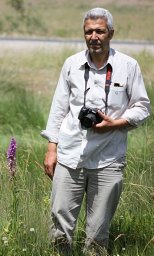 Khellaf Rebbas合作论文数faculté des sciences, université de M’sila22
 Filippo Maggi合作论文数University of Camerino, Faculty of Pharmacy, Department of Environmental Sciences, Section of Botany and Ecology, Camerino, Italy19
 Mehmet Ozturk合作论文数Faculty of Arts and Sciences, Muğla University17Guido Flamini合作论文数Dipartimento di Farmacia, Universita di Pisa14Gregorio Peron合作论文数13
 Bensouici Chawki合作论文数Laboratoire d'Obtention de Substances Thérapeutiques (LOST),, Université Mentouri - Constantine10Maurizio Bruno合作论文数Dipartimento di Chimica Organica dell'Università10
 Ibrahim Demirtas合作论文数Faculty of Science, Gaziosmanpasa University9
 Tahar Smaili合作论文数Faculty of Exact Science and Life Science and Nature, University of Larbi Ben Mhidi Oum El Bouaghi7
 Bouriah Nacera合作论文数6
 Mustapha Mounir Bouhenna合作论文数6Abderrahim Benslama合作论文数University of M'sila6
 Karim Houali合作论文数Faculty of Biological and Agronomic Sciences, University Mouloud Mammeri6
 Gabriel Plavan合作论文数&quot;Alexandru Ioan Cuza;Faculty of Biology, University of Iasi;Faculty of Biology, &quot;Alexandru Ioan Cuza&quot; University of Iasi6
 Boukeloua A合作论文数Pharmaco toxicology Laboratory, Mentouri Constantine University6
 Omar Abd-Elkader H合作论文数6Kamel Medjroubi合作论文数Unité de recherche de Chimie, Université de Constantine6
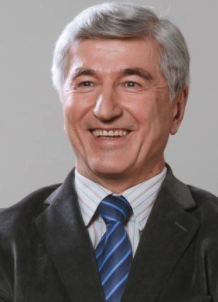 Petras Rimantas Venskutonis合作论文数Department of Food Science and Technology, Kaunas University of Technology6Naoufel Ben Hamadi合作论文数6
 Walid Elfalleh合作论文数Inst Reg Arides Medenine, Lab Aridoculture & Cultures Oasiennes, Medenine 4119, Tunisia6MOUALEK Idir合作论文数5Merzouk Yahiaoui合作论文数5
 Souhila Tabak合作论文数Department and Faculty of Nature and Life Sciences Laboratory of Agro-Biotechnology and Nutrition in Semi-arid Areas, Ibn Khaldoun University of Tiaret5
 Mohamed Ait Hammou合作论文数University of Ghardaia5
 Stefano Dall'Acqua合作论文数Department of Pharmaceutical and Pharmacological Sciences, University of Padova5
 Yilmaz Mustafa合作论文数5
 Salah Akkal合作论文数Université des frères Mentouri Constantine1;Department of Chemistry, University of Constantine5Katia Asmani合作论文数4Messaoud Boudjeniba合作论文数4Hanane Khalfa合作论文数4
 Mohammed Harir合作论文数Département de Biotechnologie, Université des Sciences et de la Technologie d'Oran Mohamed Boudiaf4
 Nassera Daoud合作论文数4
 Sulaiman A Alsalamah合作论文数College of Science, Imam Mohammad Ibn Saud Islamic University4Mohammed I. Alghonaim合作论文数College of Science and Humanities, Shaqra University4
 Ilyas yıldız合作论文数Dept Chem, Tokat Gaziosmanpasa Univ4
 Hichem Tahraoui合作论文数Fac Sci, Univ Yahia Fares Medea4Irene Teixidor-Toneu合作论文数4
 Stefania Sut合作论文数4
 Sondes Mechri合作论文数Centre of Biotechnology of Sfax (CBS),, University of Sfax4
 Badraoui Riadh合作论文数Faculty of Medicine, University of Sfax;Faculty of Medicine, University of Tunis El-Manar;University of Sfax, University of Tunis El-Manar4
 Ahmed M. Mustafa合作论文数School of Pharmacy, University of Camerino4
 Khelifa Bouacem合作论文数Mouloud Mammeri University4
 Lazali Mohamed合作论文数Faculté des Sciences de la Nature et de la Vie &des Sciences de la Terre, Université de Khemis Miliana;Faculté des Sciences de la Nature et de la Vie & des Sciences de la Terre, Université de Khemis Miliana4
 Bassem Jaouadi合作论文数Laboratoire d’Enzymes et de Métabolites des Procaryotes (LEMP), Centre de Biotechnologie de Sfax (CBS)4
 Luca A Vitali合作论文数Department of Molecular;Cellular Animal Biology;University of Camerino;Department of Molecular, University of Camerino4




