Most existing graph neural networks (GNNs) assign equal importance to all feature channels, overlooking each node’s semantic preferences across channels. This uniform weighting drives representations to converge, exacerbates over-smoothing, and weakens structural expressiveness. We propose a Node-aware Channel Personalization Mechanism (NCPM) that learns node-specific channel weights for fine-grained feature recalibration and introduces task-adaptive output modules so that channel attention is precisely aligned with the supervision goals of node classification, graph classification, and link prediction. NCPM is lightweight and modular, integrating seamlessly into twelve mainstream backbones—including GCN, GAT, and graph Transformers. Experiments on eleven benchmark datasets show that NCPM boosts DyGFormer’s AUC on MOOC from 87.52% to 97.36% and raises TGAT’s AUC on Wikipedia from 90.71% to 98.83%, while delivering consistent improvements on all remaining tasks. Theoretical analysis further demonstrates that NCPM alleviates over-smoothing by dynamically separating informative from redundant channels, thereby enhancing both the expressive power and the generalization ability of GNNs.
Image Aesthetic Assessment (IAA) predicts an image’s overall aesthetic score, yet aesthetic is influenced by multiple attributes whose relative importance varies with image content and usage scenarios. Under end-to-end training with only overall-score supervision, attribute signals are blended, which can cause gradient conflict across samples dominated by different attributes, resulting in gradient cancellation and persistent systematic bias. To address these issues, we propose AGREE (Attribute-guided Gradient Routing for Establishing Agreement), which learns attribute-specific subspaces and performs gradient routing based on sample-wise attribute sensitivity estimated via perturbation analysis. AGREE further reduces feature coupling across attributes with semantic anchors and improves robustness via error-aware reweighting. Experiments on AVA, LAPIS, AADB, TAD66K, and PARA show consistent improvements over diverse IAA baseline models, and AGREE is plug-and-play for existing end-to-end IAA methods without modifying their original architectures. To our knowledge, this work is among the early efforts in IAA to systematically study gradient conflict and provide an effective solution.
Granger causality based on multivariate autoregressive (MVAR) models provides a principled way to estimate directed brain networks, represent hidden neural dynamics, and analyze information flow in EEG. However, MVAR parameter estimation is easily affected by intrinsic artifacts, such as muscle and eye-movement contamination, especially when only short EEG windows are available. To construct sparse causal brain networks under these conditions, we propose GG-Lap, a Bayesian MVAR estimation method that combines a generalized Gaussian prior for MVAR coefficients with a Laplace distribution for fitting errors. A scaled-Gaussian variational approximation is introduced to solve the resulting non-Gaussian posterior, allowing the model to jointly suppress outlier effects and induce controllable sparsity. Compared with Lap-SBL, which may over-prune causal coefficients through ARD-type sparsity, and DLap, which may retain relatively dense noisy connections, GG-Lap provides a more balanced sparse and robust estimate. Simulation experiments show that GG-Lap accurately recovers sparse directed connections under severe artifact contamination and short noisy sequences. Applications to motor imagery (MI) and epilepsy EEG further indicate that GG-Lap captures task-related and lesion-related connectivity patterns more clearly than comparison methods. GG-Lap can therefore serve as an effective method for robust causal connectivity inference, with potential applications in brain-computer interfaces (BCI), brain-machine interaction, and neurological or psychiatric network analysis. The source code of GG-Lap is available at https://github.com/yyzcqupt/GG-Lap.
Imbalanced data distribution remains a critical challenge in sequential learning, leading models to easily recognize frequent categories while failing to detect minority classes adequately. The Mixture-of-Experts model offers a scalable solution, yet its application is often hindered by parameter inefficiency, poor expert specialization, and difficulty in resolving prediction conflicts. To Master the Minority classes effectively, we propose the Uncertainty-based Multi-Expert fusion network (UME) framework. UME is designed with three core innovations: First, we employ Ensemble LoRA for parameter-efficient modeling, significantly reducing the trainable parameter count. Second, we introduce Sequential Specialization guided by Dempster-Shafer Theory (DST), which ensures effective specialization on the challenging-tailed classes. Finally, an Uncertainty-Guided Fusion mechanism uses DST's certainty measures to dynamically weigh expert opinions, resolving conflicts by prioritizing the most confident expert for reliable final predictions. Extensive experiments across four public hierarchical text classification datasets demonstrate that UME achieves state-of-the-art performance. We achieve a performance gain of up to 17.97% over the best baseline on individual categories, while reducing trainable parameters by up to 10.32%. The findings highlight that uncertainty-guided expert coordination is a principled strategy for addressing challenging-tailed sequence learning. Our code is available at https://github.com/CQUPTWZX/Multi-experts.
Image clustering is a fundamental task in unsupervised visual learning. While recent self-supervised methods have explored various pretext tasks to generate supervision signals for clustering, they typically depend exclusively on raw images, resulting in insufficient supervision signals that are inherently constrained by limited visual semantics. In this paper, we propose a novel Semantic-Augmented image Clustering (SAC) method, which transcends the inherent limitations of purely visual representations through the integration of external knowledge. Specifically, SAC utilizes Vision-Language pre-trained Models (VLMs) to flexibly generate textual descriptions for each image, providing external semantic cues to supplement the visual information. By integrating both visual and textual information, SAC achieves image clustering through a multi-modal learning framework. To mitigate the negative impact of inaccurate textual information, SAC designs an uncertainty-driven adaptive weighting mechanism that explores both intra-modal and inter-modal neighborhood structures, and incorporates the adaptive weights into intra-modal and inter-modal contrastive learning, which improves the robustness against noisy image-text correspondences. Experiments on several popular datasets demonstrate the superiority of SAC compared to state-of-the-art methods.
Medical time series (MedTS) classification is pivotal for intelligent healthcare, yet its efficacy is severely limited by poor cross-subject generation due to the profound cross-individual heterogeneity. Despite advances in architectural innovations and transfer learning techniques, current methods remain constrained by modality-specific inductive biases that limit their ability to learn universally invariant representations. To overcome this, we propose TS-P^2CL, a novel plug-and-play framework that leverages the universal pattern recognition capabilities of pre-trained vision models. We introduce a vision-guided paradigm that transforms 1D physiological signals into 2D pseudo-images, establishing a bridge to the visual domain. This transformation enables implicit access to rich semantic priors learned from natural images. Within this unified space, we employ a dual-contrastive learning strategy: intra-modal consistency enforces temporal coherence, while cross-modal alignment aligns time-series dynamics with visual semantics, thereby mitigating individual-specific biases and learning robust, domain-invariant features. Extensive experiments on six MedTS datasets demonstrate that TS-P^2CL consistently outperforms fourteen methods in both subject-dependent and subject-independent settings.
Partial multi-label learning (PML) aims to train predictive models from ambiguously annotated data where each sample is associated with a set of candidate labels containing both true and noisy ones. Existing methods mainly rely on label disambiguation or feature correction. However, disambiguation-based methods often depend on restrictive structural assumptions, while feature correction methods only refine feature representations and leave the decision-making process unchanged, thus limiting adaptability to complex noise patterns. To address these limitations, we propose ARCFNP, an adaptive rule-correcting fuzzy neural network for PML. Specifically, ARCFNP employs a multi-label Takagi-Sugeno-Kang (TSK) fuzzy neural network as the base classifier and incorporates an adaptive rule-correcting module that corrects the antecedent-consequent mapping of the multi-label TSK fuzzy neural network. Moreover, a bi-level meta-optimization strategy uses noisy training data to update the base learner and a small clean validation set to guide the rule-correcting parameters. Experiments over multiple datasets show that ARCFNP achieves the best average ranks on all five evaluation metrics, with ranks of 1.0, 1.7, 2.2, 1.1, and 1.5 for AP, HL, OE, RL, and CV, respectively. Additional analyses demonstrate its robustness under complex instance-dependent noise, stable optimization behavior, approximately linear scaling with the label-space size, and interpretable rule-level corrections for PML.
In dynamic autonomous driving scenarios, perception uncertainty and interaction ambiguity constrain the safety and efficiency of planning models. Existing methods rely on preset static thresholds and lack adaptability to different scenarios, often leading to overly conservative strategies or dangerous misjudgments when facing ambiguous interaction states. To address these issues, this paper proposes a Game-Theoretic Decision-Rough-Set (GT-DRS) planning model. First, we utilize Neighborhood Rough Set (NRS) theory to model the agent’s state space. By constructing the upper and lower approximations of the target concept, we granulate continuous interaction states into deterministic and boundary regions, effectively buffering perception noise. Second, we introduce Bayesian decision theory combined with a multi-vehicle game risk-payoff matrix to calculate the optimal dynamic decision threshold pair (α ^*, β ^*) , which adjusts adaptively according to the scenario risk. Finally, for interaction states in the boundary region, we propose a Stackelberg planning strategy. Modeling the ego vehicle as the game Leader, we generate probing trajectories to maximize the information gain regarding latent intentions. This active strategy compels the ambient agent (as the Follower) to provide feedback, converting epistemic uncertainty into deterministic information, thereby driving the state to converge rapidly from the ambiguous boundary to the deterministic positive or negative regions. Experimental results on the nuPlan benchmark demonstrate that GT-DRS achieves state-of-the-art performance, reaching a composite R-score of 94.13 on Val14, while exhibiting strong robustness under high perception noise with a performance gain of approximately 61.56
In the realm of machine learning, ensuring the reliability and safety of systems in open environments remains a significant challenge, particularly when dealing with out-of-distribution (OOD) data. Traditional OOD detection methods often fall short due to limited diversity in generated OOD data or the high cost of collecting real OOD data. To address this, we propose MBCOOD, a novel OOD detection method based on Mesoscopic Boundary-Constrained OOD generation with generative adversarial networks. Inspired by the mesoscopic perspective, MBCOOD generates difficult OOD samples that lie between in-distribution (ID) and OOD data. These samples are concentrated around the boundary of the ID data, effectively improving OOD detection performance. Specifically, MBCOOD introduces a fast sampling module for initial model stabilization, a difficult OOD data generation module that enhances diversity through a novel application of the fast gradient sign method, and a data conflict adjustment module to prevent overlap with high-density ID data areas. Experimental results on traditional benchmarks demonstrate MBCOOD’s superior performance, with a minimum reduction of 19.8
Steering angle control is crucial for the safe operation of autonomous vehicles, as even a minor error can lead to serious traffic accidents. However, many end-to-end steering angle prediction systems overlook the extraction of task-relevant features. Including irrelevant features such as trees, buildings, and the sky can significantly reduce the performance of steering angle prediction. To address this issue, we propose TLNBm-NCP, a new steering angle prediction network that utilizes drivable region segmentation and bio-inspired neural circuit policy. Specifically, TLNBm-NCP employs TwinLiteNet to Generate images containing both drivable and non-drivable areas. Then, a binary mask and a multiscale spatio-temporal feature extraction module (Multc) are introduced to extract the features of the lane regions. Finally, the bio-inspired neural circuit policies (NCPs) is employed to learn temporal dependencies between image frames and provide the steering angle. After extensive experiments on Udacity, Carla, and SullyChen datasets, TLNBm-NCP demonstrates superior performance compared to existing models. This model shows promise for autonomous driving steering angle prediction. The code and supplementary materials are available at https://github. com/wyl121/TLNBm- NCP.
Electroencephalographic (EEG) source imaging (ESI) aims to estimate brain activity locations and extents. ESI is crucial for studying brain functions and detecting epileptic foci. However, accurately reconstructing extended sources remains challenging due to high susceptibility of EEG signals to interference and the underdetermined nature of the ESI problem. In this study, we introduce a new ESI algorithm, Structured Sparse Source Imaging based on L-2p-norm (SSSI-L-2p), to estimate potential brain activities. SSSI-L-2p utilizes the mixed L-2p-norm (0
Class incremental learning (CIL) is a crucial approach for AI models, yet it faces the challenge of catastrophic forgetting. The CIL method that replays episodic memory is a promising solution inspired by the hippocampus in humans. However, the limited buffer budget in CIL method constrains the number of stored exemplars from old classes, resulting in an imbalance between new and old samples in each incremental learning stage, thus it affects the resolution of catastrophic forgetting. Therefore, a novel CIL method based on the multi-granularity balance (MGBCIL) is proposed, which is inspired by the granular cognition mechanisms for human problem-solving. In order to mitigates the adverse impact of sample imbalance between new and old classes at fine-, medium-, and coarse-grained levels on addressing catastrophic forgetting, MGBCIL implements specific strategies during the batch, task, and decision stages. Specifically, a weighted cross-entropy loss with a smoothing factor is proposed for batch processing. During task updating and classification decision, contrastive learning with different anchor settings is introduced to promote both local and global separation between new and old classes. Meanwhile, knowledge distillation is used to retain the knowledge of old classes. Experimental results on CIFAR-10 and CIFAR-100 datasets demonstrate the superior performance of MGBCIL compared to other methods. The average accuracy is improved by up to 2.09
EEG emotion recognition is crucial in both human-machine interaction and healthcare. However, recognizing emotions across different subjects remains challenging due to individual variability. While existing multi-source domain adaptation methods have been utilized for cross-subject EEG emotion decoding, they often struggle with irrelevant or weakly relevant source domains, leading to negative transfer. Additionally, variations within subdomains are often neglected in these studies. We propose a joint domain adaptation method, Adaptive Source Joint Domain Adaptation (ASJDA) to address these issues. ASJDA utilizes an unsupervised adaptive source selection strategy to select a subset of source domains by evaluating the Jensen-Shannon divergence between the source and target domains, choosing those most relevant to the target. Subsequently, it implements joint domain adaptation with these chosen sources at both the domain and category subdomain levels. Our proposed method outperforms existing state-of-the-art methods, achieving cross-subject accuracies of 96.81% in SEED, 89.69% in SEED-IV, and 69.31% in DEAP. This work significantly advances the state of the art in EEG emotion recognition by effectively addressing the challenges of cross-subject variability.
The causal structure learning for streaming features (CSLSFs) faces the following challenges: 1) the precision of learned causal structures is limited due to the score-based learning method and 2) they fail to detect the latent confounders. To address the challenges, this article proposes a novel causal structure learning method with linear non-Gaussian acyclic models for streaming features (LiNGAM-SFs), which utilizes the causal identifiability of the data. It is the first time to utilize LiNGAMs for online causal structure learning. First, we utilize the classical SF algorithm to learn the causal skeleton. This article provides the property of this skeleton, proving that two adjacent variables on an edge is one of three possible structures. Second, we give two propositions and identify the causal directions in the presence of latent variables (ICDPLV) subalgorithm to distinguish among the three structures and precisely identify the causal directions. In addition, the subalgorithm can output a candidate set of latent confounders from a local perspective. Finally, the detecting latent confounder (DLC) subalgorithm detects the latent confounders in the candidate set with a global perspective. The precision of the proposed method is increased at least by 11% on average than those of the state-of-the-art method. Furthermore, the experiments verify that the LiNGAM-SF method is able to detect the latent confounders.
Few-shot class-incremental learning (FSCIL) confronts dual challenges of significant overfitting and catastrophic forgetting. Recent prototype-based methods typically obtain the prototypes by averaging feature embeddings. However, due to the data scarcity and the heterogeneity in feature distribution of new classes, existing prototypes often deviate from the theoretical optimums, resulting in compromised generalization ability. In this work, we address the FSCIL problem from two aspects. First, we introduce covariance matrices to serve as prototypes, which effectively address the heterogeneity of feature distributions. The novel prototypes improve the representation of intricate class structure effectively by capturing the covariance relationships between high-dimensional features, and thus enhancing generalization ability. Second, a novel three-stage FSCIL framework is proposed to address the limited data problem. The framework includes a generator training stage, where a difference distribution generator is trained with a reference pair set and a generator training set derived from the base training dataset. Then, in the incremental learning stage, the pseudo-samples produced by the generator are combined with real samples to calculate the covariance prototypes and classify test samples using the Mahalanobis distance. Experiments on CIFAR-100, CUB-200, and miniImageNet show that the proposed method can effectively contribute to performance enhancement in prototype-based approaches.
Next admission diagnosis event prediction is one of the core tasks based on electronic health records. Existing researches on this task mainly focus on learning accurate disease representations and then fusing these disease representations into deep learning models for learning and prediction. This approach implicitly models the disease progressing path between diseases in the model, while ignoring the explicit disease progression path between diseases that can be established by the data itself. Therefore, it is impossible to accurately and explicitly represent the disease progression path to achieve the purpose of interpreting the disease progression path. For this problem, this paper propose the Hybrid RuleTransformer Network, it first represent the interpretable disease progression paths as positive region-based decision rules by Pawlak Rough Set, then fuse the original disease embedding and the rule embedding by a dynamic gating fusion strategy, and finally realize the extraction of patient time series modeling information through the Transformer layer. Extensive experiments on two real EHR datasets show that the model this paper established has achieved state-of-the-art in terms of F1-score and Recall, and provides process interpretability of the disease progression paths between visits.
The reconstruction of gene regulatory networks (GRNs) is crucial for uncovering regulatory relationships between genes and understanding the mechanisms of gene expression within cells. With advancements in single-cell RNA sequencing (scRNA-seq) technology, researchers have sought to infer GRNs at the single-cell level. However, existing methods primarily construct global models encompassing entire gene networks. While these approaches aim to capture genome-wide interactions, they frequently suffer from decreased accuracy due to challenges such as network scale, noise interference, and data sparsity. This study proposes GRANet (Graph Residual Attention Network), a novel deep learning framework for inferring GRNs. GRANet leverages residual attention mechanisms to adaptively learn complex gene regulatory relationships while integrating multi-dimensional biological features for a more comprehensive inference process. We evaluated GRANet across multiple datasets, benchmarking its performance against state-of-the-art methods. The experimental results demonstrate that GRANet consistently outperforms existing methods in GRN inference tasks. In addition, in our case study on EGR1, CBFB, and ELF1, GRANet achieved high prediction accuracy, effectively identifying both known and novel regulatory interactions. These findings highlight GRANet's potential to advance research in gene regulation and disease mechanisms.
With rapid urbanization and increasing vehicle density, traffic accidents have emerged as a significant public safety issue. However, existing methods are deficient in several ways: functional area analysis based on points-of-interest (POI) quantity cannot quantify the impact weights of land use features on accident occurrence. Relying solely on raw time series analysis cannot capture deep temporal dependencies, while focusing solely on local spatial features ignores cross-regional geographic correlation and global semantic dependency. Considering these factors, a traffic accident prediction method that integrates land use knowledge with multi-granularity temporal and spatial dependencies (MGST-FK) is proposed in this paper. The method develops a land use knowledge mining module to quantify the influence weights of land use feature variables on the probability of traffic accidents on different roads at different time periods. Furthermore, based on a multi-granularity joint computing concept, in the temporal dimension, the original time series is divided into three granularities to extract explicit and implicit temporal patterns. In the spatial dimension, a coarse-grained functional similarity graph is constructed to capture global semantic dependency. Experimental results on the real traffic dataset from Manhattan demonstrate the superiority of the method in enhancing traffic accident prediction performance compared to existing methods.
Deep learning (DL) is widely used in the field of fault diagnosis. The training of DL-based fault diagnosis methods commonly requires the collection of comprehensive datasets that include all fault classes; however, new fault classes will continue to emerge during diverse phases of the service time of rotating machinery. Traditional DL-based models suffer from reduced diagnostic accuracy due to their inability to adaptively identify new fault classes; therefore, a distribution character-guided projection replay network (DCGPR) is proposed for such fault incremental diagnosis of rotating machinery. First, a distribution projection replay (DPR) module is designed to store the distribution information of former fault classes and replay the general fault knowledge in the next incremental training stage. Second, a prototype adaptive update (PAU) module is further developed to avoid biased prediction of frequent parameter updates faced by existing fault incremental diagnosis methods. Finally, experimental results on the bearing fault dataset and gearbox fault dataset verified the superiority of the proposed method over the latest incremental fault diagnosis methods.
 Guoyin Wang (王国胤)合作论文数Chongqing Normal University50
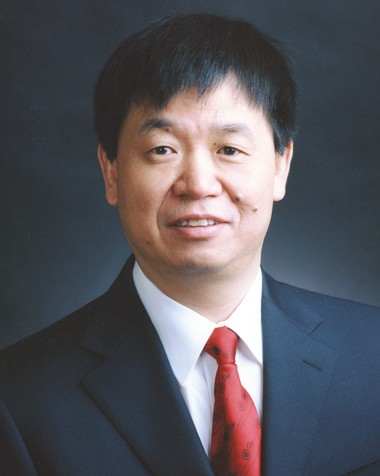 Jiayang Li (李家洋)合作论文数Institute of Genetics and Developmental Biology, Chinese Academy of Sciences;Yazhouwan National Laboratory;University of Chinese Academy of Sciences22
 Zhanyu Ma (马占宇)合作论文数PRIS Laboratory, School of Artificial Intelligence, Beijing University of Posts and Telecommunications15
 Xiangbing Meng (孟祥兵)合作论文数Institute of Genetics and Developmental Biology, Chinese Academy of Sciences12
 Guifu Liu (刘贵富)合作论文数Institute of Genetics and Developmental Biology, Chinese Academy of Sciences11
 Liu Ke合作论文数Chongqing Key Laboratory of Computational Intelligence, Chongqing University of Posts and Telecommunications9
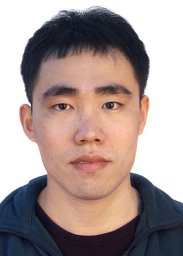 Liquan Kou合作论文数Chinese Acad Sci, Innovat Acad Seed Design, State Key Lab Plant Genom, Beijing 100101, Peoples R China8
 Yanhui Jing合作论文数8
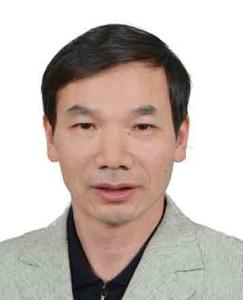 Jun Guo (郭军)合作论文数School of Artificial Intelligence, Beijing University of Posts and Telecommunications8Mingjiang Chen合作论文数Chinese Acad Sci, Inst Genet & Dev Biol, State Key Lab Plant Genom, Beijing, Peoples R China7
 Zuqiang Su合作论文数7
 Yongfang Xie (谢永芳)合作论文数School of Automation, Central South University7
 Zheng-Hua Tan合作论文数Pioneer Centre for Artificial Intelligence;Department of Electronic Systems, Aalborg University;Centre for Acoustic Signal Processing Research, Aalborg University6
 Tianrui Li (李天瑞)合作论文数School of Computing and Artificial Intelligence, Southwest Jiaotong University;Institute of Artificial Intelligence, Southwest Jiaotong University;National Engineering Laboratory of Integrated Transportation Big Data Application Technology, Southwest Jiaotong University;Key Lab of Cloud Computing and Intelligent Technique of Sichuan Province, Southwest Jiaotong University6DaChun Yang (杨大春)合作论文数5
 Xiaoguang Song合作论文数5
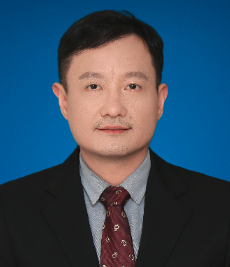 Xiaofang Chen (陈晓方)合作论文数School of Automation, Central South University5
 Bing Wang (王冰)合作论文数Institute of Genetics and Developmental Biology, Chinese Academy of Sciences5
 Huaxiong Li (李华雄)合作论文数School of Management & Engineering, Nanjing University5Shuangshuang Chu合作论文数4
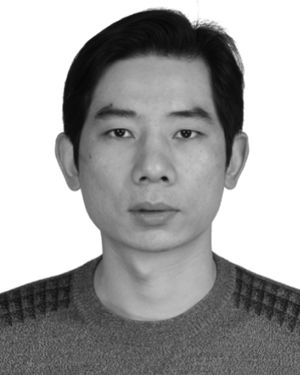 Feng Hu合作论文数Chongqing University of Posts and Telecommunications(Chongqing University of Posts and Telecommunications),Chongqing,China4ZhongFu Wu (吴中福)合作论文数4
 Xiaowei Zhao (赵小薇)合作论文数School of Software Technology, Dalian University of Technology;International School of Information Science and Engineering, Dalian University of Technology - Ritsumeikan University4
 Zhuliang Yu (俞祝良)合作论文数Center for Brain Computer Interfaces and Brain Information Processing, School of Automation Science and Engineering, South China University of Technology4
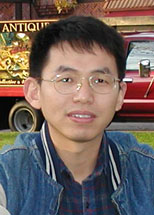 Yingchun Wang (汪迎春)合作论文数University of Chinese Academy of Sciences;Institute of Genetics and Developmental Biology, Chinese Academy of Sciences4
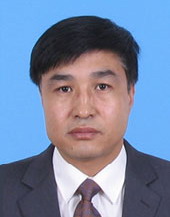 Duoqian Miao (苗夺谦)合作论文数School of Computer Science and Technology, Tongji University4
 Dun Liu (刘盾)合作论文数School of Economics and Management, Southwest Jiaotong University4
 Ying Xia (夏英)合作论文数重庆邮电大学计算机科学与技术学院4
 Yiyu Yao (姚一豫)合作论文数Department of Computer Science, University of Regina4Xiahe Huang合作论文数Institute of Genetics and Developmental Biology, Chinese Academy of Sciences4
 xi'ao ma合作论文数4
 Yiming Zhang合作论文数3
 Yixue Li (李亦学)合作论文数Hangzhou Institute for Advanced Study, University of Chinese Academy of Sciences;Guangzhou Laboratory3
 Man Liu合作论文数Beijing Univ Posts & Telecommun, State Key Lab Networking & Switching Technol, Beijing 100876, Peoples R China3Qun Liu (刘群)合作论文数3
 Jiye Liang (梁吉业)合作论文数School of Computer and Information Technology, Shanxi University;Key Laboratory of Computational Intelligence and Chinese Information Processing of Ministry of Education, Shanxi University3
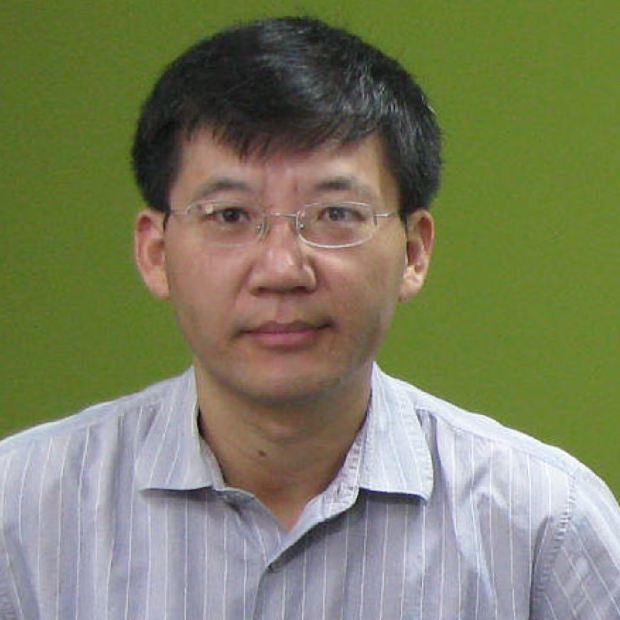 Chengzhi Liang (梁承志)合作论文数中国科学院遗传与发育生物学研究所3
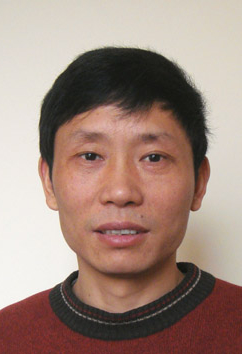 Zhukuan Cheng (程祝宽)合作论文数Institute of Genetics and Developmental Biology, Chinese Academy of Sciences;University of Chinese Academy of Sciences3
 Xu Li (李旭)合作论文数College of Life Science and Technology of Huazhong Agricultural University3
 Wei Wu (吴微)合作论文数School of Mathematical Sciences, Dalian University of Technology3
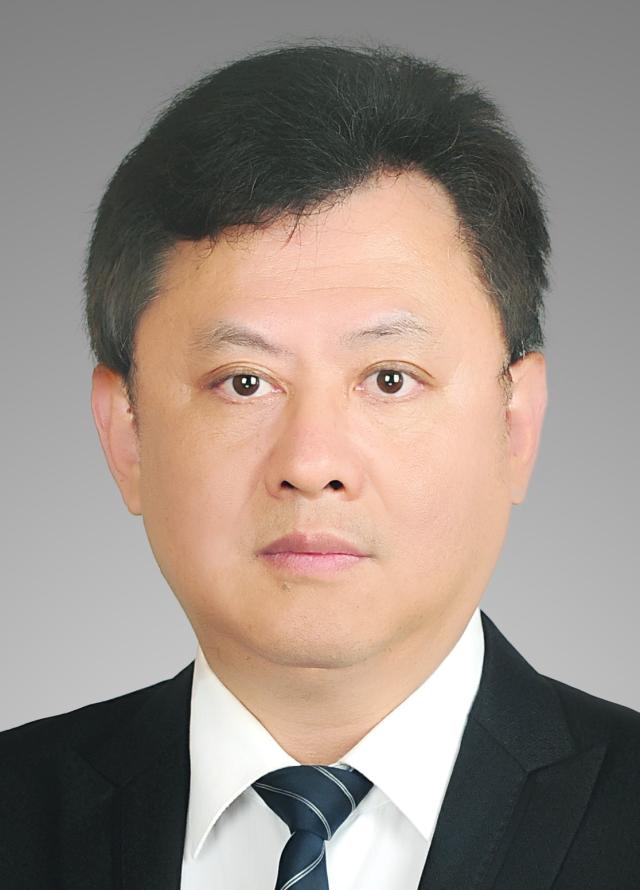 Hong Tang (唐宏)合作论文数School of Communication and Information Engineering, Chongqing University of Posts and Telecommunications3
 Jianhua Luo (骆建华)合作论文数Laboratory of Aerospace Intelligent Photoelectric Technology, Shanghai Jiao Tong University3
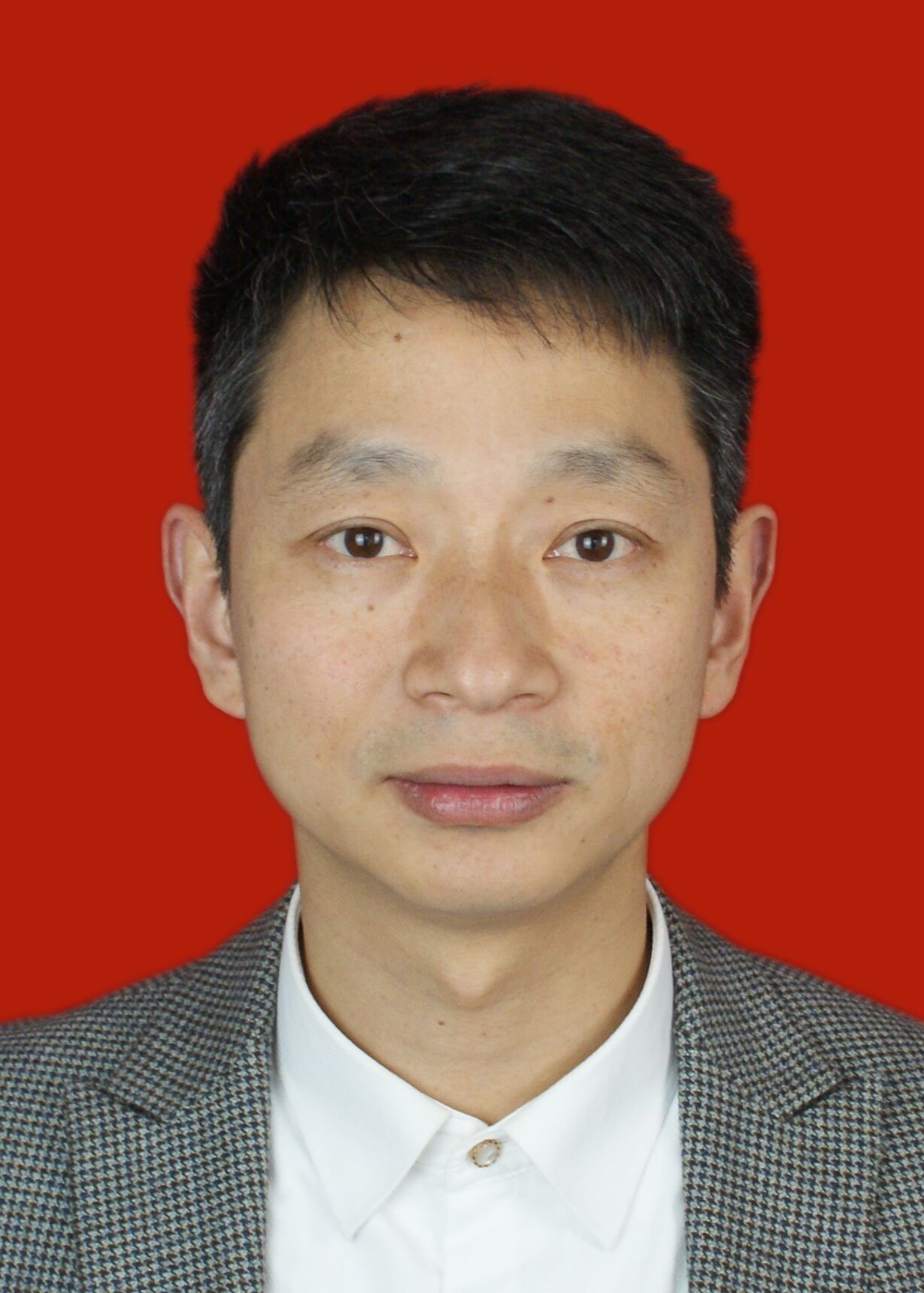 Fan Min (闵帆)合作论文数School of Computer Science, Southwest Petroleum University3
 Dai Jin (代劲)合作论文数重庆邮电大学软件学院3Hu Luo (罗虎)合作论文数3
 Jianru Zuo (左建儒)合作论文数Institute of Genetics and Developmental Biology, Chinese Academy of Sciences;University of Chinese Academy of Sciences3




