Background: Bruton's tyrosine kinase inhibitors (BTKi) are FDA-approved for the treatment of B-cell malignancies until disease progression or unacceptable toxicity. Ibrutinib (Ibr), the first-in-class covalent BTKi, is associated with cardiac adverse events (AEs) including hypertension (HTN), arrhythmias, heart failure, and sudden death. The real-world incidence of HTN on Ibr (34.8%, 33.2% > grade 3) (Roeker et al. JAMA 2019) is significantly higher than that reported in clinical trials (19%, 8% > grade 3) (Byrd et al. Blood 2019). The frequency of HTN with later generation covalent BTKis varies: acalabrutinib (Acala; 9.4%, 4.1% grade >3) (Byrd et al. JCO 2021) and zanubrutinib (Zanu; 21.9%, 14.8% > grade 3) (Brown et al. NEJM 2023). There are limited data on the outcomes of Ibr-associated emergent or exacerbated HTN following transition to an alternate covalent BTKi. Methods: An electronic medical record search was performed of patients (pts) treated with Ibr at the University of Pennsylvania between January 1, 2013 and May 1, 2024 who had documented systolic blood pressure (SBP) >120 mmHg and/or diastolic blood pressure (DBP) >80 mmHg. Pts with a diagnosis of large B-cell lymphoma were excluded. BPs were extracted and median SBP and DBP were calculated for each pt at three time points: 1) pre-Ibr 2) on Ibr and 3) on subsequent covalent BTKi. Medical comorbidities and antihypertensive (aHTN) medications with doses were tabulated. HTN was defined as SBP ≥ 130 mmHg and/or DBP ≥ 80mmHg. The Wilcoxon signed rank test was used to analyze BP changes for each pt across BTKis. Results: At data cutoff, 26/239 (10.9%) pts discontinued Ibr due to HTN (with or without additional cardiac AEs). Twenty-four patients had chronic lymphocytic leukemia and two had Waldenström's macroglobulinemia; median age was 64 (range, 38 - 77) and median number of prior treatments was 1 (range, 0 - 3). Prior to Ibr, 12/26 (46%) pts had preexisting HTN; among these patients, 11/12 (92%) were on aHTN medications (median aHTNs 1; range, 1 - 3). Of the 26 pts who discontinued Ibr, 9 (34.6%) developed atrial fibrillation and 13 (50%) developed any grade HTN; among pts who discontinued Ibr solely due to HTN, 6/13 (46.2%) had treatment-emergent HTN and 7/13 (53.9%) had treatment-exacerbated HTN. Regardless of antecedent hypertension or aHTN therapy, Ibr was preferentially associated with SBP elevation. Pts who discontinued Ibr and started Acala (n=15) had a reduction of median SBP from 137 (IQR 131 - 147) on Ibr to 125 (IQR 118 - 131) on Acala (p= 0.016). Resolution of systolic HTN after transition from Ibr to Acala coincided with a reduction in number of aHTN agents from a median of 1.5 (0-4) to 1 (0-3), respectively, and a 34% mean aHTN dose reduction. Among the 15 pts on Acala as second BTKi, 2 developed AEs and were transitioned to Zanu; 7 pts transitioned directly from Ibr to Zanu. Treatment with Zanu (n=9) resulted in a reduction of median SBP from 140 (130 - 145) on Ibr to 124 (122 - 132) on Zanu (p=0.0391). While transition to Acala was associated with a reduction in both number and dose of aHTNs, pts transitioned to Zanu had comparable number of aHTNs, albeit a mean dose reduction of 20.3%. Conclusion: Irrespective of baseline HTN and aHTN medications, Ibr is associated with a preferential increase in SBP; perhaps related to off-target kinase effects. Transition from Ibr to either Acala or Zanu was associated with resolution of systolic HTN with concomitant reduction in aHTN agents (Acala only) and doses (Acala and Zanu). Further research is needed to elucidate the mechanism(s) of systolic HTN on BTKis and to define optimal pharmacologic therapy.
IntroductionMyeloid/lymphoid neoplasms with fibroblast growth factor receptor-1 (FGFR1) rearrangements (MLNFGFR1) are rare entities with aggressive features and poor prognosis. Presentation is heterogeneous, ranging from myeloproliferative neoplasms (with or without eosinophilia) to T-cell lymphoma and acute leukemia. Historical treatments have been guided by the presenting phenotype with induction chemotherapy frequently used. Pemigatinib is a FGFR1-3 tyrosine kinase inhibitor that has demonstrated high complete hematologic and cytogenetic response rates in MLNFGFR1.Areas coveredWe discuss the pathogenesis, presentation, and historical treatments for MLNFGFR1, in addition to clinical data using pemigatinib and other targeted therapies. Discussion of the mechanism of action and adverse events is also included.Expert opinionPemigatinib represents a significant advance in the management of MLNFGFR1. High rates of complete hematologic and cytogenetic response have been observed. While direct comparative data are unavailable, outcomes appear favorable compared to conventional approaches. Long-term efficacy and tolerability are not yet known, and allogeneic hematopoietic stem cell transplant (alloHSCT) continues to be the treatment with the highest chance of long-term disease free survival in responding patients. Combinations of pemigatinib and chemotherapy, particularly for more aggressive phenotypes, warrant future investigation as does the use of pemigatinib maintenance following alloHSCT.
Introduction. Active infection is a contraindication to CAR T-cell infusion (CAR-T). Our standard institutional practice (SOP) is to perform a respiratory virus panel (RVP) prior to CAR-T infusion; however, the risk of toxicity after CAR-T in the context of an asymptomatic, incidentally noted respiratory viral infection (+RVP) during pre-CAR-T testing is unclear. We report our institutional experience for asymptomatic patients (pts) with PCR evidence of viral respiratory presence who subsequently received CAR-T. Methods. We retrospectively reviewed 306 pts with non-Hodgkin lymphomas who were treated at the Hospital of the University of Pennsylvania with commercial CAR-T products from 2018-2023. Per SOP, all pts had a PCR-based RVP test prior to lymphodepleting chemotherapy (LD); LD-CAR-T was delayed for at least 7 days for asymptomatic pts with +RVP. After 7 days, pts with continued +RVP can proceed to CAR-T if they remain asymptomatic. RVP included: adenovirus, non-SARS-CoV-2 coronavirus, human metapneumovirus, rhinovirus/enterovirus, influenza A/B, parainfluenza 1-4, respiratory syncytial virus A/B, with/without SARS-CoV-2. We selected pts who had a +RVP within 4 weeks of CAR-T and who were asymptomatic (without respiratory viral symptoms) at time of CAR-T infusion. Cytokine release syndrome (CRS) and neuro-toxicity domains defining immune effector cells (ICANS) were evaluated using ASTCT consensus grading. Any fever post-CAR-T without an alternative cause was considered CRS. Results . We identified 15 pts with +RVP who were asymptomatic at the time of CAR-T: 12 (80%) were male; median age 54 years (range 38-75); 10 (67%) had large B-cell lymphoma; 4 (27%) follicular lymphoma; 1 (7%) mantle cell lymphoma; ECOG performance status (PS) ≤1 in 14 (93%); lactate dehydrogenase (LDH) elevated in 5 (33%); 14 (93%) received bridging therapy. Overall, 11 pts (73%) had rhinovirus/enterovirus, 1 (7%) had SARS-CoV-2, 1 (7%) had non-SARS-CoV-2 coronavirus, 1 (7%) had adenovirus, and 1 (7%) had RSV A. Of these 15 pts with +RVP, 8 (53%) were asymptomatic at time of initial +RVP and 7 (47%) pts were symptomatic at time of +RVP. The median time of intial +RVP was 13 days before CAR-T; the median time of closest +RVP to CAR-T was 7 days prior to CAR-T. No patient who was asymptomatic with a +RVP developed symptoms between initial screening +RVP and CAR-T infusion. At the time of CAR-T infusion, all patients were asymptomatic and no patient required supplemental oxygen. CAR-T was administered outpatient in 9 pts (60%). Of 15 asymptomatic pts infused, 10 (67%) received tisagenlecleucel (tisa-cel), 2 (13%) axicabtagene ciloleucel (axi-cel), 2 (13%) lisocabtagene maraleucel (liso-cel), and 1 (7%) brexucabtagene autoleucel (brexu-cel). 8 of these 15 pts (53%) developed CRS (7 pts grades 1-2, one pt grade 3) and 4/15 (27%) ICANS (2 pts grades 1-2, 2 pts grades 3-4). Of the 8 patients who remained asymptomatic and received CAR-T, 6 (75%) received tisa-cel, 1 (13%) axi-cel and 1 (13%) liso-cel. 5 of these 8 pts (63%) developed CRS (all grades 1-2) and 1/8 (13%) ICANS (grade 2). Of the 7 patients whose symptoms resolved prior to CAR-T but had +RVP, 4 (57%) received tisa-cel, 1 (14%) axi-cel, 1 (14%) liso-cel, and 1 (14%) brexu-cel. 3 of these 7 pts (43%) developed CRS (2 pts grades 1-2, 1 pt grade 3) and 3/7 (43%) ICANS (1 pts grades 1-2, 2 pts grades 3-4). Discussion: In our experience, CAR-T in pts with PCR evidence of upper respiratory viral infection was generally safe in pts not requiring oxygen with a good PS who are asymptomatic or symptomatically resolved at time of CAR-T infusion. Rates of CRS and ICANS were comparable between asymptomatic pts and pts with resolved symptoms at time of CAR-T.
7542 Background: Brentuximab vedotin (BV) in combination with doxorubicin, vinblastine, and dacarbazine (AVD) is the new standard of care for newly diagnosed stage III/IV cHL. In the pivotal ECHELON-1 trial, peripheral neuropathy (PN) was the most common toxicity, seen in 67% of patients (pts) and leading to discontinuation of BV in 6.6%. However, PN from BV+AVD in cHL has not been studied in a non-trial setting, where clinicians may have different strategies for managing it. Methods: We conducted a multi-site, retrospective study to characterize PN in pts who were planned to receive 6 cycles of BV+AVD for newly diagnosed cHL before 9/2022. Data was obtained from medical records and PN was graded retrospectively using CTCAE v5.0 criteria. Multivariable logistic regression was used to assess factors associated with PN. Progression-free survival (PFS) and overall survival (OS) were calculated using the Kaplan Meier method. A Cox proportional hazards model was used to test the effect of discontinuation on PFS. Results: 153 pts from 10 US institutions were eligible. Median age was 35 years (range 18-76) with 22% of pts over 60 years old. Thirty-four pts (22%) had at least 1 ineligibility criteria for ECHELON-1, including stage (8% stage I/II), performance status (3% ECOG 3+), preexisting PN (6%), or other comorbidities including HIV and other malignancies (10%). Of advanced stage pts, 41% had IPS 4-7. Median no. BV+AVD cycles was 6 (range 1-6). PN was reported by 80% of pts during treatment; 39% experienced grade (G) 1, 31% G2, and 10% G3. In total, BV was modified in 44% of pts due to PN leading to BV discontinuation in 23% with median no. of doses omitted of 4 (range 1-10), dose reduction in 17% and temporary dose hold in 4%. Vinblastine was modified in 17% of pts due to PN including discontinuation or temporary hold in 10% and dose-reduction in 7%; in 35% of pts with vinblastine modification, BV was continued. None of the factors assessed (age, sex, baseline PN, diabetes mellitus) predicted development of any grade PN. However, higher initial dose of BV in mg (based on weight) was associated with increased risk of grade 2+ PN (OR 1.03, 95% CI 1.01-1.05, p = 0.002). With median follow up of 24 months (range 0.33-87), PN resolution was documented in 36% and improvement in 33% at last follow up. Ongoing G2+ PN was present in 13% of pts at last follow up. 2-year PFS for the advanced stage patients was 82.7% (95% CI 0.76-0.90) and OS was 97.4% (95% CI 0.944-1). Discontinuation of BV due to neuropathy did not affect PFS (HR 1.1, 95% CI 0.45-2.5). Conclusions: In the non-trial setting, BV+AVD was associated with a high incidence of PN. In our cohort, which includes pts who would not have been eligible for the pivotal ECHELON-1 trial, BV discontinuation rates were higher than previously reported, but 2-year outcomes remain comparable; discontinuation of BV was not associated with inferior PFS.
In this multi-institutional retrospective study, we examined the characteristics and outcomes of 160 patients with high-grade B-cell lymphoma, not otherwise specified (HGBL-NOS)-a rare category defined by high-grade morphologic features and lack of MYC rearrangements with BCL2 and/or BCL6 rearrangements ("double hit"). Our results show that HG BL-NOS tumors are heterogeneous: 83% of patients had a germinal center B-cell immunophenotype, 37% a dual-expressor immunophenotype (MYC and BCL2 expression), 28% MYC rearrangement, 13% BCL2 rearrangement, and 11% BCL6 rearrangement. Most patients presented with stage IV disease, a high serum lactate dehydrogenase, and other high-risk clinical factors. Most frequent first-line regimens included dose-adjusted cyclophosphamide, doxorubicin, vincristine, and etoposide, with rituximab and prednisone (DA-EPOCH-R; 43%); rituximab, cyclophosphamide, doxorubicin, vincristine, and prednisone (R-CHOP; 33%); or other intensive chemotherapy programs. We found no significant differences in the rates of complete response (CR), progression-free survival (PFS), or overall survival (OS) between these chemotherapy regimens. CR was attained by 69% of patients. PFS at 2 years was 55.2% and OS was 68.1%. In a multivariable model, the main prognostic factors for PFS and OS were poor performance status, lactate dehydrogenase >3 x upper limit of normal, and adual-expressor immunophenotype. Age >60 years or presence of MYC rearrangement were not prognostic, but patients with TP53 alterations had a dismal PFS. Presence of MYC rearrangement was not predictive of better PFS in patients treated with DA-EPOCH -R vs R-CHOP. Improvements in the diagnostic criteria and therapeutic approaches beyond dose-intense chemotherapy are needed to overcome the unfavorable prognosis of patients with HGBL-NOS.
Introduction: DH/THL also classified as high-grade B cell lymphomas (HGBCL) with MYC and BCL2 and/or BCL6 rearrangements have higher risk of progression after initial treatment and poor response to salvage therapies compared to diffuse large B cell lymphoma (DLBCL), NOS. Recently, CART cell therapy has shown encouraging responses in treatment of relapsed refractory (R/R) DLBCL. In this retrospective study, we evaluated whether survival of (R/R) DH/THL is improved in the CART era. Methods: In this multicenter retrospective study, adult pts (pts) with R/R DH/THL after anthracycline-based therapy were included. Demographic and clinical variables were obtained from electronic health records. Study objectives was overall survival (OS) at 2 year landmark. We utilized full propensity score matching to compare progression free survival (PFS) and OS of CART with 2 nd line chemoimmunotherapy. Results: 278 DH/THL pts treated between 2010-2020 were included. Median age was 63 years (range 52-74), 163 (58%) were male, 119 (43%) were classified as DLBCL and 116 (42%) as HGBCL; 40 (14%) were transformed from follicular lymphoma. 225 (82%) had advanced stage, 161 (67%) had elevated LDH, 85 (33%) had bulky disease, 74 (59%) had B symptoms. 105 (38%) pts treated for relapsed disease before 2018 were included in the pre-CART era cohort. 168 (60%) pts treated from 2018 onwards were included in the CART era cohort. 102 (60%) pts in CART cell era received CART cells, 40 (14%) received polatuzumab vedotin (pola), 10 (3.5%) received loncastuximab tesirine, tafasitamab and bispecific antibody each. Characteristics at relapse were similar in both groups. Median follow up was 8.9 (0.2-146) months. 2-year OS estimate was 36% (CI 95: 30-42%) in entire population. Patients treated in CART cell era had significantly higher OS (2 yr OS: 43% [CI 95: 35-53]) compared to pts treated in pre-CART cells era (2-year OS: 24% [CI 95: 16-34], p=0.0006) (Figure 1). In multivariable analyses, increasing age (HR = 1.02 (CI 95: 1.01, 1.04), p=0.003), extranodal disease (HR = 1.41 (CI 95: 1.00, 1.99), p<0.001), elevated LDH (HR = 1.57 (CI 95: 1.11, 2.24), p=0.01) were associated with inferior OS. Increasing time to relapse (HR = 0.98 (CI 95: 0.97, 0.99), p<0.001) was associated with superior OS. BCL6 rearrangement did not affect OS. When adjusted for these factors, treatment with CART cells was associated with higher 2 yr OS (HR = 0.33 (CI 95: 0.22, 0.49), p<0.001). Treatment with polatuzumab (HR = 1.07 (CI 95: 0.71, 1.6), p=0.07) was not significantly associated with OS in univariable analysis. 102 pts underwent CART cell therapy at any point for relapse; 94 (93%) were refractory to prior chemotherapy. 62 (60%) responded and 52 (50%) had CR after CART cells. 2-year PFS and OS after CART cell therapy were 28% (CI 95: 19-40) and 40% (CI 95: 30-53), respectively. Increasing time to CART was associated with inferior OS (HR: 1.02 (CI 95: 1.0-1.03, p=0.03) but not PFS (HR: 1.02 (CI 95: 0.99-1.04), p=0.2). 219 (79%) pts received curative intent salvage chemotherapy for 2 nd line. 2-year PFS and OS were 15% (CI 95: 11-20) and 38% (CI 95: 31-45), respectively. 21 pts received CART cell therapy for 2 nd line. 2 year PFS and OS in this small number of pts were 52% (CI 95: 35-79) and 70% (CI 95: 52-94), respectively. Due in part to the small number of pts who received CART cells in 2 nd line, we utilized full propensity score matched analysis to compare each patient in CART cell group to all possible matched controls in salvage chemotherapy group. Variables matched were age, LDH, extra nodal disease and time to relapse. In propensity score matched analysis, pts who received CART cells had significantly higher 2 year PFS (HR: 10.5 (CI 95: 3.4-17.5), p=002) and 2 year OS (HR: 7.5 (CI 95: 1.4-13), p=0.01). Conclusions: Survival of r/r DH/THL appears to have improved in the era of CART cell therapy. About 2/3 of pts refractory to chemotherapy respond to CART cells, and in multivariable analysis, receipt of CART cells was associated with improved OS. Increasing time to CART cells was associated with inferior survival. In a propensity score matched analysis utilizing full matching, CART cell therapy in 2 nd line was associated with significantly higher 2 year PFS and OS compared to curative intent salvage therapy. Other CD 19 and CD 20 targeting agents approved after CART cell therapy might contribute to favorable survival, effect of these agents could not be assessed because of small numbers.
Introduction Chimeric antigen receptor T-cell therapy (CAR T) is a revolutionary adoptive immunotherapy approach in lymphoma; however, substantial resources are necessary for administration and care of these patients. Our institution has administered tisagenlecleucel primarily in an outpatient setting, and here we report our clinical outcomes. Patients and Methods We conducted a single institution, retrospective study investigating outcomes of adult lymphoma patients treated with commercial tisagenlecleucel between 10/2017 and 12/2020. We analyzed patient characteristics and outcomes of efficacy and safety including overall response rate, progression-free survival, overall survival and cytokine-release syndrome, neurotoxicity, and hospitalizations. Results Seventy-two patients with relapsed or refractory non-Hodgkin lymphoma (NHL) who received commercial tisagenlecleucel were identified; 68 (94.4%) patients received outpatient tisagenlecleucel. The overall response rate was 43% with a complete response observed in 25 patients (34.7%). At a median follow-up of 9.1 months, the median progression-free survival was 3.3 months. Grade 3-4 cytokine release syndrome was not observed in the study group and two patients had grade 3-4 neurotoxicity. Twenty-six patients (36.1%) were admitted within 30 days after infusion with a median length of stay of 5 days. Fourteen patients (19.4%) were admitted within 72 hours of infusion. No patient died of CAR T cell-related toxicity. Conclusion Our experience affirms treatment with tisagenlecleucel in the outpatient setting is safe and feasible with close supervision and adequate institutional experience. After infusion, adverse events were manageable and the majority of patients did not require hospitalization.
Diffuse large B-cell lymphoma (DLBCL) is the most common form of aggressive non-Hodgkin lymphoma. Approximately 40% of patients with DLBCL will experience disease relapse or will be refractory to first line chemoimmunotherapy, necessitating second-line salvage therapy. This has historically consisted of platinum-based chemotherapy regimens followed by autologous hematopoietic stem cell transplantation with curative intent for transplant-eligible patients or palliative chemotherapy for transplant-ineligible patients. In recent years there have been several new therapeutic agents approved for the treatment of relapsed/refractory DLBCL, thereby expanding the therapeutic landscape. These agents include polatuzumab vedotin, tafasitamab, loncastuximab tesirine, selinexor, and anti-CD19 chimeric antigen receptor T-cell therapies such as axicabtagene ciloleucel, tisagenlecleucel, and lisocabtagene maraleucel. This review summarizes the pharmacology, efficacy, safety, dosing, and administration of new agents recently approved for the treatment of relapsed/refractory DLBCL.
Introduction: Post-transplantation lymphoproliferative disorder (PTLD) is a rare disorder with few established therapies. Solid organ transplant (SOT) patients who develop PTLD are often frail. While some patients respond to reduction of immunosuppression (RI) or rituximab monotherapy, aggressive or relapsed disease frequently requires chemoimmunotherapy. Rituximab, cyclophosphamide, doxorubicin, vincristine and prednisone (R-CHOP) is a standard of care first-line chemoimmunotherapy for large B-cell lymphomas, but this regimen is often poorly tolerated by frail SOT patients with significant mortality, early discontinuation of therapy, neuropathy and cardiac toxicity. We report our institutional experience with rituximab, cyclophosphamide, etoposide, prednisone (R-CEP), as an alternative, anthracycline-sparing regimen for patients with PTLD. Methods: We retrospectively reviewed records within the Lymphoma Program of the University of Pennsylvania to identify patients who received R-CEP for PTLD. R-CEP was administered on day 1 of each cycle, every 3 weeks for six total cycles in outpatient clinic: rituximab 375 mg/m2 IV, cyclophosphamide 750 mg/m2 IV, and etoposide 100 mg/m2 IV. Three patients received alternative etoposide dosing administered as 50mg/m2 IV on days 1-3. Prednisone was optional and administered at physician discretion; doses ranged from continuous SOT immunosuppression dose to 100 mg daily on days 1 to 5 of each cycle. Overall response rates (ORR), progression free survival (PFS), response duration (RD), and overall survival (OS) were assessed. Adverse effects were described by CTCAE v5. Results: Thirty-four patients were identified (see Table 1 for Patient Characteristics). Eleven patients (32%) initially were managed with RI alone; 2 of 11 (18%) responded for ≥ 6 months before progressive disease (PD). Twenty-four patients (71%) received rituximab monotherapy (either initially or for PD after RI) with 14 of 24 (58%) responding for ≥ 6 months before PD. All who received RI and/or rituximab monotherapy had PD before starting R-CEP. Seven patients (21%) were first treated with R-CEP due to aggressive initial presentation of PTLD. ORR at six months after completion of R-CEP was 47% with 15 complete responses (CR) and 1 partial response (PR). Median follow-up was 9.8 years (range 0.25-12 years). 46% and 41% of patients remained progression-free at 24 and 60 months, respectively (Figure 1). Median response duration (RD) was 47 months (95%CI: 5-NE). Of those who achieved CR at 6 months, median RD was not reached; 93% and 83% of patients in CR maintained responses at 24 and 60 months, respectively. Median OS was 45 months (95%CI: 13-NE), with 58% and 47% of patients alive at 24 and 60 months, respectively. Of the 21 patients who died, 12 (57%) died from PD, 2 (9%) from infections after receiving further salvage therapy, and the remainder from causes unrelated to PTLD. Fifty percent of patients received their first cycle while hospitalized. Seventy-four percent of patients had neutropenia (41% grade 3-4 neutropenia) and 23% had febrile neutropenia. Eight patients had grade 3-4 anemia and 6 developed grade 3-4 thrombocytopenia. Ten patients (29%) required hospitalization during treatment, most commonly for febrile neutropenia, anemia, or dehydration. There were no instances of neuropathy, cardiac toxicity, or treatment-related mortality. Of the 18 patients who did not complete all 6 cycles of chemoimmunotherapy, 11 (61%) stopped due to PD, 4 (22%) due to toxicity (most commonly cytopenias), 2 (11%) elected early stop after achievement of CR, and 1 (6%) due to a need for treatment of a secondary primary malignancy. Patients with PD commonly received R-CHOP for systemic progression (including heart transplant recipients) or radiation therapy for localized disease. Conclusions: R-CEP is a promising alternative to R-CHOP for frail PTLD patients based on our observed efficacy and toxicity and warrants further investigation. Cytopenias were less common than historically reported for PTLD patients treated with R-CHOP (Trappe et al 2012). There was no treatment-related mortality, whereas reported treatment-related mortality with R-CHOP for PTLD is 11% (Trappe et al 2012). Study limitations include its retrospective nature, small sample size, and heterogeneous PTLD population with respect to SOT. Figure 1View largeDownload PPTFigure 1View largeDownload PPT Close modal
Background: HGBL, NOS encompasses aggressive B-cell lymphomas with Burkitt lymphoma-like (BLL) or blastoid cytomorphology which are otherwise unclassifiable. We have previously described characteristics and outcomes of HGBL, NOS treated in 20 academic centers across the United States (Zayac et al, ASH 2021). Here, we report the CNS-related outcomes from this multi-institutional dataset. Methods: We collected retrospective data on adult patients (pts) with HGBL, NOS diagnosed by academic hematopathologists in 2017-2021, excluding cases with unknown MYC rearrangement (MYC-R) status, double/triple-hit lymphomas, any diffuse large B-cell lymphoma (DLBCL, NOS) or other specified entities. Ten participating institutions conducted formal local pathology review; immunohistochemistry and cytogenetics were performed locally. Outcomes included progression-free (PFS) and overall survival (OS), and cumulative incidence function (CIF) of CNS recurrence (CNSrec accounting for competing risk of systemic relapse), estimated with 95% confidence intervals (CI). Results: Among 160 pts (median age 64 years, 68% male, 82% germinal center B-cell [GCB] tumors), the CNS International Prognostic Index (IPI) was low in 21%, intermediate (int) in 44%, high in 30%, and missing in 5%. Baseline CNS involvement (CNSinv) was present in 11 pts (7%), including leptomeningeal in 6, parenchymal in 4, and both in 1 case. Only 2 factors were significantly associated with CNSinv: testis or female pelvis involvement (odds ratio [OR]=6.40; 95%CI: 1.09-37.7) and MYC-R (OR=3.51; 95%CI: 1.01-12.2). Pts with CNSinv were treated with R-CODOX-M/IVAC (27%), R-EPOCH (18%), R-hyperCVAD (18%), or R-CHOP + high-dose methotrexate (HDMTX, 18%). CNSinv was associated with numerically lower complete response rate (55% with vs 70% without, P=.32), PFS (3-year PFS: 53% and 55%, respectively; log-rank P=.45), and OS (2-year OS, 51% and 69%, respectively, P=.54). Data on CNS-directed prophylaxis (ppx) were available for 139 pts without baseline CNSinv. CNS ppx was administered to 48%, including intrathecal (IT)-only in 29% (median 4 doses, range 1-10), intravenous HDMTX in 7% (median 2 doses, range 1-5), and both IT and HDMTX in 12%. Among 59 recurrences after initial therapy, 16 involved the CNS: 7 leptomeningeal-only, 4 parenchymal-only, 4 involving both compartments, and 1 unspecified. Median time to CNSrec was 4.4 months (95% CI: 2.6-9.0), not significantly different from systemic recurrences (median 5.3 months, P=0.58). Median OS after CNSrec was 5.3 months (95% CI: 2.9-13.6), also not significantly different from systemic recurrences (median 7.7 months, P=.18). For all 160 pts, the CIF of CNSrec at 3 years was 11.7% (95% CI: 6.9-17.9), but pts with baseline CNSinv were at highest risk (CIF=57.6% vs. 8.0% for others; P<0.001 on Gray's test) and were excluded from further analysis of risk factors. Among other CNSrec events, 4/10 (40%) were in non-GCB HGBL, 5 of 6 tested (83%) had dual MYC/BCL2 expression (DEL), and 4 of 4 tested carried a TP53 alteration. CNSrec was associated with high-int/high IPI (CIF=13.4% vs. 1.7% for low/int; P=.020) but not CNS-IPI (7.5% high vs. 6.8% low/int; P=.85). Other significant risk factors for CNSrec included: involvement of bone marrow (CIF=20.5% vs. 4.5% for none, P=.002) or blood (47.2% vs. 5.3% for none, P<.001), non-GCB (20.5% vs. 5.9% for GCB, P=.021, Fig. A), DEL (10.8% vs. 1.5% for others, P=.019), and CD5+ HGBL (27.5% vs. 6.0% for CD5-, P=.013). The risk of subsequent CNSrec did not differ according to first-line therapy, including comparing R-CHOP (CIF=10.2%) vs. more intensive regimens (7.0%, P=0.77), or R-CHOP vs. R-EPOCH specifically (CIF=6.7%, P=.74). We also observed no difference in CNSrec after receipt of any form of CNS ppx (P=.59; Fig. B), or specifically HDMTX (P=.18) or IT methotrexate MTX (P=.94). Conclusions: In HGBL, NOS baseline CNSinv is uncommon, but highly prognostic for future CNSrec. Both CNS and systemic recurrences portend poor prognosis. CNS-IPI may not predict higher risk of CNSrec in HGBL, NOS. Although our study is limited by the sample size in this rare and heterogeneous disease, the CNSrec was higher in pts with blood/marrow involvement or the non-GCB or MYC/BCL2 DEL HGBL. Because the >10% risk of CNSrec is not mitigated by standard CNSppx modalities, HGBL, NOS should be included in trials of novel CNSppx approaches along with high-risk DLBCL or double-hit lymphoma. Figure 1View largeDownload PPTFigure 1View largeDownload PPT Close modal
Polatuzumab vedotin (PV), an anti-CD79b antibody drug conjugate, was approved by the United States (US) Food and Drug Administration in June 2019 for relapsed/refractory diffuse large B cell lympho...
Introduction: In pre-chimeric antigen receptor T cell therapy (pre-CART) era, retrospective studies of relapsed/refractory double hit lymphoma (R/R DHL), with MYC and BCL2 and/or BCL6 rearrangement, show inferior survival compared to non-DHL DLBCL. Large study of relapse pattern, chemorefractoriness and outcomes in CART era is lacking. Here we examine treatment patterns, response and outcomes of R/R DHL in a large observational cohort including patients (pts) treated in CART era. Methods: In this retrospective multicenter observational study, adult pts (pts) with DHL R/R after anthracycline-based therapy, were enrolled. Demographic and clinical variables were obtained by retrospective electronic health records review. Study objectives were overall response rates (ORR), complete response rates (CR), progression free survival (PFS) and overall survival (OS). Time to event endpoints were calculated from date of treatment. Results: From 1st January 2011-30th December 2020, 223 adult pts of 12 participating institutions, met eligibility criteria (Table 1). 104 (47%) were classified as high-grade B cell lymphoma (HGBCL), 87 (39) and were classified as diffuse large B cell lymphoma (DLBCL) and 32 (14%) were HGBCL transformed from follicular lymphoma (tFL). 125 (56%) were refractory to frontline therapy (PRD) and 51 (23%) had relapsed within 1 year of frontline therapy (ER). 178 (78%) pts were treated with 2nd line curative-intent salvage regimen. ORR and CR were 79 (46%) and 40 (23%), respectively. Pts with PRD had significantly lower ORR and CR of 33% (N=35, p<0.001) and 14% (N=15, p<.001) respectively. 42 (24%) pts underwent autologous stem cell transplant (ASCT). 39 did not undergo ASCT for disease progression (24), treatment related death (2), briding to CART in partial response (PR, 3), unknown reason (10). In univariable analyses, age (OR: 1.03 CI95: 1.01-1.07, p=0.002) and PRD (OR: 0.3 CI95: 0.1-0.8, p<0.001) were associated with lower odds of ORR. Presence of PRD (OR:0.2 CI95: 0.05-0.5, p<0.001) and ER (OR:0.3 CI95: 0.08-0.8, p<0.001) was associated with significantly lower odds of CR. Type of Salvage therapy was not associated with response. 2 yr PFS and OS of all 223 pts were 22% (CI95: 8.2-35.8) and 36.3% (CI95: 26.3-46.3) respectively. In univariable analyses, high LDH (HR: 2.0 CI95: 1.3-3.0,p<0.01), presence of BCL2 rearrangement (HR: 2.3 CI95: 1.3-4.2,p=0.007), EN disease (HR: 1.5 CI95: 1.0-2.2,p=0.04), and receipt of noncellular therapy (nonCT) (HR: 5.1 CI95: 3.8-10.6,p<0.001) were associated with inferior PFS. High LDH (HR: 1.7 CI95: 1.1-2.1,p=0.02), receipt of nonCT (HR: 5.1 CI95: 2.5-10.1, p<0.001) were associated with inferior OS. Pts who underwent ASCT had 2 yr PFS and OS of 46% (CI95: 28.8-63.2) and 57.8% (CI95: 43.8-71.8) respectively. Pre-ASCT response was not associated with PFS or OS. 73 (32%) received CART (14 in 2nd line, 35 in 3rd line and 24 in 4th line); 72 had progressed on curative-intent chemoimmunotherapy and 69 were refractory. 42 (57%) pts had CR, 11 (15%) had PR and 15 (21%) had progressive disease (PD) to CART. 2 yr PFS and OS were 29.6% (CI95: 7.8-51.4) and 52.4% (CI95: 38.4-66.4) respectively. Post-CART CR had significantly higher PFS compared to PR (HR: 2.5 CI95: 1.1-5.6, p=0.03) and PD (HR: 6.4, CI95:3.2-13.1, P<0.001). Post-CART PD (HR: 2.66, CI95:1.11-6.4, P<0.001) was significantly associated with adverse OS but not PR (HR: 1.7, CI95:0.6-4.6, P=0.2). 108 (68%) did not receive CART or ASCT in 2nd or later line (nonCT); 87 had curative intent therapy and 21 had palliative-intent therapy. ORR was 33% (N=30), CR was 17% (N=19), 2 yr PFS and OS of 7.3% (CI95: 0-35.8%) and 18% (CI95: 0-39) respectively. In pts progressive on 2nd line curative-intent salvage therapy, when adjusted for adverse features, CART (N=59) had significantly higher ORR (OR: 5.6 CI95: 2.1-16.1, p<0.001), CR (OR: 5.3 CI95: 2-16, p<0.001), PFS (HR 5.6 CI95: 2.8-10.9, p<0.0001) and OS (HR: 5.1 CI95: 2.3-11, p<0.001) compared to nonCT (N=87). Conclusions: R/R DHL have low and short-lasting response to curative intent salvage therapy. PRD is less likely to respond to further chemotherapy. Minority of pts with chemosensitive disease who can be bridged to ASCT have durable outcomes. Outcomes of CART in chemoresistant pts are significantly better than nonCT and comparable to chemosensitive pts undergoing ASCT. CART can overcome chemorefractoriness of DHL. Figure 1View largeDownload PPTFigure 1View largeDownload PPT Close modal
Background: The number of Food and Drug Administration (FDA) approvals for anticancer therapies has significantly increased in recent years, but these novel therapies are costly and present challenges to patients and providers. Many institutions have implemented health systems specialty pharmacies (HSSPs) to help patients and providers navigate financial and logistical barriers to treatment with oral anticancer therapies. Patients on oral anticancer therapy are often treated across multiple sites of care which can complicate the inpatient specialty medication initiation process. Health systems often limit inclusion of oral anticancer therapies for inpatient administration due to costs, however several new therapies necessitate admission for treatment initiation. Health systems are then faced with the challenge of starting costly oral anticancer therapy inpatient and ensuring continued access to therapy upon discharge. We describe the integrated HSSP multidisciplinary approach to this MUP including providers, inpatient and outpatient pharmacists, specialty and inpatient pharmacies, institutional procurement team, and the institutional pharmacy and therapeutics (P&T) committee to streamline this process.The HSSP multidisciplinary processes addresses a growing need for cancer patients to receive timely and affordable treatments across different sites of care. The healthcare team and P&T committee ensure the patient receives the most appropriate therapy while being conscious of health-system costs. The HSSP and procurement team ensure the patient can obtain and afford the medication. The implemented processes allows for direct communication and collaboration between different sites of care and this collaborative approach leads to optimal patient care.
Patients with double- and triple-hit lymphomas (DHL/THL) have inferior outcomes with rituximab, cyclophosphamide, doxorubicin, vincristine, and prednisone (R-CHOP), and higher-intensity regimens such as dose-adjusted (DA)-EPOCH-R are standard. Dose-intensification of DA-EPOCH-R is guided by hematologic toxicity, without conclusive benefit for DHL/THL patients. To determine if cumulative doses of DA-EPOCH-R or compliance with dose adjustment impacts survival, we retrospectively evaluated detailed clinical data from 109 adult (age >= 18 years) patients with DHL/THL treated with >= 4 cycles of induction DA-EPOCH-R from 2014 to 2019 at six centers. A comprehensive multivariate analysis was performed. Survival outcomes for the entire cohort were comparable to historical estimates for DHL/THL treated with this regimen (median follow-up 27.9 months). Overall survival (OS) and progression-free survival (PFS) were not significantly associated with cumulative chemotherapy dose, dose escalation, or compliance with dose adjustment. Heterogeneous dosing practices were observed. Prospective investigation is warranted to evaluate the practice of dose adjustment of R-EPOCH for patients with DHL/THL.
Introduction: Non-Hodgkin lymphoma is a disease spectrum of multiple subtypes with many potential targets. Given the heterogeneity and evolving landscape for targeted therapy, incorporation of therapeutics in this disease state is complex and dependent upon multiple factors. Areas covered: Agents reviewed for either on- or off-label use include: monoclonal antibodies, antibody-drug conjugates, immunotherapy, cellular therapy, and bi-specific antibodies. In the current review, we discuss the most recently identified targets of interest and corresponding therapies. The authors aim to provide insight on where therapies may be incorporated for clinical utility in B cell non-Hodgkin lymphoma as well as future directions for new targets and combinations of these approaches. Expert opinion: A multimodality approach to non-Hodgkin lymphoma will now be needed for early identification of potential targets and will be critical for treatment decisions. As each agent is defined in the relapsed refractory setting, the sequencing and combination of these agents will be critical, particularly with overlapping toxicities. The adoption in practice will depend not only on efficacy but ease of administration, limiting side effects and cost.
18F-Fluorodeoxyglucose positron emission tomography/computed tomography (FDG PET/CT) is a well-established imaging modality to assess responses in patients with B-cell neoplasms. However, there is limited information about the utility of FDG PET/CT after chimeric antigen receptor T-cell (CART) therapies for large B-cell lymphomas. In this retrospective analysis, we aimed to evaluate how FDG PET/CT performs in patients receiving commercially available anti-CD19 CART therapies for relapsed/refractory (r/r) large B-cell lymphomas. In addition, we examined the time to repeat scan and the rate of pseudoprogression within this population. Lastly, the rates of radiographic response to CART therapy using FDG PET/CT are reported. The pre-treatment and post-treatment scans were analyzed from a selected cohort of 43 patients from a single institution. Patients were stratified by diagnosis of either a first occurrence of diffuse large B-cell lymphoma: de novo diffuse large B-cell lymphoma (DLBCL); or a transformed diffuse large B-cell lymphoma arising from indolent non-Hodgkin lymphoma (t-iNHL). More patients received CART therapy for DLBCL than t-iNHL (65 % vs 35 %). FDG PET/CT had a 99 % sensitivity and 100 % specificity for detecting recurrent disease in this group. The median time to initial response assessment was 86 days (IQR 79–91; full range 24–146) after infusion. There were no biopsy-proven cases of pseudoprogression identified. In this selected group of patients, the overall response rate by Lugano 2014 criteria was 56 %. All patients with a partial response (N = 6) eventually progressed despite additional therapy. Due to its excellent test characteristics and ability to detect asymptomatic disease, routine surveillance with PET/CT at 3 months after CART infusion is supported by our data. Earlier PET/CT may be of value in select situations as we did not find any cases of pseudoprogression.
Background: Patients (pts) with cancer are at higher risk for complications and mortality related to severe acute respiratory syndrome coronavirus 2 (SARS-CoV-2) infection. Although mRNA vaccines have been granted Food and Drug Administration emergency use authorization (EUA) for prevention of COVID-19, the pivotal trials largely excluded pts with active cancer. Emerging data suggests suboptimal efficacy of these vaccines in pts with hematologic malignancies. There are also theoretical concerns that programmed cell death protein 1 inhibitors (PD-1i) could potentiate vaccine-related adverse events (AEs); conversely, these vaccines could activate the immune system, increasing the risk for immune-related reactions (IRRs) after PD-1i treatment. Pts with classic Hodgkin lymphoma (cHL) receiving PD-1i represent a unique cohort and should be investigated for safety and efficacy issues with SARS-CoV-2 vaccines.
Background: The term HGBL, NOS was introduced by the World Health Organization (WHO) in 2016 for aggressive B-cell lymphomas with Burkitt lymphoma-like (BLL) or blastoid cytomorphology that lack double-hit genetics and do not meet criteria for other entities. Diagnostic patterns and prognosis of these rare tumors are not well understood. We examined the characteristics and outcomes of patients (pts) with HGBL, NOS diagnosed in 17 academic centers across the United States.
7564 Background: Post-Transplant Lymphoproliferative Disorder (PTLD) is a complication of transplantation that often arises due to reactivation of the Epstein-Bar Virus (EBV). Given the rarity of this disease, a full understanding of its presentation and optimal therapies has yet to be determined. Methods: A multicenter retrospective analysis was performed utilizing data from kidney transplant patients (pts) who developed PTLD at the Hospital of the University of Pennsylvania and the Cleveland Clinic. The association between categorical variables and clinical response were assessed via Fisher’s exact testing. Results: 117 pts had diagnoses of PTLD after kidney transplantation. The median age at PTLD diagnosis was 52 yrs (range 17-89 yrs), and the median time from transplantation to diagnosis was 3.6 yrs (range: 7 days-36 yrs). Pt characteristics included: 84% Caucasian, 57% male, and 11% combined kidney and pancreas transplant patients. 68% pts had received unrelated donor transplants; 41% had prior rejection episodes. PTLD histology was 72% monomorphic and 28% polymorphic. Polymorphic PTLD was more likely to be EBV+ than monomorphic PTLD (81% vs. 54%, p = 0.05). At diagnosis, immunosuppression included: steroids (95%), mycophenolate (44%), azathioprine (40%), sirolimus (30%), cyclosporine (46%), and/or tacrolimus (45%). Common PTLD symptoms included fever (34%), pain (38%), weight loss (30%), fatigue (30%), and/or mass (26%). The most common sites of involvement were lymph nodes (64%), kidney allograft (22%), and/or GI tract (17%). At diagnosis, 61% of patients’ tumors were EBV+ and 59% of patients had elevated serum LDH. Overall, the majority of pts responded to first-line PTLD therapy, with 61% CR and 14% PR. Reduction of immunosuppression (RI) alone (36% of pts) led to 48% CR and 12% PR; RI with rituximab (16%) led to 47% CR and 7% PR; and RI with chemotherapy (14%) resulted in 58% CR and 42% PR. Patients treated with RI as well as resection (n = 18) of their limited stage disease had better outcomes (p = 0.05). Overall survival for all patients was 10.7 years (95%CI: 5.2-13 years). PTLD patients < 40 yrs were more likely to achieve CR after first line therapy (p < 0.001), have allograft involvement (p = 0.003), and have a polymorphic histology (p = 0.002). Allograft involvement tended to occur sooner after transplant (p = 0.001) and was more likely to present with allograft failure (p = 0.007). PTLD with allograft involvement had better response to first therapy than regular PTLD (p = 0.007) and often responded well to complete resection and RI. Conclusions: Pts with PTLD may achieve a CR through different initial therapies. Younger patients and those able to undergo complete resection of disease and RI had better prognoses. Allograft involvement by PTLD carries a good prognosis and should be identified and treated differently from other presentations.
 Daniel J Landsburg合作论文数Division of Hematology Oncology, Perelman Center for Advanced Medicine, Perelman School of Medicine, University of Pennsylvania33
 Sunita D. Nasta合作论文数Department of Medicine, Perelman School of Medicine, University of Pennsylvania;Division of Hematology Oncology, Perelman Center for Advanced Medicine27
 Jakub Svoboda合作论文数Division of Hematology and Oncology, Department of Medicine, Perelman School of Medicine, University of Pennsylvania26
 Stephen J. Schuster合作论文数Division of Hematology-Oncology, Department of Medicine, Hospital of the University of Pennsylvania;Abramson Cancer Center, University of Pennsylvania;Perelman School of Medicine, University of Pennsylvania26
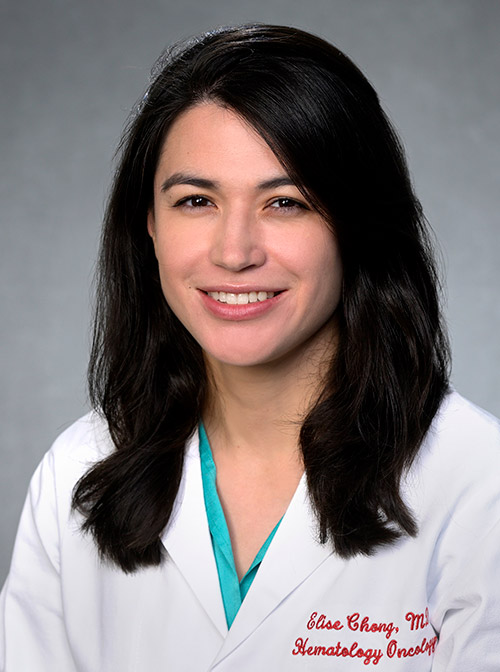 Elise A. Chong合作论文数Division of Hematology and Oncology, Department of Medicine, Perelman School of Medicine, University of Pennsylvania16
 David L. Porter合作论文数Division of Hematology and Oncology, Department of Medicine, Perelman School of Medicine, University of Pennsylvania13
 James Gerson合作论文数12
 Stefan Barta合作论文数University of Pennsylvania School of Medicine;Fox Chase Cancer Center12
 Esin Namoglu合作论文数Abramson Canc Ctr, Univ Penn11Hatcher J. Ballard合作论文数Div Hematol & Oncol, Univ Penn10
 Noelle Frey合作论文数Division of Hematology and Oncology, Department of Medicine, Perelman School of Medicine, University of Pennsylvania9
 Mato Anthony合作论文数John Theurer Cancer Center, Hackensack University Medical Center9
 Marco Ruella合作论文数Division of Hematology-Oncology, Department of Medicine, Perelman School of Medicine, University of Pennsylvania;Perelman Center for Advanced Medicine, University of Pennsylvania8
 Brian T. Hill合作论文数Department of Hematology and Medical Oncology, Cleveland Clinic;Department of Medicine, School of Medicine, Case Comprehensive Cancer Center, Case Western Reserve University8Kaitlin Kennard合作论文数7Colleen Timlin合作论文数7Elizabeth T Chatburn合作论文数6Manali Kamdar合作论文数Division of Hematology, Hematologic Malignancies and Stem Cell Transplantation, University of Colorado Cancer Center6
 Jennifer L Gill合作论文数6Colleen Dorsey合作论文数5Tanya Latorre合作论文数5Emily C Ayers合作论文数5
 David A. Bond合作论文数Div Hematol, Ohio State Univ5
 Reem Karmali合作论文数Hematology and Oncologys, Department of Medicine, Feinberg School of Medicine, Northwestern University5Hexner Elizabeth O合作论文数5Ganetsky Alex合作论文数5
 Brad Haverkos合作论文数Department of Medicine-Hematology, University of Colorado Anschutz Medical Campus5
 Craig W. Freyer合作论文数5Marcus Watkins合作论文数Department of Medicine, Washington University School of Medicine5Donald E. Tsai合作论文数5Alison W. Loren合作论文数5
 Brad S. Kahl合作论文数Division of Oncology, John T. Milliken Department of Medicine, Washington University School of Medicine5Krista Isaac合作论文数4John Plastaras合作论文数Department of Radiation Oncology, Perelman School of Medicine, University of Pennsylvania4
 Amit Maity合作论文数Department of Radiation Oncology, Perelman School of Medicine, University of Pennsylvania4
 Selina M. Luger合作论文数Division of Hematology and Oncology, University of Pennsylvania4
 Saar I Gill合作论文数Department of Medicine, Perelman School of Medicine, University of Pennsylvania;Hospital of the University of Pennsylvania4
 Narendranath Epperla合作论文数Department of Internal Medicine, Marshfield Clinic4Rhodes Joanna合作论文数4
 Grzegorz S. Nowakowski合作论文数Division of Hematology, Department of Internal Medicine, Mayo Clinic;Mayo Clinic Comprehensive Cancer Center4Kristy M. Walsh合作论文数4
 Andrew M. Evens合作论文数Rutgers Biomedical Health Sciences, Rutgers University;Rutgers Robert Wood Johnson Medical School;Rutgers Cancer Institute of New Jersey;Institute of New Jersey, Robert Wood Johnson University Hospital and Rutgers Cancer4Amina Chaudhry合作论文数3M Ali Ansari-Lari合作论文数3Anna Kress合作论文数3Timothy S. Oh合作论文数3Karan Pandya合作论文数3Marissa Olson合作论文数3Yasmin Karimi合作论文数3




