Mechanical stimulation is essential for regulating cellular processes such as proliferation, differentiation, and apoptosis. Magnetic microrobot swarms offer a promising platform for delivering targeted mechanical stimulation to cells via remote actuation under rotating magnetic fields. However, magnetic fields globally activate swarms in non-target regions, risking undesired biological effects. To overcome this limitation, we propose a spatially selective magnetic actuation strategy that confines mechanical stimulation to user-defined regions. A dual-robotic-arm magnetic actuation system is developed to generate a selective rotating magnetic field. The field ensures swarms have smooth rotation and longer chain formation within the target area, enabling effective mechanical stimulation, while swarms outside exhibit shortened chains and disordered motion. We further demonstrate that the area swept by the rotating chain of microrobots peaks within the targeted region but drops sharply beyond it. This approach provides a foundation for precise mechanostimulation in biomedical applications with minimal off-target effects.
Surface-enhanced Raman spectroscopy (SERS) offers exceptional sensitivity but faces a critical trade-off in living systems: rigid substrates lack biological adaptability, while colloidal nanoprobes suffer from poor signal reproducibility. Herein, we present a bioadaptive SERS platform using magnetically guided swarming nanoprobes. These probes integrate a magnetic core, plasmonic gold/silver layers, and a biocompatible silica coating, enabling programmable assembly under magnetic fields into chain-like nanostructures with interparticle gap-dependent hotspots, followed by coordinated reconfiguration into dynamically stable swarms. Multiphysics simulations reveal that cyclic assembly-disassembly generates transient electromagnetic hotspots while inducing convective flows to actively recruit analytes. This dual mechanism achieves reproducible enhancement factors exceeding 2.9×10⁷, an order of magnitude higher than colloidal systems. In vivo, swarming nanoprobes deployed in rabbit models demonstrate over 10.3-fold Raman signal amplification during intravascular detection. By leveraging active matter physics to synergize nanoscale sensing, this work establishes a new paradigm for in vivo molecular diagnostics.
Blood flow abnormalities in occluded or narrowed vessels limit drug delivery and contribute to recurrent vascular disease. Existing endovascular or pharmacological approaches do not directly address impaired local flow. Here we propose a miniature endovascular soft robot for active blood flow regulation and enhanced fluid exchange and drug transport in occluded vessels. The soft robot integrates a magnetic body for navigation with cilia that generate metachronal waves to drive the flow. Navigation and flow regulation are decoupled, allowing positioning at target sites followed by local flow enhancement. We investigate the flow regulation mechanism and optimize the structural parameters of the cilia carpet. We validate flow regulation in different vessel phantoms with biologically relevant conditions and in large animal studies. The system restores flow in occluded branches and improves delivery of therapeutic agents, accelerating clot dissolution with reduced residual obstruction and shorter recanalization time both in vitro and in vivo. This technology allows the local modulation of vascular flow, supporting more effective and controlled endovascular therapies.
Intrabronchial drug delivery is an important method for treating respiratory diseases. Precise and selective deep-lung delivery of drugs is still challenging through inhalation administration and bronchoscopes, due to the passive transport and insufficient maneuverability in narrow and tortuous distal airways. Herein, a magnetic-driven soft robot with a multi-legged structure is developed for minimally invasive and precise targeted drug delivery in the lung. The robot exhibits multimodal and adaptive locomotion in complex airways, relying on its soft nature. A magnetothermal-triggered and on-demand liquid drug release mechanism is integrated onto the robot. Rolling, stick-slip and crawling motion modes can be achieved, and the mode transition is realized to enhance the adaptivity. Precise navigation in complex environments and the distal bronchial tree of a phantom is realized. The magnetothermal-induced drug release is also demonstrated. Ex vivo distal navigation, targeted drug delivery and retrieval of the robot in a porcine lung are validated.
Microrobot swarms with locomotion dexterity and shape reconfigurability show immense potential in biomedical applications. Automatic control strategies are critical for the navigation of swarms in unstructured environments. Existing control methods mainly focus on initial and final states of swarms, and swarm process control designed to avoid undesired states throughout the control process is yet investigated. In this work, we develop a deep learning-based process control strategy for swarms guided by phase diagrams. Two deep neural networks are respectively built to model the swarm shape and kinematics. Control approaches based on precise swarm models are designed to automatically tune multiple swarm parameters. A phase diagram-based controller is proposed to guide the swarm reconfiguration while eliminating the coupling effects between swarm parameters. The swarm is enabled to accurately track predefined trajectories while performing continuous reconfiguration with desired states during the entire process. By integrating the process control of swarm pattern and locomotion, the swarm can dynamically adapt to constrained unstructured spaces and achieve robust collision avoidance.
Microrobotic swarms hold great promise for the revolution of cancer treatment. The coordination of miniaturized microrobots offers a unique approach to treating cancers at the cellular level with enhanced delivery efficiency and environmental adaptability. Prior studies have summarized the design, functionalization, and biomedical applications of microrobotic swarms. The strategies for actuation and motion control of swarms have also been introduced. In this review, we first give a detailed introduction to microrobot swarming. We then explore the design of microrobots and microrobotic swarms specifically engineered for cancer therapy, with a focus on tumor targeting, infiltration, and therapeutic efficacy. Moreover, the latest developments in active delivery methods and imaging techniques that enhance the precision of these systems are discussed. Finally, we categorize and analyze the various cancer therapies facilitated by functional microrobotic swarms, highlighting their potential to revolutionize treatment strategies for different cancer types.
Angiography is essential in interventional operations to image the vascular network. Passive contrast agents applied in angiography highly rely on the flow direction, making the imaging of upstream regions and embolic branches challenging. Active imaging is demanded for the accurate localization of blockages and lesions in vascular networks. Here an active exploration and reconstruction strategy is proposed, enabling full imaging of three-dimensional (3D) vascular networks with flow and blockage. The strategy implements magnetic particle swarms as active agents, which can be guided on demand towards the desired directions. An image processing unit is developed to capture the 3D position of the swarm inside the vessel. A simultaneous mapping and exploration sequence is proposed to realize the exploration, and the entire structure of the 3D vascular network is reconstructed after obtaining the position data. The proposed strategy is validated in vascular networks with different structures and conditions, and it enables the thorough exploration and reconstruction of regions that cannot be accessed by passive contrast agents. This strategy is promising in locating stenoses, thrombi and fistulae in vascular systems. Vascular imaging of upstream branches and obstructed flow is challenging. Here Du and colleagues present an active exploration strategy to explore and reconstruct three-dimensional vascular networks.
Rendering photorealistic head avatars from arbitrary viewpoints is crucial for various applications like virtual reality. Although previous methods based on Neural Radiance Fields (NeRF) can achieve impressive results, they lack fidelity and efficiency. Recent methods using 3D Gaussian Splatting (3DGS) have improved rendering quality and real-time performance but still require significant storage overhead. In this paper, we introduce a method called GraphAvatar that utilizes Graph Neural Networks (GNN) to generate 3D Gaussians for the head avatar. Specifically, GraphAvatar trains a geometric GNN and an appearance GNN to generate the attributes of the 3D Gaussians from the tracked mesh. Therefore, our method can store the GNN models instead of the 3D Gaussians, significantly reducing the storage overhead to just 10MB. To reduce the impact of face-tracking errors, we also present a novel graph-guided optimization module to refine face-tracking parameters during training. Finally, we introduce a 3D-aware enhancer for post-processing to enhance the rendering quality. We conduct comprehensive experiments to demonstrate the advantages of GraphAvatar, surpassing existing methods in visual fidelity and storage consumption. The ablation study sheds light on the trade-offs between rendering quality and model size.
Intrabronchial delivery of therapeutic agents is critical to the treatment of respiratory diseases. Targeted delivery is demanded because of the off-target accumulation of drugs in normal lung tissues caused by inhalation and the limited motion dexterity of clinical bronchoscopes in tortuous bronchial trees. Herein, we developed microrobotic swarms consisting of magnetic hydrogel microparticles to achieve intrabronchial targeted delivery. Under programmed magnetic fields, the microgel particle swarms performed controllable locomotion and adaptative structure reconfiguration in tortuous and air-filled environments. The swarms were further integrated with imaging contrast agents for precise tracking under x-ray fluoroscopy and computed tomography imaging. Magnetic navigation of the swarms in an ex vivo lung phantom and in vivo delivery into deep branches of the bronchial trees were achieved. The on-demand reconfiguration of swarms for avoiding the microgel particles from entering nontarget bronchi and the precise delivery into tilted bronchi through climbing motion were validated.
Advanced control strategies critical for microrobots have been widely investigated to achieve precise locomotion. However, dynamic obstacle avoidance in 3D space is a major challenge in control that remains unsolved. In this work, a control scheme is developed for the automatic navigation of a helical microswimmer in 3-dimensional (3D) space with dynamic obstacles. A 3D hierarchical radar with a motion sphere and a detection sphere is firstly developed. Using the radar-based avoidance approach, the desired motion direction for the microswimmer to avoid obstacles can be obtained, and the coarse-to-fine search is used to decrease the computational load of the algorithm. Three navigation modes of the microswimmer in 3D space with dynamic conditions are realized by the radar-based navigation strategy that combines the global path planning algorithm and the radar-based avoidance approach. Subsequently, a motion controller is proposed to achieve precise 3D locomotion control of the microswimmer. The control scheme integrating the radar-based navigation strategy and the motion controller is developed. The experimental results of navigated locomotion of a helical microswimmer in 3D space with 8 static obstacles and 8 dynamic obstacles demonstrate the effectiveness of the control scheme, and the proposed control scheme paves the way for advanced locomotion control of helical microswimmers in complex 3D space.
To provide an accurate dynamic load model for the stability analysis of Tokamak, a method of back propagation (BP) neural network employing particle swarm optimization(PSO) algorithm based on mutation of Gaussian white noise disturbance (GMPSO-BP) is recommended. This method performs high-precision fitting using the GMPSO-BP neural network on the measured data of the experimental advanced superconducting Tokamak (EAST) poloidal field magnet power supply, extracts network parameters to build a dynamic load model, and then compares the simulation results with the measured data to calculate the error coefficient. The model is a component of the EAST distribution network's digital simulation model. An analogous load model is employed instead of developing the poloidal field magnet power supply from the mechanism. The revised algorithm has quick convergence times, good initial value adaptability, and error function accuracy of 0.3 to 3 %. The simulation outcomes show that the approach has a greater training effect.
The increasing complexity of convolutional neural networks (CNNs) has fueled a huge demand for compression. Nonetheless, network pruning, as the most effective knob, fails to deliver Pareto-optimal networks. To tackle this issue, we introduce a novel pruning-free compression framework dubbed Domino, pioneering to revisit the trade-off dilemma between accuracy and efficiency from a fresh perspective of linearity and non-linearity. Specifically, Domino leverages two predictors, including one vanilla latency predictor and one meta-accuracy predictor, to identify the less important non-linear building blocks, which are then grafted with the linear counterparts. And next, the grafted network is trained on target task to obtain decent accuracy, after which the grafted linear building block that contains multiple consecutive linear layers is reparameterized into one single linear layer to boost the efficiency on target hardware without degrading the accuracy on target task. Extensive experiments on two popular Nvidia Jetson embedded platforms (i.e., Xavier and Nano) and two representative networks (i.e., MobileNetV2 and ResNet50) clearly demonstrate the superiority of Domino. For example, Domino-Aggressive achieves +10.6%/+8.8% higher top-1/top-5 accuracy on ImageNet than MobileNetV2x0.2, while bringing x1.9/x1.3 speedup on Xavier/Nano.
Magnetic soft robots have shown great potential for biomedical applications due to their high shape reconfigurability, motion agility, and multi-functionality in physiological environments. Magnetic soft robots with multi-layer structures can enhance the loading capacity and function complexity for targeted delivery. However, the interactions between soft entities have yet to be fully investigated, and thus the assembly of magnetic soft robots with on-demand motion modes from multiple film-like layers is still challenging. Herein, we model and tailor the magnetic interaction between soft film-like layers with distinct in-plane structures, and then realize multi-layer soft robots that are capable of performing agile motions and targeted adhesion. Each layer of the robot consists of a soft magnetic substrate and an adhesive film. The mechanical properties and adhesion performance of the adhesive films are systematically characterized. The robot is capable of performing two locomotion modes, i.e., translational motion and tumbling motion, and also the on-demand separation with one side layer adhered to tissues. Simulation results are presented, which have a good qualitative agreement with the experimental results. The feasibility of using the robot to perform multi-target adhesion in a stomach is validated in both ex-vivo and in-vivo experiments.
Magnetic microswarms capable of performing navigation to targeted lesions show great potential for in vivo medical applications. However, using the swarms for lesion cavity filling encounters challenges from precise delivery and sealing. Herein, this work develops a magneto-thermal hydrogel swarm consisting of magnetic hydrogel particles, which can perform phase transition induced by temperature change. The particles are prepared using a temperature-responsive hydrogel matrix, tissue adhesive monomers, and magnetic microparticles. The swarms can be remolded to various shapes, and it can be used to seal perforation in phantom and gastric tissue. The swarms can also serve as drug carriers, and their drug release profiles induced by temperature changes are characterized. Finally, the targeted delivery, adaptive filling, and sealing of a gastric ulcer using the swarms are achieved in ex vivo and in vivo environments.
Neural architecture search (NAS) is an emerging paradigm to automate the design of competitive deep neural networks (DNNs). In practice, DNNs are subject to strict latency constraints and any violation may lead to catastrophic consequences (e.g., autonomous vehicles). However, to obtain the architecture that strictly satisfies the required latency constraint, previous hardware-aware differentiable NAS methods have to repeat a plethora of search runs to tune relevant hyperparameters by trial and error, and as a result, the total design cost increases proportionally (empirically by ten times). To tackle this, we, in this article, introduce a lightweight and scalable hardware-aware NAS framework named LightNAS, which consists of two separate stages. In the first stage, we strive to search for the architecture that strictly satisfies the required latency constraint at the macro level in a differentiable manner, and more importantly, through a one-time search (i.e., you only search once). The architectures searched in the first stage are denoted as LightNets. After that, in the second stage, we introduce an efficient evolutionary scheme to further explore the micro-level channel configuration of each LightNet at low cost. To achieve this, we propose an effective yet computationally cheap proxy, namely, batchwise training estimation (BTE), as a plug-in complement to enable the channel-level exploration of LightNets on the fly such that the accuracy of LightNets can be improved without degrading the runtime latency on target hardware. Finally, extensive experiments are conducted on one popular embedded platform (i.e., Nvidia Jetson AGX Xavier) to demonstrate the efficacy of the proposed approach over previous state-of-the-art counterparts.
The current situation of antibiotic pollution in lakes is critical. At present, most of the previous studies on antibiotics in lakes have focused on the spatiotemporal distribution and risk assessment, while less attention has been paid to the source apportionment. Ultra-high performance liquid chromatography-mass spectrometry was used to determine the concentration of tetracyclines (TCs), sulfonamides (SAs), and quinolones (QNs) in the samples. The source apportionment and source-specific risk of typical antibiotics in the study area were analyzed using the combination of a PMF model and risk quotients (RQ). The results showed that ① the total concentrations of target antibiotics (Σ antibiotics) ranged from ND to 2635 ng·L-1 for surface water and from ND to 259.8 ng·g-1 for sediments. ② The spatial distribution of QNs in surface water decreased from west to east, SAs decreased from middle to north and south, and TCs increased from middle to north and south. In the sediment, QNs decreased from middle to east and west, whereas SAs and TCs increased from east to west. ③ Aquaculture was the major antibiotic source, accounting for the highest proportion (33.2%), followed by sewage treatment plants (29.2%), livestock activities (18.9%), and domestic sewage (18.7%). ④ The ecological risk assessment results showed that enrofloxacin and flumequine were at a medium-high risk level. ⑤ For the spatial distribution of source-specific risk, the results showed that the aquaculture at S1 was at a high risk level, whereas the source-specific risks for other sites were at a medium-low risk level. In terms of source types, aquaculture was at a medium-high risk level, whereas the other sources were at a medium-low risk level. Therefore, considering the major sources and source-specific risk level of antibiotics, more precise and scientific antibiotic risk control should be adopted in Baiyangdian Lake.
Magnetic field-driven microrobotic swarms have drawn extensive attention, especially in the field of automatic control. Realizing dynamic path planning and motion control of microrobotic swarms for mobile target tracking is one of the important tasks that still remains unsolved. In this paper, we firstly present an enhanced bidirectional rapidly-exploring random tree star (EB-RRT*) algorithm considering the physical size of the swarm to dynamically plan the optimal path for obstacle avoidance. An image-guided motion controller, which consists of a direction controller and a Genetic Algorithm based Linear Quadratic Regulator (GA-LQR) velocity controller, is then proposed to realize mobile target tracking using microrobotic swarms. Targeted bursting algorithm is subsequently developed to meet the requirement of tracking high-speed ( i.e. , 20 $\mu m/s$ ) mobile targets. Simulations are performed to validate the proposed methods and obtain the proper ranges of the input parameters for the controllers. Finally, the control effectiveness of mobile target tracking in different conditions and environments is validated by experimental results. Note to Practitioners —The motivation of this work is to develop an effective control scheme for mobile target tracking using microrobotic swarms. Conventional control schemes mainly focus on the control of single microrobots to reach static targets, and thus the desired path is fixed once planned. In addition, the motion of single monolithic microrobots can be modelled precisely. However, in mobile target tracking using microrobotic swarms, dynamic planning algorithms are demanded to frequently update the desired path. Swarms consisting of millions of micro-agents are also difficult to be modelled due to the complex agent-agent interactions. In this work, an effective control scheme consisting of a dynamic path planner, a motion controller and a targeted bursting unit is developed. Real-time dynamic paths will be planned even though the positions of the swarm and the target change rapidly. The precise control of the swarm direction and velocity are achieved, and moreover, using the targeted bursting algorithm, the swarm can be accelerated to approach mobile targets accurately with higher efficiency. Experimental results validates the proposed tracking strategy in different environments with virtual obstacles. The proposed control scheme paves the way for a better understanding of advanced motion control methods for microrobotic swarms.
Increasing attention has been paid to the heavy metal pollution in groundwater. The source analysis and risk assessment of heavy metals will provide data and method support for the targeted control of heavy metal pollution in groundwater. In this study, 20 sampling sites were selected in Shijiazhuang City. The APCS-MLR model and health risk model were applied to analyze and evaluate the pollution sources and health risks of 10 types of heavy metals in the groundwater of Shijiazhuang. The results showed that ① the mean concentration of heavy metals in groundwater followed the order of Fe>Zn>Mn>Cu>Al>Pb>Cr>As>Cd>Hg, and the mean ρ(Fe) and ρ(Pb) were 260.3 μg·L-1 and 10.01 μg·L-1, respectively. According to the results of the single factor and Nemerow index, Pb, Fe, and Cd primarily contributed to the heavy metal pollution in the groundwater. ② The concentration of heavy metals ranged from 47.30 to 2560 μg·L-1. In terms of spatial distribution, the highest concentration appeared at S3 (2560 μg·L-1), whereas the lowest concentration was at S9 (47.30 μg·L-1). ③ Source analysis results showed that industrial and agricultural activities, transportation emission, and geological background were the major heavy metal sources, among which the contribution of industrial and agricultural activities was the highest (47.83%). ④ The industrial-agricultural activities posed a potential threat to adults (HI>1); however, the non-cancer and the cancer risks of other sources for both adults and children were at an acceptable level (HI<1) and potential threat level, respectively; industrial-agricultural activities were the major source of non-cancer (adults:52.46%, children:52.45%) and cancer risks (adults:65.22%, children:65.69%), among which Cd and As showed high cancer risk. Therefore, to ensure the safety of the groundwater environment, strictly controlling the pollution sources and further strengthening the risk control of heavy metal pollution in groundwater are necessary.
Crossbar-based In-Memory Computing (IMC) accelerators preload the entire Deep Neural Network (DNN) into crossbars before inference. However, devices with limited crossbars cannot infer increasingly complex models. IMC-pruning can reduce the usage of crossbars, but current methods need expensive extra hardware for data alignment. Meanwhile, quantization can represent weights of DNNs by integers, but they employ non-integer scaling factors to ensure accuracy, requiring costly multipliers. In this paper, we first propose crossbar-aligned pruning to reduce the usage of crossbars without hardware overhead. Then, we introduce a quantization scheme to avoid multipliers in IMC devices. Finally, we design a learning method to complete above two schemes and cultivate an optimal compact DNN with high accuracy and large sparsity during training. Experiments demonstrate that our framework, compared to state-of-the-art methods, achieves larger sparsity and lower power consumption with higher accuracy. We even improve the accuracy by 0.43% for VGG-16 with an 88.25% sparsity rate on the Cifar-10 dataset. Compared to the original model, we reduce computing power and area by 19.8x and 18.8x, respectively.
 Weichen Liu合作论文数School of Computer Science and Engineering, Nanyang Technological University20
 Jiangfan Yu合作论文数16
 Di Liu (刘迪)合作论文数School of Software and Al, Yunnan University13
 Xiangzhong Luo (罗翔中)合作论文数School of Computer Science and Engineering, Southeast University11
 Shuo Huai合作论文数HP-NTU Digital Manufacturing Corporate Lab, Nanyang Technological University, Singapore10
 Changfu Wei (韦昌富)合作论文数Guilin University of Technology;Institute of Rock and Soil Mechanics, Chinese Academy of Sciences9
 Hao Kong合作论文数8
 Peng Chen合作论文数7
 Xingzhou Du (杜星洲)合作论文数Institute of Robotics and Intelligent Systems, Dalian University of Technology7
 Yuezhen Liu合作论文数6
 Shiqing Li合作论文数6
 Yibin Wang合作论文数5
 Huan Li合作论文数5
 Junhui Law (刘俊辉)合作论文数Institute of Robotics and Intelligent Systems, Dalian University of Technology5
 Baojie Yan (闫宝杰)合作论文数University of Chinese Academy of Sciences;Ningbo Institute of Materials Technology & Engineering, Chinese Academy of Sciences;Jinchen Co., Ltd.4
 Liu Zunke合作论文数4
 Mingdun Liao合作论文数Ningbo Institute of Materials Technology and Engineering, Chinese Academy of Sciences4Yuming Wang合作论文数4Yong Bao (鲍勇)合作论文数4
 Jichun Ye (叶继春)合作论文数Ningbo Institute of Industrial Technology, Chinese Academy of Sciences;University of Chinese Academy of Sciences4
 Yiyun Huang (黄懿赟)合作论文数中国科学技术大学合肥物质科学研究院等离子体所4
 Yuheng Zeng (曾俞衡)合作论文数Ningbo Institute of Industrial Technology, Chinese Academy of Sciences4
 Junjia Wang合作论文数4
 Youtao Si (司友涛)合作论文数福建师范大学地理科学学院4Pan Chen (陈盼)合作论文数4
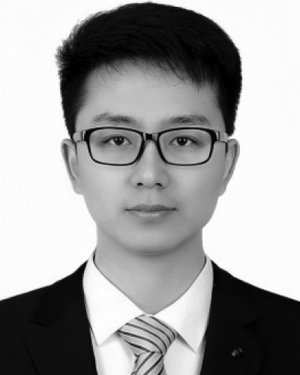 HeJun Hu合作论文数3Hongzhe Jiao合作论文数3
 Dian Ma合作论文数3
 Shien Zhu合作论文数School of Computer Science and Engineering, Nanyang Technological University3Wei Liu合作论文数3
 Jingming Zheng合作论文数3Yina Qiao合作论文数3SUN Ying (孙颖)合作论文数3
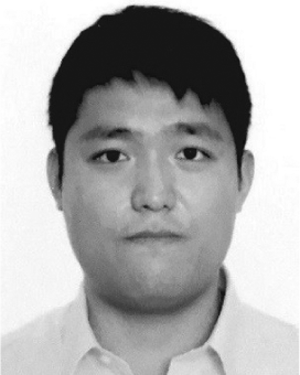 Jun Zhou合作论文数Construction and Administration Department of Heping-Zouling Expressway in Wuhan(Construction and Administration Department of Heping-Zouling Expressway in Wuhan),Wuhan,China3PanPan Yi (伊盼盼)合作论文数3JianJun Shi (史建君)合作论文数3
 Jinfeng Liu (柳金峰)合作论文数中国科学院大学中国科学院成都山地灾害与环境研究所3
 Yong You (游勇)合作论文数Institute of Mountain Hazards and Environment, Chinese Academy of Sciences;University of Chinese Academy of Sciences3
 Nan Guan (關楠)合作论文数Department of Computer Science, City University of Hong Kong3
 Hailong Liu (刘海隆)合作论文数School of Resources and Environment, University of Electronic Science and Technology of China3
 Jiangfeng Guo (郭江峰)合作论文数浙江理工大学生命科学与医药学院3
 Yu Sun (孙钰)合作论文数Department of Mechanical and Industrial Engineering, University of Toronto;University of Toronto Robotics Institute3
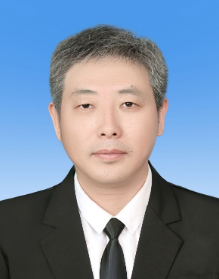 Xingzhang Chen (陈兴长)合作论文数School of Environment and Resource, Southwest University of Science and Technology3Zhengyan Wu (吴正岩)合作论文数3Kaiwen Fang合作论文数2Duohong Zou合作论文数2Hao-da Chen合作论文数2Junan Qiu合作论文数2Yuyan Zhi合作论文数2




