Long-term human-environment interactions are critical to understanding the processes and patterns of human evolution and societal development. The Dadiwan site, located in the western Loess Plateau, preserves abundant Neolithic cultural remains dating from the early to mid-Holocene. These materials provide important evidence for investigating the developmental trajectory of Neolithic cultures and their relationship with environmental changes. Based on the 2014 excavation at Dadiwan (DDW14), this study presents a comprehensive analysis of 53 AMS14C dates together with the typological classification of more than 4300 pottery sherds. By integrating all previously published radiocarbon dates and relevant research results of Neolithic remains at Dadiwan, a refined chronological framework with higher-resolution for the Neolithic remains at the site is established as follows: Phase I, 7700−7200 cal a BP; Phase II, 6000−5600 cal a BP; Phase III, 5600−5400 cal a BP; Phase IV, 5400–later than ca. 4800 cal a BP; and Phase V, later than ca. 4800 cal a BP and extending into the subsequent period. Within this new chronological framework, we found that the emergence, decline, flourishing, and subsequent decline of Neolithic culture at the site were closely associated with the development and westward diffusion of contemporaneous cultures on the central and eastern Loess Plateau, as well as with changes in hydrothermal conditions and vegetation in the western Loess Plateau. This study reveals the complex internal dynamics of Neolithic cultures at Dadiwan and its close linkages with external environmental changes, providing critical evidence for the understanding of the evolution and underlying mechanisms of past human-environment interactions.
The Xianbei tribe emerged as a dominant nomadic group on the eastern Eurasian steppe in the wake of Xiongnu's decline. Through warfare and waves of population movement, a branch of the Xianbei, known as the Tuoba Xianbei, established the Northern Wei Dynasty and relocated capital to Luoyang in the Central Plains of China. This relocation and the subsequent reforms under Emperor Xiaowen are traditionally framed as a top-down ‘Sinicization’ of Xianbei elites; however, historical and archaeological scholarship also emphasizes two-way interaction, in which Central Plains communities adopted (or negotiated) steppe-associated practices, institutions, and material culture. Historical records describe Sinicization and intermarriage policies, but the demographic consequences of these policies remain unclear. Ancient DNA provides a direct line of evidence to examine population interaction and genetic admixture, allowing us to move beyond textual accounts and assess the biological dimensions of this process of cultural transformation. Here, we present genome-wide data from an individual (M262) buried in Luoyang during the Northern Wei period in a tomb context archaeologically attributed to a Xianbei-associated elite. Genetically, M262 clusters with ancient and later populations from the Central Plains, indicating substantial local (Yellow River-related) ancestry. Taken together, these observations are compatible with at least two non-exclusive scenarios: (i) a person of Xianbei background who, through intermarriage and demographic integration after the move to Luoyang, carried predominantly local ancestry; and/or (ii) a person of local Central Plains ancestry who was socially incorporated into Xianbei-associated networks and expressed that affiliation through mortuary practice and material culture. By explicitly considering both possibilities, our study highlights that cultural identity and genetic ancestry need not coincide and provides a more cautious, empirically grounded view of population dynamics in northern China during the Northern Wei period.
Beginning approximately 4,000 years ago, southwest-Asian-originating domesticated crops and livestock began appearing in Gansu, a key crossroads in northwestern China, yet the population dynamics and social practices underlying these historically transformative events in the region have not been fully explored. Despite the adoption of western domesticates, genome sequences of 149 individuals from the large Mogou cemetery and ten other sites in Gansu, dating between 4,700 and 3,000 years ago, revealed migrations within East Asian regions but no detectable evidence of genetic influence from western or central Eurasia, suggesting that early agricultural dispersals may have followed a model distinct from that documented in Europe and Central Asia. The Mogou cemetery represents a continuous community that interacted with surrounding regions but does not exhibit clear matrilocal or patrilocal residential patterns. We found no strong evidence that co-buried individuals represented biological relatives. Non-local ancestry appears to be linked to lower-status burial practices.
Eighteen fragments of glass and vitreous materials from the Warring States period Feihu cemetery, Chengdu Plain, were analysed by LA-ICP-MS, SEM-EDS and XRD. The assemblage comprises potassium-silica-lime faience and glass, low-calcium soda-lead-barium faience and glass, and Han blue. Their major and trace element signatures correspond closely with comparable materials from northwestern China. This study presents the first tentative evidence for the movement of such materials into the Chengdu Plain. The data suggest a likely origin in Qin territory and offer insights into exchange networks and regional connectivity following Qin's conquest of Shu in 316 bce during this pre-imperial period.
A new tectonic-geochemical approach using LA-ICP-MS reveals that carbonate nephrites from different East Asian tectonic domains exhibit distinct Li, Be and Ce anomaly signatures, offering a practical tool for archaeological provenance tracing.
The relationship between culture and ancestry is complex. Since the 2nd century, the Silk Road has facilitated human mobility across continents, complicating the determination of ancestry based on cultural traits, as evidenced by archaeological findings and historical accounts. In 2005, a 6th-century couple's joint tomb was found east of Northern Zhou's Chang'an city. According to conflicting epitaph texts, the male, Li Dan, has an ambiguous ancestry, possibly from East or South Asia. Archaeological materials blend Eastern and Western influences, posing challenges for researchers. In this study, we generated high-coverage genomes on the 1240k panel for the couple, covering 1,057,118 and 1,048,087 SNPs with average depths of 3.53x and 4.10x, respectively, revealing distinct northern South Asian and northern China-related ancestries. For Li Dan, genetic analysis reveals a close relationship with modern Brahmins, supporting his Brahmin status and his biography as the progeny of Brahmanic descent. Alongside the eclectic archaeological culture, we believe Li Dan preserved his ethnic heritage while forming an integrated Chinese cultural identity. This study highlights the value of integrating genetic studies with archaeological and historical research, providing the first genomic evidence of a cross-border couple between South Asia and East Asia in the 6th century.
Cultural exchanges in the Gansu-Qinghai region, especially the Hexi Corridor, surged during the early-to-mid-2nd millennium BCE. Previous studies have often focused on metalwork and the transformation of subsistence economies, whereas stone bead ornaments were seldom discussed. Based on the observations and scanning electron microscopy analysis of tens of carnelian/agate beads from the cemeteries of Huoshaogou and Ganguya in the western Hexi Corridor, we argue that some were imported in the form of finished products and some were locally made. In light of this, we reviewed recent publications and examined carnelian/agate beads and bead making evidence in the Gobi area dated from the 2nd millennium BCE. The preference for beads in the Gansu-Qinghai region began at the turn of the 4th and 3rd millennium BCE. During the 2nd millennium BCE, benefiting from the growth of long-distance exchange networks, some people in the Hexi Corridor were among the first to use ornaments of carnelian/agate, turquoise, fired steatite beads, and seashells. These ornaments later spread to the eastern Gansu-Qinghai region, neighboring the Zhou people. However, the use of carnelian/agate beads remained limited until the Zhou elite incorporated them into their funerary rites. Judging from the similar shapes and crafting features, the carnelian/agate beads in the Gan-Qing region may have had close connections with those circulating in contemporary Mongolia. This study on carnelian/agate beads provides new insights into craft production and society in the Northwest China and north-south exchanges in East Asia.
The gray wolf (Canis lupus) is the only wild ancestor of dogs (Canis lupus familiaris) and serves a crucial role in understanding the highly controversial issue of dog origins. Recently, ancient DNA studies on gray wolves from different regions of the Eurasian continent have achieved significant breakthroughs, providing important clues about the dog origins. As one of the potential origin areas for dogs, East Asia has seen some research on ancient dogs; however, reports related to gray wolves remain limited. In this study, we sequenced seven new mitogenomes of ancient gray wolves from Northern China, integrating them with 497 ancient and modern canid mitogenomes from published data. Our results reveal the following: (1) East Asian gray wolves have maintained high genetic diversity from ancient times to the present; (2) multiple haplogroup A gray wolves from Northern China support the hypothesis that Northeastern Eurasia is a core region for dog origins; (3) a deep gray wolf lineage in East Asia has been identified in this study; (4) different mitogenomes concentrated at the Jinchankou site indicate that admixture may have frequently occurred in the northeastern edge of the Tibetan Plateau. These findings enhance our understanding of the maternal genetic history of gray wolves in East Asia.
Recent studies have suggested that dogs were domesticated during the Last Glacial Maximum (LGM) in Siberia, which contrasts with previous proposed domestication centers (e.g. Europe, the Middle East, and East Asia). Ancient DNA provides a powerful resource for the study of mammalian evolution and has been widely used to understand the genetic history of domestic animals. To understand the maternal genetic history of East Asian dogs, we have made a complete mitogenome dataset of 120 East Asian canids from 38 archaeological sites, including 102 newly sequenced from 12.9 to 1 ka BP (1,000 years before present). The majority (112/119, 94.12%) belonged to haplogroup A, and half of these (55/112, 49.11%) belonged to sub-haplogroup A1b. Most existing mitochondrial haplogroups were present in ancient East Asian dogs. However, mitochondrial lineages in ancient northern dogs (northeastern Eurasia and northern East Asia) were deeper and older than those in southern East Asian dogs. Results suggests that East Asian dogs originated from northeastern Eurasian populations after the LGM, dispersing in two possible directions after domestication. Western Eurasian (Europe and the Middle East) dog maternal ancestries genetically influenced East Asian dogs from approximately 4 ka BP, dramatically increasing after 3 ka BP, and afterwards largely replaced most primary maternal lineages in northern East Asia. Additionally, at least three major mitogenome sub-haplogroups of haplogroup A (A1a, A1b, and A3) reveal at least two major dispersal waves onto the Qinghai-Tibet Plateau in ancient times, indicating eastern (A1b and A3) and western (A1a) Eurasian origins.
Multi-objective optimization problems with large-scale variables are the focus and difficulty of current research in the field of multi-objective evolutionary algorithms. In order to cope with the problem of "dimensional catastrophe", this paper proposes a large-scale multi-objective firefly algorithm based on reward and punishment mechanisms and adaptive dimensional reorganization. First, a reward and punishment mechanisms is proposed to make full use of the information of the solution itself, so that the population can break the constraint and rapidly approach the Pareto frontier, effectively improving the convergence of the population; then, an adaptive dimensional reorganization mechanism is proposed to select individuals with large differences according to different iteration periods to interact and learn from each other, effectively improving the diversity of the population. In the experimental part, to verify the effectiveness of the algorithm, the UF series and the variable expanded ZDT series, 15 test problems are selected for simulation experiments and compared with 8 advanced large-scale optimization algorithms, the results show that L-MOFA-RA has the advantages of fast convergence speed and high convergence accuracy, and the comprehensive experimental results show that compared with the comparison algorithm L-MOFA-RA has better optimization performance. The comprehensive experimental results show that L-MOFA-RA has better optimization performance compared to the comparison algorithm.
Dental data can reveal evidence for a past population's oral health, nutrition, and certain cultural activities. This study aims to explore oral health and dental attrition during the late Bronze Age in order to explore health outcomes in different subgroups as well as aspects of foodways and changes in subsistence strategies during the second millennium BCE in northwest China. To do this, the skeletal remains of adult individuals associated with the Siwa material culture (1400-1100 BC) from the Mogou site (n = 28) were macroscopically assessed and compared with previously published data derived from a subsample of individuals associated with Qijia period material culture complex (1750-1400 BC) from the same site. The results show that the Siwa-period population experienced a high frequency of carious lesions and antemortem tooth loss associated with advanced attrition (of both molars and nonmolar teeth), which did not vary significantly by sex. Females had a higher prevalence of carious lesions and antemortem tooth loss than did males, while males had a higher prevalence of dental calculus. These male/female health outcomes are also attested during the earlier Qijia period at the Mogou site. The Siwa period differs from the Qijia in that females experienced slightly worse attrition than their predecessors. Overall, oral health does not diverge significantly between the Qijia and Siwa periods, suggesting that the factors that contributed to oral health including dietary practices may have persisted diachronically for individuals buried at this site.
The processes and mechanisms of fluvial landform evolution, especially in the transitional zones between mountains and plains, are of great significance for predicting future regional sustainability and ecosystem stability in the basin. As a region of significant cultural and ecological importance, the transitional area between Taihang Mountain and North China Plain still has a limited understanding of the fluvial landform evolution. With detailed field surveys and 39 optically stimulated luminescence (OSL) ages of 14 sections, we reconstruct fluvial landform evolution in the southern piedmont of the Taihang Mountain since the late Pleistocene. The results show that two major fluvial processes occurred during 18-10 ka BP and 9-3 ka BP. Meanwhile, the late Pleistocene-Holocene can be divided into 5 intervals in the alluvial fan and floodplain areas, with corresponding ages of 3 ka BP, 9-3 ka BP, 10-9 ka BP, 18-10 ka BP, and before 20 ka BP, respectively. The results also indicate that the regional fluvial processes primarily result from climate change and tectonic activities, and secondarily result from sea level fluctuation. Additionally, the prehistoric settlement pattern was also shaped by the evolution of regional rivers. Our research is significant for understanding the evolution and mechanisms of fluvial landforms in transitional zones.
China's Northern and Southern Dynasties period (3rd-6th centuries AD) marked a significant era of ethnic integration in northern China. However, previous ancient DNA studies have primarily focused on northern ethnic groups, with limited research on the genetic formation of the hereditary elite family, especially considering their abundant archaeological record and clear material identity. In this study, we obtain the ancient genome of a hereditary elite family, Gao Bin (, 503 AD-572 AD), at 0.6473-fold coverage with 475,132 single-nucleotide polymorphisms (SNPs) on the 1240k panel. His mitochondrial haplogroup belongs to Z4 and Y-haplogroup to O1a1a2b-F2444∗. The genetic profile of Gao Bin is most similar to that of the northern Han Chinese. He can be modeled as deriving all his ancestry from Late Neolithic to Iron Age Yellow River farmers without influence from Northeast Asia, Korea, or the Mongolian Plateau. Our study sheds light on the genetic formation of hereditary elite families in the context of the Southern and Northern Dynasties ethnic integration.
The Hexi Corridor in northwest China has for millennia served as a crossroads for interactions between East Asia,Central Asia and lands further west,while also connecting the Chinese heart-land and the northern Mongolian Steppe and Tibetan Plateau(TP)to the south(Fig.1a).Previous studies have revealed the details of this cross-continental material and cultural transmission as early as the Bronze Age onwards.Materials and technologies exchanged along the ancient Silk Road included East Asian millets and painted pottery,West Asian wheat and barley,bronze metal-lurgy,domesticated sheep,horses,and cattle[1].
In the field of optimization algorithms, artificial bee colony algorithm (ABC) shows strong search ability on many optimization problems. However, ABC still has a few shortcomings. It exhibits weak exploitation and slow convergence. In the late search stage, the original probability selection for onlooker bees may not work. Due to the above deficiencies, a modified ABC using adaptive search strategies and elite selection mechanism (namely ASESABC) is presented. Firstly, a strategy pool is created using three different search strategies. A tolerance-based strategy selection method is used to select a sound search strategy at each iteration. Then, to choose better solutions for further search, an elite selection means is utilized in the stage of onlooker bees. To examine the capability of ASESABC, 22 classical benchmark functions are tested. Results show ASESABC surpasses five other ABCs according to the quality of solutions.
???????????, ??????????????????????, ??????????????????????, ???????????????????????, ????????????, ???????????????????????????????, ?????????????????????, ???????????????????1. ?????????????????, ????????????????2. ?????????????, ???????????????????????, ???????????????????????, ???????????3. ??1000 MW??????, ????????????????, ???????????????????4. ?????, ?1000 MW????????????????????????????, ???????????????????1. ??????????, ??????????1000 MW????????????????????2. ??????????0.001?????, ???????????; ??????, ?????4250 W/(m2 center dot K)?155 W/(m2 center dot K), ?????96.35%; ??????????????????3. ????????, ??????????????????51.73%; ??, ?????????, ?????????????????, ?????????
Image encryption can effectively prevent unauthorized users from stealing personal information. Attackers usually analyze the information of the encrypted image according to the strong correlation between image pixels and use it as the breakthrough point of the image encryption algorithm. How to destroy the strong correlation of pixels is a hot topic of current research. In this paper, we propose a novel and simple encryption scheme that is no less effective than other algorithms, called Joseph shift encryption (JSE). To enhance the effectiveness of image encryption, we propose the static Joseph shift encryption (S-JSE) and the dynamic Joseph shift encryption (D-JSE) algorithms. S-JSE can decrease the dimension of the image and shift with the generated Joseph sequence group, then the encrypted image can be generated. D-JSE can increase the number of iterations on the basis of S-JSE, and the Joseph sequence of each iteration is different. Furthermore, the encrypted sequence is scrambled according to the Joseph mapping table and upgraded the dimension to complete the encryption. We analyze the effectiveness of the proposed S-JSE including the impact of the key selection on the effect of image encryption, and the encryption security. Thereafter, we utilize the proposed D-JSE to improve the security of grayscale and color image and verify the effectiveness of the proposed algorithm by extensive and comprehensive experiments in terms of correctness verification, histogram equalization and information entropy, adjacent pixel correlation, plaintext sensitivity, key sensitivity, encrypted image anti-interference, key space, encryption time and defense against special image attacks .
Multiobjective evolutionary algorithms (MOEAs) have gained much attention due to their high effectiveness and efficiency in solving multiobjective optimization problems (MOPs). However, when solving MOPs, it is important but difficult to maintain a good balance of exploration and exploitation. In addition, some reference point based MOEAs with fixed reference points perform poorly on MOPs with irregular frontiers. Therefore, this paper proposes a new multistrategy multiobjective differential evolutionary (DE) algorithm, named RLMMDE. In RLMMDE, a multistrategy and multicrossover DE optimizer is utilized to alleviate the exploration and exploitation dilemma. An adaptive reference point activation mechanism based on RL is proposed to activate the adaptive adjustment of reference points. Moreover, a reference point adaptation method is proposed to improve the performance of RLMMDE on irregular frontier problems. Experimental results of RLMMDE tested on some benchmark test suites (i.e., ZDT, DTLZ, UF, WFG, and LSMOP) and two practical mixed-variable optimization problems show that the algorithm outperforms some advanced MOEAs.
In many-objective evolutionary algorithms (MaOEAs), environmental selection is an important operation, which can greatly affect the performance of convergence and distribution of solutions. However, different environmental selection strategies have different preferences. It is difficult to design an appropriate environment selection strategy to balance the convergence and population diversity. To address this issue, this paper proposes a complementary environmental selection strategy for evolutionary many-objective optimization (called CES-MaOEA). Firstly, a dual-population mechanism is utilized. The first population uses the environmental selection of NSGA-III, and the second population employs the environmental selection of radial space division based evolutionary algorithm (RSEA). Through complementary cooperation of two populations, the proposed strategy can make full use of the advantages of the two environmental selection methods. In order to verify the effectiveness of our approach, two well-known benchmark sets including DTLZ and MaF are tested. Performance of CES-MaOEA is compared with five state-of-the-art MaOEAs. Experimental results show that CES-MaOEA achieves competitive performance in terms of convergence and population diversity.
A certain number of gold artefacts have been unearthed from the Liujiawa site and Jiezihe site belonging to the late Rui State, from the late era of the early Spring and Autumn Period to the early era of the mid-Spring and Autumn Period (710 BCE–650 BCE). To study the manufacturing technology of these gold artefacts, non-destructive microscopic observation and element composition analysis were carried out by an ultra-depth field microscope and a scanning electron microscope with energy-dispersive X-ray spectrometer. The results showed that all the gold objects were made of native gold, with the production processes including hammering, drawing, casting and inlaying. Most of the objects were finished by surface processing. The discovery of gold artefacts in the late Rui State period not only reflects the diversification of the gold artefact technology system in the late era of the early Spring and Autumn Period but is also the evidence of the people association and cultural communication between the Central Plains and northern China.
 Fahu Chen (陈发虎)合作论文数Institute of Tibetan Plateau Research, Chinese Academy of Sciences16
 Guanghui Dong (董广辉)合作论文数College of Earth and Environmental Sciences, Lanzhou University;Institute of Earth Environment, Chinese Academy of Sciences;University of Chinese Academy of Sciences15
 Jia Zhao (赵嘉)合作论文数School of Information Engineering,Nanchang Institute of Technology14
 Guoke Chen合作论文数12
 Zhijian Wu (吴志健)合作论文数School of Computer Science, Wuhan University11Yishi Yang合作论文数10
 Wenjun Wang (王文俊)合作论文数School of Artificial Intelligence, College of Intelligence and Computing, Tianjin University;School of Computer Science and Technology, College of Intelligence and Computing, Tianjin University10
 Dongju Zhang (张东菊)合作论文数College of Earth and Environmental Sciences, Lanzhou Univerisity10Jing Zhou合作论文数7
 Shaoqing Wen (文少卿)合作论文数Department of Cultural Heritage and Museology, Fudan University;Ministry of Education Key Laboratory of Contemporary Anthropology, Fudan University7Rowan Flad合作论文数Department of Anthropology, Harvard University7Sanyou Y. Zeng合作论文数Dept. of Computer Science, Zhuzhou Institute of Technology, 412008 Zhuzhou, Hunan, P.R.China6duxue ji合作论文数5Zichen Wei合作论文数5
 Andrew Womack合作论文数Department of Asian Studies, Furman University5
 Haiming Li (黎海明)合作论文数College of Humanities & Social Development, Nanjing Agricultural University5
 Shuai Wang合作论文数Simula Research Laboratory, Oslo, Norway5
 Xinyi Liu合作论文数Department of Anthropology, Washington University in St. Louis5
 Lishan Kang (康立山)合作论文数School of Computer Science, China University of Geosciences (Wuhan);State Key Laboratory of Software Engineering, Wuhan University5
 Yong Liu合作论文数Division of Computer Science, School of Computer Science and Engineering, University of Aizu5
 Duowen Mo (莫多闻)合作论文数College of Urban and Environmental Sciences, Peking University5
 Loukas Barton合作论文数Department of Anthropology, University of California, Davis5Pan-Xin Du合作论文数4Jianxue Xiong合作论文数4Jiawen Liu合作论文数4Jiali Wu合作论文数4Edward Allen合作论文数4Peng Lu合作论文数4Hailiang Meng合作论文数4
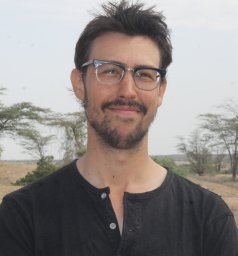 Michael Storozum合作论文数Sch Hist Class & Archaeol, Newcastle Univ4ShuiCheng Li (李水城)合作论文数4
 Hui Sun (孙辉)合作论文数School of Mechanical Engineering, Southeast University4Yu Yao合作论文数4
 Hai Zhang (张海)合作论文数School of Archaeology and Museology, Peking University4Yifu Cui合作论文数4
 Chuan-Chao Wang (王传超)合作论文数School of Forensic Medicine and Science, Fudan University;Ministry of Education Key Laboratory of Contemporary Anthropology, School of Life Sciences, Fudan University4
 Qiaomei Fu (付巧妹)合作论文数Institute of Vertebrate Paleontology and Paleoanthropology, Chinese Academy of Sciences;University of Chinese Academy of Sciences;Northwest University4
 Robert L Bettinger合作论文数4Changshou Deng合作论文数3Tingyu Ye合作论文数3
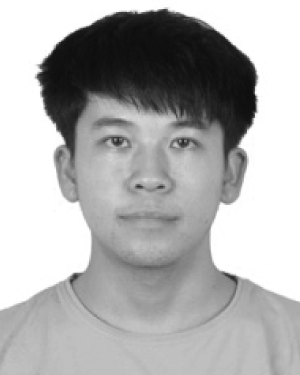 Songyi Xiao合作论文数Nanchang Inst Technol, Sch Informat Engn, Nanchang 330099, Jiangxi, Peoples R China3
 Huan Xia (夏欢)合作论文数College of Ecology, Lanzhou University3Xiaoyan Ren合作论文数3
 Panpan Chen合作论文数3Yan Tian合作论文数3
 Changhe Li (李长河)合作论文数School of Automation, China University of Geosciences3Li Lv合作论文数3




