Chronisch-entzündliche Darmerkrankungen, Spondyloarthritiden und insbesondere Psorasisarthritis sind keine isolierten Organerkrankungen, sondern Manifestationen einer gemeinsamen Darm-Gelenk-Achse. Bei einem relevanten Anteil der Patient:innen mit Morbus Crohn oder Colitis ulcerosa treten im Verlauf muskuloskelettale Manifestationen bis hin zur Spondyloarthritis auf. Umgekehrt finden sich bei rheumatologischen Erkrankungen häufig subklinische intestinale Entzündungszeichen. Pathophysiologisch verbinden Barrierestörungen, Dysbiose und die IL(Interleukin)-23/IL-17-Achse Mukosa und Enthesis zu einem inflammatorischen Netzwerk. Die Transition verläuft stufenweise über prodromale Phasen mit subklinischer Enthesitis und Arthralgien. Für die Gastroenterologie ergibt sich daraus eine zentrale Rolle in der Früherkennung systemischer Entzündung und in der interdisziplinären Steuerung der Erkrankung.
This is the second of two articles presenting the European Crohn's and Colitis Organisation [ECCO] evidence‑based consensus guidelines on the management of adult patients with ulcerative colitis [UC]. The first article covers the medical management of UC, including acute severe colitis. The present article addresses the surgical management of medically refractory UC, including the general surgical approach and perioperative optimisation, surgical strategies and techniques, and recommended levels of centre expertise and surgical specialisation. Together, these two articles aim to inform shared decision‑making and to guide clinicians and healthcare professionals involved in the care of patients with UC, drawing on the best available evidence.
BACKGROUND:Older adults with ulcerative colitis (UC) have unique treatment challenges. Ozanimod is approved for the treatment of moderately to severely active UC in adults based on the phase 3 True North (TN) study results. Here, we analyzed the impact of patient age on ozanimod safety and efficacy in TN and during the open-label extension (OLE). METHODS:Patients were stratified by age at TN baseline: <40, 40 to 60, and >60 years (cutoff: 75 years). Safety was evaluated in all patients during TN and the OLE; efficacy was assessed at weeks 10 and 52 in TN and up to OLE week 190 in patients who entered as TN week 52 ozanimod clinical responders. RESULTS:Of 1012 patients analyzed, 492 were <40 years of age, 404 were 40 to 60 years of age, and 116 were >60 years of age. Infection, malignancy, cardiac events, and macular edema were low throughout TN across all ages. Exposure-adjusted incidence rates (EAIRs) of opportunistic and serious infections increased with age during the OLE. Patients ≥40 years of age had higher hypertension EAIRs than those <40 years of age, but EAIRs of other cardiovascular TEAEs were low. No cases of progressive multifocal leukoencephalopathy occurred over 242 weeks of ozanimod exposure. Efficacy rates for evaluated clinical and mucosal endpoints at weeks 10 and 52 with ozanimod were generally consistent across age groups with the overall population; similar trends were observed in the OLE. CONCLUSIONS:Ozanimod safety was similar and efficacy was generally comparable across age groups, although statistical significance vs placebo was not achieved in patients >60 years of age.
INTRODUCTION:Normalized quality of life represents a crucial long-term treatment goal in Crohn's disease (CD). We evaluated the effect of risankizumab (RZB) vs ustekinumab (UST) on achieving clinically meaningful improvements in patient-reported outcomes in the phase 3b head-to-head SEQUENCE study. METHODS:Adults with moderate-to-severe CD whose previous anti-tumor necrosis factor therapy failed were randomized 1:1 to recommended induction and maintenance doses of RZB or UST. The proportion of patients who achieved Inflammatory Bowel Disease Questionnaire (IBDQ) response, IBDQ remission, and improvements in 36-item short-form health survey physical and mental component summary (physical component summary and mental component summary, respectively) scores was evaluated at weeks 24 and 48. The proportion of patients experiencing improvement in select symptoms of the IBDQ was reported. RESULTS:Analysis included 520 patients (RZB: N = 255; UST: N = 265). At week 24, greater proportions(all P ≤ .01) of RZB- vs UST-treated patients achieved IBDQ response (75.3% vs 64.2%), IBDQ remission (52.5% vs 30.9%), and improvements in 36-item short-form health survey physical component summary (65.9% vs 53.2%). At 24 weeks, lower proportions (all P ≤ .05) of RZB- vs UST-treated patients experienced fatigue (51.4% vs 69.1%), difficulty sleeping (37.7% vs 54.3%), depression (34.1% vs 42.6%), anxiety (34.1% vs 49.8%), and bowel urgency (27.1% vs 40.0%) all of the time to some of the time. Improvements were sustained through week 48. DISCUSSION:RZB was more effective than UST in achieving sustained clinically meaningful patient-reported outcome improvements including IBDQ response and remission, and in reducing frequency of select symptoms of the IBDQ through week 48 among patients with moderate-to-severe CD.
Institute 1 Deutsche Gesellschaft für Gastroenterologie, Verdauungsund Stoffwechselkrankheiten, Berlin, Deutschland 2 Medizinische Klinik I, Agaplesion Markus Krankenhaus, Frankfurt am Main, Deutschland 3 Klinik für Allgemeine Innere Medizin und Gastroenterologie, Klinikum Lüneburg, Deutschland 4 Deutsche Gesellschaft für Gastroenterologie, Verdauungsund Stoffwechselkrankheiten, Berlin, Deutschland Bibliografie DOI https://doi.org/10.1055/a-1015-7324 Z Gastroenterol 2019; 57: e397–e417 © Georg Thieme Verlag KG, Stuttgart · New York ISSN 0044-2771
Chronisch-entzündliche Darmerkrankungen (CED) sind systemische, immunvermittelte Erkrankungen mit häufiger, teils unterschiedlicher extraintestinaler Beteiligung der Haut. Psoriasis (Schuppenflechte) und Hidradenitis suppurativa (HS) sind klinisch besonders relevant, weil sie mit Colitis ulcerosa und stärker noch mit Morbus Crohn assoziiert sind und therapeutische Entscheidungen wesentlich beeinflussen. Darstellung der epidemiologischen, pathogenetischen und therapeutischen Schnittstellen zwischen CED, Psoriasis und HS sowie Einordnung weiterer kutaner Manifestationen. Für die Psoriasis zeigt sich eine bidirektionale Assoziation, insbesondere mit Morbus Crohn. Gemeinsame Mechanismen umfassen die Differenzierungs- und Barrierestörung an den Grenzflächen, eine Aktivierung der TNF-α- und IL-23/Th17-Signalwege sowie Veränderungen des Mikrobioms. Unter Anti-TNF-Therapie können paradoxe psoriasiforme Hautveränderungen auftreten. Auch die HS tritt bei CED, vor allem bei Morbus Crohn, deutlich häufiger als in der Allgemeinbevölkerung auf; bedeutsame Kofaktoren sind Rauchen, weibliches Geschlecht, Adipositas und perianale Krankheitsmuster. Hautveränderungen sollten bei CED-Patienten systematisch erfasst werden, da sie Differenzialdiagnose, Monitoring und Wahl der Systemtherapie mitbestimmen. Besonders günstig sind interdisziplinäre Strategien, die intestinale und kutane Krankheitsaktivität gemeinsam adressieren.
BACKGROUND & AIMS:Acute severe ulcerative colitis is a life-threatening manifestation of ulcerative colitis. The diagnosis typically relies on the 1955 Truelove and Witts criteria. These do not incorporate treatment history with steroids or modern advanced therapies. This Delphi panel gathered expert opinion regarding potential criteria and approaches for diagnosing acute severe ulcerative colitis in contemporary practice, including current outpatient treatment with corticosteroids or advanced therapy. METHODS:European, North American, and Asia-Pacific gastroenterologists participated in a 4-round Delphi panel and consensus meeting, forming the Refined Evaluation Framework and INvEstigations for Diagnostics in Acute Severe Ulcerative Colitis Working Group. Consensus was defined as ≥70% agreement/disagreement for Likert scale, or ≥70% homogeneity for single/multiple choice responses. RESULTS:Panelists agreed there is an unmet need for acute severe ulcerative colitis criteria in contemporary practice. Consensus was obtained that an acute severe ulcerative colitis diagnosis could be based around 3 'major' criteria (C-reactive protein ≥2× the upper limit of normal, ≥6 bowel movements in 24 hours, ≥50% bowel movements with visible blood in 24 hours) plus ≥2 'minor' criteria (low albumin, increased heart rate, nocturnal bowel movements, low hemoglobin, increased body temperature, or elevated leukocyte count) in patients treated with advanced therapy or corticosteroids. Patients on high-dose corticosteroids constitute a subgroup requiring different thresholds (C-reactive protein ≥1× upper limit of normal, ≥33% bowel movements with visible blood in 24 hours). Similar principles were agreed upon for untreated patients but without achieving consensus. Panelists agreed that endoscopy should confirm acute severe ulcerative colitis diagnosis and exclude cytomegalovirus infection and radiologic investigations should support excluding toxic megacolon. CONCLUSIONS:This consensus provides new diagnostic criteria for acute severe ulcerative colitis in the modern therapeutic era, which can be applied to patients already in receipt of outpatient treatments. These criteria include additional clinical and laboratory parameters for validation in prospective studies.
BACKGROUND:Optimized drug sequencing is an emerging area of interest in the treatment of ulcerative colitis (UC). Comparative real-world data on treatment response to mirikizumab in a cohort with exposure to multiple biologic agents, particularly tumor necrosis factor (TNF)-naïve versus TNF-treated patients, remain limited. This study evaluated the therapeutic response to mirikizumab treatment in a cohort of patients with UC who were refractory to biologic therapy. METHODS:Consecutive patients with UC treated with mirikizumab between July 01, 2023, and May 31, 2025, at a tertiary university referral center were retrospectively analyzed. The primary endpoint was 12-week clinical remission. The secondary endpoints included clinical remission and biochemical remission between weeks 24 and 50 and between weeks 60 and 80. RESULTS:This study included 52 patients. Among them, 17 (32.7%) had previous exposure to ≥3 biologic agents/small molecules. The 12-week clinical remission rate was 35 of 52 patients (67.3%). There was a significant association between the treatment duration and clinical and biochemical remission. The likelihood of achieving clinical remission was 5.583 times higher after 12 weeks of intravenous mirikizumab treatment (odds ratio [OR] = 5.583, p = 0.002). Anti-TNF pretreatment had a positive effect on biochemical remission (OR = 3.489, p = 0.021). Janus kinase inhibitor pretreatment had a negative effect on clinical remission (OR = 0.19, p = 0.019). CONCLUSION:Mirikizumab treatment had good short- and long-term efficacy in patients with UC who previously received biologic therapy. In particular, patients with prior anti-TNF therapies had favorable biochemical remission outcomes.
Abstract Background Ceramides and sphingolipids are components of the cell membrane of the intestinal epithelium and contribute to the integrity of the intestinal barrier (1, 2). The expression of specific sphingolipid and ceramide subgroups can vary depending on the inflammatory activity of Inflammatory bowel diseases (IBD) and may influence the course of the disease. A distinct lipid profile was shown for ulcerative colitis compared to healthy subjects and different expression depending on disease activity. Less data is available for Crohn's disease (CD) (3). In this study, patients with MC at different stages of the disease were to be analysed with regard to their sphingolipid and ceramide profile using liquid chromatography tandem mass spectrometry (LC-MS/MS). The aim was to identify biomarkers that correlate with inflammatory activity so that they can be used in diagnostics and therapeutic monitoring. They could also serve as a target for a new therapeutic approach. Methods Patients who were experienced in therapy and had relevant disease activity at the time of blood sampling were included in the study after receiving a positive ethics vote. Patients were considered as treatment-experienced if they had received at least 2 prior biologic therapies. Disease activity was defined by clinical activity indices (Harvey-Bradshaw index >/= 4) and faecal calprotectin (>/= 250 ug/g). Further inclusion criteria were: Age of majority, a >3 month diagnosis of Crohn's disease and written informed consent. Liquid chromatography tandem mass spectrometry (LC-MS/MS) was used to quantify the sphingolipids in plasma. The analytes were extracted using liquid-liquid extraction and measured using two different LC-MS/MS methods for sphingolipids and ceramides. Results In the comparison between the Crohn's disease and the control cohort, there were significant differences for the ceramides Cer d18:1/16:0 (p=0.009), Cer d 18.1/18:0 (p=0.025) and Cer 18.1/24:0 (p=0.035) showed higher concentrations in the MC group. For the lactosylceramides, there were significant group differences for LacCer 18:1/16:0 (p=0.005) and LacCer 18.1/18:0 (p=0.009). For sphingosine-1-phosphatase, there were significant differences for S1P 16:0 (p<0.001). LacCer and S1P concentrations were also higher in the MC group. Conclusion In the present study, a distinct difference in individual sphingolipid and ceramide concentrations could be determined in patients with Crohn's disease under an advanced therapy line and relevant disease activity compared to a control group. Overall, the concentrations in the MC group were higher in the significantly different parameters. Overall, the data on the role of sphingolipids and ceramides in IBD is not yet conclusive and further research is warranted. References 1.Cancers 2024, 16, 789. https://doi.org/10.3390/cancers16040789Biomolecules 2020, 10, 1083. 2.Espinoza KS, Snider AJ. Therapeutic Potential for Sphingolipids in Inflammatory Bowel Disease and Colorectal Cancer. Cancers (Basel). 2024 Feb 15;16(4):789. doi: 10.3390/cancers16040789. PMID: 38398179; PMCID: PMC10887199. 3.Filimoniuk, A.; Blachnio-Zabielska, A.; Imierska, M.; Lebensztejn, D.M.; Daniluk, U. Sphingolipid Analysis Indicate Lactosylceramide as a Potential Biomarker of Inflammatory Bowel Disease in Children. Biomolecules 2020, 10, 1083. https://doi.org/10.3390/biom10071083
BACKGROUND:The prospective RUN-CD registry investigates the effectiveness of ustekinumab (UST) and other biologics in Crohn's disease (CD) across Germany. Based on data from the registry, this study presents the maintenance phase results of a 12-month real-world-evidence (RWE) comparison of CD patients initiating new biologic therapies with UST or anti-TNF. METHODS:After excluding patients using biologics other than UST and anti-TNF and those with missing outcomes, the final sample consisted of 618 CD patients. Clinical remission (CR), defined as a Harvey-Bradshaw Index (HBI) ≤4, was the prespecified endpoint at 12 months. Switching to another biologic therapy was considered an outcome failure. Propensity score adjustment was used to reduce the effect of confounders. RESULTS:The study included 343 CD patients treated with UST and 264 treated with anti-TNF. Over 12 months, the frequency of therapy switches was significantly higher for infliximab (28%) compared with UST (17%) and adalimumab (17%) (P =.045). There was no significant difference in CR rates at 12 months between the UST and anti-TNF groups (65.8% vs 60.0%, P =.262). However, in week-16 responders, CR rates at 12 months were significantly higher with UST (77.6%) versus anti-TNF (65.4%) (P =.041). The change in EQ-VAS (QoL) scores between UST and anti-TNF showed a 5.1-point difference favoring UST (P =.002). CONCLUSIONS:In this 12-month RWE comparison, overall CR rates were similar between UST and anti-TNF. However, among week-16 responders, CR rates were significantly higher with UST. Additionally, UST was associated with a significantly greater improvement in QoL compared with anti-TNF.
Inflammatory bowel disease (IBD) is not only associated with an increased risk of malnutrition, but obesity has also recently emerged, complicating the nutritional management of patients with IBD. Obesity in IBD increases the risk of complications, especially in surgical procedures, and may reduce the response to immunosuppressive treatment. In addition, diet is also likely to play a role in the development of IBD, and highly processed foods in particular may be important. These and other aspects are addressed in the thoroughly revised guideline "Clinical nutrition in inflammatory bowel disease" in 62 evidence- and expert-based recommendations. The guideline is based on the previous DGEM guideline from 2014 and in particular on the current European guideline "ESPEN guideline on Clinical Nutrition in inflammatory bowel disease" from 2023. The guideline was prepared according to the "SIGN methodology", based on an updated literature search from Dec. 2021 to Nov. 2023. For the first time, the new "Crohn's disease exclusion diet" is also discussed in addition to oral nutrition and enteral and parenteral nutrition. The guideline makes clear that professional nutritional diagnostics, nutritional counseling and weight control as well as oral nutrition supplements and oral/enteral formulas play an important role in the treatment of IBD. This can improve the course of the disease and quality of life in IBD patients.
 Jürgen Stein合作论文数43
 Stefan Zeuzem合作论文数J W Goethe University Hospital37
 Axel Dignass合作论文数Department of Medicine, Agaplesion Markus Hospital, Goethe University20
 Oliver Schroder合作论文数17A Kubesch合作论文数15N Filmann合作论文数14J Hausmann合作论文数14Bock H合作论文数14W. Tacke合作论文数13Alica Kubesch合作论文数12Stratmann Katharina合作论文数12Filmann Natalie合作论文数10Hausmann Johannes合作论文数10
 Geert D’Haens合作论文数Department of Gastroenterology and Hepatology, Amsterdam University Medical Centers;University of Amsterdam9Claudia C Weber合作论文数8Eva Herrmann合作论文数8
 Torsten Kucharzik合作论文数Klinik für Allgemeine Innere Medizin, Gastroenterologie und Pneumologie, Klinikums Lüneburg8
 Bernd Bokemeyer合作论文数Gastroenterologische Gemeinschaftspraxis Minden8Astrid Wächtershäuser合作论文数7K Farrag合作论文数7Friedrich-Rust Mireen合作论文数7Kathrin Sprinzl合作论文数7Jain Anjali合作论文数7
 Stefan Schreiber合作论文数Department of Internal Medicine I, University Hospital Schleswig-Holstein;Institute of Clinical Molecular Biology, Kiel University7
 Andreas Sturm合作论文数7
 Raja Atreya合作论文数Inflammatory Bowel Disease Unit, University Hospital Erlangen, Friedrich-Alexander University Erlangen-Nürnberg;Clinical Study Centre, University Hospital Erlangen, Friedrich-Alexander University Erlangen-Nürnberg7
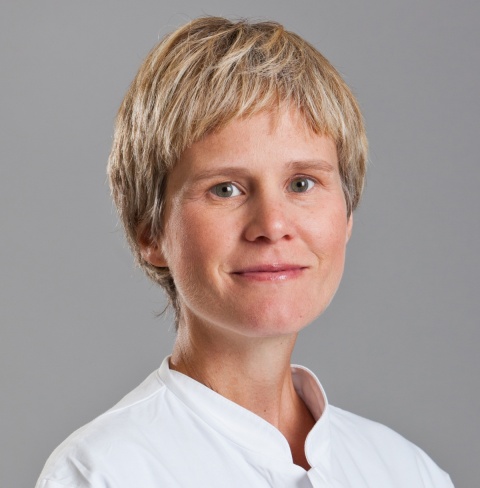 Mireen Friedrich-Rust合作论文数Universitätsklinikum Frankfurt7C Zosel合作论文数6F Hartmann合作论文数6Petra Lynen Jansen合作论文数6
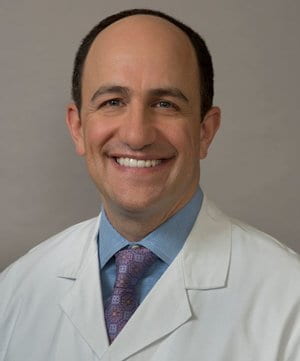 David T. Rubin合作论文数Division of the Biological Sciences, University of Chicago;Digestive Diseases Center, University of Chicago Medicine;MacLean Center for Clinical Medical Ethic;Comprehensive Cancer Center, University of Chicago6Peter M Irving合作论文数6
 James Lindsay合作论文数Blizard Institute, Faculty of Medicine and Dentistry, Queen Mary University of London;London School of Medicine and Dentistry, Queen Mary University of London6
 Niels Teich合作论文数Internistische Gemeinschaftspraxis für Verdauungs- und Stoffwechselkrankheiten6
 Taku Kobayashi合作论文数School of Life Sciences, Tokyo University of Pharmacy and Life Sciences6
 Florian Alexander Michael合作论文数Universitätsklinikum Frankfurt5A Schweitzer合作论文数5T Krause合作论文数5Ayşegül Aksan合作论文数5
 Carsten Oliver Schmidt合作论文数Institute for Community Medicine, Medizinische Fakultat, Universität Greifswald;Greifswald University Hospital5Elisabeth Schnoy合作论文数5
 Danese Silvio合作论文数Vita-Salute San Raffaele University;IRCCS Humanitas Research Hospital5
 Andreas Stallmach合作论文数Department of Internal Medicine, University Hospital Jena5
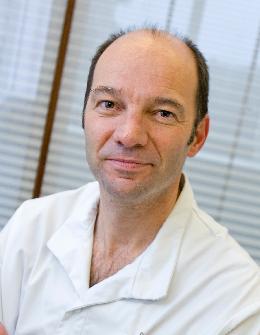 Edouard Louis合作论文数Département des Sciences Cliniques, Faculté de Médecine, University of Liège5
 Remo Panaccione合作论文数Department of Medicine, Cumming School of Medicine, University of Calgary5
 Bruce E Sands合作论文数Feinstein IBD Clinical Center, Icahn School of Medicine at Mount Sinai;The Mount Sinai Hospital, Icahn School of Medicine at Mount Sinai5Sibylle Koletzko合作论文数5Sandra Plachta-Danielzik合作论文数5
 Marc Ferrante合作论文数Faculty of Medicine, KU Leuven;Department of Chronic Diseases and Metabolism, KU Leuven;Department of Gastroenterology and Hepatology, University Hospitals Leuven5




