Abstract Background The expansion in indications for transcatheter aortic valve implantation (TAVI) has fuelled an increase in demand worldwide. Prolonged waiting lists and waiting list mortalities are not infrequent and often arise from limited hospital capacity and infrastructure. Approaches to address this have included procedural modifications – ‘minimalist TAVI’ and more recently the development of pathways to facilitate early discharge post-TAVI, such as same-day discharge (SDD) post-procedure. Purpose This study aims to evaluate the safety and effectiveness of a novel SDD pathway a large volume tertiary referral cardiac centre. Methods A new SDD pathway was established between March 2023 and February 2024 at a large-volume tertiary cardiac centre in UK. All patients accepted for TAVI were screened for SDD suitability based on three factors: 1) availability of adequate social support, (defined as presence of able-bodies adult individual to assist in home recovery), 2) technically suitable for transfemoral approach and 3) presence of previous pacemaker or low risk for conduction abnormalities (defined as no baseline conduction disturbances). Following TAVI, patients were deemed suitable for SDD if they were clinically stable, the procedure was technically successful and there were no procedural complications. Demographic, clinical, procedural and outcome data were collected for all patients enrolled onto the SDD pathway and reasons for non-SDD were identified. Ethical approval was obtained in accordance with local institutional policies. Results From March 2023 to February 2024, 81 out of 305 patients (26.6%) were enrolled onto the SDD pathway (median age 82 years old, 66.7% male, median STS risk score 2.34%). Indications for TAVI were severe native aortic stenosis (74/81, 91.4%), severe native aortic regurgitation (2/81, 2.5%) and severe surgical valve degeneration (5/81, 6.2%). SDD was feasible for 58/81 (71.6%) of patients, with 10/81 (12.3%) discharged the following day and 13/81 (16.0%%) requiring >24 hours hospital admission (Figure 1). Reasons for non-SDD included new conduction abnormality (10/81, 12.3%), vascular complication (6/81, 7.4%), acute stroke (3/81, 3.7%), patient preference (2/81, 2.5%) and haemodynamic instability (2/81, 2.5%). Out of the 58 SDD patients, 25/58 (43.1%) had no previous permanent pacemaker system and in these patients a balloon-expandable valve was selected for 24/25 (96.0%) of patients (Figure 2). Conclusions Patient selection based on the presence of social support at home, low risk of conduction abnormalities or previous pacemaker combined with appropriate valve selection can facilitate a safe and effective SDD post-TAVI programme.
Patients with isolated tricuspid valve (TV) disease have poor prognosis with no consensus on their management. Transcatheter TV intervention is emerging as a valid option in patients with prohibitive surgical risk. We analyzed studies of patients who underwent isolated TV surgery to identify the features associated with successful clinical outcomes. We performed a systematic review and meta-analysis of studies reporting clinical outcomes of isolated surgical TV intervention, namely TV repair, TV replacement with a bioprosthetic valve (TVR-B), or TV replacement with a mechanical valve (TVR-M). Twenty-seven studies involving 10,478 patients (4,931 TV repair, 3,821 TVR-B, and 1,713 TVR-M) were included. Early mortality occurred in 9% and did not differ between TV surgical approaches. Late mortality was 27% at a median follow-up of 4 (3 to 6) years and was significantly higher for all-TVR (30% vs 25%, rate ratio 1.18, 95% confidence interval 1.05 to 1.31, p = 0.004) and TVR-B (28% vs 24%, rate ratio 1.15, 95% confidence interval 1.02 to 1.30, p = 0.02) compared with TV repair. Late mortality did not differ between TVR-B and TVR-M. Across all studies, early complications included bleeding (7.4%), acute kidney injury (18.7%), permanent pacemaker (13.7%), cerebrovascular accidents (1.2%), and infection (8.9%). Late clinical outcomes included reintervention (3.7%), structural valve deterioration (2.4%), valve thrombosis (2.6%), and TV regurgitation recurrence after 1 year (15.0%). In conclusion, in isolated TV surgeries, TV repair has favorable long-term mortality compared with TV replacement. This supports the development and refinement of transcatheter TV repair approaches. Future research is recommended to provide comparative data for various transcatheter TV interventions. & COPY; 2023 Elsevier Inc. All rights reserved. (Am J Cardiol 2023;203:414-426)
Background: Trends in mortality from aortic stenosis across European countries are not well-understood, especially given the significant growth in transcatheter aortic valve implantation (TAVI) in the last 10 years.Methods: Age-standardised death rates were extracted from the World Health Organisation Mortality Database, using the International Classification of Diseases 10th edition code for non-rheumatic aortic stenosis for those aged > 45 years between 2000 and 2017. The UK and countries from the European Union with at least 1,000,000 inhabitants and at least 50% available datapoints over the study period were included: a total of 23 countries. Trends were described using Joinpoint regression analysis.Results: No reductions in mortality were demonstrated across all countries 2000–2017. Large increases in mortality were found for Croatia, Poland and Slovakia for both sexes (>300% change). Mortality plateaued in Germany from 2008 in females and 2012 in males, whilst mortality in the Netherlands declined for both sexes from 2007. Mortality differences between the sexes were observed, with greater mortality for males than females across most countries.Conclusions: Mortality from aortic stenosis has increased across Europe from 2000 to 2017. There are, however, sizable differences in mortality trends between Eastern and Western European countries. The need for health resource planning strategies to specifically target AS, particularly given the expected increase with ageing populations, is highlighted.
Background: Surgical subclavian (SC) and direct aortic (DA) access are established alternatives to the default transfemoral route for transcatheter aortic valve implantation (TAVI). We sought to find differences in survival and procedure-related outcomes after SCversus DA-TAVI. Methods: We performed an observational cohort analysis of cases prospectively uploaded to the UK TAVI registry. To ensure the most contemporaneous comparison, the analysis focused on SC and DA procedures performed from 2013 to 2015. Results: Between January 2013 and July 2015, 82 (37%) SC and 142 (63%) DA cases were performed that had validated 1-year life status. Multivariable regression analysis showed procedure duration was longer for SC cases (SC 193.5 ± 65.8 vs. DA 138.4 ± 57.7 min; p < .01) but length of hospital stay was shorter (SC 8.6 ± 9.5 vs. DA 11.9 ± 10.8 days; p = .03). Acute kidney injury was observed less frequently after SC cases (odds ratio [OR] 0.35, 95% confidence interval [CI 0.12–0.96]; p = .042) but vascular access site-related complications were more common (OR 9.75 [3.07–30.93]; p < .01). Procedure-related bleeding (OR 0.54 [0.24–1.25]; p = .15) and in-hospital stroke rate (SC 3.7% vs. DA 2.1%; p = .67) were similar. There were no significant differences in in-hospital (SC 2.4% vs. DA 4.9%; p = .49), 30-day (SC 2.4% vs. DA 4.2%; p = .71) or 1-year (SC 14.5% vs. DA 21.9%; p = .344) mortality. Conclusions: Surgical subclavian and direct aortic approaches can offer favourable outcomes in appropriate patients. Neither access modality conferred a survival advantage but there were significant differences in procedural metrics that might influence which approach is selected. Aims The direct aortic (DA) and subclavian (SC) routes are means of vascular access to undertake transcatheter aortic valve implantation (TAVI) in particularly high-risk cases. The two access route are considered to be comparable in terms of shortand long-term survival, however this has not been recently evaluated, following the gain in experience with both techniques; moreover, whether the characteristics of the patient population currently treated with each differ remains unclear. This study uses up-to-date information from the UK TAVI registry in order to describe the patient
Abstract Introduction New onset left bundle branch block (LBBB) is the most common conduction disturbance associated with transcatheter aortic valve implantation (TAVI). It has been shown to adversely affect cardiac function and increase re-hospitalisation, although its impact on mortality remains contentious. Methods We conducted an observational cohort analysis of all TAVI procedures performed by 13 heart teams in the United Kingdom from inception of their structural programmes until 31st July 2013. The primary outcome was 1-year all-cause mortality. Secondary outcomes included left ventricular ejection fraction (LVEF) at 30 days and need for a post-TAVI permanent pacemaker (PPM). Results 1785 patients were eligible for inclusion to the study. The primary analysis cohort was composed of 1409 patients with complete electrocardiographic (ECG) data pre- and post-TAVI. Pre-existing LBBB was present in 200 (14.2%) patients. New LBBB occurred in 323 (22.9%) patients post TAVI, which resolved in 99 (7%) patients prior to discharge. A balloon-expandable device was implanted in 968 (69%) patients, whilst 421 (30%) patients received a self-expandable valve. New LBBB was observed in 120 (12.4%) and 192 (45.6%) patients receiving a balloon- or self-expandable prosthesis respectively. Overall 1-year all-cause mortality post TAVI was 18.7%. New onset LBBB was not associated with an increase in 1-year all-cause mortality (p=0.416). Factors that were associated with mortality included an increasing logistic EuroScore (p=0.05), history of previous balloon aortic valvuloplasty (p=0.001), renal impairment (p=0.003), previous myocardial infarction with pre-existing LBBB (p=0.028) and atrial fibrillation (p=0.039). Lower baseline peak and mean AV gradients were also associated with greater mortality at 1 year (p=0.001), likely reflecting underlying left ventricular dysfunction. In the majority of patients, LVEF remained unchanged following TAVI. Interestingly, the presence or absence of new onset LBBB did not affect LVEF improvement at 30 days. 10% of patients required a PPM post TAVI. Predictors of PPM included new LBBB (OR 2.6, p<0.001), pre-TAVI left ventricular systolic impairment (OR 1.2, p=0.037), a self-expandable device (p<0.001), and pre-existing RBBB (OR 4.0, p<0.001). Conclusions These findings suggest that new onset LBBB post TAVI does not increase mortality at 1 year or adversely affect LVEF at 30 days. Funding Acknowledgement Type of funding source: None
Abstract Background In patients presenting with non ST-segment elevation acute coronary syndromes (NSTE-ACS) an invasive approach has been shown to be superior to conservative management. Purpose We aimed to investigate the optimal timing of invasive coronary angiography and subsequent intervention. Methods We examined the impact ofearly (≤24h) versus delayed (>24h) intervention in a large observational cohort of 20882 consecutive patients with acute NSTE myocardial infarction (NSTEMI) treated with PCI between 2005 and 2015 at 9 tertiary cardiac centers in London (UK) using Cox-regression analysis and propensity matching. Results Mean age was 64.5±12.7 years and 26.1% were females. A quarter (27.6%), were treated within 24h.Patients treated within 24h were slightly younger (62.8±12.8 vs. 65.2±12.6, p<0.001), most commonly male (76% vs. 72.9%, p<0.001) and were more frequently ventilated (2.3% vs. 1.4%, p<0.001) and in cardiogenic shock (3.6% vs. 1.4%, p<0.001) with dynamic changes on their ECG (84.5% vs. 76.1% p<0.001). At a median follow up of 4.2 years (interquartile range 1.8 to 7) 17.7% of patients had died. Estimated 5-year survival in patients treated within 24h was 84.6% vs. 81% for those treated >24h following their presentation (p<0.001). This survival benefit remained following adjustment for confounders; HR (delayed vs. early management)1.11 (95% CI 1.003 to 1.23, p=0.046). In the propensity matched cohort of 4356 patients in each group, there remained a trend for higher survival in the early intervention group (p=0.061). Conclusions Notwithstanding the limitations of the retrospective design, this real-world cohort of NSTEMI patients suggests that an early intervention (≤24h) may improve mid term survival. Figure 1 Funding Acknowledgement Type of funding source: None
Abstract Background Limited information exists regarding procedural success and clinical outcomes in patients with previous CABG undergoing percutaneous coronary intervention (PCI). We sought to compare outcomes in patients undergoing PCI with or without previous coronary artery bypass grafts (CABG). Methods This was an observational cohort study of 123,780 consecutive PCI procedures from the Pan-London (United Kingdom) PCI registry, from January 2005 to December 2015. The primary end-point was all-cause mortality at a median follow-up of 3.0 years (interquartile range 1.2–4.6 years). Results 12,641 (10.2%) patients had a history of previous CABG, of whom 29.3% (n=3,703) underwent PCI to native vessels and 70.7% (n=8,938) to bypass grafts. There were significant differences in the demographic, clinical, and procedural characteristics of these groups. The risk of mortality during follow-up was significantly higher in patients with prior CABG (23.2%) (p=0.0005) compared to patients with no history of prior CABG (12.1%) and was seen for patients who underwent either native vessel (20.1%) or bypass graft PCI (24.2%, p<0.0001). However, after adjustment for baseline characteristics, there was no significant difference in outcomes seen between the groups when PCI was performed in native vessels in patients with previous CABG (HR 1.02, 95% CI 0.77–1.34; P=0.89) but a significant increase in mortality among patients with PCI to bypass grafts (HR 1.33 95% CI 1.03–1.71, P=0.026). This was seen after multivariate adjustment and propensity matching. Figure 1. Kaplan-Meier Curves Conclusion Patients with prior CABG are older, with a greater comorbid burden and more complex procedural characteristics, but after adjustment for these differences clinical outcomes are similar to patients undergoing PCI without prior CABG. In these patients, native vessel PCI was associated with better outcomes compared to the treatment of vein grafts.
Foin, Iqbal S. Malik, Ghada W. Mikhail, Alun D. Hughes, Darrel P. Francis, Jamil Mayet, Carlo Rodney A. Foale, Martijn Meuwissen, Christopher Broyd, Mauro Echavarria-Pinto, Nicolas Ricardo Petraco, Tim P. van de Hoef, Sukhjinder Nijjer, Sayan Sen, Martijn A. van Lavieren, Coronary Flow Reserve) − Indices of Functional Lesion Severity and Flow Analysis to Determine Diagnostic Characteristics of Basal and Hyperemic Coronary Flow Reserve: Results of the JUSTIFY-CFR Study (Joined Coronary Pressure Baseline Instantaneous Wave-Free Ratio as a Pressure-Only Estimation of Underlying Print ISSN: 1941-7640. Online ISSN: 1941-7632 Copyright © 2014 American Heart Association, Inc. All rights reserved. Avenue, Dallas, TX 75231 is published by the American Heart Association, 7272 Greenville Circulation: Cardiovascular Interventions doi: 10.1161/CIRCINTERVENTIONS.113.000926 2014;7:492-502; originally published online July 1, 2014; Circ Cardiovasc Interv. http://circinterventions.ahajournals.org/content/7/4/492 World Wide Web at: The online version of this article, along with updated information and services, is located on the
Malik, Ghada W. Mikhail, Christopher S. Baker, Rodney A. Foale, Simon Redwood, Darrel P. S. Kaleab N. Asress, Tim Lockie, Muhammed Z. Khawaja, Jamil Mayet, Alun D. Hughes, Iqbal Jason M. Tarkin, Sukhjinder Nijjer, Sayan Sen, Ricardo Petraco, Mauro Echavarria-Pinto, Stenosis Severity (AFFECTS) Study Reserve Assessment: Results of the Adenosine for the Functional Evaluation of Coronary Hemodynamic Response to Intravenous Adenosine and Its Effect on Fractional Flow Print ISSN: 1941-7640. Online ISSN: 1941-7632 Copyright © 2013 American Heart Association, Inc. All rights reserved. Avenue, Dallas, TX 75231 is published by the American Heart Association, 7272 Greenville Circulation: Cardiovascular Interventions doi: 10.1161/CIRCINTERVENTIONS.113.000591 2013;6:654-661; originally published online November 19, 2013; Circ Cardiovasc Interv. http://circinterventions.ahajournals.org/content/6/6/654 World Wide Web at: The online version of this article, along with updated information and services, is located on the
Background Assessment of stenosis severity with fractional flow reserve (FFR) requires that coronary resistance is stable and minimised. This is usually achieved by administration of pharmacological agents such as adenosine, which adds to the cost of the procedure and cannot be administered to all patients. In this study we determine (1) if there is a time when resistance is naturally minimised at rest and (2) assess the diagnostic efficiency, compared to FFR, of a new pressure-derived adenosine-free index of stenosis severity over that time. Methods 157 stenoses were assessed. In part 1 (39 stenoses), intracoronary pressure and flow-velocity were measured distal to the stenosis; in part 2 (118 stenoses), intracoronary pressure alone was measured. Measurements were made at baseline and under pharmacological vasodilatation with adenosine. Results Wave intensity analysis identified a wave-free period where intracoronary resistance at rest is similar in variability and magnitude (coefficient of variation: 0.08±0.06 and 284±147 mm Hg.s/m) to those during FFR (coefficient of variation: 0.08±0.06 and 302±315 mm Hg.s/m, p=NS for both). The resting distal to proximal pressure ratio during this period, the instantaneous wave-Free Ratio (iFR), correlated closely with FFR (r=0.9, p<0.001) with excellent diagnostic efficiency (receiver operating characteristic area under curve of 93%, at FFR<0.8), specificity, sensitivity, negative and positive predictive values of 91%, 85%, 85% and 91%, respectively. Conclusion Intra-coronary resistance is naturally constant and minimised during a diastolic wave-free period. The instantaneous wave-Free Ratio calculated over this period produces a drug-free index of stenosis severity comparable to FFR. Adoption of instantaneous wave-Free Ratio would enable the benefits of physiologically guided angioplasty to be applicable to a larger patient population.
It is unclear how aortic stenosis causes angina despite unobstructed coronary arteries. Transcatheter Aortic Valve Implantation (TAVI), permitting the instantaneous abolition of the stenosis, allows quantification of the direct physiological impact of the stenosis independent of associated pathologies such as left ventricular hypertrophy. Intracoronary pressure and flow velocity were measured immediately before and after TAVI in six patients with unobstructed coronary arteries. We calculated the intra-coronary diastolic suction wave (the principal accelerator of coronary blood flow). To test physiological reserve to increased myocardial demand, we measured pressure and flow velocity at rest and during pacing at 90 and 120 beats per minute. Prior to TAVI the basal myocardial suction wave intensity was 2.2 ± 1x10⁻⁵ Wm−2s−2, and increased in magnitude with increasing severity of aortic stenosis (r = 0.82, p = 0.04). This wave decreased markedly with pacing at higher heart rate (β coefficient = −0.19 x10⁻⁴ Wm−2s−2, p = 0.003). After TAVI despite a fall in basal suction wave (2.2 ± 1 v 1.0 ± 0.4x10⁻⁵ Wm−2s−2, p< 0.004), there was an immediate improvement in coronary physiological reserve as assessed with pacing (β coefficient = 0.12 x10⁻⁴ Wm−2s−2, p = 0.014). In aortic stenosis, the coronary physiological reserve is reversed: instead of increasing with increased myocardial demand, the coronary diastolic suction wave paradoxically decreases. Immediately after TAVI, this physiological reserve returns to a normal positive pattern. This may explain why patients with aortic stenosis suffer from angina despite unobstructed coronaries and the prompt relief of angina after TAVI.
Background National policy encourages people with Long Term Conditions (LTCs) to plan for end of life (Scottish Government, 2015; Henry, 2015). However, people can be reluctant to engage in conversations and as a result miss out on opportunities to make plans for the future whilst getting on with living (Detering et al., 2010). Aim To identify what’s important to people in the last year of life in relation to planning ahead and what would support them to do this. Methods 18 community engagement events were held in local venues. People with LTCs and carers were invited to discuss: What matters to you when you are living with declining health? What prevents you making plans for the future? What would help you to plan for the future and what support do you need to do this? Direct quotes from each session were analysed thematically using Framework analysis. The findings were verified at two further engagement events. Results What matters to people: Maintaining independence and control, having a plan, important conversations, social support, and access to the right information. Barriers to planning were: Cost concerns, not knowing what to do or say, lack of social support and dealing with uncertainty. What would help? People wanted to maintain control and have a choice about accessing relevant and appropriate information. They wanted to know where to go and who to ask for help with planning for the future and saw their local communities as part of the solution. Conclusion People with LTCs in the last year of life want to plan for the future but want to do this in their own way when they are ready. Engaging with this group has shown that services should be developed in partnership with the people who use them.
 Jamil Mayet合作论文数21
 Alun Hughes合作论文数Centre for Cardiovascular Physiology and Pharmacology, Institute of Cardiovascular Science, Faculty of Pop Health Sciences, University College London;Department of Population Science and Experimental Medicine, Institute of Cardiovascular Science, Faculty of Pop Health Sciences, University College London19
 Darrel Francis合作论文数National Heart and Lung Institute, Faculty of Medicine, Imperial College London;Centre for Cardiac Engineering, Imperial College London16Rodney A. Foale合作论文数14
 Ghada Mikhail合作论文数Imperial College Healthcare NHS Trust12N. Hadjiloizou合作论文数9K. Parker合作论文数8
 Jane Davies合作论文数National Heart and Lung Institute, Faculty of Medicine, Imperial College London;Royal Brompton Hospital7Sen Sayan合作论文数7Charlotte Manisty合作论文数Institute of Cardiovascular Science, University College London5Kim Parker合作论文数Department of Bioengineering, Faculty of Engineering, Imperial College London5Simon Redwood合作论文数Dept Gen Surg, Digest Dis & Surg Inst5
 Ricardo Petraco Da Cunha合作论文数Cardiovascular Trials and Epidemiology, National Heart and Lung Institute, Faculty of Medicine, Imperial College London4Tillin Therese合作论文数4
 David Hildick-Smith合作论文数Sussex Cardiac Centre4K. Willson合作论文数3Nishi Chaturvedi合作论文数University College London3
 Sukh Nijjer合作论文数Chelsea and Westminster Hospital NHS Foundation Trust;National Heart & Lung Institute, Faculty of Medicine, Imperial College London3
 Peter Ludman合作论文数Department of Cardiovascular Sciences, University of Birmingham3Baksi Arun J合作论文数3John C. Chambers合作论文数Imperial College London, Imperial College London3Emma Coady合作论文数3Jaspal S Kooner合作论文数3Ben Ariff合作论文数National Heart & Lung Institute, Imperial College London;Chemical Engineering and Chemical Technology, Imperial College London;Primary Care and Population Health Sciences, Imperial College London3Andrew R. Wright合作论文数3
 Justine Davies合作论文数Institute of Applied Health Research, College of Medical and Dental Sciences, University of Birmingham3N. Sutaria合作论文数3
 Arun John Baksi合作论文数3M. Echavarria-Pinto合作论文数2A. Mathur合作论文数2V. Panoulas合作论文数2S. Firoozi合作论文数2Pk Seth合作论文数2RA Foale合作论文数2J Escaned合作论文数2A Hartley合作论文数2
 Andreas Baumbach合作论文数The William Harvey Research Institute, Faculty of Medicine and Dentistry, Queen Mary University of London2
 Zachary I Whinnett合作论文数Cardiovascular Trials and Epidemiology, National Heart and Lung Institute, Faculty of Medicine, Imperial College London2
 Simon A M Thom合作论文数Cardiovascular Trials and Epidemiology, National Heart and Lung Institute, Faculty of Medicine, Imperial College London2
 Myat Aung合作论文数The Rayne Institute, King's College London2Kapur Akhil合作论文数2
 Christopher Broyd合作论文数Nuffield Health Brighton Hospital2
 Andrew Wragg合作论文数Department of Cardiology, Barts Health National Health Service (NHS) Trust2
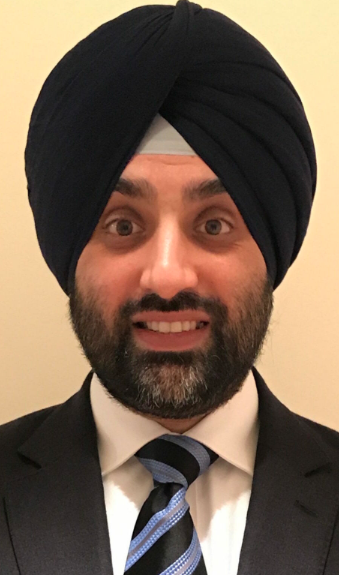 Sundeep Kalra合作论文数Royal Free Hospital2
 Rathod Krishnaraj S合作论文数Barts & London NHS Trust2Dhutia Harshil合作论文数2
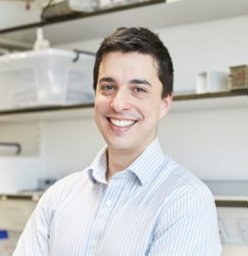 Jabbour Richard J合作论文数National Heart and Lung Institute, Imperial College2Saib Khogali合作论文数2
 Dorian Haskard合作论文数National Heart & Lung Institute, Imperial College London;Faculty of Medicine, Imperial College London;Royal Postgraduate Medical School2




