Societal gender role norms play a crucial role in shaping men's and women's career aspirations. However, prior research documenting this key role of gendered norms has primarily focused on heterosexual women and men in the global North-West. Previous studies documenting differences in career interests by sexual orientation suggest that gender role norms might affect lesbian, gay and bisexual (LGB) women and men less strongly than heterosexuals. This large-scale, preregistered study sought to document group differences in norm perceptions, career interests and their relationship. To this end, 18,351 university students (n = 3318 LGB, n = 15,033 heterosexual) from 46 countries completed a self-report survey about their gender, sexual orientation, perceptions of societal gender role norms, as well as their personal gender role beliefs and career interests. Analyses revealed that, compared to heterosexual individuals, LGB individuals reported significantly less stereotypical career interests and endorsed less traditional gender role beliefs about careers. As predicted, perceptions of societal gender role norms predicted career interests for heterosexual but not for LGB participants. Moreover, LGB participants showed a weaker relationship between societal gender role norms and own gender role beliefs than straight participants did. Interestingly, we found no evidence that this effect was conditional on the level of LGBT acceptance in different countries sampled. We discuss implications of this new evidence for understanding occupational gender segregation from an intersectional perspective.
Non-evidence-based traditional, complementary, and alternative medicine (TCAM) practices can lead to harmful health outcomes, so media reporting about it should be responsible. Drawing from a media content analysis, we created three vignettes about a fictional herbal product: one repeatedly appealed to tradition, one used extensive pseudoscientific jargon, and one followed WHO reporting guidelines (i.e., active control). In an online community sample (N = 366), we tested their effects on product preference, and if these were more pronounced in individuals receptive to pseudo-profound verbalisms, magical health beliefs, and positive attitudes toward TCAM. Unexpectedly, reading the vignettes decreased product preference; the decrease was smaller in those prone to magical health beliefs and receptive to pseudo-profound verbalisms. The effect might stem from the overuse of arguments, making the interventions resemble the so-called ‘paradoxical thinking interventions’. Future research should find a "tipping point" that reverses the effect by varying the number of supportive claims.
Following the tragic collapse of the Novi Sad railway station canopy in November 2024, which claimed 16 lives, Serbia has witnessed a prolonged wave of student-led protests and university blockades. Building on the SIMCA and EMSICA as theoretical frameworks, this study examined psychological predictors of student engagement in the 2024–2025 student-led protests in Serbia. The study relied on a cross-sectional correlational design. We surveyed student protesters (N = 504; 69.6% female; Mage = 21.86; SDage = 2.78) who were actively involved in university blockades across Serbia. Measures were taken of various forms of current protest engagement, intended future engagement, collective identity, anger and moral outrage, as well as perceived group efficacy. Regression analyses showed that identification with fellow student protesters significantly predicted current protest behavior, including participation in protest actions (β = .26, p < .001) and involvement in plenary assemblies (β = .26, p < .001), while identification (β = .22, p = .007), perceived group efficacy (β = .32, p < .001) and violation of moral beliefs (β = -.142, p = .012) predicted intentions to remain engaged. Path models testing both the SIMCA and EMSICA models showed unsatisfactory fit to the data. This study expands the extant literature by studying a real-life, ongoing massive protest that has profoundly affected one country’s political life. The findings support the importance of social identity as a key driver of collective action, highlighting how a sense of belonging to the group of protesting students motivates sustained participation.
While irrational beliefs cluster together, their content differs widely, from beliefs about collective memories shaping biological properties (pseudoscientific) to those about premonition (extrasensory). This difference might extend further-they might reflect a similar information processing style but be differently embedded in worldviews; for example, pseudoscientific beliefs are typically endorsed by conservatives. Across three studies (two preregistered) in two post-conflict countries (total N = 1042), followed by an internal meta-analysis, we investigated whether pseudoscientific and extrasensory perception beliefs (1) are related to a less analytical but more intuitive thinking style, prone to contradictions and fatalistic thinking, but (2) are differentially linked to a conservative, authoritarian and ethnocentric worldview, and (3) are differentially related to past use of non-evidence-based practices, extrasensory perception experiences and civic activism. As expected, both beliefs were similarly predicted by information processing style. However, they were also similarly predicted by authoritarian and, to a lesser extent, ethnocentric views. Moreover, both beliefs were tied to similar behavioural patterns. We argue that the relationship among a conservative worldview, irrational beliefs and socially relevant behaviours is important for understanding how public policies get politicized.
Pursuing replicability - independent evidence for previous claims - is important for creating generalizable knowledge(1,2). Here we attempted replications of 274 claims of positive results from 164 quantitative papers published from 2009 to 2018 in 54 journals in the social and behavioural sciences. Replications were high powered on average to detect the original effect size (median of 99.6%), used original materials when relevant and available, and were peer reviewed in advance through a standardized internal protocol. Replications showed statistically significant results in the original pattern for 151 of 274 claims (55.1% (95% confidence interval (CI) 49.2-60.9%)) and for 80.8 of 164 papers (49.3% (95% CI 43.8-54.7%)), weighed for replicating multiple claims per paper. We observed modest variation in replication rates across disciplines (42.5-63.1%), although some estimates had high uncertainty. The median Pearson's r effect size was 0.25 (95% CI 0.21-0.27) for original studies and 0.10 (95% CI 0.09-0.13) for replication studies, an 82.4% (95% CI 67.8-88.2%) reduction in shared variance. Thirteen methods for evaluating replication success provided estimates ranging from 28.6% to 74.8% (median of 49.3%). Some decline in effect size and significance is expected based on power to detect original effects and regression to the mean because we replicated only positive results. We observe that challenges for replicability extend across social-behavioural sciences, illustrating the importance of identifying conditions that promote or inhibit replicability(3,4).
Construal-level theory (CLT) proposes that psychological distance influences the level of abstraction at which something is mentally construed: Things perceived as less probable (likelihood) or further away from the here (spatial distance), now (temporal distance), or self (social distance) are thought about more abstractly. In this international multilab study, we tested four basic hypotheses derived from core assumptions of CLT and explore potential moderators and boundary conditions of the effects. Participants ( N = 11,775) from 27 countries and regions were randomly assigned to one of four experimental protocols focused on different types of psychological distance (temporal, spatial, social, or likelihood), and each experiment manipulated psychological distance (close vs. distant). The protocols for temporal distance ( n = 2,941) and spatial distance ( n = 2,973) were direct replications of Liberman and Trope (Study 1) and Fujita et al. (Study 1), respectively. The remaining two protocols were paradigmatic replications, applying to social distance ( n = 2,926) and likelihood ( n = 2,936). The effects of psychological distance on construal level for the four present studies were as follows (positive effects are consistent with hypotheses): temporal, d = 0.08, 95% confidence interval [CI] = [0.003, 0.16] (effect in original study: d = 0.92); spatial, d = 0.04, 95% CI = [−0.03, 0.11] (effect in original study: d = 0.55); social, d = −0.27, 95% CI = [−0.34, −0.19]; and likelihood, d = 0.03, 95% CI = [−0.05, 0.11]. Pretests indicated that valence and abstraction were confounded in response options on the outcome measure. Controlling for this confound eliminated the hypothesis-inconsistent effect of social distance, d = 0.006, 95% CI = [−0.05, 0.07]. These findings provide limited evidence for the predictions of the theory and present a critical challenge for CLT.
Many herbal remedies lacking scientific support receive largely favorable media coverage, misleading consumers. To foster more thoughtful consumption, we developed an inoculation-based strategic intervention: a random news generator exposing media tactics like appeals to nature, tradition, availability, and pseudoscientific jargon. Its effectiveness was tested in three preregistered experiments. In a laboratory study (N = 243), active use of the generator helped participants counter media strategies, with effects persisting for 11 days. A novel online active inoculation tool also reduced uncritical acceptance of herbal product reporting, intentions to use herbs for health, and trust in complementary and alternative medicine industries/media in both a student (N = 439) and a community sample (N = 452). The intervention was especially effective among experiential thinkers and those believing in extrasensory perception. Scalable and resource-efficient, this tool inoculates consumers against misleading media tactics and is adaptable for use across educational, media, and healthcare contexts.
Although empathy is generally treated as a prosocial force, research on intergroup empathy bias (IEB) shows that empathic responses are often stronger toward ingroup than outgroup members, and that such selectively distributed empathy can produce negative outcomes. To clarify how this arises, we conducted a systematic review of IEB studies focusing on how empathy is elicited and measured. Following PRISMA guidelines, we identified 120 studies across 85 articles. Neuroscientific studies were the most numerous (58% of the articles) and typically used physical pain stimuli to elicit empathy, consistently detecting IEB in neural responses but rarely in explicit ratings. Whether bias was observed in behavioral studies depended on the task. The literature is characterized by problematic assumptions of equivalence across task types, unexplored connections to related fields, and underdeveloped explanations of neural-behavioral discrepancies. We recommend critically evaluating operational definitions before discussing practical applications.
This paper highlights an ideological neglect in the scientific community’s study of trust in science. While science skepticism (e.g., science denial, anti-scientific conspiracy theories, belief in pseudoscience) has deservedly received vast attention, the opposite extreme - uncritical trust in science (scientism) - is largely overlooked. Scientism idealizes science as all-powerful, capable of establishing absolute truth and solving all problems, while simultaneously exhibiting an unwillingness to accept criticism of its limitations. Despite being notably under-researched, rare findings suggest scientistic beliefs share a similar cognitive footprint with anti-scientific beliefs, being positively related to dogmatism and negatively to cognitive reflection and general cognitive abilities. Outcomes of this uncritical trust include vulnerability to “scientific signaling”, i.e., to meaningless claims using quasi-scientific language or overestimating data value due to irrelevant illustrations or formulae. Furthermore, blind trust can lead to societal polarization, with those who uncritically trust science and scientists being prone to supporting punitive measures against science skeptics. This ideological neglect is potentially driven by scientists’ self-defensive motivations, despite recognizing its contradiction to science’s core principle of organized skepticism. An integral approach to studying trust in science is proposed, with epistemic and political implications. These suggest studying similarities between trust and distrust in science, and urging for critical engagement with science, acknowledging its entanglement with economic and political interests. Practical recommendations include thorough conceptual and empirical exploration of uncritical trust, moving beyond simplistic “trust us” messaging and ensuring scientific authority remains accountable and open to scrutiny.
Traditional, complementary and alternative medicine (TCAM) encompasses a wide range of healthcare practices that are typically not part of “conventional” medicine and that are widely used in the general population. The aim of the study was to test for the most appropriate latent structure of a comprehensive instrument measuring TCAM use and to test its robustness in community samples. The sample for Study 1 consisted of n = 583 respondents from Serbia, and for Study 2, data were collected from n = 1152 participants in three countries (Serbia, Bosnia, and the UK). In both studies, TCAM use was assessed via the TCAM-22 instrument. In Study 1, via confirmatory factor analysis (CFA), we identified a hierarchical structure with a second-order factor subsuming four first-order factors (alternative medical systems, new-age medicine, natural product-based medicine, and rituals/customs). We replicated the hierarchical four-factor structure in Study 2 via a multigroup CFA approach (MGCFA), where we found metric invariance of the structure across three countries. The obtained measurement invariance suggests that TCAM practices convey similar psychological meanings across countries/cultures and have similar patterns of use. Thus, the proposed instrument can serve as a valid tool to assess TCAM use in cross-cultural research.
Contemporary society demands laypeople to articulate their attitudes towards science. Whilst distrust in science undeniably has detrimental outcomes, we argue that its opposite, uncritical trust in science and scientists (i.e. scientism) also leads to potential unwarranted societal polarization. In Study 1 we observed that people who endorsed scientistic beliefs supported discriminatory policies against people who ignore scientific knowledge or promote anti-scientific views, ranging from restrictions on their media appearance to imprisonment and denial of healthcare. Study 2 replicated the effect and tested its potential mechanism: the tendency to moralize rationality mediated the relationship between scientism and support for penalizing measures. Our findings demonstrate that unwarranted beliefs, even if positive in their moderate version, are associated with increased support for unwarranted measures against dissenters.
Despite insufficient evidence base for some of its practices, traditional, complementary, and alternative medicine (TCAM) use is rapidly growing; psychological roots of this trend are still under-studied. Based on previous research, input from TCAM practitioners, and content analysis of online media, we developed a comprehensive instrument to measure the use of TCAM and administered it to an online community sample (N=583). Factor analysis indicated four domains of TCAM use, in line with theoretical taxonomies: Alternative medical systems, Natural/biological products and practices, New Age medicine, and Rituals/Customs, all converging toward a common tendency. Irrational beliefs and cognitive biases, especially magical health beliefs and naturalness bias, predicted unique variance in both TCAM attitudes and overall TCAM use, above sociodemographic variables, reported health status, and ideological beliefs. Furthermore, each domain of TCAM use, although differing slightly in sociodemographic/psychological profile, was consistently associated with an irrational mindset, even after controlling for other factors. This provides strong evidence for exploring psychological susceptibility to the use of traditional, complementary, and alternative medicine.
We aimed to identify conditions when positive contact with advantaged groups leads and does not lead to the demobilisation of disadvantaged group members (i.e., lower collective action for social change). In a pre-registered, multinational survey study, we tested the moderating role of the content of intergroup contact experiences, such as talking about injustice (i.e., injustice talk), and indicators of perceived injustice, such as perceived inequality and perceived intergroup hostility, among LGBTIQ+ people (N = 3617) and ethnic minority members (N = 988), respectively. We replicated the demobilisation contact effect among LGBTIQ+ people: positive intergroup contact predicted lower intention to engage in collective action and lower actual involvement in collective action. In the ethnic minority sample, intergroup contact had a significant demobilising effect only on actual involvement in collective action, but not on intention. In addition, we found that engaging in injustice talk was associated with a weaker demobilisation effect of positive intergroup contact among LGBTIQ+ people, but with a stronger demobilisation effect among ethnic minority members. Among both groups, the effects of positive contact were moderated neither by perceived hostility nor perceived inequality. The results highlight the importance of considering both the benefits and the limitations of injustice talk in intergroup contact situations.
To better understand how inconsistent beliefs persist and whether the tendency to endorse them (labelled doublethink) is malleable, we conducted five preregistered studies and a qualitative follow-up (total N = 1635 Serbian participants). We first found and replicated that doublethink was robustly related to both a more intuitive, superficial information processing style and a lack of ability to spot contradictions (r = .20 and r = .21, ps < .001). We next tested three progressively more direct interventions to reduce doublethink, all unsuccessful - the first one tried to increase sensitivity to contradictions in irrelevant material, the second pushed respondents to reconcile pairs of newly provided inconsistent beliefs and the third made them cross-reference their own inconsistent beliefs. When asked to elaborate on their inconsistencies in semi-structured interviews, respondents did not evaluate them negatively, but instead employed circumvention strategies - attributing incompatibility to the response format or diluting the content of the claims. The most commonly used strategy was to rely on adding additional logical conditions to the beliefs (in 34% of the cases). Although these strategies could reflect rational belief safeguarding mechanisms, they also might allow for moral relativization, double standards or incompatible expectations from others (e.g. posing irreconcilable standards for minority groups).
Identifying cues to contagious disease is critical for effectively tracking and defending against interpersonal infection threats. People hold lay beliefs about the types of sensory information most relevant for identifying whether others are sick with transmissible illnesses. Are these beliefs universal, or do they vary along cultural and ecological dimensions? Participants in 58 countries (N = 19,217) judged how effective, and how likely they were to use, cues involving each of the five major sensory modalities in an imagined social interaction during a flu outbreak. Belief patterns were strongly consistent across countries (sight > audition > touch > smell > taste), suggesting a largely universal conceptualization of the role of sensory information for interpersonal respiratory disease detection. Results also support a safe senses hypothesis, with perceivers reporting that they would use senses that function at a distance-and thus reduce pathogen transmission risk-more than would be expected given participants' beliefs as to the efficacy of these senses for disease detection. Where societal variation did emerge, it was captured by a cohesive set of socio-ecological factors, including human development, latitude, pathogen prevalence, and population density. Together, these findings reveal a shared lens through which contagious respiratory disease is assessed, one that prioritizes minimizing risk to perceivers, and may offer leverage for designing interventions to improve public health.
Despite the growing demand for care economy employees (e.g., nurses, teachers, and social workers), men remain underrepresented in these careers. While economically developed countries support more equal rights for women and men, their labor markets are highly gender segregated (Charles, 1992, 2003). We conducted a focused investigation of this paradoxical pattern in the care economy, testing whether gender gaps in care economy career interest are larger in more economically developed countries and, if so, what psychological and cultural factors underlie these patterns. We examined these questions with labor data from 70 countries (Study 1) and a preregistered study of career interests among 19,240 university students from 49 countries (Study 2). Although more economically developed countries tend to promote greater gender equality, our results reveal that the gender gap in care economy representation (Study 1) and interest (Study 2) is especially large in such countries. We did not observe parallel patterns for science, technology, engineering, and mathematics representation or interest. Results from Study 2 supported an integrated theoretical account of this development paradox in care economy interest: Cross-national variation in the gender gap in care economy interest was predicted by country-level variation in economic development and individualism/collectivism but not by self-expression values or country-level gender equality, countering prior (controversial) claims of a gender equality paradox. Furthermore, larger gender gaps in communal values (e.g., men's lower valuing of helping and caring for others) were a proximal predictor of larger gender gaps in care economy interest in highly economically developed countries. (PsycInfo Database Record (c) 2026 APA, all rights reserved).
The global rise in intentional non-adherence to medical advice and the use of traditional, complementary, and alternative medicine poses a burden on public health and national economies. In a large-scale, preregistered study, we found that these two types of questionable health behaviours were positively associated in 32 out of 33 countries and that nearly all of the 15,218 participants had engaged in at least one such behaviour during their lifetime. Both behaviours were consistently predicted by psychological factors—especially negative healthcare experiences and a set of epistemically flawed beliefs including conspiracy, magical health, and extrasensory perception beliefs, along with the personality trait disintegration — with effect sizes often larger than previously reported. Predictiveness of these individual-level factors outweighed that of national health system characteristics. Our findings suggest that health systems should build trust, improve patient experience, and screen for individuals vulnerable to unfounded beliefs that can undermine evidence-based health decisions.
In this article, we present findings on how minority Roma and majority Serbian preschoolers perceive their own and the other group ethnic identity, and whether they are willing to interact with one another. In a conceptual replication of the seminal Doll study, we individually interviewed 212 children age 5-7 from ethnically heterogeneous and ethnically homogeneous preschool groups on group categorization and self-categorization, content of stereotypes, markers of social status, and contact preferences. While we observed a typical pattern of ingroup preference in children from the majority (Serbian) ethnic group, we found the inverse in the Roma group: they identified with the lighter skin doll, attributed more positive traits to it, saw it as a higher status one, and chose it as the one they want to interact with. These markers of negative identity testify to internalized oppression at a very early age. We address similarities and differences in manifestations of oppression across groups and cultures. Drawing from the results, we offer ways to empower minority groups in their first education settings.
Questionable health behaviors, such as intentional non-adherence to medical recommendations and the use of traditional, complementary and alternative medicine pose a global threat to public health. These behaviors do not reflect a mere dismissal of scientific authority, but rather a specific reconfiguration of epistemic trust, where selective scepticism is applied, marked by exaggerated doubt towards evidence-based authority and simultaneous uncritical acceptance of pseudoscientific claims. We review key psychological drivers of these behaviors - i.e. irrational beliefs - and different ways they interact with science. We then examine communication strategies that divert trust from unreliable sources and encourage trust in reliable ones. Understanding and reshaping the way dialogue and trust is cultivated is essential in countering the rise of questionable health practices.
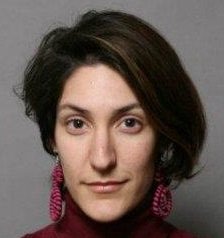 Purić Danka合作论文数Department of Psychology, Belgrade University.46
 Aleksandra Lazic合作论文数University of Belgrade Faculty of Philosophy32
 Marija Brankovic合作论文数Dept Psychol, Singidunum Univ25
 Lili Lazarevic合作论文数21
 Ljiljana Lazarevic合作论文数21
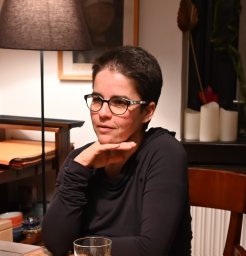 Anna Kende合作论文数Inst Psychol, Eotvos Lorand Univ18
 Marija Petrović合作论文数Dept Psychol, Univ Belgrade17
 Adil Samekin合作论文数17
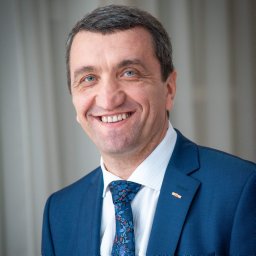 Ivan Danyliuk合作论文数Department of Psychology, Taras Shevchenko National University of Kyiv.17
 Nora Anna Lantos合作论文数Dept Social Psychol, Eotvos Lorand Univ16
 Karen Douglas合作论文数School of Psychology, University of Kent15Inna Kozytska合作论文数Taras Shevchenko Natl Univ Kyiv15
 Evgeny N. Osin合作论文数15
 Yasin Koc合作论文数Department of Psychology, University of Groningen14
 Edward P Lemay合作论文数Yale University14
 Robbie M. Sutton合作论文数University of Kent, University of Kent at Canterbury14
 Alexandra Vazquez合作论文数13
 Jannis Kreienkamp合作论文数13
 Manuel Moyano合作论文数13
 Ali Hamaidia合作论文数Psychology/Research Unit Human Resources Development, Setif 2 University.13Hayat Muhammad合作论文数13
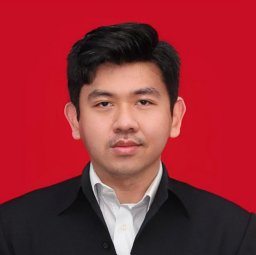 Joevarian Hudiyana合作论文数Fac Psychol, Univ Indonesia13
 Adrian Lüders合作论文数Paris Lodron Univ Salzburg13
 Heyla A Selim合作论文数King Saud Univ13
 Somayeh Zand合作论文数Rasht Branch, Islamic Azad Univ13Erica Molinario合作论文数College Pk, Univ Maryland13
 Boglarka Nyul合作论文数Eotvos Lorand Univ13
 Claudia Nisa合作论文数New York Univ Abu Dhabi13
 Birga M Schumpe合作论文数Univ Amsterdam13
 Hoon-Seok Choi合作论文数Sungkyunkwan Univ, Seoul, South Korea13Najma Iqbal Malik合作论文数13
 Ben Gützkow合作论文数Department of Psychology, University of Groningen13
 Anton Kurapov合作论文数Dept Expt & Appl Psychol, Taras Shevchenko Natl Univ Kyiv13Daniela Di Santo合作论文数13
 Robin Wollast合作论文数Department of Psychology, Stanford University13
 Sabahat Cigdem Bagci合作论文数Fac Arts & Social Sci, Sabanci Univ13
 Goran Knezevic合作论文数Department of Psychology.13
 Ángel Gómez合作论文数Universidad Nacional de Educacion a Distancia13
 Gavan J. Fitzsimons合作论文数Department of Psychology and Neuroscience, Trinity College of Arts & Sciences, Duke University13
 Paul A O'Keefe合作论文数Departments of Management and Organisation, National University of Singapore Business School13
 Jocelyn J Belanger合作论文数Dept Psychol, New York Univ Abu Dhabi13
 Rullo Marika合作论文数Dipartimento di Psicologia dei Processi di Sviluppo e Socializzazione, Sapienza University of Rome13Buttrick Nicholas合作论文数Comparative Cognition Laboratory, Yale University13
 Park Joonha合作论文数13
 Claudia Zúñiga合作论文数13
 Mioara Cristea合作论文数French Institute of Science and Technology for Transportation, Development, and Networks (IFSTTAR), France;Department of Planning, Mobilities, and Environment, Mobility and Behaviour Psychology Lab, France.;French Institute of Science and Technology for Transportation, Development, and Networks (IFSTTAR), France; Department of Planning, Mobilities, and Environment, Mobility and Behaviour Psychology Lab, France.13
 Helmy Mai合作论文数13
 Enea Violeta合作论文数Alexandru Ioan Cuza University of Iasi13
 Kira O. McCabe合作论文数University of Groningen.13




