Cortical arousals significantly impact obstructive sleep apnoea (OSA) pathophysiology and cardiovascular consequences, often mediated by sympathetic activation. While pulse oximetry (PPG) provides an accessible reflection of autonomic responses such as changes in pulse rate (PR) and pulse wave amplitude (PWA), the dynamic influence on other vascular indices remains less explored. We investigated dynamic changes in PPG-derived pulse propagation time (PPT), a metric reflecting modulation in vascular stiffness. It is hypothesised that PPT beat-to-beat responses to arousals are specific and independent from other pulse wave parameters. Polysomnography data from 87 patients were analysed (mean age 54 ± 12 years, 26% female, mean BMI 27.7 ± 3.6 kg/m2, mean Apnea-Hypopnea Index 33 ± 23 events/h; total 18,275 respiratory events). The mean percentage change (shortening, vascular stiffening) of the PPT following respiratory events was significantly greater when accompanied by an EEG arousal in both apnoeas (-21.1% vs. -17.9%, p < 0.001) and hypopneas (-19.4% vs. -17.0%, p < 0.001). In a multivariate logistic mixed-effect model, ∆PPT emerged as an independent predictor of EEG arousal presence (p < 0.001, scaled odds ratio: 1.14; 95% CI: 1.09-1.20), accounting for event type, anthropometrics and changes in PWA, PR, SpO2. Dynamic, short-term changes in PPG-derived PPT are significantly associated with cortical arousals following respiratory events in OSA patients. This parameter provides independent predictive information beyond established PPG metrics, likely reflecting rapid, arousal-induced alterations in vascular tone. These findings highlight a novel PPG-based marker that could quantify the vascular stress in OSA.
STUDY OBJECTIVES:To identify predictors of emotion recognition performance from sleep metrics, including obstructive sleep apnea (OSA) and sleep architecture. METHODS:Adults from the Icelandic population completed the Penn Emotion Recognition Task, assessing facial expressions presented with different intensities. Subsequently, participants underwent three consecutive nights with self-applied polysomnography. Sleep parameters were averaged across nights. Regression analyses, adjusted for age, gender, and depressive symptoms were used to examine associations between sleep and emotion recognition. RESULTS:Fifty-five participants (47.3% males, mean age 46.4 ± 14.4 years, body mass index 27.9 ± 4.6 kg/m2, apnea-hypopnea index (AHI)15.1 ± 15.6 events/h, AHI ≥ 5 in 65%) completed the study. Mean reaction times (ms) were 2746 ± 1294 for high intensity emotion, 2786 ± 995 for low intensity emotion, and 3308 ± 2192 for neutral stimuli, while recognition accuracy was 88.8 ± 8.9% for high intensity emotion, 73.3 ± 10.2% for low intensity emotion, and 85.0 ± 19.2% for neutral stimuli. Hypoxic burden metrics and sleep architecture, particularly desaturation severity (B = 363 ms for low intensity emotion, p < .01), sleep efficiency (B = -335 ms for low p = .01, B = -415 ms for high intensity emotion p = .02) and REM percentage (B = -310 ms for low intensity, p = .02), independently predicted performance. Using multiple-night polysomnography improved the strength of the linear models compared to data from a single-night. CONCLUSIONS:OSA-related hypoxic burden and sleep architecture are significantly associated with emotion recognition, underlying the importance of sleep for neurocognitive vulnerability. Statement of Significance The impact of obstructive sleep apnea (OSA) on cognitive performance has been studied. However, little is known about its effects on emotion recognition, a key prosocial skill essential for interactions and psychological well-being. This study addresses this gap by focusing on general population with mild-to-severe OSA. It highlights the importance of using novel metrics of oxygen desaturation burden rather than the apnea-hypopnea index, which may underestimate the cognitive consequences of OSA. Other important sleep quality measures include sleep length and continuity. Future research should investigate the effects of improved sleep and OSA treatment on emotion recognition. The importance of understanding the subtle impact of OSA on emotion recognition is evident, as it is a crucial determinant of everyday social interaction.
BACKGROUND:Sleep-wake disturbances are frequently reported by patients with chronic pain. Physical activity, recommended as a first-line treatment for chronic pain, can be difficult to implement due to pain severity. This study aimed to assess the prevalence of insomnia and other sleep-wake disturbances in a cohort of patients with chronic pain and to explore the influence of physical activity, opioid use, reported pain, and symptoms of depression and anxiety. METHODS:This clinical cross-sectional study included 100 patients with chronic pain attending a specialist-level pain clinic. Participants were consecutively enrolled, and sleep and physical activity were evaluated using accelerometers. Additional assessments included the Insomnia Severity Index (ISI), Pittsburgh Sleep Quality Index (PSQI), Epworth Sleepiness Scale (ESS), symptoms of restless legs syndrome (RLS), STOP-Bang score, pain intensity assessed by Numeric Rating Scale (NRS), Hospital Anxiety and Depression Scale (HADS), and self-reported level of physical activity. RESULTS:Overall, nearly all participants experienced sleep-wake disturbances. Average sleep duration (hh:mm) was 5:30 (range, 1:46-9:52), and sleep efficiency was 64% (range, 28-81). Based on PSQI scores, 95% were classified as having poor sleep quality. Clinical insomnia (ISI ≥ 15p) was reported by 67%. A statistically significant correlation (rs = 0.31, 95% CI, 0.10-0.50) was found between sleep efficiency and level of physical activity and between ISI and HADS depression (rs = 0.41, 95% CI, 0.22-0.57). CONCLUSIONS:A wide range of sleep-wake disturbances were present in the examined cohort, highlighting the possible benefit of assessing sleep to optimise pain rehabilitation. SIGNIFICANCE STATEMENT:In this cohort, nearly all patients with chronic pain experienced sleep-wake disturbances, and none reached 85% sleep efficiency indicating stable sleep. These findings emphasise the need for a comprehensive assessment of sleep problems to improve the understanding and management of severe pain. TRIAL REGISTRATION:ClinicalTrials.gov: NCT04649281.
BACKGROUND:Using the apnoea-hypopnoea index (AHI) as the sole determinant for treating obstructive sleep apnoea (OSA) is being critically discussed. The modified Baveno classification is a multicomponent grading tool combining respiratory disturbance, symptoms and cardiovascular disease (CVD) risk assessment to guide treatment of OSA. Retrospective analyses of an existing database showed that treatment according to this classification resulted in significantly improved symptoms and cardiovascular parameters. We report the design of the first prospective study to evaluate the modified Baveno classification. METHODS:Patients with OSA (≥40 years) recruited in this multicentre, prospective, observational long-term follow-up study will be treated with OSA-specific therapy according to the modified Baveno classification. Patients with AHI≥30/h or with established CVD, severe renal disease, diabetes with end-organ damage, difficult-to-treat hypertension or chronic/recurrent atrial fibrillation are associated with strong treatment indication. For the remaining patients, SCORE2/SCORE2-OP/SCORE2-diabetes risk assessment of CVD together with symptom scores, determines the strength of treatment indication. The first hierarchical primary outcome is change in office systolic blood pressure (SBP), followed by Epworth Sleepiness Scale. Follow-up will occur at 6-,12-, 24- and 36-months from baseline. Retrospective data analysis revealed a mean change in SBP of -5±14 mmHg in 393/1081 patients. A power of 99.9 % with a two-sided alpha of 0.001 results in a sample size of 894. The target sample size is 1800 patients, assuming a drop-out rate of 50 % at 3 years. DISCUSSION:This study investigates the clinical relevance of the modified Baveno classification for OSA severity assessment and treatment decision making in clinical practice.
Sleep medicine relies on patient-reported outcome measures (PROMs) to complement clinical interviews and objective sleep tests. Available sleep questionnaires focus on isolated symptoms or single disorders, limiting their ability to capture the complexity of sleep conditions. Also, many PROMs remain poorly validated. The European Sleep Questionnaire (ESQ) is being developed as a generic transdiagnostic sleep PROM designed to address these limitations. By integrating relevant interview components, it aims to streamline clinical assessment and better reflect real-world phenotypes across the full spectrum of sleep disorders. The ESQ has been initiated within the EU-funded Sleep Revolution project and is still being developed through an iterative process. Its design is informed by a comprehensive literature review as well as expert and patient input. The ESQ prototype contains 119 items organized into nine sections and uses Likert-type scales to assess symptom severity, frequency, and bothersomeness over the past month. It is equipped with an additional module for follow-up assessment. It is translated into 17 languages and is digitally implemented to support multicenter studies. Initial validation includes cognitive interviews and evaluation of psychometric properties in patients with various sleep disorders. Item refinement and scoring key creation will guide the further development of the ESQ, after which it will be made available for public use. The ESQ aims to support personalized clinical diagnosis and appraisal of treatment results. Future research will extend into other sleep disorders and specific populations, strengthening the ESQ as a comprehensive tool for clinical practice, research, and preventive strategies.
Introduction:Obstructive sleep apnoea (OSA) characterised by intermittent hypoxia promotes systemic inflammation. This study evaluated the association between OSA severity and circulating C-reactive protein (CRP) levels as marker of systemic inflammation in a pan-European patient cohort. Methods:This cross-sectional analysis of the multicentre European Sleep Apnoea Database (ESADA) cohort used inverse probability weighted regression adjustment for multiple covariates within a linear mixed-effects model (LMEM) to test the independent association between OSA severity and CRP levels. Covariates included anthropometrics and comorbidities. Study centre and year of analysis accounted for methodological variability in CRP analysis. Results:18 445 subjects (71% male, median age 53 years (interquartile range 44-62), median apnoea-hypopnoea index (AHI) 22.1 events per h (9-44.9)) were included. CRP (median 3.0 mg·L-1 (1.2-5.1)) increased in a dose-response fashion across OSA severity categories (2.0 (1.0-4.0) for AHI <5 events per h; 2.5 (1.0-5.0) for AHI 5-<15 events per h); 2.9 (1.2-5.0) for AHI 15-<30 events per h; and 3.7 mg·L-1 (1.8-6.4) for AHI ≥30 events per h; p<0.001, respectively). In the final LMEM model, AHI remained an independent predictor of CRP concentration (p<0.001). Other significant predictors of CRP were age and female sex. Obesity (body mass index ≥35 kg·m-2) had, among other comorbidities, the strongest independent effect on CRP levels with 2.7 mg·L-1 (95% CI 2.45-2.90). Conclusions:Our results showed a consistent and robust dose-response relationship between OSA severity and systemic inflammation independent of usual confounders. The combination of OSA and obesity amplified the association. Future studies should address whether elevated CRP could serve as a prognostic marker for subsequent cardiovascular events in OSA.
Comorbid obstructive sleep apnoea, together with impaired cardiac function, is prevalent in patients with COPD. Disease burden is elevated in this "triple trouble" phenotype, emphasising the need for its identification. https://bit.ly/40YK46z.
Introduction Understanding the underlying cause of obstructive sleep apnea (OSA) in the individual patient, referred to as pathophysiological endotyping, is essential for personalized care. The current classification of these traits from routine sleep recordings relies on manually scored arousals from sleep. This study aimed to use automatically detected variations in autonomic and cardiovascular function for OSA endotyping. Methods The study included 87 patients referred for suspected OSA who underwent ambulatory polysomnography. Responses to respiratory events in pulse wave amplitude (PWA), pulse rate (PR), pulse propagation time (PPT), and blood oxygen saturation (SpO2) were extracted from the photoplethysmogram using a finger oximeter (PPG). A linear mixed-effect model was used to predict the presence of electro-cephalography (EEG)-based arousals by assessing variation in the above-mentioned parameters following respiratory events during sleep. The automatically predicted PPG-based arousals were then incorporated into an established model (Phenotyping Using Polysomnography, PUP) to determine OSA endotypic traits from the airflow- and PPG-signal. The agreement between endotypes with PPG-based and EEG-based arousals was assessed. Results PPG responses to respiratory events were more pronounced in the presence of arousal (all p < 0.001). The capacity of PPG metrics to predict cortical arousal was moderate (sensitivity 0.73, specificity 0.70). Endotypic traits derived by PPG-derived arousals showed excellent (ICCLG1 = 0.91, ICCVactive = 0.92, ICCVpassive = 0.99, ICCVmin = 0.99) to good (ICCArTh = 0.83, ICCVcomp = 0.77) agreement, compared with EEG-derived reference. Conclusion Incorporating pulse wave features instead of manually scored EEG-based arousals into respiratory modeling allows for accurately determining OSA endotypes. This approach might enable physiological endotyping in non-EEG-based sleep studies.
BACKGROUND:Obstructive sleep apnoea (OSA) is highly prevalent but approved pharmacological treatment options are missing. Sultiame improves the ventilatory response and upper airway muscle activity by inhibiting carbonic anhydrase. This study aimed to prospectively assess the efficacy and safety of three dosages of sultiame in OSA. METHODS:This multicentre, randomised, parallel, double-blind, placebo-controlled, dose-finding, phase 2 trial was performed at 28 hospitals and community-based sites in five European countries. Adults (aged 18-75 years) with untreated, moderate to severe OSA and an Apnoea-Hypopnea Index (AHI) of ≥15 to ≤50 events per h were randomly assigned (1:1:1:1), using interactive response technology, to receive placebo or sultiame 100 mg, 200 mg, or 300 mg tablets of identical appearance once per day at bedtime for 15 weeks. Randomisation was stratified by baseline AHI3a. The primary outcome measure for efficacy was the relative change of AHI3a from baseline to week 15 (scheduled treatment end). All participants who were randomly assigned were included in the primary efficacy analysis using an estimands framework and in the safety analysis. This trial is registered with EudraCT (2021-002926-26) and ClinicalTrials.gov (NCT05236842) and is complete. FINDINGS:Between Dec 2, 2021, and April 8, 2023, 535 patients were screened and 298 were randomly assigned to placebo (n=75), or sultiame 100 mg (n=74), 200 mg (n=74), or 300 mg (n=75). 240 patients completed 15 weeks of treatment. 220 (74%) of 298 participants were male and 78 (26%) were female. In the full analysis set, placebo-subtracted relative AHI3a adjusted means change at week 15 was -16·4% (95% CI -31·3 to -1·4; p=0·032), -30·2% (-45·4 to -15·1; p<0·0001), and 34·6% (-49·1 to -20·0; p<0·0001) for sultiame 100 mg, 200 mg, and 300 mg, respectively. The incidence of adverse events increased dose-dependently: 46 (61%) of 75 patients in the placebo group, 54 (73%) of 74 in the 100 mg group, 62 (84%) of 74 in the 200 mg group, and 68 (91%) of 75 in the 300 mg group. Events reported in more than 10% of patients in the placebo, 100 mg, 200 mg, or 300 mg groups were paraesthesia (seven [9%] of 75, 16 [22%] of 74, 32 [43%] of 74, 43 [57%] of 75), headache (six [8%], five [7%], 12 [16%], 11 [15%]), COVID-19 (three [4%], three [4%], six [8%], ten [13%]), and nasopharyngitis (nine [12%], three [4%], seven [9%], seven [9%]). INTERPRETATION:Sultiame caused consistent, dose-dependent improvements of OSA, nocturnal hypoxia, sleep quality, and excessive daytime sleepiness. These findings offer perspectives for a pharmaceutical approach to treatment of patients with obstructive sleep apnoea. FUNDING:Desitin Arzneimittel.
 Ludger Grote合作论文数Department of Internal Medicine and Clinical Nutrition, University of Gothenburg274
 Ding Zou合作论文数90
 Jean-Louis Pepin合作论文数63
 Johan Verbraecken合作论文数Universitair Ziekenhuis Antwerpen;Antwerp University Hospital62Walter T Mcnicholas合作论文数50
 Ozen Kacmaz Basoglu合作论文数Department of Respiratory Medicine, Tıp Fakültesi, Ege Üniversitesi49Tarja Saaresranta合作论文数39
 Maria Rosaria Bonsignore合作论文数37
 Winfried J. Randerath合作论文数Krankenhaus Bethanien Klinik für Lungen- und Bronchialerkrankungen37Thomas Hedner合作论文数36
 Thomas Penzel合作论文数Department of Cardiology, Sleep Medicine Center, Charité Universitätsmedizin Berlin34Pawel Sliwinski合作论文数34Athanasia Pataka合作论文数School of Medicine, Aristotle University of Thessaloniki;Department of Respiratory Deficiency, Aristotle University of Thessaloniki;Aristotle University School of Medicine33
 Parati Gianfranco合作论文数Dipartimento di Medicina e Chirurgia, Scuola di Specializzazione in Malattie Cardiovascolari, Università degli Studi di Milano-Bicocca;Unità di Cardiologia, Metaboliche dell'Ospedale San Luca, Istituto Auxologico Italiano, IRCCS;Dipartimento di Scienze Cardiovascolari, Neurologiche e Metaboliche dell'Ospedale San Luca, Istituto Auxologico Italiano, IRCCS33
 Sophia E Schiza合作论文数32
 Paschalis Steiropoulos合作论文数Medical School, Democritus University of Thrace32
 Kaj Stenlof合作论文数Center for Endocrinology and Metabolism, Research;Department of Internal Medicine;Sahlgrenska University Hospital;Research Center for Endocrinology and Metabolism, Sahlgrenska University Hospital32
 Yuksel Peker合作论文数32
 Oreste Marrone合作论文数31
 Silke Ryan合作论文数The Conway Institute, University College Dublin29
 Ingo Fietze合作论文数28
 Carolina Lombardi合作论文数28
 Sébastien Bailly合作论文数Hp2 Laboratoire, Université Grenoble Alpes;French National Institute of Health and Medical Research28Bouloukaki Izolde合作论文数24
 M R Bonsignore合作论文数Department of Scienze per la promozione della Salute "G. D'Alessandro", University of Palermo23
 Ron Grunstein合作论文数Central Clinical School Woolcock Institute of Medical Research, University of Sydney;Faculty of Medicine and Health, University of Sydney20Holger Kraiczi合作论文数20Christian Strassberger合作论文数Institute of Medicine, University of Gothenburg19
 Renata Riha合作论文数Centre for Clinical Brain Sciences, University of Edinburgh;Department of Sleep Medicine, Royal Infirmary of Edinburgh19
 Joachim H. Ficker合作论文数19Sommermeyer Dirk合作论文数19Kenneth Caidahl合作论文数Karolinska Institutet19
 Richard Staats合作论文数18
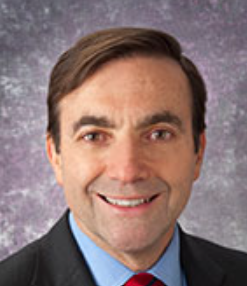 Patrick J. Strollo Jr.合作论文数Division of Pulmonary, Allergy, Critical Care, and Sleep Medicine, Department of Medicine, School of Medicine, University of Pittsburgh18Hasse Ejnell合作论文数18
 Ruzena Tkacova合作论文数17
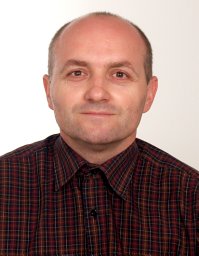 Stefan Mihaicuta合作论文数16
 Atul Malhotra合作论文数University of California San Diego16Ondrej Ludka合作论文数16Patrick Levy合作论文数16Eva Lindberg合作论文数15
 Dogas Zoran合作论文数Department of Neuroscience, Split University School of Medicine15
 Francesco Fanfulla合作论文数15Sophia E. Schiza合作论文数15Ulla Anttalainen合作论文数15
 Georgia Trakada合作论文数Medical School, National University of Athens15
 Dechun Zou (邹德春)合作论文数Laboratory of Optoelectronic Material & Physics, College of Chemistry and Molecular Engineering, Peking University14
 Pavol Joppa合作论文数14




