BACKGROUND:Intrinsic capacity (IC) is a multidimensional concept within the World Health Organization framework for healthy aging. It refers to the composite of an individual's physical and mental capacities that enable them to maintain well-being, functional ability, and engagement in valued activities throughout life. While substantial evidence supports the biological basis of IC and its subdomains, the extent to which genetic factors influence IC remains largely unexplored, with no studies currently available. METHODS:Using datasets from the UK Biobank (UKB; N = 44 631) and the Canadian Longitudinal Study on Aging (CLSA; N = 13 085), we implemented the restricted maximum likelihood method to estimate SNP-based heritability (h2snp), followed by a Genome-Wide Association Study (GWAS) to identify genetic variants associated with IC, and post-GWAS analyses to pinpoint biological implications. RESULTS:The h2snp for IC was estimated at 25.2% in UKB and 19.5% in CLSA. Our GWAS identified 38 independent SNPs for IC across 10 genomic loci and 4289 candidate SNPs, mapped to 197 genes. Post-GWAS analysis revealed the role of these genes in cellular processes such as cell proliferation, immune function, metabolism, and neurodegeneration, with high expression in muscle, heart, brain, adipose, and nerve tissues. Of the 52 traits tested, 23 showed significant genetic correlations with IC, and a higher genetic loading for IC was associated with higher IC scores. CONCLUSIONS:Overall, this study provides comprehensive evidence on the genetic architecture of IC, identifying novel genetic variants and biological pathways, advancing our current knowledge and laying the foundation for ongoing and future research on healthy aging.
The health sciences largely focus on disease. However, the interconnected determinants of diseases suggest that we need a science of health, a framework to examine the biology of homeodynamics in a changing environment and how this affects the health we value. We build on first principles and recent discoveries on biological system dynamics to develop the concept of intrinsic health, a field-like state emerging from the dynamic interplay of energy, communication, and structure within the organism, giving rise to robustness/resilience, plasticity, performance, and sustainability. Intrinsic health is a quantifiable property of individuals that declines with age and interacts with context. We propose a measurement framework and describe how it will contribute to achieving the shared goals of medicine and public health.
Intrinsic capacity (IC) is a composite measure, computed from five domains: cognition, psychological well-being, locomotion, vitality, and sensory. IC reflects the overall physiological reserve and functional capacity of an individual, making it a key indicator of healthy ageing. The substantial interindividual variability in IC is likely influenced by genetic (polygenic) as well as socioeconomic status and lifestyle factors. However, the interaction effect of these factors is yet to be explored. This study examined (1) associations of IC with socio-economic and lifestyle factors and the polygenic scores for IC (PGS-IC) when stratified by age, and (3) the interaction effects of the PGS-IC and socio-economic or lifestyle factors on IC. Our study included 13,112 participants from the Canadian Longitudinal Study on Aging (CLSA) comprehensive cohort with complete IC variables and genetic data. Composite lifestyle scores, including the Physical Activity Scale for the Elderly (PASE), Prospective Urban Rural Epidemiological study (PURE) diet, and Mediterranean diet scores, were generated following established guidelines. Associations of IC with the socioeconomic and lifestyle factors were assessed using linear regression models adjusted for age and sex. The IC scores and the PGS-IC were developed in CLSA in our previous work, and this study tested age-stratified associations of PGS-IC with IC, and interaction effects of the PGS-IC and socioeconomic or lifestyle factors on IC using linear regression models adjusted for age, sex, and the top five genetic principal components. Statistical significance was defined as a false discovery rate (FDR) adjusted P < 0.05. The mean age was 61 (standard deviation 9.6) years, and 50.8% were females. Higher IC was associated with higher education (B = 0.255, 95% CI: 0.180, 0.329), higher income (B = 0.392, CI: 0.322, 0.461), physical activity (PASE score: B = 0.001, CI: 0.0004, 0.001), and healthier diets (PURE diet score: B = 0.024, CI: 0.021, 0.027; Mediterranean diet score: B = 0.018, CI: 0.016, 0.021). IC was lower in previous (B = -0.093, CI: -0.121, -0.064) and current smokers (B = -0.407, CI: -0.459, -0.355) compared to never smokers. Likewise, short (<7h: B = -0.133, CI: -0.161, -0.105) and long (>9h: B = -0.258, CI: -0.392, -0.124) sleep durations were negatively associated with IC compared to those who had optimal sleep. The PGS-IC was positively associated with IC, particularly in younger adults. Significant interaction effects were observed with Mediterranean diet (B = -0.003, CI:-0.006 -, -0.0002) in whole sample, education in younger adults (B = -0.109, CI: -0.211 -, -0.007), and sleep (younger adults: long sleep, B = 0.198, CI:0.023, 0.373; older adults: short sleep, B = -0.095, CI: -0.153 -, -0.036). Novel findings confirming the interaction effects of PGS-IC with socioeconomic and lifestyle factors suggest that there is a complex interplay between genetics and the environment in shaping IC and healthy ageing.
As societies age, policy makers need tools to understand how demographic aging will affect population health and to develop programs to increase healthspan. The current metrics used for policy do not distinguish differences caused by early-life factors, like prenatal care and nutrition, from those caused by ongoing changes in people’s bodies that are due to aging and that may be modifiable. Here we introduce an adapted Pace of Aging method designed to quantify differences between individuals and populations in the speed of aging-related health declines. The adapted Pace of Aging method, implemented in parallel in data from the US Health and Retirement Study and in the English Longitudinal Study of Aging (combined n = 19,045), integrates longitudinal data on blood biomarkers, physical measurements and functional tests. It reveals stark differences in rates of aging between population subgroups and demonstrates strong and consistent prospective associations with incident morbidity, disability and mortality. This adapted and generalizable method to measure Pace of Aging can advance the population science of healthy longevity. Adapting their Pace of Aging method across two population studies of older adults, Balachandran and colleagues find that a faster aging rate puts older adults at risk for early onset of disability and dementia, and shortened lifespan.
BACKGROUND:The Integrated Care for Older People (ICOPE) approach was developed by the World Health Organization (WHO) aiming to shift the traditional focus of care based on diseases to a function- and person-centered approach, focused on maintaining and monitoring intrinsic capacity (IC). This study aimed to investigate the ability of the ICOPE screening tool to identify older people with clinically meaningful impairments in IC domains. METHODS:This cross-sectional analysis included 603 older adults, participants (mean age 74.7 [SD = 8.8] years, women 59.0%) of the INSPIRE Translational (INSPIRE-T) cohort. Responses at screening were compared to results of the subsequent in-depth assessment (ie, Mini-Mental State Examination, Mini Nutritional Assessment, Short Physical Performance Battery, Patient Health Questionnaire-9, and clinical investigation of vision problems) to determine its predictive capacity for impairments at the IC domains (ie, cognition, psychological, sensory (vision), vitality, and locomotion). RESULTS:The ICOPE screening items provided very high sensitivity for identifying abnormality in vision (97.2%) and varied from 42.0% to 69.6% for the other domains. High specificity (>70%) was observed for all the IC domains, except for vision (2.7%). CONCLUSIONS:The ICOPE screening tool can be a useful instrument enabling the identification of older people with impairments in IC domains, but studies with different populations are needed. It should be considered as a low-cost and simple screening tool in clinical care.
The Integrated Care for Older People (ICOPE) program is a healthcare pathway that uses a screening test for intrinsic capacity (IC) as its entry point. However, real-life data informing on how IC domains cluster and change over time, as well as their clinical utility, are lacking. Using primary healthcare screening data from more than 20,000 French adults 60 years of age or older, this study identified four clusters of IC impairment: ‘Low impairment’ (most prevalent), ‘Cognition+Locomotion+Hearing+Vision’, ‘All IC impaired’ and ‘Psychology+Vitality+Vision’. Compared to individuals with ‘Low impairment’, those in the other clusters had higher likelihood of having frailty and limitations in both activities of daily living (ADL) and instrumental activities of daily living (IADL), with the strongest associations being observed for ‘All IC impaired’. This study found that ICOPE screening might be a useful tool for patient risk stratification in clinical practice, with a higher number of IC domains impaired at screening indicating a higher probability of functional decline. The Integrated Care for Older People (ICOPE) program was developed to promote a function-centered and individualized approach to healthy aging, but it is not yet widely implemented. In this study, de Souto Barreto et al. used early-stage ICOPE data collected in primary healthcare from more than 20,000 older adults to characterize patterns of intrinsic capacity impairment and associated odds of frailty and disability.
The World Health Organization (WHO) introduced a framework for healthy aging in 2015 that emphasizes functional ability instead of absence of disease. Healthy ageing is defined as "the process of building and maintaining the functional ability that enables well-being". This framework considers an individual's intrinsic capacity (IC), environment, and the interaction between them to determine functional ability. In this prospective cohort study, we investigated the link between mortality and various respiratory diseases in almost half a million adults who are part of the UK Biobank. We derived an IC score using measures from 4 of the 5 domains: two for psychological capacity, two for sensory capacity, two for vitality and one for locomotor capacity. The exposure variable in the study was the number of reported factors, which was summed and categorized into IC scores of zero, one, two, three, or at least four. The outcome was respiratory disease-related mortality, which was linked to national mortality records. The follow-up period started from participants' inclusion in the UK Biobank study (2006-2010) and ended on December 31, 2021, or the participant's death was censored. The average follow-up was 10.6 years (IQR 10.0; 11.3). During a median follow-up period of 10.6 years, 27,251 deaths were recorded. Out of these, 7.5% (2059) were primarily attributed to respiratory disease. The results showed that a higher IC score (+4 points) was associated with a significantly increased risk of respiratory disease mortality, with HRs of 3.34 [2.64 to 4.23] for men (C-index = 0.83) and 3.87 [2.86 to 5.23] for women (C-index = 0.84), independent of major confounding factors (P < 0.001). Our study provides evidence that lower levels of the WHO's IC construct are associated with increased risk of mortality and various adverse health outcomes. The IC construct, which is easily and inexpensively measured, holds great promise for transforming geriatric care worldwide, including in regions without established geriatric medicine.
Objective: To estimate the probability of onset and progression of disease and disability, length of life with or without disease and/or disability, and incidence of mortality, and to identify factors associated with transitioning to disease and/or disability over time. Study design: A prospective cohort study. Data were provided by 12,432 participants (born 1921-26) of the Australian Longitudinal Study of Women's Health linked with National Death Index data from 1996 (age: 70-75) to 2016 (age: 90-95). Main outcome measures: A five-state Markov model was fitted to estimate the transition probability, length of life with or without disease and/or disability, and the association between baseline characteristics and disease/ disability/mortality risk. Results: Over two-thirds of women had died by age 90-95, and only 3.8% of these had died with no chronic disease and disability. Those reporting chronic disease were more likely to have experienced disability (Transition Rate Ratio: 2.72, 95%CI= 2.52-2.93) than those who died without disability. At age 70-75, the expected life without chronic disease and disability was 7.68 (95%CI: 7.52-7.80) years, life with chronic disease but no disability was 4.39 (95%CI=4.23-4.49) years, and life with disability was 3.76 (95%CI=3.66-3.92) years. The factors difficulties managing on available income (HR=1.18, 95%CI=1.02-1.38), did not complete secondary school (HR=1.19, 95%CI=1.03-1.37), and overweight/obese (HR=1.36, 95%CI=1.20-1.55) were associated with an increased risk of disability. Conclusions: Our findings provide important insights on the onset and progression of disease and disability in older women, underscoring the importance of addressing mid-/early old-life risk factors, managing chronic conditions, and delaying disability onset and progression through targeted intervention programs.
Abstract Background Maintaining and optimising intrinsic capacity (IC) across a person’s life course is a core component of the World Health Organization’s model of healthy ageing. However, the contribution of cumulative health inequalities over time to subtle changes in IC in late life is not well understood. Methods We included 21,783 participants aged 45 + from the China Health and Retirement Longitudinal Study and calculated a validated prognostic value of IC. We included eleven early-life factors to investigate their direct influence on IC over thirty years later and cumulative influence through four current socioeconomic factors. We used multivariable linear regression and concentration index decomposition to investigate the contributions of each determinant to IC inequalities. Mediation analysis identified the direct and cumulative contribution of early-life factors. Results Participants with an advantaged environment in childhood and a higher current socioeconomic position had a significantly higher IC score. This inequality was greatest for cognitive capacity and sensory capacity. Overall, early-life factors directly explained 13.92% (95% CI: 12.07–15.77%) of IC inequalities, while 28.57% (95% CI: 28.19–28.95%) of IC inequalities were explained through the cumulative effects of socioeconomic inequalities over a person’s life course. Conclusion In China, unfavourable early-life factors appear to directly decrease late-life health status, particularly cognitive and sensory capacities rather than locomotor functioning, psychological capacity or homeostasis, and these effects are exacerbated by the cumulative socioeconomic inequalities over a person’s life course. Interventions in early life and subsequently across the life course may be effective in reducing these disparities.
Objectives: Low education and unhealthy lifestyle factors such as obesity, smoking, and no exercise are modifiable risk factors for disability and premature mortality. We aimed to estimate the individual and joint impact of these factors on disability-free life expectancy (DFLE) and total life expectancy (TLE). Methods: Data ( n = 22,304) were from two birth cohorts (1921–26 and 1946–51) of the Australian Longitudinal Study on Women’s Health and linked National Death Index between 1996 and 2016. Discrete-time multi-state Markov models were used to assess the impact on DFLE and TLE. Results: Compared to the most favourable combination of education and lifestyle factors, the least favourable combination (low education, obesity, current/past smoker, and no exercise) was associated with a loss of 5.0 years TLE, 95% confidence interval (95%CI): 3.2–6.8 and 6.4 years DFLE (95%CI: 4.8–7.8) at age 70 in the 1921–26 cohort. Corresponding losses in the 1946–51 cohort almost doubled (TLE: 11.0 years and DFLE: 13.0 years). Conclusion: Individual or co-ocurrance of lifestyle risk factors were associated with a significant loss of DFLE, with a greater loss in low-educated women and those in the 1946–51 cohort.
Background: The ICOPE (Integrated care for older people) approach is recommended by the WHO to foster healthy ageing and prevent care dependence in older people. However, its implementation in clinical practice has not yet been achieved and evaluated. The INSPIRE ICOPE CARE program aims to implement ICOPE in clinical practice in a large territory. The target population is non-care dependent adults aged 60 and over living at home.Methods: The program began with a first phase of awareness raising and training for healthcare professionals. In parallel, the ICOPE digital tools (ICOPE MONITOR, ICOPEBOT) and the ICOPE database have been developed to facilitate the screening, data collection and monitoring of participants’ state of health by healthcare professionals. A remote ICOPE monitoring platform was also created to support the healthcare professionals.Findings: Between January 1, 2020 and November 18, 10,903 older persons joined the program, age: 76.0 ± 10.5, 60.8% women. Among them, 9,363 (85.9%) carried out their first screening with a professional and 1,540 (14.1%) by self-assessment; 94.3% (n = 10,285) had potential abnormalities in at least one intrinsic capacity domain. A 6-month follow-up screening was performed for 70.4% of participants.Interpretation: The program allows early detection of declines in intrinsic capacity and sets up a new care pathway in prevention of care dependence. The adherence of 70.4% of the participants to the Step1 follow-up is an interesting result, which supports the feasibility of this model to reduce the loss of autonomy.Funding: This program was supported by Occitania Regional Health Agency, Region Occitanie/Pyrénées-Méditerranée (1901175), European Regional Development Fund (MP0022856) and APTITUDE project (EFA232/16).Declaration of Interest: None to declare.
Introduction Job exposure matrices are often used for exposure assessment in occupational exposure and epidemiology studies. However, general population job exposure matrices are difficult to find and access for workers in the United States of America (U.S.). Objectives We aimed to use publicly available information to determine exposure to a wide range of occupational agents for use in U.S. general population studies. Methods We used information from the U.S. Department of Labor’s Occupation Information Network database (O*NET) for 19,636 job tasks and 974 civilian occupations. We used automated keyword searches of each job task to identify job tasks that involved exposure to 50 occupational agents. We had two reviewers determine whether each identified job task actually involved exposure to the 50 occupational agents. We calculated percent agreement to compare the reviewers’ exposure determinations for each job task and exposure. We had a third reviewer, a certified industrial hygienist (CIH), assess any job task and exposure for which the two reviewers disagreed. The third reviewer also assessed a 10% sample of job tasks and exposures for which the two reviewers agreed. For each occupation, we used this information to derive three exposure variables for each occupational agent: ever exposure, number of job tasks of exposure, and frequency of exposure. Results Our keyword searches identified a median of nine (interquartile range: 2.0, 40.5) job tasks for each occupational agent and the maximum was 308. The median percent agreement for the two reviewers’ exposure determinations was 95% (interquartile range: 79%, 100%). The median percentage for ever exposure to the occupational agents was 0.41% (interquartile range: 0.10%, 1.08%) and the maximum was 14.48%. Conclusion O*NET information can be used to determine exposure to a wide range of occupational agents. We intend to use O*NET information in epidemiological studies of the U.S. general population.
Background: Many older people, particularly women, spend a substantial proportion of later life with chronic disease and/or disability. This study aimed to estimate the transition probability, length of life with or without disease and/or disability, and identify factors associated with transitioning to declining health states over time.Methods: Data were provided by 12,432 participants (born: 1921-26) of the Australian Longitudinal Study of Women’s Health linked with National Death Index data from 1996 (age: 70-75) to 2016 (age: 90-95). A five-state Markov model was fitted to estimate the transition probability, length of life with or without disease and/or disability, and the association between baseline characteristics and disease/disability/mortality risk.Findings: Over two-thirds of women died by age 90-95, with only 326 (3.8%) of these dying with no reported chronic disease and disability. Those reporting chronic disease were more likely to experience disability (Transition Rate Ratio: 2·72, 95%CI= 2·52-2·93) than die without disability. At age 70-75, the predicted length of life without disease and disability: 7·68 (CI: 7·52-7·80) years, life with chronic disease but no disability: 4·39 (CI=4·23-4·49) years, and life with disability: 3.76 (CI=3·66-3·92) years. Difficulties managing on available income (HR=1·18, 95%CI=1·02-1·38), did not completed secondary school (HR=1·19, 95%CI=1·03-1·37), and overweight/obese (HR=1·36, 95%CI=1·20-1·55) were associated with an increased risk of disability.Interpretation: Our findings provide important insights on the onset and progression of disease and disability in older women, underscoring the importance of addressing mid-/early old-life risk factors, managing chronic conditions, and delaying disability onset and progression through targeted intervention programs.Funding Information: Australian Research Council.Declaration of Interests: The authors have no conflicts.Ethics Approval Statement: The ethical approval was obtained from the Human Resources EthicsCommittee of The University of Newcastle.
The authors apologize for a typing error that occurred in the September 2020 article that changes the meaning of a sentence.
Recent advances in the field of geroscience are causing us to rethink traditional models of health and health care. Conventional approaches generally start with the diagnosis of a health condition, identify a proximal cause (and if possible, abolish it), and manage any adverse consequences. Prevention often focuses on proximal risk factors. These disease-based models worked well for infectious disease and other acute conditions but have been less successful with the chronic conditions which are now the dominant disease burden in the second half of life.
The designation of “age friendly” has clearly engaged the attention of scholars and leading experts in the field of aging. A search of PubMed references citing the term produced 15 results in the 5‐year period from 2006 to 2011; that number increased to 572 in the period from 2015 to 2019. The work, notably led by the World Health Organization with the initiation of age‐friendly cities and age‐friendly communities, has now sparked a movement for the creation of age‐friendly health systems and age‐friendly public health systems. Now more than ever, in an era of pandemics, it seems wise to create an ecosystem where each of the age‐friendly initiatives can create synergies and additional momentum as the population continues to age. Work of a global nature is especially important given the array of international programs and scientific groups focused on improving the lives of older adults along with their care and support system and our interconnectedness as a world community. In this article, we review the historical evolution of age‐friendly programs and describe a vision for an age‐friendly ecosystem that can encompass the lived environment, social determinants of health, the healthcare system, and our prevention‐focused public health system.
Healthy aging is defined as the process of developing and maintaining the functional ability that enables wellbeing in older age. Healthy aging is dependent upon intrinsic capacity, a composite of physical and mental capacities, and the environment an individual inhabits and their interactions with it. Maintenance of musculoskeletal health during aging is a key determinant of functional ability. Sarcopenia, osteoporosis and osteoarthritis, are a triad of musculoskeletal diseases of aging that are major contributors to the global burden of disease and disability worldwide. The prevention and management of these disorders is of increasing importance with pressure mounting from the aging population. In a new initiative, the Chinese Medical Association, Chinese Society of Osteoporosis and Bone Mineral Research, and the European Society for Clinical and Economic Aspects of Osteoporosis, Osteoarthritis and Musculoskeletal Diseases jointly organized a symposium to discuss current practices and policies in the management of musculoskeletal aging. The meeting allowed experts from Europe and China to share their experience and recommendations for the management of these three major diseases. Discussing and analyzing similarities and differences in their practice should lead, through a mutual enrichment of knowledge, to better management of these diseases, in order to preserve intrinsic capacity and retard the age-related degradation of physical ability. In future, it is hoped that sharing of knowledge and best practice will advance global strategies to reduce the burden of musculoskeletal disease and promote healthy aging tailored to meet the individual patient's needs.
 Islene Araujo de Carvalho合作论文数19
 Lisa Michele Barnett合作论文数NYU School of Law17
 AT Jotheeswaran合作论文数13
 E van Beurden合作论文数11
 Laura E. Murray-Kolb合作论文数Department of Nutritional Sciences, The Pennsylvania State University11
) Matteo Cesari合作论文数Dipartimento di Scienze Cliniche e di Comunita, Università degli Studi di Milano;Geriatric Unit, IRCCS Istituti Clinici Scientifici Maugeri11
Matteo Cesari合作论文数Dipartimento di Scienze Cliniche e di Comunita, Università degli Studi di Milano;Geriatric Unit, IRCCS Istituti Clinici Scientifici Maugeri11 Uta C. Dietrich合作论文数Department of Hospitality and Tourism, University of Wisconsin-Stout10
 Somnath Chatterji合作论文数Department of Health Statistics and Information Systems, World Health Organization9
 Bruno Vellas合作论文数Department of Geriatric Internal Medicine, Toulouse University Hospital9Geoffrey G Morgan (Geoffrey Berry)合作论文数School of Public Health, Faculty of Medicine and Health, The University of Sydney9
 Lyndon O Brooks合作论文数Graduate Research College;Southern Cross University;Graduate Research College, Southern Cross University9
 Eric van Beurden合作论文数9
 Erica Unger合作论文数9
 James Connor合作论文数Department of Neurosurgery, College of Medicine, Pennsylvania State University;Penn State Neuroscience Institute, Pennsylvania State University8
 Jere D. Haas合作论文数8
 Elizabeth Eakin合作论文数The People Game7
 Officer Alana合作论文数7
 Byron C Jones合作论文数Biobehavioral Health, The Pennsylvania State University7
 Peter lloyd-sherlock合作论文数7
 Arul Earnest合作论文数Department of Clinical Epidemiology, Tan Tock Seng Hospital7Richard Summerhayes合作论文数6
 Julie Byles合作论文数College of Health, Medicine and Wellbeing, The University of Newcastle;Centre for Women's Health Research, The University of Newcastle;School of Medicine and Public Health, The University of Newcastle6
 Christopher J Earley合作论文数The Johns Hopkins Center for Sleep and Wellness, Howard County General Hospital;Departments of Neurology and Neurosurgery, Johns Hopkins University;Sleep Disorders Center, Johns Hopkins Bayview Medical Center6
 John Morley合作论文数Division of Geriatric Medicine, School of Medicine, Saint Louis University;Division of Endocrinology, School of Medicine, Saint Louis University6
 Nadia Minicuci合作论文数6
 Jean-Yves Reginster合作论文数Département des sciences de la santé publique, Faculté de Médecine, University of Liege;Department of Biochemistry, College of Science, King Saud University;World Health Organization6Sandrine Andrieu合作论文数5
 Philipe de Souto Barreto合作论文数5D Lincoln合作论文数Univ Sydney5S Andrieu合作论文数5
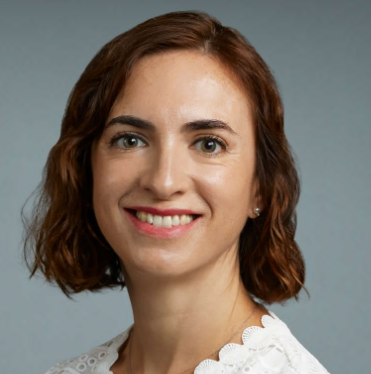 Magdalena Cerdá合作论文数Division of Epidemiology, Department of Population Health, Grossman School of Medicine, New York University5Geoffrey Morgan合作论文数School of Public Health, Faculty of Medicine and Health, The University of Sydney5
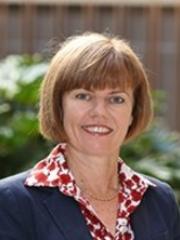 Karen Hughes合作论文数School of Business, Faculty of Business, Economics and Law, The University of Queensland5
 Philip Morgan合作论文数Division of Pharmacy and Optometry, The University of Manchester5
 Andrew G Rundle合作论文数Department of Epidemiology, Mailman School of Public Health, Columbia University;New York Academy of Medicine5
 Berrut Gilles合作论文数5Sladden T J合作论文数5Einfeld S L合作论文数5
 Joshi Spruha合作论文数Mailman School of Public Health, Columbia University5
 Michael Dudley合作论文数5
 Martin Prince合作论文数Epidemiological Psychiatry, Health Service and Population Research Department, King's College London5g hull合作论文数4Y. Rolland合作论文数4Angelita M. Del Mundo合作论文数4Richard Buss合作论文数4Douglas Lincoln合作论文数4
 Brian Kelly合作论文数4Beth Newman合作论文数4
 David Lyle合作论文数School of Medicine, Faculty of Medicine and Health, The University of Sydney4




