Objective. The goal of the current study was to determine how much women with ovarian cancer know about their cancer and CA125 testing and how much women focus on or are preoccupied with their CA125 levels. We also examined the direct and moderating effects of knowledge and CA125 preoccupation on two measures of distress (depressive symptoms and anxiety). Methods. Participants were 126 women with epithelial ovarian cancer. Patients completed questionnaires of knowledge, CA125 preoccupation, and distress at the beginning of the first or a new round of chemotherapy. Results. Both knowledge and preoccupation with CA125 levels were associated with depressive and anxiety symptoms. More importantly, knowledge appeared to moderate the association between CA125 preoccupation and depressive symptoms. That is, for patients with lower levels of knowledge, more CA125 preoccupation was associated with more depressive symptoms. However, there was no such association in women with higher levels of knowledge. Conclusion. Our results suggest that it may be possible to decrease depressive symptoms in women who are overly preoccupied or worried about their CA125 levels by improving their knowledge of aspects of their disease and the surveillance process.
Approximately 80% of human ovarian and endometrial cancers and 50% of breast cancers express GnRH and its receptor as part of an autocrine regulatory system. After binding of its ligand the tumor GnRH receptor couples to G-protein alphai and activates a variety of intracellular signaling mechanisms. (1) Through activation of a protein tyrosine phosphatase, autophosphorylation of growth factor receptors is reverted leading to an inhibition of mitogenic signaling and reduced cell proliferation. (2) Through activation of nuclear factor kappa B antiapoptotic mechanisms are induced protecting tumor cells from apoptosis induced, for example, by doxorubicin. (3) Through activation of the Jun kinase pathway AP-1 is induced, leading to cell cycle arrest in the G0/G1 phase. It seems reasonable to speculate that this system enables the tumor cell to reduce proliferation and to activate repair mechanisms while being protected simultaneously from apoptosis. Interestingly, GnRH antagonists show the same activity in this system as agonists, indicating that the dichotomy GnRH agonist-GnRH antagonist defined in the pituitary gonadotrope is not valid for the tumor GnRH system. Recently, a second type of GnRH receptor, specific for GnRH-II, has been identified in ovarian and endometrial cancers, which transmits significantly stronger antiproliferative effects than the GnRH-I receptor. GnRH antagonists have agonistic effects on this type II receptor. In animal models of human cancers, GnRH antagonists had stronger antitumor effects than GnRH agonists. Therefore, we performed a phase II clinical trial with the GnRH antagonist, cetrorelix (10 mg/day), in patients with ovarian or mullerian carcinoma refractory to platinum chemotherapy. Of 17 evaluable patients treated with cetrorelix, 3 obtained a partial remission (18%) which lasted for 2 to 6 months. Furthermore, 6 patients experienced disease stabilization (35%) for up to 1 year. In this very refractory patient population (median number of prior chemotherapies = 3) these results are quite remarkable when compared with palliative chemotherapy. In addition, cytotoxic GnRH analogs have been developed, where for example doxorubicin was covalently coupled to GnRH analogs. These compounds have superior antitumor effects in cancers expressing GnRH receptors as compared with native doxorubicin and allow for a targeted cytotoxic chemotherapy of gynecologic and breast cancers.
OBJECTIVE:The goal of this work was to study the anticancer activity of cetrorelix, a decapeptide with LHRH receptor antagonist properties in patients with platinum-resistant ovarian cancer. About 80% of primary ovarian cancers and cell lines bear LHRH receptors. Cetrorelix has anticancer activity in in vitro and in vivo ovarian cancer models. METHODS:Eligible patients with ovarian or mullerian carcinoma resistant to platinum chemotherapy received cetrorelix 10 mg subcutaneously every day. Eligibility criteria included age > or = 18, PS < or = 2, measurable disease, chemistries and blood counts in normal range, no estrogen replacement for at least 2 weeks, and no known allergic reactions to extrinsic peptide. In patients volunteering for a biopsy, tissue was taken to perform a LHRH receptor assay. RESULTS:Seventeen patients were treated. Median age was 58 years. Median performance status was 0. Median number of prior chemotherapies was 3. Three patients had partial remissions lasting 9, 16, and 17 weeks. Toxicities effects included grade 4 anaphylactoid reaction (one patient) controlled by cortisol and cimetidine, grade 2 histamine reaction (two patients), grade 2 arthralgia (one patient) 20% cholesterol increase (two patients, who did not require specific treatment), minor hot flushes, headache, and local skin reaction at the injection site. Six of seven samples were LHRH receptor positive for mRNA and/or ligand assay. Two responding patients were LHRH receptor positive. The patient who had no receptor did not respond. CONCLUSION:Cetrorelix has activity against ovarian cancer in this refractory population, and has minimal toxicity, except for potential anaphylactoid reactions. Activity may be mediated through the LHRH receptor.
Sarcomas arising in the gynecologic pelvic organs encompass different diseases with very different prognoses. This review attempts to define the best therapies for advanced sarcomas, based on the current pathologic and experimental knowledge described in the literature.Presented at the Workshop on Uterine Sarcomas at the Eighth Meeting of the International Gynecologic Cancer Society, October 26, 2000, Buenos Aires, Argentina.
Most patients relapse after high-dose chemotherapy (HDCT) with autologous stem-cell transplantation (ASCT) for metastatic breast cancer. Further chemotherapy immediately after hematopoietic recovery from ASCT is not given for fear of irreversibly damaging the newly engrafted stem cells. In a pilot chemoprotection trial, autologous CD34+ cells from patients with metastatic breast cancer were exposed to a replication-incompetent retroviral vector carrying MDR-1 cDNA and then reinfused after HDCT. Immediately on recovery, patients received multiple courses of escalating dose paclitaxel. All of the 10 patients tolerated reinfusion of modified cells without any toxicity and had myeloid engraftment within 12 days (range, 11-14). The bone marrow cells of three patients contained vector MDR-1-positive cells only at the time of the first course of posttransplant paclitaxel, indicating that the MDR-1 vector-modified cells had only short-term engrafting potential. A total of 83 courses of paclitaxel were administered starting at a median of 30 (range, 21-32) days from ASCT. The median dose of paclitaxel was 225 mg/m2 and the median interval between paclitaxel cycles of therapy was 21 (range, 20-41) days. Five of the six CR patients were able to receive all of the 12 courses of paclitaxel. Three patients who had achieved less than a complete response to the HDCT (2 patients) and partial response (1 patient) were converted to complete clinical responses during the 12 cycles of paclitaxel. No delayed toxicity or bone marrow failure was noted in these patients with a median follow-up of 2 years from ASCT. This is the first study of chemotherapy immediately after transplantation with autologous CD34+ cells. These data indicate that paclitaxel can be safely administered immediately after ASCT without any delayed toxicities. Paclitaxel given immediately after ASCT can further improve the response to pretransplant chemotherapy in patients with advanced breast cancer.
To formally test the hypothesis that the granulocyte/macrophage colony-forming unit (GM-CFU) cells can contribute to early hematopoietic reconstitution immediately after transplant, the frequency of genetically modified GM-CFU after retroviral vector transduction was measured by a quantitative in situ polymerase chain reaction (PCR), which is specific for the multidrug resistance-1 (MDR-1) vector, and by a quantitative GM-CFU methylcellulose plating assay. The results of this analysis showed no difference between the transduction frequency in the products of two different transduction protocols: "suspension transduction" and "stromal growth factor transduction." However, when an analysis of the frequency of cells positive for the retroviral MDR-1 vector posttransplantation was carried out, 0 of 10 patients transplanted with cells transduced by the suspension method were positive for the vector MDR-1 posttransplant, whereas 5 of 8 patients transplanted with the cells transduced by the stromal growth factor method were positive for the MDR-1 vector transcription unit by in situ or in solution PCR assay (a difference that is significant at the P = 0.0065 level by the Fisher exact test). These data suggest that only very small subsets of the GM-CFU fraction of myeloid cells, if any, contribute to the repopulation of the hematopoietic tissues that occurs following intensive systemic therapy and transplantation of autologous hematopoietic cells.
PURPOSE To determine the activity of carboplatin in patients with ovarian cancer who progressed on taxane (paclitaxel or docetaxel) therapy. PATIENTS AND METHODS Thirty-three patients with ovarian cancers refractory to platinum and taxane therapy were treated with single-agent carboplatin reinduction once the disease progressed on a taxane. The starting dose of carboplatin was 300 mg/m2 at 28-day intervals. RESULTS Patients were a median age of 56 years (range, 31 to 80), had a median Zubrod performance status of 1 (range, 0 to 2) and had received a median of three prior chemotherapy regimens (range, two to eight) and one pretaxane platinum regimen (range, one to three). Twenty-six patients had a platinum-free interval of at least 12 months at the time of posttaxane re-treatment with carboplatin. There were seven of 33 (21%) partial responses, with a median duration of 7+ months (range, 2+ to 12+). Responses were noted only in patients with at least a 12-month platinum-free interval and an initial sensitivity to a taxane. The therapy was well tolerated and neurotoxicity was absent. CONCLUSION A subset of patients with platinum-refractory disease that initially responded to a taxane and who eventually have a platinum-free interval of at least 1 year may respond to carboplatin reinduction. This finding may be secondary to paclitaxel or docetaxel therapy that leads to the reversal of platinum resistance, or the prolonged platinum-free interval permits the loss of resistance to platinum by the tumor. Carboplatin reinduction should be considered in the treatment of patients whose ovarian cancer progresses after an initial sensitivity to a taxane and who had a prolonged platinum-free interval.
 A Kudelka合作论文数11D Ellerson合作论文数5Zu Z合作论文数5Claire F. Verschraegen合作论文数5T Holzmayer合作论文数4F HOLMES合作论文数4shelly heimfeld合作论文数4D Claxton合作论文数4Z Rahman合作论文数4Mechetner E合作论文数4
 Richard J. Cote合作论文数Division of Anatomic & Molecular Pathology, Department of Pathology & Immunology, School of Medicine, Washington University in St. Louis;Barnes-Jewish Hospital4
 Gabriel N. Hortobagyi合作论文数Department of Breast Medical Oncology, Division of Cancer Medicine, The University of Texas MD Anderson Cancer Center4Ronald J. Berenson合作论文数4Richard E Champlin合作论文数4C Bachier合作论文数3RE Giles合作论文数3Ab Deisseroth合作论文数3EG HANANIA合作论文数UNIV TEXAS,MD ANDERSON CANC CTR,DEPT HEMATOL,HOUSTON,TX 770253C Edwards合作论文数3Y Su合作论文数3T Wang合作论文数3
 Michael Andreeff合作论文数Department of Leukemia, Division of Cancer Medicine, The University of Texas MD Anderson Cancer Center;Bone Marrow Aspiration Clinic, Department of Hematology, The University of Texas MD Anderson Cancer Center3M Hord合作论文数2E Hanania合作论文数2R Mante合作论文数2Jm Ostrove合作论文数2Sq Fu合作论文数2R Freedman合作论文数2J Hester合作论文数2J Hamer合作论文数2L Calvert合作论文数2D Seong合作论文数2R Mehra合作论文数2
 Barbara Burtness合作论文数Department of Internal Medicine,Yale School of Medicine, Yale University;Yale Cancer Center, Yale School of Medicine, Yale University2
 Günter Emons合作论文数Georg-August-Universität Göttingen2R Giles合作论文数2
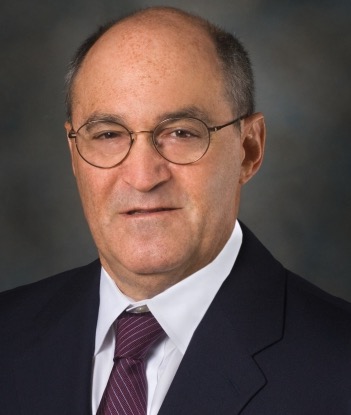 Peter F. Thall合作论文数Department of Biostatistics, The University of Texas MD Anderson Cancer Center2A Chang合作论文数2Silke Westphalen合作论文数2Martin Korbling合作论文数2D Geisler合作论文数1Peter Völker合作论文数1W Scott合作论文数1Cl Edwards合作论文数1PA Parker合作论文数1Michael W. Bevers合作论文数1D Przepiorka合作论文数1B TOMASOVIC合作论文数1




