Primary treatment of multiple myeloma (MM) often involves systemic induction therapy (SIT) followed by autologous stem cell transplantation (ASCT). Radiation therapy (RT) is sometimes used for palliation; however, many practitioners avoid RT out of concern that future peripheral blood progenitor cell (PBPC) collection required for ASCT may be compromised. In this study, we retrospectively examined the possible effect of RT on PBPC collection. We reviewed the charts of 732 patients with MM treated with RT at our institution from 1999 to 2017, including patients who received RT prior to PBPC collection for planned ASCT. RT plans (both MM and non-MM RT) were reviewed to estimate the percentage of bone marrow (BM) treated using published estimates of skeletal BM distribution. Statistics were performed using Pearson correlation and the t-test. The 732 MM patients included 485 planned for ASCT; of these, 223 received RT prior to PBPC collection and were included in the final cohort. The median age at PBPC collection was 59 years (range, 33 to 80 years). For SIT, patients received combination regimens including the following agents: bortezomib (142 patients; 64%), lenalidomide (111 patients; 50%), and alkylators (46 patients; 21%). Nine patients (4%) received dexamethasone alone. The median cumulative %BM treated per patient was 6.7 (range .0 to 47.4). The median RT dose was 24 Gy (range, 10.0 to 75.6 Gy). Mobilization was performed using granulocyte-colony stimulating factor (G-CSF) alone (189 patients; 85%), G-CSF with plerixafor (15 patients; 7%), or chemotherapy (19 patients; 9%). A median of 7.8 x 10(6) CD34(+)/kg PBPCs (range, .5 to 54.8x 10(6) CD34(+)/kg) were collected in a median of 3 (range, 1 to 9) apheresis procedures. One hundred ninety-six patients (99%) collected >= 2.0 x 10(6) CD34(+)/kg PBPCs, and 166 (83%) collected >5.0 x 10(6) CD34(+)/kg PBPCs. The number of PBPCs collected was not associated with %BM treated (P = .15) or RT dose (P = .56). The number of apheresis procedures performed was not associated with %BM treated (P = .54) or RT dose (P = .85). The amount of PBPCs collected did not differ significantly between patients receiving RT to the pelvis/sacrum (P = .20) and those receiving RT to the spine (P = .13). The time to platelet engraftment was longer for patients with higher %BM treated (P = .02). Eleven patients did not undergo a confirmed ASCT, owing to patient preference (3 patients), trial therapy (1 patient), comorbidities (1 patient), election for hospice (1 patient), inadequate collection (4 patients), or inadequate follow-up (1 patient). In our study cohort, RT prior to ASCT did not impair successful ASCT. RT must be carefully planned and delivered to ensure safe incorporation into pre-ASCT treatment regimens. (c) 2022 The American Society for Transplantation and Cellular Therapy. Published by Elsevier Inc. All rights reserved.
Chronic myelogenous leukemia (CML) is a disease that starts as an indolent non-life-threatening disorder, and evolves into a fulminant acute leukemic transformation following acquisition of somatic mutations which complement the Philadelphia chromosome (Ph) translocation. 1 Alpha-interferon has been shown to delay the onset of the blastic phase of this disease in 25% of individuals, 2 and allogeneic bone marrow transplantation is a curative therapeutic intervention which is applicable in an additional 25% of individuals. 3 Intensive systemic therapy followed by hematopoietic reconstitution with autologous cells has been used in this disease to provide a therapeutic option for individuals with CML who are not eligible for alpha-interferon or allogeneic bone marrow transplantation. This depends on collection of autologous bone marrow are peripheral blood cells early in the recovery from myelosuppression induced by conventional dose chemotherapy, as developed by Carella and his coworkers. 4 We have reproduced his findings in that we have found that diploid preparations of peripheral blood cells can be collected from 25–40% individuals so treated. The results of autologous bone marrow transplants, using autologous cells collected early in the phase of hematopoietic recovery from the myelosuppression induced by conventional dose chemotherapy, has suggested that the relapse that occurs following this procedure arises in part from leukemic cells present in the infused cells. 6 The use of retroviral 66marking to tag the infused cells in the autologous transplant has also suggested that leukemic cells in the transplant are also responsible for relapse. 7 In this review, we will summarize the data that have led to these conclusions.
Background:Large randomized trials have shown that maintenance therapy after autologous hematopoietic cell transplantation (auto‐HCT) is associated with longer progression‐free survival (PFS) in myeloma patients. In this setting, lenalidomide, an immunomodulatory drug (IMiD), is most commonly used, however, proteasome inhibitors (PI) are also frequently used, especially in patients with high‐risk cytogenetic abnormalitiesAims:We aimed to analyse if IMiDs, PIs, or a combination of IMiD and PI offers the best maintenance approach after auto‐HCT.Methods:In this retrospective analysis, we included all myeloma patients who received an upfront auto‐HCT between January 1, 2007 and December 31, 2015, followed by maintenance therapy at MD Anderson Cancer CenterResults:Seven hundred and fifty patients, 57% males, median age at transplant 60.8 year (range: 32–80) were identified. ISS stage at diagnosis was; stage I in 273 (44%), stage II in 186 (30%), and stage III in 164 (26%) patients. The cytogenetic risk was standard in 586 (79%) patients, and high‐risk in 153 (21%) patients. Eighty‐two percent of patients had IMiD only, 8% had PI only, and 9% had both IMiD plus PI for maintenance. Median duration of maintenance was 18.5 months (0.1–94). Thirty‐eight percent of patients stopped maintenance due to disease progression,18 % due to toxicity, while 29% were still receiving maintenance at the time of analysis.The most frequent grade III‐IV toxicity was infection (41 %). Second malignancies were detected in 33 (4%) of patients, myelodysplastic syndrome being the most common (1%).Median PFS from auto‐HCT was 40.3 months. PFS in patients receiving IMiD, PI, or IMiD plus PI was 20%, 50%, and 57%, respectively (p‐value<0.001)(Figure 1). Shorter PFS was observed in patients who received PI only maintenance therapy, had ISS stages II or III, high‐risk cytogenetics, and had high bone marrow plasma cell percentage. Patients with longer duration of maintenance therapy experienced lower risk of progression/death. Duration of maintenance therapy (> 3 years vs. ≤ 3 years) was independently associated with PFS with HR (95% CI) 0.42 (0.24, 0.76) and p‐value 0.004. Median OS from auto‐HCT was 88.9 month and from initiation of maintenance therapy was 78.3 months. Overall survival (OS) at 3 years was significantly better in combined approach 80% and IMID only 84% versus PI only 73% (p‐value 0.018). Shorter OS was seen for patients receiving PI only maintenance therapy, ISS stages II or III disease, and patients with high‐risk cytogenetics. Patients who received 3 years of maintenance therapy experienced decreased risk of death compared with patients with ≤ 3 years of treatment. Adjusting for all significant measures, cytogenetic risk and duration of maintenance therapy (> 3 years vs. ≤ 3 years) remained significantly associated with OS.Summary/Conclusion:maintenance had proven its efficacy in controlling myeloma with increased PFS and improved OS. The type of maintenance used although did not reach statistical significance but combing P.I and IMID shows promise, keeping patients on maintenance for more than 3 years had a significant advantage in PFS and OS and should be exploited in future randomized controlled trials.image
Background:Allogeneic SCT is curative for pts with relapsed FL. This procedure, however, is not feasible for a substantial # of pts. As an alternative, we evaluated the role of ASCT with addition of rituximab (R) to BEAM (carmustine, etoposide, cytarabine, and melphalan) conditioning, an approach that has been shown to improve survival in pts with relapsed aggressive lymphoma receiving ASCT (Khouri IF, Clin Cancer Res 2018; 24:2304–11).Aims:Herein we report on long‐term outcomes in 96 pts with relapsed FL treated with R‐BEAM between 2000‐2017.Methods:Pts were enrolled if they had no HLA‐matched donors or were not approved by their financial carrier to receive an allogeneic SCT. Pts received two doses of rituximab (375 mg/m2 and then 375–1000 mg/m2 one week later) during mobilization of stem cells, followed by two additional doses of 375–1000 mg/m2on days +1 and +8 after ASCT with BEAM conditioning.Results:Median age was 55.7 years and 32 pts (33%) were >60 years. Thirty‐seven pts (39%) had a HCT‐CI of ≥ 3. The median prior number of treatments was 2 (range, 1–9); 66 pts (69%) had rituximab‐chemo induction at diagnosis. Sixty‐one pts (64%) relapsed within 2 years of their induction treatment and median duration of last remission prior to ASCT was ≤ 2 years in 75% of pts. Median time from diagnosis to transplant was 38.5 months. Fifty‐six (57%) pts received ASCT in first relapse. At transplant, 49 pts (51%) were in CR, 43 (45%) in PR and 4 (4%) had low volume stable disease. No pts had evidence of bone marrow involvement at SCT. Most pts (85%) received high‐dose R with the BEAM. The median number of CD34+ cells infused was 5.8 (range, 1.8–21.7) x 106/kg. With a median follow‐up for all pts of 94.1 months (range, 1.2–206.6 months), the overall survival (OS) and progression‐free‐survival (PFS) rates at 8‐years were 70% and 46%, respectively. Patient demographic data, disease characteristics, type of induction chemo and time of first or last relapse, as well as year‐and transplant characteristics and their correlation with outcomes were evaluated. Pts aged ≤ 60 years experienced significantly better OS compared with those > 60 years of age (Figure). By multivariable analysis, age ≤ 60 years [HR 0.41 (0.20, 0.86); p = 0.018] and higher dose of CD34+ cells infused [HR 0.86 (0.74, 1.00); p = 0.05] were associated with better OS and a trend for a better PFS. The 8‐year cumulative incidence of secondary MDS/AML was 8%. At the time of this analysis, 33 pts died due to disease progression (n = 15), secondary cancer (n = 10; 4 of these also had progressive lymphoma), infection (n = 4), or unknown causes (n = 4).Summary/Conclusion:These results demonstrate long‐term survival in younger pts with relapsed chemosensitive FL who received R‐BEAM followed by ASCT. Comparative analysis of this strategy to novel targeted small molecules inhibitors without ASCT is warranted.image
Background: Blastic plasmacytoid dendritic cell neoplasm (BPDCN) is a rare, aggressive hematologic malignancy arising from plasmacytoid dendritic cells. It commonly presents as skin lesions with or without bone marrow and soft tissue involvement. Limited retrospective data have shown durable remissions after both autologous (auto) or allogeneic (allo) hematopoietic cell transplantation (HCT). Aims: To evaluate progression-free survival (PFS) and overall survival (OS) after and auto or allo-HCT. Methods: In this retrospective single-center analysis, we evaluated the outcomes of BPDCN patients who received either an auto- or allo-HCT between September 2000 and January 2019 at our institution. Results: We identified 24 consecutive patients who received an auto-HCT (n = 10) or allo-HCT (n = 14) for BPDCN. Skin involvement, with or without other organs, was seen in 16 (67%), BM involvement, with or without soft tissue, in 5 (21%), and other organs in 3 (13%) patients. Patient characteristics are summarized in the attached table. In general, we used auto-HCT for older patients and those with skin-only involvement. Median age at HCT was 52 (range: 18–79) years for all patients. Median (range) follow up in auto-HCT and allo-HCT patients was 6.2 (0.2–37.6) and 8.4 (1.1–76.1) months, respectively (p = 0.52). One-hundred day and 1-year non-relapse mortality (NRM) in auto-HCT was 21% and 35%, and in allo-HCT was 7% and 32%, respectively (p = 0.58). Two of the 14 (14%) allo patients and 2 of the 10 (20%) auto patients progressed after HCT (p = 1.00). Two-year PFS was 28% (4%, 60%) and 47% (95% confidence interval = 17%, 73%) in auto and allo-HCT, respectively (p = 0.34). Two-year OS was 26% (4%, 57%) and 56% (24%, 80%) in auto and allo-HCT, respectively (p = 0.33). In patients transplanted <2015 vs. ≥ 2015, 2-year PFS was 13% vs. 54% (p = 0.009) and 2 year OS was 13% and 68% (p = 0.017).Summary/Conclusion: These results demonstrate the efficacy of both auto and allo-HCT in BPDCN, with a significant improvement in the outcome since 2015. Prospective studies are needed to better define the role of HCT in BPDCN.
Background: Patients with acute myeloid leukemia (AML) with minimal residual disease (MRD) and not in complete remission (CR) have inferior outcomes after HLA‐matched allogeneic stem cell transplantation (SCT). Haploidentical SCT (HSCT) is being increasingly used worldwide as an alternative donor source for patients who lack an HLA matched donor. The impact of MRD and disease status at transplant on HSCT outcomes for patients with AML are unknown. Aims: To determine the impact of pre‐transplant disease status on AML outcomes after HSCT. Methods: All consecutive patients with AML who underwent HSCT with post‐transplantation cyclophosphamide (PTCy)‐based graft‐versus‐host‐disease (GVHD) prophylaxis between 02/2009–10/2018 were included. MRD status was measured using flow cytometry and/or presence of cytogenetic/molecular abnormalities at time of SCT. Primary endpoints: progression‐free survival (PFS) and overall survival (OS). Secondary endpoints: cumulative incidence of relapse (CIR) and nonrelapse mortality (NRM). Kaplan‐Meier estimates, Cox proportional hazards and competing risks regression were used. Results: A total of 143 patients with a median age of 52 (18–72) were identified. Patients received conditioning with fludarabine 160 mg/m2, melphalan 100 or 140 mg/m2 and 2GyTBI, as previously described by our group (Gaballa S. Cancer. 2016). With a median follow up of 29 months, the median PFS and OS of all patients were 10 and 18 months, respectively. The 2‐year PFS and OS were 41% and 47%, respectively. Compared to patients in CR at transplant, those with active disease (n = 29) and CR with incomplete count recovery/hyoplastic marrow [CRi] (n = 39) have worse 2‐year PFS hazard ratios (HR) of 3.5 (95% CI: 2.05–6.1; p < 0.001) and 2.3 (95% CI: 1.3–3.9; p = 0.002), respectively ( Figure ). Likewise, patients with active disease (HR 3.7, 95% CI: 2.1–6.6; p < 0.001) and CRi (HR 2.1, 95% CI: 1.2–3.8; p = 0.01) had inferior 2‐year OS. Patients with active disease and CRi at transplant have statistically significant worse CIR, but comparable NRM compared to patients in CR. The median PFS and OS for patients in CR at transplant were not reached, compared to 4.3 and 6.5 months, respectively, for those with active disease and 7.1 and 10.3 months, respectively, for those with CRi. When we subgrouped patients in CR by MRD status at transplant, there was no statistically significant differences between MRD+ve (n = 24) and MRD–ve (n = 41) in both 2‐year PFS (HR 1.85, 95% CI: 0.9–4.0; p = 0.1) and OS (HR 2.1, 95% CI: 0.9–4.8; p = 0.08). In multivariable analysis, only age was predictive for outcomes ( Figure ). For ≤50 years, MRD status has no influence on outcomes with 2‐year PFS and OS of 65% and 76% and 2‐year OS of 89% and 76% for those with MRD+ve and MRD–ve, respectively (p = NS). Patients older than 50 year and with MRD+ve disease had the worst outcomes with 2‐year PFS and OS of 29% (p = 0.005) and 26% (p = 0.002), respectively. Summary/Conclusion: Our findings suggest that patients with MRD+ve have excellent outcomes with HSCT and melphalan‐based conditioning with PTCy‐based GVHD prophylaxis, especially in younger patients. Proceeding to a HSCT in patients with MRD+ve disease does not appear to compromise transplant outcomes and are better than reported outcomes with HLA matched donor transplants. Haploidentical grafts might be a preferred donor source for MRD+ve AML patients who frequently may need to proceed urgently to transplant. image
Chimeric antigen receptors (CARs) have been used to redirect the specificity of autologous T cells against leukemia and lymphoma with promising clinical results. Extending this approach to allogeneic T cells is problematic as they carry a significant risk of graft-versus-host disease (GVHD). Natural killer (NK) cells are highly cytotoxic effectors, killing their targets in a non-antigen-specific manner without causing GVHD. Cord blood (CB) offers an attractive, allogeneic, off-the-self source of NK cells for immunotherapy. We transduced CB-derived NK cells with a retroviral vector incorporating the genes for CAR-CD19, IL-15 and inducible caspase-9-based suicide gene (iC9), and demonstrated efficient killing of CD19-expressing cell lines and primary leukemia cells in vitro, with marked prolongation of survival in a xenograft Raji lymphoma murine model. Interleukin-15 (IL-15) production by the transduced CB-NK cells critically improved their function. Moreover, iC9/CAR.19/IL-15 CB-NK cells were readily eliminated upon pharmacologic activation of the iC9 suicide gene. In conclusion, we have developed a novel approach to immunotherapy using engineered CB-derived NK cells, which are easy to produce, exhibit striking efficacy and incorporate safety measures to limit toxicity. This approach should greatly improve the logistics of delivering this therapy to large numbers of patients, a major limitation to current CAR-T-cell therapies.
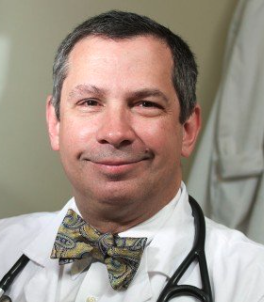 Sergio A. Giralt合作论文数Division of Hematologic Malignancies, Memorial Sloan Kettering Cancer Center;Weill Cornell Medical College, Memorial Sloan Kettering Cancer Center195
 Issa F Khouri合作论文数126Martin Korbling合作论文数107J Gajewski合作论文数106D Przepiorka合作论文数103P Anderlini合作论文数97B Andersson合作论文数89R Mehra合作论文数64M de Lima合作论文数59M Donato合作论文数59
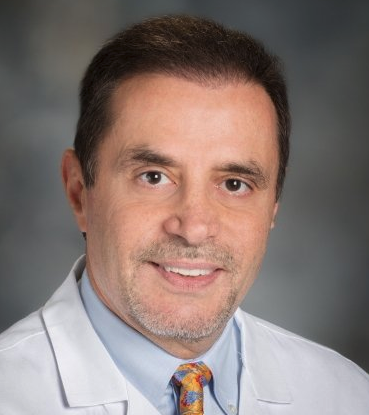 Hagop M. Kantarjian合作论文数Department of Leukemia, Division of Cancer Medicine, The University of Texas MD Anderson Cancer Center51
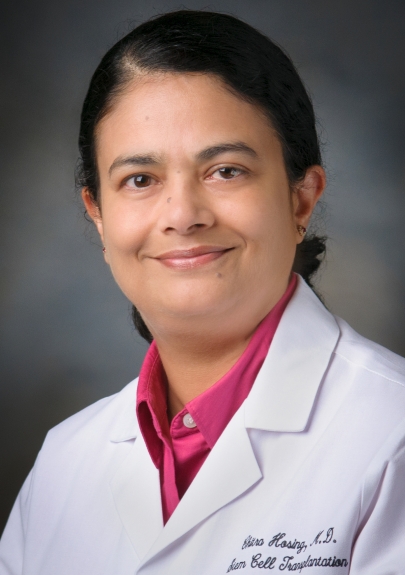 Chitra Hosing合作论文数Department of Stem Cell Transplantation and Cellular Therapy, Division of Cancer Medicine, The University of Texas MD Anderson Cancer Center49D Claxton合作论文数45C Ippoliti合作论文数43K Vanbesien合作论文数38G Rondon合作论文数38R Saliba合作论文数35
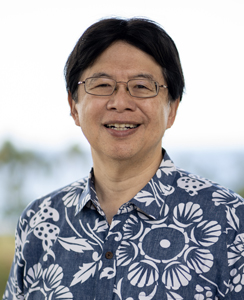 Naoto T. Ueno合作论文数Department of Medicine, John A. Burns School of Medicine, University of Hawaiʻi Cancer Center34Uday Popat合作论文数32
 Elizabeth J. Shpall合作论文数Department of Stem Cell Transplantation and Cellular Therapy, Division of Cancer Medicine, The University of Texas MD Anderson Cancer Center30D Couriel合作论文数29
 Robert Peter Gale合作论文数Centre for Haematology, Department of Immunology and Inflammation, Imperial College London;Division of Experimental Medicine, Imperial College London28
 Moshe Talpaz合作论文数Division of Hematology Oncology, Department of Internal Medicine, University of Michigan27D Seong合作论文数26Kebriaei Partow合作论文数26R Alexanian合作论文数25Muzaffar H Qazilbash合作论文数24N Mirza合作论文数23A. Alousi合作论文数22
 Issa F. Khouri合作论文数Department of Stem Cell Transplantation and Cellular Therapy, Division of Cancer Medicine, The University of Texas MD Anderson Cancer Center21Ab Deisseroth合作论文数20A Deisseroth合作论文数19
 Koen Van Besien合作论文数Joan and Sanford I. Weill Department of Medicine, Weill Cornell Medicine, Cornell University19
 Fernando Cabanillas Escalona合作论文数Internal Medicine Department, School of Medicine, University of Puerto Rico;Centro de Cancer Auxilio Mutuo, Hospital Español Auxilio Mutuo de Puerto Rico19M Shahjahan合作论文数18I Braunschweig合作论文数18
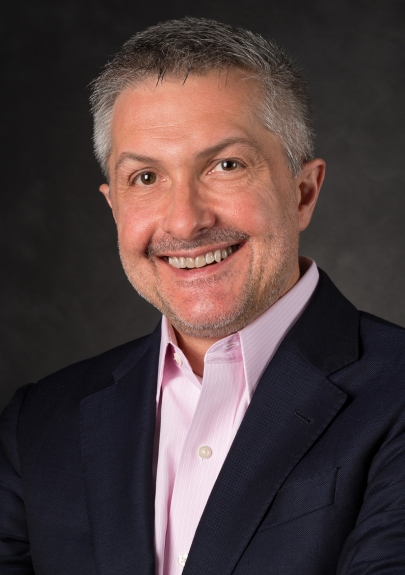 Jeffrey Joel Molldrem合作论文数Department of Hematopoietic Biology and Malignancy, Division of Cancer Medicine, The University of Texas MD Anderson Cancer Center;Graduate School of Biomedical Sciences, The University of Texas MD Anderson Cancer Center17J Lauppe合作论文数17A Cohen合作论文数16F Hagemeister合作论文数16D Weber合作论文数16Karen Cleary合作论文数16Jorge Romaguera合作论文数15April G Durett合作论文数15John D Mcmannis合作论文数15
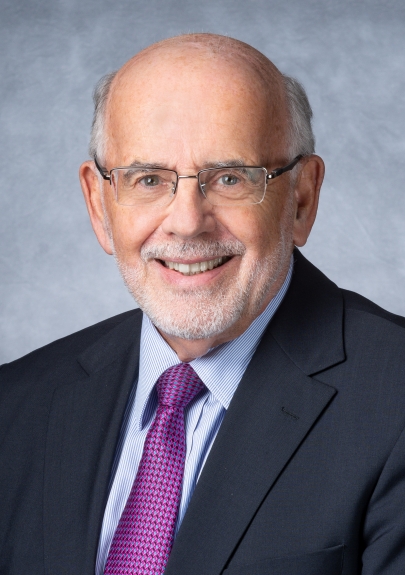 Michael Andreeff合作论文数Department of Leukemia, Division of Cancer Medicine, The University of Texas MD Anderson Cancer Center;Bone Marrow Aspiration Clinic, Department of Hematology, The University of Texas MD Anderson Cancer Center15Shubhra Ghosh合作论文数14
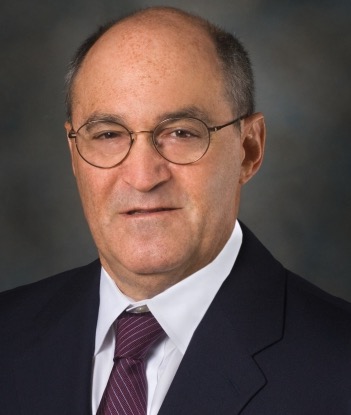 Peter F. Thall合作论文数Department of Biostatistics, The University of Texas MD Anderson Cancer Center14Rm Saliba合作论文数13




