The 2024 Annual Congress of the International Liver Transplantation Society (ILTS) was from May 1–4 in Houston, Texas, USA, under the theme “Liver Disease and Transplantation: Breaking Barriers and Exploring New Frontiers.” In addition to a robust scientific program, the congress also hosted a hands-on cadaveric robotic liver surgery course, a machine perfusion workshop, and a transesophageal echocardiography course. In this report, the ILTS Vanguard and Basic Sciences Committees present a summary of the congress proceedings.
BACKGROUND:The introduction of normothermic machine perfusion (NMP) offers new opportunities to evaluate liver graft viability before liver transplantation (LT). Under ischemic stress, multidrug resistance-associated protein 2 (MRP2) translocates from the hepatocyte membrane to the cytoplasm, resulting in loss of function. METHODS:We measured the cytoplasmic proportion of MRP2 (MRP2 internalization index, MII) by immunofluorescence colocalization analysis using CD13 as a canalicular membrane marker. RESULTS:The data showed that MII significantly correlated with ischemia time in both in situ ischemia-reperfusion injury and NMP rat models (R 2 = 0.331, P < 0.0001; R 2 = 0.632, P < 0.0001, respectively). Perfusate levels of liver injury markers at the end of NMP showed a significant positive correlation with MII for aspartate aminotransferase (R² = 0.444, P = 0.0013) and arginase 1 (R² = 0.637, P < 0.0001). Conversely, bile production exhibited a significant inverse correlation with MII (R² = 0.618, P < 0.0001). The maximum transport rate of MRP2 ( Vmax,MRP2 ), derived from kinetic modeling of sodium fluorescein biliary excretion, showed a significant inverse correlation with ischemia time (R 2 = 0.326, P = 0.0086) and MII (R 2 = 0.554, P = 0.0002). In human LT, MII values from donor liver biopsies preLT correlated significantly with peak postLT serum aminotransferase levels (R 2 = 0.398, P = 0.0007). CONCLUSIONS:MRP2 is a putative biomarker for the assessment of hepatic ischemia-reperfusion injury. The biliary excretion kinetics of sodium fluorescein reflects MRP2-mediated transport activity, providing a novel diagnostic method for predicting liver graft viability after LT.
Rationale: Identifying and investigating sex differences in physiological phenomena and understanding the underlying regulatory mechanisms is crucial for precision medicine. Oxidative stress is implicated in various diseases, including ischemia-reperfusion injury (IRI) with liver transplantation. Understanding sex-specific and substrate-dependent mitochondrial bioenergetics and H 2 O 2 emission in the liver is important for developing mechanism-based therapeutic strategies to mitigate IRI in liver transplantation. The aim of this study was therefore to investigate sex-specific and substrate-dependent changes in mitochondrial respiration (oxygen consumption rate; OCR), membrane potential (dPsi), and H 2 O 2 emission in the liver and their metabolic regulations. Methods: Mitochondria were freshly isolated using differential centrifugation method from adult Sprague-Dawley rat livers (n=5/group; both sexes). To assess the electron transport chain (ETC) and TCA cycle dependencies of liver mitochondria, four different substrate combinations, namely, pyruvate+malate (PM), glutamate+malate (GM), succinate, and succinate in the presence of the complex I inhibitor rotenone (SR) were used. A single saturated dose of ADP was added to mitochondria to determine how different substrates influence mitochondrial OCR and dPsi during oxidative phosphorylation. Mitochondrial OCR and dPsi were measured simultaneously using a dual chamber Oroboros Oxygraph-2k instrument coupled to a fluorometer using the cationic rhodamine dye TMRM. The H 2 O 2 emission was measured spectrofluorometrically using the amplex red and horseradish peroxidase in the respiration buffer, resulting in resorufin fluorescence with the non-H 2 O 2 -mediated resorufin fluorescence inhibited by PMSF (phenylmethylsulfonyl fluoride), a serine protease inhibitor. Results: Male and female liver mitochondria exhibited distinct respiratory patterns in the presence of different substrates. The respiratory rates were higher when GM and succinate were utilized as substrates, whereas the use of PM showed comparatively lower respiration. Interestingly, female mitochondria exhibited significantly higher OCR than male mitochondria irrespective of the substrate utilized. Similar sex-specific and substrate-dependent responses were observed in mitochondrial dPsi and H 2 O 2 emission. PMSF effectively inhibited the non-H 2 O 2 -mediated resorufin fluorescence, implying a potential role of serine proteases in modulating oxidative processes and redox signaling in liver mitochondria. Conclusion: Sex differences were observed when mitochondria were fueled with distinct respiratory substrates that selectively activate specific complexes of the ETC and TCA cycle enzymes. Female liver mitochondria demonstrated greater capacity and efficiency in respiratory function and H 2 O 2 emission, suggesting that sex-specific differences may arise from regulatory pathways associated with respiratory substrate utilization in liver mitochondria. NIH R01 HL151587 and NSF DMS 2153387. This abstract was presented at the American Physiology Summit 2025 and is only available in HTML format. There is no downloadable file or PDF version. The Physiology editorial board was not involved in the peer review process.
Background: Artificial intelligence (AI) has rapidly advanced, significantly impacting medicine. ChatGPT, a new AI model, generates responses based on user input. This study evaluates ChatGPT’s ability to assist with pre- and post-kidney transplantation (KT) patient education. Methods: ChatGPT was queried about KT on 21 February 2023 and 2 March 2023. Questions were categorized into general information for pre-KT patients or donors and post-KT patient instructions. Two experts independently assessed the accuracy of ChatGPT’s responses, and the Flesch–Kincaid readability test was applied to evaluate readability. Results: ChatGPT’s responses to general pre-KT questions were clear, concise, and accurate but occasionally misleading. Post-transplant instructions were generally clear and partially concise but lacked supporting evidence. Instructions for emergency situations post-KT were typically safe and reliable, whereas medication-related directions were often inaccurate and unreliable. The mean Flesch–Kincaid readability score was 30, indicating that ChatGPT’s answers were not easy to understand. Conclusion: This study demonstrates that while ChatGPT can provide clear definitions, explain symptoms, and offer reasonable advice on managing medical situations after KT, it frequently gives misleading answers to scientific inquiries. Transplantation researchers and providers should recognize ChatGPT as a potential information source for patients but exercise caution due to its incomplete accuracy and lack of references.
Objectives: Machine perfusion of liver grafts has gained popularity for its abilities to preserve liver grafts, reduce cold storage damage, and evaluate graft viability before transplant. However, debate persists regarding the optimal solutions, logistics, and biomarkers for assessing graft quality. To shed light on the lengthy debates surrounding the use of machine perfusion in liver graft preservation, this study utilized bibliometric analysis to evaluate the status and development trends of main research areas. Materials and Methods: On December 10th, 2022, we conducted a literature search using the Web of Science database to identify articles related to liver machine perfusion. The search included only original studies and reviews and excluded meeting abstracts, letters, notes, editorials, short surveys, book chapters, and errata. We identified the number of citations and encompassed various aspects, such as annual trends, countries, institutions, authors, journals, and key words. We used VOSviewer version 1.6.18 to generate tables and figures. Results: After manually removing irrelevant papers, we included 264 articles (89 reviews; remaining were original studies). The articles were cited 5743 times, averaging 21.92 per article. We found that the United Kingdom (n = 76) was the country that produced the most articles, followed by the United States (66 articles). Most papers in our search were published in Liver Transplantation (n = 31) and Transplantation (n = 16). Conclusions: Bibliometric analysis provided insights into debates and advancements in liver graft preservation using machine perfusion. The analysis showed leading countries and key research areas in the field. This overview serves as a valuable resource for researchers, offering a foundation for further exploration and guiding future investigations in the field of machine perfusion for liver graft preservation.
Ischemia-reperfusion injury (IRI) is an intrinsic risk associated with liver transplantation. Ex vivo hepatic machine perfusion (MP) is an emerging organ preservation technique that can mitigate IRI, especially in livers subjected to prolonged warm ischemia time (WIT). However, a method to quantify the biological response to WIT during MP has not been established. Previous studies used physiologically based pharmacokinetic (PBPK) modeling to demonstrate that a decrease in hepatic transport and biliary excretion of the tracer molecule sodium fluorescein (SF) could correlate with increasing WIT in situ. Furthermore, these studies proposed intracellular sequestration of the hepatocyte canalicular membrane transporter multidrug resistance-associated protein 2 (MRP2) leading to decreased MRP2 activity (maximal transport velocity; V-max) as the potential mechanism for decreased biliary SF excretion. We adapted an extant PBPK model to account for ex vivo hepatic MP and fit a six-parameter version of this model to control time-course measurements of SF in MP perfusate and bile. We then identified parameters whose values were likely insensitive to changes in WIT and fixed them to generate a reduced model with only three unknown parameters. Finally, we fit the reduced model to each individual biological replicate SF time course with differing WIT, found the mean estimated value for each parameter, and compared them using a one-way ANOVA. We demonstrated that there was a significant decrease in the estimated value of V-max for MRP2 at the 30-min WIT. These studies provide the foundation for future studies investigating real-time assessment of liver viability during ex vivo MP. NEW & NOTEWORTHY We developed a computational model of sodium fluorescein (SF) biliary excretion in ex vivo machine perfusion and used this model to assess changes in model parameters associated with the activity of MRP2, a hepatocyte membrane transporter, in response to increasing warm ischemia time. We found a significant decrease in the parameter value describing MRP2 activity, consistent with a role of decreased MRP2 function in ischemia-reperfusion injury leading to decreased secretion of SF into bile.
Rationale: Ischemia-reperfusion injury (IRI) is inevitable in liver transplantation (LT) which can be mitigated by normothermic machine perfusion (NMP) before LT. The current NMP liver viability criteria for LT mainly rely on bile production and perfusate lactate levels, factors that can also be affected by external variables such as NMP conditions and perfusate additives. Incorporating mitochondrial bioenergetic data could improve the predictive value of current NMP viability criteria for LT. Thus, the goal of this study was to evaluate mitochondrial oxygen consumption rate (OCR), membrane potential (Δψ), and H2O2 oxidant emission in control livers and in livers with IRI and to explore underlying mechanisms responsible for any observed differences. Methods: Healthy control livers and livers exposed to 60 minutes warm ischemia time (WIT) through in situ clamping of the portal vein and hepatic artery followed by 60 minutes reperfusion (IRI) were harvested from adult male Sprague-Dawley rats. Mitochondria from control and IRI livers were isolated using established protocols and assessed for their bioenergetics responses. Three different substrate combinations, namely, pyruvate+malate (PM), glutamate+malate (GM), and succinate were used, followed by addition(s) of ADP and the uncoupler FCCP. Two different ADP addition protocols were designed to determine how different substrates influence mitochondrial OCR, Δψ, and H2O2 emission during oxidative phosphorylation (OxPhos) between control and IRI conditions. In one protocol, a single saturated dose of ADP addition, and in the other, sequentially increasing doses of ADP additions were made following substrate addition. The OCR and Δψ were measured simultaneously using a dual chamber Oroboros Oxygraph-2k Instrument coupled to a fluorometer using the TMRM dye. The H2O2 emission was measured spectrofluorometrically using the amplex red and horseradish peroxidase assay. Results: The measured data show that the kinetics and effciency of OxPhos defining mitochondrial OCR and Δψ responses in the liver are negatively affected by IRI, characterized by enhanced H2O2 emission, in a substrate-dependent manner. Interestingly, the respiratory rates are higher when GM and succinate are utilized as substrates, whereas the use of PM shows comparatively lower respiration in both conditions. Control mitochondria exhibited higher respiratory rates than IRI mitochondria irrespective of the substrate utilized. The ADP-induced state 3 OCR in IRI mitochondria was 50% lower than that in control mitochondria resulting in doubling the duration of state 3 OCR. Similar differences were observed in Δψ for both ADP addition protocols. Compromised mitochondrial bioenergetics during IRI was observed using both single and sequentially increasing doses of ADP and was concomitant with a higher rate of H2O2 emission. Conclusion: This study provided novel quantitative data demonstrating the substrate specific changes in mitochondrial bioenergetics in hepatic IRI, which can be used to improve the NMP viability criteria for LT. The obtained bioenergetics and H2O2 emission data indicate that, during IRI, mitochondrial function is highly affected which may critically impact energy dependent metabolism and lactate/pyruvate ratio. NIH R01-HL151587. This is the full abstract presented at the American Physiology Summit 2024 meeting and is only available in HTML format. There are no additional versions or additional content available for this abstract. Physiology was not involved in the peer review process.
Objective: The adverse effects of ischemia-reperfusion injury (IRI) remain a principal barrier to a successful outcome after lifesaving orthotopic liver transplantation (OLT). Gene expression during different phases of IRI is dynamic and modified by individual exposures, making it attractive for identifying potential therapeutic targets for improving the number of suitable organs for transplantation and patient outcomes. However, data remain limited on the functional landscape of gene expression during liver graft IRI, spanning procurement to reperfusion and recovery. Therefore, we sought to characterize transcriptomic profiles of IRI during multiple phases in human OLT. Methods: We conducted clinical data analyses, histologic evaluation, and RNA sequencing of 17 consecutive human primary OLT. We performed liver allograft biopsies at 4 time points: baseline (B, before donor cross-clamp), at the end of cold ischemia (CI), during early reperfusion (ER, after revascularization), and during late reperfusion (LR). Data were generated and then recipients grouped by post-OLT outcomes categories: immediate allograft function (IAF; n = 11) versus early allograft dysfunction (EAD; n = 6) groups. Results: We observed that CI (vs B) modified a transcriptomic landscape enriched for a metabolic and immune process. Expression levels of hallmark inflammatory response genes were higher transitioning from CI to ER and decreased from ER to LR. IAF group predominantly showed higher bile and fatty acid metabolism activity during LR compared with EAD group, while EAD group maintained more immunomodulatory activities. Throughout all time points, EAD specimens exhibited decreased metabolic activity in both bile and fatty acid pathways. Conclusions: We report transcriptomic profiles of human liver allograft IRI from prepreservation in the donor to posttransplantation in the recipient. Immunomodulatory and metabolic landscapes across ER and LR phases were different between IAF and EAD allografts. Our study also highlights marker genes for these biological processes that we plan to explore as novel therapeutic targets or surrogate markers for severe allograft injury in clinical OLT.
Rationale: Quantitation of bile formation machinery activity through biliary sodium fluorescein (SF) clearance is useful for assessing liver viability. Studies have shown that the bile-to-plasma SF ratio is inversely correlated with warm ischemia time (WIT) in rats, which is associated with ischemia-reperfusion injury (IRI)-induced intracellular internalization of the multidrug resistance protein 2 (MRP2) transporter (doi: 10.1152/ajpgi.00038.2022). Computational modeling studies by Monti et al. have demonstrated the sensitivity of biliary SF clearance to MRP2 transporter activity in vivo (doi: 10.48550/arXiv.2302.05511). In vivo experimentation is pertinent for establishing physiological variations occurring during IRI, but transplantation often requires a period of ex vivo machine perfusion (MP). The effects of total hepatectomy, WIT, cold ischemia time (CIT), and MP on biliary function remain unclear. We aim to develop a model for quantitative interpretation of biliary SF clearance kinetics in MP livers to estimate parameters descriptive of the dominant processes determining hepatic SF uptake kinetics in MP livers subjected to different periods of WIT. We hypothesize that increasing WIT will lead to a decrease in the maximal transport velocity (Vmax) parameter for MRP2, which is reflective of decreased biliary SF clearance and diminished liver viability. Methods: Using established protocols (doi: 10.3389/frtra.2023.1215182), livers (n = 3-5) were obtained from anesthetized, male, Sprague-Dawley rats and subjected to 0-, 10-, 20-, or 30-min WIT through ligation of the portal vein and hepatic artery. Livers were removed and subjected to 3 hours of CIT on ice. Livers were attached to a custom normothermic MP system, 0.4 mg/kg SF were added to the MP system’s perfusate-containing reservoir, and SF fluorescence measurements in perfusate and bile were obtained and converted to concentration measurements using standard curves. We modified the liver-centric model described in Monti et al. to account for MP by replacing the liver input functions with ordinary differential equations for SF and its conjugate SF glucuronide (SFG) kinetics in the MP system’s reservoir. The model also accounts for three liver regions (sinusoid, hepatocytes, bile) and major processes, including hepatic transporter kinetics and SF metabolism into SFG, which govern SF dynamics in different model regions. We fit the model solutions using a pseudo-Monte Carlo parameter estimation strategy to each of the datasets by allowing the Vmax parameters to vary, while others were fixed to physiologic values. Results: Time course data for IRI conditions showed a modest decrease in biliary SF with 10- and 20-min WIT and a marked change in biliary SF kinetics with 30-min WIT when compared to control. The MP model was fit to each dataset individually and the model was able to provide a good fit to each dataset. Comparison of Vmax parameters estimated from fitting showed a decrease in MRP2’s Vmax with increasing WIT relative to control. Sensitivity analysis supported our finding by demonstrating that MRP2’s Vmax was the most sensitive model parameter. Conclusions: We modified an existing in vivo biliary SF clearance model to account for MP livers and fit the new model to biliary SF clearance data for ex vivo MP livers with varying amounts of WIT. We found that the new model was able to fit biliary SF clearance data for ex vivo MP livers and that the Vmax for MRP2 decreased during MP with increasing WIT. Funded in part by 1F30AI179084-01 to C.M. and NSF DMS 2153387 to R.D. This is the full abstract presented at the American Physiology Summit 2024 meeting and is only available in HTML format. There are no additional versions or additional content available for this abstract. Physiology was not involved in the peer review process.
During liver transplantation, ischemia-reperfusion injury (IRI) is inevitable and decreases the overall success of the surgery. While guidelines exist, there is no reliable way to quantitatively assess the degree of IRI present in the liver. Our recent study has shown a correlation between the bile-to-plasma ratio of FDA-approved sodium fluorescein (SF) and the degree of hepatic IRI, presumably due to IRI-induced decrease in the activity of the hepatic multidrug resistance-associated protein 2 (MRP2); however, the contribution of SF blood clearance via the bile is still convoluted with other factors, such as renal clearance. In this work, we sought to computationally model SF blood clearance via the bile. First, we converted extant SF fluorescence data from rat whole blood, plasma, and bile to concentrations using calibration curves. Next, based on these SF concentration data, we generated a liver-centric, physiologically-based pharmacokinetic (PBPK) model of SF liver uptake and clearance via the bile. Model simulations show that SF bile concentration is highly sensitive to a change in the activity of hepatic MPR2. These simulations suggest that SF bile clearance along with the PBPK model can be used to quantify the effect of IRI on the activity of MRP2.
Rationale: Quantitative analysis of bile formation machinery has potential to assess the viability of a liver for transplantation. Recently, we demonstrated the utility of the fluorescent dye SF by showing that the bile-to-plasma fluorescence ratio inversely correlated with warm ischemia time in rats and associated this finding with IRI-induced intracellular internalization of the MRP2 transporter (PMID: 35700191). However, it is unclear how much SF is cleared by active MRP2 in relation to other contributing factors associated with complex in vivo physiology. We hypothesize that PBPK modeling can account for dominant vascular, tissue, and biochemical processes contributing to SF clearance, including MRP2 activity, and simulate diminished liver function in IRI leading to decreased disposition of SF in the bile. Methods: We considered previously published data of SF fluorescence intensity in blood, plasma, and bile over time in rats under control and IRI conditions. To model these data, we performed SF calibration experiments and converted these data from fluorescence to concentration using standard curves generated from nonlinear regression. We fit an empirical triple-exponential function to the calibrated control blood SF concentration data and used this function as an input for a mechanistic liver-centric PBPK model. The PBPK model accounts for three regions in the liver (blood, hepatocytes, bile) and major physiological processes, including kinetics of basolateral and canalicular transporters governing SF dynamics in different liver regions. We fit this model to the control SF concentration data in the bile using a pseudo-Monte Carlo strategy. Model parameters relating to maximal velocity for the transporters were allowed to vary, while all others were fixed to physiologic values. Results: The PBPK model was able to provide a good fit to control bile SF concentration data. The input model for blood SF concentration was able to predict plasma SF concentration related by a variable partition coefficient, which led to a large difference between plasma and blood SF concentrations at high SF concentrations but diminished at lower concentrations. We simulated the IRI condition by decreasing MRP2 activity, which showed that SF blood clearance through hepatocytes into bile is highly sensitive to changes in the activity of MRP2, consistent with our hypothesis that SF clearance data and PBPK modeling could quantify the effect of IRI on MRP2 activity. These simulations showed a larger decrease in SF concentration in bile relative to the increase in blood resulting in a lower bile-to-blood SF ratio. Conclusions: Based on our experimental data, we developed a liver-centric PBPK model for the blood clearance of SF through hepatocytes and bile and used this model to simulate the contribution of MRP2 to diminished secretion of SF into the bile as measured following IRI. MCW/BME-FP00022381 This is the full abstract presented at the American Physiology Summit 2023 meeting and is only available in HTML format. There are no additional versions or additional content available for this abstract. Physiology was not involved in the peer review process.
IntroductionMachine perfusion is increasingly being utilized in liver transplantation in lieu of traditional cold static organ preservation. Nevertheless, better understanding of the molecular mechanisms underlying the ischemia-reperfusion injury (IRI) during ex vivo perfusion is necessary to improve the viability of liver grafts after transplantation using machine perfusion technology. Since key cellular signaling pathways involved in hepatic IRI may allow a chance for designing a promising approach to improve the clinical outcomes from this technology, we determined how warm ischemia time (WIT) during procurement affects the activity of mitogen-activated protein kinase (MAPK) and perfusate concentration of cytokines in an ex vivo rat liver machine perfusion model.MethodsMale Sprague-Dawley rats underwent in situ hepatic ischemia with varying WIT (0, 10, 20, 30 min, n = 5 each), and subsequently 3 h of cold ischemia time and 2 h of machine perfusion prior to determining the degree of MAPK activation-phosphorylation and cytokine concentration in liver tissue and perfusates, respectively.ResultsOur data revealed a strong correlation between incremental WIT and a series of liver injury markers, and that prolonged WIT increases ERK1/2 and p54 JNK phosphorylation during machine perfusion. Notably, specific cytokine levels (MCP-1, MIP-2, GRO/KC, IL-10, and IL-5) were inversely correlated with the phosphorylation levels of ERK1/2, p38 MAPK, and p46/p54 JNK.DiscussionThese results suggest that MAPK activation, specifically ERK1/2 and p54 JNK phosphorylation, have potential as a biomarker for hepatic IRI pathophysiology during machine perfusion. Elucidation of their functional significance may lead to designing a novel strategy to increase the clinical benefit of machine perfusion.
Introduction: ChatGPT (OpenAI, San Francisco, California, United States) is a chatbot powered by language-based artificial intelligence (AI). It generates text based on the information provided by users. It is currently being evaluated in medical research, publishing, and healthcare. However, there has been no prior study on the evaluation of its ability to help in kidney transplant research. This feasibility study aimed to evaluate the application and accuracy of ChatGPT in the field of kidney transplantation. Methods: On two separate dates, February 21 and March 2, 2023, ChatGPT 3.5 was questioned regarding the medical treatment of kidney transplants and related scientific facts. The responses provided by the chatbot were compiled, and a panel of two specialists reviewed the correctness of each answer. Results: We demonstrated that ChatGPT possessed substantial general knowledge of kidney transplantation; however, they lacked sufficient information and had inaccurate information that necessitates a deeper understanding of the topic. Moreover, ChatGPT failed to provide references for any of the scientific data it provided regarding kidney transplants, and when requested for references, it provided inaccurate ones. Conclusion: The results of this short feasibility study indicate that ChatGPT may have the ability to assist in data collecting when a particular query is posed. However, caution should be exercised and it should not be used in isolation as a supplement to research or decisions regarding healthcare because there are still challenges with data accuracy and missing information.
OBJECTIVE:We sought to investigate the biological effects of pre-reperfusion treatments of the liver after warm and cold ischemic injuries in a porcine donation after circulatory death model.SUMMARY OF BACKGROUND DATA:Donation after circulatory death represents a severe form of liver ischemia and reperfusion injury that has a profound impact on graft function after liver transplantation.METHODS:Twenty donor pig livers underwent 60 minutes of in situ warm ischemia after circulatory arrest and 120 minutes of cold static preservation prior to simulated transplantation using an ex vivo perfusion machine. Four reperfusion treatments were compared: Control-Normothermic (N), Control- Subnormothermic (S), regulated hepatic reperfusion (RHR)-N, and RHR-S (n = 5 each). The biochemical, metabolic, and transcriptomic profiles, as well as mitochondrial function were analyzed.RESULTS:Compared to the other groups, RHR-S treated group showed significantly lower post-reperfusion aspartate aminotransferase levels in the reperfusion effluent and histologic findings of hepatocyte viability and lesser degree of congestion and necrosis. RHR-S resulted in a significantly higher mitochondrial respiratory control index and calcium retention capacity. Transcriptomic profile analysis showed that treatment with RHR-S activated cell survival and viability, cellular homeostasis as well as other biological functions involved in tissue repair such as cytoskeleton or cytoplasm organization, cell migration, transcription, and microtubule dynamics. Furthermore, RHR-S inhibited organismal death, morbidity and mortality, necrosis, and apoptosis.CONCLUSION:Subnormothermic RHR mitigates IRI and preserves hepatic mitochondrial function after warm and cold hepatic ischemia. This organ resuscitative therapy may also trigger the activation of protective genes against IRI. Sub- normothermic RHR has potential applicability to clinical liver transplantation.
Background:As the field of transplantation has expanded, so have the quantity and variety of articles published on the topic. Evaluation of publications and journals is crucial to the expansion of transplant research. This study investigated the research output and journal metrics of the leading solid organ transplant journals published between 2011 and 2021 based on estimations of the trends in the category CiteScore from the Scopus database.Materials and Methods:We obtained data on the listed journals from the Scopus Source List. We then filtered the list for "Transplantation" journals. Only the top quartiles or quartile 1 (Q1) journals were placed in this category. This study focused specifically on transplantation journals and did not include other journals related to diseases of transplanted organs such as the kidney, liver, heart, and lungs.Results:The number of transplantation journals increased by 42.8% in the last ten years, from 28 in 2011 to 40 in 2021. Between 2011 and 2021, nine transplantation journals ranked in the highest quartile (Q1). The American Journal of Transplantation was the top journal in both years, with a 150% increase in citations and an 11.2% increase in articles published. Open access (OA) transplant journals rose from 3 in 2011 to 10 in 2021. In 2021, OA journals earned 8,555 citations, a 125% increase from 2011. Despite this increase, non-OA journals received more citations than OA in 2021 (p value 0.026).Conclusion:Solid organ transplantation advances lead to more publications and citations. Regular journals and publications evaluation benefits academics and policymakers by promoting the growth of research. This study examined solid organ transplantation journals and gave a global perspective on transplant journal rankings and compared their status in 2011 and 2021.
BACKGROUND:Abdominal solid organ transplant (SOT) programs have been hit hard by the COVID-19 pandemic, which was officially declared as such on March 11, 2020. Over two years, the tightening and softening of limitations in response to the "waves" of infection and COVID-19 fluctuations have provided distinct issues for waitlisted patients, transplant recipients, and transplant organizations.METHOD:We searched Scopus using the terms "transplant" and "transplantation," and organ-related phrases like "intestin*," "liver," "kidney," "hepatic," "renal," and "pancrea*," as well as COVID-19 terms such as "COVID-19," "coronavirus," and "SARS-CoV-2." We included articles, reviews, conference papers, letters, notes, editorials, brief surveys, book chapters, and errata and studied nations, institutions, authors, journals, keywords, and articles. VOSviewer 1.6.18 and Excel were used to create tables and figures.RESULTS:We included 1,251 of 1,256 studies. Among them, 289 (23.1%), 489 (39.1%), and 473 (37.8%) papers were published in 2020, 2021, and 2022, with mean (SD) citations of 30.3 (53.3), 14.3 (26.8), and 4.79 (6.38), respectively. Compared to other abdominal organs, the field of kidney transplants had the highest number of articles describing the impact of COVID-19. The United States contributed the most articles, and the American Journal of Transplantation published the most articles.CONCLUSION:To our knowledge, this is the first bibliometric investigation of the impact of COVID-19 on SOT. This report provides an overview of the research conducted on SOT and COVID-19. There is potential for this bibliometric analysis to serve as a beneficial and practical resource for ongoing and future research.
Background: Patients with end-stage liver disease (ESLD) are at increased risk for hemorrhage and spontaneous retroperitoneal hematoma (sRPH) and also carry a high mortality rate. We sought to review the natural history of sRPH in patients with ESLD at a single center. Methods: All patients admitted to a single transplantation intensive care unit (TICU) at Froedtert and the Medical College of Wisconsin Transplant Center between June 2016 and August 2018 were retrospectively reviewed. Six ESLD patients with sRPH were studied. Clinical outcome measures were liver disease severity, sRPH treatment, and patient survival. Results: Six patients were included, four male and two female patients, with a median age of 56.5 years (range 30-67 years). All had alcohol-induced liver cirrhosis. The median Model for End-Stage Liver Disease (MELD) score at the time of sRPH diagnosis was 40 (range 30-43). The most commonly identified source of bleeding was from lumbar arteries. One patient had recurrent bleeding after embolization and underwent repeat embolization. Five patients died. The median time to death from the diagnosis of sRPH was 7.2 days (range 2-12 days). The patient who survived following embolization had the lowest MELD score. Conclusion: Critically ill cirrhotic patients with sRPH have a significant mortality rate. Embolization is successful, albeit seldom. This is the largest retrospective series of sRPH in cirrhotic patients in the literature.
 Johnny C. Hong合作论文数Pfleger Liver Institute, University of California51
 Michael A. Zimmerman合作论文数Department of Surgery, University of Colorado Health, Sciences Center44
 Shantenu Jha合作论文数Rutgers University18Lee Kuhn Uk合作论文数17Kyung-Suk Suh合作论文数16
 Woo Young Shin合作论文数16
 Harald Ade合作论文数Department of Physics and Astronomy, College of Sciences, North Carolina State University10Nam Joon Yi合作论文数9Motaz Selim合作论文数9Seung-Keun Hong合作论文数Department of Biochemistry, Paichai University9
 Nayong Kim合作论文数9HW Lee合作论文数8
 Wei Huang合作论文数8Yi Nam-Joon合作论文数8
 Ranjan K Dash合作论文数Medical College of Wisonsin8
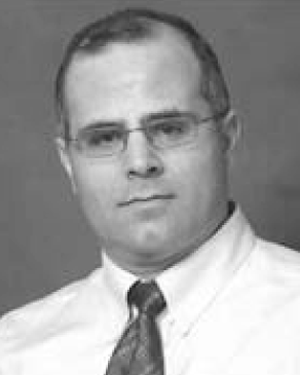 Said H Audi合作论文数Department of Pulmonary and Critical Care Medicine, Medical College of Wisconsin8
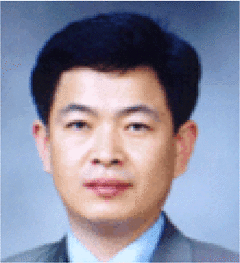 Bongsoon Kang合作论文数8Sander Florman合作论文数7
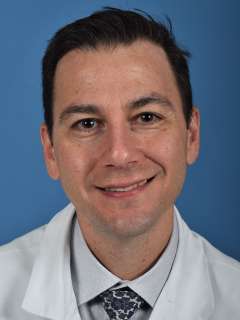 Vatche G. Agopian合作论文数Dumont-UCLA Liver Cancer Center, David Geffen School of Medicine, University of California, Los Angeles7Vachharajani Neeta合作论文数7
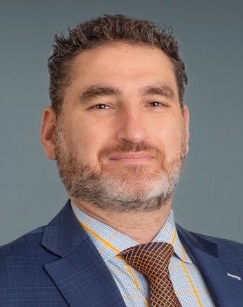 Karim J. Halazun合作论文数Department of Surgery, Grossman School of Medicine, New York University;Transplant Institute, Grossman School of Medicine, New York University7
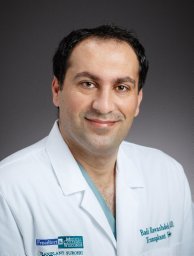 Rawashdeh Badi合作论文数Division of Cardiothoracic Surgery, University of Arizona Medical Center7
 Uichin Lee合作论文数School of Computing, College of Engineering, Korea Advanced Institute of Science and Technology;Department of Industrial and Systems Engineering, The Graduate School of Knowledge Service Engineering, Korea Advanced Institute of Science and Technology7
 Kilwon Cho合作论文数Department of Chemical Engineering, Pohang University of Science and Technology;Polymer Research Institute, Pohang University of Science and Technology7
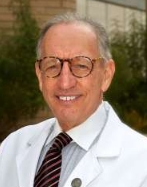 Ronald Busuttil合作论文数Division of Liver and Pancreas Transplantation, Department of Surgery, University of California, Los Angeles;Jonsson Comprehensive Cancer Center, University of California, Los Angeles7
 Alan Hemming合作论文数Department of Surgery, Carver College of Medicine, University of Iowa7
 Sharath Maddineni合作论文数Louisiana State University7
 Fareed Aboul-ela合作论文数MRC Laboratory of Molecular Biology, Hills Road, Cambridge, CB2 2QH, UK7William C. Chapman合作论文数7Trevor L. Nydam合作论文数7Brandy Haydel合作论文数6Carol A Carney合作论文数6Beth Amundsen合作论文数6Yongqiang Yang合作论文数6
 Constance Mobley合作论文数6
 Maarouf A. Hoteit合作论文数Division of Gastroenterology, Department of Medicine, Perelman School of Medicine, University of Pennsylvania6
 Burcin Taner合作论文数6
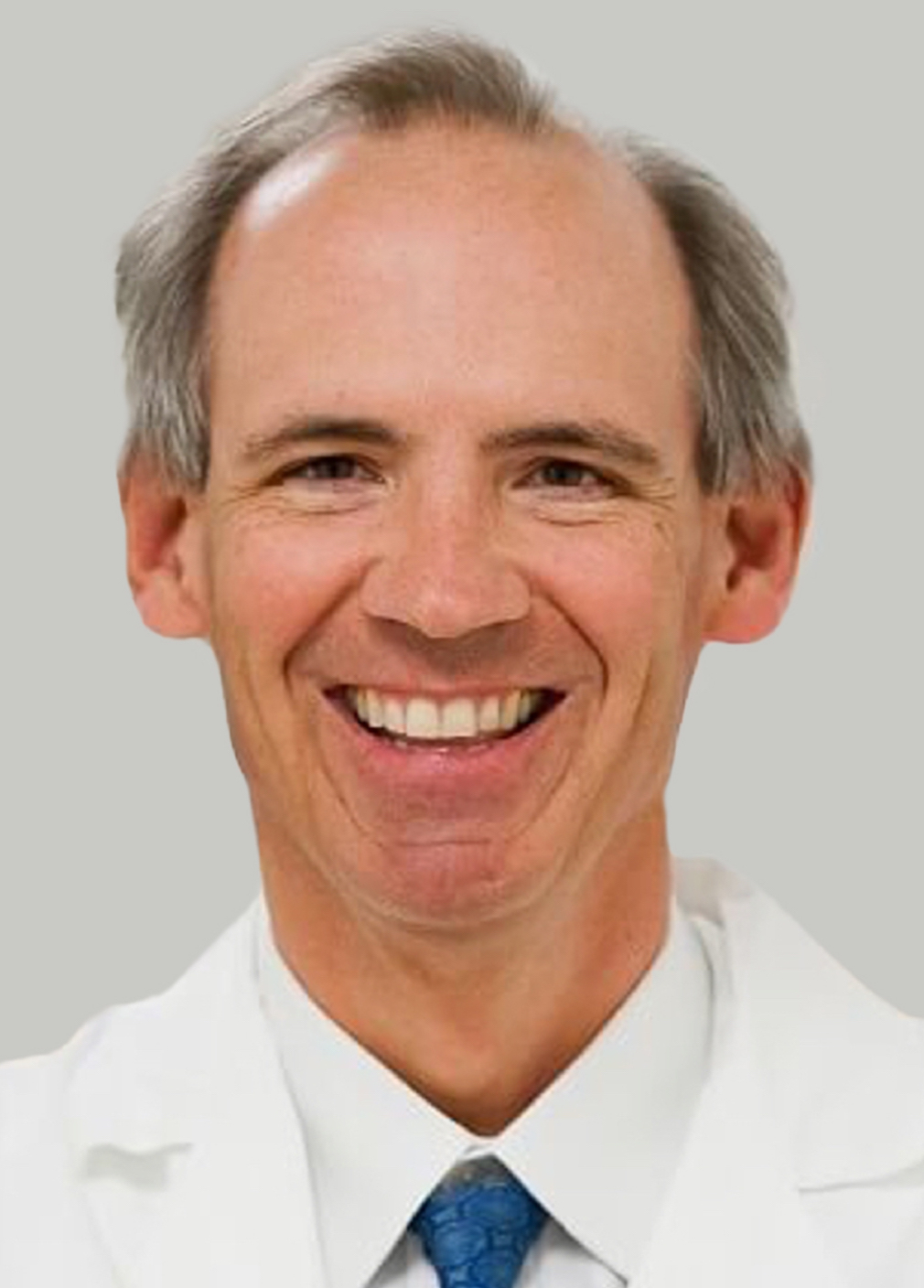 James F. Markmann合作论文数Division of Transplant Surgery, Massachusetts General Hospital;Transplant Center, Massachusetts General Hospital;Harvard Medical School6Michael Kueht合作论文数6
 Rana Abbas A合作论文数6Lee David D合作论文数6
 Taehoon Kim合作论文数Computer Vision Lab, Seoul National University6
 Goran Klintmalm合作论文数Baylor University Medical Center6Richard Ruiz合作论文数6Thomas M. Fishbein合作论文数6
 Mindie H. Nguyen合作论文数Department of Medicine, School of Medicine, Stanford University6
 Alan N. Langnas合作论文数Division of Transplant Surgery, Department of Surgery, College of Medicine, University of Nebraska Medical Center6
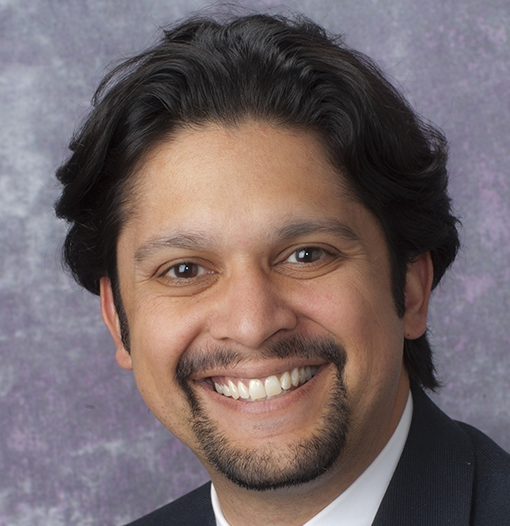 Amit D. Tevar合作论文数Department of Surgery, University of Pittsburgh6
 Federico Aucejo合作论文数Cleveland Clinic6




