BACKGROUND:Since 1998, the Shanghai Kawasaki Disease Research Group has systematically conducted four epidemiological surveys on Kawasaki disease (KD) once every 5 years. This study aimed to to analyze the epidemiological trends of KD and the potential impacts of the COVID-19 pandemic in Shanghai from 2018 through 2022. METHODS:Medical records of patients with KD diagnosed from January 2018 through December 2022 were retrospectively analyzed. Data were based on the Shenkang Kawasaki Disease Specific Database established by Shanghai Shenkang Hospital Development Center. Additional data were collected through questionnaires distributed to 48 hospitals providing pediatric medical care via the Shanghai Kawasaki Disease Research Group Network. The primary outcomes were the number and incidence of children with KD. The secondary outcomes included clinical features and changes observed during the COVID-19 pandemic. RESULTS:A total of 5791 cases were enrolled including 3549 permanent residents of Shanghai. The incidence of KD was 61.07 to 94.84 per 100,000 children aged <5 years from 2018 to 2022, with an average annual incidence of 80.7 per 100,000. The incidence decreased compared to the last survey (94.7 per 100,000), with pronounced declines in 2020 (62.74 per 100,000) and 2022 (61.07 per 100,000), which coincided with the implementation of COVID-19 containment measures. The male-to-female ratio was 1.58:1.00. The median age at onset was 25.3 months (interquartile range:14.1, 46.1 months). Of the 3654 cases with treatment information, 3310 were treated with intravenous immunoglobulin (IVIG), of which 317 (9.58%) were IVIG non-response. Out of the 4099 echocardiogram reports, 553 (13.49%) developed coronary artery lesions, and 191 (4.87%) had medium to large coronary artery aneurysms. No deaths were reported in this survey. CONCLUSIONS:The incidence of KD in Shanghai showed a downward trend during 2018-2022 compared to 2013-2017. The containment measures implemented during the COVID-19 pandemic, such as citywide suspension of work and school closures, may have affected the incidence of KD.
Objective·To evaluate the predictive value of anti-neutrophil cytoplasmic antibodies (ANCA) in Kawasaki disease (KD) complicated with coronary artery lesions (CALs) and to construct a nomogram prediction model.Methods·A retrospective study was conducted to collect the clinical data of 340 children with KD admitted to Shanghai Children's Medical Center from January 2018 to May 2024. All patients were randomly divided in a 7:3 ratio into a training set (n=237) and a validation set (n=103). Univariate analysis and least absolute shrinkage and selection operator (LASSO) were applied to screen the risk factors of CALs, which were incorporated into multifactorial Logistic regression analysis to develop the nomogram model. The model's discrimination, calibration and clinical practicability were evaluated using the receiver operating characteristic (ROC) curve, calibration curve, Hosmer-Lemeshow goodness-of-fit test, and decision curve analysis (DCA). A new predictive scoring system was obtained by assigning scores to each variable based on the coefficients of the independent variables in the Logistic regression equation, and its predictive efficacy was then compared with that of three commonly used scoring systems, Kobayashi, Egami, and Sano scoring models.Results·Male, low serum albumin level, ANCA positivity, and intravenous immunoglobulin resistance were risk factors for the development of CALs in children with KD, based on which a nomogram model was constructed. The area under the ROC curve for the nomogram in the training set and validation set were 0.747 (95%CI 0.667‒0.821) and 0.645 (95%CI 0.500‒0.794), respectively, indicating good effectiveness. The model was verified to have good predictive accuracy through the calibration curve and Hosmer-Lemeshow goodness-of-fit test (training set: χ2 =5.105, P=0.746; validation set:χ2 =13.549, P=0.094). The DCA showed its clinical usefulness. A predictive scoring system for CALs was developed based on the coefficients of the Logistic regression equation, which demonstrated higher sensitivity (58.4%) and specificity (78.7%) compared to the Kobayashi, Egami, and Sano scoring models.Conclusion·This study developed a new scoring model based on ANCA to effectively predict the risk of CALs in KD patients. The model provides valuable reference for clinicians to identify high-risk patients early, and to formulate personalized treatment plans and management strategies.
Kawasaki disease (KD) is a febrile disease mainly observed in children aged <5 years, with medium- and small-vessel vasculitis as the main lesion. Although KD has been reported for more than 50 years and great progress has been made in the etiology and pathology of KD in recent years, there is still a lack of specific indicators for the early diagnosis of KD, especially with more difficulties in the diagnosis of incomplete Kawasaki disease (IKD). At present, there are no clear diagnostic criteria for IKD, which leads to the failure of the timely identification and standardized treatment of IKD in clinical practice and even induce the development of coronary artery lesion. This article reviews the concept, epidemiological features, diagnosis, treatment, and follow-up management of IKD, in order to deepen the understanding of IKD among clinical workers and help to improve the clinical diagnosis and treatment of KD in China.
Objective·To analyze the progression of children with severe coronary artery lesions due to Kawasaki disease by coronary artery angiography,and evaluate the diagnostic value of echocardiography in these children.Methods·A retrospective analysis was performed to enroll children with Kawasaki disease whose coronary artery lesions were graded Ⅳ or above from Shanghai Children's Medical Center,Shanghai Jiao Tong University School of Medicine,from January 2013 to January 2023.The subjects were required to have received at least 2 times of coronary angiogram,and their clinical and imaging data were collected to analyze the progression of the lesions.Echocardiography results were compared with the results of the coronary angiogram.Results·A total of 21 children were included,including 15 males and 6 females,with a median age at onset of 3 years and 6 months,a median age at initial coronary angiography of 7 years and 11 months,a median interval of 4 years and 5 months between the time of onset and initial angiography,a median age at angiographic review of 9 years and 2 months,and a median interval of 1 year and 3 months between the time of initial angiography and review.Coronary stenosis or occlusion was detected in 13 children in the initial angiography,of whom 6 underwent coronary artery bypass grafting(CABG)and had their angiography reviews 1 year later.The review results showed that the bridging vessels were unobstructed and no obvious stenosis was observed.Fifteen children had progression of the lesions detected by echocardiography in the subsequent follow-up and had their angiogram reviews,of whom 8 had significant progression of the coronary lesions.Intracoronary balloon dilatation was performed in 1 case,and CABG was performed in another case.Sixteen lesions of coronary stenosis or occlusion were detected in the initial angiography in 21 children,while only 1 lesion of coronary stenosis was detected by echocardiography during the same period of time.Twenty-eight medium-to large-sized coronary aneurysms were detected in the initial angiography in the 21 children,and the diameters of the 28 aneurysms measured by echocardiography and coronary angiogram were subjected to the Bland-Altman analysis.The Bland-Altman analysis showed that the difference in maximum diameter between 2 methods was(1.63±2.33)mm,with 95%CI of-2.95-6.21 mm.Conclusion·Coronary artery lesions due to Kawasaki disease may be progressive;in the children with severe lesions,coronary artery stenosis or occlusion may be missed or misdiagnosed and some errors may exist in the measurement of diameters of aneurysms by echocardiography.Regular review of coronary angiography is needed.
ObjectivesRecent clinical studies have demonstrated that immunotherapy-based neoadjuvant therapy have promising effectiveness for patients with resectable non-small cell lung cancer (NSCLC) in terms of pathologic response. Therefore, we performed this study to investigate whether immunotherapy-based neoadjuvant therapy is effective and safe for patients with resectable NSCLC.Materials and methodsThis open-label observational two-arm clinical study was performed at Shanghai Chest Hospital in China with patients who had resectable NSCLC and received two to three cycles of immunotherapy-based neoadjuvant therapy or neoadjuvant chemotherapy alone, followed by surgical resection. The primary endpoint was a major pathologic response (MPR). The secondary endpoints include a complete pathological response (pCR), a radiologic response to neoadjuvant therapy (TRR), event-free survival (EFS), and overall survival (OS).ResultsA total of 51 patients was included in this clinical study, of which 31 patients received immunotherapy-based neoadjuvant therapy and 20 patients received neoadjuvant chemotherapy alone. The percentage of patients achieving a major pathologic response was 41.9% with immunotherapy-based neoadjuvant therapy and 15.0% (95% CI, 0.008 to 0.468; P = 0.043) with neoadjuvant chemotherapy alone. The percentage of patients with pathologic complete response was 19.4% in the immunotherapy-based group and 5% (95% CI, -0.069 to 0.318; P = 0.223) in the chemotherapy group. The radiographic response rate was 71% after immunotherapy-based neoadjuvant therapy and 60% (95% CI, -0.143 to 0.359; P = 0.417) after neoadjuvant chemotherapy. At a median follow-up of 28 months, the median EFS and OS endpoints were not reached.ConclusionsNeoadjuvant immunotherapy offers a considerable advantage over chemotherapy alone for resectable NSCLC in terms of the major pathologic response. Moreover, it did not enhance the risk of adverse events or hinder surgical resection.
BackgroundThis open, observational clinical study aimed to investigate the efficacy, safety and survival outcomes of neoadjuvant chemotherapy, neoadjuvant immunotherapy with(out) chemotherapy and neoadjuvant targeted therapy among resectable stage III non-small cell lung cancer (NSCLC) patients (NCT04197076) in real world. 48 of the 57 evaluable patients were included in this interim analysis.MethodsThis study was conducted at Shanghai Chest Hospital and included eligible NSCLC patients who were 18 years or older and had resectable clinical stage III disease. Surgical resection was conducted after neoadjuvant chemotherapy (13 patients), immunotherapy with(out) chemotherapy (26 patients), and targeted therapy (9 patients). Disease-free survival (DFS) was evaluated as the primary endpoint. The secondary endpoint was pathological complete response (pCR) rate. Clinical response rate (cRR), related adverse events (AEs), surgical feasibility and pathological features were also discussed in this study.ResultsSignificant differences in DFS were noted between chemotherapy and immunotherapy [7.7 months (range, 3.1 to 23.2 months) vs. 9.6 months (range, 4.0 to 47.9 months); P=0.032], and between chemotherapy and targeted therapy [7.7 months (range, 3.1 to 23.2 months) vs. 13.2 months (range, 7.5 to 32.2 months); P=0.015], but not between immunotherapy and targeted therapy (P=0.500). Subgroup analysis also favored neoadjuvant immunotherapy and targeted therapy. 5 patients achieved pathological complete response (pCR), all of whom were in the neoadjuvant immunotherapy arm, leading to a pCR rate of 19.2% in this arm. Treatment-emergent adverse events (TEAEs) of over grade 3 occurred in 11 patients (19.3%), with 5 (29.4%) in the chemotherapy arm, 5 (16.7%) in the immunotherapy arm and 1 (10.0%) in the targeted therapy arm. One grade 4 and one grade 2 surgery-related serious adverse event occurred in the neoadjuvant chemotherapy and immunotherapy arm, respectively.ConclusionIn patients diagnosed with resectable stage III NSCLC, neoadjuvant immunotherapy and neoadjuvant targeted therapy were associated with significantly longer disease-free survival compared with neoadjuvant chemotherapy. Clinical and pathological response rates were also higher in the immunotherapy and targeted therapy arm. Adverse events were found to be manageable and similar across all three groups, and surgical feasibility favored immunotherapy or targeted therapy rather than chemotherapy.Clinical trial registrationhttps://clinicaltrials.gov/, identifier NCT04197076.
Objective:To analyze the coronary angiographic (CAG) characteristics of coronary artery lesion (CAL) in children with Kawasaki disease (KD), and to clarify the necessity of CAG in the diagnosis and treatment of KD combined with CAL in children.Methods:It was a retrospective study to analyze the clinical data, electrocardiogram, echocardiography, time and findings of CAG in children with KD and CAL who underwent CAG in Shanghai Children′s Medical Center of Shanghai Jiao Tong University School of Medicine from January 2013 to August 2022.The distribution, type, severity, and prognosis of CAL were analyzed.Results:A total of 117 children with KD and CAL were included in the analysis.The onset age of KD was from 2 months to 12.8 years old, and the age of performing CAG was from 8 months to 18.1 years old.A total of 234 coronary artery lesions were detected in 117 cases.Among them, CAL in the right coronary artery (RCA), left anterior descending branch (LAD), left main coronary artery and left circumflex artery were detected in 96 branches(41.1%), 78 branches(33.3%), 44 branches(18.8%), and 16 branches(6.8%), respectively.Unilateral coronary artery involvement was detected in 43 cases (36.8%), of which LAD was the dominant; while bilateral involvement was detected in 74 cases (63.2%), among which, LAD and RCA were the most involved arteries.Stratified by the degree of coronary involvement, large coronary aneurysms and severe coronary stenosis were most frequently occurred in the RCA and LAD.In contrast, 10 cases (13.6%), 20 cases (24.3%), 55 cases (45.8%) and 37 cases (67.3%) of intraluminal lesions were found in small, medium and large coronary aneurysms, and stenosis or occlusion, respectively.The incidence of intraluminal lesions tended to be higher in the site of severe lesions.CAG showed stenosis or occlusion in a total of 55 cases, and collateral circulation at varying degrees was found in cases of severe stenosis or occlusion.Conclusions:CAL in children with KD are complex and varied.Although clinical symptoms, routine electrocardiogram and cardiac ultrasound may indicate severe CAL.Their applications are limited by the diagnosis of the type (especially stenosis), degree, and extent of CAL, as well as the detection of extracoronary lesions.CAG is of great significance to identify vascular lesions and guide clinical management of KD combined with CAL in children.
巨大冠状动脉瘤是儿童期川崎病严重的并发症, 内科治疗中远期效果不佳。冠状动脉旁路移植术(CABG)是冠状动脉瘤安全有效的治疗手段, 但其在婴幼儿患者中的应用鲜有报道。该文报道1例应用CABG治疗1岁川崎病合并冠状动脉瘤患儿的案例, 术后1年复查纳差多汗等临床症状完全消失, 超声心动图显示冠状动脉及桥血管血流通畅, 左心收缩功能正常。
目的:比较有MYH7基因突变的肥厚型心肌病(HCM)与扩张型心肌病(DCM)患儿的临床特征及基因突变特点,探讨MYH7 基因突变对心肌病临床表型的影响.方法:回顾性分析 2015 年 1 月至 2021 年 1 月,在上海儿童医学中心通过基因检测发现携带MYH7基因突变的30例HCM或DCM患者,收集并分析2组不同心肌病患儿的临床资料与基因突变信息.结果:30例有MYH7基因突变患儿中检出32个突变位点,共26种不同突变位点,其中10种为国内外未报道的突变位点.29个(90.6%)突变位点为错义突变,30个(93.7%)突变位点位于肌球蛋白头颈部.在30 例MYH7 基因突变患儿中,HCM患儿 21 例(70%),DCM患儿 9 例(30%).2 组患儿在性别,诊断年龄,阳性家族史,N末端脑钠肽前体、心肌肌钙蛋白Ⅰ、肌酸激酶同工酶以及血清钙离子水平,心电图异常等方面的差异无统计学意义.结论:不同位点的MYH7基因突变可引起HCM或DCM完全不同的临床表型,在儿童期或疾病早期临床表现无明显差异.
Background and aims: Wnt signaling is essential for the maintenance of cancer stem cells (CSCs), but mutations in the β-catenin and APC genes are less common in non-small cell lung carcinoma (NSCLC). Thus, the mechanism underlying the constitutive activation of Wnt signaling in lung CSCs is still unknown. Materials and methods: Gene set enrichment analysis and immunohistochemistry were performed to establish the correlation between KDM6A/KM2B and CSC stemness. Human NSCLC cell lines were genetically manipulated for functional studies. Sphere formation assay and stemness gene expression profiling were examined to investigate the role of KDM6A/KMT2B in lung CSCs. Tumor xenograft assay were used to identify the function of KDM6A/KMT2B on tumorigenicity and tumor recurrence in vivo. Western blot analysis, coimmunoprecipitation and chromatin immunoprecipitation were performed to understand KDM6A/KMT2B mediated epigenetic regulation of Histone 3 lysine 4 methylation (H3K4me) on Wnt signaling pathway. Results: We discovered that the expression of Histone demethylase KDM6A and methyltransferase KMT2B correlate with the stemness of CSCs in NSCLC. KDM6A coordinates with KMT2B to activate the Wnt/β-catenin signaling pathway by regulating the H3K4me3 level and promotes the tumorigenicity and maintenance of CSC stemness. Furthermore, KDM6A/ KMT2B overexpression promotes the CSC chemoresistance and tumor recurrence both in vitro and in vivo. Inhibition of KDM6A and KMT2B potently suppress tumor initiation and recurrence in xenografted animal models. Conclusion: Our findings suggest that KDM6A and KMT2B mediate the constitutive activation of Wnt/β-catenin signaling in lung CSCs, potentially providing a therapeutic target for NSCLC.
ABSTRACT Acute lung injury (ALI) is characterized by excessive production of inflammatory factors and alveolar epithelial damage, type II alveolar epithelial (ATII) cells participate in the repairment of the damaged lung tissue in ALI. Recently, microRNAs (miRNAs) have been found to play crucial roles in the amelioration of various inflammation-induced diseases, including ALI. However, the biological function and the mechanisms of action of miRNAs in the regulation of inflammation, and how ATII cells repair damaged lung tissue in ALI remain unknown. In this study, a model of ALI was established using LPS, and ATII cells were isolated and treated with LPS. Hematoxylin and eosin staining revealed the injury to lung tissues. In this study we found that miR-541-5p expression was significantly decreased in ALI tissue and in the LPS-induced ATII cell model. Additionally, the LPS-induced model showed suppression of ATII cell proliferation and activity. Furthermore, overexpression of miR-541-5p was found to promote cell activity and proliferation in the LPS-induced ATII cell model. Moreover, a luciferase assay illustrated that HMGB1 is a target of miR-541-5p, HMGB1 knockdown blocked the inhibitory effect of miR-541-5p on LPS-induced ATII cells. Ultimately, our study demonstrated that expression of p38, JNK, and ERK in LPS-induced ATII cells increased significantly. These results suggest that miR-541-5p is a key effector in ALI tissue, and that LPS-induced ATII cells act by regulating HMGB1 expression. This effect may be related to excessive activation of the JNK/ERK/p38 signaling pathway.
目的 总结儿童先天性冠状动脉瘘(CAF)的介入治疗效果、并发症及随访情况.方法 回顾性分析2013年1月至2021年1月收治的先天性CAF患儿的临床资料.结果 纳入46例CAF患儿,男22例、女24例,中位年龄36.0(24.5~49.5)月,中位体重14.9(12.2~20.0)kg.瘘管引流口直径大小为3.4(3.0~4.4)mm;受累冠脉有不同程度增宽,开口处内径6.1(4.5~7.8)mm.46例CAF患儿中,9例行冠脉造影后评估为介入封堵困难,最终37例施行介入封堵术,其中35例成功封堵.建立动静脉轨道(A-V LOOP)逆向封堵者15例,经主动脉端正向封堵者20例;使用动脉导管未闭封堵器8例,室间隔缺损封堵器2例,弹簧圈3例,血管塞22例.35例封堵成功患儿术后出现即刻残余分流10例,8例随访中微小残余分流消失,2例末次随访时仍有残余分流.术后血栓形成2例.结论 介入封堵是治疗儿童先天性CAF安全有效的手段,但需充分评估CAF的走行、开口以及侧枝血管情况,以提高手术成功率;对于存在血栓形成风险的患儿,可能需延长术后常规抗凝疗程.
Objective:To explore the clinical characteristics, therapeutic efficacy and prognosis of congenital coronary artery fistula (CAF) in children.Methods:Clinical data of 71 pediatric patients diagnosed with congenital CAF at Department of Cardiology and Department of Cardiac Surgery, Shanghai Children′s Medical Center, Shanghai Jiao Tong University School of Medicine from January 2013 to June 2019 were retrospectively analyzed.The median age was 2.2 years (0.1-14.0 years), and the median body weight was 18.3 kg (3.2-55.8 kg), including 37 males (52.1%) and 34 females (47.9%). They were divided into the transcatheter closure group (30 cases) and surgical repair group (41 cases). The therapeutic effect and follow-up data of the 2 groups were compared by the Fisher′ s exact test. Results:Among the 71 congenital CAF children, 70 had heart murmurs, 2 had chest tightness after activity, and 5 were prone to recurrent respiratory tract infection.Transcatheter closure and surgical repair were successfully performed in 22/30 (73.3%) and 41/41 (100.0%) cases with a statistically significant difference ( P=0.001). However, in the surgical repair group, 1 (2.4%) case died after operation and 2(4.9%) needed further transcatheter closure due to large residual shunt during the follow-up period.At the last follow-up, there were 2 cases with minimal or small residual shunt in both groups ( P=0.567). There were 2/71(2.8%) cases suffering from postoperative thrombosis. Conclusions:Cardiac murmur is the main sign of congenital CAF in children, and some of them may have frequent respiratory tract infection due to increased lung blood caused by a large amount of shunt.A few children have chest tightness and chest pain due to myocardial ischemia caused by coronary steal.Both percutaneous closure and surgical repair are safe and effective with few complications.
Kawasaki disease (KD) is one of the leading causes of acquired heart diseases in children aged under 5 years. The clinical manifestations of KD include fever, changes in the extremities, rash or redness at the site of bacille Calmette-Guérin vaccination, bilateral bulbar conjunctival hyperemia, changes in lips and mouth, nonsuppurative cervical lymphadenopathy, and other systemic manifestations. There are difficulties in the diagnosis of KD due to its asynchronous clinical manifestations. With reference to the latest case reports and research advances in KD, this article summarizes the clinical details in the diagnosis of KD, so as to improve the level of clinical diagnosis of KD.
肺动静脉瘘(pulmonary arteriovenous fistula,PAVF)是一种罕见的肺血管畸形疾病,是指肺动脉及其分支与相对性的静脉之间形成了扩大迂曲的血管瘤,使未经肺毛细血管氧合的肺动脉血直接进入肺静脉回到左心进入体循环,进而导致发绀等一系列症状的一种疾病.肺动静脉瘘虽然罕见,但是如果不积极干预,可能出现严重的并发症,如咯血、血栓栓塞等,严重时可危及生命.本文收集了上海儿童医学中心收治的48例PAVF患儿的临床资料,分析其临床特点和治疗情况,旨在为儿童PAVF的治疗提供依据.
Objective:To assess the efficacy and the safety of the radiofrequency catheter ablation (RFCA) for the septal accessory pathway (AP) in children.Methods:From September 2013 to March 2019, 626 patients plan to underwent RFCA for paroxysmal supraventricular tachycardia (PSVT) in Shanghai Children′s Medical Center Affiliated to Shanghai Jiaotong University School of Medicine.Among them, 74 consecutive patients with right or left septal APs were included in the study and their clinical and RFCA data were analyzed.Results:The age of these 74 children (45 males, 29 female) was (7.8±3.5) years, ranging from 10 months to 13 years.The body weight (BW) was (27.7±14.4) kg, with 3 patients BW<15 kg.A discordant ventricular wall motion (DVWM) was found in 5 patients, and the combined congenital heart diseases were discovered in 2 patients.A three dimensional mapping system was applied in 69 ablations, and 3 ablations were performed only with the fluoroscopy monitor of 5 cases.According to the AP location, the number of cases located in the anteroseptal, the midseptal, the mouth of coronary sinus, the left posteroseptal and the right posteroseptal, were 28, 18, 10, 10 and 8, respectively.The ablation operations were applied in 72 patients.The initial acute success reached in 67 (93.1%) patients.The ablation energy was (18.0±1.8) W, the fluoroscopy time during the ablations was (4.7±2.7) minutes, and the procedure duration was (151.5±58.6) minutes.One inadvertent complete atrioventricular block (AVB) was noted as the ablation-related complication.All 5 children with the pre-DVWM were recovered after ablations.During a follow-up of (23.8±10.8) months, 4 patients experienced the recurrence of preexcitation syndrome atrioventricular reentrant tachycardia.Conclusions:With the 3D-mapping system, the RFCA of septal APs can be performed safely and effectively in pediatric patients of paroxysmal supraventri-cular tachycardia.However, as the ablation-related complication, AVB should not be ignored.
Objective:To explore the surgical treatment and immediate efficacy for children complicated with Kawasaki disease and coronary artery aneurysm.Methods:From March 2018 to August 2019, retrospective review was conducted for 6 hospitalized patients complicated with Kawasaki disease and coronary artery aneurysm.There were 5 males and 1 female with an average age of(148.7±29.0)(106-203)months and an average weight of(47.9±15.5)(27.5-76)kg.Diagnosed preoperatively as Kawasaki disease, all of them received long-term medications with an average treatment course of 5.7(0.25-10)years.During follow-ups, there was no significant improvement in cardiac function.Echocardiography indicated that coronary artery was expanding continuously and aneurysm and thrombus were evident.The catheterization results indicated that TIMI grade of distal coronary flow was 0(n=3), Ⅰ(n=1). Coronary artery bypass graft(CABG, n=3)and off-pump CABG(n=3)were performed.Vascular materials included internal thoracic artery, great saphenous vein and radial artery.Results:All operations were performed successfully without severe complications or early mortality.The detention time of intensive care unit(ICU)was(5.5±3.0)days and hospitalization stay(12.5±3.7)days.For regular anticoagulation after discharge, aspirin(n=4)and aspirin plus clopidogrel(n=4)were prescribed.During a follow-up period of(9-22)months, heart functions recovered well.There was no recurrence of clinical symptoms And ST segment of ECG improved significantly.Echocardiography indicated that blood flow of bridge arteries remained unobstructed and the diameter of coronary artery in diseased dilated segment became narrower.Conclusions:It is not uncommon for Kawasaki disease to cause coronary artery variation, those with huge coronary aneurysm or have no effect of medical treatment of coronary thrombus should be timely operated; CABG is both safe and effective for children complicated with Kawasaki disease and coronary artery aneurysm and immediate postoperative efficacy is satisfactory.
Background: Pulmonary regurgitation caused by the correction or palliation of pediatric tetralogy of Fallot (TOF) leads to chronic right ventricular (RV) volume overload (VO), which induces adolescent RV dysfunction. A better understanding of the molecular mechanism by which VO initiates neonatal RV remodeling may bring new insights into the post-surgical management of pediatric TOF. Methods and Results: We created a fistula between the abdominal aorta and inferior vena cava on postnatal day 1 (P1) using a rat model to induce neonatal VO. Echocardiography revealed that the velocity and velocity- time-integral of the pulmonary artery (PA) were significantly elevated, and hematoxylin and eosin (H&E) staining showed that the diameter of the RV significantly increased. RNA-seq analysis of the RV on P7 indicated that the top 10 enriched Gene Ontology (GO) terms and the top 20 enriched terms in the Kyoto Encyclopedia of Genes and Genomes (KEGG) pathway analysis were associated with immune responses. Flow-cytometric analysis demonstrated that the number of CD4+and CD8+ immune cells were significantly augmented in the VO group compared with the sham group. Conclusions: A neonatal cardiac VO rat model on P1 was successfully created, providing a platform for studying the molecular biology of neonatal RV under the influence of VO. VO - induces an immune response at the neonatal stage (from P1 to P7), suggesting that immune responses may be an initiating factor for neonatal RV remodeling under the influence of VO and that immunosuppressants may be used to prevent pediatric RV remodeling caused by VO.
目的 研究儿童室间隔缺损(VSD)并发其他心脏畸形及先心术后VSD残余分流介入治疗的安全性和有效性.方法 回顾性分析上海交通大学医学院附属上海儿童医学中心2016年1月~2020年12月期间收治的VSD并发其他先天性心脏病(CHD)同时介入治疗及复杂型CHD术后VSD残余分流介入治疗患者的临床资料.结果 62例VSD并发其他CHD患儿中,房间隔缺损(ASD)37例、动脉导管未闭(PDA)25例.其中男21例,女41例,年龄36(23,180)月,体质量15(11,48)(kg);11例复杂型CHD术后出现VSD残余分流,男6例,女5例,最短外科术后时间为14 d,最长术后132月,中位外科术后时间56月,体质量18.2(11,50)kg.所有病例均完成VSD介入封堵,其中1例心尖部肌部多发VSD通过动脉端逆行释放封堵器,1例肌部VSD经过颈内静脉途径完成封堵.2例术后存在少许残余分流,无术后房室传导阻滞,无显著加重的房室瓣或主动脉瓣反流.结论 儿童VSD并发其他心脏畸形的介入治疗安全有效,手术方式及操作程序需要根据不同的患者制定个体化方案.
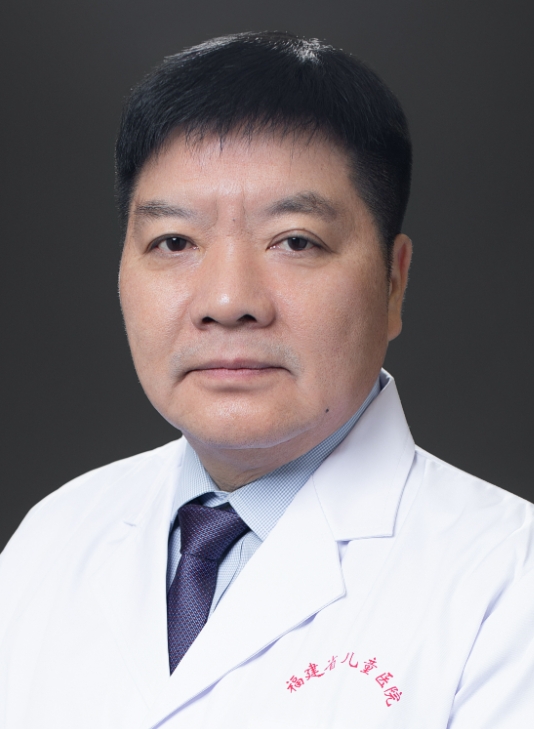 Fen Li (李奋)合作论文数Fujian Children's Hospital;Shanghai Children's Medical Center, Shanghai Jiao Tong University School of Medicine34
 Min Huang (黄敏)合作论文数Shanghai Children’s Hospital, School of Medicine, Shanghai Jiao Tong University32
 Lijian Xie (谢利剑)合作论文数Shanghai Childrens Hospital, School of Medicine, Shanghai Jiao Tong University30
 Tingting Xiao (肖婷婷)合作论文数Shanghai Children's Hospital28
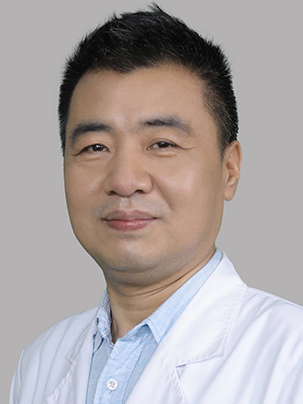 Lijun Fu (傅立军)合作论文数Shanghai Children's Medical Center, School of Medicine, Shanghai Jiao Tong University17
 YiWei Chen (陈轶维)合作论文数9Diqi Zhu合作论文数8Tingliang Liu合作论文数8
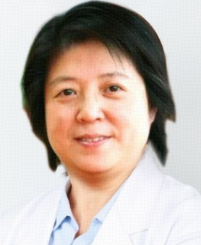 Meirong Huang (黄美蓉)合作论文数School of Medicine, Shanghai Jiao Tong University;Shanghai Ruidong Hospital8Wei Ji合作论文数8JinKang Li (李锦康)合作论文数7
 Ying Guo合作论文数Department of Biostatistics and Bioinformatics, Emory University7
 Jianyi Wang (王健怡)合作论文数上海市儿童医院小儿心血管科7
 Jian Wang (王剑)合作论文数Shanghai Key Laboratory of Embryo Original Diseases;Shanghai Children's Medical Center, School of Medicine, Shanghai Jiao Tong University6
 Kun Sun (孙锟)合作论文数Xinhua Hospital Affiliated to Shanghai Jiaotong University School of Medicine6Renjian Wang合作论文数5AiQing Zhou (周爱卿)合作论文数5Wu Jinjin合作论文数5Lang Yuan (袁浪)合作论文数4Wei Gao (高伟)合作论文数4Zhou Cuizhen合作论文数4
 Qihua Fu (傅启华)合作论文数Sichuan Provincial People’s Hospital4
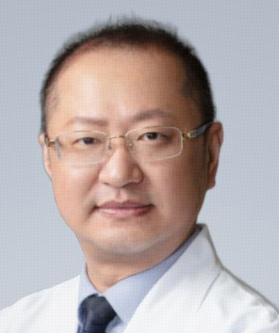 Hao Zhang (张浩)合作论文数Shanghai Children's Medical Center Guizhou Hospital, School of Medicine, Shanghai Jiao Tong University4
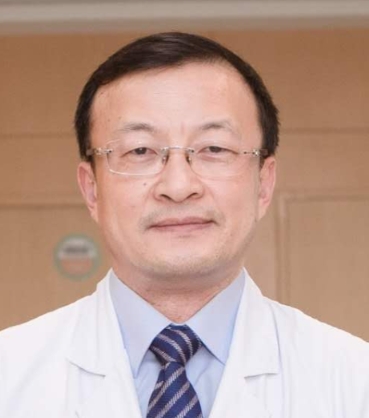 Jinghao Zheng (郑景浩)合作论文数Shanghai Children's Medical Center, Shanghai Jiao Tong University School of Medicine4Yu-Wen Qi合作论文数3Ying LIANG (梁瑛)合作论文数3Yu-ming QIN (秦玉明)合作论文数3Yongwei ZHANG (张永为)合作论文数3WenZhu Zhang (张文竹)合作论文数3XiuYu Chen (陈秀玉)合作论文数3
 Zhiwei Chen (陈智伟)合作论文数Shanghai Chest Hospital3
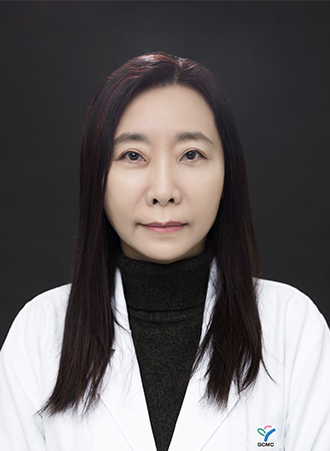 Yumin Zhong (钟玉敏)合作论文数Shanghai Children's Medical Center3
 Yuqi Zhang (张玉奇)合作论文数Shanghai Children's Medical Center, Shanghai Jiao Tong University School of Medicine3Wu Zhao (赵武)合作论文数3Meng XU (徐萌)合作论文数2Yaxian Yao合作论文数2ZHANG Meng (张锰)合作论文数2Yiwei Chen合作论文数2yue liu (刘月)合作论文数2Linping Gu合作论文数2wenzhang zhao (赵文嫜)合作论文数2Li Zhang合作论文数2Meng Zhang合作论文数2Kai Luo合作论文数Department of Epidemiology and Population Health, Albert Einstein College of Medicine2Sijuan Sun合作论文数2Yongwei Zhang合作论文数2Honghong LI (李红红)合作论文数2




