Burnout is a prevalent and costly work-related condition characterized by four symptom dimensions: cognitive impairment, emotional impairment, mental distance and exhaustion. Although coping, coping flexibility, and cognitive flexibility have been linked to burnout, their unique contributions to its dimensions remain unclear. This longitudinal study used regression analyses to test whether coping, coping flexibility, and cognitive flexibility predict dimensions of burnout two weeks later, adjusting for covariates and baseline burnout. Participants were 337 Australian adults (62% women), aged 18-35, who were working or studying at least three days per week. Evaluation coping flexibility predicted lower cognitive impairment (B = -0.28, p = .003), and adaptive coping flexibility predicted greater exhaustion (B = 0.13, p = .458). Substance use as a coping strategy predicted greater emotional impairment (B = 0.31, p = .040) and behavioral disengagement as a coping strategy predicted greater mental distance (B = 0.26, p = .041) and exhaustion (B = 0.41, p < .001). Cognitive flexibility did not predict dimensions of burnout. Findings indicate that burnout risk is influenced by coping strategy use and coping flexibility, highlighting these as intervention targets.
BACKGROUNDS:Suicide risk fluctuates rapidly, highlighting the importance of identifying risk factors for acute suicidal urges. This study examined whether nightly sleep measured actively via self-report ecological momentary assessment (EMA) and passively via wearable sensors predicted next-day suicidal urges, depression, and PTSD symptoms among military service members and veterans. METHODS:Military service members and veterans with current suicidal ideation or a suicide attempt in the past month (N = 86) completed seven EMA surveys per day and wore a wearable device (Fitbit) for 28 days. Using multilevel models, we examined sleep assessed by EMA-only, wearable-only, and EMA + wearable as predictors of next-day suicidal urges, depression, and PTSD symptoms, and compared the predictive utility of the three approaches. RESULTS:Participants completed 7898 EMA observations (48.9% adherence) and wore a wearable device (Fitbit) for 79.43% of the study period. More severe nightmares and poorer sleep quality assessed by EMA predicted next next-day suicidal urges (maximum and average), suicidal beliefs, depression, and PTSD symptoms. Wearable-assessed sleep duration deviation significantly predicted next-day maximum suicidal urges. Wearable-assessed sleep regularity index predicted next-day depression. EMA-only models consistently outperformed wearable-only models in predicting next-day suicide risks and mental health outcomes, and combining EMA and wearable demonstrated best model fit. CONCLUSION:Our findings suggest that self-reported sleep via EMA has strong utility in predicting near-term suicidal risk, depression, and PTSD, while wearable devices can provide low-burden, supplemental information. Integrating wearables and EMA may enhance the prediction and inform just-in-time suicide interventions.
BACKGROUND:Behaviours across a 24-hour day, including physical activity, sedentary time and sleep, are disrupted following cancer and contribute to cancer-related outcomes. This study describes the day-to-day 24-hour behaviour profiles of individuals with and without cancer, considering time since diagnosis and cancer types. METHODS:Seven days of accelerometer data from the UK Biobank (M±SDage=62.3±7.9 years; 56.4% female) were derived from machine learning models to assess the 24-hour behaviours in individuals with cancer (n=10 152; M±SDyears since diagnosis=7.4±6.1 years) compared with healthy (free of diseases) individuals (n=13 722). Diagnoses were identified using the International Classification of Disease codes within cancer registries. Bayesian compositional data analysis compared profiles between individuals with and without cancer, across time since diagnosis (<1 year, 1-5 years, >5 years) and 14 cancer types. RESULTS:The least physically active profiles were observed for individuals within 1 year following cancer diagnosis and in cancers with poor prognoses. Compared with healthy individuals, those within 1 year following cancer diagnosis had 40 min/day less physical activity (light plus moderate-to-vigorous intensities), compensated by 40 min/day more inactive time (sedentary plus sleep periods). Differences also varied across cancer types, ranging from 22-75 min/day less physical activity and 22-75 min/day more inactive time, between individuals with cancers and healthy individuals. Cancers with poorer prognoses (eg, lung, gastrointestinal tract) had the least optimal profiles, whereas cancers with better prognoses (eg, prostate, skin) showed profiles closer to healthy individuals. CONCLUSION:The 24-hour behaviour profiles differed by cancer history, prognosis and type. Supporting a healthy balance of behaviours, that can feasibly be achieved within a 24-hour day, should be considered for cancer survivors, particularly in the year after diagnosis and in poor prognosis cancers.
BACKGROUND:24 h behaviours (sleep, time awake in bed, moderate-to-vigorous physical activity [MVPA], light physical activity [LPA], and sedentary behaviour [SB]) may influence long-term mental health through their associations with affective experiences in everyday life. Here, we investigated the daily, prospective associations between 24 h behaviours and affect. METHODS:Actigraphy-measured 24 h behaviours and self-reported affect data were collected across 7-15 consecutive days in healthy, community-dwelling adults (N = 354, Mage = 22.61 y, 73 % female) providing 2872 days of data. Bayesian multilevel compositional data analysis evaluated how reallocating time between behaviours was associated with next-day affect at between- and within-person levels. RESULTS:Associations between 24 h behaviours and next-day affect emerged at the within-person, not between-person level. Relative to the remaining behaviours, more LPA predicted 0.14 [95 % CI 0.03, 0.26] higher high arousal positive affect, whereas less SB predicted lower high and low arousal positive affect (-0.14 [-0.25, -0.02] and -0.12 [-0.24, -0.01], respectively) higher high arousal negative affect (0.13 [0.03, 0.23]). Further, within-person 30-min reallocation to LPA from SB, sleep, and time awake in bed also predicted ≥0.03 [0.00, 0.06] higher high arousal positive affect. 30-minute reallocation of time to LPA and MVPA from SB predicted 0.04 [0.01, 0.06] higher high arousal positive affect and -0.02 [-0.04, -0.00] lower low arousal negative affect. CONCLUSION:Findings provide stepping stone evidence for identifying optimal daily compositions of 24 h behaviours for affective enhancements in healthy individuals. Replacing time in SB with LPA and MVPA for improving affect should be experimentally tested in daily settings and clinical populations, to inform diagnostic and intervention strategies for better daily affect and mental health.
BACKGROUND:Emerging statistical methods addressing the multilevel compositional nature of sleep architecture can offer insights into how daily time reallocations between sleep stages (total wake time in bed [TWT], light sleep [Non rapid eye movement stage 1 and 2], slow wave sleep [SWS], and rapid eye movement [REM] sleep) are associated with post-sleep affect. PURPOSE:This study investigated the daily, prospective association between sleep architecture and affect. METHODS:In 96 healthy, young adults across 15 consecutive days, sleep architecture was measured at night using electroencephalography (Z-Machine Insight+) and affect was self-reported using the PANAS-X at awakening. Bayesian multilevel compositional data analysis examined how reallocating time between sleep stages was associated with affect. RESULTS:Various reallocations of sleep stages predicted affect, at both within- and between-person levels. Between-person reallocation of 30 min/night from light or REM sleep to SWS was associated with ≥0.38 points higher high and low arousal positive affect, and from SWS to any other sleep stages was associated with ≥0.21 points higher high arousal negative affect. Within-person reallocation of 30 min/night from REM to any other stages predicted ≥0.05 points higher high arousal negative affect, and 30 min/night from TWT to SWS or REM predicted ≤-0.07 lower low arousal negative affect. CONCLUSIONS:Findings highlight the distinct constellations of sleep architecture associated with affect in everyday life. Extension of SWS and REM for improving affect, while considering other off-set sleep stages, should be confirmed in experimental research in daily settings, to inform diagnostic and intervention strategies for sleep and affective disorders.
OBJECTIVE:Cancer survivors experience reduced overall health-related quality of life (HRQoL) compared to the general population. This research assesses and compares the efficacy of an emotion-focused (CanCopeMind [CM]) and lifestyle (CanCopeLifestyle [CL]) intervention to improve HRQoL among cancer survivors. METHOD:This 8-week, internet-delivered, randomized controlled trial compared CM (n = 110) and CL (n = 114) on self-reported HRQoL (range -0.022 = indicating a state akin to dead to 1.0 representing perfect health) at baseline, postintervention, and 3-month follow-up. CM, adapted from the Unified Protocol for Transdiagnostic Treatment of Emotional Disorders, targeted core emotion regulation skills (understanding emotions, mindfulness, flexible thinking, and changing behaviors). CL, the active control, targeted healthy lifestyle domains (diet, exercise, relaxation, and sleep). RESULTS:HRQoL increased in both groups from baseline to postintervention (CM, p < .001, SMDmedian = 0.54; CL, p < .001, SMDmedian = 0.40), and these improvements were sustained at follow-up (CM, p < .001, SMDmedian = 0.52; CL, p = .005, SMDmedian = 0.33). The difference between each group was not significant at either postintervention (p = .095, SMDmedian = 0.19) or follow-up (p = .081, SMDmedian = 0.23). Subgroup analyses revealed no moderation by cancer stage, treatment type, months since treatment, cancer type or sex. CONCLUSION:The findings indicate that an accessible, internet-delivered emotion-focused and lifestyle interventions hold promise for improving HRQoL among cancer survivors. (PsycInfo Database Record (c) 2025 APA, all rights reserved).
Sleep and physical activity (PA) are pillars of health. However, the temporal dynamics between these two behaviors remain poorly understood. This research aims to examine the independent and interactive between- and within-person associations of sleep duration and sleep onset timing on next-day PA duration in two large, longitudinal samples of adults under free-living conditions. In the primary study, participants (N = 19,963; 5,995,080 person-nights) wore a validated biometric device (WHOOP) for 1 y (01/09/2021 to 31/08/2022). Objective sleep and PA metrics were derived from the wrist-worn device. Generalized additive mixed models assessed between- and within-person associations between sleep and PA variables, adjusted for age, sex, Body Mass Index, weekday/weekend, seasonal effects, biometric feedback, and autocorrelated errors. Between participants, longer sleep duration and later sleep onset timing were associated with decreased moderate-to-vigorous PA (MVPA) and overall PA duration (ps < 0.001). Within participants, sleeping shorter-than-usual and falling asleep earlier-than-usual were associated with increased next-day MVPA and overall PA, whereas sleeping longer-than-usual, or falling asleep later-than-usual, showed the opposite relationship (ps < 0.001). Next-day MVPA duration was highest following earlier-than-usual sleep onset timing combined with one's typical sleep duration. Results were consistent but smaller in magnitude in the external validation study (N = 5,898; 635,477 person-nights) using Fitbit data from the All of Us Research Program. Individuals may sacrifice time in one health behavior for time in the other. Interventions promoting exercise and holistic public health messaging should consider the temporal dynamics between sleep and next-day PA outcomes.
12009 Background: Women on chemotherapy for breast cancer (BC) report high levels of insomnia and fatigue. This trial aimed to test the main effects of Cognitive Behavioral Therapy for Insomnia (CBT-I) and Bright Light Therapy (BLT) on insomnia and fatigue symptoms. Methods: This multi-center, randomized, controlled, 2 x 2 factorial, superiority, trial enrolled 219 women receiving cytotoxic chemotherapy for any stage BC. Interventions were: (1) neither CBT-I nor BLT (sleep hygiene education; SHE), (2) BLT, (3) CBT-I, and (4) BLT+CBT-I. The 6-week interventions included one telehealth, 1:1 session followed by emails and a mid-treatment call. Assessments occurred at baseline, 3 and 6 weeks. Dual primary outcomes were the insomnia severity index (ISI) and PROMIS Fatigue. Intention-to-treat analyses were latent growth models. Effect sizes are standardized mean differences (SMDs). Results: Mean age was 50.7y and 24% had metastatic cancer. At baseline, average ISI was 13.24 (SD = 5.48; sub-threshold insomnia), and fatigue was 59.57 (SD = 7.91; moderate fatigue). 88% (n = 198) completed the telehealth session. 75% (n = 165) reported post-treatment outcomes. ISI and fatigue decreased in all conditions (see Table). CBT-I improved ISI (mean difference = -2.03; p = .001; SMD = -0.37), but BLT did not (mean difference = -1.09; p = .082; SMD = -0.20). Neither intervention affected fatigue (SMDs -0.06 to -0.07; p > 0.60). There was no BLTxCBT-I interaction for ISI nor fatigue ( p > 0.50). Conclusions: In patients receiving chemotherapy for BC, brief CBT-I can improve insomnia but not fatigue symptoms. BLT did not improve insomnia or fatigue. We found no evidence of an interaction between BLT and CBT-I. During chemotherapy, fatigue may not be responsive to brief sleep and circadian-oriented treatments. Clinical trial information: ACTRN12620001133921 . Between group (main effects) and within group (change). ISI [95% CI] P, SMD Fatigue [95% CI] P, SMD Main Effects BLT -1.09 [-2.31, 0.14] p = .082, SMD = -0.20 -0.49 [-2.87, 1.88] p = .68, SMD = -0.06 CBT-I -2.03 [-3.25, -0.81] p = .001, SMD = -0.37 -0.54 [-2.92, 1.83] p = .65, SMD = -0.07 Change: 0–6 weeks SHE -3.41 [-4.65, -2.17] p < .001, SMD = -0.62 -3.75 [-6.16, -1.34] p = .002, SMD = -0.47 BLT -4.89 [-6.12, -3.66] p < .001, SMD = -0.89 -3.75 [-6.13, -1.37] p = .002, SMD = -0.47 CBT-I -5.83 [-7.12, -4.54] p < .001, SMD = -1.06 -3.80 [-6.30, -1.31] p = .003, SMD = -0.48 CBT-I+BLT -6.53 [-7.88, -5.18] p < .001, SMD = -1.19 -4.79 [-7.44, -2.14] p < .001, SMD = -0.61
Premature frailty is a critical challenge for young breast cancer survivors (YBCSs), impacting their health and perpetuating gender inequality through heightened vulnerability and marginalization. While digital health shows promise in frailty screening, its effectiveness for comprehensively managing frailty remains inconclusive. This randomized controlled trial, registered at the Chinese Clinical Trial Registry (ChiCTR2200058823), tests the “AI-TA” program’s efficacy on premature frailty and quality of life in YBCSs. The intervention group received a gender- and generation-sensitive program combining artificial intelligence interactions and humanities skills. The control group received 12 weeks of online information support. Both groups improved in frailty dimensions (P < 0.05); the intervention group showed notable enhancements in psychological (P = 0.013) and social frailty (P < 0.001). Quality of life also improved more in the intervention group from T1 to T2 (β = 15.384, 95
Cyberscams are a pervasive global issue with losses exceeding $1 trillion worldwide and resulting in significant psychosocial impacts, particularly shame. People with disabilities, such as acquired brain injury (ABI), may be additionally vulnerable due to cognitive impairments and social isolation. Increased scam vulnerability and risk factors for people with ABI have not been investigated. This study aimed to (a) determine whether people with ABI have greater risk of being scammed than people without ABI, and (b) explore demographic and psychosocial factors associated with cyberscam risk for people with and without ABI. Using a cross-sectional design, participants with (n = 149) and without (n = 153) ABI provided scam experience details and completed a validated measure of self-rated cybersafety and practical scam identification (The CyberAbility Scale) and measures of psychosocial risks of loneliness, impulsivity, mood, trust, and community integration. Correlation analyses showed that participants with ABI performed worse on a scam identification task than those without ABI. As expected, higher self-rated scam safety was associated with lower loneliness, impulsivity, and fewer mood symptoms, and higher trust and community integration. In multiple regression analyses, higher loneliness was most significantly associated with higher self-rated cyberscam risk, and older age and presence of ABI were associated with poorer scam identification. This study illustrates the multifaceted nature of cyberscam risk, involving distinct social and knowledge-based risks. Findings underscore the need for scam prevention and recovery initiatives targeting at-risk groups and considering the needs of people with ABI in staying safe online.
Insomnia, poor sleep quality, and extremes of sleep duration are associated with COVID-19 infection. This study assessed whether these factors are related to post-acute sequelae of SARS-CoV-2 infection (PASC). Cross-sectional survey of a general population of 24,803 United States adults to determine the association of insomnia, poor sleep quality, and sleep duration with PASC. Three definitions of PASC were used based on post COVID-19 clinical features: COVID-19 Outbreak Public Evaluation Initiative (COPE) (≥ 3), National Institute for Health and Care Excellence (NICE) (≥ 1), and Researching COVID to Enhance Recovery (RECOVER) (scoring algorithm). Prevalence rates of PASC were 21.9
Emotions significantly impact decision-making, teamwork, stress management, and resilience in high-pressure occupations such as the military, emergency services and competitive sports, making effective emotion regulation (ER) essential to performance and mental health. However, there are considerable knowledge gaps about ER in active-service military populations, particularly regarding the measures used to quantify ER, the variables studied, and identified relationships. Synthesising this literature is critical to progressing the ER research toward realistic solutions to enhancing performance and mental health in this population. This systematic review aimed to explore measurement tools, the variables examined alongside ER, and the relationship between ER and performance and military variables in active-service military personnel. Preregistered (PROSPERO; CRD42023358657) and adhering to PRISMA guidelines, this review focused on English peer-reviewed publications on ER or coping strategies in active-service military populations without date restrictions. Scopus, Web of Science, Military database, Medline and PsycINFO were last searched on 12/10/2022. Two reviewers screened studies, conducted data extraction and risk of bias assessment. A tabular synthesis method was used to systematically organise study details, ER measures, strategies, performance and military variables, outcomes, and quality. The literature search yielded 5780 studies, 46 of which were deemed relevant. The review identified 17 measurement tools, with the Coping Orientation to Problems Experienced Inventory (COPE) and Emotion Regulation Questionnaire being the most used. Psychological factors such as personality, resilience, and stress were most frequently examined (54%), while performance variables were studied in 3 (6.5%) and military variables in 6 (13%) of the source studies. Of the 10 performance and military variables examined, 50% were identified as being at high risk of bias, 30% moderate risk and 20% low risk. This review highlights a scarcity of published research on ER and performance and military variables in active-service military members. Overall, studies suggest that ER may be associated with performance and military variables in varying contexts and capacity. The review examines the implications of these relationships in detail. However, these studies vary in quality, the measurement tools used, and the variables assessed alongside ER, making synthesis challenging. The high risk of bias identified suggests that the relationships with ER should be interpreted with caution. This review suggests a link between ER and performance and military outcomes, however further research is needed to understand this nuanced relationship in the military context.
Public health guidelines recommend exercise as a key lifestyle intervention for promoting and maintaining healthy sleep function and reducing disease risk. However, strenuous evening exercise may disrupt sleep due to heightened sympathetic arousal. This study examines the association between strenuous evening exercise and objective sleep, using data from 14,689 physically active individuals who wore a biometric device during a one-year study interval (4,084,354 person-nights). Here we show later exercise timing and higher exercise strain are associated with delayed sleep onset, shorter sleep duration, lower sleep quality, higher nocturnal resting heart rate, and lower nocturnal heart rate variability. Regardless of strain, exercise bouts ending ≥4 hours before sleep onset are not associated with changes in sleep. Our results suggest evening exercise-particularly involving high exercise strain-may disrupt subsequent sleep and nocturnal autonomic function. Individuals aiming to improve sleep health may benefit from concluding exercise at least 4 hours before sleep onset or electing lighter strain exercises within this window.
Background: As the most common cancer among women globally, breast cancer often leads to accelerated frailty in younger survivors, particularly during chemotherapy, causing cognitive impairments. This highlights the urgent need for tailored health education materials to address these challenges. Objective: To analyze cognitive load in young breast cancer survivors (YBCSs) after chemotherapy and contribute to the development of more tailored and effective health education materials for this population. Methods: Cognitive load theory informed a semistructured interview guide to investigate the challenges YBCSs face when engaging with health education materials. Results: Eleven participants aged 18–45 years were interviewed. Based on cognitive load theory, 4 themes were identified as follows: symptom burden, impairment of working memory, decrease the intrinsic cognitive load, and decrease the extraneous cognitive load. Conclusions: YBCSs frequently experience cognitive burden due to chemotherapy and perimenopause, which can trigger adverse personal states that lead to working memory overload and depletion. They prefer health education materials that offer credible, relevant information presented in modern formats, particularly short videos lasting around 10 seconds. However, excessive transient information and interactive elements may create unnecessary cognitive load. Implications for Practice: Developing health education materials should focus on conciseness, visual appeal, and small, digestible segments to ease cognitive load. Incorporating storytelling and relatable scenarios can significantly boost engagement and comprehension. What is Foundational: This model, informed by cognitive load theory, could be used as the basis of educational materials of greater care usefulness for these younger survivors of breast cancer.
PURPOSE:Cyberscams represent a significant global issue to which people with acquired brain injury (ABI) may be particularly vulnerable. Due to a lack of existing measures, The CyberAbility Scale was developed to measure cyberscam vulnerability for people with and without ABI. This study aimed to refine and validate The CyberAbility Scale. METHODS:The CyberAbility Scale was refined through assessment of scale response distribution, inter-item and item-total correlations, and exploratory factor analysis. Confirmatory and multiple-group confirmatory factor analyses and psychometric properties were evaluated. RESULTS:Participants with (n = 149) and without (n = 153) ABI completed a longer version of the scale, with 24 relevant and functional items retained. A four-factor model of risk included Past Scam Experience, Scam Knowledge, Trusted Supports, and Seeking Connection Online, alongside the ability to identify scams. The scale had appropriate model fit, internal consistency, test-retest reliability, and concurrent and construct validity. CONCLUSIONS:Overall, The CyberAbility Scale is a brief, valid tool to screen online vulnerability for persons with and without ABI.
The daily association between 24-hour physical behavior compositions (moderate-to-vigorous physical activity (MVPA), light physical activity (LPA), standing, sedentary, and sleep) and psychological outcomes—such as momentary affective state assessments and working memory—remains understudied. We investigated whether the daily 24-hour compositions, particularly MVPA and SB considering the remaining behaviors, are associated with affective states and working memory. We conducted an ambulatory assessment study with 199 university employees. Physical behaviors were measured continuously via thigh-worn accelerometers throughout the day. Affective states (i.e., valence, energetic arousal, and calmness) and working memory performance (i.e., numeric updating task) were captured up to six times a day via electronic diaries and tasks on a smartphone. We conducted Bayesian multilevel compositional data analysis to analyze within-person, and between-person associations of 24-hour physical behavior composition with affective states, and working memory. Aggregated same-day outcomes were used for main analyses to capture concurrent associations, and next-day outcomes were used for exploratory analyses to capture prospective associations. Concurrent analyses showed that higher moderate-to-vigorous physical activity relative to the remaining physical behaviors was associated with 2.49 [95%CI 1.00, 4.06] higher valence and 3.65 [95%CI 2.11, 5.28] higher energetic arousal (but not calmness) ratings at the within-person, but not at the between-person level. Sedentary behavior relative to the remaining physical behaviors was not associated with any affective states. Spending more time in moderate-to-vigorous physical activity, followed by light physical activity, and standing, each at the expense of the other behaviors was associated with higher affective state ratings on the same day (between-person: ≥1.29 [0.19, 2.51] higher valence, 1.23 [0.04, 2.40] higher calmness; within-person: ≥0.62 [0.04, 1.22] higher valence, ≥ 1.10 [0.63, 1.58] higher energetic arousal, ≥ 0.95 [0.18, 1.74] higher calmness). The 24-hour physical behavior composition was not associated with working memory. Findings underline the importance of the 24-hour composition of physical behavior for mental health, by demonstrating significant concurrent associations with affective states. Even small reallocations of behaviors may positively influence affective states, providing valuable insights for the development of future interventions.
Despite thousands of magnetic resonance imaging (MRI) studies reporting grey matter alterations in psychiatric disorders, the field has failed to converge on robust neuroanatomical phenotypes for any specific diagnosis. Here, we examine whether current practices will ever converge on such a phenotype, which is essential for tracking illness risk, progression, and treatment. We evaluated the consistency of brain-wide maps of grey matter volume and cortical thickness alterations obtained for each of 59 study sites of five psychiatric disorders (schizophrenia, schizoaffective disorder, autism spectrum disorder, major depressive disorder, and bipolar disorder), totalling 2437 patients and 2065 controls. We calculated cross-site consistency using spatial correlations between pairs of site-specific difference maps and benchmarked the findings against 7 study sites of Alzheimers disease (654 patients, 937 controls). Disorder-specific volume and thickness alterations showed low consistency, with a median pair-wise cross-site correlation of r <=0.16 for psychiatric disorders compared to r=0.54 in Alzheimers disease. Consistency estimates were not strongly associated with site-specific variations in 19 different demographic, clinical, and scanner characteristics of the study participants and were robust to data processing and analysis. Bootstrapping analyses indicated that consistent results (r>0.5) could be obtained for schizophrenia if study-specific sample sizes exceed approximately 200 (for cases and controls), but consistent findings for other disorders may require much larger samples. Our findings indicate that current widespread practices, involving case-control comparisons of convenience samples numbering between 30 and 100 patients, will not converge on robust neuroanatomical phenotypes for psychiatric disorders. Increasing sample size will facilitate this goal in schizophrenia, but much larger samples, or refined ascertainment strategies aiming to recruit phenotypically homogeneous patient subgroups, may be required for other disorders. ### Competing Interest Statement The authors have declared no competing interest. ### Funding Statement This study was funded by National Health and Medical Research Council, Australian Research Council, Singapore National Medical Research Council, Yong Loo Lin School of Medicine Research Core Funding. ### Author Declarations I confirm all relevant ethical guidelines have been followed, and any necessary IRB and/or ethics committee approvals have been obtained. Yes The details of the IRB/oversight body that provided approval or exemption for the research described are given below: Human Ethics Team of Monash University gave ethical approval for this work. I confirm that all necessary patient/participant consent has been obtained and the appropriate institutional forms have been archived, and that any patient/participant/sample identifiers included were not known to anyone (e.g., hospital staff, patients or participants themselves) outside the research group so cannot be used to identify individuals. Yes I understand that all clinical trials and any other prospective interventional studies must be registered with an ICMJE-approved registry, such as ClinicalTrials.gov. I confirm that any such study reported in the manuscript has been registered and the trial registration ID is provided (note: if posting a prospective study registered retrospectively, please provide a statement in the trial ID field explaining why the study was not registered in advance). Yes I have followed all appropriate research reporting guidelines, such as any relevant EQUATOR Network research reporting checklist(s) and other pertinent material, if applicable. Yes All data produced in the present study are available upon reasonable request to the authors
Background: A myriad of modifiable cognitive and behavioural factors influence adolescent sleep. Using an intense longitudinal design, we investigated adolescents’ perceptions of factors facilitating (i.e., facilitators) and hindering (i.e., barriers) sufficient and good quality sleep in their everyday life.Methods: 205 (54.2% female, 64.4% non-white) Year 10-12 adolescents (Mage = 16.9 ± 0.9) completed daily morning surveys and wore actigraphs over 2 school-weeks and 2 subsequent vacation-weeks (5162 total observations). Daily morning surveys assessed self-reported sleep and use of 8 facilitators and 6 barriers of sleep from the previous night. Linear mixed-effects models examined the contribution of facilitators/barriers to actigraphy and self-reported total sleep time (TST) and sleep onset latency (SOL), controlled for age, sex, race, place of birth, and study day. School/non-school day status was included as a moderator.Results: Seven facilitators and two barriers were endorsed by >30% of adolescents as frequently (≥50% nights) helping/preventing them from achieving good sleep. Overall, facilitators or barriers explained 1-5% (p-values <.001) of unique variance above and beyond the covariates. Facilitators, predicting longer TST and shorter SOL, were following body cues, managing thoughts and emotions, creating good sleep environment, avoiding activities interfering with sleep, and bedtime planning (only TST on school nights). Barriers, predicting shorter TST and longer SOL, were pre-bed thoughts and emotions, unconducive sleep environment, activities interfering with sleep, inconsistent routines, and other household members’ activities. Conclusions: Adolescents use a range of sleep facilitating behaviours and a number of factors prevent sufficient and good quality sleep in their everyday life. These factors are predictive of their sleep duration and onset latency and require further research to understand their functions and clinical implications.
Sleep difficulty is prevalent in aging populations but can be challenging to treat due to the barriers to accessing evidence-based treatments. Further, 30-40 per cent of individuals with insomnia do not benefit from first-line treatments, making it important to consider viable alternatives. This protocol details a trial to investigate the feasibility and efficacy of a digital mindfulness intervention in improving sleep and well-being in older adults. Older adults aged 55 and above (n = 106) recruited into the trial will be randomly allocated to either a sleep hygiene program (n = 53) or a mindfulness intervention program (n = 53). Participants in both programs will engage in 6-week, self-directed, digital programs. They will be assessed for their sleep and well-being via self-report outcomes. Primary (Insomnia Severity Index) and secondary outcomes at the baseline, post-intervention, and 3-month follow-up will be compared in linear mixed models to inform efficacy. Feasibility will be evaluated through attrition and participant feedback on the exit questionnaire. Results may help inform the viability of an online, widely disseminable approach to improving older adult sleep health in the community. (Australian New Zealand Clinical Trials Registry #ACTRN12623000839606).
 Matt Wiley合作论文数:31
 Shanthakumar Wilson Rajaratnam合作论文数Turner Institute for Brain and Mental Health, School of Psychological Sciences, Monash University22
 Karen L Weihs合作论文数Medical Center, The George Washington University21
 Lin Shen合作论文数Turner Inst Brain & Mental Hlth, Monash Univ17
 Maria Ftanou合作论文数Centre for Mental Health, Melbourne School of Population and Global Health, Faculty of Medicine, Dentistry and Health Sciences, The University of Melbourne17Yang Yap合作论文数16B. Bei合作论文数13
 Mark É Czeisler合作论文数Harvard Med Sch, Francis Weld Peabody Soc, 25 Shattuck St, Boston, MA 02115 USA12
 Annette L. Stanton合作论文数Department of Psychology, College of Life Sciences, University of California, Los Angeles11Mark Howard合作论文数10
 Lesley Stafford合作论文数10
 Melinda Carrington合作论文数Baker Heart and Diabetes Institute10Justine Diggens合作论文数10
 Charles A. Czeisler合作论文数Division of Sleep Medicine, Harvard Medical School;Division of Sleep and Circadian Disorders, Departments of Medicine and Neurology, Brigham and Women's Hospital10Nina Quin合作论文数Turner Inst Brain & Mental Hlth, Monash Univ9
 Simon Stewart合作论文数8Larry A. Pace合作论文数8
 Catherine M. Crespi合作论文数Department of Biostatistics, Fielding School of Public Health, University of California, Los Angeles8
 Andrew J. K. Phillips合作论文数Brigham and Women's Hospital and Division of Sleep Medicine, Harvard Medical School8
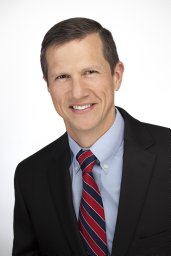 Daniel J Taylor合作论文数University of Memphis8
 Teresa Seeman合作论文数Geffen School of Medicine, University of California, Los Angeles;Epidemiology Department, Fielding School of Public Health, University of California, Los Angeles8
 Sean Drummond合作论文数Turner Institute for Brain and Mental Health, School of Psychological Sciences, Monash University8Natasha Yan Chi Tung合作论文数7
 Ball Jocasta合作论文数Centre of Research Excellence to Reduce Inequality in Heart Disease, Baker IDI Heart and Diabetes Institute7
 Neville Thanh H合作论文数University of California, Los Angeles, University of California, Los Angeles7
 Marliese Alexander合作论文数7
 Rebecca Robbins合作论文数a Department of Communication, Cornell University7
 Neil Wenger合作论文数Division of General Internal Medicine, David Geffen School of Medicine, UCLA7
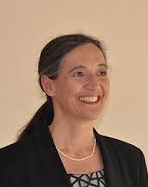 Prudence Francis合作论文数Peter MacCallum Cancer Centre;Department of Oncology, University of Melbourne7
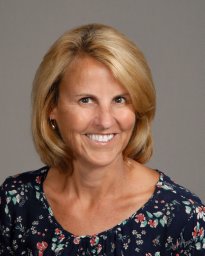 Laura K. Barger合作论文数Division of Sleep Medicine, Brigham and Women’s Hospital, 221 Longwood Avenue, BLI 438, Boston, MA 02115, USA7
 Matthew D. Weaver合作论文数School of Psychology, Victoria University of Wellington7Rebecca Wallace合作论文数6Helena R Bean合作论文数6
 Michael Jefford合作论文数MacCallum Cancer Centre Supportive Care Research Group, Peter6
 Elise Facer-Childs合作论文数Turner Institute for Brain and Mental Health, School of Psychological Sciences, Monash University6
 Megan Spencer-Smith合作论文数Turner Institute for Brain and Mental Health, School of Psychological Sciences, Monash University6Julienne E. Bower合作论文数6Jordan Maccora合作论文数5Evangelos Chachos合作论文数5Cornelia Wellecke合作论文数Turner Inst Brain & Mental Hlth, Monash Univ5
 Julia E Stone合作论文数Sch Psychol Sci, Monash Univ5
 Dorothea Dumuid合作论文数Centre for Adolescent Health, Murdoch Children's Research Institute5Lily Anna Brown合作论文数Department of Psychiatry, Perelman School of Medicine, University of Pennsylvania5
 Svetlana Maskevich合作论文数Turner Institute for Brain and Mental Health, Monash University5
 Tara A McCannel合作论文数Dept Ophthalmol, Univ Calif Los Angeles5Yamamoto Myrtle C合作论文数5Lewin Jeremy合作论文数University Health Network, University of Toronto5
 Rachel Manber合作论文数Department of Psychiatry and Behavioral Sciences, School of Medicine, Stanford University5




