Abstract. Aerosols play an important role for atmospheric radiative transfer in biomass burning (BB) plumes, where they control photochemistry, direct radiative forcing, and radiation-induced atmospheric dynamics. The optical properties of BB aerosol, however, remain poorly constrained, with respect to their absorptive properties at ultraviolet and visible wavelengths. In-situ observations show considerable variability due to heterogeneity in BB plumes, and different measurement methods do not agree with each other. To overcome this challenge, we have developed an algorithm based on the VLIDORT for photochemistry (VPC) radiative transfer model to retrieve the imaginary refractive index k(λ) from airborne actinic flux observations at wavelengths λ of 310–440 nm. Using three flights from NASA/NOAA’s Fire Influence on Regional to Global Environments and Air Quality (FIREX-AQ) airborne experiment, we obtain values k(387 nm) between 0.02 and 0.03 for different transects, while the absorption Angstrom exponent αk is 4±1. Volume absorption cross section (VAC) and single scattering albedo generally agree with in situ observations, but show less variability, most likely because of the inherent spatial averaging of our observations. k(λ), VAC and single-scattering co-albedo decrease with physical plume age, with half-lives τ1/2 of 13±3, 16±4 and 17±4 hours, respectively. Based on our observations, we present a parameterization of the absorptive properties of BB aerosol from western US wildfires as a function of wavelength and plume age, which will help to improve the representation of BB aerosol in models.
Wintertime aerosol loading is a prevalent public health issue in Asian megacities. A combination of meteorological effects, local emissions, and biomass burning contributes to high aerosol loading in some of the most densely populated regions of the globe. Local controls of this pollution have been effective at reducing urban aerosol loading, but the effectiveness of controls of nitrogen oxides (NOx) versus ammonia (NH3) remains to be seen. Ammonium nitrate (AN) formation is especially relevant during the cold season due to increased thermodynamic favorability at lower temperatures. Understanding these chemical controls remains difficult due to a lack of comprehensive measurements that incorporate the precursors and products of aerosol formation spatially in both vertical and horizontal transport. Using in-situ measurements from the NASA DC-8 taken during the 2024 ASIA-AQ campaign, the relative contributions of NH3 and NOx to inorganic AN formation is explored over and near Asian megacities in the Philippines, South Korea, Taiwan, and Thailand. Missed approaches at airports in and near these cities provide insight into the vertical distribution of the relevant gas-phase precursors and their corresponding aerosol products across both tropical and wintertime urban environments.By quantifying the thermodynamic AN dissociation constant, we calculate that over Taiwan 25% of vertical profiles near urban centers have conditions where NH3 and nitric acid (HNO3) are abundant enough for thermodynamically favorable AN formation. Preliminary results show this is generally NOx limited and more favorable aloft at or above the boundary layer due to lower temperatures. This estimation will be further constrained against the ISORROPIA-II aerosol thermodynamic model and expanded across missed approaches over all the sampled countries. To further understand the impact of urban emissions on this aerosol formation, tracers such as carbon monoxide, methane, and nitrous oxide are used to determine the relevant contributions of urban versus agricultural emissions to the relevant precursors. Results will be compared to relevant policy on emissions regulations to evaluate the effectiveness of currently implemented controls.
Controlling ozone (O3) in rapidly urbanizing megacities in Southeast and East Asia remains a challenge. O3 is a secondary pollutant formed through nonlinear photochemical reactions with its precursors: nitrogen oxides (NOx) and volatile organic compounds (VOCs). Observation-based quantification of precursor sensitivity remains scarce, limiting actionable O3 control. To address this, we leverage airborne observations from the NASA DC-8 during the ASIA-AQ campaign conducted in February and March 2024 across four Asian megacities: Metro Manila, the Seoul Metropolitan Area, the Tainan-Kaohsiung Metropolitan Area, and the Bangkok Metropolitan Region. These extensive measurements of various trace gases were used to constrain a zero-dimensional box model and estimate the net production rates of Ox (POx, Ox = O3 + NO2). Precursor sensitivity regimes were characterized for each megacity by generating isopleths of POx across varying levels of NOx and VOCs. The analysis revealed that Manila and Tainan-Kaohsiung exhibited predominantly NOx-sensitive conditions, favoring NOx reduction as an effective O3 mitigation strategy, while Bangkok showed a more mixed sensitivity, suggesting combined NOx and VOC reductions. In contrast, Seoul exhibited a primarily VOC-sensitive regime associated with its higher NOx conditions relative to the other cities, underscoring the importance of VOC-focused strategies. In addition, to quantitatively assess sensitivity transitions, we computed orthogonal distances from the isopleth transition boundaries for all four study areas. Diurnal analyses of these distances revealed a shift from more VOC-sensitive conditions in the morning toward more NOx-sensitive regimes in the afternoon. These findings provide critical insights for formulating effective, city-specific O3 control policies in urban environments.
Formaldehyde (HCHO) is a ubiquitous atmospheric constituent, originating from primary emissions (natural and anthropogenic) and secondary production via the oxidation of volatile organic compounds (VOCs). In addition to being a regulated pollutant, HCHO is a key species used as a tracer of recent photochemical activity due to its short atmospheric lifetime and its role as a source of HOx radicals. Given its diverse sources and high spatial variability, HCHO is challenging to represent accurately in chemical transport models, often resulting in significant discrepancies with observations. Airborne in situ measurements of HCHO, especially when combined with VOC precursor data, offer valuable insights into its atmospheric distributions for evaluating models. Here, we present HCHO observations from the NSF NCAR Trace Organic Gas Analyzer with Time-of-Flight mass spectrometer (TOGA-TOF), deployed during the 2019 Fire Influence on Regional to Global Environments and Air Quality (FIREX-AQ) campaign. While most HCHO instruments target at most a few selected species for measurement, the TOGA-TOF employs a rapid gas chromatography-mass spectrometry (GC/MS) technique and provides discrete VOC measurements - including > 100 C-1-C-10 species - at a time resolution of less than 2 min. We compare TOGA-TOF HCHO data to measurements from three 1 Hz instruments aboard the NASA DC-8: the Compact Atmospheric Multi-species Spectrometer (CAMS), the In Situ Airborne Formaldehyde (ISAF) instrument, and a proton-transfer-reaction time-of-flight mass spectrometer (PTR-ToF-MS). The wide dynamic range of observed HCHO concentrations (from < 100 ppt to similar to 100 ppb) during FIREX-AQ enabled a robust intercomparison. TOGA-TOF HCHO agreed well with CAMS (slope = 1.1), with similar agreement with the PTR-ToF-MS, while larger discrepancies were observed with ISAF (slope = 1.5), likely due to differences in calibrations. Normalized excess mixing ratios (NEMRs) of HCHO relative to CO in wildfire plumes exhibited consistent trends with plume age across instruments. These findings highlight the TOGA-TOF's capability for highly sensitive and accurate airborne HCHO measurements.
Biomass burning (BB) affects air quality and climate by releasing large quantities of gaseous and particulate pollutants into the atmosphere. Photochemical processing during daylight transforms these emissions, influencing their overall environmental impact. Accurately quantifying the photochemical drivers, namely actinic flux and photolysis frequencies, is crucial to constraining this chemistry. However, the complex radiative transfer within BB plumes presents a significant challenge for both direct observations and numerical models. This study introduces an expanded version of the 1D VLIDORT-QS radiative transfer (RT) model, named VLIDORT for photochemistry (VPC). VPC is designed for photochemical and remote sensing applications, particularly in BB plumes and other complex scenarios. To validate VPC and investigate photochemical conditions within BB plumes, the model was used to simulate spatial distributions of actinic fluxes and photolysis frequencies for the Shady wildfire (Idaho, US, 2019) based on plume composition data from the NOAA/NASA FIREX-AQ (Fire Influence on Regional to Global Environments and Air Quality) campaign. Comparison between modeling results and observations by the CAFS (charged-coupled device actinic flux spectroradiometer) yields a modeling accuracy of 10 %–20 %. Systematic biases between the model and observations are within 2 %, indicating that the uncertainties are most likely due to variability in the input data caused by the inhomogeneity of the plume as well as 3D RT effects not captured in the model. Random uncertainties are largest in the ultraviolet (UV) spectral range, where they are dominated by uncertainties in the plume particle size distribution and brown carbon (BrC) absorptive properties. The modeled actinic fluxes show a decrease from the plume top to the bottom of the plume with a strong spectral dependence caused by BrC absorption, which darkens the plume towards shorter wavelengths. In the visible (Vis) spectral range, actinic fluxes above the plume are enhanced by up to 60 %. In contrast, in the UV, actinic fluxes above the plume are not affected or even reduced by up to 10 %. Strong reductions exceeding an order of magnitude in and below the plume occur for both spectral ranges but are more pronounced in the UV.
Cold-climate urban areas often face severe air pollution events in wintertime because of residential heating and vehicle emissions into shallow surface inversion layers. Many state-of-the-art regional chemistry-transport models cannot capture the small spatio-temporal scale of the transport and chemical processes occurring in these environments. Here we introduce a new version of our one-dimensional atmospheric chemistry and transport model, PACT-1D that includes continuous exchange of atmospheric air with the interstitial air of a snow layer and a kinetic treatment of multi-phase chemical processes in air and snow. PACT-1D allows modeling and assessment of the interaction of transport, chemistry, and emissions on the time and length scales relevant to polluted wintertime environments. We use the model to analyze observations made during the ALPACA campaign (Jan. and Feb. 2022 in Fairbanks, AK, USA). Many atmospheric and snow parameters were recorded, including measurements of the vertical distribution of trace species in the atmosphere and snow. The near surface transport is constrained by a passive tracer method, using reported sulfur dioxide emissions and respective profile measurements. We present preliminary model results and analyze sources of oxidants in the snow and the influence of the snow layer on the near-surface atmospheric compositions.
The high levels of sulfate in wintertime particles in Fairbanks, Alaska, are a subject of keen research interest and regulatory concern. Recent results from the 2022 Alaska Layered Pollution And Chemical Analysis (ALPACA) field campaign indicate that roughly 40 % of wintertime sulfate in Fairbanks is secondary, with hydrogen peroxide (HOOH) the dominant oxidant. Since formation of HOOH in the gas phase should be negligible during ALPACA because of high levels of NOx, we examined whether reactions within particles could be a significant source of HOOH. To test this, we collected particulate matter (PM) samples during the ALPACA campaign, extracted them, illuminated them with simulated sunlight, and measured HOOH production. Aqueous extracts showed significant light absorption, a result of brown carbon (BrC) from sources such as residential wood combustion. Photoformation rates of HOOH in the PM extracts (PMEs; normalized to Fairbanks winter sunlight) range from 6 to 71 µM h−1. While light absorption is nearly independent of pH, HOOH formation rates decrease with increasing pH. Extrapolating to the concentrated conditions of aerosol liquid water (ALW) gives an average rate of in-particle HOOH formation of ∼ 0.1 M h−1. Corresponding rates of sulfate formation from particle-produced HOOH are 0.05–0.5 µgm-3h-1, accounting for a significant portion of the secondary sulfate production rate. Our results show that HOOH formed in particles makes an important contribution to sulfate formation in ambient wintertime particles, even under the low actinic flux conditions typical of winter in subarctic locations like Fairbanks.
Subarctic cities notoriously experience severe winter pollution episodes with fine particle (PM2.5) concentrations above 35 mu g m-3, the US Environmental Protection Agency (EPA) 24 h standard. While winter sources of primary particles in Fairbanks, Alaska, have been studied, the chemistry driving secondary particle formation is elusive. Biomass burning is a major source of wintertime primary particles, making the PM2.5 rich in light-absorbing brown carbon (BrC). When BrC absorbs sunlight, it produces photooxidants - reactive species potentially important for secondary sulfate and secondary organic aerosol formation - yet photooxidant measurements in high-latitude PM2.5 remain scarce. During the winter of 2022 Alaskan Layered Pollution And Chemical Analysis (ALPACA) field campaign in Fairbanks, we collected PM filters, extracted the filters into water, and exposed the extracts to simulated sunlight to characterize the production of three photooxidants: oxidizing triplet excited states of BrC, singlet molecular oxygen, and hydroxyl radical. Next, we used our measurements to model photooxidant production in highly concentrated aerosol liquid water. While conventional wisdom indicates photochemistry is limited during high-latitude winters, we find that BrC photochemistry is significant: we predict high triplet and singlet oxygen daytime particle concentrations up to 2x10-12 and 3x10-11 M, respectively, with moderate hydroxyl radical concentrations up to 5x10-15 M. Although our modeling predicts that triplets account for 0.4 %-10 % of daytime secondary sulfate formation, particle photochemistry cumulatively dominates, generating 76 % of daytime secondary sulfate formation, largely due to in-particle hydrogen peroxide, which contributes 25 %-54 %. Finally, we estimate triplet production rates year-round, revealing the highest rates in late winter when Fairbanks experiences severe pollution and in summer when wildfires generate BrC.
Nitric oxide (NO) in the remote marine atmosphere is underestimated by chemistry‐climate models. We explore the potential oceanic emissions of NO and its impacts using a global chemistry‐climate model with a newly developed oceanic NO emission inventory, considering the abiotic photochemical production of NO in the seawater. The results are evaluated using global observations from the NASA Atmospheric Tomography Mission (ATom). We propose that the photochemical production of NO from the photolysis of dissolved inorganic nitrite and nitrate in the surface seawater could lead to an oceanic NO x source of ∼3 Tg N per year, which could explain the missing NO in the remote marine boundary layer. This potential oceanic NO source leads to a small but potentially widespread increase in surface ozone and hydroxyl radicals in the remote marine environment, altering our understanding of the role the remote marine atmosphere plays in the global system. Further, the role of the photolysis of nitrate aerosols may be overestimated in recent studies and warrants further investigation.
Hydroxymethanesulfonate (HMS) in fine aerosol particles has been reported at significant concentrations along with sulfate under extreme cold conditions (-35 °C) in Fairbanks, Alaska, a high latitude city. HMS, a component of S(IV) and an adduct of formaldehyde and sulfur dioxide, forms in liquid water. Previous studies may have overestimated HMS concentrations by grouping it with other S(IV) species. In this work, we further investigate HMS and the speciation of S(IV) through the Alaskan Layered Pollution and Chemical Analysis (ALPACA) intensive study in Fairbanks. We developed a method utilizing hydrogen peroxide to isolate HMS and found that approximately 50% of S(IV) is HMS for total suspended particulates and 70% for PM2.5. The remaining unidentified S(IV) species are closely linked to HMS during cold polluted periods, showing strong increases in concentration relative to sulfate with decreasing temperature, a weak dependence on particle water, and similar particle size distributions, suggesting a common aqueous formation process. A portion of the unidentified S(IV) may originate from additional aldehyde-S(IV) adducts that are unstable in the water-based chemical analysis process, but further chemical characterization is needed. These results show the importance of organic S(IV) species in extreme cold environments that promote unique aqueous chemistry in supercooled liquid particles.
Paleoecological analysis of three lake sediment cores from the Roraima savannas in northern Brazil revealed systems dominated by Poaceae pollen throughout most of the Holocene. A slight increase of palms and woody taxa, probably linked to wetter conditions, is observed during the last 1000 years but is more noticeable after 300 and 150 calibrated years BP (yr BP) respectively. Charcoal was present throughout affirming the importance of fire for the landscape but showed the highest values mostly in the last millenium. Poaceae pollen size spectra varied considerably, showing more variability than the overall pollen record. Despite evidence of some climate change in the Holocene, these savannas were stable systems. The sedimentary records showed gaps in deposition between 10,000 and 7800 yr BP and between 2500 and 1200 yr BP, suggesting dry periods during which lakes most likely dried out or became impermanent and highlighting the sensitivity of these lakes to local water table variation. The establishment of the modern climate in the region is evident after 1000 yr BP.
The role of persistent snow covers in wintertime urban air pollution chemistry remains largely unexplored. The interactions of chemistry and transport processes are complex and the physicochemical structure of snow is uncertain. For instance, it is still unclear to what extent uptake and chemistry occur on ice, a disordered interface layer on the ice, or in brine pockets at grain boundaries. We use a process-based one-dimensional coupled atmosphere-snow model to gain initial insight into the interaction of snow with high concentrations of SO2 and NO2 in polluted wintertime Fairbanks, AK, USA. Snow can act as a reservoir for both gases, allowing for fluxes into the snow (during polluted periods) and out of the snow (during cleaner periods). The geometrical distribution of liquid on ice is varied to approximate the conceptual difference between the disordered ice interface and brine in localized pockets. The behavior of SO2 is more sensitive to these differences, mostly due to its greater stickiness on ice and solubility in water compared to NO2, which remains mostly in the snow interstitial air. Liquid-phase chemical processing of both compounds is almost insensitive to the distribution of the liquid phase in the snow and mostly determined by the volume of liquid. Our study highlights the value of comprehensive process-based modeling to further our understanding of snow chemistry. Our model platform can serve as a tool to inform and support future research efforts on improving our understanding of the liquid content of snow, chemical processing on ice surfaces, and, in general, the influence of snow on atmospheric chemistry.
The Alaskan Layered Pollution And Chemical Analysis (ALPACA) field experiment was a collaborative study designed to improve understanding of pollution sources and chemical processes during winter (cold climate and low-photochemical activity), to investigate indoor pollution, and to study dispersion of pollution as affected by frequent temperature inversions. A number of the research goals were motivated by questions raised by residents of Fairbanks, Alaska, where the study was held. This paper describes the measurement strategies and the conditions encountered during the January and February 2022 field experiment, and reports early examples of how the measurements addressed research goals, particularly those of interest to the residents. Outdoor air measurements showed high concentrations of particulate matter and pollutant gases including volatile organic carbon species. During pollution events, low winds and extremely stable atmospheric conditions trapped pollution below 73 m, an extremely shallow vertical scale. Tethered-balloon-based measurements intercepted plumes aloft, which were associated with power plant point sources through transport modeling. Because cold climate residents spend much of their time indoors, the study included an indoor air quality component, where measurements were made inside and outside a house to study infiltration and indoor sources. In the absence of indoor activities such as cooking and/or heating with a pellet stove, indoor particulate matter concentrations were lower than outdoors; however, cooking and pellet stove burns often caused higher indoor particulate matter concentrations than outdoors. The mass-normalized particulate matter oxidative potential, a health-relevant property measured here by the reactivity with dithiothreiol, of indoor particles varied by source, with cooking particles having less oxidative potential per mass than pellet stove particles.
Using a new approach that constrains thermodynamic modeling of aerosol composition with measured gas-to-particle partitioning of inorganic nitrate, we estimate the acidity levels for aerosol sampled in the South Korean planetary boundary layer during the NASA/NIER KORUS-AQ field campaign. The pH (mean ± 1σ = 2.43±0.68) and aerosol liquid water content determined were then used to determine the ‘chemical regime’ of the inorganic fraction of particulate matter (PM) sensitivity to ammonia and nitrate availability. We found that the aerosol formation is always sensitive to HNO3 levels, especially in highly polluted regions, while it is only exclusively sensitive to NH3 in some rural/remote regions. Nitrate levels are further promoted because dry deposition velocity is low and allows its accumulation in the boundary layer. Because of this, HNO3 reductions achieved by NOX controls prove to be the most effective approach for all conditions examined, and that NH3 emissions can only partially affect PM reduction for the specific season and region. Despite the benefits of controlling PM formation to reduce ammonium-nitrate aerosol and PM mass, changes in the acidity domain can significantly affect other processes and sources of aerosol toxicity (e.g. solubilization of Fe, Cu and other metals) as well as the deposition patterns of these trace species and reactive nitrogen.
The prevailing view for aqueous secondary aerosol formation is that it occurs in clouds and fogs, owing to the large liquid water content compared to minute levels in fine particles. Our research indicates that this view may need reevaluation due to enhancements in aqueous reactions in highly concentrated small particles. Here, we show that low temperature can play a role through a unique effect on particle pH that can substantially modulate secondary aerosol formation. Marked increases in hydroxymethanesulfonate observed under extreme cold in Fairbanks, Alaska, demonstrate the effect. These findings provide insight on aqueous chemistry in fine particles under cold conditions expanding possible regions of secondary aerosol formation that are pH dependent beyond conditions of high liquid water.
Atmospheric rivers (ARs) are synoptic-scale features that transport moisture poleward and may cause short-duration, high-volume melt events on the Greenland ice sheet (GrIS). In contrast with traditional climate modeling studies that rely on coarse (1 to 2 degrees) grids, this project investigates the effectiveness of variable-resolution (VR) grids in modeling ARs and their subsequent precipitation using refined grid spacing (0.25 and 0.125 degrees) around the GrIS and 1 degrees grid spacing for the rest of the globe in a coupled land-atmosphere model simulation. VR simulations from the Community Earth System Model version 2.2 (CESM2.2) bridge the gap between the limitations of global and regional climate models while maximizing computational efficiency. ARs from CESM2.2 simulations using three grid types (VR, latitude-longitude, and quasi-uniform) with varying resolutions are compared to outputs from two observation-based reanalysis products, ERA5 and the Modern-Era Retrospective Analysis for Research and Applications, version 2 (MERRA-2), using a study period of 1 January 1979 to 31 December 1998.The VR grids produce ARs with smaller areal extents and lower area-integrated precipitation over the GrIS compared to latitude-longitude and quasi-uniform grids. We hypothesize that the smaller areal AR extents in VR grids are due to the refined topography resolved in these grids. In contrast, topographic smoothing in coarser-resolution latitude-longitude and quasi-uniform grids allows ARs to penetrate further inland on the GrIS. Precipitation rates are similar for the VR, latitude-longitude, and quasi-uniform grids; thus the reduced areal extent in VR grids produces lower area-integrated precipitation. The VR grids most closely match the AR overlap extent and precipitation in ERA5 and MERRA-2, suggesting the most realistic behavior among the three configurations.
 Jose-Luis Jimenez合作论文数Department of Chemistry, College of Arts and Sciences, University of Colorado Boulder102
 Eric Scheuer合作论文数Earth Systems Research Center, University of New Hampshire101
 Robert Talbot合作论文数Department of Earth and Atmospheric Sciences, College of Natural Sciences and Mathematics, University of Houston99
 Donald R. Blake合作论文数Department of Chemistry, School of Physical Sciences, University of California, Irvine;Department of Earth System Science, School of Physical Sciences, University of California, Irvine95
 L. Gregory Huey合作论文数Atmospheric Sciences, Georgia Institute of Technology;School of Earth &80
 Barry Lefer合作论文数Department of Earth and Atmospheric Sciences, University of Houston74
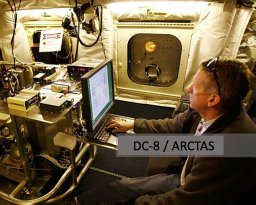 Andrew J. Weinheimer合作论文数Boulder72
 Rodney Weber合作论文数School of Earth and Atmospheric Sciences, College of Sciences, Georgia Institute of Technology66
 Pedro Campuzano Jost合作论文数Cooperative Institute for Research in Environmental Sciences65
 Glenn Diskin合作论文数Langley Research Center, National Aeronautics and Space Administration64
 Ronald C. Cohen合作论文数Department of Chemistry, College of Chemistry, University of California, Berkeley;Department of Earth & Planetary Science, University of California, Berkeley;Energy and Environment Technologies Division, LBNL54
 Nicola J. Blake合作论文数Department of Chemistry, University of California52
 Hanwant B. Singh合作论文数Atmospheric Science Branch, NASA Ames Research Center49
 Paul Wennberg合作论文数Ronald and Maxine Linde Center for Global Environmental Science, California Institute of Technology;Laboratory for the Study of Atmospheric Composition, California Institute of Technology48
 James Crawford合作论文数Langley Research Center, National Aeronautics and Space Administration48
 John D. Crounse合作论文数Division of Geological and Planetary Sciences, California Institute of Technology42
 F. Flocke合作论文数Atmospheric Chemistry Division, National Center for Atmospheric Research41
 Elliot Atlas合作论文数Department of Atmospheric Sciences, Rosenstiel School, University of Miami39
 Daniel Jacob合作论文数John A. Paulson School of Engineering and Applied Sciences, Harvard University;Department of Earth & Planetary Sciences, Harvard University38
 Andreas Beyersdorf合作论文数Department of Chemistry & Biochemistry, California State University, San Bernardino37
 Melody Avery合作论文数Science Directorate, NASA Langley Research Center35
 T. B. Ryerson合作论文数34
 Luke Ziemba合作论文数NASA Langley Research Center34
 Jason C. Schroder合作论文数Cooperative Institute for Research in Environmental Sciences, University of Colorado33
 Doug Day合作论文数Cooperative Institute for Research in Environmental Sciences, University of Colorado Boulder;Department of Chemistry, University of Colorado Boulder33
 William H. Brune合作论文数Department of Meteorology and Atmospheric Science, College of Earth and Mineral Sciences, Pennsylvania State University33
 Steven Brown合作论文数Chemical Sciences Laboratory, National Oceanic and Atmospheric Administration;College of Arts and Sciences, University of Colorado Boulder33Brian G. Heikes合作论文数Graduate School of Oceanography, University of Rhode Island32Alan Fried合作论文数31
 Jeff Peischl合作论文数Chemical Sciences Laboratory, National Oceanic and Atmospheric Administration;Institute for Research in Environmental Sciences, University of Colorado Boulder31
 John Hair合作论文数Langley Research Center, National Aeronautics and Space Administration31
 Benjamin A. Nault合作论文数Cooperative Institute for Research in Environmental Sciences, University of Colorado30
 Felipe Lopez-Hilfiker合作论文数TOFWERK30C. E. Jordan合作论文数30Paul Wooldridge合作论文数Department of Chemistry, University of California, Berkeley30Edward L. Winstead合作论文数29
 Jochen Stutz合作论文数Department of Atmospheric and Oceanic Sciences, College of Physical Sciences, University of California, Los Angeles28
 R. E. Shetter合作论文数28Glen W Sachse合作论文数27
 Christopher Cantrell合作论文数Department of Atmospheric and Oceanic Sciences, College of Arts and Sciences, University of Colorado Boulder27
 Louisa Emmons合作论文数Atmospheric Chemistry Observations and Modeling Laboratory, National Center for Atmospheric Research27
 Bruce Anderson合作论文数Department of Earth and Environment, Boston University27
 Joshua P. Schwarz合作论文数Chemical Sciences Laboratory, National Oceanic and Atmospheric Administration26
 Glen W. Sachse合作论文数25
 Joel A. Thornton合作论文数Department of Atmospheric Sciences, University of Washington;Department of Chemistry, University of Washington25
 John Nowak合作论文数Langley Research Center, National Aeronautics and Space Administration25
 Joshua P. Digangi合作论文数24
 Edward V. Browell合作论文数NASA Langley Research Center24




