The Society of Cardiovascular Anesthesiologists (SCA) along with the Society of Thoracic Surgeons (STS) sought to improve the care of adult patients undergoing cardiac surgery who are taking direct oral anticoagulants (DOACs), such as factor Xa and direct thrombin inhibitors. To fulfill this, a systematic review of the literature on cessation of DOACs before cardiac surgery, options for monitoring DOACs, the need for bridging, reversal agents, and resuming the medications after surgery was performed. Additionally, an expert consensus around the management of these patients was completed. Summary statements were created using evidence and expert consensus to guide care of patients in each of these domains, with the ultimate goal to enhance patient safety and outcomes.
OBJECTIVES:To describe preoperative testing for iron-deficiency anemia in cardiac surgery, including its prevalence and impact on outcomes. DESIGN:Retrospective cohort study. SETTING:Single academic center. PARTICIPANTS:A total of 5,960 consecutive adults undergoing coronary artery bypass grafting (CABG), valve, or combined CABG/valve surgery, of whom 338 (5.7%) had iron-deficiency anemia, 1,918 (32.2%) had unspecified anemia, and 3,704 (62.1%) had no anemia. INTERVENTIONS:None. MEASUREMENTS AND MAIN RESULTS:Associations between preoperative iron-deficiency anemia (ferritin ≤100 µg/L or ferritin ≤300 µg/L and transferrin saturation ≤20%), survival at 30 and 365 days, and resource utilization were analyzed using Cox proportional hazards, quantile regression, and negative binomial regression. After adjustment, compared to nonanemic patients, those with iron-deficiency anemia had higher 30-day (hazard ratio [HR], 1.91; 95% confidence interval [CI], 1.22 to 2.98; p = 0.004) and 365-day mortality (HR, 2.78; 95% CI, 2.13 to 3.62; p < 0.001), longer intensive care unit (HR, 0.84; 95% CI, 0.76 to 0.94; p = 0.002) and hospital length of stay (HR, 0.75; 95% CI, 0.68 to 0.83; p < 0.001), decreased median days alive at home (-3.71; 95% CI, -7.16 to -0.27; p = 0.03), and higher risk of emergency department (ED) visits at 1 year (incident rate ratio [IRR], 1.36; 95% CI, 1.15 to 1.61; p < 0.001). Iron-deficiency anemia was also associated with higher 365-day mortality (HR, 1.48; 95% CI, 1.17 to 1.88; p = 0.001) and ED visits at 1 year (IRR, 1.26; 95% CI, 1.07 to 1.50; p = 0.007) compared to unspecified anemia. CONCLUSIONS:Among cardiac surgery patients, preoperative iron-deficiency anemia is associated with decreased survival and higher health care utilization compared to patients with no anemia and unspecified anemia.
Perioperative anemia and red blood cell transfusions are important risk factors for morbidity and mortality in cardiac surgery. Preoperative anemia is common, with up to 50% of patients presenting for cardiac surgery affected. Iron deficiency—the most common and potentially modifiable cause of preoperative anemia—is a major driver of blood transfusions in the cardiac surgical setting, adversely affecting both patient outcomes and resource utilization. Perioperative blood management, a patient-centered approach to blood conservation during cardiac surgery, is a multidisciplinary collaborative effort among anesthesiologists, surgeons, perfusionists, intensivists, and transfusion laboratory teams. Strategies aim to reduce blood loss and transfusions and improve patient outcomes. There has been a recent increase in research related to anemia, iron deficiency, and patient blood management in cardiac surgery. This scientific statement highlights the latest evidence on preoperative anemia assessment and intraoperative blood conservation; discusses considerations for specific patient populations regarding anemia prevalence, treatment, and outcomes; and reviews key challenges and knowledge gaps, with the goal of minimizing the impact of preoperative anemia, intraoperative blood loss, and hemodilution on cardiac surgery outcomes.
Postoperative anaemia is an overlooked complication of cardiac surgery that is associated with adverse clinical outcomes. Although small clinical trials suggest that postoperative treatment with i.v. iron improves haemoglobin recovery and reduces transfusion utilisation, appropriately powered randomised controlled trials are necessary to definitively evaluate the efficacy of treatment on clinical outcomes of importance to patients, clinicians, and healthcare systems. A comprehensive approach to perioperative anaemia management demands a renewed focus on both prevention and treatment to improve patient outcomes.
( Anesthesiology . 2025;143(5):1357–1370. doi: 10.1097/ALN.0000000000005586) Cell salvage (CS) is the commonly used name for autologous salvaged blood, and it is used to mitigate the effects of blood loss by restoring lost blood and reducing the impact of allogeneic transfusion exposure. Previous literature has shown CS to be effective in surgeries where high blood loss is expected, such as cardiothoracic, vascular, and spine surgery. Though evidence is strong surrounding the safety and efficacy of CS, its implementation varies across specialties and locations. Recent changes in surgical techniques and management of perioperative bleeding have likely contributed to reductions in the use of CS, and utilization remains extremely low in populations such as oncologic surgery. This study is designed to provide a review of evidence surrounding four key myths of perioperative CS that may impede its implementation in populations where it could be useful.
In critical illness, all elements of gut function are perturbed. Dysbiosis develops as the gut microbial community loses taxonomic diversity and new virulence factors appear. Intestinal permeability increases, allowing for translocation of bacteria and/or bacterial products. Epithelial function is altered at a cellular level and homeostasis of the epithelial monolayer is compromised by increased intestinal epithelial cell death and decreased proliferation. Gut immunity is impaired with simultaneous activation of maladaptive pro- and anti-inflammatory signals leading to both tissue damage and susceptibility to infections. Additionally, splanchnic vasoconstriction leads to decreased blood flow with local ischemic changes. Together, these interrelated elements of gastrointestinal dysfunction drive and then perpetuate multi-organ dysfunction syndrome. Despite the clear importance of maintaining gut homeostasis, there are very few reliable measures of gut function in critical illness. Further, while multiple therapeutic strategies have been proposed, most have not been shown to conclusively demonstrate benefit, and care is still largely supportive. The key role of the gut in critical illness was the subject of the tenth Perioperative Quality Initiative meeting, a conference to summarize the current state of the literature and identify key knowledge gaps for future study. This review is the product of that conference.
Background: Ventilation methods during ICU transport after cardiac surgery are critical. This study aimed to assess the effects of manual and mechanical ventilation on post-transport hypotension in patients undergoing cardiac surgery. Methods: This prospective clinical trial was conducted at a tertiary academic hospital. Adult patients who underwent open heart surgery were randomized to either (1) manual ventilation or (2) mechanical ventilation during transport. The primary outcomes were the hemodynamic parameters change. The secondary outcomes were the PaO2/FiO2 ratio and PaCO2 change. Results: A total of 78 patients were randomized into two groups: manual ventilation (n = 39) and mechanical ventilation (n = 39). Significant hypotension (>20% drop in mean arterial pressure post-transport) was noted in nine patients in the manual ventilation arm, but not in any patient in the mechanical ventilation arm. In manually ventilated patients, receiver operating characteristic curve analysis of systemic vascular resistance for significant hypotension showed that the area under the curve was 0.962 (95% CI, 0.891-1). No mechanically ventilated patients had significant hypotension. No significant difference was observed in % change in PaO2 and PaCO2 between the manual and mechanical ventilation arms. Conclusion: This study demonstrated that significant post-transport hypotension was more common in the manually ventilated arm than in the mechanically ventilated arm. No significant differences in oxygenation or ventilation were observed between the groups. The low systemic vascular resistance showed excellent predictive value for significant post-transport hypotension. Further research is warranted to identify patient-specific risk factors to enhance transportation safety.
BACKGROUND:The importance of right ventricular (RV) function assessment has been a hot topic in cardiac surgery, and perioperative RV function is known to determine the outcome of cardiac surgery. However, RV echocardiographic assessment is challenging due to RV geometric changes. Currently, a 3D-derived RV assessment is recommended. Previous studies have shown that RV function is reduced more in surgical aortic valve replacement (SAVR) than in transcatheter aortic valve replacement (TAVR); however, RV assessment in these studies was mostly performed using 2-dimensional echocardiography. Moreover, very few studies have assessed the difference in RV function between full sternotomy (full-SAVR) and mini-sternotomy AVR (mini-SAVR). This study assessed RV function in three types of AVR using 3D RV ejection fraction (RVEF), tricuspid annular plane systolic excursion (TAPSE), and RV fractional area change (RVFAC). METHODS:This is a prospective, observational study at a university hospital setting. Participants are adult patients who underwent TAVR, mini-SAVR, and full-SAVR. MEASUREMENTS AND MAIN RESULTS:Sixty-seven patients were enrolled in this study (22, 22, and 23 patients in the TAVR, mini-SAVR, and full-SAVR groups, respectively). The % change (pre- and post-procedure) in 3D RVEF, RVFAC, and TPASE in TAVR, mini-SAVR, and full-SAVR were as follows: 3D RVEF: 4.51 ± 10.89 (TAVR), -13.67 ± 19.81 (mini-SAVR), and -8.36 ± 18.24 (full-SAVR) (p = 0.003). RVFAC:4.35 ± 12.33 (TAVR), -8.28 ± 23.88 (mini-SAVR), and -9.49 ± 20.92 (full-SAVR) (p < 0.001). TAPSE:10.46 ± 24.17 (TAVR), -22.14 ± 32.48 (mini-SAVR), and -32.48 ± 31.81 (full-SAVR) (p < 0.001). Comparisons were adjusted for age, gender, central venous pressure, catecholamine amount, and each preoperative RV index. CONCLUSION:There was significantly more worsening of 3D RVEF, RVFAC and TAPSE after full-SAVR and mini-SAVR than after TAVR.
Objectives This work was designed to evaluate maximum platelet contractile force and thrombus area before and after cardiopulmonary bypass (CPB) in pediatric patients having congenital heart disease (CHD) surgery using a microfluidic device. Design A prospective cohort study was designed. Setting The work took place at an academic medical center. Participants Twenty pediatric CHD patients ≤8 years of age with expected CPB time >30 minutes were enrolled. Interventions None. Measurements and Main Results Blood was collected at baseline and post-CPB. Maximum platelet contractile force and thrombus area were evaluated in vitro using a microfluidic device (ATLAS PST). Post-CPB samples were supplemented with recombinant von Willebrand factor (rVWF) to explore the impact on contractile force and thrombus area. At baseline, the maximum thrombus area was 0.06 (0.05, 0.07), and the maximum force was 123.3 nN (68.4, 299.5). Linear mixed-effects regression models showed that the maximum thrombus area was larger post-CPB and post-CPB + rVWF compared with pre-CPB (estimated coefficient [Est] = 0.04, p = 0.002; Est = 0.09, p < 0.001, respectively). The maximum thrombus area was also larger post-CPB + rVWF compared with post-CPB (Est = 0.04, p = 0.001). Force was higher post-CPB + rVWF compared with pre-CPB (Est = 173.32, p = 0.044). Conclusions In pediatric CHD patients, microfluidic testing demonstrated that platelet thrombus area increased slightly after CPB, while platelet contractile force did not change. In vitro addition of rVWF further increased thrombus area, suggesting augmentation of primary hemostasis. Microfluidic assessment of platelet contractile force and thrombus area in pediatric CHD patients appears feasible and can demonstrate changes after CPB. Further studies are needed to determine its accuracy, clinical utility, and normal values for pediatric patients.
Background: Cardiac surgery-associated acute kidney injury (AKI) is associated with increased postoperative morbidity and mortality. Evidence suggests an association between perioperative acetaminophen administration and decreased incidence of postoperative AKI in pediatric cardiac surgery patients; however, an effect in adults is unknown. Methods: All patients (n = 6192) undergoing coronary and/or valve surgery with a recorded Society of Thoracic Surgeons (STS) risk score at our institution between 2010 and 2018 were stratified by acetaminophen exposure on the day of surgery using institutional pharmacy records. AKI was determined using the Kidney Disease: Improving Global Outcomes (KDIGO) staging criteria. Logistic regression was used to analyze the association between perioperative acetaminophen and postoperative kidney injury or STS major morbidity. A sensitivity analysis using propensity score matching on the STS predicted risk of renal failure and cardiopulmonary bypass time was performed to account for time bias. Results: Perioperative acetaminophen exposure was associated with lower odds of stage 1 to 3 acute kidney injury (odds ratio [OR], 0.68; 95% CI, 0.56-0.83; P <.001) and decreased prolonged postoperative ventilation (OR, 0.53; 95% CI, 0.37-0.76; P < .001). A sensitivity analysis provided well-balanced (standard mean difference <0.10) groups of 401 pairs, in which acetaminophen was associated with a decreased incidence of postoperative AKI (OR, 0.7; 95% CI, 0.52-0.94; P = .016). Conclusions: Exposure to acetaminophen on the day of surgery was associated with a decreased incidence of AKI in our patients undergoing cardiac surgery. These data serve as a measure of effect size to further explore the therapeutic potential of acetaminophen to reduce postoperative AKI after cardiac surgery and to elucidate the mechanisms involved.
The Society of Cardiovascular Anesthesiologists (SCA) is committed to improving the quality, safety, and value that cardiothoracic anesthesiologists bring to patient care. To fulfill this mission, the SCA supports the creation of peer-reviewed manuscripts that establish standards, produce guidelines, critically analyze the literature, interpret preexisting guidelines, and allow experts to engage in consensus opinion. The aim of this report, commissioned by the SCA President, is to summarize the distinctions among these publications and describe a novel SCA-supported framework that provides guidance to SCA members for the creation of these publications. The ultimate goal is that through a standardized and transparent process, the SCA will facilitate up-to-date education and implementation of best practices by cardiovascular and thoracic anesthesiologists to improve patient safety, quality of care, and outcomes.
Preoperative anemia is common and associated with worse outcomes in cardiac surgery including acute kidney injury, red blood cell transfusion, cardiovascular complications, stroke, infection, and death. Patient blood management programs, which include dedicated clinical programs to diagnose and treat anemia in advance of surgery (ie, preoperative anemia programs), have been highlighted as a means to optimize the blood health of each patient, thereby decreasing risk for allogeneic transfusion and improving clinical outcomes. However, there remain implementation challenges for preoperative anemia programs, including difficulties with education of patients and staff, short lead times to address anemia, infrastructure and staffing limitations, lack of clear leadership or ownership of preoperative anemia, the need to develop treatment algorithms and ensure appropriate infusion therapy support, lack of capital support, and insurance/reimbursement concerns, amongst others. The purpose of this advisory from the Society of Cardiovascular Anesthesiologists (SCA) Clinical Practice Improvement Committee and the Subcommittee on Patient Blood Management with endorsement from the Society for the Advancement of Patient Blood Management (SABM) is to provide guidance on the development and implementation of a preoperative anemia clinic or service line, including identification and navigation through potential logistical barriers. A detailed analysis of financial incentives is highlighted in our companion article in this edition focuses on the return on investment of anemia management. Although originating with a focus on anemia before cardiac surgery, this advisory is broadly applicable to all perioperative patients.
BACKGROUND Intraoperative packed red blood cell (PRBC) transfusion during cardiac surgery is associated with increased postoperative morbidity and mortality; however, data on the association between PRBC transfusion and postoperative pulmonary complications (PPCs) are somewhat conflicting. Using The Society of Thoracic Surgeons Adult Cardiac Surgery Database, we sought to determine whether intraoperative PRBC transfusion was associated with PPCs as well as with longer intensive care unit (ICU) stay after isolated coronary artery bypass grafting (CABG) surgery. METHODS A registry -based cohort study was performed on 751,893 patients with isolated CABG between January 1, 2015, to December 31, 2019. Using propensity score-weighted regression analysis, we analyzed the effect of intraoperative PRBC on the incidence of PPCs (hospital -acquired pneumonia [HAP], mechanical ventilation for >24 hours, or reintubation), ICU length of stay, and ICU readmission. RESULTS Transfusion of 1, 2, 3, and double dagger 4 units of PRBCs was associated with increased odds for HAP (odds ratios [ORs], 1.24 [95% CI, 1.21-1.26], 1.28 [95% CI, 1.26-1.32], 1.36 [95% CI, 1.33-1.39], 1.31 [95% CI, 1.28-1.34]), reintubation (ORs, 1.23 [95% CI, 1.21-1.25], 1.38 [95% CI, 1.35-1.40], 1.57 [95% CI, 1.55-1.60], 1.70 [95% CI, 1.67-1.73]), prolonged ventilation (ORs, 1.34 [95% CI, 1.33-1.36], 1.56 [95% CI, 1.53-1.58], 1.97 [95% CI, 1.94-2.00], 2.27 [95% CI, 2.24-2.30]), initial ICU length of stay (mean difference in hours, 6.79 [95% CI, 6.00-7.58], 9.55 [95% CI, 8.71-10.38], 17.26 [95% CI, 16.38-18.15], 22.14 [95% CI, 21.22-23.06]), readmission to ICU (ORs, 1.14 [95% CI, 1.12-1.64], 1.15 [95% CI, 1.12-1.17], 1.15 [95% CI, 1.13-1.18], 1.32 [95% CI, 1.29-1.35]), and additional ICU length of stay (mean difference in hours, 0.55 [95% CI, 0.18-0.92], 0.38 [95% CI, 0.00-0.77], 1.02 [95% CI, 0.61-1.43], 1.83 [95% CI, 1.40-2.26]), respectively. CONCLUSIONS Intraoperative PRBC transfusion was associated with increased incidence of PPCs, prolonged ICU stay, and ICU readmissions after isolated CABG surgery. (Ann Thorac Surg 2024;117:839-46) (c) 2024 by The Society of Thoracic Surgeons. Published by Elsevier Inc.
BACKGROUND:Excessive perioperative bleeding is associated with major complications in cardiac surgery, resulting in increased morbidity, mortality, and cost. METHODS:An international expert panel was convened to develop consensus statements on the control of bleeding and management of transfusion and to suggest key quality metrics for cardiac surgical bleeding. The panel reviewed relevant literature from the previous 10 years and used a modified RAND Delphi methodology to achieve consensus. RESULTS:The panel developed 30 consensus statements in 8 categories, including prioritizing control of bleeding, prechest closure checklists, and the need for additional quality indicators beyond reexploration rate, such as time to reexploration. Consensus was also reached on the need for a universal definition of excessive bleeding, the use of antifibrinolytics, optimal cessation of antithrombotic agents, and preoperative risk scoring based on patient and procedural factors to identify those at greatest risk of excessive bleeding. Furthermore, an objective bleeding scale is needed based on the volume and rapidity of blood loss accompanied by viscoelastic management algorithms and standardized, patient-centered blood management strategies reflecting an interdisciplinary approach to quality improvement. CONCLUSIONS:Prioritizing the timely control and management of bleeding is essential to improving patient outcomes in cardiac surgery. To this end, a cardiac surgical bleeding quality metric that is more comprehensive than reexploration rate alone is needed. Similarly, interdisciplinary quality initiatives that seek to implement enhanced quality indicators will likely lead to improved patient care and outcomes.
Despite multiple recent guidelines recommending the diagnosis and treatment of anemia before elective cardiac surgery, few institutions have formal programs or methods in place to accomplish this. A major limitation is the perceived financial shortfall and the leadership buy-in required to undertake such an initiative. The purpose of this advisory from the Society of Cardiovascular Anesthesiologists (SCA) Clinical Practice Improvement Committee with endorsement by the Society for the Advancement of Patient Blood Management (SABM) is to provide an overview of preoperative anemia management programs with an emphasis on the associated financial implications. This advisory reviews the evidence for preoperative anemia management programs in both cardiac and noncardiac surgery, discusses options for managing preoperative anemia, provides novel financial modeling regarding the implementation of preoperative anemia management programs, and describes implementation challenges, potential solutions, and opportunities for improvement.
 Michael Mazzeffi合作论文数Department of Anesthesiology, University of Maryland11
 Yaacov Gozal合作论文数11Bruce A. Bollen合作论文数9
 Linda Shore合作论文数Department of Anesthesiology, Montefiore Medical Center9
 Thiele Robert H合作论文数6John J. Mcneil合作论文数6
 Zhiyi Zuo (左志义)合作论文数Department of Anesthesiology, School of Medicine, University of Virginia6
 Kenichi Tanaka合作论文数Department of Anesthesiology, College of Medicine, The University of Oklahoma6Jenny Kwak合作论文数5
 Prakash A. Patel合作论文数Department of Anesthesiology Yale School of Medicine, Yale University5
 Schwann Nanette M合作论文数Department of Anesthesiology, Drexel University College of Medicine5Julie L. Huffmyer合作论文数Department of Anesthesiology, University of Virginia Health Sciences Center5
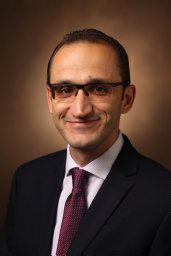 Miklos D. Kertai合作论文数Department of Cardiology, Erasmus Medical Center5Julia Rivo合作论文数4Shanna Hill合作论文数4
 Cyril David Mazer合作论文数Department of Anesthesiology and Pain Medicine, Temerty Faculty of Medicine, University of Toronto4
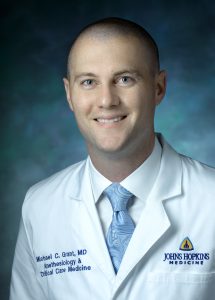 Michael Grant合作论文数Division of Cardiac Anesthesia and Surgical Intensive Care, Department of Anesthesiology and Critical Care Medicine, School of Medicine, Johns Hopkins University4Hensley Nadia合作论文数From the Department of Anesthesiology and Critical Care Medicine, Johns Hopkins Hospital4
 Renata Ferreira 合作论文数Department of Anesthesiology & Pain Medicine, University of Washington4
 Andrew L Wilkey合作论文数4
 Philip E. Greilich合作论文数University of Texas4
 Mordechai Chevion合作论文数Department of Biochemistry and Molecular Biology, The Hebrew University of Jerusalem4
 Benjamin Drenger合作论文数Department of Anesthesiology, Hadassa Medical Center4W. Travis Lau合作论文数3Philip Roman合作论文数3Brantley Gaitan合作论文数3N. H. Patel合作论文数3
 Jonathan H Chow合作论文数3Lori B. Heller合作论文数3Andrew Schroeder合作论文数3Xiaoke Feng合作论文数Department of Biostatistics, Vanderbilt University Medical Center3Mohamed Abdalla合作论文数3John Klick合作论文数3
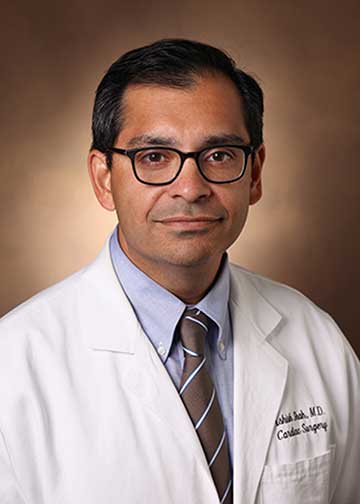 Ashish S. Shah合作论文数Department of Cardiac Surgery, Vanderbilt University Medical Center;Division of Cardiac Surgery, The Johns Hopkins Hospital3
 Christa Boer合作论文数Amsterdam University Medical Center, Location Vrije Universiteit Amsterdam3
 Ian J. Welsby合作论文数Duke Anesthesiology, Duke University School of Medicine3
 Nicole Renee Guinn合作论文数Department of Anesthesiology, Duke University School of Medicine3
 Wanda M. Popescu合作论文数Department of Anesthesiology, Yale School of Medicine, Yale University3Palvadi Raja R合作论文数3
 Marco Ranucci合作论文数Universita degli Studi di Milano;IRCCS Policlinico San Donato3Abernathy James H合作论文数3
 Sudhakar Subramani合作论文数3Shotwell Matthew S合作论文数Vanderbilt University3
 Barbara Jeanne Wilkey合作论文数3
 Rawn Salenger合作论文数3Steven E. Hill合作论文数3Gregory A. Nuttall合作论文数3
 Steven Roth合作论文数Roth Lab, College of Medicine, University of Illinois3
 Hirachand Mutagi合作论文数2




