Drug-induced dedifferentiation towards drug-tolerant persister states is a common mechanism cancer cells exploit to escape therapies, hindering durable responses. How early epigenomic and transcriptomic programs coordinate to initiate these reversible transitions remains largely unexplored. Here we employ high-temporal-resolution multi-omics profiling, information-theoretic approaches, and dynamic system modeling to probe these processes in BRAF-mutant melanoma models and patient specimens. We uncover a hysteretic transition trajectory in response to oncogene inhibition and subsequent release, driven by two tightly coupled transcriptional waves that orchestrate genome-scale chromatin reconfiguration. Modeling of these waves suggests NF-κB/RelA-driven chromatin remodeling as the underlying mechanism of cell-state dedifferentiation, which we validate experimentally. We identify RelA-target genes epigenetically modulated to drive this process and define a quantitative epigenome gauge of melanoma cell-state plasticity that supports targeting epigenetic machineries to potentiate oncogene inhibition. Across additional cancer models, oxidative stress-mediated NF-κB/RelA activation emerges as a common driver of transitions into drug-tolerant persister states, revealing a central role for NF-κB axis in coupling oxidative stress to cancer progression.
Abstract Epstein-Barr virus (EBV) reprograms B cells in autoimmune disease. Reprogrammed EBV + B cells activate nearby B and CD4 + T cells, via upregulated antigen presentation and costimulatory machinery, to drive autoimmune pathology. EBV reactivation is a known correlate of long COVID, which is a heterogeneous condition that can bear similarities to autoimmune disease. However, the mechanisms underpinning this association remain unresolved. We report on EBV metabolically reprogrammed B cells in patients with COVID-19. We find EBV + B cells provide stimulatory signals to bystander B and CD4 + T cells. SARS-CoV-2 infected participants exhibiting elevated fractions of EBV + B cells present, at convalescence, with dysregulated lipid profiles, increased autoantibody titers, and post-acute symptomology likely reflective of this metabolic reprogramming and cell-cell interactions. Enrichment of our EBV + B cell signatures seen in patients with COVID-19 is similar in patients with lupus and multiple sclerosis suggesting a potentially shared pathway of EBV-driven dysfunction across diseases.
Systematic whole-protein screening and comprehensive profiling of antigen-specific CD4+ T cells are crucial for advancing vaccine design and cancer immunotherapies, yet remain technically challenging. Here, we present a high-throughput platform that utilizes large-scale class II single-chain trimer libraries to detect antigen-specific CD4+ T cells, while simultaneously profiling their antigen specificity, TCRα/β sequences, MHC restriction, whole transcriptomes, and patient/timepoint origins at single-cell resolution. Upon rigorous platform validation, we screened the full SARS-CoV-2 spike receptor binding domain in a longitudinal cohort of 22 participants, identifying 2,188 antigen-specific CD4+ T cells and showing key metrics defining the immunogenicity of class II-restricted viral antigens. We further extended the platform to whole-protein screening of HPV-16 E6/E7 in a cohort of precancerous patients, indicating HPV-specific CD4 TCRs that, upon extensive characterization, demonstrate strong therapeutic potential. By integrating high-throughput antigen screening with high-dimensional, multi-modal cellular characterization, our approach provides detailed insight into CD4+ T cell immunity, potentially guiding vaccine design and next-generation TCR-based cancer immunotherapies.
Autoantibodies (autoAbs) are linked to mortality and Long COVID, yet their cellular origins remain unclear. We analyzed the INCOV cohort and identified 12 age- and sex-matched participants with varying autoAb abundance and integrated single-cell RNA-seq and ATAC-seq data from B cells, plasma proteomics, proteome-wide autoAb profiling, clinical data, and in vitro assays. AutoAb abundance inversely correlated with neutralizing IgG and declined as infection resolved, paralleling the contraction of atypical memory B cells (AtMs). In vitro, AtMs preferentially differentiated into autoAb-producing antibody-secreting cells upon TLR7/8 stimulation. CD11c+ AtMs (double-negative 2, DN2s) in autoAb-high individuals exhibited increased TLR7 signaling, oxidative stress, and isotype switching, regulated by transcription factors T-bet and XBP1. Integrated genetic and genomic analyses showed that DN2s had the strongest enrichment for autoimmune trait heritability and inferred regulatory effects of autoimmune risk variants among B cell subsets. These findings identify DN2s as key precursors of autoAb-producing cells during SARS-CoV-2 infection.
Coronary artery disease (CAD) is linked to atherosclerosis plaque formation. In pro-inflammatory conditions, human Natural Killer (NK) cell frequencies in blood or plaque decrease; however, NK cells are underexplored in CAD pathogenesis, inflammatory mechanisms, and CAD comorbidities, such as human cytomegalovirus (HCMV) infection and diabetes. Analysis of PBMC CITE-seq data from sixty-one CAD patients revealed higher blood NK cell SPON2 expression in CAD patients with higher stenosis severity. Conversely, NK cell SPON2 expression was lower in pro-inflammatory atherosclerosis plaque tissue with an enriched adaptive NK cell gene signature. In CAD patients with higher stenosis severity, peripheral blood NK cell SPON2 expression was lower in patients with high HCMV-induced adaptive NK cell frequencies and corresponded to lower PBMC TGFβ transcript expression with dependency on diabetes status. These results suggest that high NK cell SPON2 expression is linked to atherosclerosis pro-homeostatic status and may have diagnostic and prognostic implications in cardiovascular disease.
Longitudinal trajectories of Long COVID remain ill-defined, yet are critically needed to advance clinical trials, patient care, and public health initiatives for millions of individuals with this condition. Long COVID trajectories were determined prospectively among 3,659 participants (69% female; 99.6% Omicron era) in the National Institutes of Health Researching COVID to Enhance Recovery (RECOVER) Adult Cohort. Finite mixture modeling was used to identify distinct longitudinal profiles based on a Long COVID research index measured 3 to 15 months after infection. Eight longitudinal profiles were identified. Overall, 195 (5%) had persistently high Long COVID symptom burden, 443 (12%) had non-resolving, intermittently high symptom burden, and 526 (14%) did not meet criteria for Long COVID at 3 months but had increasing symptoms by 15 months, suggestive of distinct pathophysiologic features. At 3 months, 377 (10%) met the research index threshold for Long COVID. Of these, 175 (46%) had persistent Long COVID, 132 (35%) had moderate symptoms, and 70 (19%) appeared to recover. Identification of these Long COVID symptom trajectories is critically important for targeting enrollment for future studies of pathophysiologic mechanisms, preventive strategies, clinical trials and treatments.
Older age, being male, obesity, smoking, and comorbidities (e.g., diabetes, asthma) are associated with an increased risk for severe infections. We hypothesized that there is a conserved common immune dysregulation across these risk factors. We integrated single-cell and bulk transcriptomic data and proteomic data from 12,026 blood samples across 68 cohorts to test this hypothesis. We found that our previously described 42-gene Severe-or-Mild (SoM) signature was associated with each of these risk factors prior to infection. Furthermore, this conserved immune signature was modifiable using immunomodulatory drugs and lifestyle changes. The SoM score predicted the individuals with sepsis who would be harmed by hydrocortisone treatment and individuals with asthma who would not respond to monoclonal antibody treatment. Finally, the SoM score was associated with all-cause mortality. The SoM signature has the potential to redefine the immunologic framing of the baseline immune state and response to chronic, subacute, and acute illnesses.
A major contributor to poor sensitivity to anti-cancer kinase inhibitor therapy is drug-induced cellular adaptation, whereby remodeling of signaling and gene regulatory networks permits a drug-tolerant phenotype. Here, we resolve the scale and kinetics of critical subcellular events following oncogenic kinase inhibition and preceding cell cycle re-entry, using mass spectrometry-based phosphoproteomics and RNA sequencing (RNA-seq) to monitor the dynamics of thousands of growth- and survival-related signals over the first minutes, hours, and days of oncogenic BRAF inhibition in human melanoma cells. We observed sustained inhibition of the BRAF-ERK axis, gradual downregulation of cell cycle signaling, and three distinct, reversible phase transitions toward quiescence. Statistical inference of kinetically defined regulatory modules revealed a dominant compensatory induction of SRC family kinase (SFK) signaling, promoted in part by excess reactive oxygen species, rendering cells sensitive to co-treatment with an SFK inhibitor in vitro and in vivo, underscoring the translational potential for assessing early drug-induced adaptive signaling. A record of this paper’s transparent peer review process is included in the supplemental information.
Clinical diagnosis typically incorporates physical examination, patient history, various laboratory tests, and imaging studies but makes limited use of the human immune system's own record of antigen exposures encoded by receptors on B cells and T cells. We analyzed immune receptor datasets from 593 individuals to develop MAchine Learning for Immunological Diagnosis, an interpretive framework to screen for multiple illnesses simultaneously or precisely test for one condition. This approach detects specific infections, autoimmune disorders, vaccine responses, and disease severity differences. Human-interpretable features of the model recapitulate known immune responses to severe acute respiratory syndrome coronavirus 2, influenza, and human immunodeficiency virus, highlight antigen-specific receptors, and reveal distinct characteristics of systemic lupus erythematosus and type-1 diabetes autoreactivity. This analysis framework has broad potential for scientific and clinical interpretation of immune responses.
CD16A is an activating Fc receptor on NK cells that mediates antibody-dependent cellular cytotoxicity (ADCC), a key mechanism in antiviral immunity. However, the role of NK cell-mediated ADCC in SARS-CoV-2 infection remains unclear, particularly whether it limits viral spread and disease severity or contributes to the immunopathogenesis of COVID-19. We hypothesized that the high-affinity CD16AV176 polymorphism influences these outcomes. Using an in vitro reporter system, we demonstrated that CD16AV176 is a more potent and sensitive activator than the common CD16AF176 allele. To assess its clinical relevance, we analyzed 1,027 patients hospitalized with COVID-19 from the Immunophenotyping Assessment in a COVID-19 cohort (IMPACC), a comprehensive longitudinal dataset with extensive transcriptomic, proteomic, and clinical data. The high-affinity CD16AV176 allele was associated with a significantly reduced risk of ICU admission, mechanical ventilation, and severe disease trajectories. Lower anti-SARS-CoV-2 IgG titers were correlated to CD16AV176; however, there was no difference in viral load across CD16A genotypes. Proteomic analysis revealed that participants homozygous for CD16AV176 had lower levels of inflammatory mediators. These findings suggest that CD16AV176 enhances early NK cell-mediated immune responses, limiting severe respiratory complications in COVID-19. This study identifies a protective genetic factor against severe COVID-19, informing future host-directed therapeutic strategies.
High-grade serous ovarian cancer (HGSOC) originates from fallopian tube (FT) precursors. However, the molecular changes that occur as precancerous lesions progress to HGSOC are not well understood. To address this, we integrated high-plex imaging and spatial transcriptomics to analyze human tissue samples at different stages of HGSOC development, including p53 signatures, serous tubal intraepithelial carcinomas (STIC), and invasive HGSOC. Our findings reveal immune modulating mechanisms within precursor epithelium, characterized by chromosomal instability, persistent IFN signaling, and dysregulated innate and adaptive immunity. FT precursors display elevated expression of MHC class I, including HLA-E, and IFN-stimulated genes, typically linked to later-stage tumorigenesis. These molecular alterations coincide with progressive shifts in the tumor microenvironment, transitioning from immune surveillance in early STICs to immune suppression in advanced STICs and cancer. These insights identify potential biomarkers and therapeutic targets for HGSOC interception and clarify the molecular transitions from precancer to cancer. SIGNIFICANCE:This study maps the immune response in FT precursors of HGSOC, highlighting localized IFN signaling, chromosomal instability, and competing immune surveillance and suppression along the progression axis. It provides an explorable public spatial profiling atlas for investigating precancer mechanisms, biomarkers, and early detection and interception strategies. See related commentary by Recouvreux and Orsulic, p. 1093.
Elucidating the relationships between a class I peptide antigen, a CD8 T cell receptor (TCR) specific to that antigen, and the T cell phenotype that emerges following antigen stimulation, remains a mostly unsolved problem, largely due to the lack of large data sets that can be mined to resolve such relationships. Here, we describe Antigen-TCR Pairing and Multiomic Analysis of T-cells (APMAT), an integrated experimental-computational framework designed for the high-throughput capture and analysis of CD8 T cells, with paired antigen, TCR sequence, and single-cell transcriptome. Starting with 951 putative antigens representing a comprehensive survey of the SARS-CoV-2 viral proteome, we utilize APMAT for the capture and single cell analysis of CD8 T cells from 62 HLA A*02:01 COVID-19 participants. We leverage this comprehensive dataset to integrate with peptide antigen properties, TCR CDR3 sequences, and T cell phenotypes to show that distinct physicochemical features of the antigen-TCR pairs strongly associate with both T cell phenotype and T cell persistence. This analysis suggests that CD8 T cell phenotype following antigen stimulation is at least partially deterministic, rather than the result of stochastic biological properties. Combinatorial experimental and bioinformatics methods can be used to analyse function and specificity of CD8 T cells. Here the authors propose a multiomic analysis framework Antigen-TCR Pairing and Multiomic Analysis of T cell (APMAT) to relate TCR specificity to transcriptomic phenotype indicating associations with physicochemical features.
Post Acute Sequelae of COVID-19 (PASC), also referred to as Long COVID, is an infection-associated chronic syndrome with heterogenous symptom profiles that occurs in a subset of people following SARS-CoV-2 infection. Despite proposed viral persistence mechanisms, no therapeutic benefit was observed in two randomized placebo-controlled trials of nirmatrelvir/ritonavir (NMV/r) in adults with Long COVID, including the Selective Trial of Paxlovid for PASC (STOP-PASC) and PAX LC. This systems immunology analysis aimed to characterize immune profiles of participants during clinical trial intervention, identify biomarkers associated with patient-reported outcomes, and investigate potential mechanisms underlying Long COVID. We performed comprehensive immunological profiling of 152 STOP-PASC trial participants using plasma proteomics (Olink® Explore HT 5400 panel), autoantigen arrays, viral serology, and microclot assays at baseline, day 15, and week 10. We assessed associations between immune features and patient-reported outcomes. We also conducted meta-analysis of nine independent Long COVID proteomics cohorts (n=590 total samples) to identify conserved inflammatory signatures. NMV/r treatment at day 15 compared with baseline induced transient changes in plasma proteins that normalized by week 10, primarily impacting myeloid cell/monocyte, lysosome, and complement activation pathways. Cardiovascular symptoms were negatively associated with SARS-CoV-2 antibody levels at baseline. No widespread differences in autoantibody profiles, Epstein-Barr virus (EBV) reactivation, or microclotting were observed between STOP-PASC Long COVID participants, pre-pandemic controls, and individuals without Long COVID. Meta-analysis of publicly available Olink® data from Long COVID cohorts identified a conserved 60-protein Long COVID Signature (LCS) score revealing multi-compartment immune activation involving monocyte, neutrophil, and T/NK cell modules. These findings advance our understanding of Long COVID immunology and may help direct future proteomic biomarker endpoints for Long COVID clinical trials.
Introduction:T cells are involved in the early identification and clearance of viral infections and also support the development of antibodies by B cells. This central role for T cells makes them a desirable target for assessing the immune response to SARS-CoV-2 infection. Methods:Here, we combined two high-throughput immune profiling methods to create a quantitative picture of the T-cell response to SARS-CoV-2. First, at the individual level, we deeply characterized 3 acutely infected and 58 recovered COVID-19 subjects by experimentally mapping their CD8 T-cell response through antigen stimulation to 545 Human Leukocyte Antigen (HLA) class I presented viral peptides. Then, at the population level, we performed T-cell repertoire sequencing on 1,815 samples (from 1,521 COVID-19 subjects) as well as 3,500 controls to identify shared "public" T-cell receptors (TCRs) associated with SARS-CoV-2 infection from both CD8 and CD4 T cells. Results:Collectively, our data reveal that CD8 T-cell responses are often driven by a few immunodominant, HLA-restricted epitopes. As expected, the T-cell response to SARS-CoV-2 peaks about one to two weeks after infection and is detectable for at least several months after recovery. As an application of these data, we trained a classifier to diagnose SARS-CoV-2 infection based solely on TCR sequencing from blood samples, and observed, at 99.8% specificity, high early sensitivity soon after diagnosis (Day 3-7 = 85.1% [95% CI = 79.9-89.7]; Day 8-14 = 94.8% [90.7-98.4]) as well as lasting sensitivity after recovery (Day 29+/convalescent = 95.4% [92.1-98.3]). Discussion:The approaches described in this work provide detailed insights into the adaptive immune response to SARS-CoV-2 infection, and they have potential applications in clinical diagnostics, vaccine development, and monitoring.
Abstract The discovery and validation of tumor associated T-cell antigens, which can include neoantigens, viral antigens, cancer testis antigens, and others, is fundamental to the design of both cancer vaccines and engineered cell cancer immunotherapies. However, identifying tumor specific antigens that are highly presented within tumors, and identifying and validating T cell receptors (TCRs) that are specific to those antigens, remains a non-trivial exercise. Even identifying and validating a single antigen-specific T cell clonotype for advancement into a clinic trial remains a daunting task. In this talk, I will discuss a number of new experimental and computational tools that are designed to accelerate this process. The experimental toolsets include reagents and strategies that allow for the capture and analysis of T cells specific to hundreds to thousands of tumor-associated Class I and Class II antigens simultaneously, with as many as 100 patient bloods analyzed in a single experiment. Single cell analysis of the resulting data yields a deep characterization of the captured T cells, including T cell receptor α/β genes, antigen-MHC specificity, T cell phenotype, and donor identification. This type of analysis, in turn, provides large data bases that can fuel new computational strategies that can be harnessed (at a still early stage) to predict which TCRα/β genes associate with which putative antigen-MHCs, or to extract the biochemical and biophysical characteristics of TCR-antigen pairings that influence T cell phenotype. Thus, this presentation will span both new experimental and new computational toolsets. Citation Format: James R. Heath. Experimental methods for high throughput discovery and validation of tumor antigens [abstract]. In: Proceedings of the American Association for Cancer Research Annual Meeting 2024; Part 2 (Late-Breaking, Clinical Trial, and Invited Abstracts); 2024 Apr 5-10; San Diego, CA. Philadelphia (PA): AACR; Cancer Res 2024;84(7_Suppl):Abstract nr SY41-02.
Coronary artery disease (CAD) is a leading cause of mortality worldwide with Diabetes and human cyto-megalovirus (HCMV) infection as risk factors. CAD’s influence on human NK cells is not well characterized. CITE-seq analysis of a CAD cohort of 61 patients revealed distinctly higher NK cell SPON2 expression and lower IFNG expression in severe CAD patients. Interestingly, HCMV+ patients displayed lower SPON2 ex-pression while diabetes status reversed the HCMV effect. Diabetes led to diminished adaptive FcεRIγ−/low NK cell frequencies and was associated with a higher PBMC IL15 / TGFB transcript ratio, while TGFB in-creased in severe CAD. SPON2 expression corresponded to changes in conventional vs. adaptive NK cell frequencies, and SPON2/IFNG ratio decreased in inflamed plaque tissue with an increased adaptive NK cell gene signature and was increased in severe CAD patients. Our results indicate that the SPON2 / IFNG ra-tio and adaptive NK cell gene signature associated with stenosis severity or inflammation in CAD. ### Competing Interest Statement The authors have declared no competing interest.
The study examined changes in the plasma proteome, metabolome, and lipidome of N = 14 patients with relapsing-remitting multiple sclerosis (RRMS) initiating treatment with ocrelizumab, assayed at baseline, 6 months, and 12 months. Analyses of >4000 circulating biomarkers identified depletion of B-cell associated proteins as the early effect observed following ocrelizumab (OCR) initiation, accompanied by the reduction in plasma abundance of cytokines and cytotoxic proteins, markers of neuronaxonal damage, and biologically active lipids including ceramides and lysophospholipids, at 6 months. B-cell depletion was accompanied by decreases in B-cell receptor and cytokine signaling but a pronounced increase in circulating plasma B-cell activating factor (BAFF). This was followed by an upregulation of a number of signaling and metabolic pathways at 12 months. Patients with higher baseline brain MRI lesion load demonstrated both higher levels of cytotoxic and structural proteins in plasma at baseline and more pronounced biomarker change trajectories over time. Digital cytometry identified a putative increase in myeloid cells and a pro-inflammatory subset of T-cells. Therapeutic effects of ocrelizumab extend beyond CD20-mediated B-cell lysis and implicate metabolic reprogramming, juxtaposing the early normalization of immune activation, cytokine signaling and metabolite and lipid turnover in periphery with changes in the dynamics of immune cell activation or composition. We identify BAFF increase following CD20 depletion as a tentative compensatory mechanism that contributes to the reconstitution of targeted B-cells, necessitating further research.
Background The identification of cancer-specific T cell receptor (TCR) sequences is paramount to the advancement of cancer immunotherapies. Recent studies and clinical trials have shown that monoclonal T cell therapy is prone to immune evasion of cancer cells by loss of HLA heterozygosity and low antigen heterogeneity. Cocktail T cell therapy which comprises of TCRs corresponding to multiple HLAs and antigens has been proposed to improve the efficacy of adoptive cell transfer therapy. In addition to CD8+ cytotoxic T cells, neoantigen-specific CD4+ T cells, while identified as important for immunotherapy-induced anti-tumor responses, remain a largely untapped therapeutic resources due to the challenging nature of identification and isolation. Hence, a rapid and high-throughput discovery of both CD8+ and CD4+ TCRs against multiples Class I and II HLAs and cancer antigens is an urgent need. We engineered peptide-bound major histocompatibility complex (pMHC) proteins as capture agents for cancer-specific T cells. The design of these single-chain-trimers (SCTs) enables high-throughput multiplexing for identification and isolation of cancer-targeting CD4+ and CD8+ T cells from multiple patients against large panels of cancer antigens. We applied the technology to identify CD8+ and CD4+ TCRs against oncogenic proteins E6 and E7 from HPV-16, which is the leading cause of cervical cancer. Methods A panel of 200+ Class I SCTs and 100+ Class II SCTs were designed and expressed in a high-throughput platform. PBMCs from precancerous HPV-16+ patients with cervical lesions were collected and enriched with CD8+ and CD4+ T cells. A large pool of 200+ Class I SCT tetramer pool with barcode as antigen identifier was used to capture cancer-specific CD8+ T cells. A computational analysis pipeline was established to pair TCR α and β. HLA-matching cognate antigen was assigned to each TCR pair after UMI count correction and noise removal. The antigen-specific TCRs are subsequently sequenced, validated for functionality, and analyzed for therapeutic applications. Results We identified 43 CD8+ TCR pairs against E6 and E7 oncoproteins from HPV-16 and they are in progress for pre-clinical validation. Conclusions The SCT platform enables rapid identification of cancer-specific CD+ and CD4+ T cells and allows detailed characterization of anti-tumor T cells for which alternative solutions are extremely limited. We applied the technology to PBMCs extracted from HPV-16 related precancerous patients in a clinical trial and discovered cancer-specific TCRs. In summary, the application of the SCT technology is of high value to the fundamental and clinical immune-oncology studies.
During the COVID-19 pandemic, while most infected individuals experienced mild to moderate symptoms, a significant subset developed severe illness. A clinical test distinguishing between mild and severe cases could inform effective treatment strategies. Toward the latter stages of the pandemic, it became evident that vaccination or prior infection cannot entirely prevent reinfection. However, they are crucial in reducing the risk of severe disease by inducing T-cell memory. T cell receptors (TCRs), which can be obtained from human blood, serve as valuable biomarkers for monitoring T cell responses to SARS-CoV-2 infection. In this study, we investigated the associations between TCR metrics and COVID-19 severity and found significant associations. Furthermore, such associations could depend on the subset of TCRs used (e.g., TCRs from CD8+ T or CD4+ T cells) and when the TCRs were collected. ### Competing Interest Statement J.R.H. is founder and board member of PACT Pharma. J.R.H. is a board member of Isoplexis. J.D.G. declared contracted research with Gilead, Lilly, and Regeneron.
 Antoni Ribas合作论文数Jonsson Comprehensive Cancer Center;Parker Institute for Cancer Immunotherapy Center, University of California Los Angeles52
 Fraser Stoddart合作论文数Department of Chemistry, Northwestern University51
 Su Yapeng合作论文数50
 Goldman Jason D合作论文数Harborview Medical Center, University of Washington34
 David Baltimore合作论文数Division of Biology and Biological Engineering, California Institute of Technology32
 Richard J Saykally合作论文数College of Chemistry, University of California, Berkeley29
 C. Patrick Collier合作论文数Center for Nanophase Materials Sciences, Oak Ridge National Laboratory26
 Young Shik Shin合作论文数25Akram Boukai合作论文数california institute of technology24
 Yi Luo (罗怡)合作论文数School of Mechanical Engineering, Dalian University Of Technology23
 Owen N. Witte合作论文数Eli and Edythe Broad Center of Regenerative Medicine and Stem Cell Research, University of California, Los Angeles;David Geffen School of Medicine, University of California, Los Angeles23Heather D Agnew合作论文数22
 Raphael D Levine合作论文数Institute of Chemistry, The Hebrew University of Jerusalem;Fritz Haber Center for Molecular Dynamics, The Hebrew University of Jerusalem;David Geffen School of Medicine, University of California Los Angeles22
 William Dichtel合作论文数Department of Chemistry, Weinberg College of Arts and Sciences, Northwestern University21
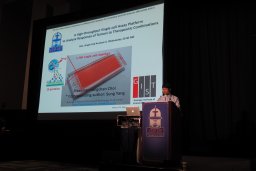 Jongchan Choi合作论文数Inst Syst Biol20
 Yuri L Bunimovich合作论文数20Dan Yuan合作论文数Inst Syst Biol, Seattle, WA 98109 USA19
 Bartosz Chmielowski合作论文数Division of Hematology-Oncology, University of California Los Angeles19A. Nag合作论文数Department of Chemistry, Indian Institute of Technology18Arkadij M. Elizarov合作论文数18Richard C. Koya合作论文数18
 Caius Radu合作论文数David Geffen School of Medicine, University of California, Los Angeles17
 Ke Xu合作论文数Department of Chemistry, College of Chemistry, University of California, Berkeley17Chodon Thinle合作论文数17
 William A. Goddard III合作论文数Division of Chemistry and Chemical Engineering, California Institute of Technology;Division of Engineering and Applied Science, California Institute of Technology;Materials and Process Simulation Center, California Institute of Technology;Center for Materials Simulation and Design, Graduate School of Energy Environment Water Sustainability, KAIST Institute17Bonnie A. Sheriff合作论文数17
 Alphonsus Ng合作论文数Univ Toronto, Inst Biomat & Biomed Engn, Toronto, ON M5S 3G9, Canada16
 Xue Min合作论文数and California Nano Systems Institute, University of California16
 Paul Salomon Mischel合作论文数Boundless Bio;Department of Pathology, Stanford University;School of Medicine, Stanford University16
 Leroy Hood (莱诺·伊·胡德)合作论文数Department of Immunology, University of Washington;The Hood-Price Lab for Systems Biomedicine, Institute for Systems Biology;Providence St. Joseph Health;Department of Microbiology & Immunology, University of British Columbia;Keck Graduate Institute of Applied Life Sciences16
 Hsian-Rong Tseng (曾憲榮)合作论文数Department of Molecular and Medical Pharmacology, David Geffen School of Medicine, University of California Los Angeles16David W Steuerman合作论文数Center for Spintronics and Quantum Computation;University of California , Santa Barbara;Center for Spintronics and Quantum Computation, University of California , Santa Barbara16William Chour合作论文数15Rachel H Ng合作论文数15
 Daniel S Chen合作论文数Engenuity Life Sciences;Synthetic Design Lab;Genesis BioCapital15
 Françoise Remacle合作论文数Département de chimie, Faculté des Sciences, Université de Liège;Laboratoire de chimie physique théorique, Université de Liège15Jingyi Xie合作论文数Inst Syst Biol14
 David Nathanson合作论文数Molecular Biology Institute, University of California, Los Angeles14Avramis Earl合作论文数14Wu Zhongqi合作论文数14
 Alistair Cochran合作论文数David Geffen School of Medicine, University of California, Los Angeles14
 Timothy Cloughesy合作论文数Department of Molecular and Medical Pharmacology, David Geffen School of Medicine, University of California, Los Angeles;Brain Research Institute, University of California, Los Angeles14
 Rong Fan合作论文数School of Engineering & Applied Science, Yale University;School of Medicine, Yale University;AtlasXomics Inc.;Singleron Biotechnologies;IsoPlexis14Kristen C. Beverly合作论文数Department of Chemistry and Biochemistry;Uni Versity of California at Los Angeles;Department of Chemistry and Biochemistry, Uni Versity of California at Los Angeles14
 Robert Curl合作论文数Rice University14Andrew T. Magis合作论文数Department of Pathology, Immunology and Laboratory Medicine, University of Florida College of Medicine14Kim M Murray合作论文数13
 Samir Das合作论文数Carlson Sch Chem & Biochem, Clark Univ13
 Songming Peng合作论文数PACT Pharma13




