Background: The current American Joint Committee on Cancer 8th edition staging system on thyroid cancer describes outcomes for populations of patients with well-differentiated thyroid cancer (WDTC) and not individual patients. The aim of this study was to create a clinical nomogram that can be used to predict survival in individual patients with WDTC. Methods: A single institutional cohort of 8535 patients with WDTC treated with primary surgery at the Memorial Sloan Kettering Cancer Center was used to create a predictive nomogram for disease-specific survival (DSS) as a retrospective cohort study. The nomogram was created using DSS as the dependent variable, and the independent variables used were sex, age, pathology subtype, and TNM stage. An external validation cohort of 519 patients from three different international centers was used to assess the accuracy and generalizability of the nomogram. Results: Sex, age, pathology subtype, T stage, N stage, and M stage were significant predictors of DSS on univariable analysis. The nomogram created using all these variables showed an extremely high concordance index (0.963; SE 0.012). This nomogram was validated on the external patient cohort with a high concordance index (0.810; SE: 0.070). Conclusions: We describe a predictive nomogram that accurately predicts DSS in individual patients with WDTC. The external validation illustrates its generalizability. This nomogram will help in counseling individual patients on prognosis and may identify patients who could benefit from more aggressive therapy.
The NCCN Guidelines for Thyroid Carcinoma address the management of different types of thyroid carcinoma, including papillary, follicular, oncocytic, medullary, and anaplastic carcinoma. The NCCN Thyroid Carcinoma Panel meets at least annually to review comments from reviewers within their institutions, examine relevant new data from publications and abstracts, and reevaluate and update their recommendations. These NCCN Guidelines Insights focus on the panel's most recent recommendations regarding systemic therapies for thyroid carcinoma as well as the supporting clinical data.
Introduction: Venetoclax and azacitidine (VEN/AZA) is a standard backbone regimen for older/unfit patients (pts) with newly diagnosed AML and can also be administered in the relapsed or refractory (R/R) setting. Menin inhibitors are an important new class of agent in development for menin-dependent acute leukemias, such as those with KMT2A-rearrangement (KMT2Ar) or NPM1-mutation (NPM1m). Enzomenib (ENZO, DSP-5336) is an investigational, oral small molecule inhibitor of the menin-KMT2A protein interaction, intentionally designed with different physiochemical properties, such as short half-life of 2-5 hours, low lipophilicity and rapid drug clearance, that may lead to differences in the therapeutic window for safety and efficacy. ENZO monotherapy demonstrated preliminary clinical activity in pts with R/R KMT2Ar AML (CR + CRh rate 45.5% at RP2D of 300 mg BID) and R/R NPM1m AML (CR + CRh rate 47% at 200 mg or 300 mg BID), with a low and manageable rate (12.9%) of differentiation syndrome (DS). Here we report emerging new data on ENZO + VEN/AZA triplet therapy in R/R AML. Methods: This is a Phase 1 study of ENZO in combination with VEN/AZA for adult pts with R/R KMT2Ar or NPM1m AML. Eligibility criteria include ECOG PS ≤ 2, QTcF interval ≤ 480 msec, adequate hepatic and renal function, and no active CNS leukemia. The evaluated dose levels of ENZO in combination with VEN/AZA were 140 mg, 200 mg, and 300 mg BID in a BLRM dose escalation model. VEN was administered daily for 14 days and AZA 75 mg/m2 for 7 days each 28-day cycle. ENZO was given continuously. The primary endpoints are safety, tolerability, and RP2D determination (ClinicalTrials.gov NCT04988555). Results: 18 pts with R/R AML were enrolled to date. Median age was 50 yrs (21-76), 56% were female and median prior regimens was 2 (1-4); 3 pts (16.7 %) had prior allogeneic stem cell transplant (SCT), 6 pts (33.3%) had prior VEN, and 5 pts (27.8%) received prior menin inhibitor (2 ziftomenib, 1 revumenib, 2 enzomenib). KMT2Ar and NPM1m were documented in 7 (38.9%) and 11 (61.1%) pts, respectively. 4 pts were enrolled in the 140mg BID cohort and 7 pts each were enrolled in the 200 and 300 mg BID cohorts. There were no DLTs observed at any dose level. Treatment-related adverse events related to any agent and observed in ≥20% of pts include thrombocytopenia (44.4%), leukopenia (38.9%), lymphopenia & neutropenia (27.8% each), anemia (22.2%), and diarrhea (22.2%). DS was reported in one pt (Grade 2, onset 58 days from C1D1, resolved, remains on therapy). There were no events of QT prolongation. Neither VEN nor ENZO exposure was significantly impacted by combination therapy. The mean time between the end of Cycle 1 and the start of Cycle 2 was 5.9 days. In all 18 pts, the objective response rate (CR, CRi or MLFS) was 83% (15/18) and composite CR rate (CRc: CR + CRi) was 56% (10/18, 4 CR, 6 CRi). Of the 15 responders, 12 were assessed for MRD and 83% (10/12) were MRD negative by MFC or NGS. To date, only 1/15 responders (6.7%) have relapsed on study treatment: a patient with KMT2Ar who developed a recurrent FLT3-ITD mutation while on ENZO 200 mg BID with VEN/AZA (the recommended monotherapy ENZO dose for pts with KMT2Ar is 300 mg BID). In the 10 pts with CRc, 8 were assessed for MRD and 8/8 (100%) were MRD negative. In 5 pts with MLFS, 4 were assessed for MRD and 2 were MRD negative. There were 9 pts without prior exposure to VEN or prior exposure to menin inhibitors and 100% (9/9) achieved an objective response with CRc 67% (6/9). Of those with CRc, 6/6 (100%) were MRD negative. 8/9 pts are still on treatment as of the clinical cut-off (2/2 pts with KMT2Ar [1 on maintenance post-allo], 6/7 pts with NPM1m) Overall, 12 of 18 (66.7%) pts are still on study treatment, 2 pts went off treatment for allogeneic SCT, 2 pts for PD (both had received prior menin inhibitors), 1 pt withdrew consent (prior VEN and prior menin), and 1 pt went off study due to sepsis. Conclusion: Preliminary data show ENZO up to 300 mg BID to be well tolerated in combination with VEN/AZA with no DLTs in 18 pts with R/R KMT2Aror NPM1m AML. No QT prolongation was reported and there was 1 report of non-serious DS. Promising preliminary clinical activity has been observed, particularly in pts without prior VEN or menin exposure (100% ORR and 67% CRc rate). There is no evidence of significant drug-drug interaction between ENZO/VEN. Enrollment continues to optimize dosing for both KMT2Ar and NPM1m AML.
Gross extrathyroidal extension (macroETE) is one of the most important predictors of survival in papillary thyroid carcinoma (PTC). The aim of this study is to determine the impact of macroETE to the recurrent laryngeal nerve alone (RLNT4ETE) on survival. After institutional review board approval, adult PTC patients were identified from an institutional database of 8559 patients undergoing initial surgery for well-differentiated thyroid carcinoma from 1986 to 2020. Patients were classified as having no macroETE (noETE), RLNT4ETE or macroETE involving other adjacent structures (otherT4ETE). Disease-specific survival (DSS) was calculated using the Kaplan-Meier method and groups were compared using the log-rank test. With a median follow-up of 46 months, the estimated 10-year DSS for patients with noETE, RLNT4ETE and otherT4aETE in the whole cohort were 99.2%, 96.9%, and 81.6%, respectively (P < 0.0001). After controlling for nodal and distant disease stage, ETE remained a significant predictor of DSS, however, RLNT4aETE patients did not differ significantly from no macroETE patients (HR 2.75; 95% c.i. 0.37–20.8, P = 0.3). A subanalysis comparing the RLNT4ETE group to patients with macroscopic ETE to the strap muscles alone (T3b) showed no significant difference in 10-year DSS (P = 0.78). In our study, RLNT4ETE patients appear to be less likely to have a disease-specific death compared to otherT4ETE patients. This observation supports the downstaging of RLNT4ETE patients to the T3b classification, using the eighth edition AJCC TNM staging system.
BACKGROUND:Gross extrathyroidal extension (ETE) is one of the most important predictors of survival in papillary thyroid carcinoma (PTC). The aim of this study is to determine the impact of gross ETE to the recurrent laryngeal nerve alone (RLNT4aETE) on survival. METHODS:After institutional review board approval, adult PTC patients were identified from an institutional database undergoing initial surgery for well-differentiated thyroid carcinoma from 1986 to 2020. Patients were classified as having no gross ETE, gross ETE to strap muscles only (T3bETE), RLNT4aETE, or gross ETE involving other adjacent structures (otherT4aETE). Disease-specific survival (DSS) was calculated using the Kaplan-Meier method and groups were compared using the log-rank test. RESULTS:There were 8030 patients included in the analysis; 7578 patients (94.2%) with no gross ETE, 197 (2.4%) with T3bETE, 40 (0.5%) with RLNT4aETE, and 215 (2.7%) with otherT4aETE. The estimated 10-year DSS for patients with no gross ETE, T3bETE, RLNT4aETE, and otherT4aETE in the whole cohort were 99.2%, 95.7%, 96.9%, and 82.5% respectively (P < 0.0001). After controlling for age, nodal and distant disease stage, RLNT4aETE patients had a similar DSS to T3bETE patients, when compared to no gross ETE patients (HRs 2.91 versus 2.28 respectively). In the ≥55-year-old cohort, the 10-year DSS for patients with no gross ETE, T3bETE, RLNT4aETE, and otherT4aETE were 97.7%, 89.4%, 90.9% and 67.6% respectively. CONCLUSION:RLNT4aETE patients appear to have a similar DSS to T3bETE patients. This highlights the heterogeneity within the current T4a cohort and supports the downstaging of RLNT4aETE patients to the T3b classification.
Background: The 2022 World Health Organization classification introduced the term high-grade follicular cell-derived nonanaplastic thyroid carcinoma (HGFCTC) to define invasive/infiltrative nonanaplastic thyroid carcinoma with high-grade features, including poorly differentiated thyroid carcinoma and high-grade differentiated thyroid carcinoma. Our objectives were to compare clinicopathological characteristics, oncologic outcomes, and mutation profiles among HGFCTC subgroups to better inform prognostication and treatment. Methods: In this single-center, retrospective cohort study of 252 patients who had surgery for HGFCTC from 1986 to 2020, we categorized HGFCTC and its related entity, "encapsulated noninvasive neoplasms of follicular cells with high-grade features," into five subgroups: (A) encapsulated noninvasive, (B) encapsulated with capsular invasion only (minimally invasive), (C) encapsulated angioinvasive with focal vascular invasion (VI), (D) encapsulated angioinvasive with extensive VI, and (E) infiltrative tumors. Next-generation sequencing with Memorial Sloan Kettering Cancer Center-Integrated Mutation Profiling of Actionable Cancer Targets was available for 117/252 patients to investigate differences in mutation profiles. Results: The cohort comprised 50% infiltrative, 33% encapsulated angioinvasive, and 18% encapsulated noninvasive/minimally invasive tumors. No patients with encapsulated noninvasive or minimally invasive disease had regional or distant metastases at presentation. Patients with infiltrative tumors were significantly more likely to present with T3/T4 disease (71%), regional metastases (55%), and distant metastases (25%) (p ≤ 0.003). Five-year disease-specific survival was poorer in patients with infiltrative disease (67.7%), compared to encapsulated angioinvasive focal VI (90.4%), encapsulated angioinvasive extensive VI (88.1%), and encapsulated noninvasive/minimally invasive (100%) (p = 0.0002) subgroups. Common mutations were TERT (42%), BRAFV600E (29%), NRAS (27%), EIF1AX (11%), and TP53 (9%). Pathways altered included RTK/RAS/RAF/MAPK (69%), PI3K/AKT/MTOR (14%), histone methyltransferases (9%), and SWI/SNF chromatin remodeling complex (8%). Subgroup analysis showed the infiltrative subgroup was mainly BRAFV600E-driven, and the encapsulated angioinvasive and minimally invasive subgroups were NRAS-driven. Encapsulated noninvasive tumors had a different mutation profile, with DICER1 as the main driver mutation. Conclusions: HGFCTC comprises different subgroups with different clinical behaviors determined by the extent of vascular invasion and degree of infiltration. Excellent recurrence and survival outcomes occur in encapsulated noninvasive and minimally invasive tumors compared to infiltrative tumors. Infiltrative tumors are largely "BRAF-like," whereas encapsulated angioinvasive tumors are "RAS-like." Encapsulated noninvasive tumors have a particularly unique molecular profile consisting of DICER1 mutations and a lack of BRAFV600E mutations.
Abstract Introduction: Enzomenib (ENZO, DSP-5336) is an investigational, oral small molecule inhibitor of the menin and KMT2A protein interaction, intentionally designed with different physiochemical properties such as short half-life of 2-5 hours, low lipophilicity and high clearance that may lead to differences in the therapeutic window and in efficacy and safety. KMT2A-rearranged (KMT2Ar), NPM1-mutated (NPM1m), and NUP98-rearranged leukemias are considered menin inhibitor sensitive, but these AML subtypes are biologically distinct with different natural histories and different degrees of menin dependency, potentially requiring different doses for optimal therapeutic effect. Updates from the ongoing Phase 1/2 study of ENZO in patients (pts) with relapsed/refractory (R/R) acute leukemia are reported. Methods: This dose-escalation/optimization study of ENZO monotherapy enrolled pts with R/R acute leukemia with KMT2Ar, NPM1m, and other HOXA9/MEIS1-driven leukemias in two arms with/without CYP3A4 inhibitor azoles. Eligibility criteria include ECOG PS ≤ 2, QTcF interval ≤ 480 msec, adequate organ function, and no active CNS leukemia. The primary phase 1 endpoints were safety and tolerability (ClinicalTrials.gov NCT04988555). Results: As of March 27, 2025, 116 pts were enrolled. Median (med) age was 54.5 yrs (12 - 89) and 62.1% were female. N=108 (93.1%) had AML and med prior regimen was 2 (1-9); 36 pts (31.0 %) had prior allogeneic stem cell transplant, 86 pts (74.1%) prior venetoclax. KMT2Ar was documented in 61 pts (52.6%), NPM1m in 34 (29.3%), and other abnormalities in 21 (17.7%). ENZO was escalated from 40 mg BID to 400 mg BID with no dose limiting toxicities (DLTs). Dose-dependent increases in exposure were observed, particularly at doses > 140 mg BID. Little to no drug accumulation was observed and azoles do not have a significant impact on exposure. Treatment related adverse events (TRAEs) in ≥10% of pts all grades were nausea (16.4%), differentiation syndrome (DS) (12.9%) and vomiting (11.2%). There was no G3+ treatment-related QT prolongation. Grade 1/2 treatment-related QT prolongation was reported in 5 pts (4.3%), did not require discontinuation and was complicated by underlying electrolyte abnormalities and concomitant medications. Grade 3 DS was reported in 8 pts (6.9%), grade 4 in 1 patient (0.8%) with TP53 mutation. DS was manageable with brief treatment interruption, corticosteroids and hydroxyurea as needed, with no deaths, study discontinuations, or dose reductions due to DS. No treatment-related deaths were observed in the study. Efficacy is reported in pts without prior menin inhibitor. For KMT2Ar with azoles (Arm B), the ORR and CR+CRh rates at the biologically effective doses of 200, 300, and 400 mg BID were 50% (3/6) and 16.7% (1/6), 72.7% (8/11) and 45.5% (5/11), and 75% (9/12) and 25% (3/12), respectively. The RP2D for pts with KMT2Ar is 300 mg BID with strong CYP3A4 inhibitor azoles. The median duration of CR+CRh at 300mg BID was not reached given ongoing remission in 4 of the 5 pts (2.3, 6.1+, 8.8+, 9.1+ and 13.2+ mos). The median time to ORR and CR+CRh at 300 mg BID were 1.1 and 1.8 mos, respectively. Med overall survival (OS) for all pts with KMT2Ar treated at ≥200 mg BID (n=29) was 11.4 mos. Dose optimization for pts with NPM1m without prior menin inhibitor is ongoing at 200 mg or 300 mg BID with strong CYP3A4 inhibitor azoles. In the 17 pts who received 200 or 300 mg BID, ORR was 58.8% (10/17) and CR+CRh was 47% (8/17). 400 mg BID in 8 pts did not improve efficacy. Median duration of CR+CRh was 5.9 months at 200 mg BID and 6.7 months at 300 mg BID as of the cut-off date. The median time to ORR and CR+CRh were 1.4 and 3.7 months in 200 mg BID and 2.7 and 3.7 months in 300 mg BID, respectively. Med OS for all pts with NPM1m treated at 200-400 mg BID (n=25) was 8.5 mo.Conclusion: ENZO has been well tolerated with no DLTs in 116 pts. ENZO has low lipophilicity and high clearance, leading to a short half-life and has demonstrated a wide therapeutic window. This may allow dosing to be tailored to the specific biology of different AML subtypes. For R/R KMT2Ar, 300 mg BID was selected as the RP2D based on clinical activity (CR+CRh rate 45.5% with durable responses) and mOS of 11.4 mos. Dose optimization is ongoing for pts with NPM1m with CR+CRh rate up to 47%, duration of CR+CRh up to 6.7 mos, and mOS of 8.5 mos observed. Updated clinical data will be presented.
Surgery has the longest history in the management of deformities, diseases and disorders in the head and neck region. The foundations for the specialty of head and neck surgery were laid by pioneering surgeons from various disciplines, including reconstructive surgery, laryngology, general surgery, endocrine surgery, oral surgery, and other allied specialties. In this review, we will discuss historical landmarks over the course of the past several centuries, followed by the evolution of surgical techniques from various surgical specialties in the past century that have defined head and neck surgery as a subspecialty and improved the safety and efficacy of surgery in the head and neck. Finally, this review will discuss the incorporation of various non-surgical disciplines in the development of modern-day multidisciplinary treatment programs for various tumors in the head and neck to improve cure rates, prolong disease-free survival, and offer better quality of life.
The NCCN Guidelines for Head and Neck Cancers address tumors arising in the oral cavity (including mucosal lip), pharynx, larynx, and paranasal sinuses, as well as occult primary cancer, salivary gland cancer, and mucosal melanoma (MM). The specific site of disease, stage, and pathologic findings guide treatment (eg, the appropriate surgical procedure, radiation targets, dose and fractionation of radiation, indications for systemic therapy). The NCCN Head and Neck Cancers Panel meets at least annually to review comments from reviewers within their institutions, examine relevant new data from publications and abstracts, and reevaluate and update their recommendations. These NCCN Guidelines Insights summarize the panel's most recent recommendations regarding management of nasopharynx cancer and ongoing research in this area.
BACKGROUND:We evaluate outcomes of SMARCB1-deficient sinonasal carcinomas in the largest single-institution study. METHODS:Retrospective cross-sectional study of patients with SMARCB1-deficient sinonasal carcinoma between 1998 and 2024. Disease-specific survival (DSS) and recurrence-free probability (RFP) at 1 and 5 years were measured by Kaplan-Meier method. RESULTS:There were 47 patients with a median age of 53. Initial pathological diagnosis was altered in 33%. Twelve (34%) patients received neoadjuvant chemotherapy, with one partial response. Curative surgical approach was undertaken in 73%. Definitive chemoradiation was administered in 20%. DSS at 1 and 5 years was 93% and 45%, respectively. RFP at 1 and 5 years was 73% and 33%, respectively. On multivariate analysis, cranial nerve involvement (p = 0.01 for DSS) remained significantly worse for DSS and overall survival. CONCLUSIONS:SMARCB1-deficient tumors had limited response to neoadjuvant chemotherapy. Cranial nerve involvement was associated with worse prognosis. Optimal treatment is unclear. Surgery should be offered to patients with resectable disease.
In recent years, the field of head and neck oncology has witnessed a remarkable transformation with unprecedented advances that have revolutionized the management of complex tumors in this region. As an intricate subspecialty within oncology, head and neck surgical procedures demand detailed knowledge of the complex anatomy meticulous precision in surgical technique, and expertise to preserve vital functions while ensuring optimal oncological outcomes. With the relentless pursuit of improved patient outcomes, the integration of innovative technologies has significantly enhanced the surgical armamentarium. Robotics, endoscopic platforms, and image-guided navigation have revolutionized the surgical approach, enabling precise tumor resection and sparing healthy tissues. Furthermore, the application of advanced imaging modalities and molecular biomarker profiling has opened new avenues for personalized treatment strategies. From targeted therapies and immunotherapies to adaptive radiation techniques, clinicians are now equipped with an array of tailored options, ushering in a new era of personalized care for patients with head and neck malignancies. This article delves into the unfolding narratives of clinical triumphs, exploring the transformative potential of emerging therapies and the collaborative efforts propelling head and neck surgical oncology toward a future of hope and healing.
Background: Pleomorphic adenoma (PA) is a common parotid tumor, yet due to the relative rarity of deep lobe PA (DLPA), there is a paucity of information about its clinical presentation and surgical outcomes. Methods: We reviewed the charts of patients with previously untreated parotid PA between the years 1990 and 2015. Clinical parameters and surgical outcomes were compared between superficial lobe PA (SLPA) and DLPA. Results: The cohort comprised 147 cases of DLPA and 222 cases of SLPA. DLPA were larger (median 2.6 cm vs. 2.0 cm, p < 0.001), more often discovered incidentally on imaging (33%, n = 48) and had unique presentations (pharyngeal mass, dysphagia, otalgia). Postsurgical complications were more frequently observed in DLPA (41% vs. 30% in SLPA, p = 0.025), mainly transient facial nerve weakness. DLPA also showed higher recurrence rates (n = 6, 4.1% vs. n = 1, 0.4%, p = 0.016). Conclusions: Parotidectomy for DLPA carries a higher risk of complications and recurrence compared to SLPA.
BACKGROUND:Epidemiologic data for pediatric head and neck (HN) cancers in the United States (US) have not been reported in many years. An update is essential to highlight trends to guide future treatment. METHODS:We analyzed the Surveillance Epidemiology and End Results database from 2000 to 2019. We included patients aged <1-21 years with a malignancy in the HN region. We also report trends in incidence rates over time. RESULTS:HN tumors encompassed 16.7% of all pediatric tumors with a mean age of 13.1 years. Females accounted for 59.0% of tumors. The female predominance is largely due to thyroid carcinoma; if thyroid malignancies are excluded male incidence is higher. The overall incidence (0-19 years) was found to be 3.29 malignancies per 100,000 person-years. The incidence from 2000 to 2004 was 2.84 [95% CI, 2.77, 2.91] while from 2015 to 2019 was 3.65 [3.57, 3.73]. This increase of 28.5% was greater than overall pediatric cancer, which increased by 13.7%. Incidence varies significantly by age group with 4.56 [4.35, 4.78] at age <1, 2.45 [2.37, 2.53] from 1 to 4 years, 1.46 [1.40, 1.51] from 5 to 9 years, 2.27 [2.21, 2.34] from 10 to 14 years, 4.81 [4.71, 4.90] from 15 to 19 years, and 7.35 [7.17, 7.40] from 20 to 21 years. Thus, there is a bimodal rise at the extremes of the pediatric age group. CONCLUSIONS:Pediatric HN tumors more commonly affect females. These tumors appear in a bimodal distribution; they most commonly present in very young patients and then during late adolescence The incidence has increased since 2000 and faster than overall incidence. Reporting of these data and trends will allow for advancement in treatment.
Introperative nerve monitoring (IONM) of the recurrent laryngeal nerve (RLN) is a well-established technique to aid in thyroid/parathyroid surgery. However, there is little evidence to support its use in non-thyroid or non-parathyroid surgery. The aim of this paper was to review the current evidence regarding the use of IONM in non-thyroid/non-parathyroid surgery in the head and neck and thorax. A literature search was performed from their inception up to January 2024, including the term “recurrent laryngeal nerve monitoring”. IONM in non-thyroid/non-parathyroid surgery has mainly been previously described in oesophageal surgery and in tracheal resections. However, there is little published evidence on the role of IONM with other resections in the vicinity of the RLN. Current evidence is low-level for the use of RLN IONM in non-thyroid/non-parathyroid surgery. However, clinicians should consider its use in surgery for pathologies where the RLN is exposed and could be injured.
6007 Background: We previously reported that surgery to the primary site with hypoxia-directed de-escalated radiation to the neck for human papillomavirus associated oropharyngeal carcinoma (HPV+ OPC) can lead to excellent oncologic outcomes. We now report the results of a successor multi-center phase II trial of hypoxia-directed de-escalated chemoradiotherapy without surgery for HPV+OPC. Methods: HPV+ OPC (T0-2/N1-N2c/AJCC 7th) patients were eligible for enrollment. Tumors without evidence of hypoxia on 18F-FMISO (fluoromisonidazole) PET received de-escalated chemoradiation to 30Gy while those with hypoxia received chemoradiation to 70Gy. The primary objective was achieving a 2-year locoregional control (LRC) of 95% (failure was locoregional recurrence where surgical salvage was unfeasible) with a 7% non-inferiority margin. We enrolled a total of 158 subjects upfront to account for a 5% loss due to death (of reasons other than cancer) or follow-up. Secondary objectives were local failure (LF), regional failure (RF), distant metastasis (DM), overall survival (OS), toxicities, and patient-reported MD Anderson Dysphagia Inventory (MDADI) scores. LF, RF, and DM were estimated using the Cumulative Incidence Function, and OS was estimated using the Kaplan-Meier method. Results were reported up to 1/31/2024. Results: From 4/28/20-4/17/23, 158 HPV+ OPC patients were enrolled where150 patients were eligible for analyses. Patient characteristics: Tonsil (43%); Base of Tongue (47%); unknown primary (10%); >/=10 pack years (22%); T0 (9%), T1 (44%), T2 (47%); N1 (14%), N2a (11%), N2b (59%), N2c (16%). 111 (74%) received 30Gy; 95% cisplatin. With 24 months (8-43) of median follow-up, the 2-year LF, RF, DM rates were 4.2%, 6.9%, 2.0%, respectively. The 2-year overall survival probability was 99%. Only 2 patients could not undergo salvage surgery [one 30Gy (second recurrence); one 70Gy (M1)], both received systemic therapy with durable response. Acute grade 3-4 toxicities were 32% (67% neutropenia). Mean MDADI scores: 92.93 (baseline); 68.24 (3 weeks), 91.45 (4 months) after chemoradiation. Conclusions: These early data indicate that major de-escalation to 30Gy based on hypoxia status achieved significant toxicity reduction without compromise in survival for HPV+ OPC treated with chemoradiation without surgery. Clinical trial information: NCT03323463 .
BACKGROUND:The current study presents the effort of a global collaborative group to review the management and outcomes of malignant tumors of the skull base worldwide. PATIENTS AND METHODS:A total of 28 institutions contributed data on 3061 patients. Analysis evaluated clinical variables, survival outcomes, and multivariable factors associated with outcomes. RESULTS:The median age was 56 years (IQR 44-67). The open surgical approach was used in 55% (n = 1680) of cases, endoscopic resection was performed in 36% (n = 1087), and the combined approach in 9.6% (n = 294). With a median follow-up of 7.1 years, the 5-year OS DSS and RFS were 65%, 71.7% and 53%, respectively. On multivariable analysis, older age, comorbidities, histology, dural/intracranial involvement, positive margins, advanced stage, and primary site were independent prognostic factors for OS, DSS, and RFS. Adjuvant RT was a protective prognostic factor. CONCLUSION:The progress across various disciplines may have contributed to improved OS and DSS in this study compared to previous reports.
Importance The outcomes of patients with low-risk thyroid cancer who undergo surgery following a period of active surveillance (AS) are not well-defined. Objective To evaluate surgical, pathologic, and oncologic outcomes among patients undergoing conversion surgery (CS) following AS for low-risk papillary thyroid carcinoma. Design, Setting, and Participants In this cohort study, patients who underwent CS for disease progression were compared with patients who underwent CS without disease progression and with a propensity score-matched cohort of patients who underwent initial surgery (IS). The median (IQR) postsurgical follow-up time was 40.3 (18.0-59.0) months. Patients were treated at a quaternary cancer referral center in the United States. Exposures Surgery. Main Outcomes and Measures Surgical complications, pathologic characteristics, overall survival (OS), and recurrence-free survival (RFS). Results Of 550 patients who underwent AS, 55 (10.0%) had CS, of whom 39 (7.1%) had surgery due to suspected disease progression (median [IQR] age, 48 [39-56] years; 32 [82.1%] female). There were no clinically meaningful differences in rates of surgical sequalae between the progression CS group (12 of 39 [30.7%]) and the nonprogression CS group (7 of 16 [43.8%]) (Cramer V, 0.2; 95% CI, 0.01-0.5). The 5-year OS was 100% (95% CI, 100%-100%) in both the disease-progression CS cohort and the IS cohort. Although the cohort of patients undergoing CS after disease progression was by definition a subset with more aggressive tumor behavior, no clinically meaningful differences were observed in the rates of regional recurrence (2 of 39 [5.1%] vs 0 of 39 patients with IS), local recurrence (0 patients), distant metastasis (0 patients), or disease-specific mortality (0 patients) when compared with the matched IS group. Five-year RFS rates were similar: 100% in the IS group and 86% (95% CI, 70%-100%) in the CS group. Conclusions and Relevance In this cohort study, CS for suspected disease progression was associated with surgical and oncologic outcomes similar to IS, supporting the feasibility and safety of AS for patients with low-risk papillary thyroid carcinoma.
 Snehal G. Patel合作论文数David H. Koch Center for Cancer Care, Memorial Sloan Kettering Cancer Center270
 Ashok R. Shaha合作论文数David H. Koch Center for Cancer Care, Memorial Sloan Kettering Cancer Center184
 Ian Ganly合作论文数Department of Head and Neck Surgery, Memorial Sloan Kettering Cancer Center184Dennis H. Kraus合作论文数150
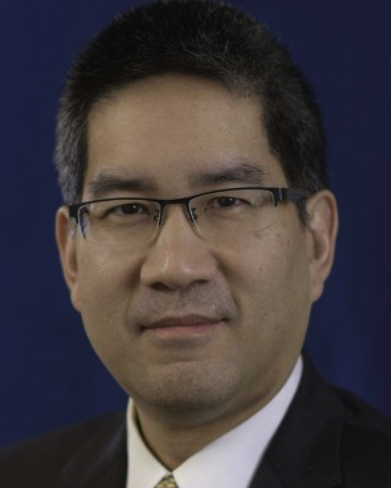 Richard J. Wong合作论文数Department of Head and Neck Surgery, Cancer Center113
 Robert Z. Orlowski合作论文数Department of Lymphoma - Myeloma, Division of Cancer Medicine, The University of Texas MD Anderson Cancer Center;Department of Experimental Therapeutics, Division of Cancer Medicine, The University of Texas MD Anderson Cancer Center108
 David G Pfister合作论文数Memorial Sloan-Kettering Cancer Center102Bhuvanesh Singh合作论文数Department of Surgery, Memorial Sloan-Kettering Cancer Center, New York, NY91
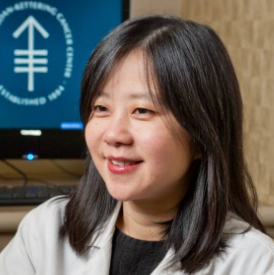 Nancy Y. Lee合作论文数Department of Radiation Oncology, Memorial Sloan-Kettering Cancer Center86
 R Michael Tuttle合作论文数David H. Koch Center for Cancer Care at Memorial Sloan Kettering Cancer Center75Sharon Shacham合作论文数73Frank L. Palmer合作论文数70
 Michael Kauffman合作论文数65
 Ioanna Nixon合作论文数Department of Head and Neck Surgery, Memorial Sloan Kettering Cancer Center64Thomas Sheeba K合作论文数63Donna M. Weber合作论文数60
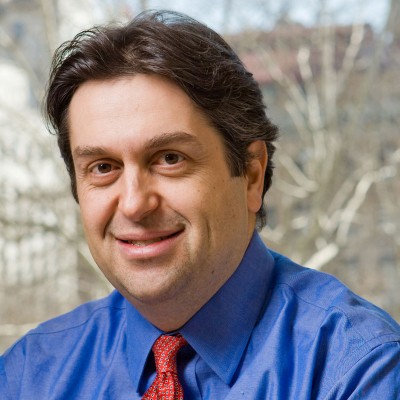 Ronald A. Ghossein合作论文数Memorial Sloan Kettering Cancer Center57
 Luiz Paulo Kowalski合作论文数Head and Neck Surgery and Otorhinolaryngology Department, A.C.Camargo Cancer Center56Elliot W. Strong合作论文数51
 Ronald H. Spiro合作论文数Department of Clinical Surgery, Cornell Medical College50
 Muzaffar H. Qazilbash合作论文数Department of Stem Cell Transplantation, Division of Cancer Medicine, The University of Texas MD Anderson Cancer Center;James A. Baker III Institute for Public Policy, Rice University50
 Richard E. Champlin合作论文数Department of Stem Cell Transplantation and Cellular Therapy, Division of Cancer Medicine, The University of Texas MD Anderson Cancer Center;Division of Internal Medicine, The University of Texas Health Science Center45Qaiser Bashir合作论文数44
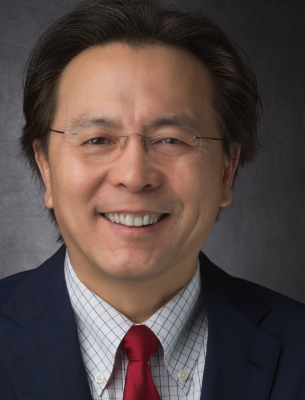 Luhua Wang(Michael)合作论文数The University of Texas MD Anderson Cancer43
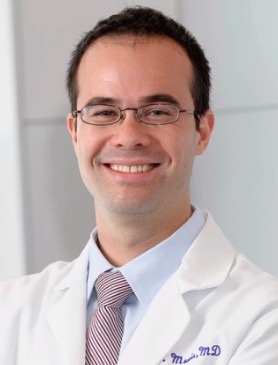 Luc G. T. Morris合作论文数Laboratory of Experimental Cancer Immunogenomics, Memorial Sloan Kettering Cancer Center41
 Alfio Ferlito合作论文数ENT Clinic, University of Udine School of Medicine/International Head and Neck Scientific Group41
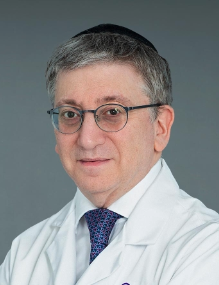 Michael J. Zelefsky合作论文数Department of Radiation Oncology, Grossman School of Medicine, New York University;NYU Langone Health40
 Nina Shah合作论文数School of Medicine, University of California, San Francisco40Alessandra Rinaldo合作论文数Department of Surgical Sciences, ENT Clinic, University of Udine40
 Cristina Gasparetto合作论文数Department of Medicine, Duke University School of Medicine36
 Sundar Jagannath合作论文数Center of Excellence for Multiple Myeloma, Tisch Cancer Institute, Icahn School of Medicine at Mount Sinai;Center of Excellence for Multiple Myeloma, Tisch Cancer Center, Icahn School of Medicine at Mount Sinai36
 John A. Ridge合作论文数Temple University Lewis Katz School of Medicine;Fox Chase Cancer Center36William M. Lydiatt合作论文数36
 Paul G. Richardson合作论文数Jerome Lipper Multiple Myeloma Center, Dana-Farber Cancer Institute;Harvard Medical School34
 Kevin Thomas Robbins合作论文数32Gil Ziv合作论文数32
 Suzanne L. Wolden合作论文数Department of Radiation Oncology, Memorial Sloan-Kettering Cancer Center32Diane L. Carlson合作论文数30
 Meletios A. Dimopoulos合作论文数Department of Clinical Therapeutics, School of Medicine, National and Kapodistrian University of Athens30Parmar Simrit合作论文数29
 Uday R Popat合作论文数Department of Stem Cell Transplantation, Division of Cancer Medicine, The University of Texas MD Anderson Cancer Center;Department of Stem Cell Transplant Fellowship, The University of Texas MD Anderson Cancer Center29
 Robert I. Haddad合作论文数Dana-Farber Cancer Institute;Harvard Medical School29
 Sagar Lonial合作论文数Winship Cancer Institute, Emory University;Department of Hematology and Medical Oncology, School of Medicine, Emory University29Marc Cohen合作论文数28
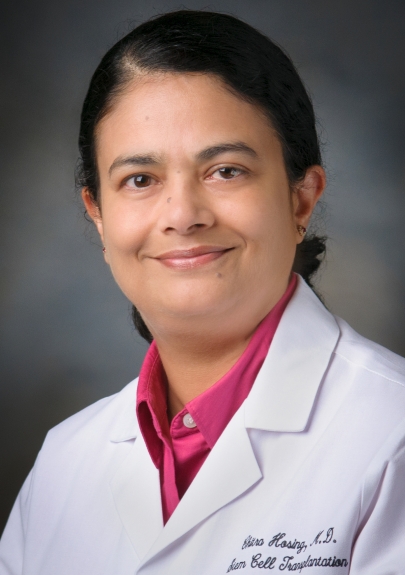 Chitra Hosing合作论文数Department of Stem Cell Transplantation and Cellular Therapy, Division of Cancer Medicine, The University of Texas MD Anderson Cancer Center28
 Robert M. Rifkin合作论文数Rocky Mountain Cancer Centers28Rafat Abonour合作论文数27Christopher P Venner合作论文数Department of Medical Oncology, Cross Cancer Institute, University of Alberta;BC Cancer26Kathleen Toomey合作论文数24




