The purpose of our study is to determine whether the current level of transplant fellow training is sufficient to meet the future demand for liver transplantation in the United States. Historical data from the Nationwide Inpatient Samples (NIS) for the years 1998 through 2003 were used to construct an estimate of the annual number of liver transplant procedures currently being performed in the United States, and the number projected for each year through 2020. Estimates for the current and future number of surgeons performing liver transplant procedures were also constructed using the same database. The NIS database was used because current national transplant registries do not include information on the number of surgeons performing liver transplant procedures. Using historical data derived from the NIS database, we project that the estimated number of liver transplant procedures per surgeon will remain relatively stable through 2020, with each surgeon performing an average of 12.9 procedures in 2020 compared to 12.9 currently. We conclude that the relationship between demand for liver transplantation in the United States and the supply of liver transplant surgeons will remain stable over the next 15 years.
Study Objective: To compare Postoperative morphine use, analgesic efficacy, and side effect profiles in patients following orthotopic liver transplantation (OLTx) and liver resection (LR).Design: Retrospective study.Setting: Liver transplant and liver resection surgery at a university hospital.Patients: 25 ASA physical status I, II, III, and IV patients undergoing OLTx or liver resection.Measurements and Main Results: Morphine use was significantly decreased in the OLTx patients at 6,12, 24, 48, and 72 hours following commencement of patient-controlled analgesia. After commencement of patient-controlled analgesia, pain scores were significantly reduced in the OLTx group compared with those in the liver resection group at 6 and 12 hours.Conclusions: Orthotopic liver transplant patients experienced less pain and used less morphine postoperatively than did liver resection patients. (C) 2002 by Elsevier Science Inc.
Background. Gillain-Barre Syndrome (GBS) is believed to be caused by autoimmune mechanisms that are predominantly T-cell mediated. We report GBS in organ transplant patients and bone marrow transplant patients, both of whom have iatrogenically suppressed T-cell function.Methods. We reviewed the Duke University Medical Center database from 1989-1999 for all patients who met the criteria for GBS. There were a total of 212 patients. Of these patients, two had undergone organ transplantation and two had undergone autologous bone marrow transplantation.Results, Our report supports the notion that the humoral immune system is involved in the pathogenesis of GBS, Contrary to previous reports, however, functional recovery can occur without return of T-cell function.Conclusions. This suggests that in organ transplant patients, GBS may be humorally mediated and, even more importantly, responds well to treatment.
Biliary complications after orthotopic liver transplantation (OLT) lead to considerable morbidity and occasional mortality after surgery. Bile duct strictures secondary to localized lymphoproliferative disorder of the porta hepatis is rare, with only 12 cases reported in the English literature. Posttransplant lymphoproliferative disorder develops in up to 9% of liver allograft recipients. We describe 2 adult patients who developed Epstein-Barr virus-associated localized B-cell lymphoma of donor-tissue origin confined to the porta hepatis 3 and 5 months after OLT. Both patients were administered cyclosporine (CyA) and prednisone as primary immunosuppression. One patient was administered basiliximab as induction therapy. Neither patient had CyA trough levels greater than 250 ng/mL. Both patients were treated with a hepatojejunostomy, 75% reduction in immunosuppression therapy, and acyclovir. One patient had complete involution of the tumor, and the second patient had an 80% reduction of the tumor at the 2-year follow-up visit. This report illustrates the need to consider localized lymphoma post-OLT as a cause of obstructive jaundice even within the first 6 months after surgery. Aggressive reduction of immunosuppression in conjunction with acyclovir remains a highly effective therapy.
BACKGROUND: The role of gastroesophageal devascularization (Sugiura-type procedures) for the treatment of variceal bleeding remains controversial. Although Japanese series reported favorable longterm results, the technique has not been widely accepted in the Western Hemisphere because of a high postoperative morbidity and mortality The reasons for the different outcomes are unclear. In a multidisciplinary team approach we developed a therapeutic algorithm for patients with recurrent variceal bleeding.STUDY DESIGN: The Sugiura procedure was offered only to patients with well-preserved liver function (Child A or Child B cirrhosis without chronic ascites) who were not candidates for distal splenorenal shunt, transhepatic porto-systemic shunt, or liver transplantation.RESULTS: Fifteen patients with recurrent variceal bleeding underwent a modified Sugiura procedure between September 1994 and September 1997. All but one patient (operative mortality 7%) are alive after a median followup, of 4 years. Recurrent variceal bleeding developed in one patient; esophageal strictures, which were successfully treated by endoscopic dilatation, developed in three patients; and one patient experienced mild encephalopathy. Major complications were noted only in patients with impaired liver function (Child B cirrhosis) or when the modified Sugiura was performed in an emergency setting The presence of cirrhosis of the cause of portal hypertension had no significant impact on the complication rate.CONCLUSIONS: This series was performed during the last decade when all modern therapeutic options for variceal bleeding were available. Our results indicate that the modified Sugiura procedure is an effective rescue therapy in patients who are not candidates for selective shunts, transhepatic porto-systemic shunt, or transplantation. Emergency settings and decreased liver function are associated with an increased morbidity. (J Am Coll Surg 2001; 193:166-173. (C) 2001 by the American College of Surgeons).
Pre and post-transplant hospital LOS were recorded, including ICU, medical/surgical, subacute and rehabilitation.Results: 9 of 44 (20%) had a pre-transplant psychiatric diagnosis (7 had major depressive disorder, 1 had manic depressive illness, and 1 had organic psychosis due to Wilson's disease).Three deaths occurred; in all three cases, major depressive disorder was present by DIS pre-OLT.Mean total hospital LOS for patients with psychiatric diagnoses was 41.8 days compared to 10.0 for patients with no psychiatric diagnoses (p
PURPOSE:We analyzed the practice of mandatory surgical intensive care unit admission after radical cystectomy, and defined objective criteria to predict active treatment requirements and surgical intensive care unit stay.MATERIALS AND METHODS:We retrospectively reviewed the records of 115 consecutive patients admitted to the surgical intensive care unit after radical cystectomy and urinary diversion during the 36-month study period of January 1996 to December 1998. An Acute Physiology and Chronic Health Evaluation II score was calculated from postoperative patient parameters at admission to the unit. Active treatment mandating admission was defined as postoperative invasive cardiopulmonary monitoring, administration of vasopressors or inotropic medications, monitoring or treatment for life threatening complications, or mechanical ventilation for longer than 12 hours. We analyzed the correlation of outcome variables with the requirements for active treatment and surgical intensive care unit stay, and developed a stratification model of low versus high risk. Low risk was defined as a calculated likelihood of less than 10% for requiring active treatment postoperatively.RESULTS:Mean stay in the surgical intensive care unit plus or minus standard error was 34.4 +/- 3.1 hours. No active treatment was required in 63.5% of patients during the stay. The evaluation score, intraoperative complications and number of intraoperative transfusions were the strongest predictors of required postoperative active treatment. By combining these variables we developed a clinically applicable algorithm to stratify patients into a low and a high risk category. In patients at low and high risk the active treatment rate was 5.9% and 42.8% (p = 0.001), and the mean stay was 24.6 +/- 2.2 and 38.7 +/- 4.5 hours (p = 0.039), respectively.CONCLUSIONS:Mandatory surgical intensive care unit admission of all patients after radical cystectomy and urinary diversion does not appear indicated. A subset of patients at low risk for requiring active treatment may be identified who may be safely treated in an intermediate care setting after initial postoperative observation in the recovery room. The results of our retrospective analysis and risk stratification model should be validated in a prospective trial.
BACKGROUND:Although cyclosporine (CsA) made clinical liver transplantation possible, side effects and development of rejection have limited its use. In some patients, conversion to tacrolimus has been necessary to abrogate side effects and to preserve allograft function.METHODS:The results of conversion from CsA to tacrolimus were studied retrospectively in 94 liver allograft recipients from a North American and a European transplant center (Duke University Medical Center, Durham, NC, and Hopital Beaujon, Clichy, France).RESULTS:Forty-seven of 94 patients (50%) were converted for steroid-resistant acute rejection. Conversion was successful in 91% of these patients, whereas 9% of patients developed chronic rejection. A further nine patients were converted for chronic allograft rejection with positive results in eight of nine grafts. Mean serum bilirubin in these nine patients was 8.7 mg/dl before conversion and 2.1 mg/dl 6 months after conversion (P=0.02). Nine patients were converted due to inability to wean steroid. Of these, six patients remains steroid free 1 year after conversion. Twenty-three patients (24%) were converted for nephrotoxicity with a reduction in serum creatinine from 167+/-36 mmol/L to 119+/-28 mmol/L 1 year after conversion (P=0.006). Eight of 11 patients converted for neurotoxicity improved after conversion. Conversion to tacrolimus had no effect on seizure frequency or memory loss.CONCLUSIONS:These results suggest that conversion to tacrolimus from CsA is an appropriate paradigm for graft rescue and treatment of a variety of side effects after liver transplant. However, some situations such as memory loss and hypertension may require other strategies.
The majority of patients undergoing orthotopic liver transplantation (OLT) have end-stage liver disease secondary to hepatitis C virus (HCV) infection. Although OLT does not cure the disease and recurrent virus is present in all patients, relatively few patients with recurrent viremia develop clinical disease. When the disease recurs, however, the results can be devastating. Factors associated with increased risk for recurrent HCV disease remain controversial. We hypothesized that preservation injury may predispose to the severity of HCV disease after OLT. We reviewed our series of OLTs performed for HCV cirrhosis between January 1994 and December 1998 (n = 56; 62 transplants). Patients were grouped according to the severity of recurrent hepatitis C. Group 1 had no or mild HCV disease (n = 36), and group 2 had moderate to severe HCV disease (n = 20). The duration of ischemic rewarming during graft implantation was significantly associated with the severity of recurrent hepatitis C (P <.04). The estimated chances of severe disease within the first year post-OLT after 30, 60, or 90 minutes of ischemic rewarming time were 19%, 40%, and 65%, respectively. Cold ischemia time, transaminase levels, and prothrombin time did not correlate with the severity of hepatitis C. In conclusion, our data suggest that the duration of ischemic rewarming predisposes to severe recurrent hepatitis C. This finding warrants the investigation of the pathogenesis of recurrent HCV disease after ischemic injury. Reduction of rewarming time should be stressed in OLT, particularly in patients with HCV cirrhosis.
 Pa Clavien合作论文数8
 Paul C. Kuo合作论文数Department of Surgery, University of South Florida;Tampa General Hospital;Muma College of Business, University of South Florida8B. H. Collins合作论文数7MA Heneghan合作论文数6Gr Stephenson合作论文数5Desai D M合作论文数5EW Moretti合作论文数3
 Andrew Smith合作论文数Imaging Institute, Cleveland Clinic Foundation3Carlos E. Marroquin合作论文数3Pedro Baron合作论文数3Km Robertson合作论文数2RR Byrne合作论文数2David Price合作论文数2
 Markus Selzner合作论文数Division of General Surgery, Department of Surgery, Temerty Faculty of Medicine, University of Toronto;Toronto General Hospital Research Institute, University Health Network2
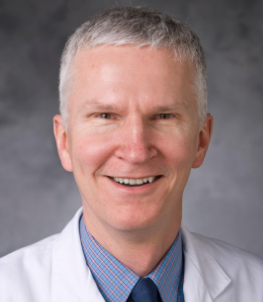 Paul Vincent Suhocki合作论文数Department of Radiology, Duke University School of Medicine2
 Don C. Rockey合作论文数Department of Medicine, College of Medicine, Medical University of South Carolina2David N. Howell合作论文数2Felix Dahm合作论文数2Charles W. Yowell合作论文数2Philipp Dahm合作论文数2J.E. Scarborough合作论文数1Erick B. Edwards合作论文数1Shanaz Sultan合作论文数1Aa Dunk合作论文数1Sm Nimjee合作论文数1RR BOLLINGER合作论文数1Jd Bornstein合作论文数1Sr Smith合作论文数1
 Nazia Selzner合作论文数Institute of Medical Science, Temerty Faculty of Medicine, University of Toronto;International Liver Transplant Society;Toronto General Hospital;Toronto General Research Institute1
 Steven Nicholas Vaslef合作论文数Departments Anesthesiology, Duke University School of Medicine1
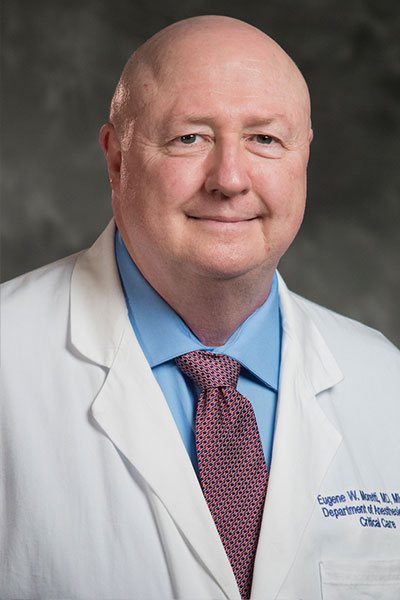 Eugene W. Moretti合作论文数Duke Anesthesiology, Duke University School of Medicine1Nuckols J D合作论文数1
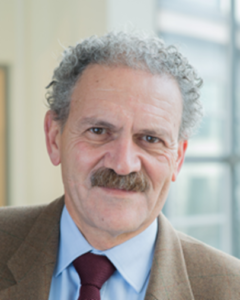 Jacques Belghiti合作论文数Second Division of Surgical Sciences, French National Academy of Medicine;Université Paris-Diderot1
 Andrew Joseph Muir合作论文数Division of Gastroenterology, Department of Medicine, School of Medicine, Duke University;Duke Clinical Research Institute, Duke University1Jacques Bernuau合作论文数1
 Tong Joo (TJ) Gan合作论文数Department of Anesthesiology and Perioperative Medicine, Division of Anesthesiology, Critical Care Medicine, and Pain Medicine, The University of Texas MD Anderson Cancer Center;Stony Brook University Renaissance School of Medicine1James F. Trotter合作论文数Department of Medicine, University of Colorado1
 Ricardo Pietrobon合作论文数Durham VA Medical Center;SporeData Inc1
 Pierre-Alain Clavien合作论文数Privatklinik Bethanien;Wyss Zurich Translational Center;Hôpital Paul-Brousse;Department of Surgery, University Hospital Zurich;King’s College London1Francois Durand合作论文数1D. W. Butterly合作论文数1
 Ketan R. Bulsara合作论文数Department of Surgery, UConn Health1Dave M. Higdon合作论文数Duke University1
 David Sindram合作论文数1Bradley H. Collins合作论文数1Nw Knudsen合作论文数1T.A. Fields合作论文数1
 Robert Harland合作论文数Department of Surgery, University of Massachusetts Medical School1Joel C. Morgenlander合作论文数1




