Introduction. - The aim of this study was to determine the prevalence of anatomic variations (renal, vascular and urological) and acquired renal pathologies in living kidney donor candidates (LKDC). Methods. - This is a retrospective study of all LKDC referred to our center between April 2003 and September 2014. Of the 491 LKDC, 189 were initially excluded for medical reasons (n= 140) or others reasons (n= 49), without undergoing a radiological assessment. In total, 302 had a radiological assessment (angio-CT or MRI) in anticipation of the donation and 226/302 (73.5%) could donate a kidney. Results. - One or more anatomical variations and/or acquired abnormalities were observed in 178/302 (58.9%) of the LKDC. The most frequent were arterial variations or abnormalities (multiple arteries, fibrodysplasia, aneurysms, stenosis >= 70%) which where observed in 39.3% of the LKDC, followed by the venous abnormalities (27.8%). Kidney stones were observed in 5.6% of the LKDC and the urinary abnormalities (duplication/ureteral bifidity) were found in 3% of the LKDC. No malignant tumour was diagnosed, while 4 benign tumours (1.3%) were identified, and one of them required additional investigations. Conclusion. - We found a high prevalence of anatomical variations and acquired abnormalities in a population of LKDC. However, these findings resulted in the exclusion of only 4% of the candidates, because they did not contraindicate the donation or, in most of cases, the contralateral kidney could be used. (C) 2018 Elsevier Masson SAS. All rights reserved.
Background. The treatment of choice in end-stage renal disease is transplantation. Hemodynamic disturbances can evoke graft loss, while early ultrasound identification of vascular problems improves outcome. The aim of this study was to identify differences in postoperative complications with and without systematic intraoperative Doppler ultrasound use. Methods. The primary outcome was the postoperative rate of complications and the secondary aim was to find a predictive resistance index cut-off value, which would show where surgical reintervention was necessary. Over a 10-year period, 108 renal transplants were performed from living donors at our institution. In group 1 (n = 67), intraoperative duplex ultrasound and intraparenchymatous resistance index measurements assessed patients, while in group 2 (n = 41), no ultrasound was performed. Results. There were no intergroup differences in the overall postoperative complication rate or in benefit to graft or patient survival with Doppler use. However, significantly more vascular complications (10% vs 0%, P = .02) and more acute rejections (37% vs 10%) occurred in group 2 than in group 1. Therefore, an intraoperative cut-off value of the resistance index 0.5 was proposed to justify immediate surgical revision. Conclusions. This is the first report demonstrating benefits of systematic intraoperative Doppler ultrasound on postoperative complications in renal transplantation from living donors. Our results support surgical revision with a resistance index <0.5.
Metabolic syndrome after transplantation is a major concern following solid organ transplantation (SOT). The CREB-regulated transcription co-activator 2 (CRTC2) regulates glucose metabolism. The effect of CRTC2 polymorphisms on new-onset diabetes after transplantation (NODAT) was investigated in a discovery sample of SOT recipients (n1=197). Positive results were tested for replication in two samples from the Swiss Transplant Cohort Study (STCS, n2=1294 and n3=759). Obesity and other metabolic traits were also tested. Associations with metabolic traits in population-based samples (n4=46'186, n5=123'865, n6>100,000) were finally analyzed. In the discovery sample, CRTC2 rs8450-AA genotype was associated with NODAT, fasting blood glucose and body mass index (Pcorrected<0.05). CRTC2 rs8450-AA genotype was associated with NODAT in the second STCS replication sample (odd ratio (OR)=2.01, P=0.04). In the combined STCS replication samples, the effect of rs8450-AA genotype on NODAT was observed in patients having received SOT from a deceased donor and treated with tacrolimus (n=395, OR=2.08, P=0.02) and in non-kidney transplant recipients (OR=2.09, P=0.02). Moreover, rs8450-AA genotype was associated with overweight or obesity (n=1215, OR=1.56, P=0.02), new-onset hyperlipidemia (n=1007, OR=1.76, P=0.007), and lower high-density lipoprotein-cholesterol (n=1214, β=-0.08, P=0.001). In the population-based samples, a proxy of rs8450G>A was significantly associated with several metabolic abnormalities. CRTC2 rs8450G>A appears to have an important role in the high prevalence of metabolic traits observed in patients with SOT. A weak association with metabolic traits was also observed in the population-based samples.
Transition from pediatric to adult care in renal transplantation has emerged as a critical step in the life of a young kidney recipient. During this phase, young patients are faced with the physiological and psychological changes associated with adolescence that can lead to non-compliance and potentially graft loss. To date, there is not a unique accepted model of transition, however it has been proved that the presence of a multidisciplinary team including specialists in adolescent management and in the transition from pediatric to adult transplant care is beneficial during this at-risk phase. The goal of this team is to ensure a progressive transition of the patients according to a precise plan and time line.
The occurrence of glucosuria in the absence of hyperglycemia is distinctive for renal glucosuria. SGLT2 mutations provoke familial renal glucosuria characterized by persistent glucosuria in the absence of any other renal tubular dysfunction. Renal glucosuria associated with others proximal tubular dysfunctions points to Fanconi syndrome. This generalized dysfunction of proximal tubule needs to be treated and may progress regarding its aetiology to chronic renal failure. The development and study of models of Fanconi syndrome has recently contributed to a better knowledge of the mechanisms implicated in the tubular transport of glucose and low-molecular-weight-proteins. This article reviews these recent developments.
Norovirus (NoV) infection is usually limited to the gastrointestinal (GI) tract. However, in immunocompromised patients, this infection might lead to severe life-threatening complications. We herein describe a pediatric kidney transplant patient who presented with an acute NoV infection complicated by febrile agranulocytosis that resolved with improvement of her GI illness. This unusual presentation has not been described before, to our knowledge. The aim of this article is to highlight the sometimes dramatic clinical presentation of NoV infection in immunosuppressed patients, and the importance of including this infection in the differential diagnosis of neutropenia in that specific population.
Some experimental studies have suggested a beneficial effect of the mammalian target of rapamycin (mTOR) inhibitor use on hepatic and renal cyst growth in patients with autosomal dominant polycystic kidney disease (ADPKD). However, the results of clinical studies are conflicting and the role of mTOR inhibitors is still uncertain. We report the case of a patient with ADPKD who underwent deceased kidney transplantation because of an end-stage renal disease. The evolution was uneventful with an excellent graft function under cyclosporine (CsA) monotherapy. Some years later, the patient developed a symptomatic hepatomegaly due to growth of cysts. CsA was replaced by sirolimus, an mTOR inhibitor, in order to reduce or control the increase in the cyst and liver volume. Despite the switch, the hepatic volume increased by 25% in two years. Finally sirolimus was stopped because of the lack of effect on hepatic cyst growth and the presence of sirolimus side effects. The interest of our case resides in the followup by MRI imaging during the mTOR inhibitor treatment and 15 months after the restart of the initial immunosuppressive therapy. This observation indicates that mTOR inhibitors did not have significant effect on cyst-associated hepatic growth in our patient, which is consistent with some results of recent large clinical studies.
Journal Article Giant warts in a kidney transplant patient: regression with sirolimus Get access M. Kostaki, M. Kostaki Department of Dermatology, Geneva University Hospital, Rue Gabrielle‐Perret‐Gentil 4, 1211 Geneva, Switzerland *Transplant Center and †Microbiology, CHUV Bâtiment Hospitalier, Rue du Bugnon 46, 1011 Lausanne, Switzerland E‐mail: maria.kostaki@hcuge.ch Search for other works by this author on: Oxford Academic Google Scholar J.P. Venetz, J.P. Venetz Department of Dermatology, Geneva University Hospital, Rue Gabrielle‐Perret‐Gentil 4, 1211 Geneva, Switzerland *Transplant Center and †Microbiology, CHUV Bâtiment Hospitalier, Rue du Bugnon 46, 1011 Lausanne, Switzerland E‐mail: maria.kostaki@hcuge.ch Search for other works by this author on: Oxford Academic Google Scholar G. Nseir, G. Nseir Department of Dermatology, Geneva University Hospital, Rue Gabrielle‐Perret‐Gentil 4, 1211 Geneva, Switzerland *Transplant Center and †Microbiology, CHUV Bâtiment Hospitalier, Rue du Bugnon 46, 1011 Lausanne, Switzerland E‐mail: maria.kostaki@hcuge.ch Search for other works by this author on: Oxford Academic Google Scholar P. Meylan, P. Meylan Department of Dermatology, Geneva University Hospital, Rue Gabrielle‐Perret‐Gentil 4, 1211 Geneva, Switzerland *Transplant Center and †Microbiology, CHUV Bâtiment Hospitalier, Rue du Bugnon 46, 1011 Lausanne, Switzerland E‐mail: maria.kostaki@hcuge.ch Search for other works by this author on: Oxford Academic Google Scholar R. Sahli, R. Sahli Department of Dermatology, Geneva University Hospital, Rue Gabrielle‐Perret‐Gentil 4, 1211 Geneva, Switzerland *Transplant Center and †Microbiology, CHUV Bâtiment Hospitalier, Rue du Bugnon 46, 1011 Lausanne, Switzerland E‐mail: maria.kostaki@hcuge.ch Search for other works by this author on: Oxford Academic Google Scholar M. Pascual, M. Pascual Department of Dermatology, Geneva University Hospital, Rue Gabrielle‐Perret‐Gentil 4, 1211 Geneva, Switzerland *Transplant Center and †Microbiology, CHUV Bâtiment Hospitalier, Rue du Bugnon 46, 1011 Lausanne, Switzerland E‐mail: maria.kostaki@hcuge.ch Search for other works by this author on: Oxford Academic Google Scholar E. Laffitte E. Laffitte Department of Dermatology, Geneva University Hospital, Rue Gabrielle‐Perret‐Gentil 4, 1211 Geneva, Switzerland *Transplant Center and †Microbiology, CHUV Bâtiment Hospitalier, Rue du Bugnon 46, 1011 Lausanne, Switzerland E‐mail: maria.kostaki@hcuge.ch Search for other works by this author on: Oxford Academic Google Scholar British Journal of Dermatology, Volume 162, Issue 5, 1 May 2010, Pages 1148–1150, https://doi.org/10.1111/j.1365-2133.2010.09687.x Published: 01 May 2010
Because new technologies based on solid-phase assays (SPA) have been routinely used in the transplant immunology laboratory, the presence of pretransplant donor-specific antibodies (DSA) against human leukocyte antigens (HLA) has generally been considered as a risk factor for antibody-mediated rejection (1). To investigate the clinical relevance of pretransplant DSA, we studied 114 kidney transplant recipients who had negative prospective T- and B-cell complement dependent cytotoxicity crossmatches at the time of transplant. We retrospectively screened pretransplant sera for circulating anti-HLA antibody and DSA on serum samples, which were taken immediately before transplantation, by using sensitive and HLA-specific Luminex assay (Labscreen single antigen; One Lambda, Canoga Park, CA). The cutoff value of the assay was 500 mean fluorescence intensity (MFI). The Luminex results did not influence transplant management (retrospective study). We found that approximately half of our patient population (55/114, 48.2%) had circulating anti-HLA antibody pretransplant (11/114, 9.6%, were DSA). Of 11 biopsy-proven acute rejection episodes posttransplant, only two had pretransplant DSA, of whom one had acute humoral rejection (C4d positive). Conversely, 9 from 11 recipients had pretransplant DSA without any posttransplant rejections episodes within 1 year after transplantation. Biopsies were not performed in these nine patients because they had normal graft function (mean glomerular filtration rate: 57±7 mL/min/1.73 m2 and a mean level of creatinine at 116±19 μmol/L) with no significant proteinuria (<0.5 g/24 hr). Therefore, if we would have taken into consideration the presence of pretransplant DSA as an absolute contraindication to transplant, 8% (9/114) of the studied patients would not have received a kidney transplant. Recently, Akalin et al. (2) reported in an analysis of 35 kidney transplant recipients with pretransplantation DSA that the addition of plasmapheresis to high-dose intravenous Ig decreased the incidence of acute rejection. The original point of this study was to stratify kidney transplant recipients according to the mean fluorescence indices of Luminex (MFI), a measure which may reflect the amount of circulating antibodies (3). Their results indicated that patients with “strong DSA” were at higher risk for developing acute humoral rejection and needed more intensive desensitization protocols. By reviewing our own data, the DSA-MFI values of the two kidney transplant patients with acute rejection were at 1004 (patient 1: anti-DR11), and 1008 and 2659 (patient 2: anti-A26 and anti-A11, respectively), that is, values relatively low according to the proposed stratification of Akalin et al. On the other hand, the pretransplant DSA-MFI values of the nine kidney transplant recipients without any rejection episodes range from 694 to 5717 (mean 2758±1398). Thus, only on the basis of these pretransplant DSA-MFI values, we could not have predicted the posttransplant acute rejection episodes. Altogether, these data confirm the high sensitivity of SPA of the Luminex type to detect circulating DSA antibodies. However, they also suggest that the positive predictive value of low-levels pretransplant DSA (e.g., MFI <6000) remains incompletely understood, and more studies are needed to define which pretransplant DSA are pathogenic posttransplant. In summary, detecting DSA pretransplant by using new SPA will likely become useful in the near future, in particular for retransplant or sensitized recipients at risk for allograft rejection, as it is the case in experience of Akalin et al. and others. Currently, it is also being used to detect and monitor posttransplant de novo DSA production. Overall, the high sensitivity of SPA brings new knowledge to the field of solid organ transplantation, which is valuable but complex. More work, therefore, should continue to be performed to better delineate the precise clinical significance of detecting circulating DSA before and after transplantation, to fully validate the routine implementation of these new techniques. Vincent Aubert Division of Immunology and Allergy Department of Medicine Centre Hospitalier Universitaire Vaudois (CHUV) Lausanne, Switzerland Jean-Pierre Venetz Department of Surgery Transplantation Center Centre Hospitalier Universitaire Vaudois (CHUV) Lausanne, Switzerland Giuseppe Pantaleo Division of Immunology and Allergy Department of Medicine Centre Hospitalier Universitaire Vaudois (CHUV) Lausanne, Switzerland Manuel Pascual Department of Surgery Transplantation Center Centre Hospitalier Universitaire Vaudois (CHUV) Lausanne, Switzerland
ABSTRACTValganciclovir (VGC) is an oral prodrug of ganciclovir (GCV) recently introduced for prophylaxis and treatment of cytomegalovirus infection. Optimal concentration exposure for effective and safe VGC therapy would require either reproducible VGC absorption and GCV disposition or dosage adjustment based on therapeutic drug monitoring (TDM). We examined GCV population pharmacokinetics in solid organ transplant recipients receiving oral VGC, including the influence of clinical factors, the magnitude of variability, and its impact on efficacy and tolerability. Nonlinear mixed effect model (NONMEM) analysis was performed on plasma samples from 65 transplant recipients under VGC prophylaxis or treatment. A two-compartment model with first-order absorption appropriately described the data. Systemic clearance was markedly influenced by the glomerular filtration rate (GFR), patient gender, and graft type (clearance/GFR = 1.7 in kidney, 0.9 in heart, and 1.2 in lung and liver recipients) with interpatient and interoccasion variabilities of 26 and 12%, respectively. Body weight and sex influenced central volume of distribution (V1= 0.34 liter/kg in males and 0.27 liter/kg in females [20% interpatient variability]). No significant drug interaction was detected. The good prophylactic efficacy and tolerability of VGC precluded the demonstration of any relationship with GCV concentrations. In conclusion, this analysis highlights the importance of thorough adjustment of VGC dosage to renal function and body weight. Considering the good predictability and reproducibility of the GCV profile after treatment with oral VGC, routine TDM does not appear to be clinically indicated in solid-organ transplant recipients. However, GCV plasma measurement may still be helpful in specific clinical situations.
 Manuel Pascual合作论文数29
 Pascal Meylan合作论文数university of lausanne12
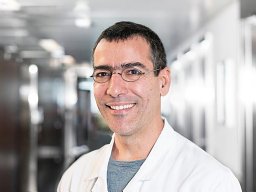 Oriol Manuel合作论文数Transplantation Centre, University Hospital9Frédéric Barbey合作论文数6
 Francois Cachat合作论文数Univ Lausanne5G. Nseir合作论文数5H. Chehade合作论文数4N. Perrottet合作论文数4K Hadaya合作论文数4
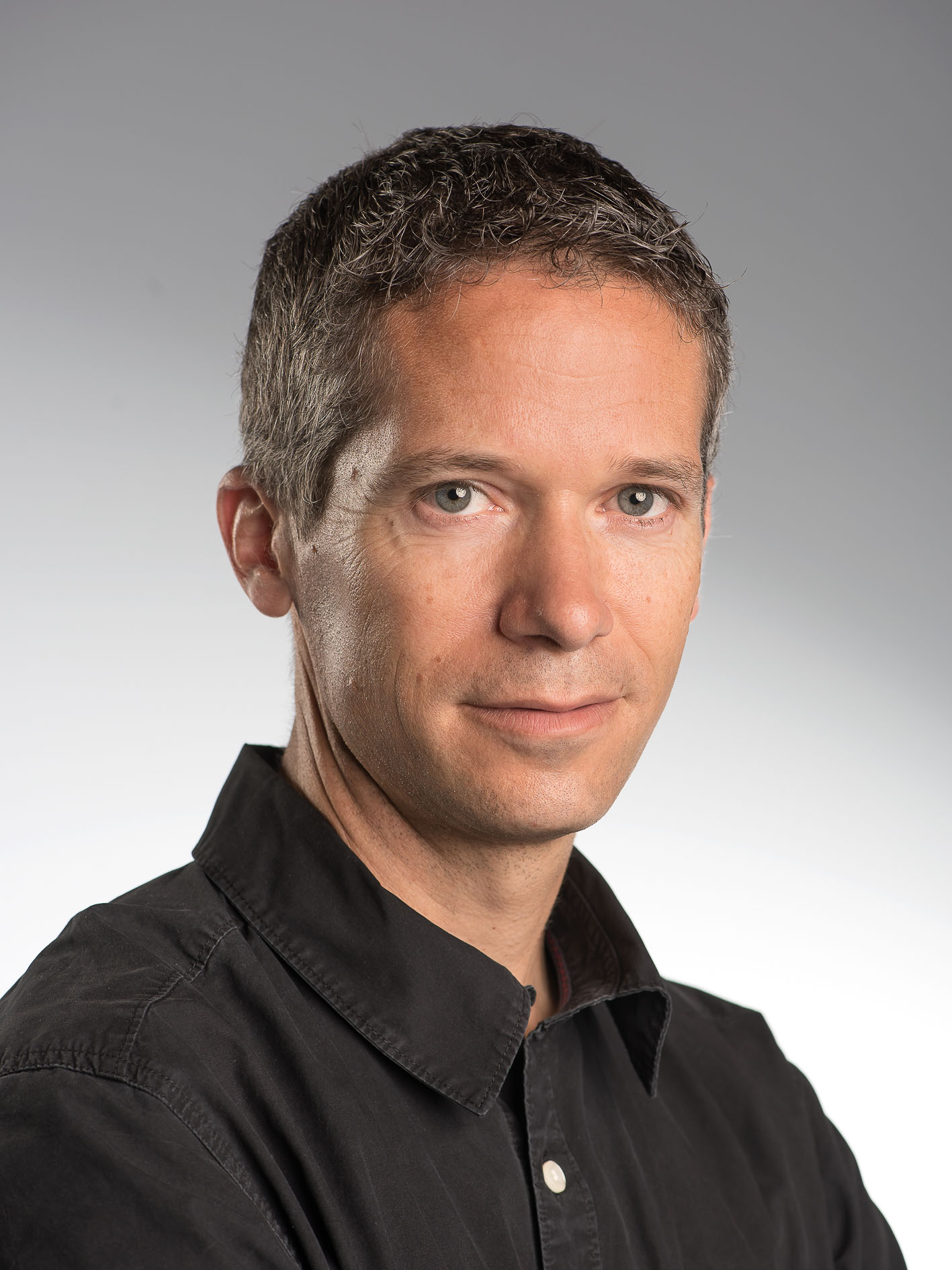 Jacques Fellay合作论文数School of Life Sciences, Ecole Polytechnique Federale de Lausanne4
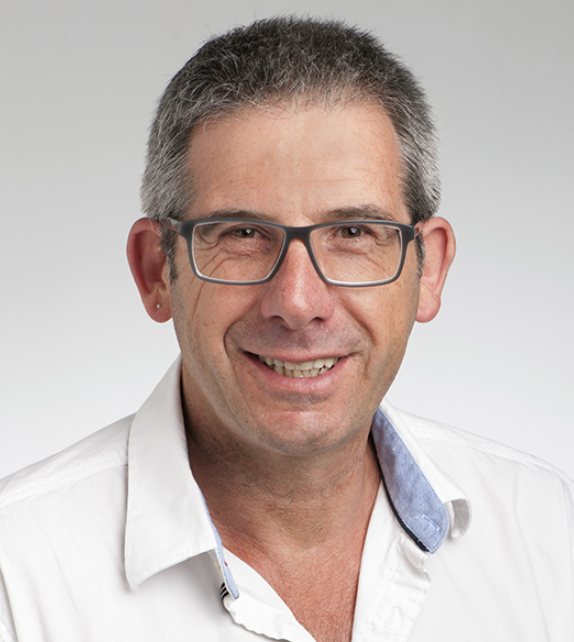 Laurent Décosterd合作论文数Département des Laboratoires, Centre Hospitalier Universitaire Vaudois;Faculty of Biology and Medicine, Université de Lausanne4
 Thierry Buclin合作论文数CHUV-UNIL;Université de Lausanne4
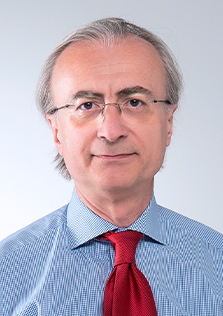 Giuseppe Pantaleo合作论文数Division of Immunology and Allergy, Centre Hospitalier Universitaire Vaudois, University of Lausanne;Laboratory of AIDS Immunopathogenesis, Department of Medicine, Centre Hospitalier Universitaire Vaudois, University of Lausanne4
 Dela Golshayan合作论文数Department of Nephrology, CHUV Lausanne Lausanne4
 John-David Aubert合作论文数Centre Hospitalier Universitaire;Université de Lausanne;Centre Hospitalier Universitaire, Université de Lausanne4J.Y. Meuwly合作论文数4Aubert Vincent合作论文数3Solange Moll合作论文数Hôpitaux Universitaires de Genève3Maurice Matter合作论文数3D Ciuffreda合作论文数2N. Kunzle合作论文数2Leo Buhler合作论文数2Nathalie Pilon合作论文数2
 Laurent Vallotton合作论文数Department of Mammalogy and Ornithology, Natural History Museum of Geneva;Jaman's Group of Faunal Studies, Lausanne, Switzerland.;Jaman's Group of Faunal Studies, Natural History Museum of Geneva2Calderari B合作论文数2Pierre-Yves Martin合作论文数2Paola M Soccal合作论文数2
 Frederic Lamoth合作论文数CHUV | Lausanne University Hospital2
 Michel Burnier合作论文数2G. Halabi合作论文数2Quoc Viet Nguyen合作论文数2F. Saucy合作论文数1Z. Glueck合作论文数1
 Marco Miozzari合作论文数1C Robatel合作论文数1L. Sifaki合作论文数1
 Igor Salvade合作论文数1Rocco Sugamele合作论文数1WC Wong合作论文数1maurice matter合作论文数1M Guidoux Noverraz合作论文数1Stephanie Gregoretti合作论文数1Roland Sahli合作论文数1O. Phan合作论文数1P Chaubert合作论文数1
 Laura Codarri合作论文数Roche Innovat Ctr Zurich, Zurich, Switzerland1E Laffitte合作论文数1Andrea Treyer合作论文数1




