We report an automated evaluation agent that can reliably assign classification labels to different Q&A pairs of both single-hop and multi-hop types, as well as to synthesis conditions datasets. Our agent is built around a suite of large language models (LLMs) and is designed to eliminate human involvement in the evaluation process. Even though we believe that this approach has broad applicability, for concreteness, we apply it here to reticular chemistry. Through extensive testing of various approaches such as DSPy and finetuning, among others, we found that the performance of a given LLM on these Q&A and synthesis conditions classification tasks is determined primarily by the architecture of the agent, where how the different inputs are parsed and processed and how the LLMs are called make a significant difference. We also found that the quality of the prompt provided remains paramount, irrespective of the sophistication of the underlying model. Even models considered state-of-the-art, such as GPT-o1, exhibit poor performance when the prompt lacks sufficient detail and structure. To overcome these challenges, we performed systematic prompt optimization, iteratively refining the prompt to significantly improve classification accuracy and achieve human-level evaluation benchmarks. We show that while LLMs have made remarkable progress, they still fall short of human reasoning without substantial prompt engineering. The agent presented here provides a robust and reproducible tool for evaluating Q&A pairs and synthesis conditions in a scalable manner and can serve as a foundation for future developments in automated evaluation of LLM inputs and outputs and more generally to create foundation models in chemistry.
Crystallizing covalent organic frameworks (COFs) remain a central challenge in reticular chemistry, as achieving long-range order typically requires extensive trial-and-error optimization over many months or years. Here, we demonstrate that by integrating a deep research agent within ChatGPT, this process can be markedly accelerated, reducing the crystallization timeline to less than one month. Our approach, termed the LLM For Accelerated Synthesis Technique (LFAST), operates through two interlinked cycles. In the first, we formulated a structured, multistep prompt to guide the deep research agent in mining, correlating, and validating synthesis parameters from the relevant chemical literature. This yielded an expanded and refined design space for reaction condition screening. In the second, these conditions were executed by using an automated synthesis platform coupled with high-throughput powder X-ray diffraction analysis. Using a widely reported β-ketoenamine-linked COF, TpPa-SO3H, as a benchmark, LFAST produced frameworks with diffraction peaks corresponding to a 350% increase in crystallinity index (CI) relative to prior reports. The same protocol enabled the synthesis of an unreported β-ketoenamine-linked COF-2000 with an even higher structural order. To ensure reproducibility and data accessibility, we further introduce a standardized metadata format encompassing synthesis and PXRD data sets. This data-driven methodology transforms the way that COFs are crystallized and significantly accelerates the pace of materials discovery.
We initiate a study of large deviations for block model random graphs in the dense regime. Following Chatterjee-Varadhan(2011), we establish an LDP for dense block models, viewed as random graphons. As an application of our result, we study upper tail large deviations for homomorphism densities of regular graphs. We identify the existence of a "symmetric" phase, where the graph, conditioned on the rare event, looks like a block model with the same block sizes as the generating graphon. In specific examples, we also identify the existence of a "symmetry breaking" regime, where the conditional structure is not a block model with compatible dimensions. This identifies a "reentrant phase transition" phenomenon for this problem---analogous to one established for Erdos-Renyi random graphs (Chatterjee-Dey(2010), Chatterjee-Varadhan(2011)). Finally, extending the analysis of Lubetzky-Zhao(2015), we identify the precise boundary between the symmetry and symmetry breaking regime for homomorphism densities of regular graphs and the operator norm on Erdos-Renyi bipartite graphs.
Molecular dynamics (MD) simulation is a key tool in drug discovery for predicting protein-ligand binding affinities, transport properties, and pocket dynamics. While advances in numerical and machine learning (ML) methods have improved MD efficiency, accurately modeling long-timescale dynamics remains challenging. We introduce NeuralMD, an ML surrogate that accelerates and enhances MD simulations of protein-ligand binding. NeuralMD employs a physics-informed, multi-grained, group-symmetric framework comprising (1) BindingNet, which enforces symmetry via vector frames and captures multi-level protein-ligand interactions, and (2) an augmented neural differential equation solver that learns trajectories under Newtonian mechanics. Across ten single-trajectory and three multi-trajectory tasks, NeuralMD achieves up to 15 × lower reconstruction error and 70% higher validity than existing ML baselines. The predicted oscillations closely align with ground-truth dynamics, establishing NeuralMD as a foundation for next-generation protein-ligand simulation research.
Generative models and machine learning promise accelerated material discovery in MOFs for CO2 capture and water harvesting but face significant challenges navigating vast chemical spaces while ensuring synthetizability. Here, we present MOFGen, a system of Agentic AI comprising interconnected agents: a large language model that proposes novel MOF compositions, a diffusion model that generates crystal structures, quantum mechanical agents that optimize and filter candidates, and synthetic-feasibility agents guided by expert rules and machine learning. Trained on all experimentally reported MOFs and computational databases, MOFGen generated hundreds of thousands of novel MOF structures and synthesizable organic linkers. Our methodology was validated through high-throughput experiments and the successful synthesis of five "AI-dreamt" MOFs, representing a major step toward automated synthesizable material discovery.
Artificial intelligence, represented by large language models (LLMs), has demonstrated tremendous capabilities in natural language recognition and extraction. To further evaluate the performance of various LLMs in extracting information from academic papers, this study explores the application of LLMs in reticular chemistry, focusing on their effectiveness in generating Q&A datasets and extracting synthesis conditions from scientific literature. The models evaluated include OpenAI's GPT-4 Turbo, Anthropic’s Claude 3 Opus, and Google's Gemini 1.5 Pro. Key results indicate that Claude excelled in providing complete synthesis data, while Gemini outperformed others in accuracy, characterization-free compliance(obedience), and proactive structuring of responses. Although GPT-4 was less effective in quantitative metrics, it demonstrated strong logical reasoning and contextual inference capabilities. Overall, Gemini and Claude achieved the highest scores in accuracy, groundedness, and adherence to prompt requirements, making them suitable benchmarks for future studies. The findings reveal the potential of LLMs to aid in scientific research, particularly in the efficient construction of structured datasets, which can help train models, predict, and assist in the synthesis of new metal-organic frameworks (MOFs).
Reticular chemistry is the science of connecting molecular building units into crystalline extended structures such as metal–organic frameworks and covalent organic frameworks. Large language models (LLMs), a type of generative artificial intelligence system, can augment laboratory research in reticular chemistry by helping scientists to extract knowledge from literature, design materials and collect and interpret experimental data — ultimately accelerating scientific discovery. In this Perspective, we explore the concepts and methods used to apply LLMs in research, including prompt engineering, knowledge and tool augmentation and fine-tuning. We discuss how ‘chemistry-aware’ models can be tailored to specific tasks and integrated into existing practices of reticular chemistry, transforming the traditional ‘make, characterize, use’ protocol driven by empirical knowledge into a discovery cycle based on finding synthesis–structure–property–performance relationships. Furthermore, we explore how modular LLM agents can be integrated into multi-agent laboratory systems, such as self-driving robotic laboratories, to streamline labour-intensive tasks and collaborate with chemists and how LLMs can lower the barriers to applying generative artificial intelligence and data-driven workflows to such challenging research questions as crystallization. This contribution equips both computational and experimental chemists with the insights necessary to harness LLMs for materials discovery in reticular chemistry and, more broadly, materials science. Large language models can accelerate reticular chemistry by guiding material design, data interpretation and discovery. This Perspective discusses how large language models integrate into laboratory workflows and modular artificial intelligence systems, streamlining data-driven research for new materials and tackling crystallization challenges.
The discovery of crystalline reticular materials remains largely trial-and-error despite their societal importance. We introduce our algorithmic iterative reticular synthesis (AIRES) cycle, which integrates automated synthesis, image recognition, single-crystal X-ray diffraction and, crucially, customized algorithmic decision-making, to maximize distinct crystal discoveries rather than optimizing single targets. Demonstrated on zeolitic imidazolate frameworks (ZIFs), AIRES achieves twice the discovery rate of random exploration, crystallizing 10 new linkers into diverse ZIF topologies and expanding the single-linker Zn-ZIF library by one-third. By transforming reticular synthesis from an empirical process to a systematic exploration, AIRES provides a scalable and efficient blueprint for accelerating materials discovery.
Covalent organic frameworks (COFs) have emerged as promising atmospheric water harvesters, offering a potential solution to the pressing global issue of water scarcity, which threatens millions of lives worldwide. This study presents a series of 2D COFs, including HCOF-3, HCOF-2, and a newly developed structure named COF-309, designed for optimized water harvesting performance with a high working capacity at low relative humidity. To elucidate their water sorption behavior, we introduce a hydrophilicity index directly linked to intrinsic properties, such as the strength and spatial density of adsorptive sites. This index is mathematically correlated to the step of water adsorption isotherms. Our correlation provides a predictive tool that extends to other microporous COFs and metal-organic frameworks, significantly enhancing the ability to predict their onset positions of water adsorption isotherms based on structural characteristics. This advancement holds the potential to guide the development of more efficient materials for atmospheric water harvesting.
AI models have shown great potential in structure-based drug design, generating ligands with high binding affinities. However, existing models have often overlooked a crucial physical prior: Atoms must maintain a minimum pairwise distance to avoid atomic collision, a phenomenon governed by the balance of attractive and repulsive forces. To mitigate such atomic collisions, we propose NucleusDiff. It enforces spatial distance constraints between atomic nuclei and auxiliary mesh points placed on a spherical surface around each atom, approximating van der Waals boundaries to reduce atomic collisions. We quantitatively evaluate NucleusDiff using the CrossDocked2020 dataset and a COVID-19 therapeutic target, demonstrating that NucleusDiff reduces collision rate by up to 100.00% and enhances binding affinity by up to 22.16%, surpassing state-of-the-art models for structure-based drug design. We also provide qualitative analysis through manifold sampling, visually confirming the effectiveness of NucleusDiff in reducing atomic collisions and improving binding affinities.
In drug discovery, molecular dynamics (MD) simulation for protein-ligand binding provides a powerful tool for predicting binding affinities, estimating transport properties, and exploring pocket sites. There has been a long history of improving the efficiency of MD simulations through better numerical methods and, more recently, by augmenting them with machine learning (ML) methods. Yet, challenges remain, such as accurate modeling of extended-timescale simulations. To address this issue, we propose NeuralMD, the first ML surrogate that can facilitate numerical MD and provide accurate simulations of protein-ligand binding dynamics. We propose a principled approach that incorporates a novel physics-informed multi-grained group symmetric framework. Specifically, we propose (1) a BindingNet model that satisfies group symmetry using vector frames and captures the multi-level protein-ligand interactions, and (2) an augmented neural ordinary differential equation solver that learns the trajectory under Newtonian mechanics. For the experiment, we design ten single-trajectory and three multi-trajectory binding simulation tasks. We show the efficiency and effectiveness of NeuralMD, with a 2000$\times$ speedup over standard numerical MD simulation and outperforming all other ML approaches by up to ~80\% under the stability metric. We further qualitatively show that NeuralMD reaches more stable binding predictions.
The rapid advancement in artificial intelligence and natural language processing has led to the development of large-scale datasets aimed at benchmarking the performance of machine learning models. Herein, we introduce "RetChemQA", a comprehensive benchmark dataset designed to evaluate the capabilities of such models in the domain of reticular chemistry. This dataset includes both single-hop and multi-hop question-answer pairs, encompassing approximately 45,000 question and answers (Q&As) for each type. The questions have been extracted from an extensive corpus of literature containing about 2,530 research papers from publishers including NAS, ACS, RSC, Elsevier, and Nature Publishing Group, among others. The dataset has been generated using OpenAI's GPT-4 Turbo, a cutting-edge model known for its exceptional language understanding and generation capabilities. In addition to the Q&A dataset, we also release a dataset of synthesis conditions extracted from the corpus of literature used in this study. The aim of RetChemQA is to provide a robust platform for the development and evaluation of advanced machine learning algorithms, particularly for the reticular chemistry community. The dataset is structured to reflect the complexities and nuances of real-world scientific discourse, thereby enabling nuanced performance assessments across a variety of tasks.
The integration of artificial intelligence into scientific research has reached a new pinnacle with GPT-4V, a large language model featuring enhanced vision capabilities, accessible through ChatGPT or an API. This study demonstrates the remarkable ability of GPT-4V to navigate and obtain complex data for metal-organic frameworks, especially from graphical sources. Our approach involved an automated process of converting 346 scholarly articles into 6240 images, which represents a benchmark dataset in this task, followed by deploying GPT-4V to categorize and analyze these images using natural language prompts. This methodology enabled GPT-4V to accurately identify and interpret key plots integral to MOF characterization, such as nitrogen isotherms, PXRD patterns, and TGA curves, among others, with accuracy and recall above 93%. The model's proficiency in extracting critical information from these plots not only underscores its capability in data mining but also highlights its potential in aiding the creation of comprehensive digital databases for reticular chemistry. In addition, the extracted nitrogen isotherm data from the selected literature allowed for a comparison between theoretical and experimental porosity values for over 200 compounds, highlighting certain discrepancies and underscoring the importance of integrating computational and experimental data. This work highlights the potential of AI in accelerating scientific discovery and innovation, bridging the gap between computational tools and experimental research, and paving the way for more efficient, inclusive, and comprehensive scientific inquiry.
Climate change is one of the greatest challenges facing humanity, and we, as machine learning (ML) experts, may wonder how we can help. Here we describe how ML can be a powerful tool in reducing greenhouse gas emissions and helping society adapt to a changing climate. From smart grids to disaster management, we identify high impact problems where existing gaps can be filled by ML, in collaboration with other fields. Our recommendations encompass exciting research questions as well as promising business opportunities. We call on the ML community to join the global effort against climate change.
Artificial intelligence for scientific discovery has recently generated significant interest within the machine learning and scientific communities, particularly in the domains of chemistry, biology, and material discovery. For these scientific problems, molecules serve as the fundamental building blocks, and machine learning has emerged as a highly effective and powerful tool for modeling their geometric structures. Nevertheless, due to the rapidly evolving process of the field and the knowledge gap between science (e.g., physics, chemistry, biology) and machine learning communities, a benchmarking study on geometrical representation for such data has not been conducted. To address such an issue, in this paper, we first provide a unified view of the current symmetry-informed geometric methods, classifying them into three main categories: invariance, equivariance with spherical frame basis, and equivariance with vector frame basis. Then we propose a platform, coined Geom3D, which enables benchmarking the effectiveness of geometric strategies. Geom3D contains 16 advanced symmetry-informed geometric representation models and 14 geometric pretraining methods over 46 diverse datasets, including small molecules, proteins, and crystalline materials. We hope that Geom3D can, on the one hand, eliminate barriers for machine learning researchers interested in exploring scientific problems; and, on the other hand, provide valuable guidance for researchers in computational chemistry, structural biology, and materials science, aiding in the informed selection of representation techniques for specific applications.
We construct a data set of metal-organic framework (MOF) linkers and employ a fine-tuned GPT assistant to propose MOF linker designs by mutating and modifying the existing linker structures. This strategy allows the GPT model to learn the intricate language of chemistry in molecular representations, thereby achieving an enhanced accuracy in generating linker structures compared with its base models. Aiming to highlight the significance of linker design strategies in advancing the discovery of water-harvesting MOFs, we conducted a systematic MOF variant expansion upon state-of-the-art MOF-303 utilizing a multidimensional approach that integrates linker extension with multivariate tuning strategies. We synthesized a series of isoreticular aluminum MOFs, termed Long-Arm MOFs (LAMOF-1 to LAMOF-10), featuring linkers that bear various combinations of heteroatoms in their five-membered ring moiety, replacing pyrazole with either thiophene, furan, or thiazole rings or a combination of two. Beyond their consistent and robust architecture, as demonstrated by permanent porosity and thermal stability, the LAMOF series offers a generalizable synthesis strategy. Importantly, these 10 LAMOFs establish new benchmarks for water uptake (up to 0.64 g g(-1)) and operational humidity ranges (between 13 and 53%), thereby expanding the diversity of water-harvesting MOFs.
We present a new framework integrating the AI model GPT-4 into the iterative process of reticular chemistry experimentation, leveraging a cooperative workflow of interaction between AI and a human researcher. This GPT-4 Reticular Chemist is an integrated system composed of three phases. Each of these utilizes GPT-4 in various capacities, wherein GPT-4 provides detailed instructions for chemical experimentation and the human provides feedback on the experimental outcomes, including both success and failures, for the in-context learning of AI in the next iteration. This iterative human-AI interaction enabled GPT-4 to learn from the outcomes, much like an experienced chemist, by a prompt-learning strategy. Importantly, the system is based on natural language for both development and operation, eliminating the need for coding skills, and thus, make it accessible to all chemists. Our collaboration with GPT-4 Reticular Chemist guided the discovery of an isoreticular series of MOFs, with each synthesis fine-tuned through iterative feedback and expert suggestions. This workflow presents a potential for broader applications in scientific research by harnessing the capability of large language models like GPT-4 to enhance the feasibility and efficiency of research activities.
We use prompt engineering to guide ChatGPT in the automation of text mining of metal-organic framework (MOF) synthesis conditions from diverse formats and styles of the scientific literature. This effectively mitigates ChatGPT's tendency to hallucinate information, an issue that previously made the use of large language models (LLMs) in scientific fields challenging. Our approach involves the development of a workflow implementing three different processes for text mining, programmed by ChatGPT itself. All of them enable parsing, searching, filtering, classification, summarization, and data unification with different trade-offs among labor, speed, and accuracy. We deploy this system to extract 26 257 distinct synthesis parameters pertaining to approximately 800 MOFs sourced from peer-reviewed research articles. This process incorporates our ChemPrompt Engineering strategy to instruct ChatGPT in text mining, resulting in impressive precision, recall, and F1 scores of 90-99%. Furthermore, with the data set built by text mining, we constructed a machine-learning model with over 87% accuracy in predicting MOF experimental crystallization outcomes and preliminarily identifying important factors in MOF crystallization. We also developed a reliable data-grounded MOF chatbot to answer questions about chemical reactions and synthesis procedures. Given that the process of using ChatGPT reliably mines and tabulates diverse MOF synthesis information in a unified format while using only narrative language requiring no coding expertise, we anticipate that our ChatGPT Chemistry Assistant will be very useful across various other chemistry subdisciplines.
On social networks, algorithmic personalization drives users into filter bubbles where they rarely see content that deviates from their interests. We present a model for content curation and personalization that avoids filter bubbles, along with algorithmic guarantees and nearly matching lower bounds. In our model, the platform interacts with $n$ users over $T$ timesteps, choosing content for each user from $k$ categories. The platform receives stochastic rewards as in a multi-arm bandit. To avoid filter bubbles, we draw on the intuition that if some users are shown some category of content, then all users should see at least a small amount of that content. We first analyze a naive formalization of this intuition and show it has unintended consequences: it leads to ``tyranny of the majority'' with the burden of diversification borne disproportionately by those with minority interests. This leads us to our model which distributes this burden more equitably. We require that the probability any user is shown a particular type of content is at least $\gamma$ times the average probability all users are shown that type of content. Full personalization corresponds to $\gamma = 0$ and complete homogenization corresponds to $\gamma = 1$; hence, $\gamma$ encodes a hard cap on the level of personalization. We also analyze additional formulations where the platform can exceed its cap but pays a penalty proportional to its constraint violation. We provide algorithmic guarantees for optimizing recommendations subject to these constraints. These include nearly matching upper and lower bounds for the entire range of $\gamma \in [0,1]$ showing that the reward of a multi-agent variant of UCB is nearly optimal. Using real-world preference data, we empirically verify that under our model, users share the burden of diversification with only minor utility loss under our constraints.
We leveraged the power of ChatGPT and Bayesian optimization in the development of a multi-AI-driven system, backed by seven large language model-based assistants and equipped with machine learning algorithms, that seamlessly orchestrates a multitude of research aspects in a chemistry laboratory (termed the ChatGPT Research Group). Our approach accelerated the discovery of optimal microwave synthesis conditions, enhancing the crystallinity of MOF-321, MOF-322, and COF-323 and achieving the desired porosity and water capacity. In this system, human researchers gained assistance from these diverse AI collaborators, each with a unique role within the laboratory environment, spanning strategy planning, literature search, coding, robotic operation, labware design, safety inspection, and data analysis. Such a comprehensive approach enables a single researcher working in concert with AI to achieve productivity levels analogous to those of an entire traditional scientific team. Furthermore, by reducing human biases in screening experimental conditions and deftly balancing the exploration and exploitation of synthesis parameters, our Bayesian search approach precisely zeroed in on optimal synthesis conditions from a pool of 6 million within a significantly shortened time scale. This work serves as a compelling proof of concept for an AI-driven revolution in the chemistry laboratory, painting a future where AI becomes an efficient collaborator, liberating us from routine tasks to focus on pushing the boundaries of innovation.
 Christian Borgs合作论文数Department of Electrical Engineering and Computer Sciences, University of California, Berkeley;Berkeley Artificial Intelligence Research Lab, University of California, Berkeley;Bakar Institute of Digital Materials for the Planet, University of California, Berkeley172
 Lincoln Chayes合作论文数Department of Mathematics, College of Physical Sciences, University of California, Los Angeles48
 Mohammad Mahdian合作论文数Google Research15
 Omar Yaghi (奥马尔·亚吉)合作论文数Tsinghua University15
 Nicole Immorlica合作论文数Microsoft Research13
 Shang-Hua Teng (滕尚华)合作论文数Thomas Lord Department of Computer Science, Viterbi School of Engineering, University of Southern California;Massachusetts Institute of Technology13
 Amin Saberi合作论文数Management Science and Engineering Department, Stanford University12
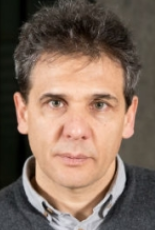 Riccardo Zecchina合作论文数Department of Computing Sciences, Bocconi University11
 Kamal Jain合作论文数Amazon11
 Nakul Rampal合作论文数Adsorpt & Adv Mat Lab A2ML, Univ Cambridge10
 Adam Tauman Kalai合作论文数OpenAI10
 Zhiling Zheng合作论文数Bakar Institute of Digital Materials for the Planet, University of California9
 Joel Spencer合作论文数Department of Computer Science, Courant Institute School of Mathematics, Computing, and Data Science, New York University;Department of Mathematics, Courant Institute School of Mathematics, Computing, and Data Science, New York University8
 László Lovász合作论文数Department of Computer Science, Eötvös Loránd University;Alfréd Rényi Institute of Mathematics8
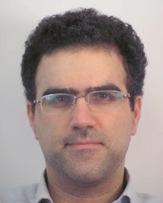 Vahab Mirrokni合作论文数Google Research8
 K. Vesztergombi合作论文数7
 Gordon Slade合作论文数Department of Mathematics, The University of British Columbia7
 Anima Anandkumar合作论文数Anima AI + Science Lab, California Institute of Technology;Division of Engineering and Applied Science, California Institute of Technology;Department of Computing and Mathematical Sciences, California Institute of Technology7Reid Andersen合作论文数7
 Michael Brautbar合作论文数Computer and Information Science, University of Pennsylvania7Constance A. Morella合作论文数6Machi Dilworth合作论文数6Valerie Conn合作论文数6Jane E. Henney合作论文数6Roberta Marinelli合作论文数6Melvin Greer合作论文数6Linda Gundersen合作论文数6Billy M. Williams合作论文数6Nancy Andrews合作论文数6Nicholas Arnold合作论文数6Sheldon Weinbaum合作论文数6Elizabeth L. Hillman合作论文数6Valerie Taylor合作论文数6Hilary Lapin-Scott合作论文数6Amy Dodrill合作论文数6Julia M. Phillips合作论文数6
 Lisa García Bedolla合作论文数Graduate School of Education, University of California, Berkeley6
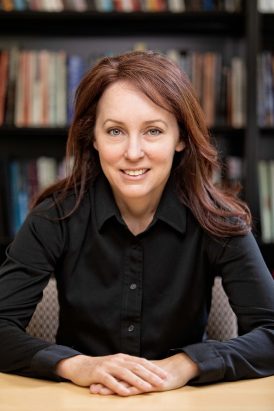 Anna Kirkland合作论文数Department of Political Science, College of Literature, Science, and the Arts, University of Michigan-Ann Arbor6
 Timothy R.B. Johnson合作论文数African Studies Center, College of Literature, Science, and the Arts, University of Michigan-Ann Arbor6Gold Liza H合作论文数6
 Joan Bennett合作论文数Department of Biochemistry and Microbiology, School of Environmental and Biological Sciences, Rutgers University;Department of Plant Biology and Pathology, School of Environmental and Biological Sciences, Rutgers University6
 Paula T. Hammond合作论文数Department of Chemical Engineering, School of Engineering, Massachusetts Institute of Technology;Koch Institute for Integrative Cancer Research, Massachusetts Institute of Technology6
 Cortina M. Lilia合作论文数Department of Psychology, University of Michigan6
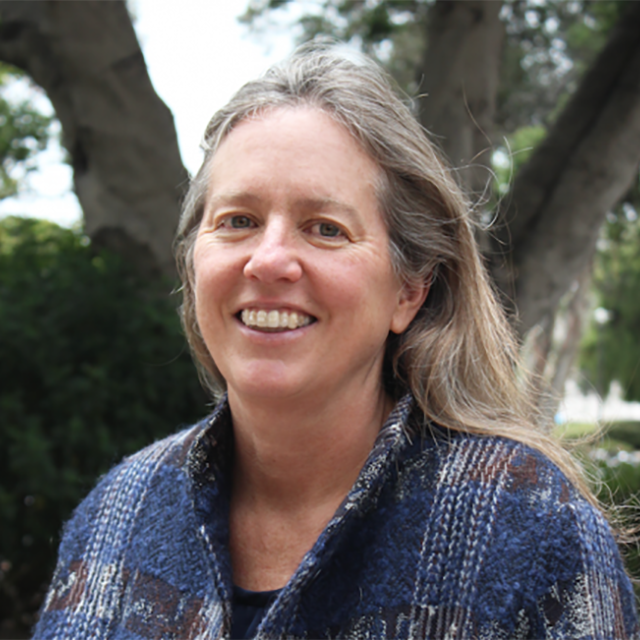 Jean Carlson合作论文数Department of Physics, University of California, Santa Barbara6
 James Sethna合作论文数Department of Physics, College of Arts & Sciences, Cornell University6
 John B. Pryor合作论文数Department of Psychology, Illinois State University6
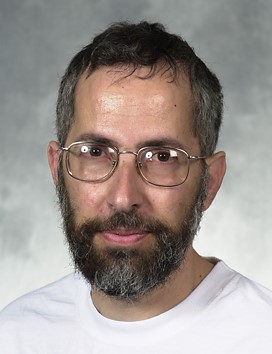 Uriel Feige合作论文数Department of Computer Science and Applied Mathematics, The Weizmann Institute of Science6
 Rita R. Colwell合作论文数Institute for Advanced Computer Studies, University of Maryland;Bloomberg School of Public Health, Johns Hopkins University;Canon US Life Sciences, Inc.;CosmosID, Inc.6
 Ed Lazowska合作论文数Paul G. Allen School of Computer Science & Engineering, University of Washington;Escience Institute, University of Washington6




