Artificial intelligence (AI) and hardware (HW) are advancing at unprecedented rates, yet their trajectories have become inseparably intertwined. The global research community lacks a cohesive, long-term vision to strategically coordinate the development of AI and HW. This fragmentation constrains progress toward holistic, sustainable, and adaptive AI systems capable of learning, reasoning, and operating efficiently across cloud, edge, and physical environments. The future of AI depends not only on scaling intelligence, but on scaling efficiency, achieving exponential gains in intelligence per joule, rather than unbounded compute consumption. Addressing this grand challenge requires rethinking the entire computing stack. This vision paper lays out a 10-year roadmap for AI+HW co-design and co-development, spanning algorithms, architectures, systems, and sustainability. We articulate key insights that redefine scaling around energy efficiency, system-level integration, and cross-layer optimization. We identify key challenges and opportunities, candidly assess potential obstacles and pitfalls, and propose integrated solutions grounded in algorithmic innovation, hardware advances, and software abstraction. Looking ahead, we define what success means in 10 years: achieving a 1000x improvement in efficiency for AI training and inference; enabling energy-aware, self-optimizing systems that seamlessly span cloud, edge, and physical AI; democratizing access to advanced AI infrastructure; and embedding human-centric principles into the design of intelligent systems. Finally, we outline concrete action items for academia, industry, government, and the broader community, calling for coordinated national initiatives, shared infrastructure, workforce development, cross-agency collaboration, and sustained public-private partnerships to ensure that AI+HW co-design becomes a unifying long-term mission.
Enzymes are powerful and sustainable catalysts, but their widespread application is limited by the difficulty of identifying functional starting points for optimization, creating a major bottleneck in early- stage biocatalyst discovery. Designing libraries of such starting enzymes remains particularly challenging. Here, we use the GenSLM protein language model to generate novel β -subunit of tryptophan synthase (TrpB) enzymes that express in Escherichia coli and are both stable and catalytically active. Many generated TrpBs also display significant substrate promiscuity, outperforming their natural counterparts on non-native substrates. Some even surpass laboratory-evolved TrpBs. Comparison of the most-active and most-promiscuous generated TrpB to its closest natural homolog confirms that the enhanced versatility is absent from the natural enzyme, highlighting the creative potential of generative models. These results demonstrate that the generated TrpBs not only preserve natural structure and function but also acquire non-natural properties, establishing generative models as powerful tools for biocatalyst discovery and engineering.
Sparse-view Computed Tomography (CT) reconstructs images from a limited number of X-ray projections to reduce radiation and scanning time, which is an ill-posed inverse problem. Existing methods achieve high-fidelity reconstructions but overfit to a fixed acquisition setup, failing to generalize well across sampling rates. For example, convolutional neural networks (CNNs) use the same kernels across resolutions, leading to artifacts when data resolution changes. This is a critical limitation in clinical practice, where acquisition sampling settings vary across organs and diagnostic protocols. We propose Computed Tomography neural Operator (CTO), the first neural operator (NO) framework for CT reconstruction. CTO extends learning from fixed discretized grids to continuous function space, enabling a single model to generalize across measurement sampling rates without retraining. We also propose new NO architectural designs for CT: (i) a dual-domain NO architecture in both sinogram and image spaces, capturing complementary spatial-frequency information, and (ii) rotation-equivariant DIScrete-COntinuous convolutions (DISCO) that exploit the rotational structure inherent in tomographic acquisition. Empirically, CTO outperforms CNNs (> 3.4dB PSNR gain) and other baselines in multi-resolution settings across multiple CT datasets. Compared to state-of-the-art diffusion methods, CTO has 500x faster inference with an average 3dB gain. CTO further demonstrates strong out-of-distribution robustness, maintaining gains under cross-dataset transfer and noisy sinogram conditions. Ablation studies also validate each design choice. CTO establishes neural operators as a principled and practical paradigm for flexible, discretization-agnostic CT reconstruction. Our code is available at https://github.com/neuraloperator/sparse_ct.
Verbal feedback delivered by attending surgeons in the operating room plays a critical formative role in resident trainee skill acquisition. Yet, assessing the quality of trainer feedback and its effectiveness in influencing trainee behavior during live surgery remains a challenge. Prior studies assessed feedback content relying on extensive manual annotation by expert human raters and focused on developing broad taxonomies that overlook the qualitative aspects of feedback delivery such as clarity or urgency. Limited existing automated methods, including keyword analysis and topic modeling, also fail to capture these nuanced aspects. We introduce a two-stage LLM-based framework that discovers interpretable feedback quality criteria grounded in the context of surgical training. Our method uses multi-agent prompting and surgical domain knowledge injection to discover a small set of human interpretable scoring criteria (e.g., Encouraging, Urgent, Clear). These criteria are then used to automatically score live surgical feedback via an LLM-as-a-judge approach. Evaluation on 4.2k trainer feedback instances demonstrates that our AI-discovered criteria outperform prior content-based frameworks in predicting feedback effectiveness, including observed trainee behavioral adjustments and trainer approval. This work advances scalable, human-aligned assessment of communication quality in the operating room and provides a foundation for improving surgical teaching practices.
Neural networks are increasingly deployed in scientific, safety critical, and mission critical pipelines, yet verification and analysis are often performed outside the programming environment that defines and runs the model. This creates a semantic gap between the executed network and the analyzed artifact: guarantees can depend on implicit conventions about operator semantics, tensor layouts, preprocessing, floating-point behavior, graph transformations, accelerated kernels, and external certificates. We present TorchLean, a unified framework for formalizing, executing, and verifying neural networks in Lean 4. TorchLean treats learned models as executable programs and mathematical objects with a shared semantics for computation, verification, and theorem proving. The framework provides a PyTorch style API for typed tensors, layers, objectives, optimizers, automatic differentiation, and graph programs, with eager and compiled execution paths that lower to a common computation-graph representation. TorchLean supports exact and finite-precision tensor semantics, verified reverse-mode differentiation, interval and affine bound propagation, CROWN/LiRPA style certificate checking, import/export workflows, and CUDA-backed execution through explicit FFI boundaries. It also includes semantic layers for attention and FlashAttention, state-space sequence models, diffusion and sampling processes, probability kernels, reinforcement-learning objectives and Markov decision processes, and self-supervised objectives such as masked autoencoding, JEPA-style predictive views, and variance/correlation-based anti-collapse losses. Together, these components provide a semantic foundation for verified machine learning, where executable neural network artifacts, verification procedures, runtime boundaries, and mathematical claims can be stated and related inside one theorem-proving environment.
Quantum optimal control is a key tool for steering quantum dynamics, but its computational cost grows rapidly with the Hilbert space dimension. Here, we introduce a Fourier Neural Operator (FNO)-based framework for learning high dimensional molecular quantum dynamics and accelerating the inverse design of control protocols. Given an initial molecular population distribution, laser frequency, and polarization, the FNO predicts molecular-motional population dynamics up to 10^7 times faster than GPU-accelerated numerical propagation with CUDA-Q Dynamics. Using this fast and differentiable surrogate, we develop the FNO stochastic pulse-measurement planner (FNO-SPMP), which constructs pulse sequences to purify an initially mixed Boltzmann distribution. We demonstrate the protocol in an 888-dimensional subspace of the hydronium molecule at 20 K, achieving a target-state population of 0.98 with a sequence success rate of up to 86.2
Pretrained contrastive vision-language models (VLMs) (e.g., CLIP) have shown promising zero-shot generalization in many downstream tasks (e.g., image classification) with properly designed text prompts. Instead of relying on hand-engineered prompts, prompt tuning learns prompts using the training data from the downstream data distribution. Although effective, training on domain-specific data hurts a models generalization capability to unseen new domains. In this chapter, we discuss test-time prompt tuning (TPT), a method that learns adaptive prompts on the fly using a single test sample. In the case of image classification, TPT optimizes the prompt by minimizing entropy with confidence selection so that the model has consistent predictions across different augmented views of each test sample. When evaluated on natural distribution shifts, TPT surpasses previous prompt tuning methods that require additional task-specific training data. When evaluated under the cross-dataset generalization setting, TPT performs on par with the state-of-the-art methods that use additional training data.
Fourier Neural Operators (FNOs) excel on functional data tasks, such as those originating from partial differential equations. This renders them effective at simulating the time evolution of quantum wavefunctions, a computationally challenging, yet coveted task. In this manuscript, we use FNOs to model the evolution of random quantum spin systems, chosen due to their representative dynamics. We find that traditional neural networks, such as U-Net, exhibit limited extrapolation beyond the training time interval, whereas FNOs capture the underlying time-evolution operator, generalizing to unseen times. Additionally, we apply FNOs to a compact set of Hamiltonian observables (similar to poly(n)) instead of 2(n)-component wavefunctions, greatly reducing the size of our inputs, outputs, and FNO models. This Hamiltonian observable-based method demonstrates that FNOs can distill information from high to low-dimensional spaces. We perform numerical experiments on a 20-qubit system, extrapolating Hamiltonian observables to twice the training time with a relative error of 5.8%. Notably, relative to numerical time-evolution methods, FNO achieves an inference speedup of approximately 10(4) & times; for 20-qubit systems, underscoring its computational efficiency. This extrapolation of observables past training times stands to fundamentally increase the simulatability of quantum systems beyond the limitations of quantum device coherence and tensor network circuit-depth.
Deep learning has achieved remarkable success in computer vision and natural language processing, where tasks are commonly formulated as mappings between finite-dimensional representations. Many scientific problems, however, including those governed by partial differential equations, are naturally posed on infinite-dimensional function spaces. This mismatch has limited conventional neural networks from achieving comparable success in scientific applications. Here we identify and distil key principles for constructing practical neural architectures for mappings between function spaces. Neural operators provide a principled extension of neural networks to such settings, offering a path towards bringing deep learning's transformative impact to science. Because deep learning's success has relied heavily on architectural refinements, extending these advances to neural operators allows operator learning to benefit from refined designs. Guided by the principles we outline, we propose a recipe for converting popular neural architectures into neural operators with minimal modifications. We also discuss practical steps for making these models effective. This perspective offers a systematic bridge between finite-dimensional network design and operator learning for scientific applications.
We propose a data-efficient, physics-aware generative framework in function space for inverse PDE problems. Existing plug-and-play diffusion posterior samplers represent physics implicitly through joint coefficient-solution modeling, requiring substantial paired supervision. In contrast, our Decoupled Diffusion Inverse Solver (DDIS) employs a decoupled design: an unconditional diffusion learns the coefficient prior, while a neural operator explicitly models the forward PDE for guidance. This decoupling enables superior data efficiency and effective physics-informed learning, while naturally supporting Decoupled Annealing Posterior Sampling (DAPS) to avoid over-smoothing in Diffusion Posterior Sampling (DPS). Theoretically, we prove that DDIS avoids the guidance attenuation failure of joint models when training data is scarce. Empirically, DDIS achieves state-of-the-art performance under sparse observation, improving l_2 error by 11
Physics-informed neural networks (PINNs) often face ill-conditioned objectives that limit high-accuracy training. Dense quasi-Newton methods improve local conditioning but require expensive optimizer state, while Kronecker-factored methods such as SOAP scale to larger networks but rely on periodic basis updates. We introduce , which augments SOAP-style preconditioning with a scalar secant-energy correction adapted to Kronecker geometry and an adaptive basis update followed by variance-state downscaling. We characterize the directional secant matching induced by the scalar correction and give a bound on variance-state mismatch across basis changes. Across eight PDE benchmarks, attains the lowest final residual on six, including Burgers and Boussinesq, while SOAP-family baselines perform better on Gray-Scott and Ginzburg-Landau. On Boussinesq, reaches a residual of 10^-5 in 4.1 hours with 9.2 GB peak VRAM, while Adam does not reach this target within 14 hours. Three-seed L^2 and H^1 errors on four representative PDEs support the link between lower residuals and improved solution accuracy. These results position as a scalable option for stiff, high-accuracy physics-informed training, rather than a uniform replacement for existing optimizers.
Personality traits have long been studied as predictors of human behavior.Recent advances in Large Language Models (LLMs) suggest similar patterns may emerge in artificial systems, with advanced LLMs displaying consistent behavioral tendencies resembling human traits like agreeableness and self-regulation. Understanding these patterns is crucial, yet prior work primarily relied on simplified self-reports and heuristic prompting, with little behavioral validation. In this study, we systematically characterize LLM personality across three dimensions: (1) the dynamic emergence and evolution of trait profiles throughout training stages; (2) the predictive validity of self-reported traits in behavioral tasks; and (3) the impact of targeted interventions, such as persona injection, on both self-reports and behavior. Our findings reveal that instructional alignment (e.g., RLHF, instruction tuning) significantly stabilizes trait expression and strengthens trait correlations in ways that mirror human data. However, these self-reported traits do not reliably predict behavior, and observed associations often diverge from human patterns. While persona injection successfully steers self-reports in the intended direction, it exerts little or inconsistent effect on actual behavior. By distinguishing surface-level trait expression from behavioral consistency, our findings challenge assumptions about LLM personality and underscore the need for deeper evaluation in alignment and interpretability.
Many practically important NP-hard optimization problems are inherently higher-order polynomial optimizations, which are typically addressed using approximation algorithms. Classical relaxations express polynomial objectives over a polynomial basis and solve the resulting quadratic objective as a semidefinite program, which can significantly inflate problem size and degrade approximation behavior. Variational quantum analogues to classical semidefinite programs (vQSDPs) are near-term formulations geared towards quadratic objectives. We introduce Product-State Lifting (PSL), a simple product-register encoding that upgrades any vQSDP with basis-state encoding to tackle k-degree polynomial optimization. This upgrade requires only a linear increase in resources with constraints constant in k. As a worked example, we pair PSL with the recently-proposed vQSDP with the Hadamard test and approximate amplitude constraints [Quantum 7, 1057 (2023)], and outline an application to Max-kSAT. PSL maintains the device-friendly structure of vQSDPs while making polynomial degree a linear resource parameter, offering a general path from quadratic to polynomial optimization without the constraint growth typical of classical relaxations.
Scientific progress is limited not by a lack of new ideas but by the time and cost involved in physical experimentation. Scientific discovery is a needle in the haystack problem: it does not help if AI gives you a vastly bigger haystack. Without knowing if any of the ideas work, an AI system that designs experiments just increases the effort required, since performing the experiments to validate the ideas is the real bottleneck. In my view, AI's most transformative impact in enabling scientific discoveries lies in reducing the need for such experiments. To get there, we need to build AI models that are able to granularly simulate and understand physics at all scales, rather than just abstractly reason in the textual domain. In this essay, I explore what methods like Neural Operators have already helped achieve, what still needs to be done, and what lies ahead.
Kohn–Sham density functional theory (DFT) underpins electronic-structure simulations, but repeated orbital diagonalizations lead to cubic scaling, restricting quantum calculations to modest scales only. Eliminating these auxiliary orbitals while retaining Kohn–Sham accuracy is the central goal of orbital-free DFT, but both analytical and machine-learning methods have so far fallen short. Prior learning approaches either try to learn the variational kinetic-energy functionals, which are ill-conditioned, or directly predict the ground state, which extrapolate poorly to larger systems. Instead, we identify the Kohn–Sham map as the right learning target for orbital-free DFT. It maps a Kohn–Sham potential directly to the corresponding density and noninteracting kinetic energy, quantities otherwise obtained through an orbital diagonalization. Focusing on the density component in this work, a domain-invariant SE(3)-equivariant Fourier neural operator learns to predict it from the potential as input on real-space grids, enabling stable quasi-linear scaling SCFs. Trained jointly on 8,504 molecules and solids, a single model generalizes to out-of-distribution organic molecules, insulators, and metals. For the first time, the same method converges SCFs across these systems without explicitly constructing Kohn–Sham orbitals, while reproducing densities, electronic spectra, and structural observables at Kohn–Sham DFT accuracy. Linear-scaling SCFs additionally allow converging magnesium dislocation densities containing up to 82,500 valence electrons on a single GPU.
Training with quantized weights can reduce costs but often results in degraded accuracy, especially when optimization is carried out in low precision, without storing high-precision copies. We identify a key failure mode: under low precision, standard optimizers can get stuck and not make progress, especially at large weight magnitudes due to coarse mantissa resolution. To overcome this, multiplicative updates have been previously proposed, in place of additive updates in standard optimizers. While successful under extremely low precision, such as under the logarithmic number system, they suffer from failures near zero and across sign changes. The failure modes of additive and multiplicative updates are therefore complementary. To exploit this, we propose M+Adam, which combines both update types: additive steps handle sign changes and small magnitudes, while multiplicative steps ensure progress at large magnitudes when additive updates are zeroed out under rounding. We prove monotone descent for M+Adam under standard smoothness assumptions. Across LLaMA-style pretraining with 60M-1B models, 1x-8x Chinchilla budgets, and using only BF16, FP8, and FP4 master weights, M+Adam consistently improves low-precision training.
Formal theorem proving has emerged as a frontier challenge for machine learning, yet the ecosystem is fragmented: proofs remain siloed across incompatible systems, limiting both training data for learning-based provers and the portability of verified results. We present ITPEval, the first benchmark for evaluating automated formal proof translation across four major ITPs (Lean 4, Rocq, Isabelle, and HOL Light), spanning two distinct logical foundations. Our benchmark comprises 1,560 source files and 6,848 theorems organized into a controlled tier of axiomatized files that isolates foundational translation difficulty, and an ecosystem tier drawn from real libraries that exposes API and proof-style mismatches. We release itpeval, a unified multi-ITP verification infrastructure with state-isolated warm backends that preserve per-artifact native checking semantics. We evaluate both statement and proof translation across five frontier and open-weight LLMs on 12 directed translation pairs: statement translation peaks at 29.1
Anticipating LLM behavioral tendencies from low-cost psychometric probes is critical for safe deployment, but only if self-reports (SR) reliably predict behavior. Recent work documented substantial SR-behavior dissociation in LLMs, but relied on broad personality traits (Big 5) that predict specific behaviors weakly, even in humans. Furthermore, the isolation of conversational sessions combined with weak context matching left open whether LLMs truly lack coherence or whether the conditions needed to detect such coherence were not met. We contrast Big 5 with the Theory of Planned Behavior (TPB), which measures intention targeted to a specific behavior and predicts human behavior substantially better than broad traits. We run experiments across four behavioral tasks and 11 frontier LLMs, while also varying session context and identity induction. We find that SR-behavior coherence exists but is selective. 1) Within a shared conversation, the Theory of Planned Behavior reaches human-level coherence; Big 5 does not. 2) Across separate conversations, coherence survives only for behaviors anchored outside the immediate prompt, such as implicit bias shaped by training, and collapses when behavior is strongly primed by context, as with sycophancy. 3) Persona prompting makes self-reports more consistent across conversations, but does not bring behavior into alignment. These findings suggest that coarse personality frameworks, such as Big 5 may not be the best tools for testing deployment behavior. More task- and behavior-specific instruments are needed, and even these must be evaluated across tasks and contexts.
Mott insulators exhibit complex photoexcitation dynamics under intense optical driving, with potential implications for carrier multiplication beyond the Shockley-Queisser limit. Probing these nonequilibrium processes requires access to the thermodynamic limit, where the number of lattice sites becomes arbitrarily large, but conventional solvers are constrained to small systems due to the exponential growth of the Hilbert space. Fourier Neural Operators (FNOs), originally developed for solving partial differential equations, naturally accommodate inputs of varying resolution and are capable of capturing nonlocal effects. Here, we employ FNOs to learn the mapping from noise-perturbed ground-state momentum distributions to their post-pulse counterparts across a range of interaction strengths and driving parameters. Trained only on small lattices, the model generalizes zero-shot to much larger systems, producing physically reasonable momentum distributions well beyond the reach of numerical solvers. Specifically, the model can predict momentum distribution for a 1024x1024 system within a few seconds that matches the theoretical behavior of key observables, whereas direct numerical simulations have so far been restricted to edge sizes of ~30. These results demonstrate the potential of neural operators to directly access large-scale nonequilibrium dynamics, providing a new pathway toward the thermodynamic limit in strongly correlated materials.
 Kamyar Azizzadenesheli合作论文数Nvidia Corporation81
 Zhiding Yu (禹之鼎)合作论文数NVIDIA Research47
 Zongyi Li (李宗宜)合作论文数Massachusetts Institute of Technology41
 Jean Kossaifi合作论文数NVIDIA41
 Chaowei Xiao (肖超玮)合作论文数Information Security Institute, Whiting School of Engineering, Johns Hopkins University;NVIDIA36
 Andrew J. Hung合作论文数35
 Rafal Kocielnik合作论文数Eindhoven University of Technology29
 Yuke Zhu (朱玉可)合作论文数Department of Computer Science, College of Natural Sciences, The University of Texas at Austin;NVIDIA29
 Weili Nie合作论文数Meta Superintelligence Labs26
 Dean Huang (黃德安)合作论文数NVIDIA24
 Furong Huang合作论文数Department of Computer Science, University of Maryland;Center for Machine Learning, University of Maryland;Institute for Advanced Computer Studies, University of Maryland24
 Yisong Yue合作论文数Asari AI;Latitude AI;Division of Engineering and Applied Science, Department of Computing + Mathematical Sciences, California Institute of Technology24Alan S Willsky合作论文数Laboratory for Information and Decision Systems;Department of Electrical Engineering and Computer Science ;Massachusetts Institute of Technology;Computer Science and Artificial Intelligence Laboratory20
 Julius Berner合作论文数Faculty of Mathematics, University of Vienna;Brainference19
 Jose M. Alvarez合作论文数NVIDIA19
 Sahin Lale合作论文数Neural Propulsion Systems, Inc17
 Lang Tong合作论文数Center for Applied Mathematics, School of Electrical and Computer Engineering, Cornell Duffield College of Engineering, Cornell University;Power Systems Engineering Research Center, Cornell University17
 Yan Fu Vincent Tan (陈延福)合作论文数Department of Electrical and Computer Engineering, National University of Singapore;Department of Mathematics, National University of Singapore16
 Majid Janzamin合作论文数University of California,Irvine Department of Electrical Engineering,Computer Science16
 Nikola B. Kovachki合作论文数Courant Institute of Mathematical Sciences, New York University;NVIDIA Corporation16
 Animesh Garg合作论文数School of Interactive Computing, College of Computing, Georgia Institute of Technology15
 Hanie Sedghi合作论文数Google DeepMind14Jessiica Nguyen合作论文数13
 Taylor L. Patti合作论文数Dept Phys, Harvard Univ13
 Jiawei Zhao合作论文数Computing and Mathematical Sciences Department, Division of Engineering and Applied Science, California Institute of Technology13
 Daniel Hsu合作论文数Department of Computer Science, Columbia University;Data Science Institute, Columbia University13
 Babak Hassibi合作论文数Department of Electrical Engineering, Division of Engineering and Applied Science, California Institute of Technology;Neural Propulsion Systems, Inc.13
 Chris Choy合作论文数NVIDIA12
 Zachary Lipton合作论文数Software and Societal Systems Department, School of Computer Science, Carnegie Mellon University;Abridge12
 Rong Ge合作论文数Department of Computer Science, Trinity College of Arts & Sciences, Duke University;Department of Mathematics, Trinity College of Arts & Sciences, Duke University12
 Arash Vahdat合作论文数NVIDIA12
 Linxi Jim Fan合作论文数NVIDIA12
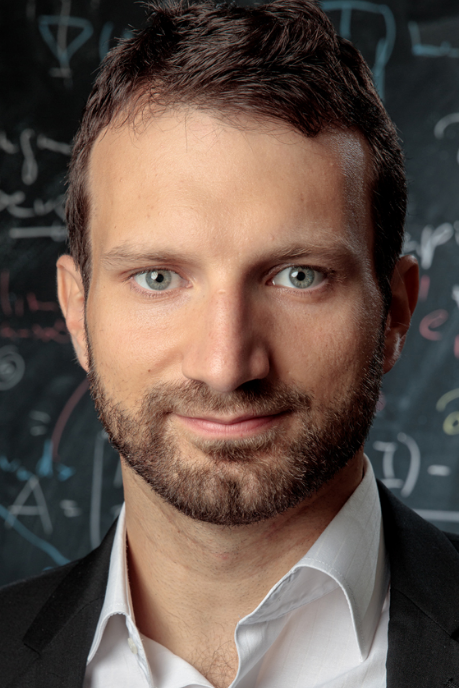 Boris Bonev合作论文数NVIDIA11
 Jasper Laca合作论文数11
 Runzhuo Ma合作论文数Department of Urology, Peking University Third Hospital, Beijing, China11
 Bahareh Tolooshams合作论文数Harvard University11
 Arvind Ramanathan合作论文数11
 Shengchao Liu合作论文数The Chinese University of Hong Kong;Wave Intelligence Lab;AI & Physics Lab11
 Ananthram Swami合作论文数DEVCOM Army Research Laboratory11
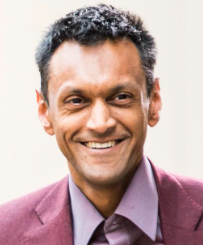 Sham M. Kakade合作论文数Kempner Institute, Harvard University11
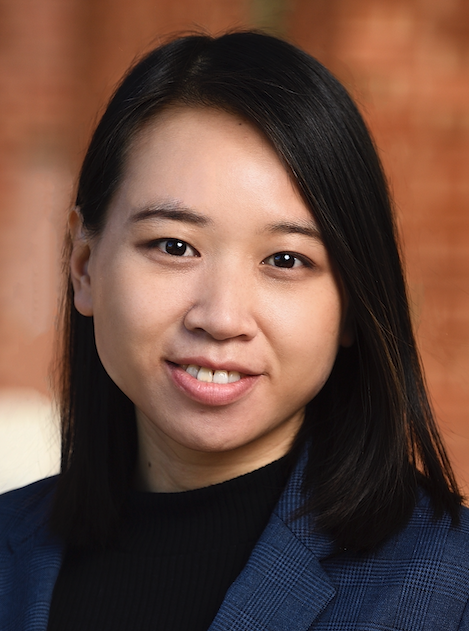 Anqi (Angie) Liu (刘安琪)合作论文数Department of Computer Science, Whiting School of Engineering, Johns Hopkins University;Mathematical Institute for Data Science, Johns Hopkins University11
 Richard G. Baraniuk合作论文数Department of Electrical and Computer Engineering, George R. Brown School of Engineering, Rice University;SafeInsights;OpenStax11
 Zhuoran Qiao合作论文数Chai Discovery10
 Burigede Liu合作论文数Department of Engineering, University of Cambridge10Elyssa Y. Wong合作论文数9
 Florian Schäfer合作论文数School of Computational Science and Engineering, College of Computing, Georgia Institute of Technology9
 Guanya Shi (石冠亚)合作论文数9
 Bryan Catanzaro合作论文数NVIDIA9
 Forough Arabshahi合作论文数9




