Celem opracowania jest rozpoznanie potrzeb i opinii właścicieli gospodarstw agroturystycznych w zakresie możliwości i kierunków rozwoju ich działalności oraz preferencji i oczekiwań turystów odwiedzających takie gospodarstwa. Zderzenie potrzeb usługodawców i oczekiwań turystów wydaje się być niezbędnym warunkiem w kształtowaniu właściwego profilu turystyki wiejskiej i identyfikacji istotnych rekomendacji w planowaniu rozwoju turystycznego. Badania realizowano w regionie świętokrzyskim, który dysponuje pokaźnym zasobem różnorodnych atrakcji turystycznych i dużą liczbą podmiotów świadczących usługi turystyczne na obszarach wiejskich. W studiach wykorzystano bogaty zasób unikalnych danych, które zostały uzyskane w wyniku badań ankietowych wśród właścicieli gospodarstw agroturystycznych i odwiedzających je turystów. Najpilniejszą potrzebą gospodarstw agroturystycznych jest modernizacja infrastruktury i podniesienie standardu bazy noclegowej. Jednakże problemem pozostaje niedostatek środków finansowych i rosnące koszty prowadzenia działalności. Poziom zadowolenia turystów z pobytu w gospodarstwach agroturystycznych jest relatywnie wysoki. Natomiast główną motywacją do odwiedzenia regionu jest chęć kontaktu z naturą i odpoczynku w środowisku o wysokich walorach przyrodniczych. Elementy dziedzictwa kulturowego i historycznego wzmacniają potencjał turystyczny regionu, ale pełnią funkcje drugorzędną.
The core aim of the work presented here is to diagnose and assess the transfer of knowledge and information in rural areas between urban and rural inhabitants. This process, as exemplified across different regions of Poland, was carried out through survey research and complementary in-depth interviewing. Specifically, the work considered both newcomers from cities and long-term inhabitants residing more or less side by side in 18 villages across the country. Answers were being sought for three research questions: (1) What types of knowledge and information are being transferred in villages between urban and rural inhabitants? (2) What are the main directions of the transfer of knowledge/information, and at what intensity? and (3) what consequences does this knowledge transfer have for rural-dwellers and the development of rural areas? It emerges that these flows between the two groups studied are of an extremely informational nature, serving to meet the daily needs of both old and new inhabitants. Where there were cases of more profound knowledge or information of a more specialist nature, this mainly related to construction, food production and crop or plant cultivation. Knowledge transfer is seen to be of rather limited intensity, proceeding through sporadic meetings that mainly take place in public places, such as streets, central areas, or shops. The flow is nonetheless of a two-way nature, with interviewing making it clear that oldtimers are first and foremost sources of up-to-date, practical information, even as newcomers supply advice and non-material knowledge alongside information.
Celem opracowania jest rozpoznanie potrzeb i opinii właścicieli gospodarstw agroturystycznych w zakresie możliwości i kierunków rozwoju ich działalności oraz preferencji i oczekiwań turystów odwiedzających takie gospodarstwa. Zderzenie potrzeb usługodawców i oczekiwań turystów wydaje się być niezbędnym warunkiem w kształtowaniu właściwego profilu turystyki wiejskiej i identyfikacji istotnych rekomendacji w planowaniu rozwoju turystycznego. Badania realizowano w regionie świętokrzyskim, który dysponuje pokaźnym zasobem różnorodnych atrakcji turystycznych i dużą liczbą podmiotów świadczących usługi turystyczne na obszarach wiejskich. W studiach wykorzystano bogaty zasób unikalnych danych, które zostały uzyskane w wyniku badań ankietowych wśród właścicieli gospodarstw agroturystycznych i odwiedzających je turystów. Najpilniejszą potrzebą gospodarstw agroturystycznych jest modernizacja infrastruktury i podniesienie standardu bazy noclegowej. Jednakże problemem pozostaje niedostatek środków finansowych i rosnące koszty prowadzenia działalności. Poziom zadowolenia turystów z pobytu w gospodarstwach agroturystycznych jest relatywnie wysoki. Natomiast główną motywacją do odwiedzenia regionu jest chęć kontaktu z naturą i odpoczynku w środowisku o wysokich walorach przyrodniczych. Elementy dziedzictwa kulturowego i historycznego wzmacniają potencjał turystyczny regionu, ale pełnią funkcje drugorzędną.
This study examines the state of knowledge and information transfer in rural areas between incoming urban residents and permanent rural residents. The study (surveys and in-depth interviews) covered these two social groups in 18 villages across Poland. The study sought answers to the following research questions: (1) What types of knowledge and information are transferred to rural areas by urban residents? (2) What are the main directions of knowledge and information transfer? (3) What are the consequences of knowledge transfer? It appears that the flow of knowledge between the two groups studied is primarily informational, serving to meet the daily needs of residents; it occurs through occasional meetings, primarily in public places. The flow of knowledge and information has two-way nature; the interviews clearly show that rural residents are primarily a source of practical information, while urban newcomers provide, in addition to information, advice and intangible knowledge.
The aim of this paper is to identify the existing possibilities for classifying territorial units, and to make a comparative assessment of their applicability in geographical research. The empirical sample constitutes three functional classifications of small towns in Poland. They differ in terms of basic formal assumptions and substantive scope, and allowed for the identification of the impact of these aspects on empirical results. The most balanced representation of types occurs in the mixed classification. However, their results are also relatively difficult to interpret qualitatively. Additionally, the effect of the modifiable areal units problem (MAUP) is identified as exceptionally strong as well.
Newcomers from the city, both those who decide to permanently settle in the countryside and those who temporarily visit the countryside as owners of second homes, constitute an important social, cultu
Przybysze z miasta – zarówno ci decydujący się na stałe osiedlić na wsi, jak i odwiedzający wieś czasowo właściciele drugich domów – stanowią ważny potencjał społeczny, kulturowy i ekonomiczny, który może korzystnie wpływać na szeroko rozumiane życie wsi. Warunkiem wykorzystania tego potencjału są przede wszystkim intensywne kontakty między przybyszami a mieszkańcami wsi. Celem opracowania było rozpoznanie wpływu osób migrujących z miast na społeczność i przestrzeń wiejską ze szczególnym uwzględnieniem opinii na ten temat wyrażanych przez stałych mieszkańców wsi. Badania zrealizowano w 18 wsiach z różnych regionów kraju (dziewięciu województw). Pierwszy etap polegał na diagnozie stanu badanych jednostek. Na drugim etapie przeprowadzono badania ankietowe skierowane do stałych mieszkańców wsi i przybyszów z miasta (363 ankiety), a na trzecim – wywiady pogłębione z 30 przedstawicielami lokalnej społeczności i 33 przybyszami z miasta. Uzyskany materiał badawczy pozwolił na omówienie cech przybyszów z miasta wskazywanych przez mieszkańców wsi, charakterystykę, intensywność i miejsca kontaktów obu grup, główne tematy rozmów oraz kierunki transferowanej wiedzy i informacji. Uzyskane wyniki stały się podstawą dyskusji nawiązującej do badań prezentowanych w literaturze europejskiej.
This study describes the electoral implications of spatial polarization in Poland, the Czech Republic and eastern Germany. Empirically, it highlights the voting behavior of residents from selected territories as examples of disadvantaged regions in these three countries, and the conditions that shape such behavior. We explore whether these implications can be explained by argument on populist preferences in peripheralized areas. An analysis of the results of the last three elections to the Polish, Czech and German parliament was used. In each country, we selected two territorial units representing less developed areas and contrasted them with a socioeconomically privileged area and the nationwide results. In Germany and the Czech Republic, support for populist parties is well above average in the peripheralized regions studied, and low in the dynamically developing places. There is no single political force that exploits voter discontent in lagging areas. Depending on the prevailing cultural and socio-economic conditions, these forces may be more right-wing, more left-wing or even rather centrist. In Poland support for clearly populist parties in disadvantaged regions reaches similar levels as in the rich community. Political differences are primarily visible on the conservatism/liberalism axis.
The research objective of the paper is to diagnose and assess knowledge transfer, taking place within rural areas as a consequence of contacts between rural inhabitants and the newcomers from towns. The survey and in-depth interviews were carried out in 18 villages from various regions of Poland. Answers to three study questions were sought: what kinds of knowledge are being transferred between the inhabitants of villages and towns? what are the main directions and related intensities in this knowledge transfer? and what are the consequences of the transfer? Knowledge transfer takes place during sporadic encounters mainly in public places – streets, central squares, shops. We concluded that permanent rural dwellers are primarily the source of current and practical information, while the newcomers from towns provide, side by side with the informative knowledge, also knowledge of advisory and non-material character. The newcomers from the urban areas value higher the advantages from the knowledge and information transferred to them than the permanent dwellers of the countryside.
Small towns of up to 20 thousand inhabitants account for roughly 80% of towns in Poland. One can distinguish among them the ones that have achieved success in terms of socio-economic development. They are characterised by a positive course of the socio-economic processes, shaping the high level and quality of life of the residents and stimulating the development of the spatial structure, featuring the above-average achievements against the background of the population of towns in Poland. The purposes of this report are to identify and to characterise these towns of success and to attempt to cognise the opinions of their administrative authorities on the subject of selected development challenges, faced by them in the perspective of more than a dozen years to come. A set of diagnostic features was used to identify the success towns. The establishment of the opinions concerning the development challenges was performed on the basis of a questionnaire addressed at the representatives of urban authorities. The study has shown that the successful centres concentrate in the vicinities of a couple of regional capitals. The output from the questionnaire-based survey generally indicated the optimism of the representatives of the analysed towns, featuring a positive opinion to the direction of the proposed socio-economic and environmental trends and a positive opinion on the potential influence thereof on the town.
The aim of the work is constructing a synthetic index of valuable nature- and landscape-related tourism features in Poland’s countryside and small towns. Six diagnostic features were used; three represent fundamental components of the natural environment, while two assess natural and landscape value by reference to the different categories of protected area, and one relates to health aspects. The values for the synthetic index are set against the distribution of tourist traffic. This provides for a proposed classification of local administrative units from the point of view of the level of use being made of attributes of nature and the landscape. Among them were: 1) areas active in tourism with highly-valuable features of nature and the landscape; 2) areas active in tourism despite features of nature and the landscape being of only limited value; 3) areas not active in tourism despite having highly-valuable features, and 4) non-tourist areas. The assessment has made it clear that a large number of communes are characterised by high level of nature- and landscape-related values. However, in many cases, these attributes present are not taken advantage of to develop tourism. Dormant potential may of course be mobilised in such areas, as efforts are made to increase local community and business activities.
Podstawowym celem opracowania jest diagnoza oraz ocena transferu wiedzy i informacji pomiędzy miastem a wsią. Badania ankietowe i komplementarne wywiady pogłębione wśród przybyszów z miast oraz stałych mieszkańców wsi wykonano w 18 wsiach z różnych regionów Polski. Poszukiwano odpowiedzi na trzy pytania badawcze. 1) Jakie rodzaje wiedzy transferowane są pomiędzy mieszkańcami miast i wsi? 2) Jakie są główne kierunki i natężenie w transferze wiedzy? 3) Jakie konsekwencje niesie transfer wiedzy? Kontakty pomiędzy dwiema badanymi grupami mają przede wszystkim informacyjny charakter, a ich celem jest zaspokojenie codziennych potrzeb. Przypadki głębszej wiedzy i bardziej specjalistycznych informacji dotyczą przede wszystkim budownictwa, produkcji żywności i hodowli roślin. Transfer wiedzy jest raczej mało intensywny i odbywa się podczas sporadycznych spotkań głównie w miejscach publicznych – na ulicach, placach centralnych, w sklepach. To zapewne wpływa na rodzaj i jakość transferowanej wiedzy i informacji. Przepływ wiedzy i informacji ma charakter dwukierunkowy. Z przeprowadzonych wywiadów wynika, że stali mieszkańcy wsi są przede wszystkim źródłem bieżącej i praktycznej informacji, natomiast przybysze dostarczają częściej wiedzy o charakterze doradczym i kulturowym. Przybysze z miast wyżej oceniają korzyści z przepływającej do nich wiedzy i informacji niż stali mieszkańcy wsi.
Małe miasta są miejscem różnorodnych zjawisk i procesów, które stanowią wyzwania dla ich współczesnego i przyszłego rozwoju. Są to m.in. zwiększające się wydatki na pomoc społeczną, problemy na rynku pracy, wzrost popytu na energię i odchodzenie od konwencjonalnych źródeł energii, niedobory wody pitnej czy też ekstremalne zjawiska pogodowe. Autorzy opracowania podjęli się rozpoznania opinii i oczekiwań władz małych miast na temat wyżej wymienionych zagadnień. Podstawowym narzędziem badawczym była ankieta, którą skierowano do przedstawicieli kierownictwa urzędów małych miast. Uzyskano odpowiedź z 231 ośrodków (32% wszystkich małych miast w roku bazowym). Miasta następnie podzielono na kategorie według trzech kryteriów uwzgledniających strukturę ekonomiczną, lokalizację i hierarchię administracyjną. Taki zabieg pozwolił rozpoznać różnice w opiniach przedstawicieli władz miejskich wynikające z cech reprezentowanych przez nich ośrodków oraz wskazać trendy stanowiące najważniejsze wyzwania rozwojowe w poszczególnych kategoriach jednostek w perspektywie 2040 r. Trendy podzielono na trzy zasadnicze grupy: społeczne, gospodarcze i środowiskowe. W zbiorze zaproponowanych 26 trendów można wyodrębnić takie, które uzyskały podobne opinie wśród zdecydowanej większości badanych osób. Zaobserwowano też, pomiędzy którymi kategoriami miast występowały największe różnice w opiniach ich przedstawicieli.
Podstawowym celem opracowania jest diagnoza oraz ocena transferu wiedzy i informacji pomiędzy miastem a wsią. Badania ankietowe i komplementarne wywiady pogłębione wśród przybyszów z miast oraz stałych mieszkańców wsi wykonano w 18 wsiach z różnych regionów Polski. Poszukiwano odpowiedzi na trzy pytania badawcze. 1) Jakie rodzaje wiedzy transferowane są pomiędzy mieszkańcami miast i wsi? 2) Jakie są główne kierunki i natężenie w transferze wiedzy? 3) Jakie konsekwencje niesie transfer wiedzy? Kontakty pomiędzy dwiema badanymi grupami mają przede wszystkim informacyjny charakter, a ich celem jest zaspokojenie codziennych potrzeb. Przypadki głębszej wiedzy i bardziej specjalistycznych informacji dotyczą przede wszystkim budownictwa, produkcji żywności i hodowli roślin. Transfer wiedzy jest raczej mało intensywny i odbywa się podczas sporadycznych spotkań głównie w miejscach publicznych – na ulicach, placach centralnych, w sklepach. To zapewne wpływa na rodzaj i jakość transferowanej wiedzy i informacji. Przepływ wiedzy i informacji ma charakter dwukierunkowy. Z przeprowadzonych wywiadów wynika, że stali mieszkańcy wsi są przede wszystkim źródłem bieżącej i praktycznej informacji, natomiast przybysze dostarczają częściej wiedzy o charakterze doradczym i kulturowym. Przybysze z miast wyżej oceniają korzyści z przepływającej do nich wiedzy i informacji niż stali mieszkańcy wsi.
The phenomenon of counterurbanization, understood as the migration of urban residents to rural areas beyond the suburbanization zone, includes both permanent relocation to the countryside and seasonal migration. The aim of the study is to identify the relationship between newcomers or people temporarily staying in rural areas and their permanent residents, with particular emphasis on the impact of the former group on the local community. The research was conducted in 2023 in 18 villages from different regions of Poland. It was assumed that the villages studied were located outside the zones of strong influence of large urban centers, including outside metropolitan areas. Surveys and in-depth interviews were conducted aimed at both permanent residents of the villages living there from birth and newcomers. The group of newcomers was divided into two categories—new residents who settled in the village in the last few years and owners of second homes who stay in the village temporarily. It can be generally stated that the newcomers from the city, when organizing their life in the countryside, are more active and more frequently initiate contact with the permanent residents than this takes place in the opposite direction. The purpose of the contact is to acquire information, useful for settling down or maintaining the estate, as well as for daily functioning in the countryside. The interactions between the representatives of the two groups considered are usually short-lived and momentary, and they take place usually in the central square of the village, in the street, or in a shop. Conversations concern daily life in the village and private matters. Encounters at home or in other places, which might be conducive to deeper exchange of knowledge and experiences and which might establish conditions for undertaking joint initiatives, are much rarer.
Agriculture represents an important element of land-use structure in most European countries. Where those in the region under study are concerned, at the beginning of the period of transformation the largest shares of land taken by farming were those in Hungary (around 70%), followed by Romania (62%), Poland (60%) and the then Czechoslovakia (53%). In the 25 years that followed, the values of the relevant indicator declined most in Hungary and Poland. This leaves a current situation in which it is possible to note among the CEECs two groups of countries that differ greatly in the role in overall land use played by agricultural land. The first group comprises Romania, Hungary, Czechia, Lithuania, Poland, Slovakia and Bulgaria, in which farmland predominates in the structure overall, with figures in the 40 to almost-60% range. The remaining four countries (Estonia, Latvia, Slovenia and Croatia) have relatively large areas of forest or unmanaged land. Indeed, more than 60% of Slovenia is under forest, while in Croatia there are extensive areas of mountain and coast in which more than half of the land actually suitable for cultivation is not being made regular use of (The agriculture… 2015). This reflects a variety of factors, including migratory outflow, the commercial non-viability of production on small farm plots, and also war in the mid-1990s contributing to a degradation of land-use structure. Overall, the low shares of land used in farming reflect unfavourable edaphic and climatic conditions in the case of the Baltic States, as well as relief where the Balkan countries are concerned (Fig. 5.1).
 Marcin Mazur合作论文数Inst Geog & Spatial Org, Polish Acad Sci36
 Konrad Czapiewski合作论文数Inst Geog & Spatial Org, Polish Acad Sci13
 Monika Wesołowska合作论文数12
 Mariusz Kowalski合作论文数Inst Geog & Spatial Org, Polish Acad Sci7
 Maria Bednarek-Szczepanska合作论文数Institute of Geography and Spatial Organization, Polish Academy of Sciences7
 przemyslaw śleszynski合作论文数Institute of Geography and Spatial Organization, Polish Academy of Sciences7
 Kaminska Wioletta合作论文数7
 Tomasz Komornicki合作论文数Institute of Geography and Spatial Organization Warsaw, Polish Academy of Sciences7
 Damian Mazurek合作论文数Inst Geog & Spatial Org, Polish Acad Sci6Wojciech Janicki合作论文数6Marek Degórski合作论文数6mariola ferenc合作论文数5polskie towarzystwo geograficzne合作论文数4malgorzata flaga合作论文数Inst Socioecon Geog & Spatial Management, Marie Curie Sklodowska Univ4Wiktoria Pantylej合作论文数4polska akademia nauk instytut geografii i przestrzennego zagospodarowania合作论文数3m mularczyk合作论文数3
 Marek Wieckowski合作论文数3Gemma García-Blanco合作论文数2
 Michał Konopski合作论文数Inst Geog & Spatial Org, Polish Acad Sci2Rafał Wiśniewski合作论文数Instytut Geografii i Przestrzennego Zagospodarowania im. S. Leszczyckiego, PAN2Magdalena Gorczynska合作论文数2
 Grzegorz Weclawowicz合作论文数2tadeusz toczynski合作论文数1Paweł Śliwowski合作论文数1Tomasz Żukowski合作论文数Instytut Badań Literackich, Polska Akademia Nauk1
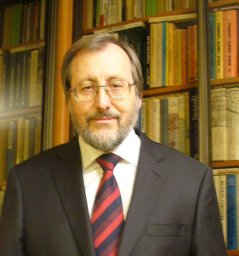 marek sobczynski合作论文数Dept Polit Hist Geog & Reg Studies, Univ Lodz1Michał Thlon合作论文数Cracow University of Economics1
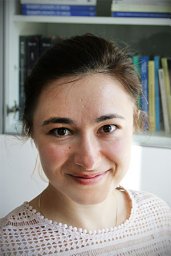 Katarzyna Wojnar合作论文数Ctr European Reg & Local Studies EUROREG, Univ Warsaw1Nikola Kasprikova合作论文数1zbigniew florianczyk合作论文数European Rural Dev Network1
 Jakub Rok合作论文数1
 agnieszka olechnicka合作论文数Ctr European Reg & Local Studies EUROREG, Univ Warsaw1Michał Kowalski合作论文数Faculty of Law and Administration, Jagiellonian University Cracow1Pavol Tisliar合作论文数1
 Sławomir Goliszek合作论文数Inst Geog & Spatial Org, Polish Acad Sci1Branislav Sprocha合作论文数Ctr Spolocenskych & Psychol Vied, SAV1
 dorota celinskajanowicz合作论文数Ctr European Reg & Local Studies EUROREG, Univ Warsaw1
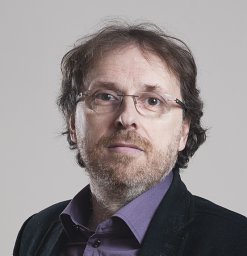 Tomáš Kostelecký合作论文数Sociol Ustavu AV CR, Prague, Czech Republic1
 Jana Vlckova合作论文数1
 Ludek Sidlo合作论文数Katedra demografie a geodemografie, Univerzita Karlova v Praze1
 Viktoriya Pantyley合作论文数Faculty of Earth Sciences and Spatial Management, Maria Curie Sklodowska University1Roman Kulikowski合作论文数1
 Adam Płoszaj合作论文数1
 Michael E Meadows合作论文数Department of Environmental & Geographical Science, Faculty of Science, University of Cape Town;School of Geography and Ocean Sciences, Nanjing University1
 Mikolaj Herbst合作论文数Department of Economics and Stastitics1
 Maciej Smetkowski合作论文数1




